
Inactive· since Aug 5, 2026
- 14
- days it ran
- 1
- relaunches
Ad copy
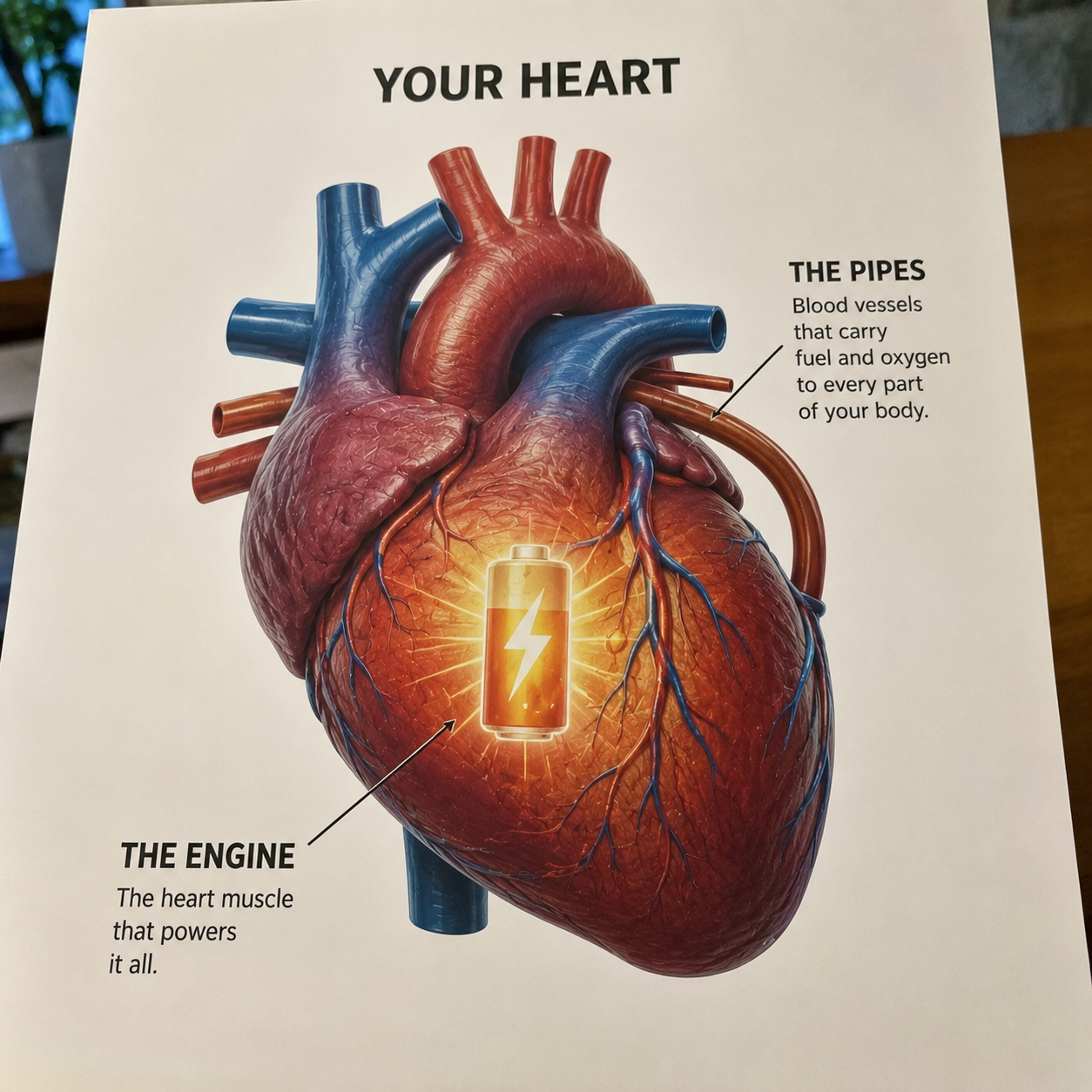
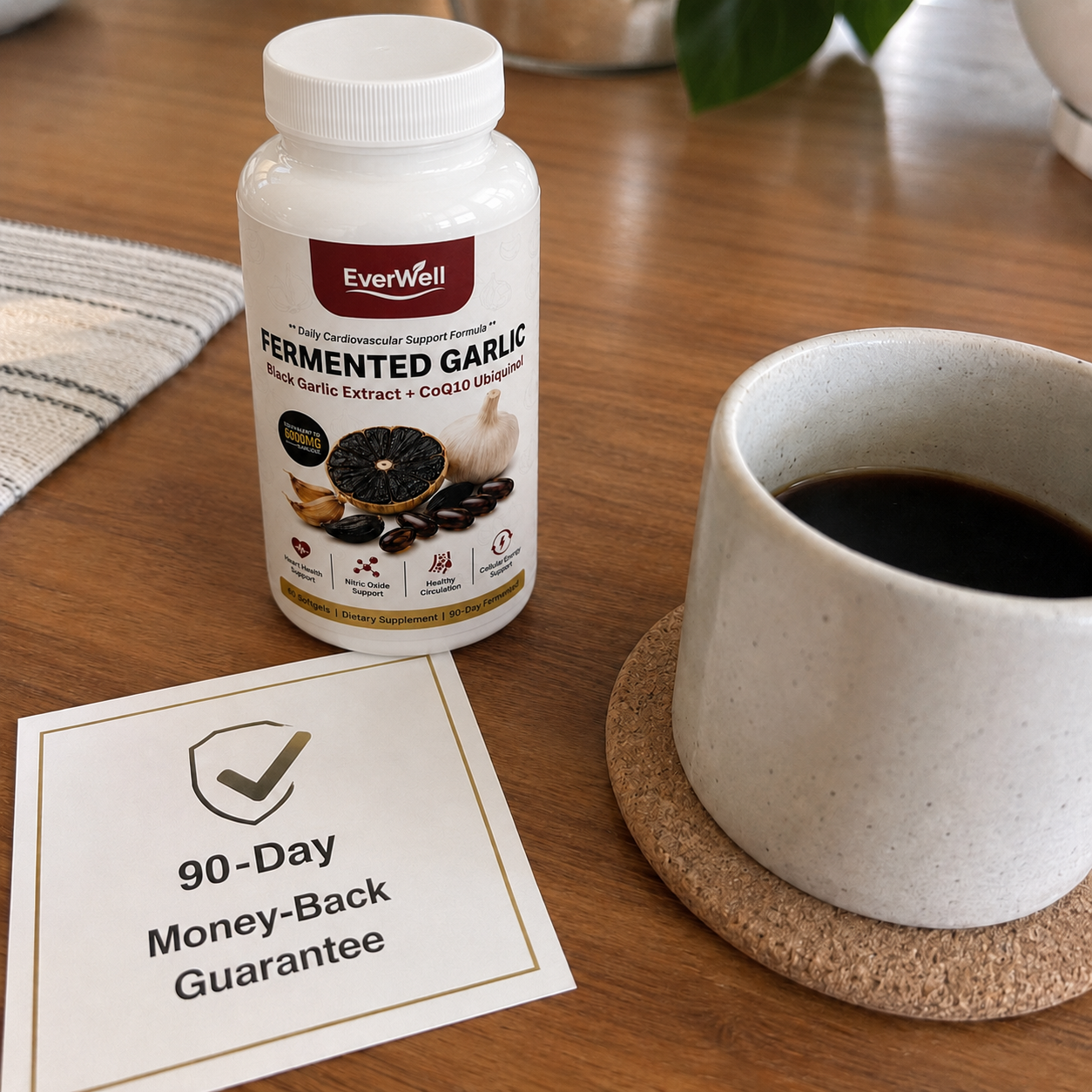
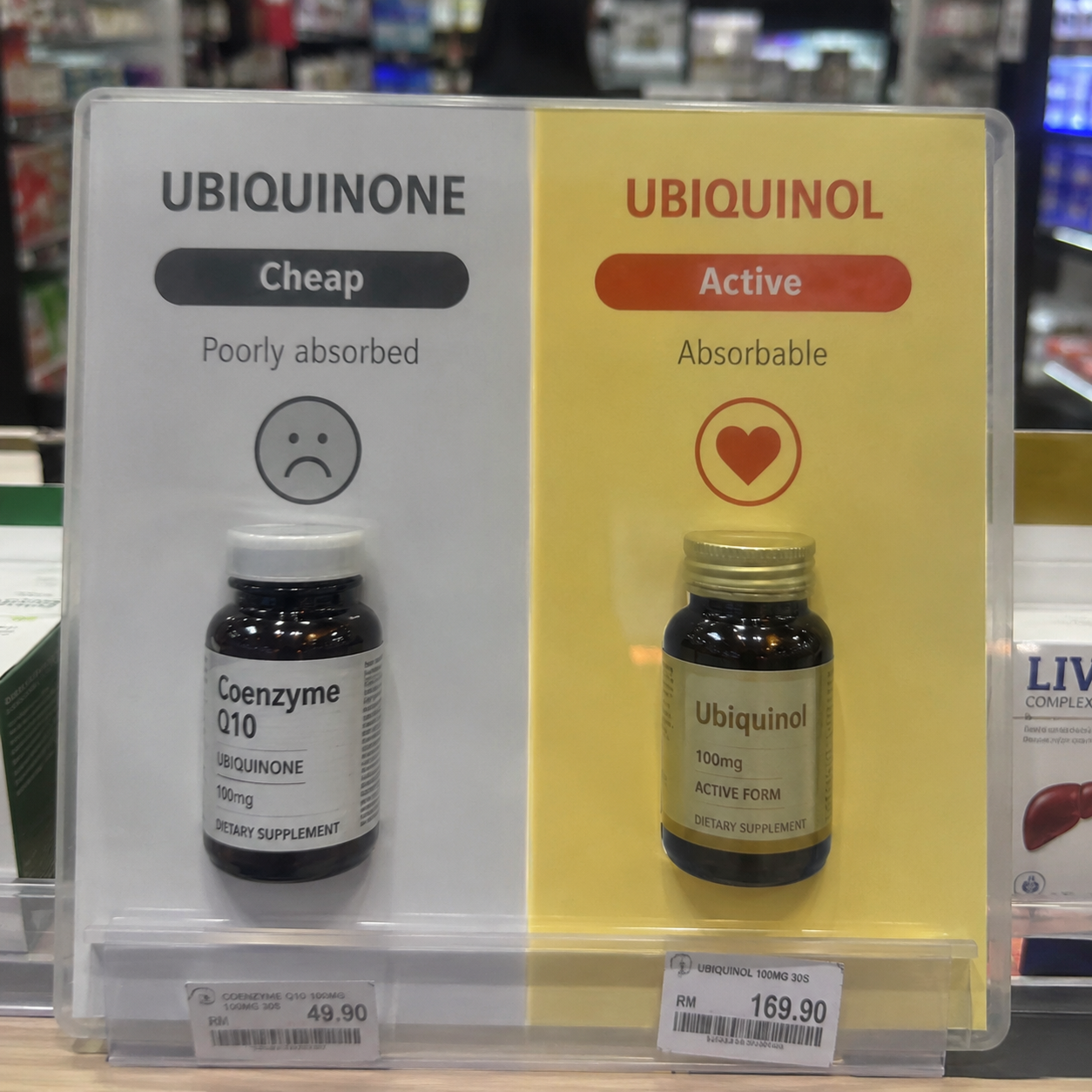
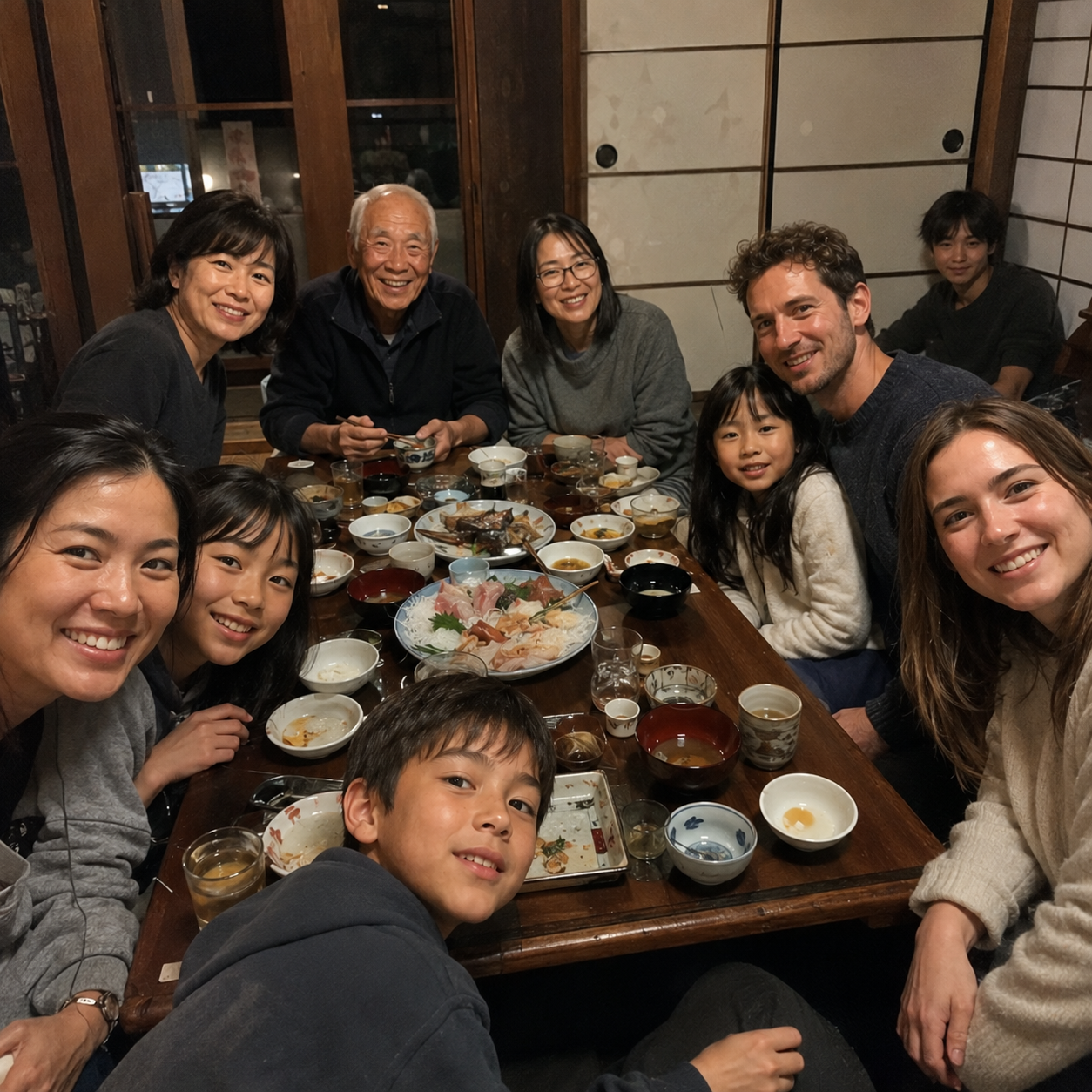
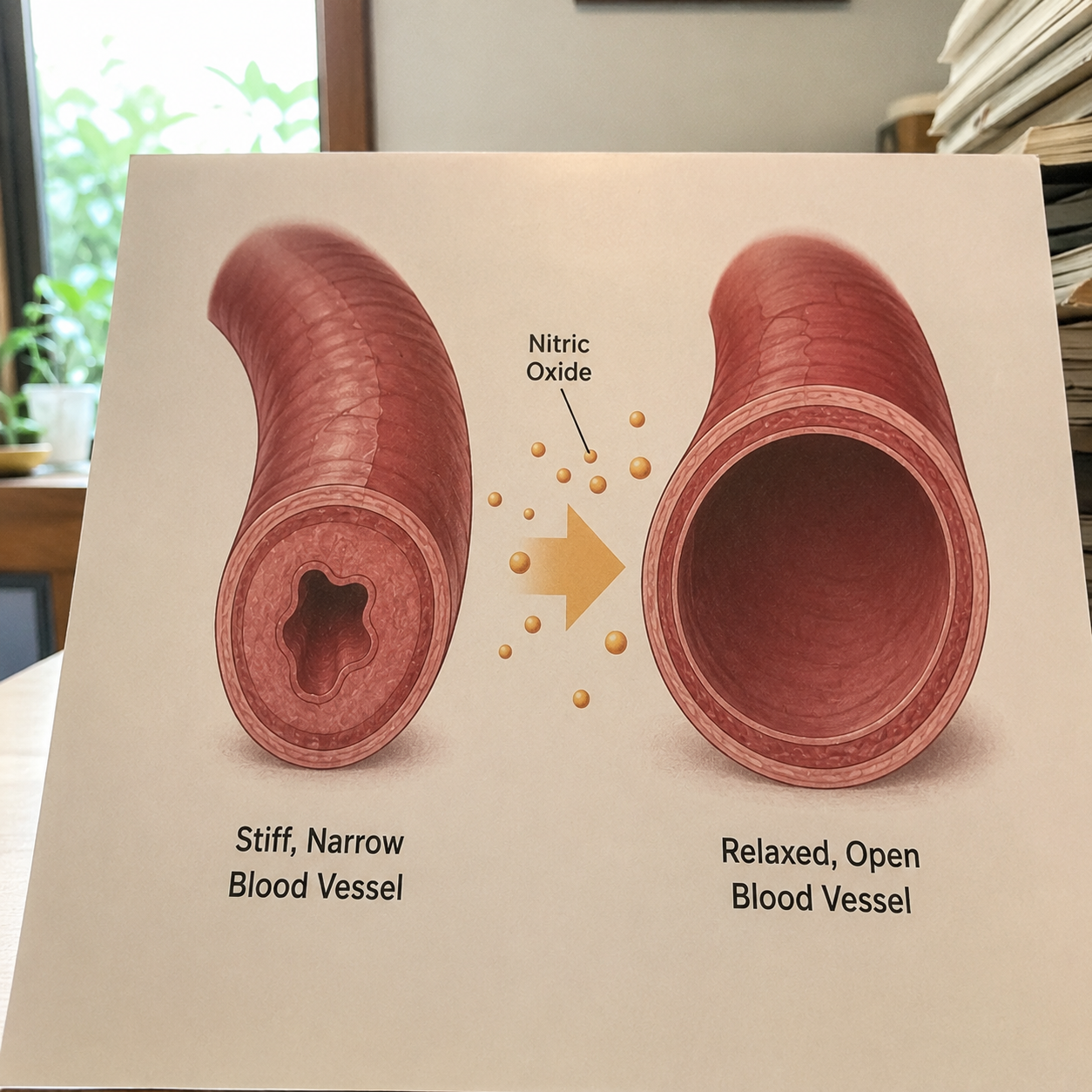
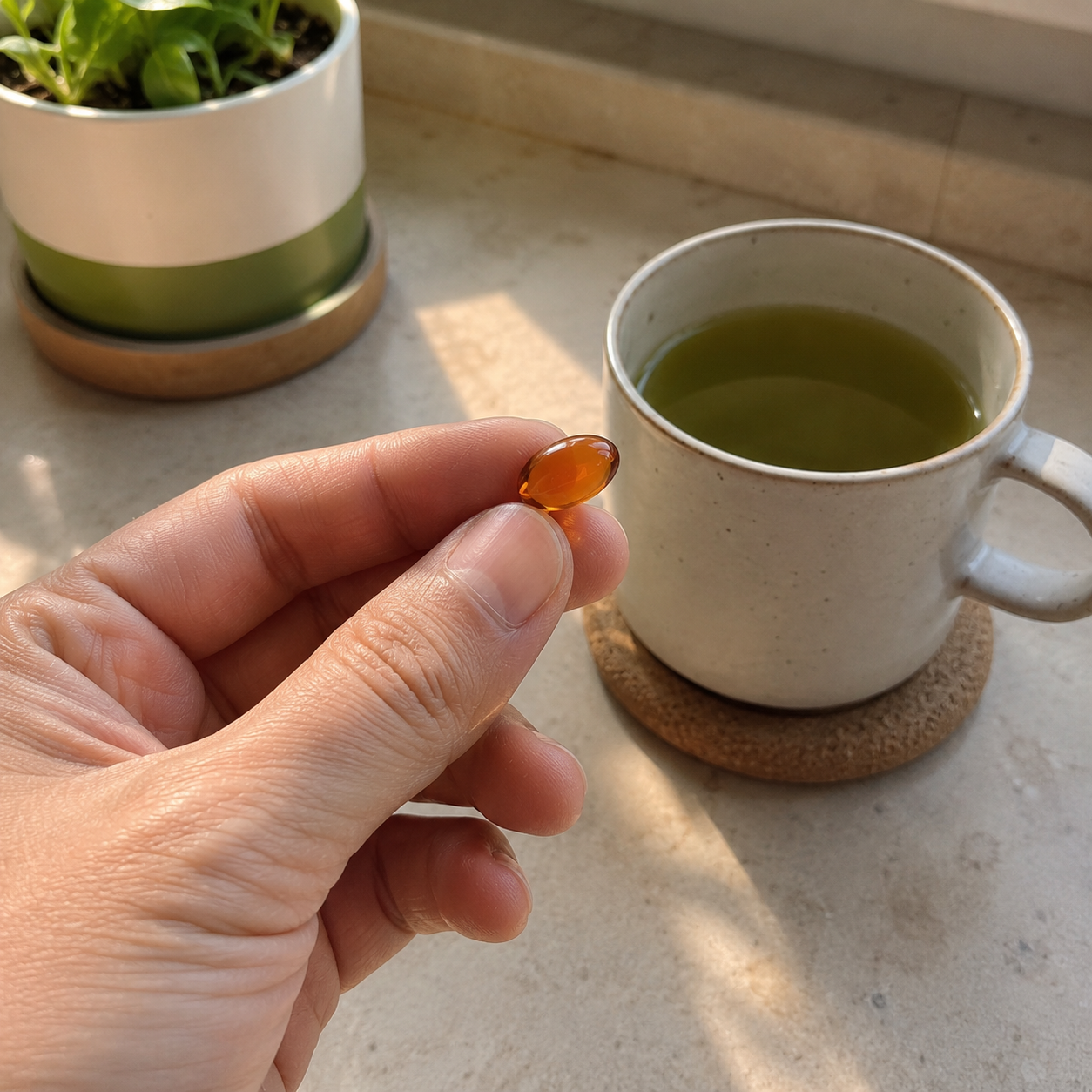
My father-in-law is ninety-two years old, and last Sunday I watched him split a stack of kindling in the backyard with a little hatchet and his bare hands while I stood on the porch out of breath from carrying the recycling bins to the curb. I am sixty-one. He is ninety-two. And I am the one who had to sit down. I want to tell you about him, and about a small black thing he eats every morning, because it changed how I think about my own heart - and because I almost waited too long to ask about it. My name is Dave. My wife is Keiko. We live in Sacramento, California, and her father - everybody in the family just calls him Grandpa Tatsuo - was born on Okinawa, in a fishing village he still describes like he left it yesterday, even though it has been more than seventy years. He came to California in his twenties. Worked farmland in the valley, then a nursery, then his own little landscaping business. He is small, maybe five foot four, with forearms like knotted rope and a laugh that fills a room. And he has this ritual that I noticed the very first morning I ever stayed at their house, back when Keiko and I were dating, more than thirty years ago. He gets up before the sun. He makes tea. And then, standing at the kitchen counter in the gray morning light, he takes a small clove of something soft and black out of a little jar, and he eats it. Just one. Slowly, like it is a piece of candy he is savoring. That first morning I asked Keiko what it was. She shrugged the way you shrug about something you have seen ten thousand times. Oh, that is Dad's medicine, she said. He has eaten it every day since I was little. Grandma made it. It is a garlic thing. Do not worry about it. A garlic thing. That is all anybody in the family ever called it. The medicine. The black garlic. Grandpa's morning candy. For over thirty years I watched that man eat one sweet black clove at the counter, and for over thirty years I filed it away as one of those charming old-country habits and never thought about it again. I should tell you what the medicine actually looks like, because the callback matters. It is not the white, papery garlic you know. It is aged until it turns a deep, glossy black - soft, almost like a dried fig or a soft date. It smells sweet and dark, like molasses and balsamic, not sharp at all. When Grandpa eats it there is no reek, no cloud, no garlic breath. He kisses his great-grandkids ten minutes later and they climb all over him. I have watched him make that jar, too. Once, years ago, I caught him in the garage in October with an old rice cooker he keeps out there just for this - whole bulbs of garlic going in, the lid down, left on the warm setting for the better part of three weeks. By the end the whole garage smelled sweet, like brown sugar, not like garlic at all. He turned each bulb by hand every few days, gently, the way you tend something that is alive. That is the medicine. He has never once bought it in a store. The kids grew up on it. My daughter, when she was seven, used to sneak a clove off Grandpa's plate and chew it like a gummy candy. He would pretend not to notice and slide the jar an inch closer to her. That was their private joke for the better part of a decade. Now here is the part that took me half my life to notice. Grandpa Tatsuo is ninety-two, and he is sharp. Not sharp for his age. Sharp. He does the crossword in pen. He remembers my kids' birthdays better than I do. He still drives to the fish market on Saturdays, still gardens on his knees for two hours, still argues about baseball. His blood pressure, his doctor told Keiko last spring, is that of a man in his fifties. His heart, on the monitor, is a metronome. And then there is my crowd. I play poker twice a month with five guys I have known since the eighties. Good men. And over the last few years that table has turned into a cardiac ward. Rick got a stent in 2021. Then a second one. Big Mike had a triple bypass the week of his sixty-fourth birthday - we played cards in his hospital room. Danny is on his fourth blood pressure medication and still runs high. Two of the five of us now carry little bottles of nitroglycerin in their jacket pockets, just in case. I can date the decline like rings on a tree. Rick's first stent was the October we all turned sixty - we joked it was his birthday present to himself. By the next spring he had the second one. Big Mike's bypass was that following January; I remember because we dealt him in from a laptop propped on his hospital tray, and he still won forty dollars off us with an oxygen line in his nose. Danny keeps a pill organizer now, the kind with a little door for each day of the week, and he snaps it shut at the table between hands. Frank, the fifth of us, had what they call a widowmaker warning last year and will not talk about it. We used to argue about baseball. Now half the talk at that table is about blood pressure numbers and which cardiologist takes which insurance. These are American guys my age. We ate the same burgers, watched the same games, worked the same kind of years. And we are falling apart on schedule, like it is just what happens to men in their sixties. Meanwhile my ninety-two-year-old father-in-law is out back splitting kindling. For years I told myself it was luck. Good genes. Those Okinawans just live forever, you know how it is. That is what I said. That is what everybody says. It let me off the hook. Then came the night that took me off the hook the hard way. It was February. A Tuesday, around two in the morning. I woke up with a heaviness in my chest, like somebody had set a phone book on my sternum, and a dull ache running up into my jaw. My left arm felt wrong. Not pain exactly. Wrong. Keiko drove me to Sutter, doing sixty through empty streets, both hands white on the wheel, telling me to keep talking to her, keep talking, do not stop talking. I have never heard her voice sound like that before or since. Four hours in the ER. Wires all over my chest. A young doctor with tired eyes. In the end it was not a full heart attack - they called it unstable angina, a warning shot, the kind of thing that means the pipes are narrowing and the next one might not be a warning. I went home at dawn with three new prescriptions, a follow-up with a cardiologist, and a bill that, after insurance, still came to eleven hundred dollars. I have thought a lot about those four hours on the gurney. The curtain that does not quite close. The monitor beeping out my own heartbeat somewhere behind my head where I could not see it. A man two curtains down crying quietly to somebody on the phone. The young doctor coming back with the blood results and using the word warning, and how the word did not comfort me at all - because a warning means there is something coming that you are being warned about. Keiko sat in the plastic chair the whole time with her coat still on, holding my work boots in her lap because there was nowhere else to put them. I keep coming back to that one picture. My wife, at three in the morning, holding my boots. I sat at my own kitchen table that morning as the sun came up. And Grandpa Tatsuo, who was staying with us that week, shuffled in, made his tea, and took his little black clove out of the jar, the same as he had every morning for the thirty years I had known him. And for the first time in my life, I actually looked at it. And I asked him. Dad. What is that, really? He smiled. In his careful English he said, Long life. My mother, her mother. Okinawa. You eat, the heart stay young. He tapped his chest. Soft. Keep it soft. Keep it soft. I did not understand what he meant that morning. I understand it completely now. Let me tell you what I found. Because I did what I should have done thirty years earlier. I started reading. Not headlines - real reading, the kind you do at midnight when a doctor has just told you your arteries are narrowing and you are scared and you finally have a reason to care. I read about Okinawa, which turns out to be one of the famous Blue Zones - the handful of places on earth where people routinely live past a hundred with hearts that just keep going. I read papers out of Japan and Korea about aged garlic. I read about a compound I had never heard of in my life. And slowly, over a couple of weeks, the little black clove stopped being a family quirk and became the most sensible thing on the kitchen counter. I filled a yellow legal pad. I read about the women of Okinawa who garden into their hundreds. I read about a study that followed thousands of hearts and found the people eating aged garlic had softer, calmer arteries. I read a Japanese paper so dense I had to look up every third word, all about how the slow aging changes the garlic on a molecular level. I watched a lecture from a heart doctor at two in the morning with the volume low so I would not wake Keiko. Somewhere in all of it, the thing stopped being about living forever and became something smaller and more honest. I just wanted to carry the recycling bins up my own driveway without my chest telling me to stop. I wanted to walk my daughter down an aisle someday. I wanted to be the old man out back with the hatchet, not the one on the porch catching his breath. Here is the way I finally understood my own heart, sitting at that table. By my age the trouble was never just one thing. It was three things at once. And I want to explain them the way they finally made sense to me, because once you see it you cannot unsee it. Think of your heart and arteries as the engine and the plumbing of a house you have lived in for sixty years. Problem one is the pipes. Your arteries are supposed to be soft and springy - opening wider whenever your heart needs to push more blood through. That is the soft Grandpa kept tapping his chest about. After decades they stiffen and narrow, and the heart has to shove blood through a tighter and tighter pipe, every single beat, day and night. That is what rising blood pressure really is: a tired muscle pushing against a door that keeps closing a little more each year. That heaviness in my chest at two in the morning was a pipe that had gotten too narrow. What keeps the pipes soft and open is a molecule called nitric oxide - the body's own signal telling the vessel walls to relax and widen. More of it, the pipes open, the pressure eases, the blood moves. And one of the oldest, most studied ways to support nitric oxide on this earth is garlic. But not the raw white garlic in your kitchen. Aged, fermented black garlic. Grandpa's black garlic. Here is the thing that made me put the laptop down and just stare at the wall. When ordinary garlic is slowly aged and fermented for weeks - exactly the way Grandpa's mother did it in Okinawa, exactly the way his wife did it in our valley - the harsh, smelly part of garlic, a compound called allicin, is gently converted into a calm, stable, odorless compound called S-allyl cysteine. SAC, for short. That single change is the whole secret. The aging turns raw, reeking, hard-to-take garlic into a soft, sweet, odorless clove that is actually richer in this heart-friendly compound than fresh garlic ever was. That is why it smells like molasses instead of a pizzeria. That is why Grandpa never once had garlic breath in thirty years. Problem one, the pipes - that is what the black clove has been quietly working on every morning of his life. Problem two is the engine. Your heart is a muscle, and it never rests - it beats about a hundred thousand times a day, every day, no breaks, for your whole life. To do that it burns a staggering amount of energy, and the spark your heart cells use to make that energy is a nutrient called CoQ10. Your heart holds more CoQ10 than any other muscle in your body, because it needs more than any other muscle. And here is the cruel part nobody had ever told me. Your CoQ10 level falls as you age - so the older heart is running low on the exact spark it needs most. And if you happen to be on a statin for cholesterol, the way half my poker table is, those drugs lower your CoQ10 even further as a side effect. So a lot of men my age are running an engine that is starving for spark, right when it needs the most - and nobody warns them. My own cardiologist put it plainly when I asked him later. A statin, he said, turns down the little factory in your body that makes cholesterol - and that very same factory also makes CoQ10. Turn it down and you lower both at once. Good for the cholesterol. Quietly bad for the spark. And almost nobody gets told to put the spark back. Problem three is the rust. This is the piece that tied it all together for me. The plaque that clogs arteries and causes the stents and the bypasses does not build up just because cholesterol exists. It builds up when cholesterol oxidizes - when it rusts - and that rusted, oxidized cholesterol is what inflames the artery wall and clings to it, narrowing the pipes even more and forcing the tired engine to work even harder. The oxidation is the real driver of the damage. And the only thing that slows rust, in metal or in arteries, is antioxidants. Aged black garlic is loaded with antioxidants. So is CoQ10, which is itself a powerful antioxidant on top of being the engine's spark. Slow the rust, and you slow the whole thing down. Picture the underside of a truck that has driven ten winters on salted roads. The rust does not arrive all at once - it creeps, it flakes, it eats the metal from the inside while the paint still looks fine on top. That is oxidized cholesterol in the wall of an artery. My bloodwork could read fine on the surface while the rust did its quiet work underneath. That was the part that scared me most, because it meant fine was not the same thing as safe. So there it was, laid out on my kitchen table. Three problems running at the same time. Stiff pipes. A starving engine. And rust that nobody was slowing down. And here is why almost nothing on the pharmacy shelf touches all three. Because when I finally went looking for a supplement, what I found was a mess. The garlic pills are the first trap. Most of them are made from raw garlic - the harsh, smelly kind - so they reek. Men buy a bottle, take them for a week, spend that week burping garlic and clearing rooms and gassing out the car, and quit. They decide garlic supplements do not work, when the truth is they just could not stand to keep taking them. They never got the aged, odorless kind Grandpa eats. The CoQ10 is the second trap. Most bottles use a cheap form called ubiquinone, which the aging body absorbs poorly - you swallow it and most of it never reaches the muscle that needs it. You think you are refueling the engine and you are mostly just feeding the toilet. The form your body can actually use is called ubiquinol - the active, absorbable one - and most cheap bottles do not bother with it. And the third trap is that almost every product does the pipes OR the engine. Never both. And practically none of them take the rust seriously. You end up buying two or three bottles that each touch one corner of a three-corner problem, in forms you either cannot stand or cannot absorb. And even when you find a bottle that gets the form right, most of them under-dose it into meaninglessness - a hundred milligrams of this, a pinch of that, printed big on the label to look impressive and nowhere near enough of anything to matter. It is the oldest trick on the shelf. Put the good ingredient on the front in large letters and put almost none of it in the capsule. You pay for the word, not the dose. I wanted the one thing Grandpa had by accident - the aged black garlic - but in a form I would actually take every day, paired with the engine spark my sixty-one-year-old, newly-medicated heart was almost certainly running low on. I did not think it existed in a single product. I found it the way you find the things that actually work. Not from an ad. From a comment, buried in a longevity forum, from another guy whose father-in-law was Okinawan and who had gone looking for the exact same thing I was looking for. It is called EverWell Fermented Black Garlic Extract with CoQ10 Ubiquinol. When I read the label, I actually laughed out loud, because it was Grandpa's morning clove and the engine spark, put into one odorless softgel, on purpose. Let me break down exactly why it maps onto all three problems, because this is the whole point. The fermented black garlic extract is the pipes and half the rust. It is the aged kind - rich in that stable, odorless S-allyl cysteine, the SAC - not the harsh raw allicin. That is what supports nitric oxide and helps keep the vessels soft and open, and it carries a heavy load of antioxidants to help slow the rust. It is Grandpa's black clove, concentrated. The CoQ10 is in the ubiquinol form - the active, absorbable one my aging, statin-taking body can actually use, not the cheap ubiquinone that passes straight through. That is the engine - the spark for the muscle that beats a hundred thousand times a day - and, because CoQ10 is itself an antioxidant, it is the other half of the rust. It is six thousand milligrams. A real dose, not a sprinkle. The engine and the plumbing and the antioxidants, all in one softgel. And it is odorless. That is not a small thing - it is the whole reason a person can actually keep taking it. No reek, no burp, no cloud in the car, no grandkid making a face. The exact reason Grandpa could eat his clove every single morning for ninety years without anyone minding. So look at what that one softgel is actually doing, held up against the three problems. The black garlic and its S-allyl cysteine go straight at the pipes - supporting the nitric oxide that keeps them soft and open - exactly the way Grandpa's clove has for ninety years. The ubiquinol goes at the engine, refueling the spark my new statin was going to drain. And the antioxidants in both the garlic and the CoQ10 go at the rust, slowing the oxidation that was the real villain all along. One softgel. Three corners. That is the thing I could not find anywhere else. So I started. Two softgels a day, with my morning coffee, right next to the prescriptions my cardiologist gave me - because let me be very clear, I did not stop a single thing my doctors told me to do. I take my medications. I keep my follow-ups. This just sits on the counter beside them. Here is what is true, and only what is true, because anybody who tells you a softgel is a miracle is selling you a story. The first couple of weeks, nothing I could point to. Then, somewhere in the third or fourth week, I noticed I was carrying the recycling bins to the curb without stopping to breathe at the top of the driveway. A small thing. But I noticed. Then it was the stairs at work. Then it was a walk around the block after dinner with Keiko that turned into two blocks, then the whole neighborhood, without that heaviness settling onto my chest. At my three-month follow-up, my cardiologist looked at my blood pressure and my numbers, raised an eyebrow, and said, Whatever you are doing, keep doing it. I told him about the black garlic and the ubiquinol. He nodded and said CoQ10 is very reasonable for a man on a statin - that a lot of his patients take it. He did not blink. He just said keep going. My poker buddies noticed too. Rick, the one with the two stents, watched me climb the stairs to Big Mike's game two at a time and said, What are you on? And I told him about a ninety-two-year-old man in my kitchen and a little black clove, and for once nobody laughed. There is one more moment I will not forget. Last summer we drove Grandpa back out toward the coast and he wanted to walk down to the water. It was a long path, steep in places. A year earlier I would have found a bench and waved them all on ahead. This time I walked the whole way down and the whole way back up, next to a ninety-two-year-old man, and neither of us had to stop once. At the top he looked at me, tapped his chest, and said the same word he has said to me for thirty years. Soft. And then he laughed, because he could tell I had finally understood it. Now here is the part I need you to hear, because it is the reason I am writing all of this to strangers. They stand behind it with a 90-day money-back guarantee. Ninety days. If it does nothing for you, you send it back and you get every dollar back. It is about thirty dollars for the bottle - less than I spend on two coffees and a sandwich - and if you feel nothing, you are out nothing. That guarantee is the only reason a skeptical, tired, scared sixty-one-year-old man was willing to try it in the first place. There is no version of this where you lose. I keep thinking about the thirty years I watched that little black clove at the counter and never once asked. About my friends and their stents and their nitroglycerin. About how close I came, at two in the morning in February, to being one more American man who just assumed falling apart was the schedule. It is not the schedule. Grandpa Tatsuo is ninety-two and out back with a hatchet, and he has been telling me the secret every single morning for thirty years. I just finally listened. Not just protect. Restore. Not just protect the heart. Help restore it. The pipes, the engine, and the rust - at the same time, in a form your body can actually absorb, without the smell that makes everyone quit. Keep it soft, like the old man says. If your heart has ever scared you at two in the morning - if you have watched your friends get stented one by one and wondered when your turn is coming - I am not going to tell you what to do. I am going to tell you what a ninety-two-year-old man taught me, the way I wish somebody had grabbed me by the shoulders and told me thirty years ago. It is called EverWell Fermented Black Garlic Extract with CoQ10 Ubiquinol. It is odorless, it is about thirty dollars, it comes with that 90-day guarantee, and it is two softgels a day. Go read about it for yourself. That is all I am asking. I almost did not, and I will be grateful for the rest of my life that one February morning I finally looked at the little black clove and asked. - Dave, 61, Sacramento, CA P.S. Grandpa Tatsuo still eats his clove from the jar every morning - he says the softgel is for the young people like me, and then he winks, because to him sixty-one is young. Last month he turned ninety-three. He split the kindling for the whole party himself and would not let anyone help. I want to be that man at ninety-three. For the first time in my life I actually believe I might be. P.P.S. I do not work for EverWell and I do not make a cent from any of this. I am a retired parts manager who married into the luckiest family on earth and spent thirty years too polite to ask a simple question. This is the post I went looking for after my ER visit and could not find, so I wrote it. These statements have not been evaluated by the FDA, and nothing here is meant to diagnose, treat, cure or prevent any disease. Talk to your own doctor, especially about your medications. But please, do read about it for yourself. Ask the question I waited thirty years to ask.
My father-in-law is 92 and still splits kindling in the backyard with his bare hands. Three of my poker buddies have stents. For eleven years I thought Grandpa was just lucky - until I finally asked about the little black clove he eats every single mornin
EverWell
LEARN MORELike this ad? Make it yours.
Crush rebuilds this exact creative around your product — your brand, your colors, your offer — in about a minute.