
Stopped· since Jan 15, 2026
- 181
- days it ran
- 1
- relaunches
Ad copy
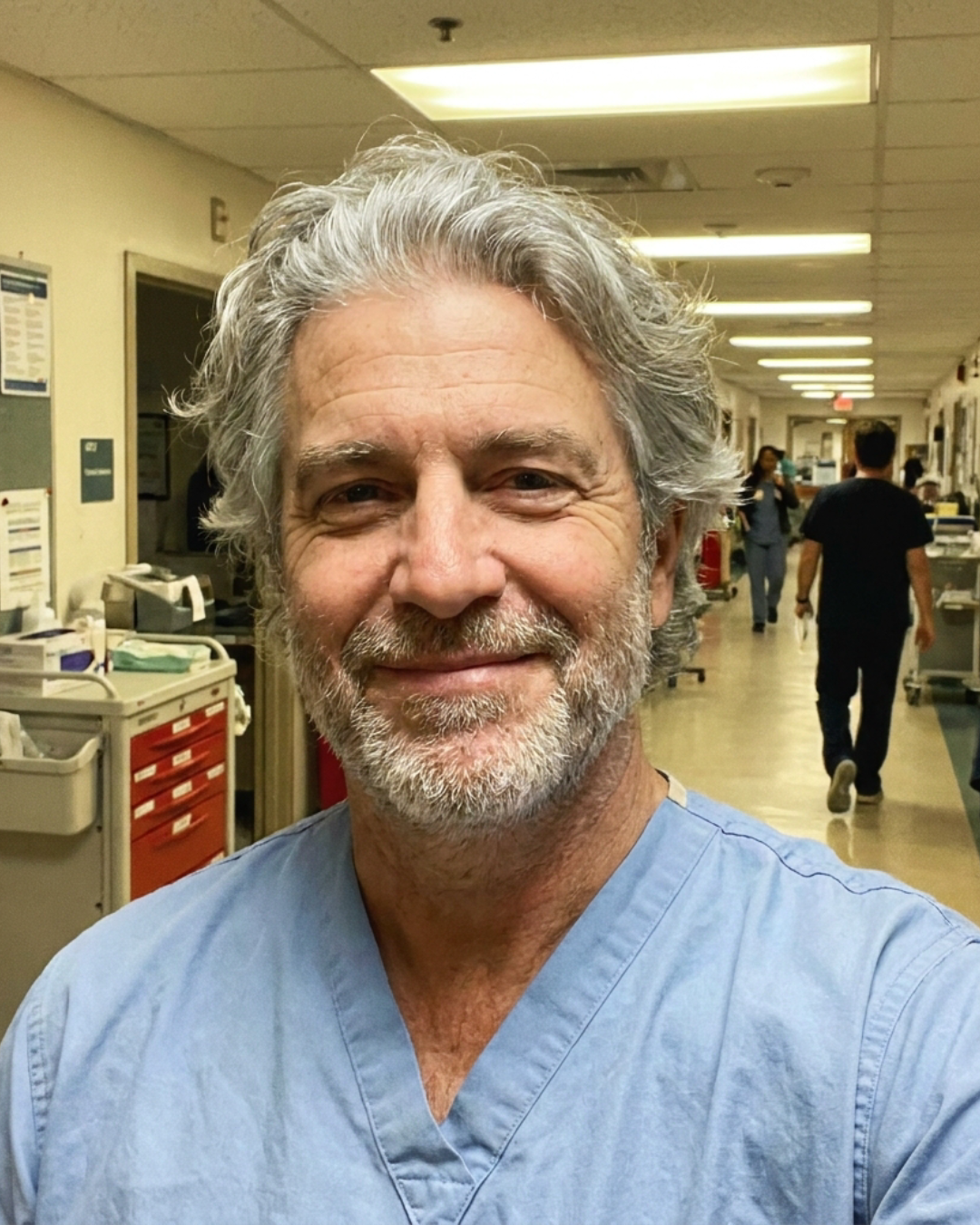
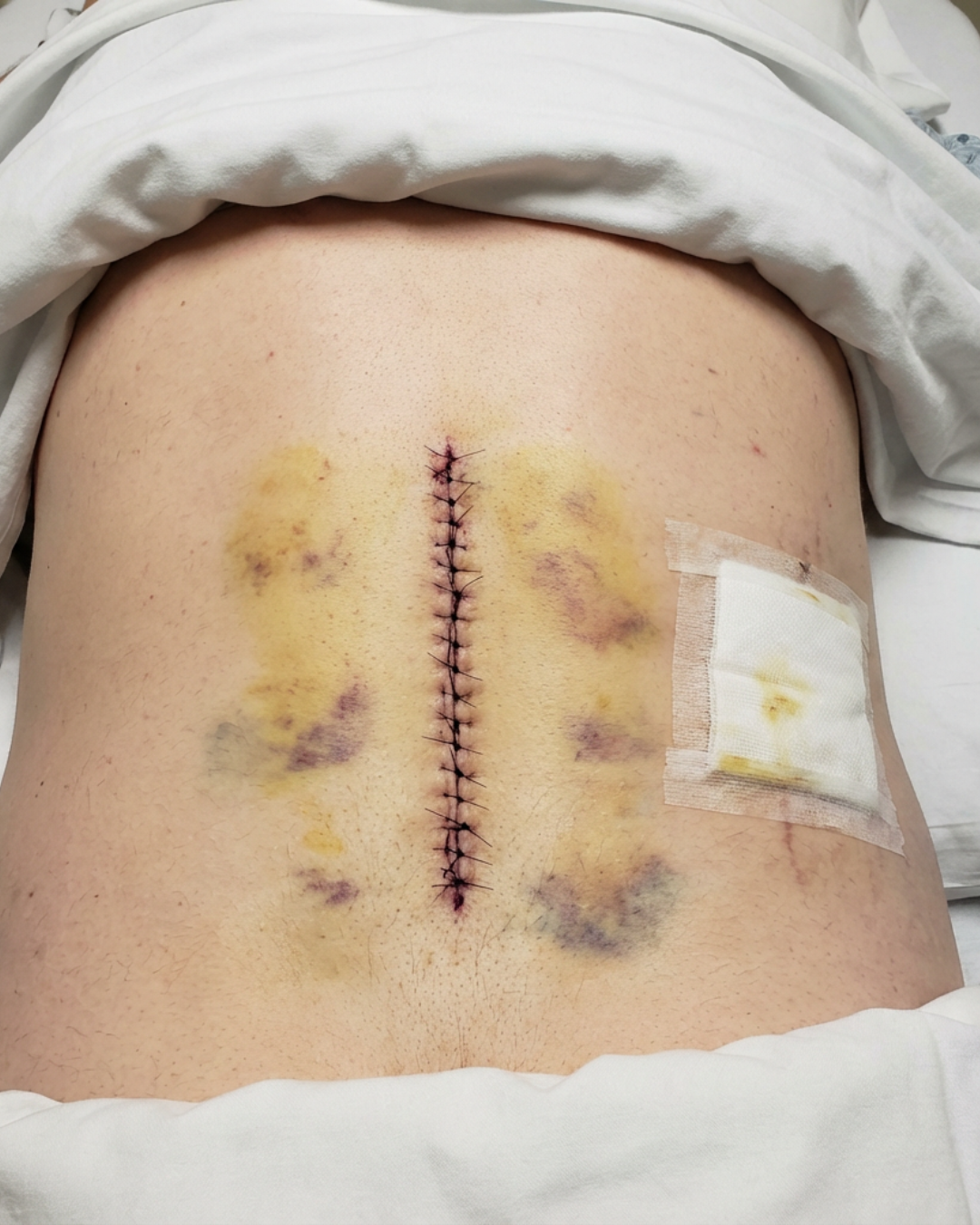
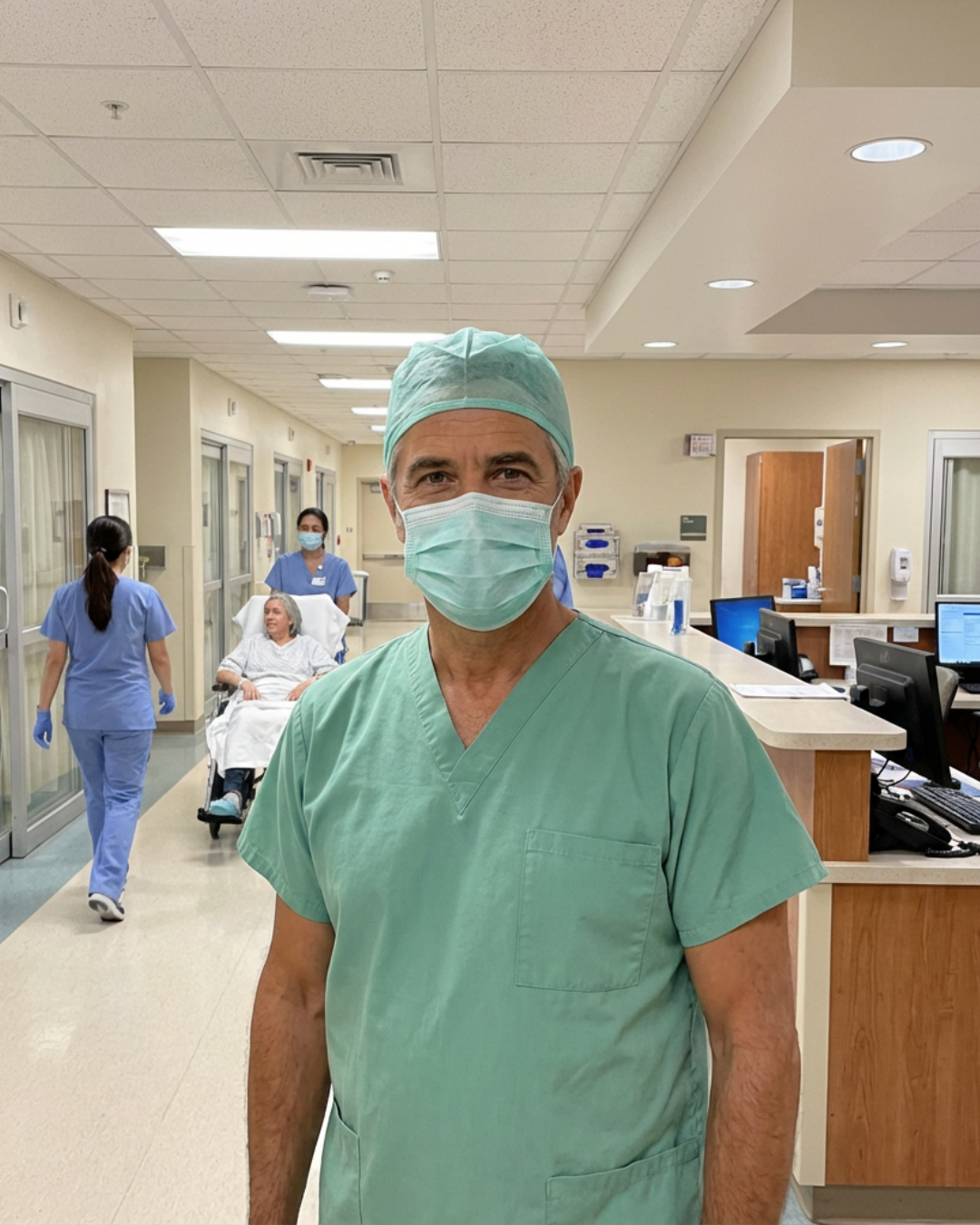
I’ve performed over four hundred sciatica back surgeries in my career. And for years, I believed it was the right thing to do. Remove part of the herniated disc that’s pressing on the nerve, and the symptoms go away. That’s what every textbook says. But after enough years in practice, something started to bother me. Patients I operated on would come back months later still struggling to tie their shoes, get out of bed, move freely. The scars healed. The nerves didn’t. And no one could explain why. I remember one patient clearly. A middle-aged teacher named Loretta. She’d spent thirty years on her feet, bending over desks, carrying books, sitting in hard chairs grading papers. She came to me unable to stand for more than ten minutes without a flare-up. Classic sciatica. We did the surgery. It went smoothly. Six weeks later she came back and said, "The back of my leg still tingles. I thought this would fix it." I told her to give it time. That nerves can take months to recover. Three months later, she said it still felt like fire running from her lower back down her thigh. That was the day I started questioning everything I thought I knew. If the herniated disc was the real cause, surgery should fix everyone. But it didn't. So why did so many people keep hurting even after we “removed pressure”? That question kept me up at night. I started reading every new study I could find. Late nights at my desk. Cold coffee beside my notes. The same thought repeating in my head... What are we missing? Then I found it. It was a research paper from a spinal rehabilitation institute in Sweden. It said, "Disc thinning and dehydration play a greater role in nerve dysfunction than a herniated disc alone." I read it three times. The real issue wasn't just pressure on the nerve. It was the spinal discs themselves. Years of compression slowly squeeze the fluid out of your spinal discs. Like wringing out a sponge that never gets re-soaked. The discs don't just get thinner. They starve. So even if you release the pressure surgically, the discs are still dried out. Still thin. Still unable to cushion the vertebrae or protect the nerves. It finally made sense. We were mopping the floor while the faucet was still running. Once I understood that, I started searching for ways to rehydrate discs safely. Something noninvasive that could help the spine heal naturally. That's when a colleague, a physical therapist who worked with veterans, told me about something he'd been using in rehab. He said, "It's not a pill or an adjustment. It's a combination of three proven therapies." At first I laughed. But then he showed me the research. Spinal traction. Proven to create space between vertebrae and allow discs to reabsorb fluid. Therapeutic heat. Proven to increase blood flow and deliver nutrients to starving discs. Deep tissue massage. Proven to release the muscles that lock the spine in compression. He said, "The problem is, you need all three working together. Traction alone isn't enough. The muscles pull everything back. Heat alone isn't enough. There's no space for the fluid to go. You need the combination." That got my attention. I started reading every clinical study I could find on these three therapies. The results were consistent. Better disc hydration. Faster recovery. Reduced pain. It was the exact opposite of surgery. Instead of cutting the body to relieve pressure, it helped the body restore what it had lost. But I ran into one problem. Clinical spinal traction units cost $5,000 to $10,000. And they only do traction. No heat. No muscle release. Until a few months later, when that same therapist sent me a link and said, “You’ll want to see this.” That’s how I found SmoothSpine. A health startup partnered with a group of spinal experts and engineers who had lived this problem firsthand. They spent years developing a device that could deliver a combination of the three medical-grade therapies — safely, effectively, and at home. They called it the SmoothSpine Triple Fusion Massager. For the first time, it wasn't just another poorly made back pain gadget. It was designed specifically for people with Sciatica and chronic back pain. And it was built to solve the same problem I'd been wrestling with for years – how to restore disc health and height without surgery. So I tried it myself. As a surgeon, I'm on my feet and bending over patients all day. Decades of this had started to leave my own lower back stiff and aching. I laid down on the device, pressed the button, and felt the traction gently decompress my whole spine. Then the heat came on. Not surface warmth like a heating pad. This went deeper. Finally, the massage started working along both sides of my spine. Muscles I didn't even know were tight started releasing. Fifteen minutes later, it shut off automatically. When I stood up, something felt different. I used it every evening for two weeks. By the end of that time, my morning stiffness was gone. My flexibility had returned. The ache that had been my constant companion for months had faded. I couldn't ignore that. So I started recommending it to a few of my patients who were trying to avoid surgery. One of them, a retired construction worker, came back after three weeks and said, "Doc, I slept through the night for the first time in four years." Another told me she could pick up her grandkids again without being afraid her back could collapse every moment. That's when I realized this wasn't a coincidence. When you give the spine what it needs, space, blood flow, and muscle release, it knows how to heal. We just have to stop getting in the way. I still perform surgery when it's truly necessary. But I don't rush into it anymore. You can't cut your way to disc health. You have to nourish it. That's why I recommend the SmoothSpine Triple Fusion Massager. Not because it's flashy, but because it addresses what's actually happening inside the spine. It helps decompress those crushed vertebrae, restore circulation to starving discs, and release the muscles that have been in spasm for years. And when you do that, the body remembers how to heal. I'm not sharing this as a sales pitch. I've just seen too many people go under the knife without ever hearing this explanation. If you're someone who's been told surgery is the only option, please, take a step back. Learn what's really going on inside your spine before you make that decision. For me, this discovery changed the way I practice medicine. For my patients, it changed their lives. And for you, it might be the thing that keeps you out of the operating room. Here's the link to check it out if you're curious. https://try.smoothspine.com/tfbm-coc-adv2 No pressure. Just information I wish every patient had before they let someone cut them open. Sometimes healing doesn't come from the scalpel. Sometimes, it comes from giving your spine the space to breathe again.
Like this ad? Make it yours.
Crush rebuilds this exact creative around your product — your brand, your colors, your offer — in about a minute.