
Active· since Dec 5, 2025
- 286
- days running
- 0
- relaunches
Ad copy
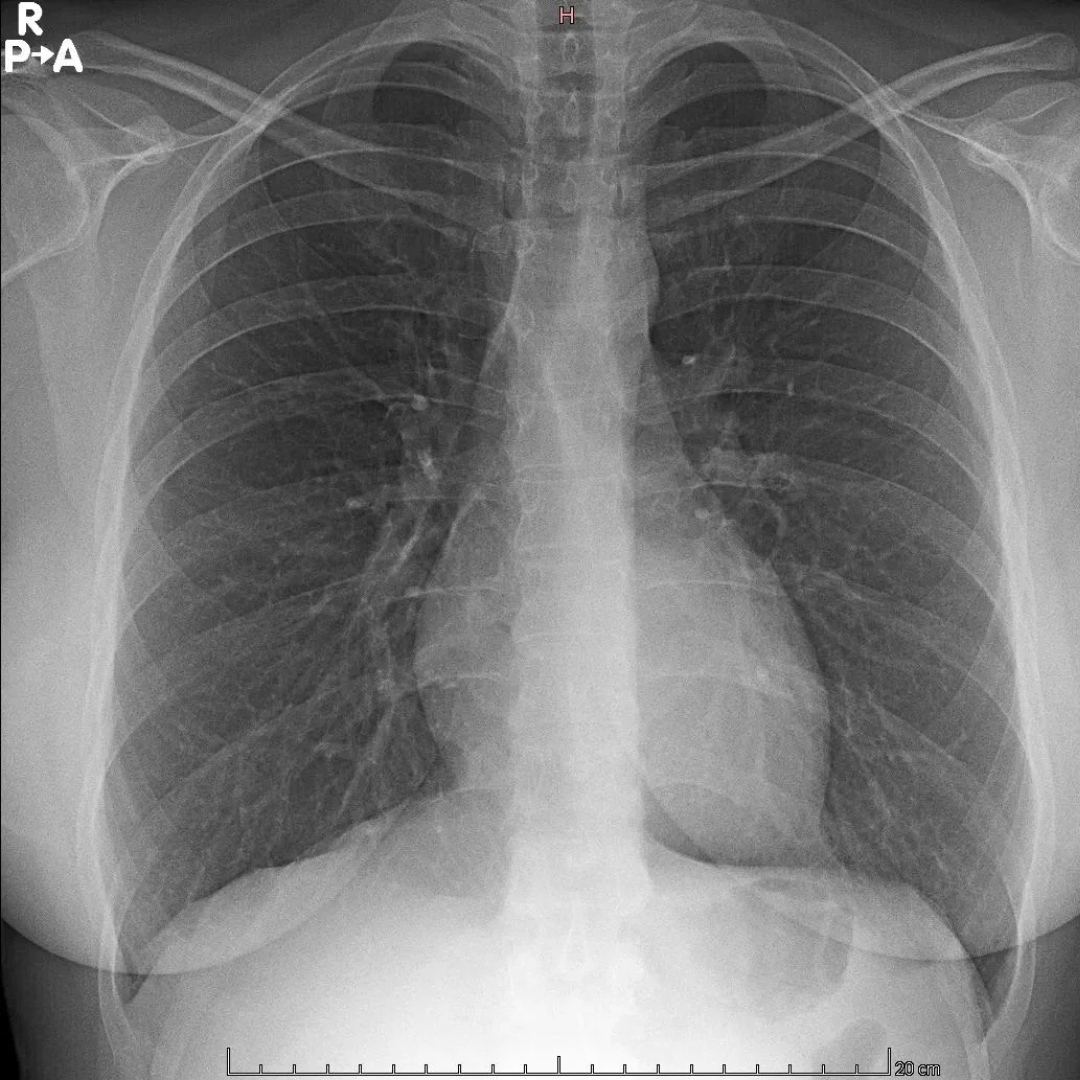
It was 6:23 AM when I found my wife face-down on our bedroom floor, her fingernails blue, fighting for every breath like she was suffocating in our own home. I'm Robert, a 64-year-old retired mechanical engineer from Ohio. For 32 years, I'd been watching my wife Linda slowly disappear into her cigarette addiction, but that morning in April changed everything. Linda had been a two-pack-a-day smoker for 35 years. Started when our kids were young, "just to manage the stress," she used to say. "I'll quit when things calm down." We'd tried everything. Nicotine patches that left her skin raw and irritated. Gum that gave her stomach problems. Prescriptions that made her depressed and distant. Cold turkey attempts that turned her into someone I didn't recognize – shaking, crying, lashing out at everyone. But that Wednesday morning was different. I'd woken early to make coffee when I heard a thud from upstairs. I found Linda on our bedroom floor, her lips tinged purple, making a horrible wheezing sound I'll never forget. "Linda, honey, what's wrong?" I asked, already knowing we were in trouble. She couldn't answer. Her eyes were wide with panic as she clutched her chest, unable to get enough air. By the time the paramedics arrived, she was barely conscious. The pulmonologist's words still haunt me: "Severe COPD with early-stage emphysema. Her lung capacity is at 40%. If she doesn't quit smoking immediately, she'll be on oxygen within a year. Dead within three." Linda survived that morning. The weeks that followed were hell – breathing treatments, steroids, a bipap machine at night. But here's the part that nearly broke our marriage: Even facing suffocation, even after everything we'd been through, I'd still find cigarette butts hidden in the garage, smell smoke on her clothes when she claimed she'd just been gardening. "I can't stop, Robert," she finally confessed one night, sobbing in my arms. "It's not the nicotine anymore – I don't even get a buzz. It's my hands, my mouth, the breathing. After 35 years, my body doesn't know how to exist without the motion. I feel like I'm losing my mind." That's when everything clicked for me. In my 40 years as a mechanical engineer, I'd designed precision instruments, calibrated sensitive equipment, solved complex problems. But I'd never faced anything like this. Linda wasn't just fighting chemical dependency. She was fighting against 35 years of muscle memory, neural pathways, and ingrained physical habits that had become as automatic as breathing itself. The hand-to-mouth motion happened 40 times a day. That's 14,600 times a year. Over 35 years? More than half a million repetitions. Her brain and body were literally programmed around this ritual. That night, I made a decision that would consume the next 18 months of my retirement: I was going to engineer a solution that could satisfy the physical addiction without the poison. I converted our garage into a workshop. Ordered books on behavioral psychology, neuroscience, addiction studies. Consulted with doctors, therapists, even hypnotists. My golf buddies thought I'd lost it. Our kids worried I was in denial about their mom's condition. But I kept thinking about Linda's words: "My body doesn't know how to exist without the motion." The breakthrough came during a 2 AM research session. I found a study showing that 85% of smoking addiction is behavioral, not chemical. The physical ritual – the hand movement, the breathing resistance, the oral fixation – that's what keeps people hooked long after nicotine withdrawal ends. What if we could give the body everything it craved from smoking – every physical sensation, every motor pattern, every breathing rhythm – but remove every toxic element? I spent months engineering prototypes. The breathing resistance had to be perfect – that exact same draw pressure smokers' lungs expect. The weight had to feel right in the hand. The oral sensation had to satisfy that specific need. Failed attempt after failed attempt. Too much resistance. Too little. Wrong weight distribution. Wrong mouthfeel. But prototype #47 was different. When Linda tried it, she went silent for a full minute. "Robert... this is it. The pull when I inhale, the feeling in my hand, even how it sits between my lips... it's exactly like smoking. But there's no smoke. How did you do this?" I explained the engineering: Precision-calibrated airflow chambers that create the exact same resistance as a cigarette. A weighted barrel that satisfies the hand-to-mouth motion. Natural flavor pods that provide taste without chemicals. The pendant design means it's always there – hanging around her neck, ready whenever the craving hits. Most importantly, it satisfies every physical aspect of her addiction without delivering a single toxic molecule. Linda hasn't touched a cigarette in 10 months. Her pulmonologist was speechless. "Her lung function has improved 25%. She's off two of her medications. At her age, with her history, this kind of recovery is almost unheard of." But here's what really got me: Linda wasn't alone in this struggle. After word spread about what I'd created for Linda, our phone wouldn't stop ringing: Our neighbor, a 58-year-old grandmother who'd been hiding her smoking from her grandkids, ashamed but unable to stop. My brother-in-law, who'd had two heart attacks but still couldn't break the habit formed over 40 years. Linda's book club friend, a retired nurse who knew exactly what smoking was doing to her body but couldn't overcome the physical compulsion. They all said the same thing: "It's not about the nicotine anymore. It's the habit. The motion. The breathing. My body won't accept anything else." That's when I realized this wasn't just about saving Linda anymore. This was about solving a crisis that affects millions of people over 50 who want to quit but can't because their bodies have been programmed over decades. The patches and gums only address the chemical addiction – which actually fades within days. But the physical programming? The muscle memory? The breathing patterns? Those are carved into your nervous system over decades. That's why 95% of quit attempts fail. People aren't weak – they're fighting against their own neuromuscular programming with tools that don't address the real problem. I spent another year perfecting the design with a team of engineers and behavioral specialists. We made it elegant, discreet – something you'd actually want to wear. We developed flavor pods that satisfied different cravings – mint for menthol smokers, tobacco essence for traditional smokers, even coffee and cinnamon for those oral fixation moments. We calibrated the breathing resistance to be absolutely perfect – that same satisfying pull that smokers' lungs have been trained to expect for decades. We called it Revya, and it works by satisfying the exact physical patterns that smoking created. Your body gets everything it's demanding – the hand-to-mouth motion, the breathing resistance, the oral stimulation, the weight, the ritual – but your lungs get none of the poison. It's not about willpower. It's about physics and physiology. Within 48 hours, the chemical withdrawal passes. But Revya handles what patches and gums can't – the physical addiction that usually triggers relapse. Users report the cravings simply... vanish. Not because they're fighting them, but because their body is getting what it actually needs – the motion, the resistance, the satisfaction – without any toxic tradeoff. Margaret, 67, who'd been smoking since she was 17: "The first time I used Revya, I couldn't believe it. Fifty years of smoking, and suddenly my body was satisfied without a cigarette. It felt exactly the same – that pull, that motion – but no smoke. I haven't touched a cigarette in 6 months." Tom, 71, who'd tried to quit for his grandkids: "My wife bought this for me after my second heart surgery. I was skeptical – I'd failed so many times. But this was different. It's like my body doesn't know I'm not smoking. The habit is satisfied, the ritual is complete, but my heart is finally healing." Barbara, 62, who started smoking in nursing school: "My husband couldn't believe it. I went from 40 cigarettes a day to zero overnight. Revya tricks my body into thinking I'm still smoking. Every physical need is met, but my lungs are clear for the first time in decades." Here's what keeps me up at night: Every day, someone's spouse collapses on their bedroom floor. Every day, someone gets told they have months, not years. Every day, millions of people hate themselves for not being "strong enough" to quit, not understanding that after decades of smoking, willpower has nothing to do with it. Your body has been physically programmed. You need a solution that addresses that programming, not another patch that ignores the real problem. Linda is breathing normally now. She wears her Revya pendant every day, and when the old patterns kick in – because after 35 years, they still do – she has exactly what she needs to satisfy them. No smoke. No chemicals. No poison. Just the perfect resistance and motion that tells her body "you got what you wanted" without destroying her lungs. She told me last week: "Robert, you didn't just save my life. You gave us our retirement back. I'm not dying anymore. I'm living." That's why I'm sharing this. Not as the engineer who perfected it, but as the husband who almost lost his wife to an addiction that hijacks your body and holds it hostage. If you've tried to quit and failed, it's not your fault. You've been fighting a physical battle with chemical tools. If you've watched someone you love struggle to quit, you know the helplessness of seeing them slowly suffocate despite desperately wanting to stop. Revya isn't another quit-smoking gimmick. It's an engineering solution that satisfies the exact physical patterns smoking created, without a single harmful element. The hand-to-mouth motion your muscles expect? Satisfied. The breathing resistance your lungs crave? Perfect. The oral fixation that won't go away? Handled. The ritual that's become part of your daily rhythm? Preserved, but detoxified. You're not quitting smoking. You're replacing it with something that gives your body everything it needs while giving your lungs the chance to heal. Right now, we're offering Revya at a special price because I want this in the hands of everyone who needs it. Every day you wait is another day of damage. Another day of your body reinforcing those patterns. Another day your family worries about finding you on the floor. But also – another day you don't have to endure, because the solution exists. Don't wait for your bedroom floor moment. Don't wait for the diagnosis that steals your future. Your body has been programmed by smoking. It's time to reprogram it. Get your Revya pendant here – and finally break free from the physical prison smoking has created.
Like this ad? Make it yours.
Crush rebuilds this exact creative around your product — your brand, your colors, your offer — in about a minute.