
Inactive· since Aug 25, 2026
- 22
- days it ran
- 2
- relaunches
- 24,815
- EU reach
Ad copy
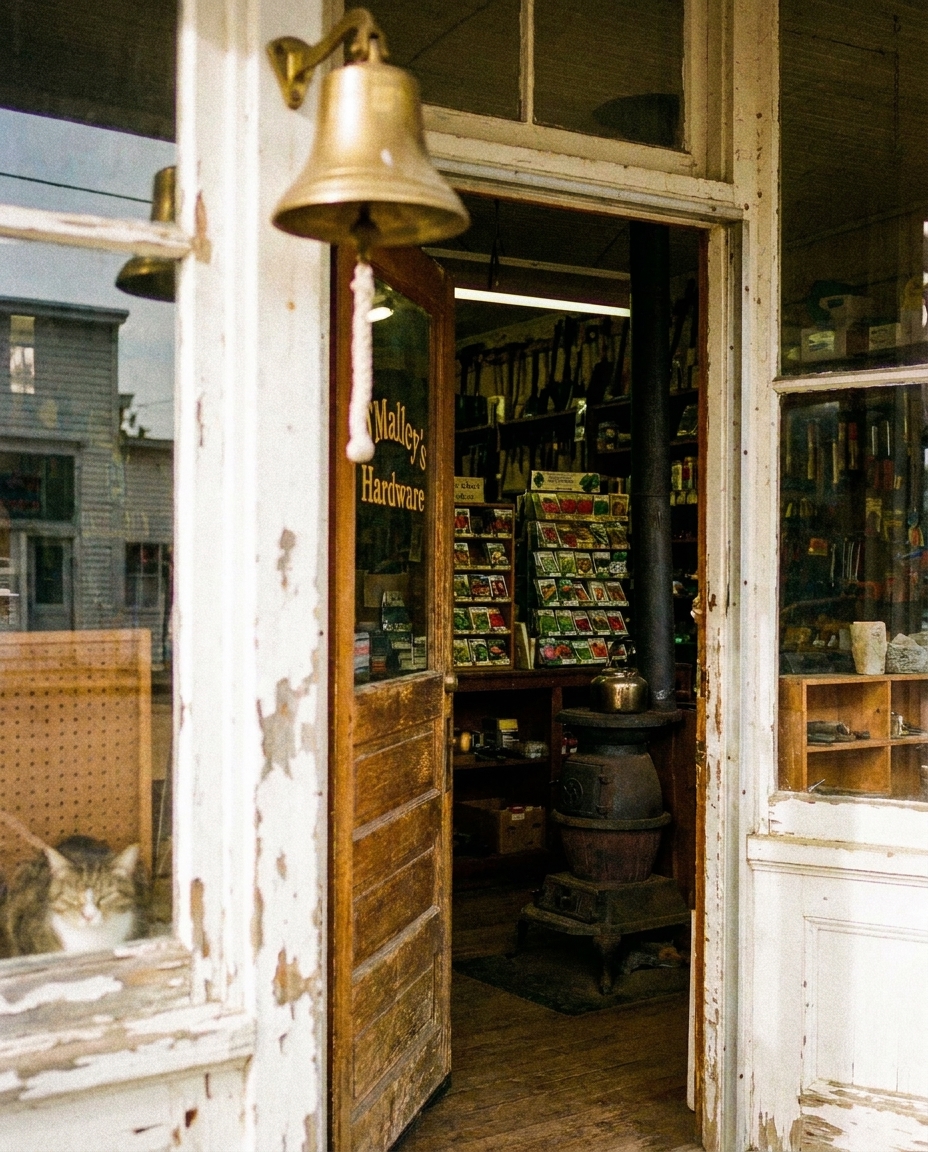
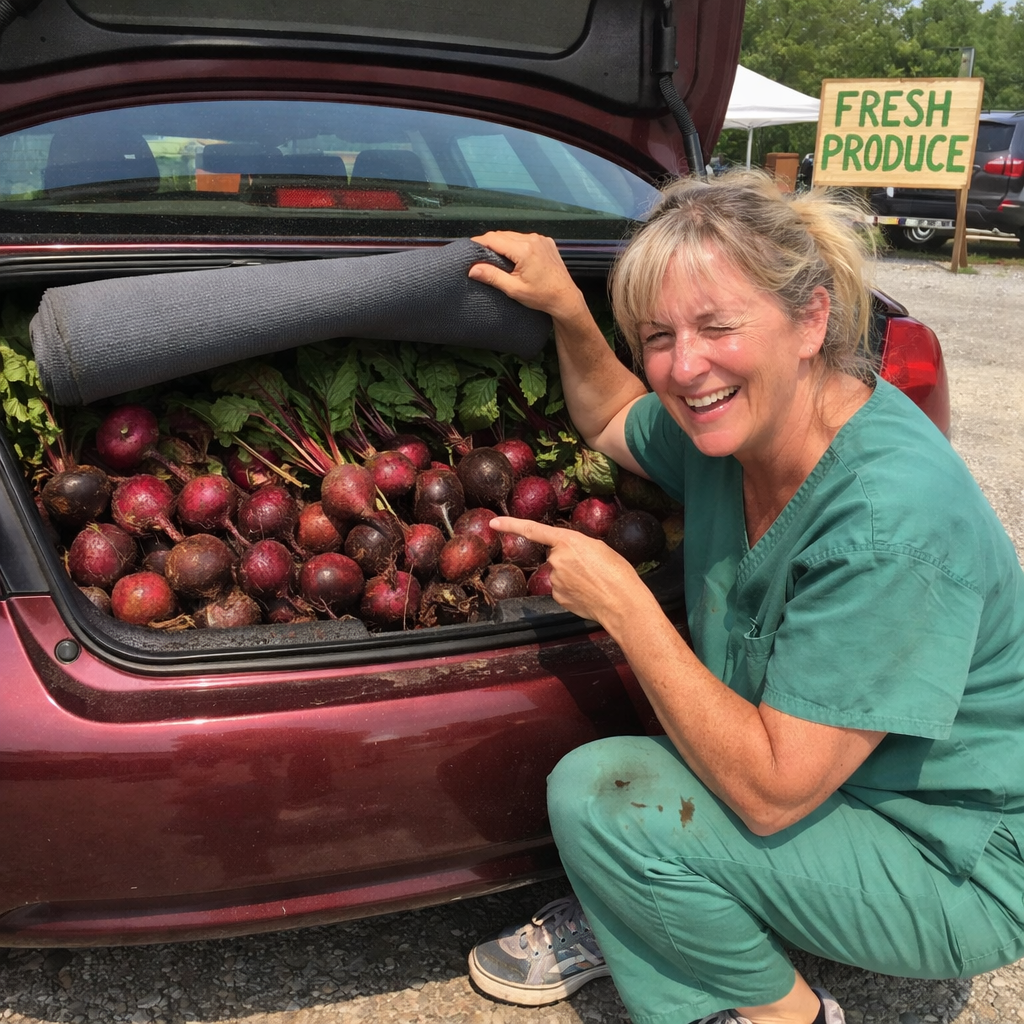
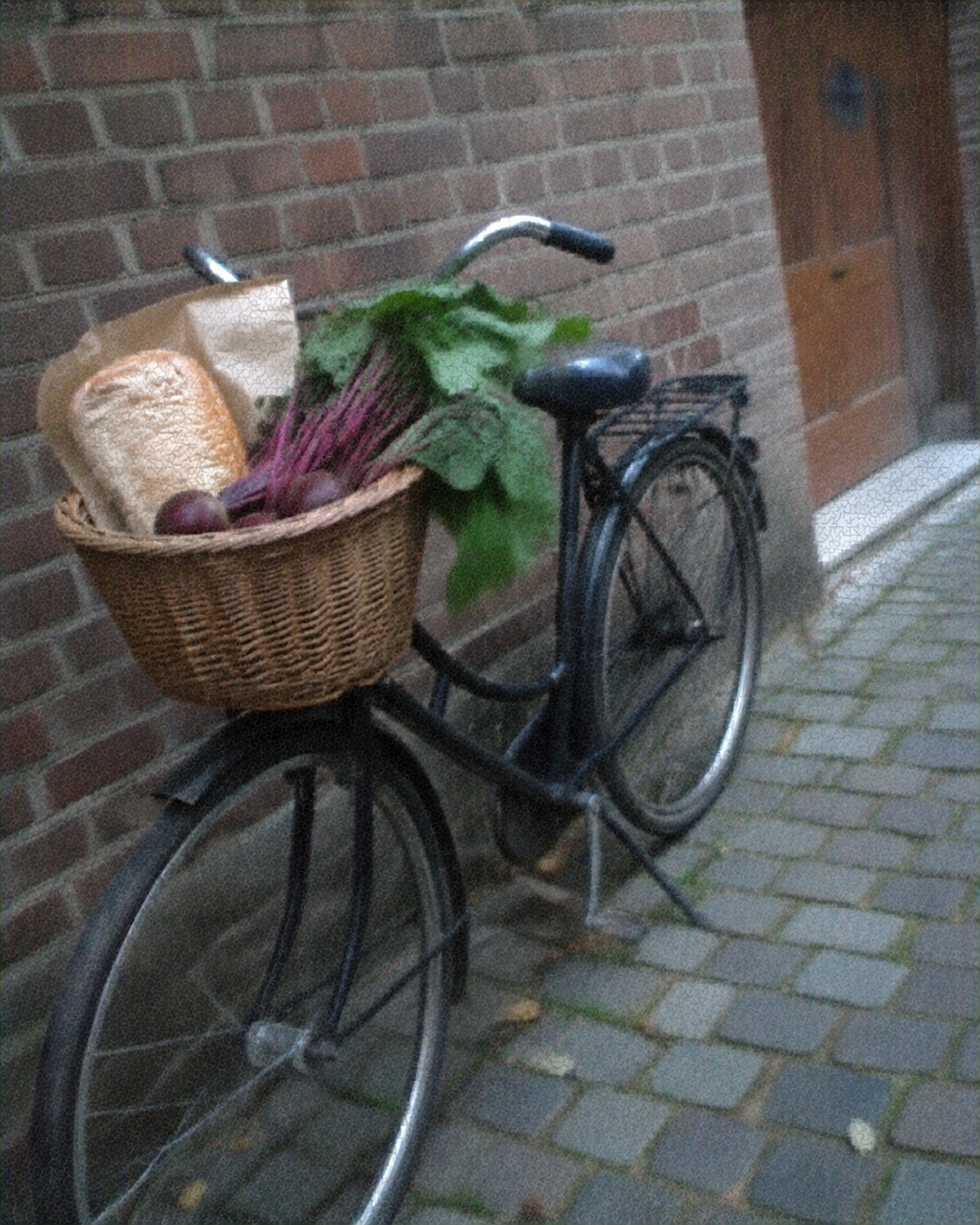
Picture a Town Where Every Bicycle Has a Basket — and Nobody Has Ever Once Gone for a Ride. Picture a flat old town across the water, where the streets were laid out before cars were invented and never quite forgave them. Picture a woman arriving there for two weeks with a suitcase and a phone full of unused apps. Call her Judith. And picture the friend who meets her at the station on a black bicycle with a wicker basket, sixty-four years old, entirely unhurried. Call her Pia. Judith and Pia were college roommates. Pia married a man from this town almost forty years ago and went, by her own cheerful account, completely native. What Judith learns in that town takes two weeks, one borrowed bicycle, and exactly one sentence from Pia — and the sentence is going to follow her home and rearrange her garage. Let me back up. You need Judith first, and you have met her. Judith is sixty-three. She retired last spring from thirty-one years as a court reporter — a job that is, in her words, forty hours a week of sitting still faster than anyone else in the room. She is precise, thorough, and a completer of courses. Ask her anything about the machine; she typed two hundred twenty-five words a minute at her peak and has the certificates in a drawer. And Judith, for as long as anyone has known her, has been equipped. That's the word for it. Look at the spare room, which her husband calls the department. There's a treadmill — a good one, researched for a month. There's a rowing machine from an earlier administration. There's a bin of resistance bands sorted by color, a foam thing whose purpose she'd have to look up, a yoga mat still smelling of the shrink wrap, and a watch on the charger that counts things. There are outfits. That's its own drawer — the technical fabrics, the right shoes for two different activities, the visor. Every item was bought seriously, by a serious woman, at the start of a seriously intended program. And here is the private arithmetic of Judith's life, the kind everyone does and nobody says: The department is the quietest room in the house. Not from laziness — nobody who watched her work three decades of trial days would dare. The programs start. They start well. Week one is excellent. Week two is good. And then the dedicated hour — the hour that belongs to the department, the outfit, the watch — starts losing to the rest of the calendar, the way a meeting with yourself always loses to a meeting with anyone else. By week five the treadmill is drying sweaters again. Judith has concluded, privately, the thing everyone concludes: that she's a starter, not a sticker. That the missing ingredient is discipline. Keep that verdict in mind. The town is about to overturn it. So: the visit. Pia has been saying "come see us" for four decades, and this spring, with the retirement papers signed and no trial calendar to hide behind, Judith finally ran out of reasons not to. Pia meets her at the station on the black bicycle. There's a second bicycle for Judith — borrowed from a neighbor, older than both of them, with a basket and a bell and a frame that makes no athletic promises whatsoever. Judith looks at it with the expression of a woman being handed unfamiliar equipment. "I haven't ridden in years," she says. "I'm not really in shape for—" "It's four minutes," says Pia. "It's flat. The bread is at the other end." And that — though Judith doesn't know it yet — is the whole philosophy of the town, delivered in the first five minutes, disguised as directions. The two weeks begin. And Judith starts noticing. The town is full of bicycles the way a pond is full of water. Everyone is on one — the baker's wife, the notary, teenagers two to a bike, a man Pia's husband's age moving down the lane with a crate of seedlings bungeed behind the seat. And every single bicycle has a basket, or a crate, or panniers, or a child's seat, or some combination. Nobody is wearing special clothes. Nobody is going fast. Nobody, as far as Judith can tell, is even slightly out of breath. Because — and this takes her most of the first week to see, because it's hiding in plain sight — nobody is riding for the sake of riding. The bicycle is never the point. The bread is the point. The library book is the point. The grandchild who needs collecting, the tomatoes from the Tuesday market, the friend across town whose birthday it is. The bike is just how errands happen in a town built before cars, and the basket is the proof. Judith, a woman with a department full of equipment for motion-as-its-own-project, has landed in a town where motion has no project at all. It's simply attached to everything else. She falls into it the way visitors do — because there's no alternative and the town is flat and the bread really is only four minutes away. The bakery run in the morning. The market on Tuesday. The library, the pharmacy, Pia's sister's garden on the far side, which is nine minutes and counts as an outing. Two weeks of errands. Not one "ride." And somewhere in the second week, on the way back from the market with beets in the basket — we'll get to the beets — Judith asks Pia the question she's been circling. "How do you all keep it up? Everyone. The whole town, every day, at every age. Back home we buy the machines and quit them by March. I've quit them by March. What's the secret — discipline?" And Pia laughs so hard she has to put a foot down. "Discipline," she says, the way you'd repeat a word from a language you left behind. "Judith. Nobody here has ever exercised in their life. We just never ran out of errands." She pushes off again, and delivers the rest over her shoulder, the way people talk when the street is theirs: "You're asking how we keep up something we're not doing. Nobody decides to ride. The bread decides. The library book decides — it's due, off you go. You don't need discipline to fetch bread, you need breakfast." And then the sentence Judith will carry home through two airports: "Motion doesn't need willpower when it's carrying something. Your machines at home — nothing rides in the basket. That's the whole difference. You built motion with no errand in it, and then blamed yourself when it didn't stick." Judith is quiet for the rest of the four minutes. Because she's doing the arithmetic — you knew she would; so did she — and the arithmetic goes back thirty years. Every program she ever started was motion with an empty basket. The treadmill goes nowhere and carries nothing. The dedicated hour serves no errand. The outfit exists so that the motion can be its own separate, costumed event — an event that has to win a calendar slot on its own merits, forever, against everything that actually carries something. And events like that lose. Not because Judith is weak — because nothing rides in the basket. There's no bread at the end of the treadmill. Meanwhile every durable motion in her own life, she now sees, was always errand-shaped and she never counted it: the courthouse stairs all those years because the elevator was slower than the docket. The garden in June, because the tomatoes need her. The dog, twice a day, rain or not, because his opinion on the matter is not negotiable. None of that ever needed discipline. All of it had something in the basket. That's the discovery, and it's worth saying plainly: The things that keep moving in a life are the ones attached to an errand. Motion that exists for its own sake has to be decided daily, forever — and daily decisions lose. Motion that's carrying something never has to be decided at all. The town isn't disciplined. The town is loaded — every trip has a purpose riding in front. Don't build another event. Attach the thing to an errand that already runs. Which brings this story — through that door, and no other — to what was in Judith's basket. Beets. From the Tuesday market, with the tops still on, because Pia's husband does a thing with them and butter that Judith has now requested twice. People have been eating beets for thousands of years. They were in the root cellars and soup pots and pickle jars of half the world's grandmothers long before anyone could say why — kept, replanted, and put up every autumn on nothing more than the accumulated verdict of generations. They ride in the baskets of towns like Pia's to this day — ugly, cheap, patient, keeping all winter, asking nothing. Beets also carry betalains — the deep crimson pigments that give them their color and stain a cutting board for a week. Nature did the formulating a long time ago. Loaded baskets just kept it moving. But Judith's honest situation — and probably yours — is that back home, the beet is an event. The roasting is a dedicated hour with an oven and a cleanup. The juicing is a machine with its own shelf in the department. The pickling is a costumed weekend production her grandmother ran effortlessly, inside a life that had errands where Judith's has appointments. Every traditional form of the beet asks to be its own project — motion with an empty basket. And Judith has thirty years of evidence about what happens to those. Rosabella Beetroot is the beet that rides an errand that already runs: two capsules, once a day. No dedicated hour. No equipment. No outfit, no event, no project — nothing that has to win a calendar slot on its own merits. It sits beside the coffee, and the coffee is the one errand no morning has ever skipped. Something already rides in that basket, every single day. This just climbs in next to it. What's in it reads in one breath. 1,300mg of organic beetroot powder per serving — a serving being those two capsules. One active ingredient, with the dose printed plainly on the label, nothing to decode. Non-GMO, third-party lab tested, produced under GMP, made in the USA from globally sourced ingredients. It contains no caffeine. Sixty capsules in a bottle; thirty days. One thing before anything goes in a cart: talk to your doctor or pharmacist before adding any supplement, especially if you take any medication. This goes alongside the rest of a routine — the meals, the walks, the sleep — not in place of any of it. Before adding it to the morning routine, Judith checked with her doctor or pharmacist, then put the bottle beside the coffee. On Amazon, Rosabella Beetroot sits at 4.4 out of 5 across more than 14,000 ratings as of August 2026. The story's ending is small, and it's in two places, because the story went to two places. The first is the garage, in September. Not a purge — Judith is not dramatic about equipment, and the treadmill can keep the sweaters. What's new is leaning against the wall where the second car used to live: a bicycle. Used, upright, unathletic, bought from a retiring neighbor. It has a basket. And on Saturday mornings it goes to the farmers' market, eleven minutes each way, because that's where the good bread is now, and the bread decides. Nobody would call it a program. That's the point. Nothing about it needs her to be a different woman — it just needs her to want bread, and she has wanted bread her whole life. The second place is the kitchen counter. A bottle, beside the coffee maker, in the one spot where an errand already runs every morning without being decided. The department is still quiet. The watch is still on the charger. Judith has made no promises to either of them. But two things in her life now move without willpower — a Saturday bicycle with bread in the basket, and one small daily thing that rides the coffee — and both of them, she'd tell you, work for the same reason. Something's in the basket. And now the last part, and we'll do it the way Pia would — over the shoulder, plainly, already moving. Nobody here is going to promise you a transformation. We're not going to tell you what you'll feel or when. Bodies are different, and yours doesn't owe an advertisement anything. We're not going to dress it up in a story, either — Judith and Pia are illustrations, and we said so in the first lines, because that's the only honest way to use them. And we're not going to sell you a program — no phases, no schedule, no dedicated hour, no outfit. You have a department already. The last thing you need from us is more equipment for it. What we sell is what's on the label, at the dose on the label, in a form that rides an errand you already run. We can't promise what a morning will carry. We can promise it won't need an empty-basket hour to carry it. P.S. If your own department is the quietest room in the house — the machine drying sweaters, the bands sorted by color, the watch on the charger — the finding of this story, plainly: you were never a quitter. You built motion with nothing in the basket, and motion with nothing in the basket has to be decided every day, forever, and daily decisions lose. Look instead at what already moves in your life without willpower — the dog, the garden, the stairs, the coffee — and attach the next good thing to one of those. Errands first. The rest rides along. P.P.S. What it is, plainly: organic beetroot powder in capsules — 1,300mg per two-capsule serving, one active ingredient, dose on the label, no caffeine, non-GMO, third-party lab tested. Thirty days a bottle. That's the whole story. P.P.P.S. If you're not satisfied for any reason, return the product within 90 days of delivery for a full refund. Enough time to find out whether it rides your morning errand as easily as it claims — which is the only test that matters for deciding that. Individual experiences vary. These statements have not been evaluated by the Food and Drug Administration. This product is not intended to diagnose, treat, cure, or prevent any disease.
Support stamina and heart health every day
SEE DETAILSLike this ad? Make it yours.
Crush rebuilds this exact creative around your product — your brand, your colors, your offer — in about a minute.