Dr. Rebecca Hartwell
Dr. Rebecca Hartwell Facebook ad: “Your brain eats itself at 3AM”
Ran for 11 days, from August 23 to September 3, 2026, the last day Crush saw it.
Run by Dr. Rebecca Hartwell on Facebook. Crush is not the advertiser and does not verify its claims. See this ad in Meta's Ad Library(opens in a new tab)
Want an ad like this for your product?
Crush makes new ad images for your product from this ad: your logo, your product photo, your offer.
Trials from $19.95 USD, then $79.95 USD a month. Cancel anytime.
About this ad
- Meta Ad Library ID
- 1371741887835824
- Platforms
- Facebook, Instagram, Audience Network, Messenger and Threads
- Relaunches
- 2
Ad text
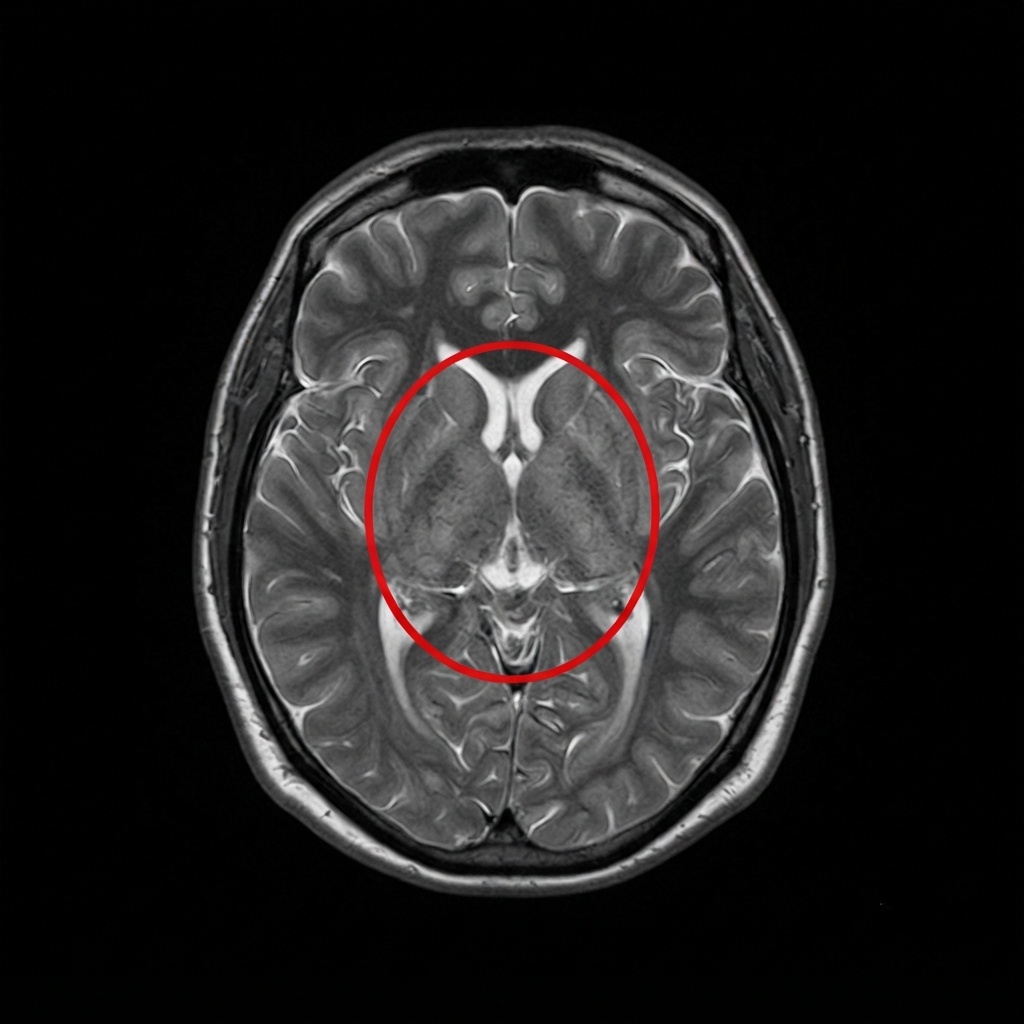
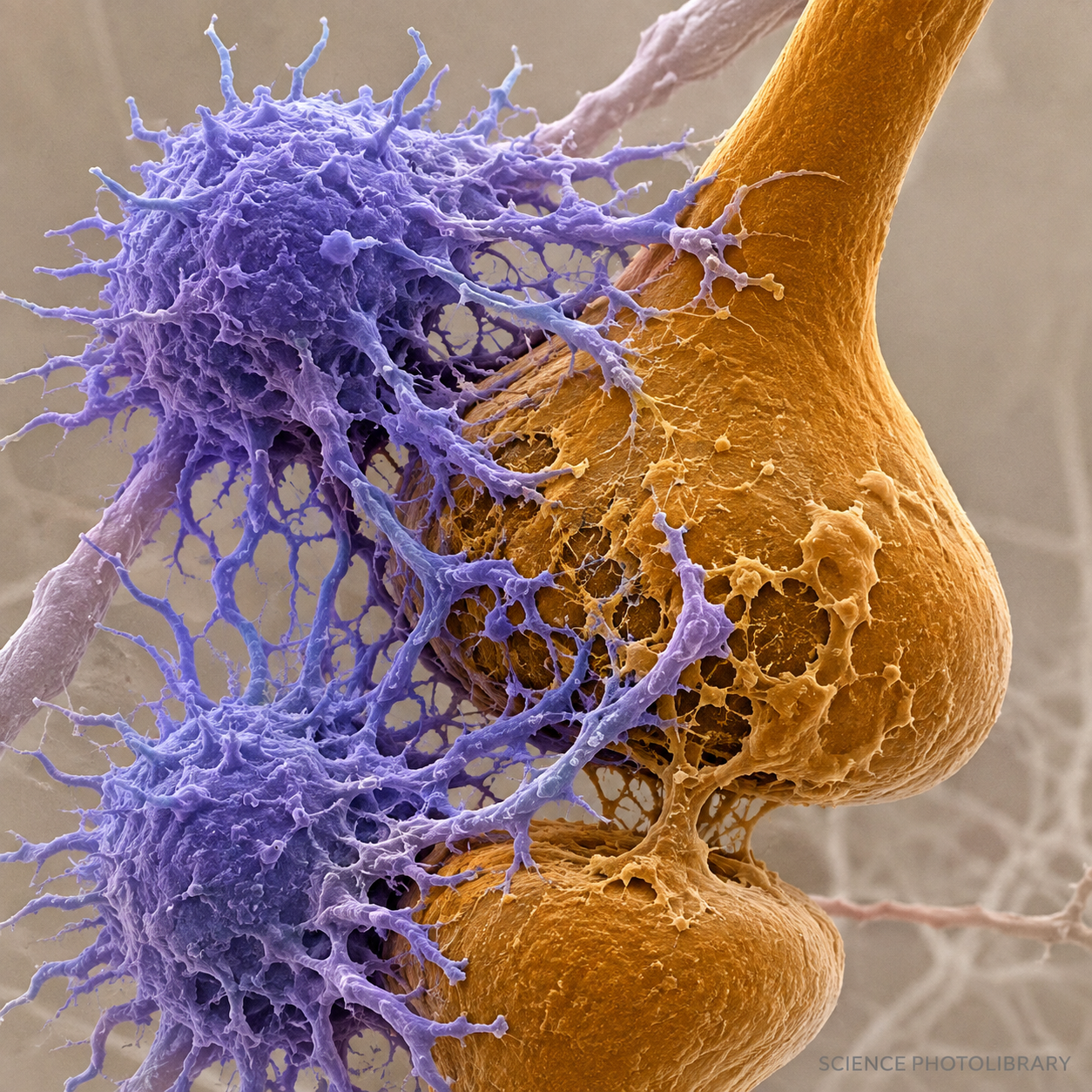
When a woman with chronic insomnia dies of Alzheimer's at 68, her death certificate does not say "fourteen years of brain self-consumption caused by untreated sleep deprivation." It says "complications of Alzheimer's disease." But the sleep specialist who saw her chart at 49 knew. He just wrote "unremarkable sleep architecture" instead. Once you understand what chronic insomnia actually does inside your brain every night, you understand why Ambien, trazodone, melatonin, and every supplement on your nightstand have never once fixed anyone. And why eight hours of what happens under your head matters more to your next thirty years than every prescription your doctor has written. Chronic insomnia is not a sleep problem disguised as a brain problem. It is a brain problem disguised as a sleep problem. The 3 AM wake-up is the symptom you can feel. But the actual damage — the damage that takes your words, your clarity, your years with your grandchildren, and eventually takes you to the same memory care facility your mother is in — is happening underneath. In a system of immune cells called microglia that patrol your brain every night while you sleep. Or while you do not. Let me tell you what chronic insomnia actually is. Not what your doctor calls it. What it actually is. Your brain has its own immune system. Cells called microglia. Their job is to patrol the neural landscape every night, identify old or damaged connections between nerve cells, and carefully remove them. Like a gardener trimming dead branches so the living ones can grow. This is normal. This is healthy. This is what happens when you reach Stage 3 Deep Sleep. When you do not reach Deep Sleep — when your nervous system stays locked on fight-or-flight all night, heart rate elevated, cortisol elevated, blood pressure elevated, eyes closed but brain never descending past shallow sleep — the microglia do not trim. They attack. They stop identifying old connections. They start consuming healthy ones. The synapses that hold your daughter's name. The word you used ten thousand times that suddenly will not come in a meeting. The name of the client you have known for nine years. A landmark study in the Journal of Neuroscience measured it. In chronically sleep-deprived brains, microglia were consuming 13.5 percent of synapses. In well-rested brains, 6 percent. More than double. Every single night. The lead researcher said it in one sentence: "We show for the first time that portions of synapses are literally eaten by astrocytes because of sleep loss." Your brain is eating the connections that hold your memories. Not because you are sick. Not because you are old. Because you are not reaching the sleep stage where the eating stops. And here is the part that should terrify every woman between 42 and 58. Your doctor told you the insomnia got worse because of perimenopause. He said it was hormonal. He was half right — and the half he got wrong is the half that is destroying your brain. Estrogen does not just regulate your cycle. It stabilizes your autonomic nervous system. It helps your body downshift from alert to rest. It is the brake that pulls you into Deep Sleep every night. When estrogen crashes during perimenopause — and it does not decline slowly, it collapses in unpredictable waves for years — your nervous system loses the brake. Fight-or-flight stays locked on. Not because of stress. Not because of anxiety. Not because of caffeine or screen time or your room being too warm. Because the hormonal mechanism that used to switch your body from alert to rest is gone. And without that switch, Deep Sleep becomes almost impossible. And without Deep Sleep, the microglia attack. Every night. While your doctor counts your hours and calls you managed. A Mayo Clinic study published in Neurology confirmed it. Women with chronic insomnia are 40 percent more likely to develop dementia. The equivalent of aging your brain by three and a half additional years. A 10-year national study of 6,284 Americans found that women who cannot fall asleep have a 51 percent higher risk of developing dementia. Not 5 percent. Not 15 percent. Fifty-one percent. Harvard researchers estimated that 471,000 dementia cases in the United States could be prevented if insomnia were eliminated among older adults. 471,000 women whose brains are consuming themselves every night while their doctors prescribe Ambien and call it treatment. Nobody told you this at your last appointment. Nobody connected your sleepless nights to the fog that is settling over your thinking. Nobody said the words "your brain is consuming itself every night you do not reach Deep Sleep." They said try magnesium. They said blackout curtains. They said improve your sleep hygiene. They said it is normal for your age. Let me tell you what is normal for your age. Normal is reaching Deep Sleep. Normal is your microglia switching to repair mode. Normal is waking up with every word you went to bed with. That is normal. What is happening in your brain right now is not normal. And every night it continues, the damage compounds. Here is how much that matters. Ambien. Your doctor prescribed it with confidence. $1,200 over eight months. You fall asleep faster. You still wake at 3 AM. But here is what nobody told you: Ambien does not produce Stage 3 Deep Sleep. It produces sedation. Your brain on the monitor looks like it is sleeping. Underneath, the microglia are still in attack mode. The consumption continues. Every single night you take it. Trazodone. $600. Makes you drowsy enough to close your eyes. Does nothing to reach the depth where the microglia switch off. You are sedated. Your brain keeps eating itself underneath. And you cannot think straight until noon. Low-dose antidepressant "for sleep." $900. You gained eleven pounds. You still woke at 3 AM. The depression got heavier, not lighter. Because the medication was never reaching the part of your brain that was attacking itself every night. Melatonin. Every form. Gummies, capsules, liquid, time-release. $800 combined. Synthetic. Your body stopped producing its own. None of it reached Deep Sleep. None of it switched the microglia from attack to repair. Magnesium. CBD. L-theanine. Ashwagandha. $700 combined. Your nightstand looks like a pharmacy. The microglia do not care what is on your nightstand. A $2,400 cooling mattress. Your husband said you look more comfortable. The microglia do not care what your mattress cost. $5,800. Six medications. Three sleep specialists. Zero nights of the Deep Sleep your brain needs to stop consuming itself. That is not a treatment history. That is a countdown. Every dollar bought sedation. Not one dollar stopped the consumption. My mother spent fourteen years on the same countdown. Same 3 AM wake-ups. Same medications. Same doctors saying her sleep was fine for her age. Same fog settling in so slowly she called it stress. Then age. Then perimenopause. It was not perimenopause. It was 5,110 nights of her microglia consuming the connections that held my name. She was diagnosed with Alzheimer's at 64. She was in a memory care facility at 68. The facility costs my father $7,200 a month. She died at 72. But my mother was gone years before the funeral. The last time she said my name without hesitating was a Saturday in March 2019. I know because I wrote it down. I started writing things down when she started forgetting them. Her hippocampus held my name that long — fourteen years of consumption — before it let go. And I was waking up the same way she did. At the same age she started. Losing the same words she lost. Staring at the same ceiling at 3 AM. Running the same math in my head: how many more years before I catch up to her. The question I asked was not which pill to take. I had watched pills fail my mother for fourteen years. The question was what was physically preventing Deep Sleep from happening every night while I lay in bed with my eyes closed. And the answer was so simple I almost missed it. Every standard pillow — memory foam, down, polyester, latex — collapses under head weight within the first hour. The nervous system gets triggered. Fight-or-flight locks on. Deep Sleep becomes mechanically impossible. The microglia stay in attack mode. The consumption runs all night. While you lie perfectly still. While your app says you slept seven hours. While your doctor says you are fine. Your neurologist prescribes medication for what happens after the consumption starts. Nobody prescribes what stops it from starting. I found a pillow engineered specifically to keep the nervous system calm for eight consecutive hours. Not comfort. Not cooling. Nervous system deactivation. So the body can enter Deep Sleep. So the microglia can switch from attack to repair. So the consumption stops. Night one. I woke at 4:50 instead of 2:47. My heart was not pounding. That had not happened in four years. Week one. I slept through the night three times. Three times in one week. I had not done that in four years. The fog in the morning was noticeably lighter. Week two. I slept through five out of seven nights. My husband noticed before I said anything. He said I looked like a different person. I felt like one. Week three. I was on a conference call and used the word "quarterly" without pausing. That word had been gone for months. I did not notice the return until that evening, when I replayed the call in my head and realized quarterly had just been there. Ready. Like it used to be. Week six. The fog lifted. Not managed. Not slightly better. Lifted. Because the microglia had finally switched back to maintenance mode. Because Deep Sleep was happening. Because the thing under my head stopped triggering the system that was consuming my brain every night for four years. My mother never got that chance. Fourteen years of the same consumption cycle running every night while her doctors counted her hours and called her managed. Nobody ever checked what was preventing Deep Sleep. Nobody ever looked at what was under her head. There are two futures from here. In one, you keep lying awake at 3 AM. The consumption cycle keeps running. The fog gets thicker. The words slip further. By 58 your husband is finishing your sentences. By 62 your daughter is driving you to appointments you cannot remember making. By 66 she is feeding you lunch on Sundays in a facility that costs $7,200 a month and telling you her name one more time because you asked twice already. In the other, you change what is under your head tonight. The nervous system calms. Deep Sleep starts. The microglia switch back. The consumption stops. The words stay. And thirty years from now your granddaughter says your name and you say hers back without hesitating. I am not selling you a pillow. I am asking you to stop the cycle that took my mother before it takes you. Try it for 90 nights. Track your mornings. Watch what happens to the fog. If your mornings do not feel different — you pay nothing. But they will. Because when the consumption stops, the words come back. I know because mine did. Read what I found. Read how it works. Read why your sleep doctor never told you. Read it before your next 3 AM. Your brain is not going to wait for your next appointment.
Where the ad sends people
sleepposturejournal.com
Your brain eats itself at 3AM
Finally wake up pain-free? The CerviSoft™ Pillow by Éloura relieves your cervical spine and helps against migraines & neck tension. 90-night sleep trial ✓ Free shipping ✓ 10,000+ happy customers. Discover now!
Learn more: sleepposturejournal.com(opens in a new tab)