
Inactive· since Feb 24, 2026
- 29
- days it ran
- 0
- relaunches
Ad copy
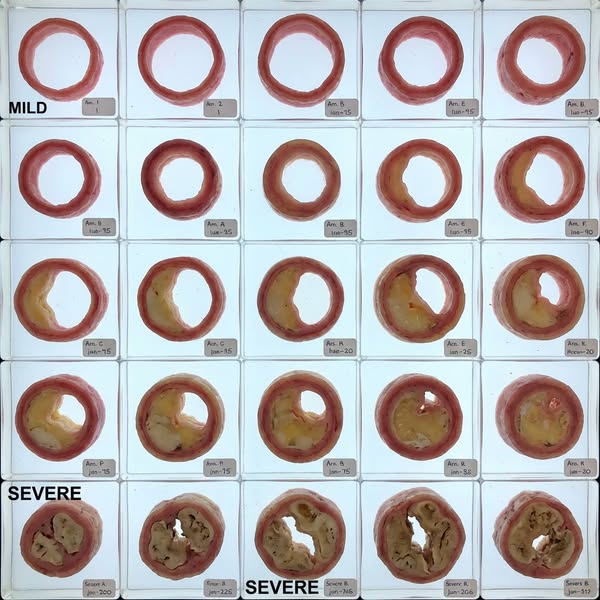
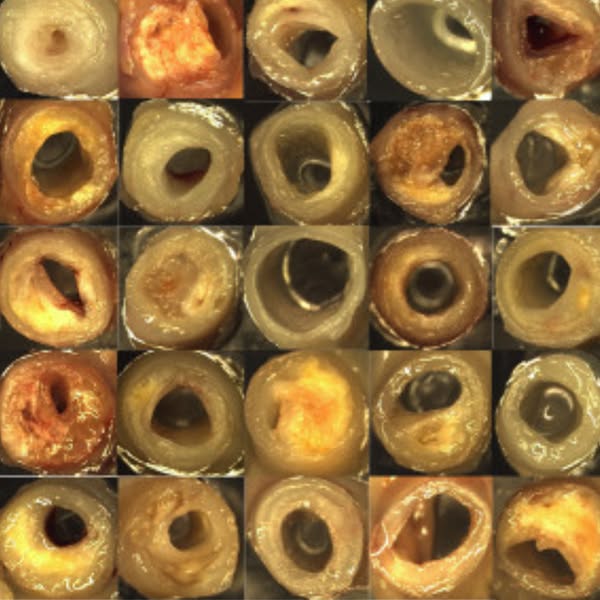
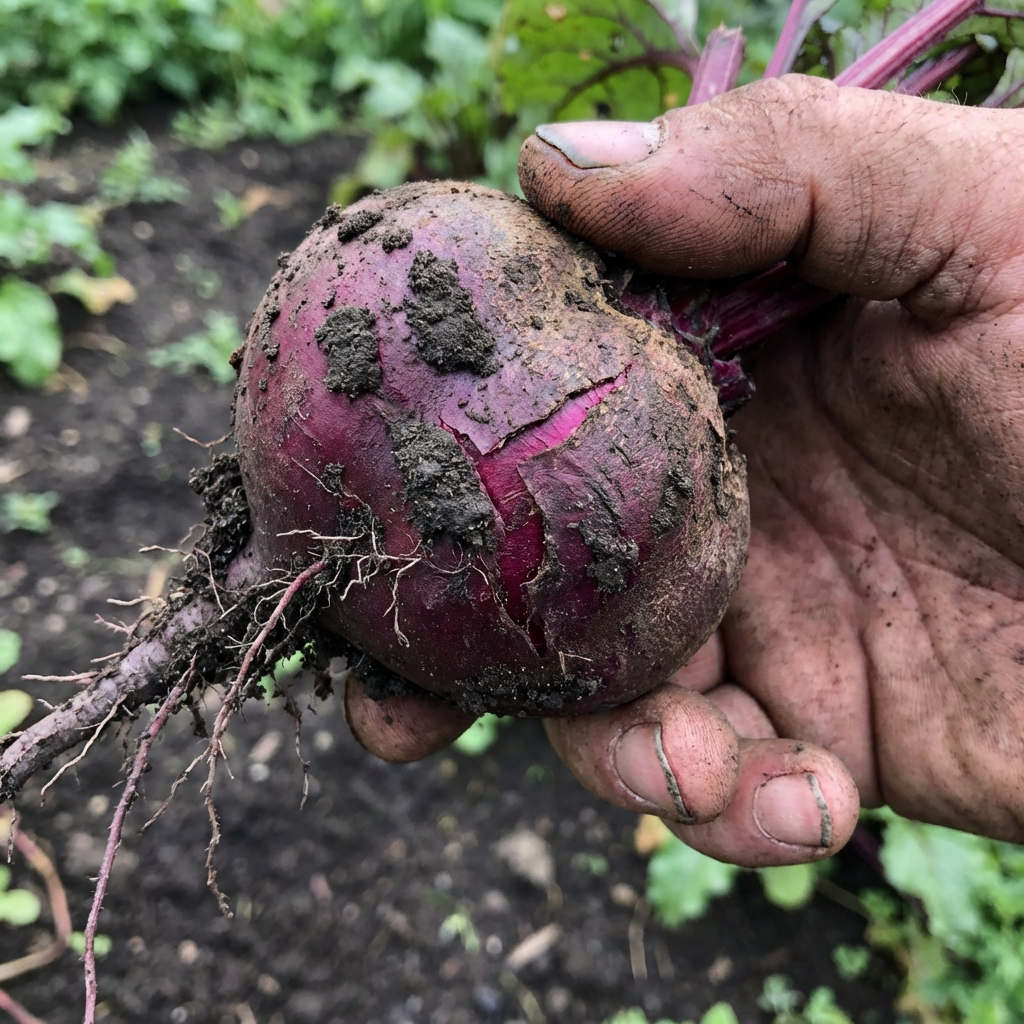
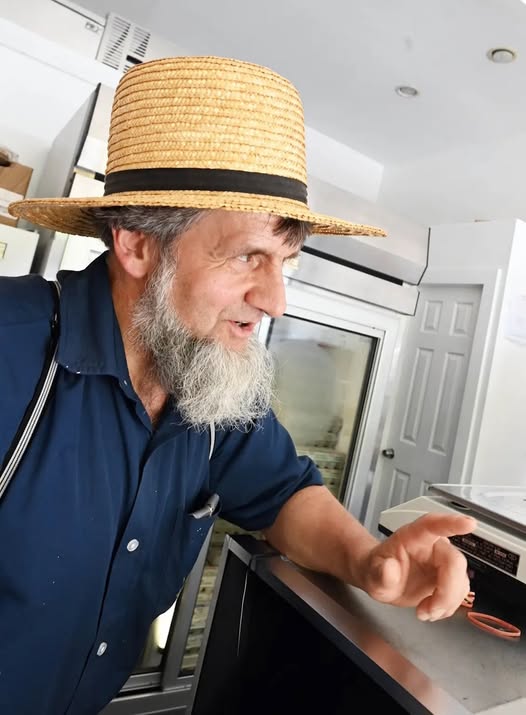
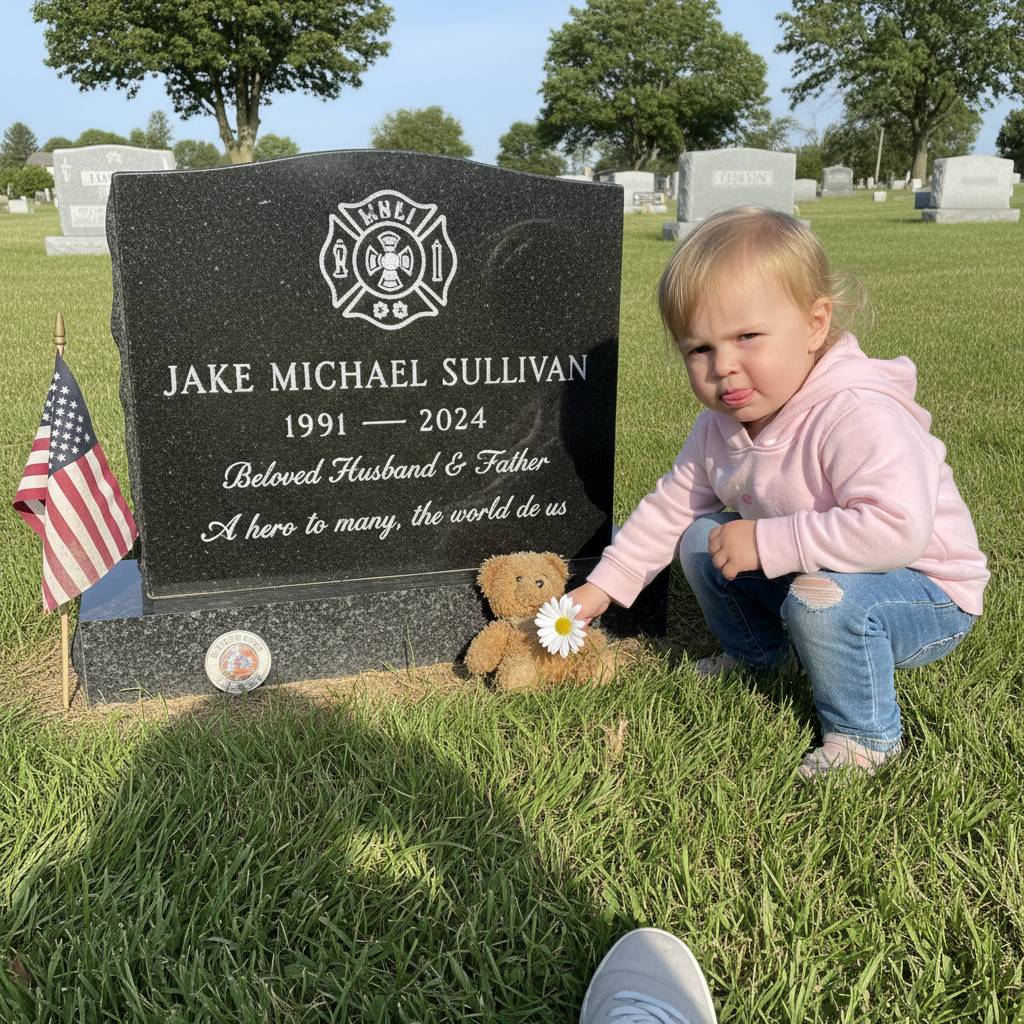
My daughter drew a picture of our family yesterday. All three of us. Even her dead dad Jake. She drew him in his turnout gear because that's how she remembers him. Big yellow jacket. Big boots. She gave him a huge smile and giant arms because he always picked her up the second he walked through the door. Then she looked up at me and said, "When is Daddy coming home from the fire station?" Jake's been dead for 5 months. He was 32. I've told her. More than once. I've used the words the grief counselor gave me. "Daddy's body stopped working." "Daddy can't come back." "It's not anyone's fault." She nods. Then she asks again the next week. She's 3. She thinks the fire station is keeping him. Jake was a firefighter. Engine 12, B-shift. Ten years. He went for a run on a Saturday morning — same run he did every day, because he said he never wanted to be the guy who couldn't carry someone down a stairwell. He collapsed a quarter mile from our house. His own crew showed up on the truck. They worked on him right there on the sidewalk. The men he'd run into buildings with tried to bring him back and couldn't. Widowmaker heart attack. Massive blockage in the left anterior descending artery. No symptoms. No warning. Nothing. He kissed me on the forehead before he left that morning. I was half asleep. I remember thinking I should've kissed him back properly but I was too tired. By the time I got to the hospital in my pajamas with our daughter on my hip, he was already gone. People keep telling me he was too young. Like I don't know that. But here's the thing nobody can explain to me: Jake passed his department physical six weeks before he died. Every year, the department requires a full medical workup. Blood panel. Cardiac screening. Stress test. Cholesterol. Blood pressure. Everything. If you don't pass, you don't work. Jake passed. Every single year. Ten years straight. His last physical: LDL 118. Blood pressure 122/78. Resting heart rate 56. Cleared for full active duty. Six weeks later his heart stopped on a sidewalk while his daughter was eating cereal at home waiting for him to walk through the door the way he always did. The medical examiner told me his arteries looked like a man in his 60s. Massive plaque buildup. The kind that takes years to develop. Years. He passed his physical every year for a decade. Nobody caught it. His numbers were perfect and his arteries were failing the entire time. After the funeral, I made every man in Jake's family go get their blood work done. I didn't ask. I made the appointments myself. Jake's brother Matt was the one I was most worried about. He's 38. Same build as Jake. Same jawline. When he picks up my daughter, she wraps her arms around his neck the same way she used to with her father. His own daughter, Lily — she's 4, a year older than mine — the two of them are inseparable. Every Sunday they chase each other around Matt's backyard while the adults try to hold it together over coffee. Matt hadn't been to a doctor in four years. His results came back on a Thursday. His wife Jess called me that evening. "Everything came back normal. LDL, blood pressure, all of it. Doctor said he looks great." She said it like we'd just dodged a bullet. Like we could all stop holding our breath. I sat on my kitchen floor with the phone pressed to my ear. Jake's numbers were 118. Normal. Healthy. Cleared for duty. And he's in a box in the ground. Now Matt's doctor was telling him the same thing Jake heard every year for a decade. You're fine. You're healthy. See you next year. That's exactly what they told Jake. Every single time. I didn't say any of this to Jess. She was so relieved. I couldn't take that from her. I couldn't sleep that night. My daughter woke up around midnight asking for water. I tucked her back in, stood in her doorway for a while watching her breathe, then went downstairs and opened my laptop. If Jake's cholesterol was 118 — normal, perfect on paper — and his arteries were clogged enough to kill him... Then what does the number actually mean? What does it miss? And if Matt's numbers look just like Jake's did — if the same test that cleared Jake just cleared Matt — what is that test not showing us? I didn't go to Google. I went to Reddit. I typed: "Husband died of widowmaker. Young. Healthy. Normal cholesterol. Has anyone experienced this?" I found them within minutes. Hundreds. Young widows. Older widows. Sons who lost fathers. All saying the same thing. "He did everything right." "His numbers were perfect." "Nobody saw it coming." Post after post. The same story wearing different faces. I sat there at 2 AM reading them with tears running into my keyboard. One woman's post stopped me. She'd lost her husband three years ago. Same story — healthy, active, good numbers, dead at 39. But she'd spent months after his death researching. And she wrote one line that changed everything: "It's not your cholesterol number that kills you. It's oxidized cholesterol. Look into LDL oxidation. It changed everything I thought I knew about why my husband died." I read it five times. Then I started searching. By 4 AM I understood why Jake was dead. Not the medical examiner's version — "massive atherosclerotic plaque buildup." I already had those words. They didn't explain anything. This explained everything. It's not how MUCH cholesterol you have. It's what HAPPENS to it in your bloodstream. Your body produces free radicals every day. From stress. Pollution. Inflammation. Just being alive. When those free radicals attack the LDL cholesterol circulating in your blood, the LDL oxidizes. Changes structure. Becomes sticky. And that sticky, oxidized LDL is what burrows into your artery walls. Forms plaques. Grows. Hardens. Until one day a plaque ruptures and your heart stops and your crew finds you on a sidewalk. Not regular cholesterol. Not the number on the lab report. Oxidized cholesterol. The kind nobody tests for. The kind nobody mentions in ten years of department physicals. Jake's LDL was 118. A perfect number measuring the wrong thing. Like checking how much water is flowing through a pipe but never checking whether the water is corroding the pipe from the inside. The flow looks fine. The pipe is rotting. That was Jake. For years. I kept reading. I needed to understand all of it. Standard cholesterol tests measure how much LDL you have. They don't measure how much of that LDL has oxidized. You can have a "perfect" number — 118, just like Jake — and your arteries can be filling with oxidized plaque the entire time. Your number can be high, normal, or low. It doesn't matter. Oxidation happens to all of it. Every single day. Whether your last blood panel looked perfect or not. The test checks the gauge. Not the engine. Matt's doctor told him he was fine. Jake's doctor told him he was fine. The same test. The same reassurance. One of them is in the ground. I needed to know why nobody talks about this. Why didn't ten years of physicals catch what was happening inside Jake's arteries? Why isn't oxidized cholesterol on every lab panel in every doctor's office? The answer is simpler than I expected. Standard blood panels were built decades ago around total cholesterol and LDL numbers. That's what the test infrastructure measures. That's what doctors are trained to read. It's not that anyone is hiding oxidation — it's that the standard panel was never designed to look for it. I'm not a conspiracy theorist. Jake's doctors weren't evil. They followed the system they were trained in. Check the numbers. If the numbers look good, clear the patient. But the system doesn't check for oxidation. And oxidation is what killed my husband. If oxidation is the root cause — how do you stop it? The answer kept coming up in every study I read: Betalains. Antioxidants found most abundantly in one source: beetroot. Betalains neutralize the free radicals that attack your LDL cholesterol. They stop the oxidation before it starts. Your cholesterol stays in its healthy form — not sticky, not dangerous, not burrowing into your artery walls. Published research. Peer-reviewed. Major universities. Not masking a number on a report. Actual protection of the cholesterol in your bloodstream from becoming the kind that kills you. This is what Jake needed. This is what nobody told us about. I ordered beetroot supplements that night. Highest-rated on Amazon. 4.5 stars. Over 10,000 reviews. I gave it to Matt. Every day. For the first couple of weeks I felt like I was finally doing something. Like I'd found the answer and all Matt had to do was take it. But I couldn't stop researching. Not after everything I'd learned. Not after the system I trusted killed my husband. I needed to know that what I was giving Matt was actually what the studies used. So one night I pulled up the supplement facts panel on the product I'd bought. The 4.5 star, 10,000 review bestseller. And I started comparing it to the research. The studies used specific concentrations of betalains. The product I bought didn't even list betalain content. It just said "beetroot powder." That's it. The ingredient, but nothing about the potency of the compound that actually matters. I searched deeper. I found out how most commercial beetroot powder is made. High-heat spray drying. Fast, cheap, industrial-scale. And then I found what heat does to betalains. It destroys them. The compound I was trying to get into Matt's body — the one the research says neutralizes the free radicals that oxidize your cholesterol — was being degraded before the powder ever hit the capsule. I looked at a second brand. The one from the TV commercials. Different packaging. Same processing method. "Beetroot powder" on the label. No betalain content specified. Spray-dried. I sat on Matt and Jess's couch that weekend. Our daughters were playing on the rug in front of us. Lily was trying to braid my daughter's hair. My daughter was giggling. Two little girls who have no idea what any of this means yet. And I realized I'd been giving Matt the equivalent of beetroot-flavored powder with the thing that matters cooked out of it. For weeks. While I thought I was protecting him. I looked at Matt. He looked like Jake used to look when he was trying not to show that something scared him. "Maybe this is just how it is," he said. "Maybe it's genetic. Maybe there's nothing anyone can do." I stared at those two girls on the rug and thought: I already buried their uncle. I am not going to stand in front of Lily and explain why her daddy isn't coming home either. Then I found the one brand that does it differently. Whole Foods. Supplement aisle. Staring at thirty different beetroot products that I now knew were all useless. Two men talking one aisle over. "—problem isn't the beetroot. Most supplements destroy the betalains with heat processing. You need shade-drying to preserve them." I was standing in front of them before I knew I'd moved. "What did you say about shade-drying?" The older man turned. Name badge: Clinical Nutritionist. He confirmed everything I'd been piecing together on my own. The heat processing. The degraded betalains. The gap between what the research uses and what ends up on store shelves. I told him what I'd found — the labels that don't list betalain content, the spray-drying, the studies that use concentrations no commercial product comes close to. He nodded like he'd heard this a hundred times. "Most people never look that closely. They see 'beetroot' on the label and assume they're getting what the research promises. They're not. Most commercial products don't come close to the levels used in clinical research." "So what I've been giving my brother-in-law..." "Expensive beetroot-flavored powder. Almost no active betalains left in it." He showed me a comparison chart on his phone. "This is why most people never see results. The ingredient is right. The processing destroys it." "Is there anything that actually works?" He nodded. "One brand does it right. Shade-dried — preserves the betalains. Clinical-level betalain content, the actual amounts used in research. Third-party tested with published results so you know exactly what's in it." He wrote down the name. Rosabella. "It's the only one I recommend." I ordered it standing in the aisle. Two days later. 1,300mg of shade-dried organic beetroot per serving. Betalains preserved at clinical levels. No fillers. No heat processing. I drove it to Matt's house that evening. Jess answered the door. Lily was on Matt's shoulders behind her, laughing. Matt looked at the bottle the way you look at something when you've already been burned twice. "This one's different," I said. "The processing is different. The dosing is different. Everything about it is different." He took the first dose because I asked him to. Because his brother is dead and his sister-in-law showed up at his door holding a bottle of supplements with the same look in her eyes she had at the funeral. You don't say no to that. He called me the next morning. "Something happened." My stomach dropped. After Jake, those two words don't mean what they used to. "What? Are you okay?" "No — good. Something good. About 20 minutes after I took it last night. Something shifted. I woke up this morning and that fog — you know, the thing Jess keeps bringing up — it was different. Lighter. I felt... clearer." I held the phone with both hands and didn't say anything for a minute. "Keep taking it," I said. "Every day." He did. The first week, I didn't ask about numbers. I just asked Jess how he seemed. "Different," she said. "I don't know how to explain it. He's just... more here." By week two, Jess called me. She was whispering because the kids were asleep. She said Matt had come home from work and taken the girls — both of them, Lily and my daughter — to the park. No couch. No TV. No "I'm too tired." He just grabbed their shoes and left. She said it was the first time since Jake's funeral that he felt like himself. Week three. Matt called me. "I don't know what's in this stuff, Sarah, but I feel like a different person." His voice cracked on my name. He'd carried Jake's casket five months ago. He knew what the stakes were. The brain fog he'd blamed on getting older — gone. The afternoons where he'd fall asleep on the couch while the girls played around him — gone. Sleeping through the night. Present. There. Jess told me he'd started going for morning runs. Something he hadn't done since Jake died, because it reminded him too much of his brother. Now he was doing it for him. By week six, Jess stopped whispering when she called. She just talked. Normally. Like a woman who wasn't scared anymore. By week eight, she told me something I'll never forget. She said: "I have my husband back. I didn't realize how much of him I'd been losing until he came back." Last Sunday, we were at Matt's house. The girls were running in the yard. Matt was chasing them. My daughter tripped and started crying and Matt scooped her up — one arm, like it was nothing — and she buried her face in his neck. Same way she used to with Jake. I watched from the porch and let myself cry. Not the 3 AM kind. A different kind. I'm writing this because Jake can't. If you're a man reading this — if you haven't been to a doctor in years, or if you HAVE been and your numbers look fine and you think you're safe — please. Jake was a firefighter who passed every physical for ten years. His numbers were perfect. He was 32 years old. His daughter will grow up knowing her father from photographs. Good numbers don't mean you're safe. A clean bill of health doesn't mean there isn't something building silently inside your arteries right now. If you're a woman reading this — if you're watching someone you love brush off their health, or trust that a normal checkup means everything's fine — please hear me. Jake's physical said he was fine. Six weeks later I was picking out a casket. Here's what I wish someone had told us: Your cholesterol number isn't the enemy. Oxidation is. Your LDL gets attacked by free radicals and turns into sticky, artery-damaging particles — whether your number is high or normal. Standard tests don't measure it. And most people don't even know it's happening. Betalains from beetroot neutralize the free radicals. They protect your cholesterol from oxidizing. But only if you're getting the right amount, from a source that hasn't been destroyed by heat processing. I wasted weeks on supplements that had almost nothing left in them. Nothing changed until we found the one brand that actually preserves the compounds that matter. Rosabella. Shade-dried. Clinical-level dosing — 1,300mg per serving. Third-party tested with published results. It's the only one that worked. It's the only one I'd give to someone I love. Matt felt the shift within 20 minutes of his first dose. By week two, his wife said he felt like himself again for the first time since Jake's funeral. By week eight, she told me she had her husband back. If you want to see for yourself — try it for 90 days. If it doesn't work, you get a full refund. No questions. You risk nothing except the risk you're already taking by doing nothing. Every day you wait is another day of cholesterol oxidizing in your bloodstream. Silent. Invisible. The kind no test catches. Jake didn't know. His physicals didn't catch it. He was cleared for active duty six weeks before his heart stopped. He was 32. 42% of men don't survive their first heart attack. Jake was in that 42%. I put the link below. If it doesn't work, you get your money back. If it does work, you get to watch your kids grow up. Jake can't read this. But you can. And you're still here. Someone out there is terrified of losing you. I know exactly what that fear becomes when it comes true. Don't make her find out. — Sarah P.S. — Matt felt the energy shift within 20 minutes. His wife noticed the change by week 2. By week 8, she said she had her husband back. Your timeline might be different. But you won't know unless you try. P.P.S. — Every day is another day of damage you can't see. Jake didn't get a second chance. Don't let someone who loves you end up writing something like this about you.
Support stamina and heart health every day
"I've only started useing this product less than a week, honestly it has given me more energy and I feel more alert. Before taking this product I noticed I was feeling tired and not motivated at all, so I have to give it a great rating 5 stars. I reccomend it."
LEARN MORELike this ad? Make it yours.
Crush rebuilds this exact creative around your product — your brand, your colors, your offer — in about a minute.