
Inactive· since Jun 15, 2026
- 66
- days it ran
- 0
- relaunches
- 5,081
- EU reach
Ad copy
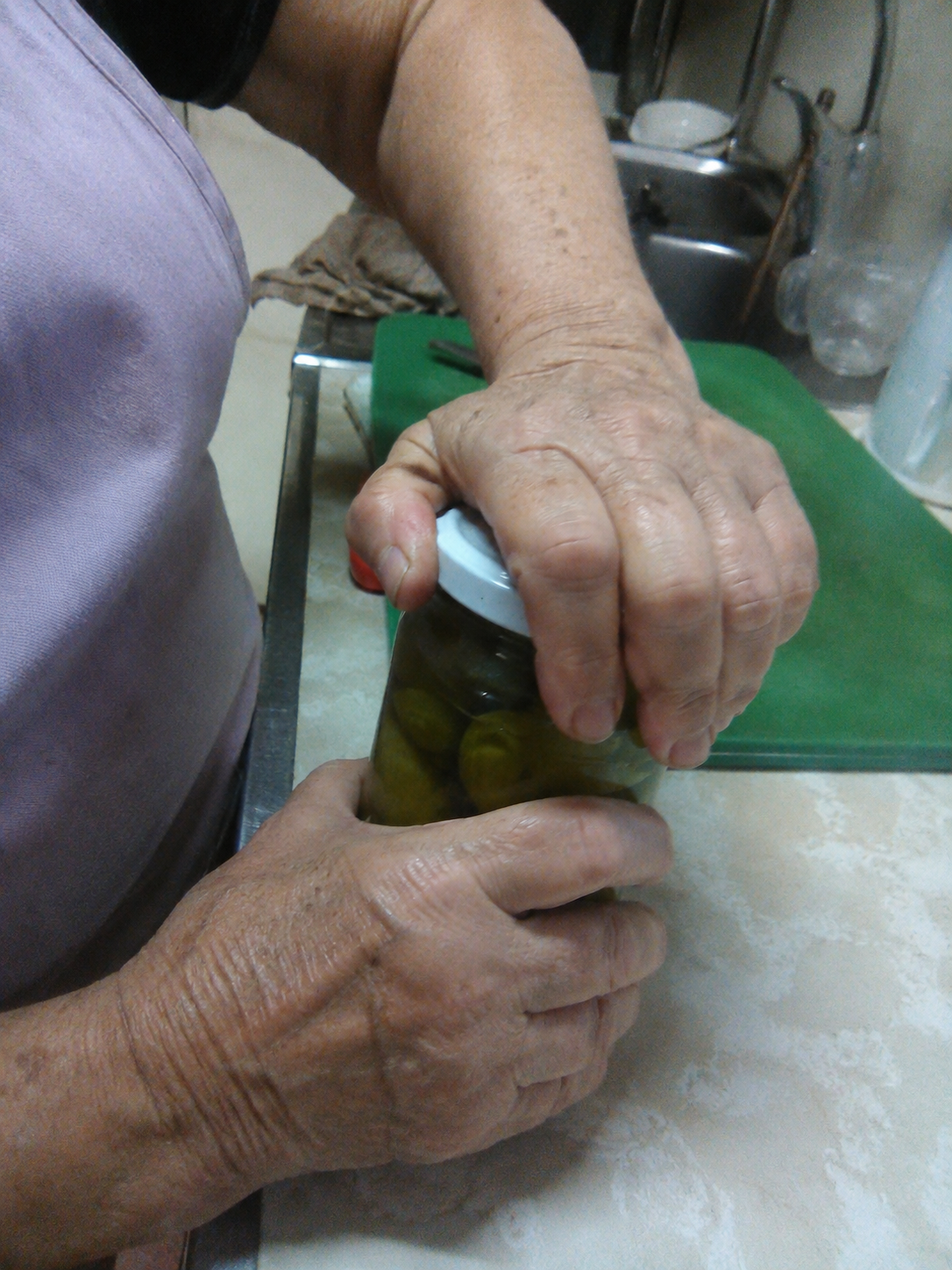
My Mother Has Been Doing Everything Right for Three Years. Her Cholesterol Kept Climbing Anyway. Here's What We Tried. I'm going to write this because my sister called me last night and asked me what we'd done. I realized I'd been telling this story in pieces. A sentence at coffee with one friend. A paragraph in a text with another. But I'd never sat down and written the whole thing in one place. So here it is. My mother is sixty-eight years old. She raised three of us in a house with one bathroom and a kitchen the size of a closet. She worked nights at a hospital for twenty-two years. She has been the kind of woman who shows up — to the recital, to the hospital room, to the moving truck on the third-floor walkup — for as long as I have been alive. Three Christmases ago, I noticed she sat down. I don't mean she sat down for dinner. I mean she sat down at three in the afternoon, in the middle of cooking, in the middle of conversation, in the middle of everything. And she stayed sat down. That was the first time. I told myself she was tired. She'd been wrapping presents until midnight. She was sixty-five. Sixty-five-year-olds get tired. Two Christmases ago, she asked me to peel the potatoes. She had never asked anyone to peel the potatoes. The potatoes were hers. The peeling of them was a small, sacred ritual she had performed alone in that kitchen since 1979. I peeled the potatoes. I told myself she was being generous. Letting me help. Letting me feel useful. Last Christmas, she didn't host. She said the house was too cold. The oven was unreliable. Wouldn't it be nice if we all came to my place this year instead? My place is half the size of hers and the oven is older. But I said yes, of course, what a lovely idea. I hosted Christmas dinner for eleven people and pretended along with her that the reason was the oven. That was the moment I should have stopped pretending. I didn't. The moment I actually stopped pretending was three months ago. A Tuesday in March. In her kitchen. I'd come over to help her clean out the basement. She'd been talking about doing it for two years. I figured we'd knock it out in an afternoon. Fill a few garbage bags. Take some boxes to Goodwill. Be done by dinner. She opened the basement door. Looked at the stairs. Said: "Maybe we should start with the kitchen instead." I said sure. We worked at the kitchen for about an hour. Sorted spices. Threw out expired cans. She made me a tea. Around eleven thirty, she went to make herself a tuna sandwich. Standard mom lunch. The kind of thing she's made ten thousand times. She took the pickle jar out of the fridge. She held it. She tried to twist the lid. She put it down on the counter and tried again. She put it back down. She turned on the hot water at the sink and ran the lid under it. Tried again. Couldn't. She looked at the jar for a moment. Then she looked at me. And she said, very quietly — the way you say something when you're admitting it to yourself for the first time as much as to the person you're saying it to: "Could you open this for me, honey?" I opened the jar. I handed it back to her. She thanked me. She made her sandwich. She sat down at the kitchen table where I learned to do my homework. Where I learned to cry about boys. Where she sat across from me and told me she was proud of me on a thousand different occasions. She ate her sandwich. She said the chicken salad at the deli had been off lately. She said would I want to drive her there next week because she didn't really feel up to driving herself anymore. I sat across from her and pretended my heart wasn't doing the thing hearts do when they understand something they've been refusing to understand. That night, I called my sister. I said: "I think Mom isn't okay." My sister said: "I know. I've been waiting for one of us to say it out loud." Two weeks later, I drove my mother to her annual cardiology appointment. She'd been seeing the same cardiologist for nine years. Dr. Wexler. Kind man. Patient. The kind of doctor who remembers your kids' names. He doesn't rush you. He doesn't pretend things are fine when they aren't. He doesn't pretend things are dire when they aren't either. He went through her bloodwork. Took her blood pressure. Listened to her heart. Asked her about her energy. Her sleep. Her appetite. Then he sat down across from her. "Linda. Your cholesterol has been creeping up for three years." "We talked about this last year. We talked about it the year before." "You've been doing everything I asked. Diet. Fish oil. Plant sterols. Psyllium. Walking." "And your numbers are higher today than they were when we started." He paused. "I don't want to keep watching this trend without doing something. I'd like us to seriously consider adding a medication." My mother was sitting next to me on the exam table. One of those paper gowns that makes every adult feel like a child again. She nodded. She said: "Can I have a little more time to think about it?" Dr. Wexler said of course. He said there was no emergency. Her numbers weren't dangerous — they were just trending in a direction he didn't want to keep watching. "Take another two months. Try one more thing if you want to. But let's talk about this seriously at your next visit." We thanked him. We walked out to my car. We sat in the parking lot for about ten minutes before either of us started the engine. She said, finally: "I'm just nervous about adding a prescription. I've never been good with pills. I'd like to try one more thing if we can." I held her hand. I said: "We have two months. We'll figure out one more thing. Together." I want to tell you about the woman I met at the hair salon. Because that conversation is what changed the next two months of my mother's life. I take my mom to get her hair done every six weeks. It's our ritual. We sit side by side under the dryers and read magazines we don't actually read. We talk about nothing. It is one of the things I will be grateful for every day of my life when she is no longer here to do it with me. The week after the cardiology appointment, we went in for her cut and color. The salon was busy. We ended up sitting next to a woman and her daughter. The woman maybe eighty. The daughter maybe my age. The mother had her hair in foils. She was reading a paperback book and laughing every few pages at whatever was in it. I watched her over the top of my magazine for about twenty minutes before I realized what I was watching. I was watching what my mother used to look like. Engaged. Light. Present. Sitting up straight. Laughing without thinking about it. The woman caught me looking at her. She smiled. "Good book. You want to read it when I'm done?" I laughed. Said no thank you. Then, because something in me had decided we were going to be friends, I said: "Can I ask you something? You don't have to answer. But you seem like a person who is doing something right. I'm watching my mom slow down, and I'm trying to figure out what to do." She closed her book. She looked at my mother — who was awake but quiet, the way she'd been all week — and she looked back at me. "Honey, I'm eighty-one years old. I'm not doing anything special. I just pay attention to my body." We talked for the next forty-five minutes. She told me she'd had high cholesterol for over a decade. She told me she'd been managing it through diet and lifestyle and that she paid close attention to what was working for her body. She told me about the same things my mother was already doing. Fish oil. Fiber. Walking. Then she said: "There's one more thing I add. I don't make a big deal about it because I don't want to be the woman at the hair salon recommending vitamins. But you asked, and I'm going to tell you." She told me about a beetroot supplement she'd been taking for about two years. She said her doctor had given it the green light when she'd brought it up. She said she'd been adding it to everything else she was doing. She said she didn't know for certain what it was doing or what it wasn't doing. "But my numbers are in a better place now than they were five years ago. And I feel like myself. And those are the two things I was after." She told me the name. Rosabella. She said it was a small company. Cold-pressed at low temperatures so the active part of the beetroot — the deep red pigment that supports the body's natural antioxidant balance — stays intact in the capsule. "I don't sell it. I don't know anyone who works there. I just take it. And I noticed you watching me, and I thought maybe you needed someone to tell you something today." My mother had been listening the whole time without saying a word. When the woman finished talking, my mother looked at her. "Thank you." It was the most engaged my mother had sounded in months. That night, I read about beetroot for about two hours. I'm not going to walk you through every article. Here's the short version. Beetroot is one of the more researched ingredients in the cardiovascular wellness category. It's been studied for decades. Its active compound — the betalains, the deep crimson pigment — supports the body's natural antioxidant balance and supports healthy cardiovascular function. What I learned about Rosabella specifically is that they cold-press their beetroot at low temperatures, which preserves the betalains. The capsules I saw photos of were a deep, dark crimson color. That color is the betalains. That color is what tells you the active compound made it through the processing intact. It supports healthy cholesterol levels already within the normal range. It supports the body's natural antioxidant defenses. It supports healthy circulation. None of those are replacements for what my mother was already doing. They're support for a layer that wasn't being addressed. The next morning, I called Dr. Wexler's office. I asked the nurse if she could put a question to him. She said of course. I told her my mother was considering adding a beetroot supplement called Rosabella, and we wanted to make sure he was comfortable with it before she started. The nurse called back two hours later. "Dr. Wexler says it's a sensible thing to add. There's good research on antioxidant support for cardiovascular wellness. Add it to what she's already doing. Don't change anything else. We'll re-check her numbers at her next appointment." I cried in the car when I got off the phone. I'm not sure I can fully explain why. I think it was the relief. The relief of doing something instead of watching. I think it was the doctor saying yes, this is reasonable, this is sensible, you are allowed to add this — instead of the conversation feeling closed. Even though the medication conversation might still be the right one. Even though we might still get there. The two months felt like air. I think mostly it was the realization that I had not been the only person worried about my mother for the last two years. Dr. Wexler was worried too. He was just patient. He was just willing to give us one more try. I ordered her first bottle that afternoon. She started taking it the following Monday. Two capsules with a glass of water in the morning. She didn't change anything else. I'm going to tell you what I noticed over the next eight weeks. That's the part my sister wanted to know about when she called me. The first thing wasn't physical. It was mood. She was lighter on the phone. Not dramatically. Just — she laughed at something I said about my daughter's school project, and the laugh was the laugh I remembered. Not the polite version she'd been doing. Around week three, she went to the farmers market on a Saturday morning by herself. She hadn't done that in two years. Around week four, she asked if she could host Easter. Around week five, my daughter had her piano recital. My mother came. She walked from the parking lot to the auditorium without stopping. She sat through the whole recital. She stayed for the reception afterward. When we got back to her house, she didn't sit down immediately. She put her purse on the counter. She made us both a cup of tea. She stood at the counter while it steeped. She turned to me at one point and said: "I don't know if it's the beetroot or if it's the weather or if it's just having something to look forward to. I just feel a little more like me." I didn't know what to say. I said: "Mom, I'm so glad." Around week seven, she opened a jar. I watched her do it. She was making dinner. She took a jar of marinara out of the cabinet. Twisted the lid. Opened it. Poured it into the pot. She didn't make a big deal of it. She probably didn't even notice she'd done it. I noticed. I sat at her kitchen table — the same table where she'd asked me to open the pickle jar three months earlier — and I noticed. We went back to Dr. Wexler last week. He went through her bloodwork. Took her blood pressure. Listened to her heart. He sat down across from her. "Linda. Your numbers are in a better place than they've been in a few years." He didn't bring up the medication that day. Neither did she. Neither did I. We walked out to the car. We sat in the parking lot. We didn't cry — neither of us is a crier — but we sat there for a long minute before I started the engine. She said: "I told you I was nervous about the pill." I said: "I know." She said: "I'm grateful we found something else to try first." I said: "Me too." Here's the part I want to be careful about. I am not a doctor. I am not in healthcare. I am one daughter who took her mother to the hair salon one Tuesday and met a stranger who told us about one thing she was taking. We tried it. Something in my mother's life shifted in a direction she'd been hoping for it to shift in for three years. I do not know for certain that the Rosabella was responsible for what changed. I know what she was doing before, and I know what she added, and I know what happened after. I know the timing. I also know my mother is sixty-eight, and she is going to keep aging, and there will come a day when no supplement and no medication and no diet will hold back the slow turning of the years. I am not pretending otherwise. What I am telling you is what we tried. And what we noticed. And what my mother's cardiologist said about it. That's all. If you have a mother — or a father, or a husband, or a wife, or a self — who has been doing everything right and watching the numbers go in the wrong direction anyway, here's what I'd say: Call the doctor. Tell them you're thinking about adding it. Get their blessing. Then add it to what's already working. Don't subtract anything. Don't change anything else. Give it a few weeks before you decide anything. Bodies are different. Some people notice something shift in the first week or two. Others take longer. That's it. That's the whole story. P.S. The woman at the hair salon — I never got her name. I went back the following month hoping she'd be there at the same time. She wasn't. The receptionist said she comes in every six weeks but doesn't book a standing appointment. I keep watching the door. If you're reading this and you happen to be an eighty-one-year-old woman who reads paperbacks under the hair dryer and once talked for forty-five minutes to a stranger about beetroot — thank you. You changed three months of my mother's life. P.P.S. Here's what I'd tell you to do if you're considering trying it: Check with your doctor or pharmacist first. That's the most important step. Then take two capsules with a glass of water in the morning. Don't change anything else you're doing. Just add this. Give it a few weeks before you decide anything. Some people notice something within the first week or two — a little more energy, a little more lightness, a little more of themselves in the late afternoon. Others take longer. Be patient with your body. P.P.P.S. Rosabella has a 90-day money-back guarantee. If you're not satisfied for any reason, every penny back. No questions asked. That's a sensible policy for a supplement — it gives you time to actually see whether it helps. P.P.P.P.S. Rosabella is a small operation. They harvest and bottle on their own schedule, so I keep an extra bottle in the house just in case. I take it now too. The afternoon at the hair salon taught me something I hadn't quite let myself know — that the slipping starts earlier than we think, and the time to support what's working is before something breaks. My sister ordered her first bottle last week. She called her own doctor first. He said the same thing my mother's doctor said. Sensible thing to add. She started Monday. https://track.tryrosabella.com/14309c20-4d60-44e3-9565-5ba6bb358986 Individual experiences vary. These statements have not been evaluated by the FDA. This product is not intended to diagnose, treat, cure, or prevent any disease.
Support stamina and heart health every day
LEARN MORELike this ad? Make it yours.
Crush rebuilds this exact creative around your product — your brand, your colors, your offer — in about a minute.