African Voices
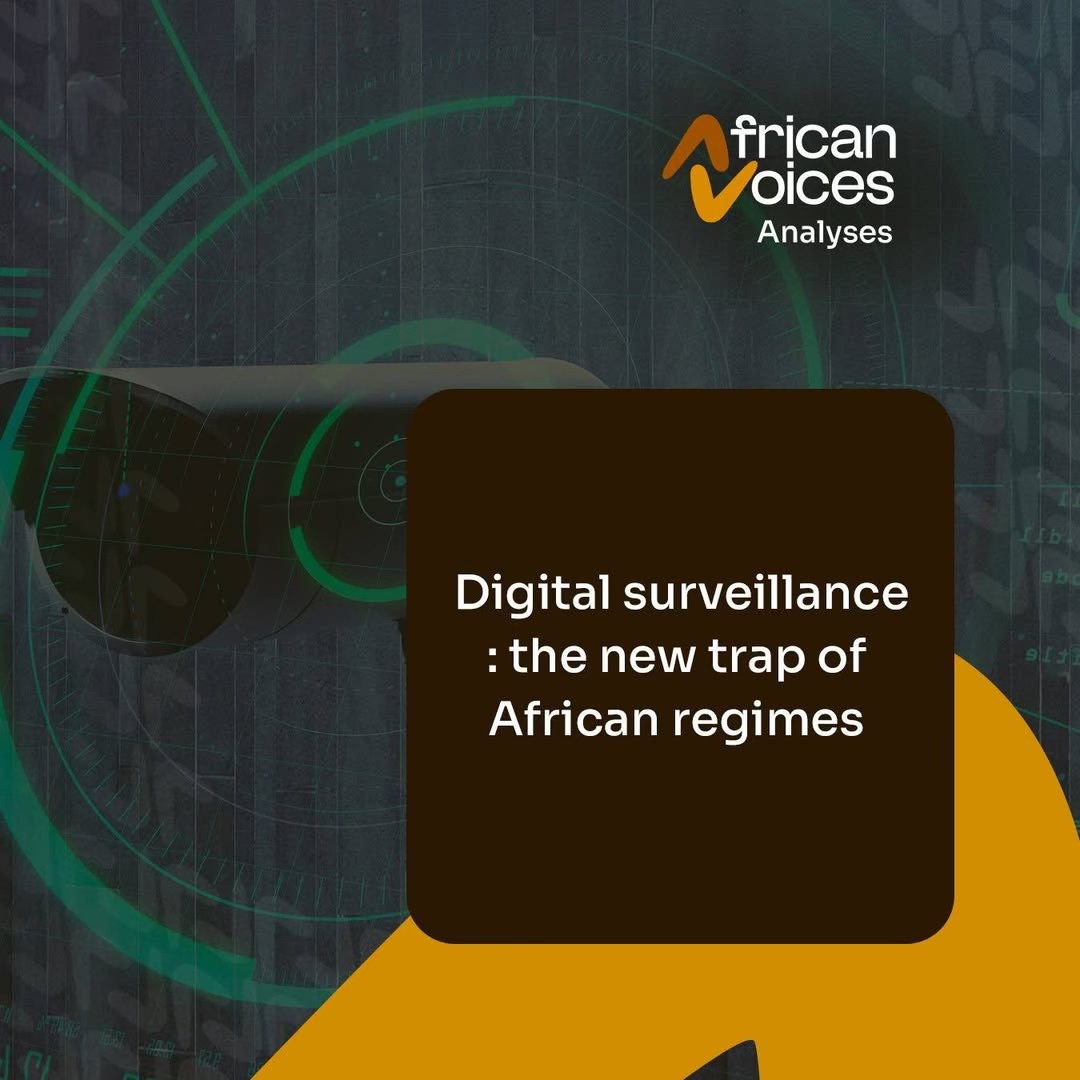
African Voices Facebook ad: “𝐃𝐢𝐠𝐢𝐭𝐚𝐥 𝐬𝐮𝐫𝐯𝐞𝐢𝐥𝐥𝐚𝐧𝐜𝐞: 𝐭𝐡𝐞 𝐧𝐞𝐰…”
Ran for 1 day, from March 23 to March 24, 2026, the last day Crush saw it.
Run by African Voices on Facebook. Crush is not the advertiser and does not verify its claims. See this ad in Meta's Ad Library(opens in a new tab)
Want an ad like this for your product?
Crush makes new ad images for your product from this ad: your logo, your product photo, your offer.
Trials from $19.95 USD, then $79.95 USD a month. Cancel anytime.
About this ad
- Meta Ad Library ID
- 1382291733702233
- Platforms
- Facebook, Instagram, Audience Network and Threads
- Relaunches
- 1
- Niche
- Marketing & Agencies
Ad text
𝐃𝐢𝐠𝐢𝐭𝐚𝐥 𝐬𝐮𝐫𝐯𝐞𝐢𝐥𝐥𝐚𝐧𝐜𝐞: 𝐭𝐡𝐞 𝐧𝐞𝐰 𝐭𝐫𝐚𝐩 𝐬𝐞𝐭 𝐛𝐲 𝐀𝐟𝐫𝐢𝐜𝐚𝐧 𝐫𝐞𝐠𝐢𝐦𝐞𝐬 We are entering an unprecedented digital era. According to the United Nations, by 2030, nearly three-quarters of Africans will have access to the Internet, compared with only 20% in 2020. This is remarkable progress — yet it hides a silent threat: the rise of digital authoritarianism. Across the continent, more and more g0vernments are turning digital tools into instruments of control. In the absence of strong laws and independent institutions, leaders exploit this gap to monitor, censor, and intimidate the population. In West Africa and beyond, the Internet is becoming a tool of repression rather than a space of freedom. 𝐓𝐞𝐜𝐡𝐧𝐨𝐥𝐨𝐠𝐲 𝐚𝐬 𝐚 𝐰𝐞𝐚𝐩𝐨𝐧 𝐨𝐟 𝐜𝐞𝐧𝐬𝐨𝐫𝐬𝐡𝐢𝐩 Internet shutdowns during protests, surveillance of journalists, and the tracking of activists have become alarmingly common. A study published in 2021 by the Institute of Development Studies and the African Digital Rights Network revealed that the g0vernments of Kenya, Nigeria, South Africa, and Sudan have engaged in unlawful surveillance practices. Journalists, political opponents, judges, and human rights defenders are being targeted and spied on with total impunity. Authorities gain access to phone data, browsing histories, and even track movements through facial recognition systems and CCTV networks. It should be noted that China is the main supplier of these control technologies. Through its Digital Silk Road initiative, Beijing exports hardware, loans, and technical expertise to several African countries. But this cooperation comes with a hidden risk: Chinese law requires companies to share data with intelligence agencies upon request. This means our personal information could easily end up in the hands of Chinese authorities. And China is not alone. Israel’s Pegasus spyware, for example, can infect a phone without any user action, granting access to messages, photos, files, and even remotely activating the microphone and camera. According to a report by the Carnegie Endowment for International Peace, activists were spied on in Angola, Morocco, and Rwanda; journalists in Togo and Botswana; and p0litical opponents in Ethiopia, Ghana, and Gabon. 𝐑𝐞𝐬𝐢𝐬𝐭𝐢𝐧𝐠 𝐝𝐢𝐠𝐢𝐭𝐚𝐥 𝐚𝐮𝐭𝐡𝐨𝐫𝐢𝐭𝐚𝐫𝐢𝐚𝐧𝐢𝐬𝐦 Faced with this growing threat, we cannot remain silent. If we fail to act, the hard-won democratic progress of recent decades will disappear under algorithmic surveillance and automated disinformation. Civil society organizations must demand strong data protection laws and independent regulatory bodies. Today, only half of African countries have them. Beyond legal reforms, this is also a battle for digital sovereignty and civic education. Africa must invest in local technologies, strengthen cybersecurity capacities, and educate citizens about their digital rights. Protecting freedom in the 21st century also means protecting it online. If we fail… The next generation may inherit a continent that is connected — but not free. #digital #governance #DigitalRights