
Active· since Aug 23, 2026
- 25
- days running
- 0
- relaunches
Ad copy
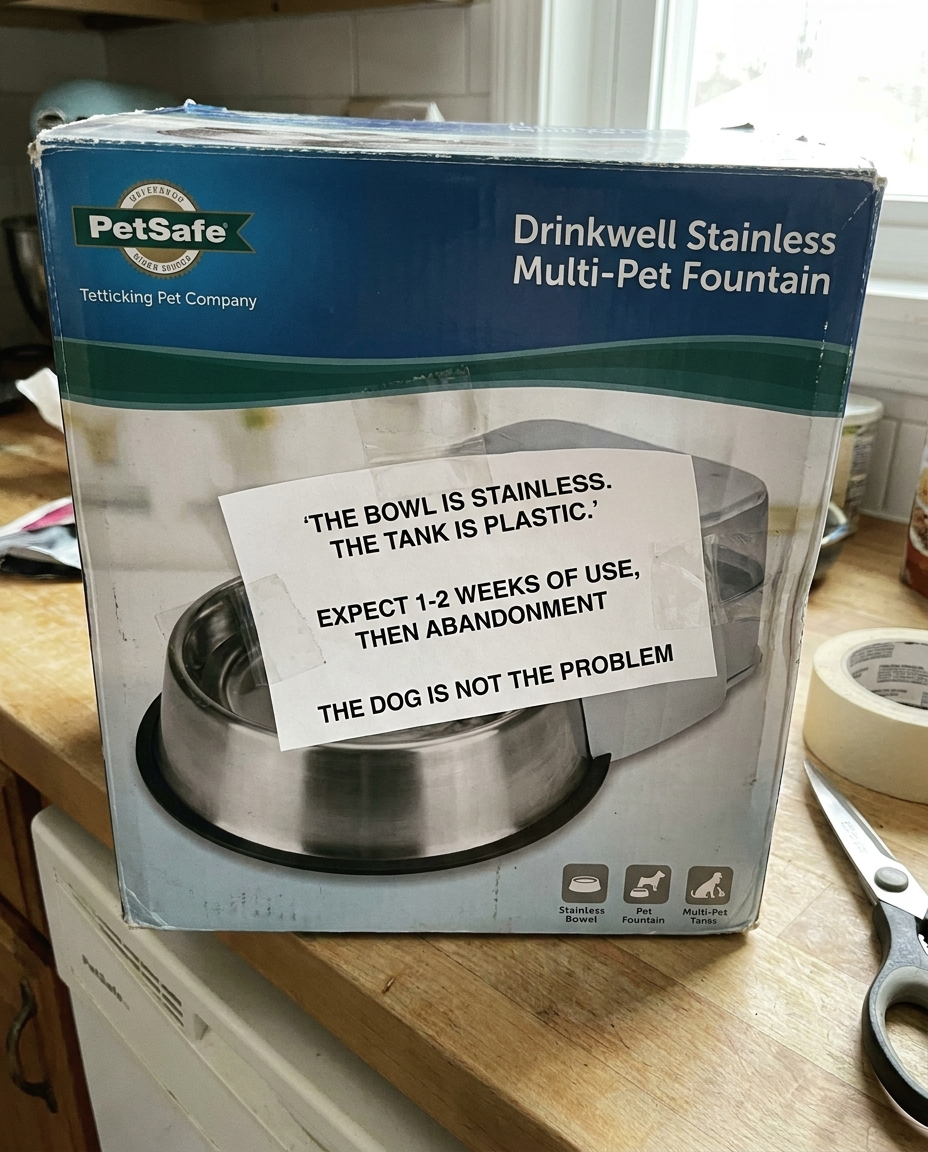
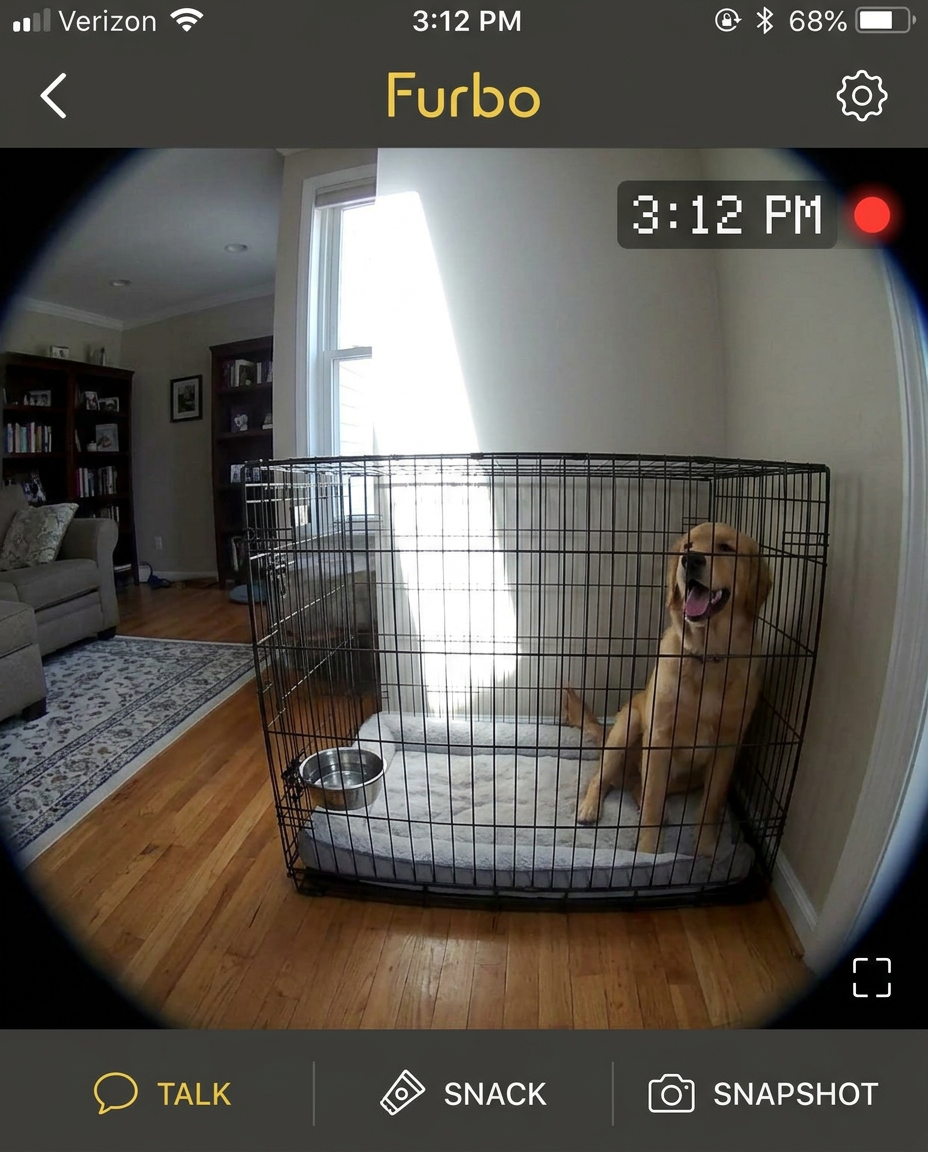
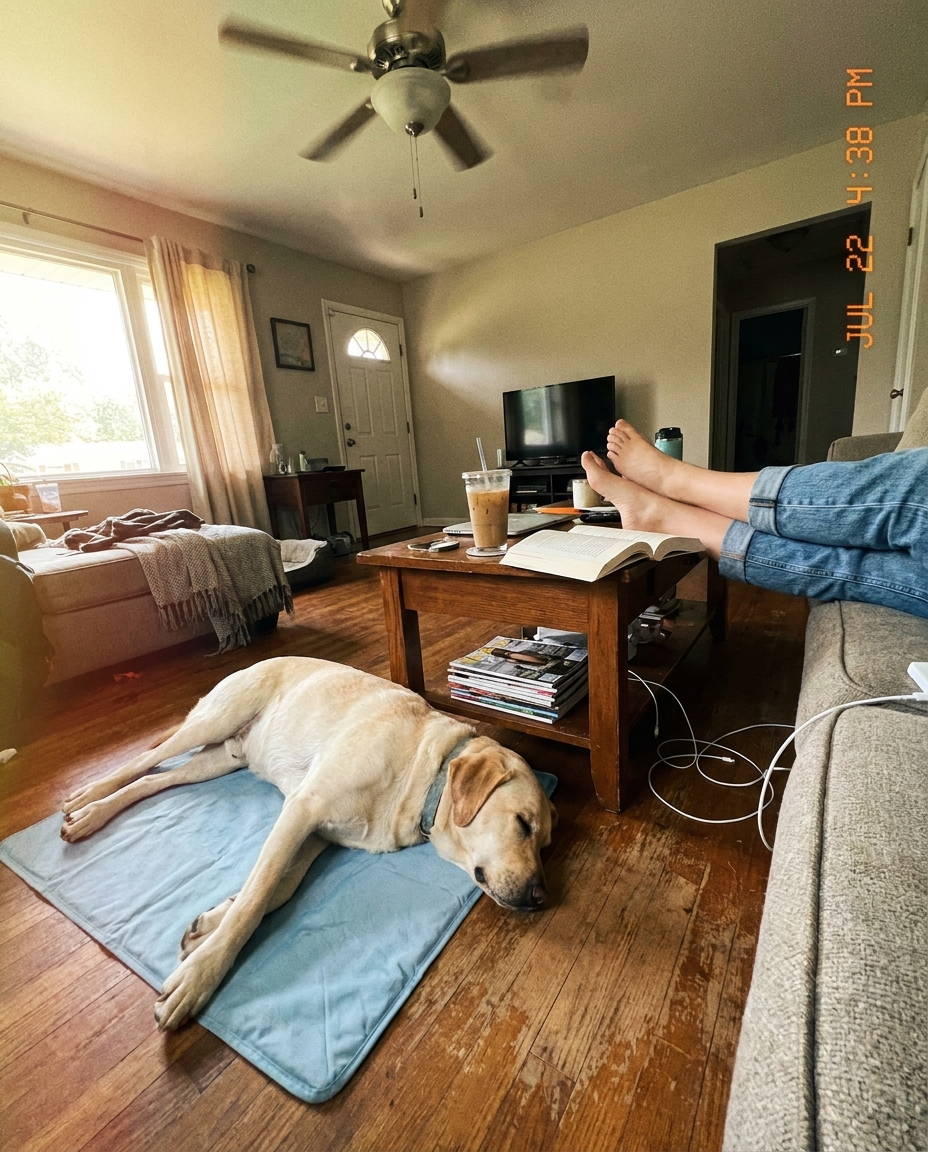
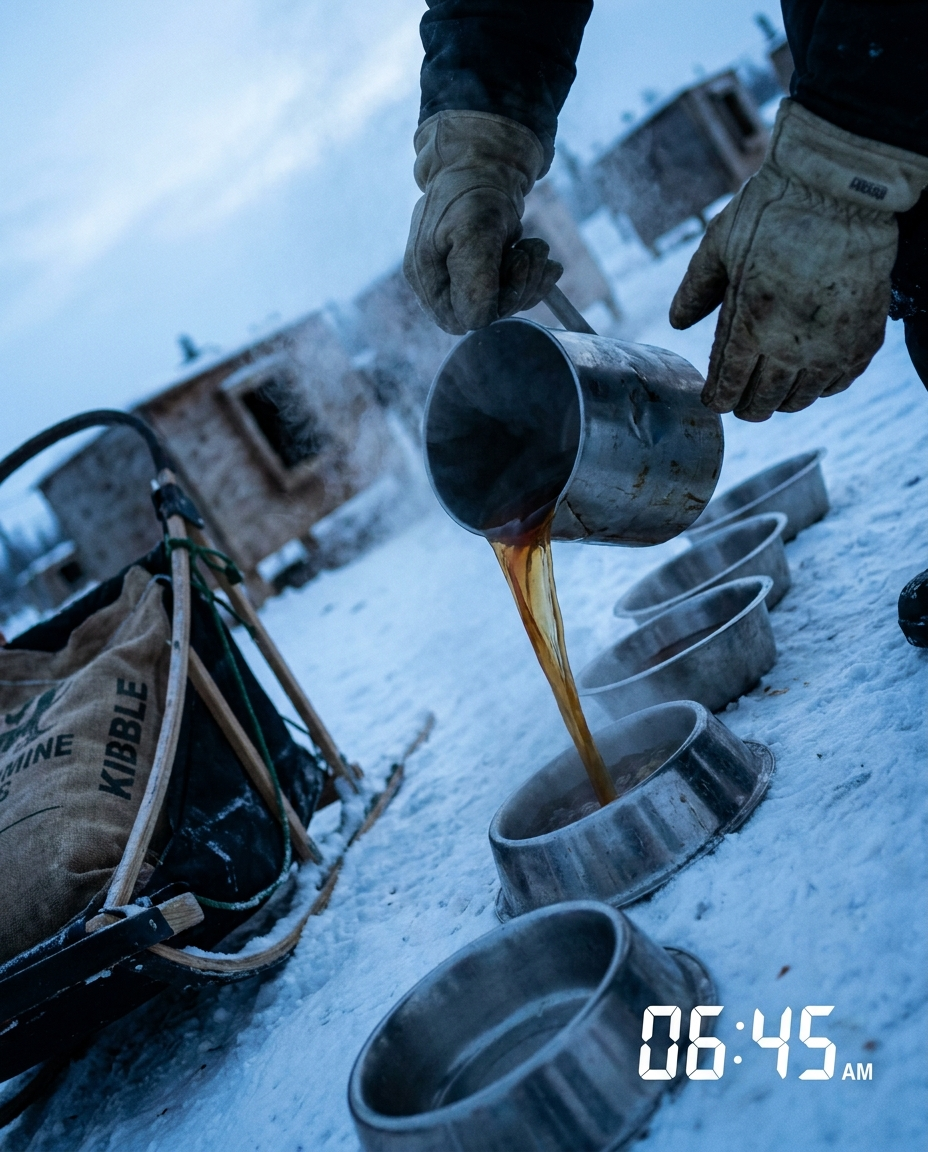
I ran sled dogs for 20 years. Day one, mushers learn what pet owners never do: a dog will not drink enough on his own. That sentence is taught to every rookie in every kennel yard I've ever stood in, usually within the first hour, usually in a tone that makes it stick. And then I retired to the suburbs, got a regular pet dog, and discovered that the entire pet-owning world has been handed the exact opposite belief. "Dogs drink when they're thirsty. Just keep the bowl full." I need to tell you why every working-dog culture on earth would wince at that sentence, because the gap between what mushers know and what pet owners are told is quietly costing pet dogs years. My name is Dale. I'm 61. I ran recreational and mid-distance teams in northern Minnesota for two decades. And I want to describe something to you that surprises everyone who hasn't lived it. In a sled kennel, water is not a bowl you keep full. Water is a chore with a schedule and a technique. Twice a day minimum, we "watered the dogs," and I mean that as a verb, the way you'd say fed the dogs. And here's the part that matters: we didn't just set water down. We baited it. Warm water mixed with a little kibble or meat broth, every single time, because twenty generations of mushers before me had learned the hard truth. Set down plain still water, and a dog will sip politely and walk away chronically underhydrated. Every time. Even a dog burning ten thousand calories in harness. Even a dog surrounded by snow. They will not, on their own, drink what their body actually needs. So we made the water irresistible, we put it in front of them on a schedule, and we watched them drink, dog by dog, because a handler who doesn't watch is a handler who finds out tomorrow. And we always found out tomorrow. That's the piece I need you to understand, because it's the piece your house is missing. In a working team, under-hydration shows up in less than a day. The pace sags. A dog's line goes slack on the climbs. Recovery slows. The feedback is immediate, visible, and it costs you, so mushers became obsessive about water the way pilots are obsessive about fuel. Not because we're better people. Because we could see it. Now here's your house. Your dog is doing the exact same thing my team dogs would do with plain still water. Sipping the minimum. Walking away. Topping up from the toilet and the hose because something in him distrusts the bowl. But your dog isn't pulling a sled tomorrow. There's no pace to sag. No line to go slack. The feedback that made my whole profession obsessive is invisible in a pet home, and it stays invisible for years, while the shortfall lands on the one organ that never complains. The kidneys. A chronically underhydrated dog runs concentrated urine year after year, and the kidneys grind down in total silence. By the time a pet dog shows the first symptom, the vets will tell you around 75 percent of function is already gone. My world found out at tomorrow's practice. Your world finds out at the emergency clinic, a decade too late. Same dogs. Same shortfall. Different feedback. That's the entire difference between the two worlds, and it's why one of them treats water as doctrine and the other treats it as furniture. When I retired and got Birch, my yellow Lab, my sweet unemployed couch professional, I'll admit I started out like a civilian. Bowl in the kitchen, kept it full, job done. It took me about two weeks to catch myself, because I did the thing twenty years had drilled into me and actually watched him drink. He sniffed. He sipped. He walked away. He drank like every dog I'd ever watered before the bait went in. And I stood in my kitchen thinking, I know exactly what this is, and there is no schedule and no broth and no handler in this house at 2 PM on a Tuesday. So I went looking for what does the baiting in a pet home, and along the way somebody sent me the article I now send to everyone, written by a veterinary nephrologist named Dr. Claire Bennett, eleven years in kidney clinics, watching the far end of the exact shortfall I used to catch at tomorrow's practice. Her article gave me the piece even twenty years of mushing hadn't, the why. A dog's nose has around 300 million scent receptors, and within a couple hours a still bowl grows an invisible bacterial film in the pores of the bowl that reads as contamination. And underneath that, a 15,000-year-old instinct that says still water is dangerous and moving water is safe, the same instinct that made my team dogs bite at streams they wouldn't take from a pan. Baiting worked all those years because it overrode the nose's verdict. In a house, she wrote, the override is moving, genuinely clean water: real stainless steel through the whole path including the tank, continuous flow, real filtration. She'd designed the one she couldn't find, the FreshFlow, and her article opens with a golden retriever named Murphy whose owner kept the bowl full and did everything right, all the way to a kidney ward. One equipment note from an old handler, because I checked the alternatives the way I'd check a sled: most of the fountains out there advertise stainless steel and hide a plastic tank underneath, where the water sits and grows the same film. In my world we had a phrase for gear like that, and it isn't printable. If the dog's nose reads the tank, the fountain is a bowl with a pump in it. Birch has had the FreshFlow for a year now. He drinks the way my dogs drank from baited pans, long, unhurried, several times a day, no handler required. His senior panel this spring came back clean, and I watched that vet read the hydration numbers the way I used to read a strong dog's gait, and I felt twenty years of doctrine settle into a suburban kitchen where it always belonged. Here's the briefing, civilian edition, and it's short. Your dog will not drink enough on his own from a still bowl. That's not my opinion, it's the founding assumption of every working-dog culture on earth, learned the expensive way, centuries before anyone marketed a water product. You will not see the shortfall. Your house has no sled. The feedback arrives years from now, through the kidneys, unless you change the water first. And "keep the bowl full" is the civilian sentence my whole profession was built to correct. The bowl was never the job. The drinking is the job. Dr. Bennett's article is the full version, the nose, the instinct, the silent kidney math, the plastic-tank problem, and the fountain she built to pass a dog's inspection. Nine minutes. It's the closest thing to a kennel-yard briefing your dog is ever going to get. 👉 https://rhykin.com/pages/ff-advertorial-2 P.S. Do what handlers do, once, tonight: actually watch your dog at his bowl for an evening. Count the visits. Time the drinking. If what you see is sniffing, sipping, and leaving, you are looking at the exact behavior that made mushers invent baited water two hundred years ago. The article explains what finally passes his inspection without a handler and a broth pot. 👉 https://rhykin.com/pages/ff-advertorial-2 P.P.S. People ask what happened to the teams' dogs versus the pets I've known since retiring, and I'll say it carefully: my working dogs, living the hardest lives dogs can live, drank properly every day of their careers because humans made it their job. The best-loved pets I've met since drink worse than any of them, because nobody was ever told it was a job. Now you've been told. 👉 https://rhykin.com/pages/ff-advertorial-2
Why sled dogs are so healthy
Home to award-winning pet products. Shop premium, vet-approved items that both you and your pets will love. Quality you can trust, for pets that deserve the best.
LEARN MORELike this ad? Make it yours.
Crush rebuilds this exact creative around your product — your brand, your colors, your offer — in about a minute.