
Inactive· since May 16, 2026
- 6
- days it ran
- 0
- relaunches
Ad copy
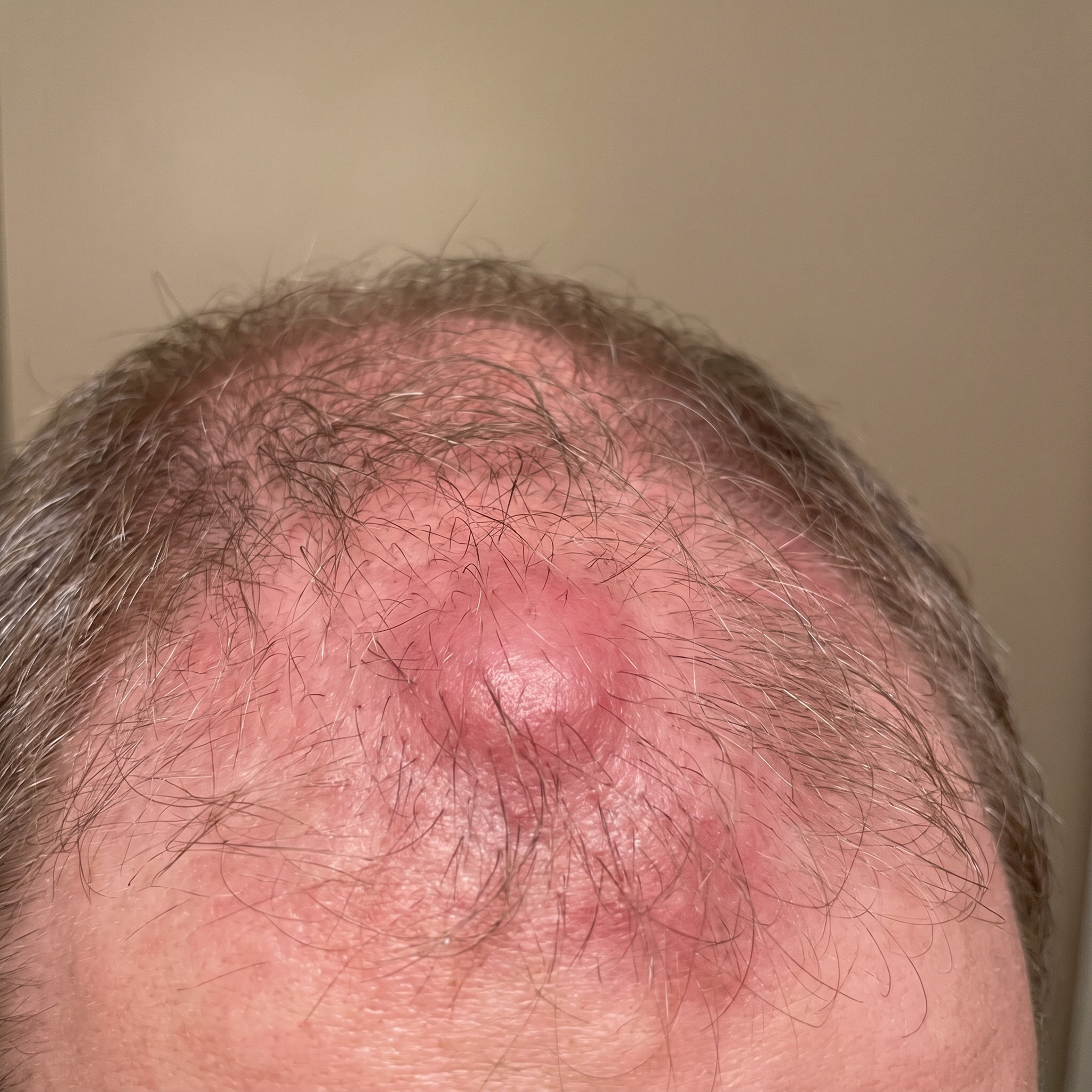
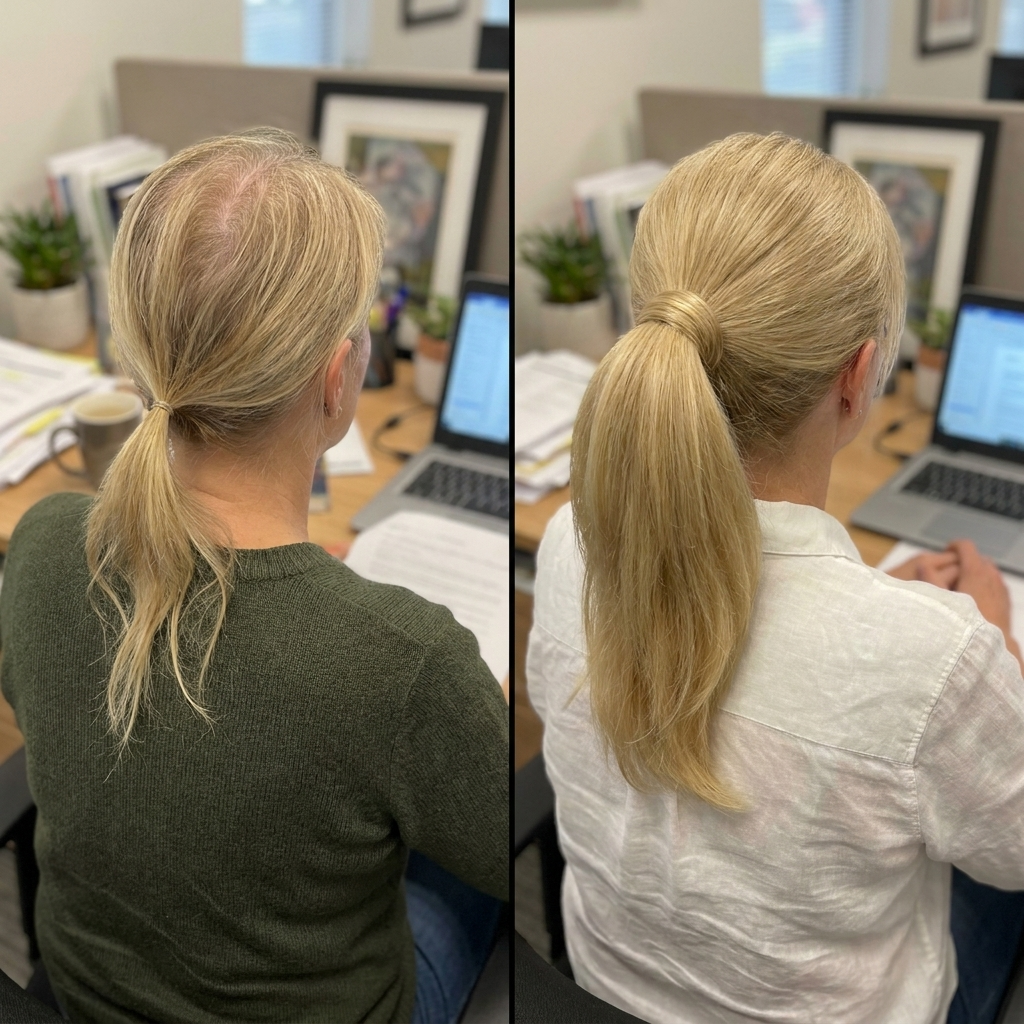
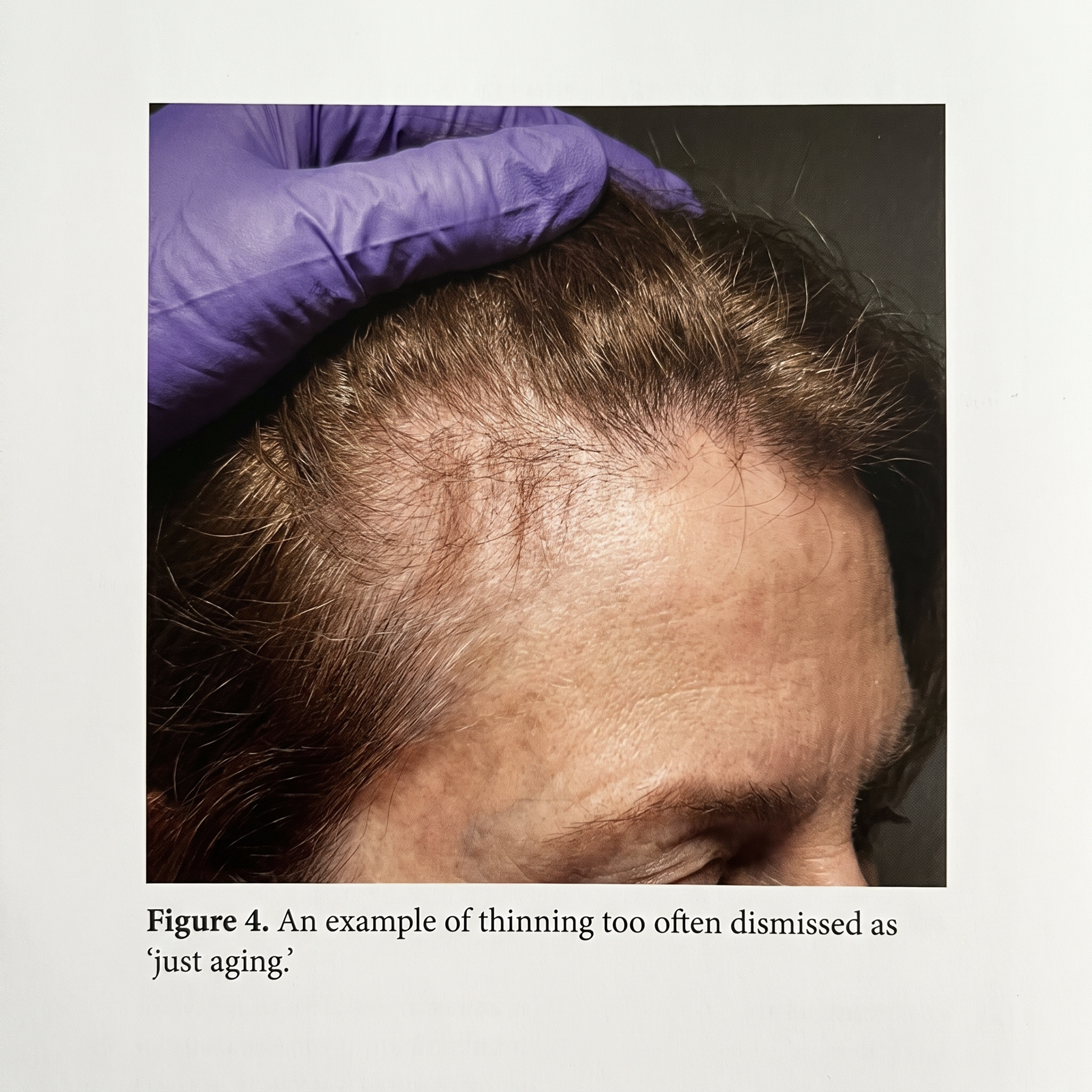
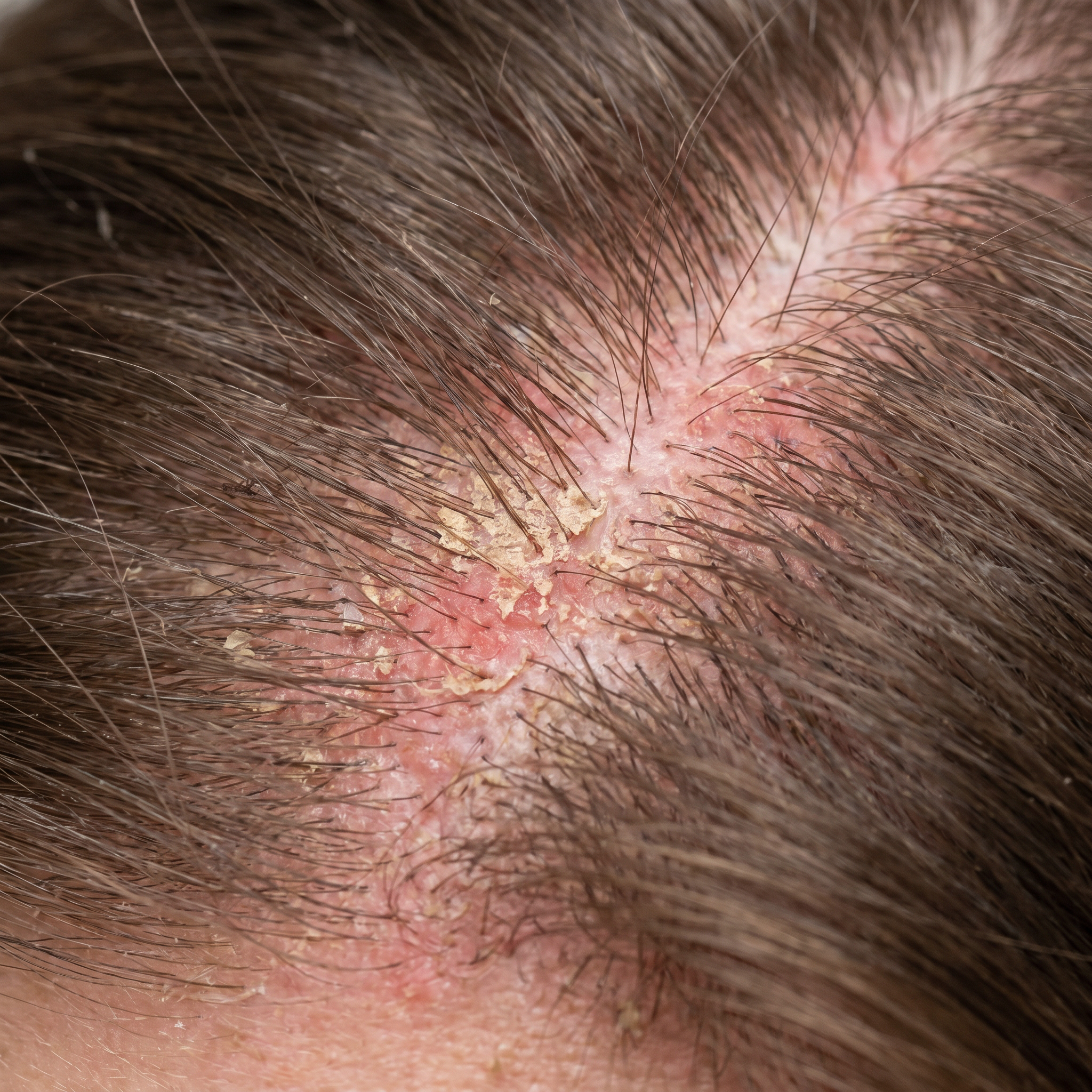
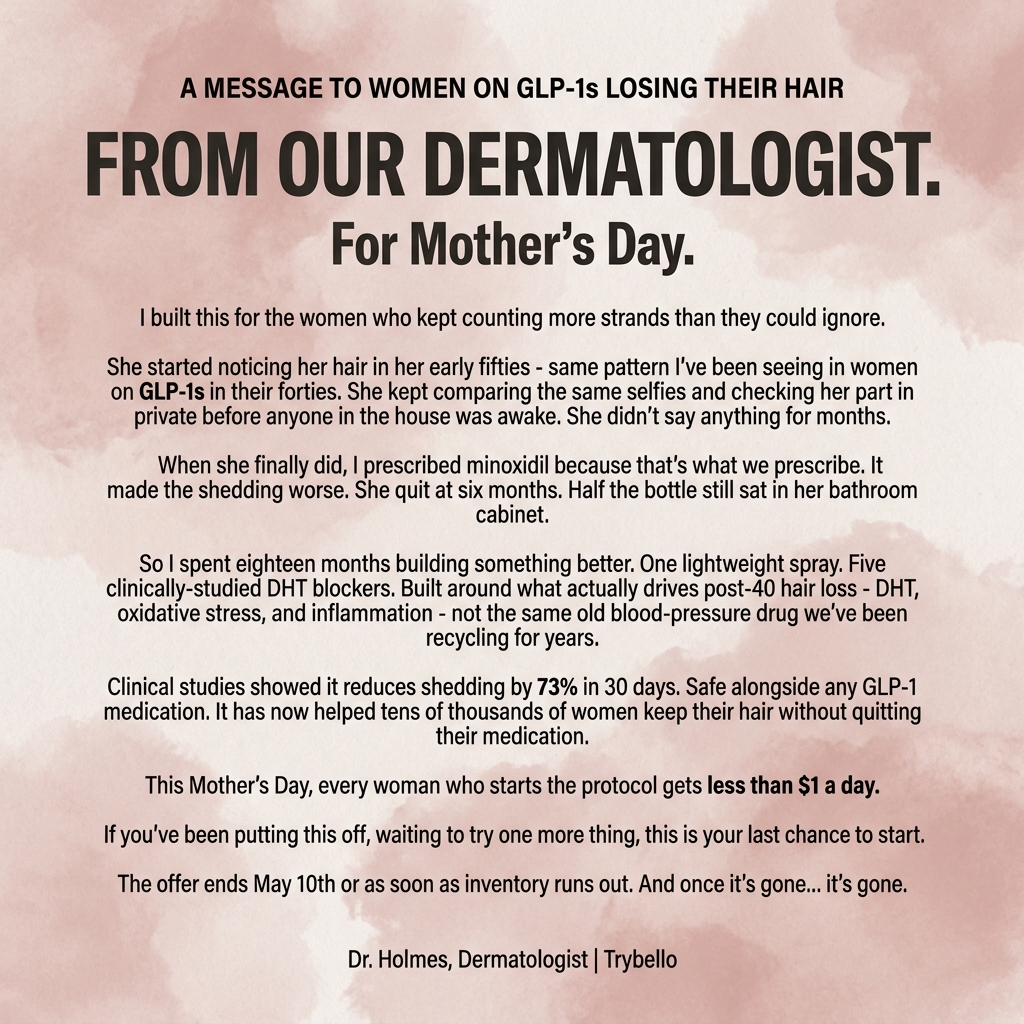
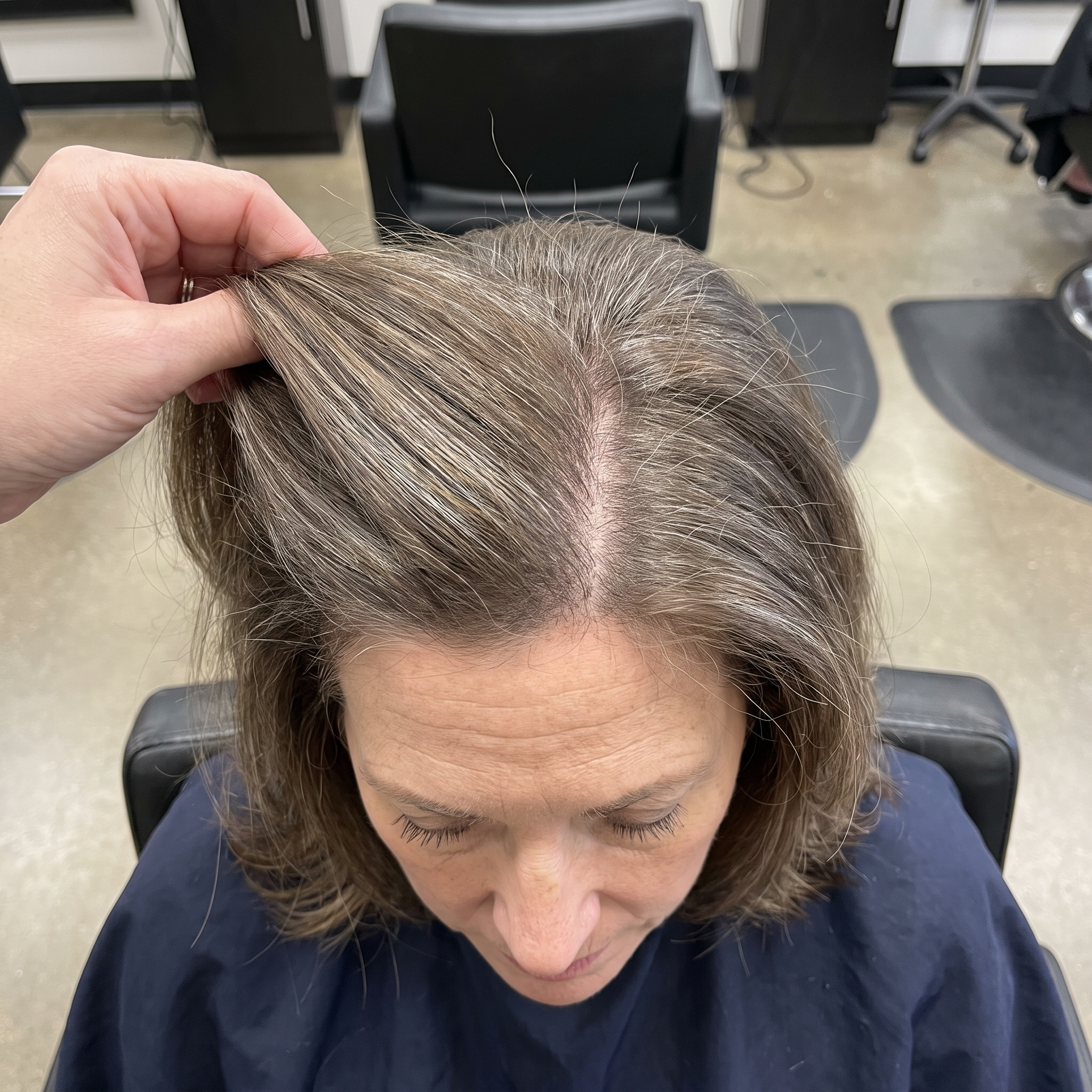
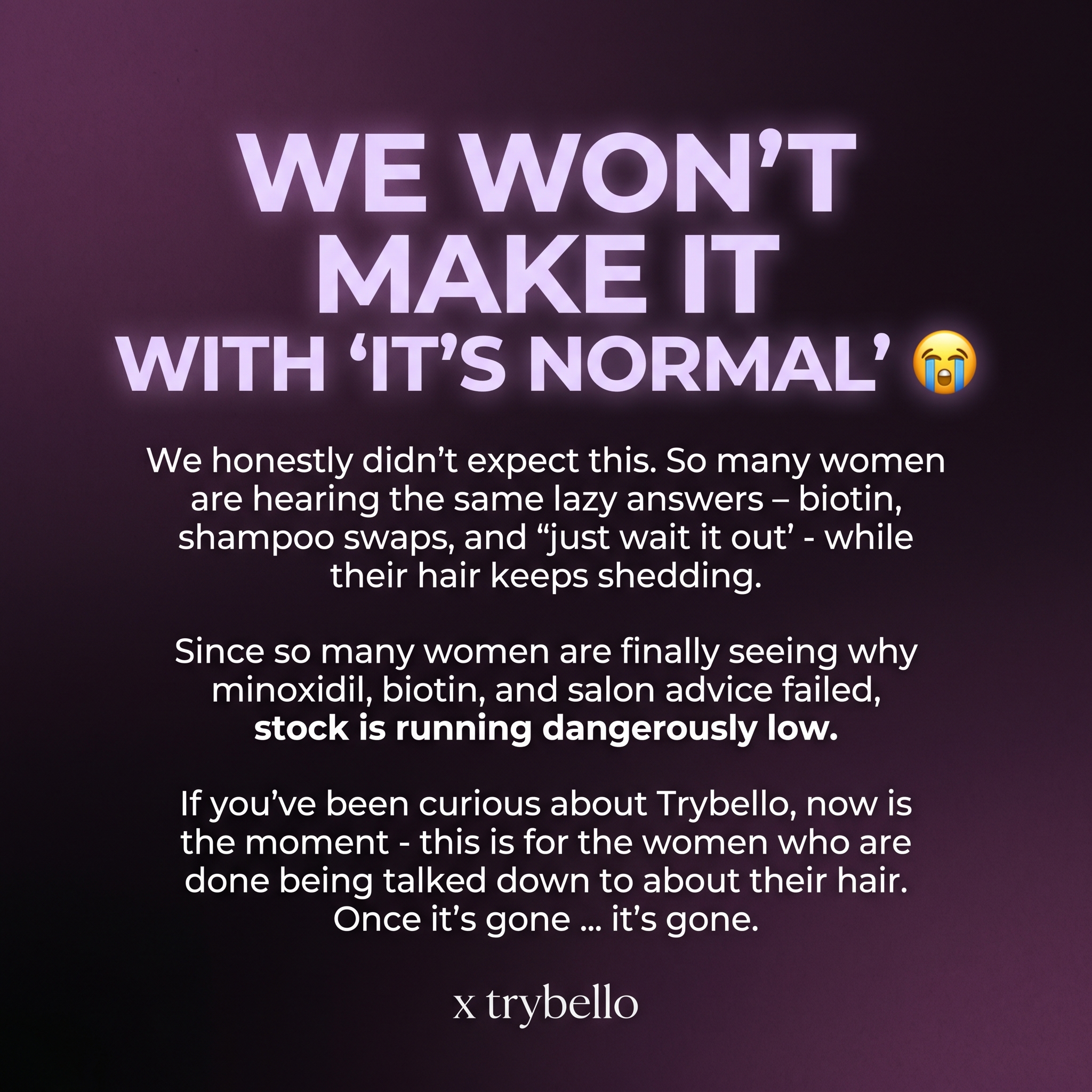
What actually changes when the real problem is DHT, not your effort? They told you it was normal. That is how real problems get buried. Not by solving them. By renaming them until they sound harmless. Hair loss in women does not feel harmless. It feels like evidence. More hair in the brush. More in the drain. Less left to hide with. And then someone says biotin. Someone says change your shampoo. Someone says give it time. As if time is a treatment. As if the shedding is polite enough to pause while you wait. That is the betrayal this ad is calling out. The answer keeps sounding gentle. The experience keeps getting worse. If you are in your 40s, 50s, or 60s, you may already know the script. The widening part. The ponytail that feels smaller. The crown that starts catching light in places it never used to. The salon chair that suddenly feels too honest. The bathroom light that seems to expose everything. The doctor who says it is probably hormonal. The dermatologist who reaches for the same standard first-line answer. The supplement aisle that promises confidence in a bottle and delivers another waiting period. The whole category teaches women to be patient with a problem that is actively moving. That is why so many women feel dismissed instead of helped. They are not asking for miracles. They are asking for the conversation to match what they can see. The Trybello article leans into that frustration instead of dressing it up. It starts with the truth that 'it's normal' is not a plan. It is a shutdown. It is what gets said when nobody wants to explain the biology. And the biology matters. After 40, the scalp is not operating in the same environment it did before. DHT rises in importance. Oxidative stress builds. Inflammation keeps the follicles under pressure. The result is not just aging. It is miniaturization. It is fewer strong cycles. It is hair that comes back thinner, shorter, and easier to lose again. Most generic advice never touches that full picture. Supplements can be too far removed from the scalp. Minoxidil can be the standard answer and still fail if the activation step is not there. Shampoo swaps can make a bathroom cabinet look more organized without changing the outcome. That is why women end up exhausted, suspicious, and stuck. They have done enough. They just have not been given the right mechanism. This is where the article gets sharper. It does not ask you to trust vague wellness language. It shows why a topical spray designed for menopausal hair loss is a different category altogether. It explains why targeting the scalp directly matters. It explains why natural is not the same as weak when the ingredients are used at clinical-grade concentrations. It explains why the women who have already tried Rogaine, Nutrafol, Vegamour, biotin, and collagen are not broken. They were handed tools that were never built for the specific problem. That distinction matters. Because once the blame shifts, the whole conversation changes. You stop wondering what is wrong with you. You start asking what was wrong with the advice. That is the emotional center of this piece. Not hope as a slogan. Hope as a correction. A correction to the lazy language women have heard for years. A correction to the assumption that hair loss is something to tolerate quietly. A correction to the idea that buying another bottle is the same as being treated. The women this was written for are not naive. They read ingredients. They compare reviews. They have already spent money. They have already waited. They have already been patient in ways nobody thanked them for. What they want now is a reason to believe the next step is not just another detour. The article gives them that reason by naming the enemy. Not age. Not vanity. Not some vague stress story that disappears the second the appointment ends. The enemy is the biological pressure on the follicle. The enemy is a system that keeps offering soft answers to a hard problem. And the relief is not only in what the article says. It is in how clearly it says it. No talking down. No cheerful nonsense. No pretending women should be grateful for half-answers. Just the actual chain of cause and effect. Just enough truth to make the next choice feel sane again. If you have been told to wait while your hair keeps shedding, this is the part you need to read. If you have been handed the same advice more than once, this is the part that finally pushes back. If you have been treated like your hair loss is an inconvenience instead of an identity-level wound, this article speaks your language. It does not flatter the market. It challenges it. It says the quiet part out loud. You were not wrong to question the standard answers. You were not difficult because you wanted specifics. You were not being dramatic because the problem kept getting worse. You were seeing what other people kept minimizing. And once you see that clearly, the old advice stops sounding reassuring. It starts sounding incomplete. That is the part the system keeps missing. Tap the button below. Read the article. See why 'it's normal' is the wrong answer. Find the explanation that finally makes sense of what you've been seeing.
Doc said "it's just menopause." She was WRONG.
Reduce Shedding With All Natural Ingredients!
LEARN MORELike this ad? Make it yours.
Crush rebuilds this exact creative around your product — your brand, your colors, your offer — in about a minute.