
Active· since Jun 2, 2026
- 103
- days running
- 4
- relaunches
Ad copy
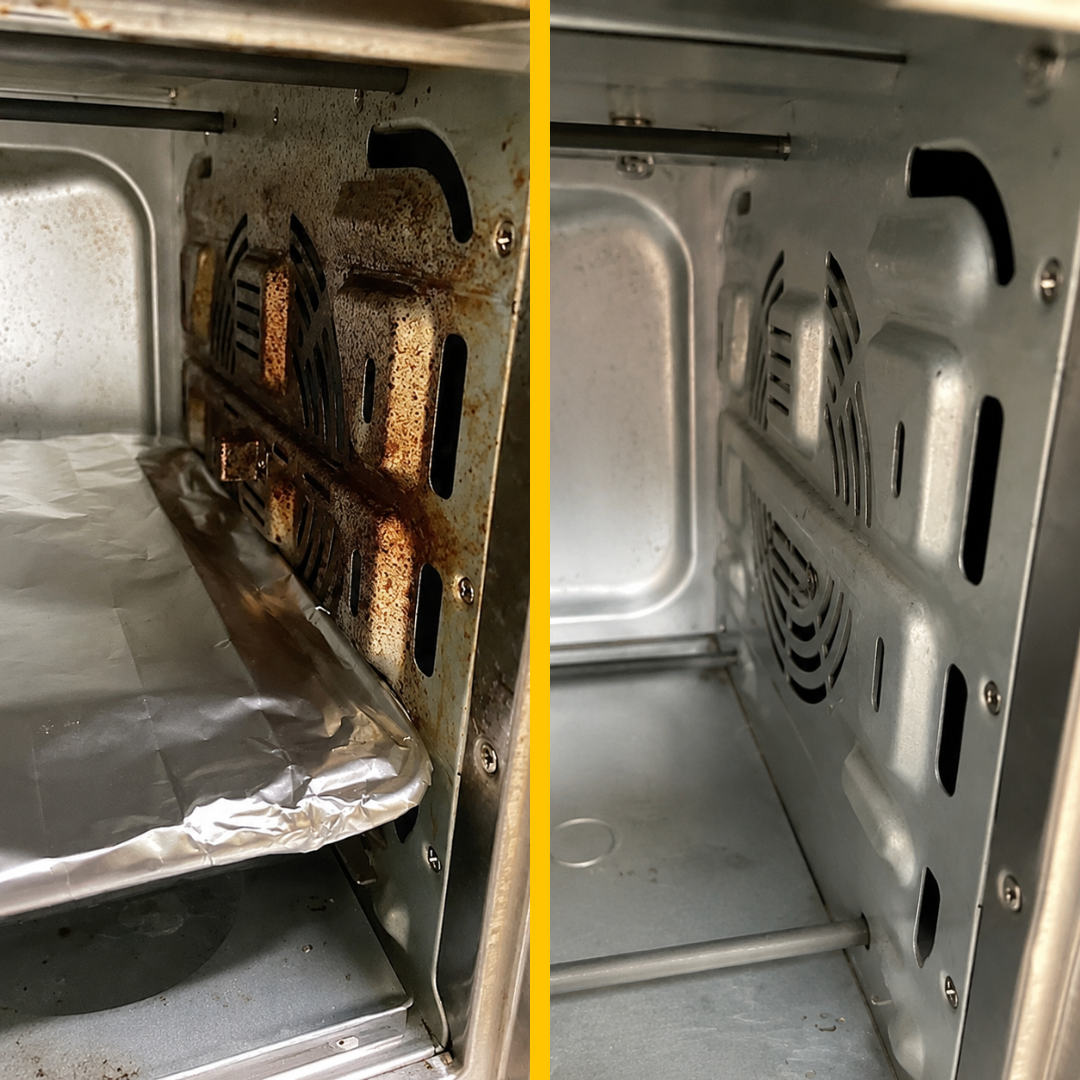
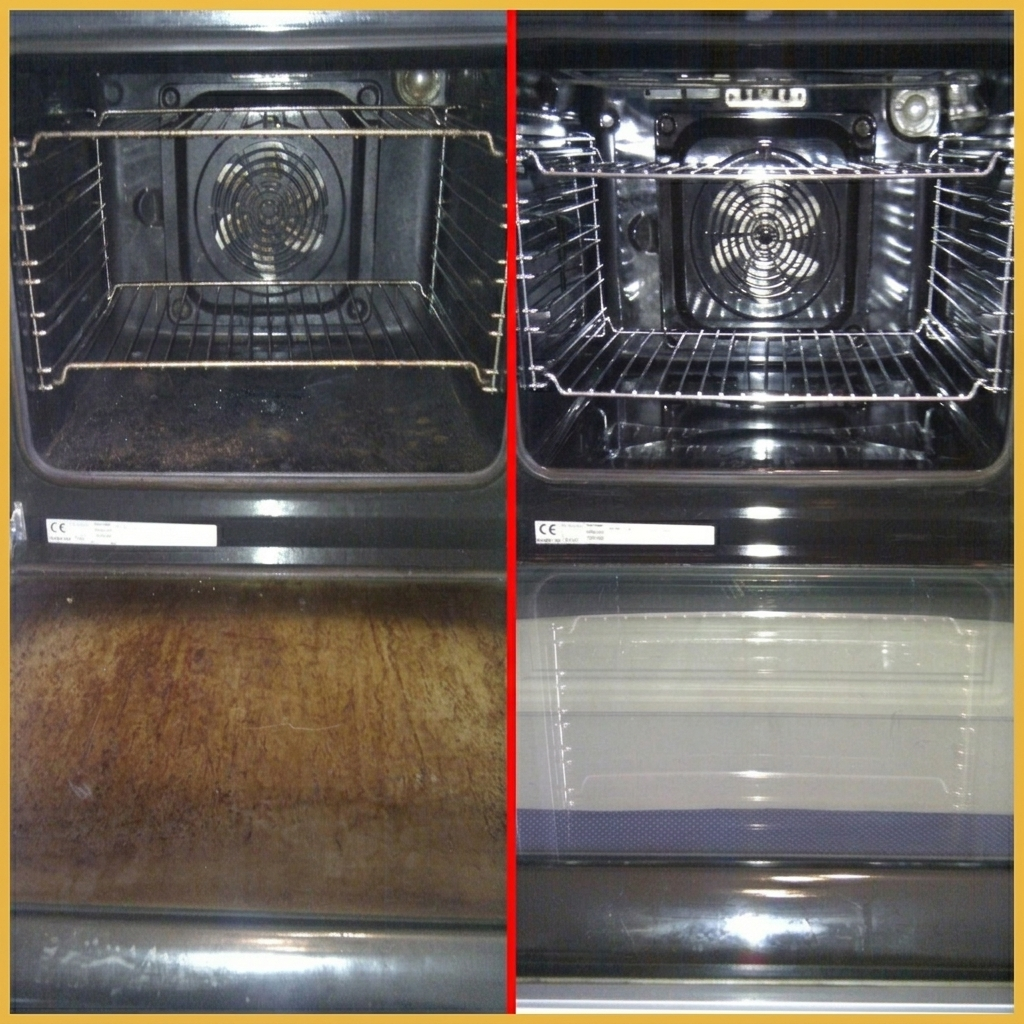
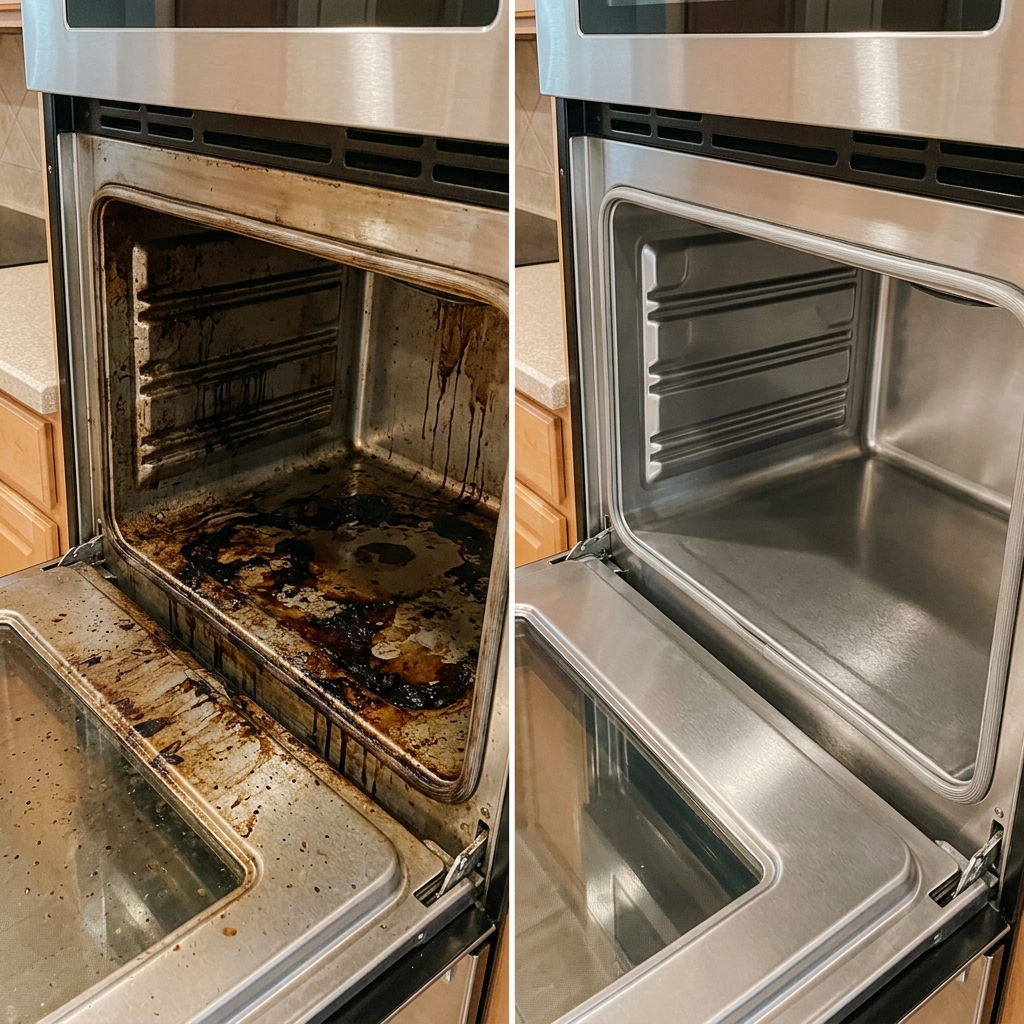
I have cleaned ovens for a living for 19 years. Not as a side job. Not as part of a general cleaning service. Ovens. That is the whole business. I clean somewhere between fifteen and twenty ovens a week, fifty weeks a year, in homes across the area, and I have done it long enough that I can tell you what is wrong with an oven before I open the door, just from what the homeowner says on the phone. 😢 My name is Denise Kowalski. I started my oven-cleaning business in 2006 after twelve years as a house cleaner, because I realized something. Out of every surface in a house, the oven was the one nobody could ever get clean, the one every client begged me to do, and the one most cleaning services flat-out refused to touch. So I made it my entire trade. I have been inside, conservatively, more than fourteen thousand ovens. And I am going to tell you the thing I have known for years and have never said out loud, because saying it costs me work. 😳 I want to tell you about a job from this past winter, because it is the one that finally made me decide to write this. A woman named Gloria called me. She was seventy-one. She lived in a tidy little house with a kitchen she clearly loved and clearly took care of. The counters were spotless. The floor was mopped. The windows were clean. And then there was the oven. She had called me, she said, because her granddaughter was getting married in the spring and the whole family was coming to her house for the rehearsal dinner, and she could not stand the thought of anyone opening that oven door. She told me on the phone, almost in a whisper, that she was embarrassed. That she kept a clean home. That she did not understand how the oven had gotten the way it was. I hear that exact sentence, in that exact tone, three or four times a week. 😢 When I got to Gloria's house, she walked me to the kitchen and opened the oven door like she was confessing to a crime. The inside was bad. I will be honest. It was in the worst quarter of the ovens I see. The bottom had a thick brown-black crust, glossy in some spots, flaking in others. The back wall had dark streaks running down it. The door glass was so clouded over with baked-on residue that you could not see the heating element through it. The racks were coated in a hard dark film. Gloria stood next to me wringing a dish towel in her hands. She said, "I have tried everything. I want you to know that. I am not a lazy person." I told her I knew she wasn't. I told her the state of her oven had nothing to do with how hard she had tried. Then she told me what she had tried, and it was the same list I hear in almost every kitchen I walk into. 😳 She had used Easy-Off. Multiple cans, over multiple years. The fumes were so bad she had to do it with the windows open in January and leave the house for two hours. It made the oven look better for a few weeks. Then it all came back. She had run the self-clean cycle. It set off her smoke detector and filled the house with an acrid smell for two days. When the cycle finished, there was a pile of grey ash on the bottom and the dark crust on the walls was still there. She had tried baking soda and vinegar, the way her daughter had shown her from a video. She had let the paste sit overnight. She had scrubbed it the next morning on her knees until her wrists hurt. It barely moved. She had bought a "natural" oven cleaner with a green label. It did nothing at all. She had even tried a pumice stone and a razor scraper, which left scratches on the bottom of the oven that I could see when I knelt down to look. Seventy-one years old, on her knees, scrubbing an oven that would not come clean no matter what she bought, and concluding that the problem was her. The problem was not her. 🤯 Here is the thing I learned years ago that almost no homeowner knows, and that the people selling oven cleaners have no reason to tell you. The dark crust on the inside of an old oven is not just baked-on grease. If it were just grease, the products on the shelf would remove it. Grease comes off. What is actually on the inside of an oven like Gloria's is a fused layer. It is carbonized food, baked-on sugars, and, critically, the chemical residue from every oven cleaner that has ever been sprayed in there, all bonded together and vitrified by years of high heat into a hard, glassy coating that has become part of the oven surface. The cleaning products most people use make this worse, not better. Easy-Off and the spray-on cleaners are sodium hydroxide. Lye. The lye dissolves the soft grease on top and leaves behind an alkaline residue that bonds to the porcelain. The next time the oven heats up, that residue fuses harder. Every cleaning adds a layer. The self-clean cycle bakes everything, the food, the grease, and the chemical residue, at 900 degrees, which is exactly the temperature that turns that residue into the glassy crust in the first place. The abrasives and the razor scrape off the top of the crust and the top of the oven's finish at the same time, leaving scratches that hold the next layer even better. Every product Gloria had used had been adding to the very crust she was trying to remove. For years. 😳 She had not been failing to clean her oven. She had been slowly building a wall inside it, one cleaning at a time, with the products she had been told to use. I want to tell you what I actually use, because it is the part of my trade I have kept to myself for a long time. For the first eleven years of my business, I used commercial-grade caustic oven cleaners, the professional version of Easy-Off, the stuff you need gloves and a respirator for. It worked, but it was brutal. It burned my skin through gloves. The fumes gave me headaches. It slowly damaged the ovens I was cleaning, and I knew it. Then, about five years ago, an older woman who had cleaned houses for forty years and was retiring sold me her client list and, almost as an afterthought, told me what she had been using. It was not a commercial oven cleaner at all. It was a fatty acid called undecylenic acid. It comes from castor oil. 🫧 Before 1946 it was the standard cleaning agent in every American household. After World War Two, the petroleum industry replaced it with the synthetic detergents and caustic cleaners on every shelf today, because the synthetics could be patented and a natural fatty acid could not. The chemical companies that built their fortunes on the new products had no reason to keep the old molecule alive. It quietly disappeared from store shelves. It survived in two places. The pharmacy, where it is still sold today as an antifungal cream you can buy at any CVS. And the caddies of women who cleaned houses for a living and could not afford to use products that did not actually work. She told me it would clean an oven better than the caustic stuff I had been using, with no fumes, no burns, and no damage to the appliance. I did not believe her. I tried it the next day on a job out of sheer curiosity. 🤯 I want to tell you why it works on a crust that nothing else can touch, because it is not magic, it is chemistry. It is a surfactant with extremely low surface tension. That means instead of beading on top of the crust the way water-based cleaners do, it sheets across the surface and penetrates down into the microscopic cracks and pores of the fused layer. It is pH-neutral. It does not bond to the porcelain the way lye does. There is no residue left behind, no new layer being added with every cleaning. The oven gets cleaner without getting damaged. And it breaks down the carbonized organic part of the crust at the molecular level, so the bond between the crust and the oven surface weakens, and the entire layer lifts off in a wipe instead of being scrubbed off over years. 🫧 I have used it on more than four thousand ovens in the last five years. I stopped buying the caustic commercial cleaners entirely. My hands healed. My headaches stopped. And the ovens I clean come out cleaner than they ever did with the professional-grade stuff. I want to tell you what I did in Gloria's kitchen. I dropped a tablet into a glass spray bottle of water on her counter. It dissolved in about sixty seconds. I sprayed the inside of the oven, the walls, the back, the door glass, the bottom, the racks. There were no fumes. Gloria did not have to leave the house. I did not open a window. She stood in the kitchen with me the entire time. I waited fifteen minutes while we had a cup of coffee and she told me about her granddaughter's wedding. Then I wiped the back wall with a cloth. The cloth came away solid black. Gloria put her hand over her mouth. 😳 I wiped a second time. The cloth came away dark brown. A third time, the color of weak tea. By the fourth pass, the cloth came away clean and the back wall of her oven was white. The door glass cleared in two wipes. I could see the heating element through it again. The racks I let soak in her bathtub with two dissolved tablets while I finished the oven cavity. The dark film wiped off with a soft brush forty minutes later. The whole oven, top to bottom, inside and out, took me a little under ninety minutes. With the caustic cleaner I used to use, the same oven would have taken me three hours and left my hands raw. Gloria stood in front of her open oven, looking at the white interior, and she cried. 🫶 She said, "I have been embarrassed about this oven for six years." She had spent six years feeling like a bad housekeeper over a problem that was never about her effort. It was about the products she had been sold. I did not charge Gloria my full rate that day. I could not bring myself to. I told her what was in the bottle, the same way the retiring woman had told me five years earlier. I left her two tablets. I told her where to order more. And I drove home and decided that after nineteen years of keeping this to myself, I was done keeping it to myself. 😢 The brand on the foil pouch is X-All. You drop one tablet into a glass spray bottle of water. It dissolves in about sixty seconds. The water becomes the cleaner. It is safe. No fumes, no gloves, no respirator, no leaving the house, no warning labels. Your grandchildren can be in the kitchen while you do it. It is fast. Spray, wait fifteen minutes, wipe. And anyone can do it. You do not need to scrub on your knees. You do not need strength in your hands. It does not matter how bad your oven is or how many years you have given up on it. If you can hold a spray bottle and a cloth, you can do this. And it does not stop at the oven. I use the same bottle on stovetops, glass cooktops, the inside of microwaves, stainless steel, bathtubs, shower glass, sinks, tile, and grout. It is the only product in my van now. 🫧 You cannot buy it in a store. The molecule is not patented, so no chemical company is going to put it on a shelf or run it on television. The only way to get it is to order it directly. The link is below. The brand is offering 60% off for new customers right now and a 30-day money-back guarantee. If your oven never stays clean, if you have run the self-clean cycle and set off your smoke alarm for nothing, if you have given up on the inside of your oven the way Gloria had, it is not you. It never was. You have been using products that were quietly making it worse. One bottle takes it off. 👉 X-All — 60% off for new customers. Link is in the post. Stock goes fast. With honesty, Denise Kowalski Professional Oven Cleaning 19 years in the trade. P.S. — The black on the cloth scares people the first time. Do not let it. That is not your oven coming apart. That is years of fused residue finally letting go. The worse your oven is, the more dramatic that first wipe will be. That is the proof it is working. 😳
Cleans the Worst Oven in 3 Minutes (Read This)
Most people would agree that today’s housing market is nuts. Which meant, if we really wanted to buy a home, we had to consider homes we would normally pass on.
LEARN MORELike this ad? Make it yours.
Crush rebuilds this exact creative around your product — your brand, your colors, your offer — in about a minute.