
Inactive· since Jun 22, 2026
- 70
- days it ran
- 2
- relaunches
Ad copy
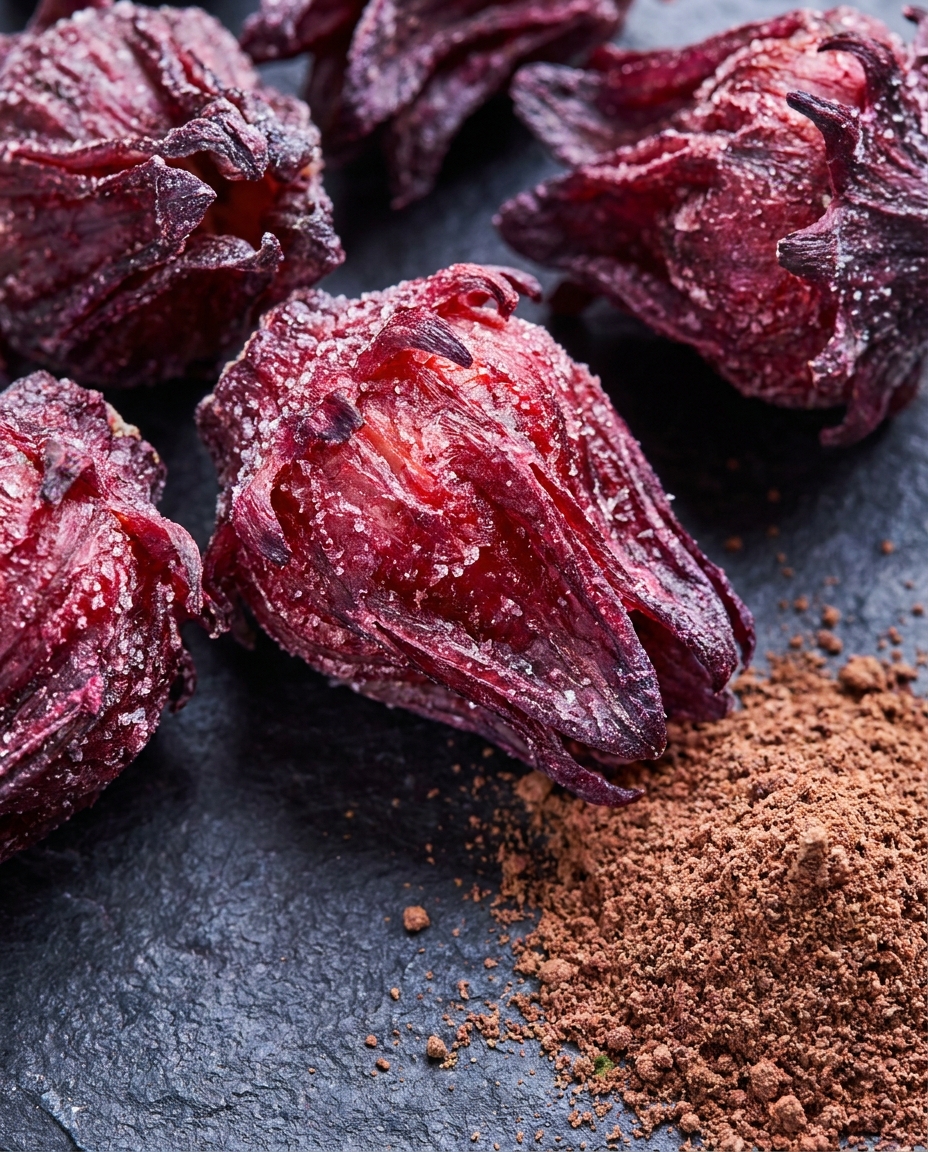
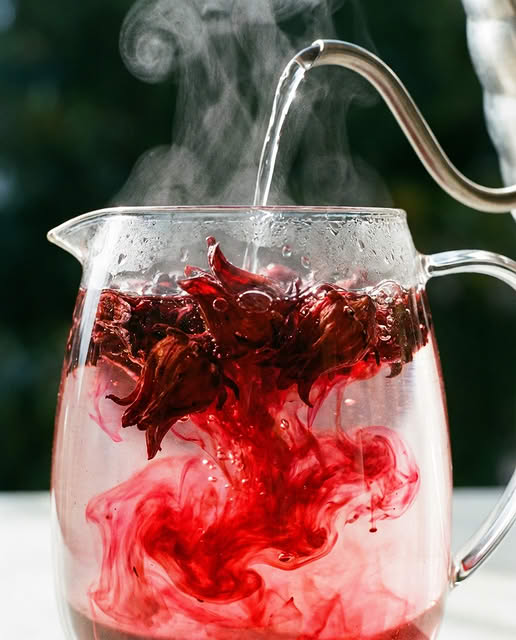
I'm a nephrologist, and last week a patient asked me why her kidney numbers had stopped dropping. It was during one of her routine labs. Something I've never seen in 19 years of practice. I've been treating kidney disease for 19 years. I've watched every stage of decline, every eGFR curve, every creatinine trend. I can tell within 30 seconds of looking at someone's bloodwork what trajectory they're on, and roughly how long they have before the conversation turns to dialysis. Last week, I couldn't. A woman came in expecting the usual three-month check. Her eGFR had been sliding for four years — 68, then 61, then 55, then 49. Steady. Predictable. The kind of slope where you can almost circle the year on the calendar. She was 58, with a family history of kidney trouble and blood pressure she'd been managing for a decade. She was the picture of a patient I'd be preparing, gently, for what comes next. Except the slope had changed. I pulled up her new labs. And I just… stopped. Her eGFR wasn't 43 like the curve predicted. It was 50. Almost exactly where it had been a year earlier. The line that had been falling for four straight years had gone flat. Her creatinine had held instead of creeping up. Her blood pressure was lower than I'd charted in years. I looked at her. "What have you been doing differently?" "Nothing crazy. Just something a friend told me about." I didn't believe her. "New blood pressure medication? Did your other doctor add something? Are you on an SGLT2 now?" "Nothing like that. Just this one thing I've been doing for five months." I pulled up her previous labs and laid them side by side. Four years of decline, then a flat line. Not a rebound — I want to be clear about that. Her kidneys hadn't healed. The function she'd already lost was gone. But the slide had simply stopped where it was. I sat back in my chair. "I'm going to be honest with you. In 19 years I've never seen a steady decline just flatten like this." She looked confused. "But my kidneys—" "Your kidneys aren't getting worse the way they were. That curve had a year circled on it, and the curve changed." Long pause. "So what do I do now?" "Keep doing whatever you're doing. Because it's doing more for you than the next thing I was about to suggest." She walked out. And I spent the rest of the week wondering what she knew that I didn't. Here's what bothers me. I've been in nephrology my whole adult life. I know every drug, every protocol, every stage of the chart. And I see the same thing in my office every single day. People in their 50s, 60s, and 70s whose kidney numbers are quietly drifting the wrong direction. They feel fine. That's the part nobody warns you about. They walk in feeling more or less themselves, maybe a little tired, and they trust that if something were really wrong, they'd feel it. They wouldn't. The kidneys don't send a warning. You can lose a third of your function and feel completely normal. So they tell themselves the things people tell themselves. "My numbers are fine." "My doctor is watching it." "Three months is nothing." "Kidney failure is for diabetics, that's not me." And the worst part? Every one of those things is technically true. And none of them protects a single nephron. Their eGFR is "stable enough." Their creatinine is "within range, for their age." Their doctor says come back in three months and keep an eye on it. They get a number and a follow-up date. They do not get a plan. That's what I see all day long. People who are slowly losing kidney capacity while feeling fine and being reassured by the monitoring itself. I know what that slope is heading toward. Because I've watched it arrive. I've had the appointment where "keep monitoring it" becomes "let's talk about your options." And what that means in practice — three days a week, four hours per session, a surgically placed fistula, EPO injections to manage the anemia that comes with failing kidneys, and a transplant list that moves slowly and unevenly. That's the destination the curve is pointing at while everyone reassures you that the number is "stable enough." And I help them. Sort of. I track the number. I adjust the blood pressure medication. I order the next panel. Then they come back in three months, and the slope is exactly where the slope was always going. Numbers logged. Decline continuing. Everyone reassured because we're "watching it." Because monitoring measures the decline. It doesn't address what's driving it. The kidneys don't usually fail all at once. They get watched while capacity disappears. The oxidative stress. The pressure load on the filtering units. The slow strain that compounds a little more every day while we chart it quarter by quarter. No follow-up appointment reaches that. No three-month panel slows it down. I've suspected this for years. But I'd never seen a patient who'd actually changed her own slope. Until last week. I called her that evening. "I know this is unusual. But I can't stop thinking about your labs. What are you actually doing?" She didn't hesitate. "Something that works on the blood vessels themselves. A tea. Simple as that." We talked for 40 minutes. She told me she'd spent years trying everything. She tried cranberry — the thing everyone hands you the second you say the word kidney. Did nothing for her numbers. "That's for a different part of the plumbing," she said. She tried a kidney cleanse — the fourteen-day detox kit with the dramatic packaging. Her eGFR didn't move. She felt like she'd flushed her wallet. She tried an Amazon kidney support blend — the one with thirty ingredients listed on the label and a five-star average. Three months. No change on any panel. "Expensive capsules," she called it. She tried grocery-store hibiscus — the red zinger from the supermarket aisle. Drank it religiously for two months. Nothing. She figured hibiscus was a dead end and almost stopped there. She said she was about to accept that this was just her trajectory now. Watch the number fall. Wait for the appointment where "monitor it" became "let's talk about your options." But five months ago, something changed. A friend had mentioned a specific hibiscus tea. She almost dismissed it — she'd already tried the grocery version and gotten nothing. But this time she decided to look up the mechanism before she bothered with the product. She stopped researching kidney products and started researching why kidneys decline in the first place — even in people doing everything they're told. Not treatments. Mechanisms. She learned something that made everything click. She learned that when your eGFR is sliding but you feel fine and your doctor says you're "stable enough" — the problem isn't that you need a different prescription or another supplement to monitor. It's that the filtering units of your kidneys are under a constant, daily load — oxidative stress and pressure strain — and nothing in the standard plan actually reduces that load. It just records the damage as it happens. And here's what she found that most doctors — including me — had filed under "wellness" and ignored. Hibiscus isn't a folk curiosity. There are over a thousand peer-reviewed studies on hibiscus and cardiovascular support. I had filed every one of them under "not my department." The active part isn't the color for show. It's the anthocyanins — the same deep-red pigments — and they do two things that matter to a kidney. I had to sit with this part for a minute. Because I'd dismissed hibiscus my entire career. Patients would mention it and I'd nod the way you nod at someone who tells you about their healing crystals. I now understand why I missed it: blood pressure and antioxidant support felt like cardiology and nutrition, not nephrology. I never connected it to the filtration units I spend my whole career watching decline. The anthocyanins support healthy blood pressure — and pressure is the single biggest mechanical strain on a filtering kidney. Every point of pressure is force pushing against units that don't grow back. And they're potent antioxidants — they help the body neutralize the oxidative stress that quietly damages those same units day after day. Pressure and oxidation. The two slow drivers I watch on a chart and can't actually touch with a three-month appointment. "That's what I figured out," she told me. "My doctor was measuring the slide. Nobody was reducing what was causing it. The monitoring made me feel safe. It wasn't protecting anything." "So what did you do?" I asked. "I stopped waiting for the number to drop and started giving my kidneys daily support against the two things pulling it down." But here's the part that surprised me. She wasn't taking a shelf full of pills. She was drinking one thing, every day. And she was very specific about why most hibiscus does nothing. Because the grocery-store stuff is cut-and-sift — chopped, dried hard, sometimes sitting on a shelf for a year. The anthocyanins, the part that actually works, degrade. By the time it's in your cup, the color is there but the potency is mostly gone. That's why her two months of red zinger did absolutely nothing. What changed for her was the form. Whole-flower hibiscus, not chopped. High-altitude grown, where the plant concentrates more of those red pigments to protect itself. Hand-picked instead of machine-stripped, so the flower isn't bruised and oxidized before it's ever dried. The difference between a flower that still carries its anthocyanins and a bag of red dust that just looks the part. "Most kidney products throw thirty ingredients at you and hope," she said. "This is one flower. But it's the right flower, in the right form, and it targets the two things actually driving my decline. Pressure and oxidation." "That's the part no one talks about," she went on. "Everyone monitors the kidney. Nobody reduces the load on it. You can chart that number every three months for the rest of your life. Charting it doesn't slow it down." "I learned that the hard way," she said. "I did everything right on the surface. Took my blood pressure medication. Cut my salt. Drank water. Showed up for every panel. And the line kept falling exactly on schedule, while everyone told me I was doing great." "What changed?" I asked. "I stopped trusting the monitoring to protect me and started doing one thing every day that actually worked on the cause." "That's what flattened my curve," she said. "For the first time in four years." I didn't even ask the brand at first. I figured I'd research it myself. Then she said, "I know you're going to look it up, so I'll just tell you. It's called PiPi Tea." I'd thought of hibiscus as a grocery aisle novelty. Never as a high-anthocyanin, whole-flower form chosen specifically for potency. She showed me what made it different: Whole-flower organic hibiscus, not cut-and-sift — so the anthocyanins survive intact. High-altitude grown — where the plant concentrates more of the active red pigments. Hand-picked — so the flower isn't bruised and oxidized before drying. One ingredient, in the form where it actually does something. I looked at it as a nephrologist who knows exactly what drives a falling eGFR. The logic addressed the actual mechanism. Not the number. The two forces pushing the number down. "How long did it take?" "The first couple of weeks, honestly, nothing I could point to. I almost wrote it off like the red zinger. By around week four, my home blood pressure readings were sitting a few points lower in the mornings. Not dramatic. Just consistently lower than I'd been seeing. By week six, my doctor's office reading came in lower too — the first time it hadn't crept up in a long while. Then came the panel at month three. My eGFR hadn't dropped. It held. After four years of it falling every single time, it just… held. And month five — the labs you saw. The line gone flat. Creatinine steady. Pressure down. The curve I'd watched fall for four years finally stopped falling." She showed me her lab history. Four years of decline — 68, 61, 55, 49. Then 50. Then 50 again. A flat line where there had always been a slope. "I almost didn't try it," she said. "Because it seemed too simple. A tea. But that's exactly why it works. It doesn't try to be my medication. It just takes pressure and oxidation off my kidneys every single day — the two things nobody was actually treating." I ordered a box that night. Not for a patient. For myself. I'm 51. Three years ago my own eGFR came back at 64 — mildly reduced. My own doctor told me what I tell my patients: it's nothing yet, just monitor it. And my blood pressure has been running high-normal for years, the kind of number you keep promising yourself you'll deal with. I was monitoring. I wasn't doing anything. I started drinking it. Because the one thing I could measure fast and feel honest about was my own pressure. Week one, nothing I'd swear to. Week three, my morning readings were sitting two or three points lower. Week five, consistently lower — enough that I stopped second-guessing the cuff. Week eight, I ran my own full panel. My eGFR hadn't budged downward. For someone who'd quietly assumed mine would keep drifting like everyone else's, holding steady felt like something. I'm a nephrologist. I know better than to call a tea a treatment. I'm not going to. But I know what pressure does to a kidney over years, and I know what it means when the curve stops being a curve. If you're 55 or older, if you've got family history or blood pressure or borderline sugar, if your eGFR is "stable enough" and your doctor keeps saying come back in three months — understand what that actually means. It means the decline is being watched, not slowed. Your kidneys didn't fail all at once. Nothing failed all at once. The number got charted while capacity quietly disappeared. You can't stop that with another follow-up appointment. The appointment records the slide. It doesn't reach the cause. You can't stop it with cranberry. That's a different part of the plumbing entirely. You can't stop it with a thirty-ingredient kidney blend or a fourteen-day cleanse. Those manage your hope, not your pressure or your oxidative load. And you can't stop it with grocery-store hibiscus, because the form is dead before it reaches your cup. You need the active form — whole-flower, high-altitude, hand-picked, high in the anthocyanins that support healthy blood pressure and help neutralize the oxidative stress quietly wearing down your filtering units. The two forces a chart can only watch. That's the lever. Take pressure and oxidation off the kidney every day, and the slope has a reason to stop being a slope. Your doctor monitors the number. This is for the cause underneath it. The alternative is watching what I watch: the number logged every three months, the slope continuing on schedule, and eventually the appointment where "let's talk about your options" means a chair three days a week, a fistula, a transplant list. That's what the monitoring is watching for. This is what takes the load off so the monitoring has better news to report. I'm a nephrologist. I've done this for 19 years. I track decline, I adjust medication, I order the next panel. But I can't take daily pressure and oxidative load off a kidney from inside an appointment. That has to be done at home, every day, between the visits. This is what I'm drinking — and what the patient was drinking when her four-year slide finally went flat. If you want to try what we're using, before your next "keep monitoring it" appointment: https://shop.pipitea.com/hbt/kd/sp-nm It takes about 8 to 12 weeks to see real movement in your numbers, so give it that long. It comes with a 90-day money-back guarantee, so the only thing you're risking is the wait. And keep working with your doctor — keep getting your panels, keep taking what they prescribe. This isn't instead of any of that. It's the part none of that reaches. I spent years helping people watch their decline. A few months ago, I started doing one thing every day to take the load off my own kidneys. The change showed up in my pressure first, and in holding steady where I expected to keep sliding. Not because I changed my medication. Because, for once, I did something about the cause instead of just charting the number. https://shop.pipitea.com/hbt/kd/sp-nm That's all.
Natural Relief in Weeks
LEARN MORELike this ad? Make it yours.
Crush rebuilds this exact creative around your product — your brand, your colors, your offer — in about a minute.