Margaret & Jim
 Facebook ad: “read this before you consider hearing aids”
Running for 61 days since September 9, 2026. Crush last saw it on November 9, 2026.
Run by Margaret & Jim on Facebook. Crush is not the advertiser and does not verify its claims. See this ad in Meta's Ad Library(opens in a new tab)
Make your own version of this ad
Crush makes it, launches it in your own Meta ad account, scales the winners and pauses the losers.
About this ad
- Meta Ad Library ID
- 1389754093260693
- Platforms
- Facebook, Instagram, Audience Network, Messenger and Threads
- Relaunches
- 0
- Niche
- Food & Beverage
Ad text
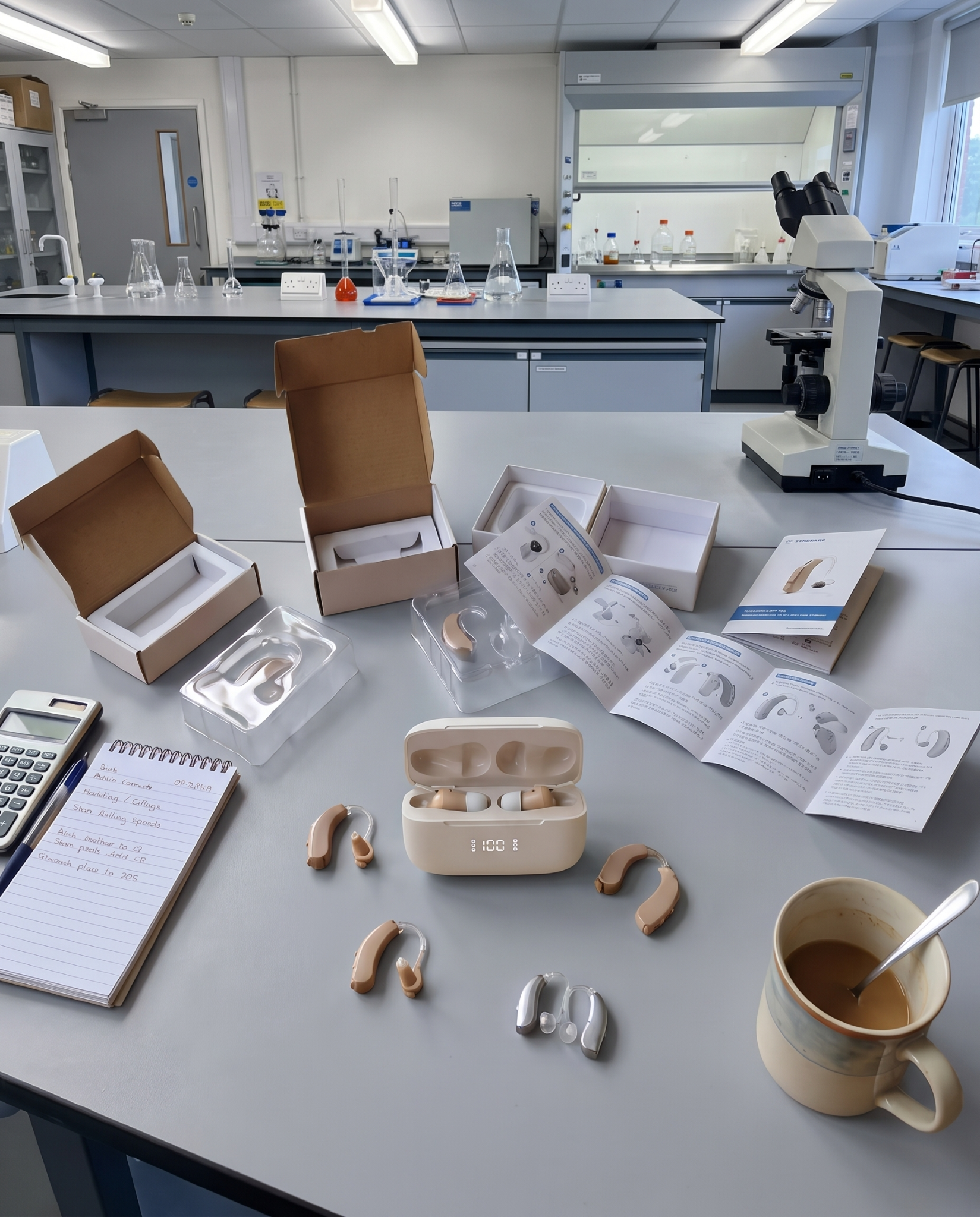
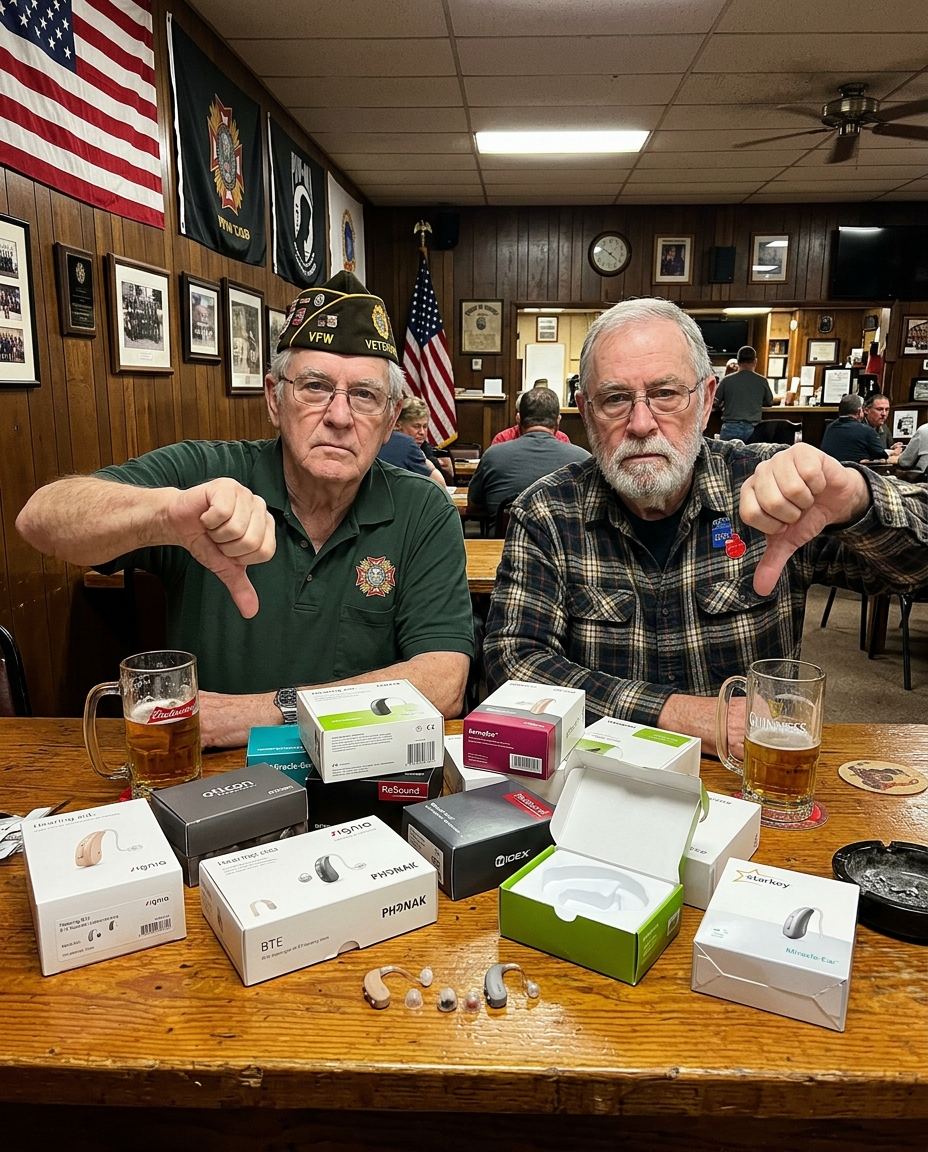
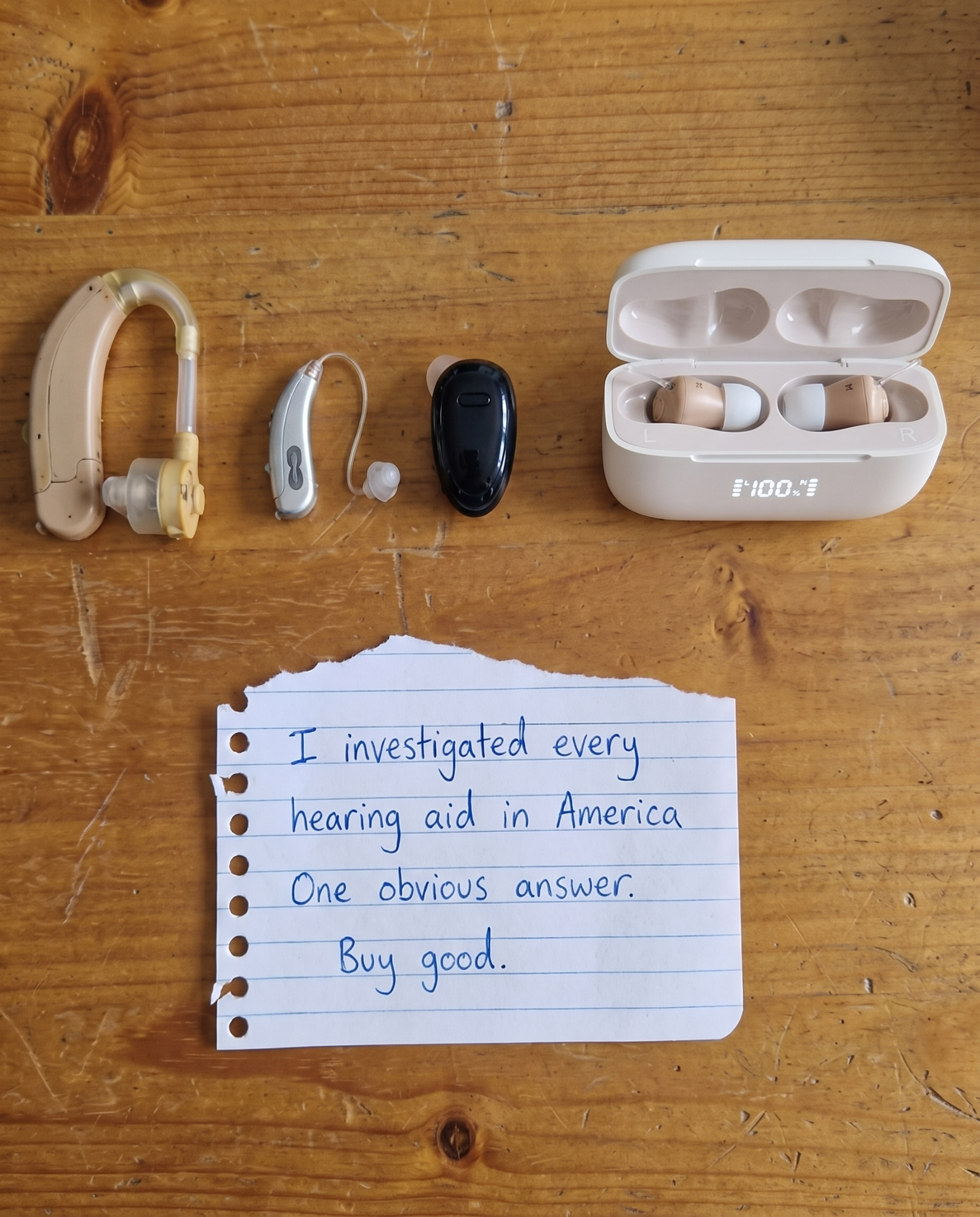
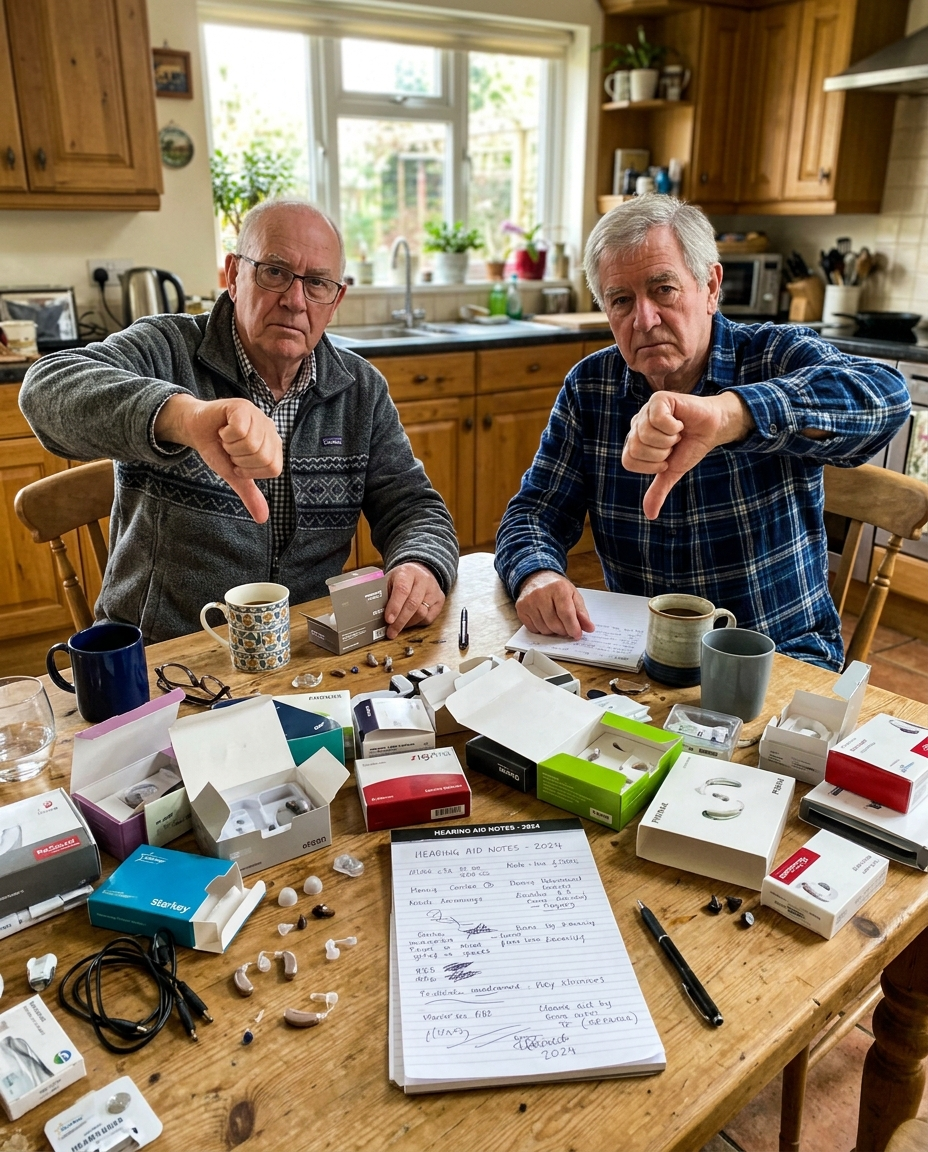
You're probably wondering why two 70-year-olds have 14 different hearing aids. No, we don't collect them. We refused to get scammed, so we bought every one we could and tested them ourselves. I'm Jim. 73. Retired newspaper journalist from Pennsylvania. 40 years chasing down stories. Most of them taught me the same thing. The official version is almost never the whole version. So when Miracle-Ear quoted me $4,995 for two devices the size of coffee beans, the old reporter in me sat up. I'd been losing my hearing for years before I did anything. You tell yourself it's the room. The mumbling. The bad phone line. Then my daughter said, "Dad, you've asked me that three times," and I stopped pretending. Like most stubborn men, I tried cheap first. Amazon. $40. Junk. Whistled like a kettle. Figured I'd picked the wrong brand. Ordered another. Junk. Third one, a "best seller" with thousands of reviews. Same story. Everything louder, nothing clearer. Margaret's voice drowning in the same noise as the fridge. Here's what nobody told me. Those cheap online ones aren't hearing aids. They're amplifiers in a costume. A microphone, a speaker, a volume dial. They turn everything up at once and can't tell your wife from the dishwasher. That's why they whistle. That's why they never worked. So when the clinic slid that $4,995 quote across the desk, I felt cornered. Thousands I couldn't justify, or another drawer of junk I'd already proven didn't work. I caved. Drove to Walgreens. Bought their over-the-counter pair for around $1,200. Better than the Amazon stuff. Four channels, maybe eight. Enough to take the edge off. Nowhere near enough to follow the grandkids at a noisy table. And it nagged at me. $1,200 for "better than nothing" didn't sit right. One Thursday at the VFW, early last year, Derek sat down with a beer and looked at the boxes I'd brought in my bag. "Jim, what is all that?" "Hearing aids. I'm testing them." "How many have you got?" "Nine. Ten with yours." He laughed. Then he stopped laughing. "I paid $1,100 for mine at the drugstore and they whistle every time I hug my granddaughter." "Then help me test them." So that's what we did. Two stubborn old men, every Thursday, for the better part of a year. Margaret made the coffee and told us we'd both lost our minds. We ordered them by the boxful. The drugstore names. The ones advertised between the game shows. The direct-to-consumer ones nobody's heard of. We priced the clinics. I read the FDA registrations, the ones that tell you which of these things are real medical devices and which are just plastic. Derek's job was the kitchen. Radio on, kettle going, dog barking in the yard. Each pair in, and Margaret talking from the doorway. Could we follow her or not. Most of them, no. And then I found the article. The way I'd found most things in 40 years: by reading everything until one piece explained all the others. Written by an audiologist. Dr. Morris. 30 years fitting hearing aids, clinics and hospitals. She'd walked away from the whole profession because she couldn't stomach what she'd watched it do to people our age. She'd done exactly what Derek and I were doing. Only with 30 years of clinical evidence and fifty of her own former patients. Five options. Six months. Every price on the page. No brand paid for its place. And she put numbers on the thing I'd been smelling the whole time. The parts inside a hearing aid that actually do the work, the chip, the microphone, the receiver, cost about $100 to $150 to make. That's inside a clinic pair that sells for $4,995. The rest of that money isn't the device. It's the shop on Main Street. The heating and the lighting. The sales staff. The audiologist who earns commission on what she sells you, which is why the expensive pair always comes out first. The area manager. The head office. The TV ads. You're not paying $4,995 for a hearing aid. You're paying $4,995 for the privilege of buying it in a nice chair. 40 years as a reporter. I know when numbers don't add up. This was a 3,000% markup on the only part that does any hearing. And it answered the thing that had bothered Derek and me the whole year. Why had nobody told us? The clinic loses the sale if you skip the clinic. The hearing aid ads on TV are paid for by the clinics. Your doctor sends you to the clinic. Nobody in that chain makes a dollar by telling you what's inside. So nobody does. Derek read it over my shoulder. "So my $1,100 drugstore pair?" "Real. Registered. Basic. One or two channels. That's why they whistle at your granddaughter." "And the Amazon ones?" "If the real parts cost $150 and the whole thing is $39, the parts aren't in it. It's a toy with the word hearing aid on the box." "And the clinic?" "Good technology. Buried under that markup." Then the one at the top of her list. The one neither of us would have taken seriously on our own. Modern Hearing. $249. Derek laughed out loud. "That's the Amazon price, Jim." I thought so too. But it was her number one pick, ahead of pairs costing twenty times as much. And a reporter checks the source before he calls it a fake. So I checked it. Same class of components as the clinic brands. 16-channel processing, the real kind. The kind that pulls one voice forward out of a noisy room instead of turning the whole world up. Rechargeable, so no fumbling with batteries over the sink. Sits inside the ear. And the one thing every piece of junk we'd tested had been missing. FDA registered as a medical device. Same registration the $4,995 brands carry. She explained it in one line I won't forget. It's like aspirin. The store brand and the famous brand have the same 325mg inside. One's $2, one's $12. You're paying for the box. I looked into the company too, the way I'd vet any source. Warehouse in New Jersey. Started by a man named David Taylor, after his own father couldn't afford clinic prices on Social Security. No shop. No salesman. No head office taking a cut. That's the whole reason it's $249. 45 days at home. Not in a showroom with a salesman watching you. If they're not right, they go back. We ordered two pairs that night. Three days later. Small box. Charging case. Five sizes of ear tip. A manual that made sense. Derek came round Thursday. We put them in at the kitchen table. Margaret was out in the yard. "Any good?" she called through the window. I heard every word. Not louder. Clearer. After a year of testing, I knew exactly what I was hearing. The chip pulled her voice forward and let the yard fall away behind it. "Say something else," I called out. "You're a stubborn old fool and I love you." Crystal clear. Derek heard it too. He didn't say anything for a minute. Then he said, "Jim. That's the $249 one." "That's the $249 one." 14 hearing aids, $1,200 wasted at Walgreens, one $4,995 quote I nearly signed. And the answer cost $249. That was two months ago. Last Saturday my grandson Charlie stayed over. At bedtime he whispered something so quietly I'd have lost it a year ago. "Grandpa, I'm glad you can hear me now. I thought you didn't like my stories." Three years. He'd spent three years thinking I wasn't interested. I'd just been nodding along to a blur. That's the part no test prepares you for. The markup costs you money. The waiting costs you the things you can't get back. At the VFW that Thursday they noticed the two of us keeping up for once. "Finally went to Miracle-Ear then, Jim?" "No. $249. Derek and I tested every one of them first. Read this." And I handed over the article. Malcolm went quiet. He'd paid $4,200 at HearingLife six months earlier. Same class of chip inside, 17 times the price. He did the math at the bar and didn't say much after. Terry ordered his that same day. Dave ordered on the spot, phone out before he'd finished his drink. Malcolm ordered a pair for his father the next morning. 40 years I chased down stories for other people. This is the last one I'll file. It's the one that got me my grandson back. You don't have to take my word for it. And you don't have to spend a year and a pile of money to find out the way Derek and I did. Read the audiologist's report. She has no reason to lie and no brand paid her. I've linked it to this post so you don't have to go looking for it: https://healthylivingdigest.news/pages/healthy-living-digest-we-tested-the-actual-cost-of-5-top-hearing-aids-us-sh-pro Five options, fifty patients, every price on the page. Read it and make up your own mind. And if you want to go straight to the ones we both ended up wearing, they're at the end of that article, or here: https://trymodernhearing.com/products/modern-hearing-comfort $249. 45-day trial at home. If they're not right, just send them back. Jim Henderson, 73 Retired journalist, Pennsylvania Tested 14 hearing aids with a buddy. The cheapest real one won. P.S. Derek won't stop going on about it. Every time someone at the VFW mentions hearing, he says "get rid of your drugstore ones, we tested them." Margaret says he's worse than when he got the RV.
Where the ad sends people
healthylivingdigest.news
read this before you consider hearing aids
Healthy Living Digest
Learn more: healthylivingdigest.news(opens in a new tab)