Carol Bennett
Carol Bennett Facebook ad: “I wish I’d known sooner”
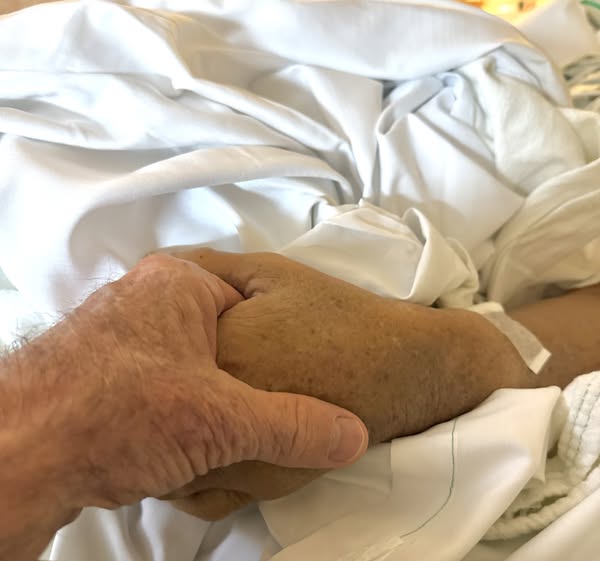
Ran for 21 days, from February 5 to February 26, 2026, the last day Crush saw it.
Run by Carol Bennett on Facebook. Crush is not the advertiser and does not verify its claims. See this ad in Meta's Ad Library(opens in a new tab)
Want an ad like this for your product?
Crush makes new ad images for your product from this ad: your logo, your product photo, your offer.
Trials from $19.95 USD, then $79.95 USD a month. Cancel anytime.
About this ad
- Meta Ad Library ID
- 1389970885596990
- Platforms
- Facebook, Instagram, Audience Network, Messenger and Threads
- Relaunches
- 1
Ad text
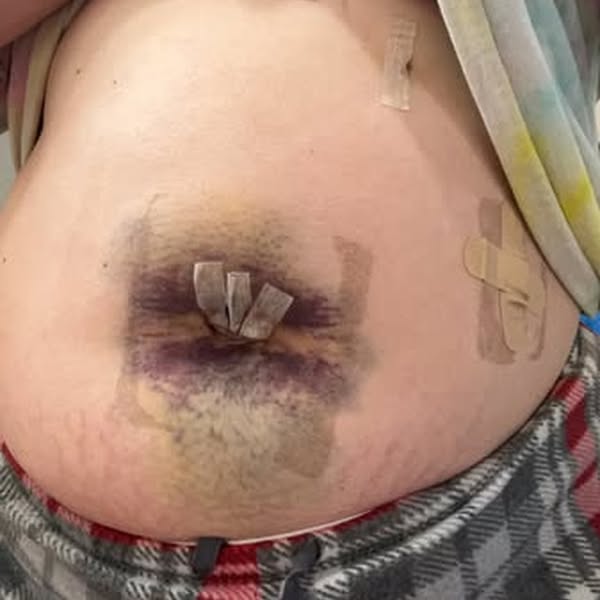
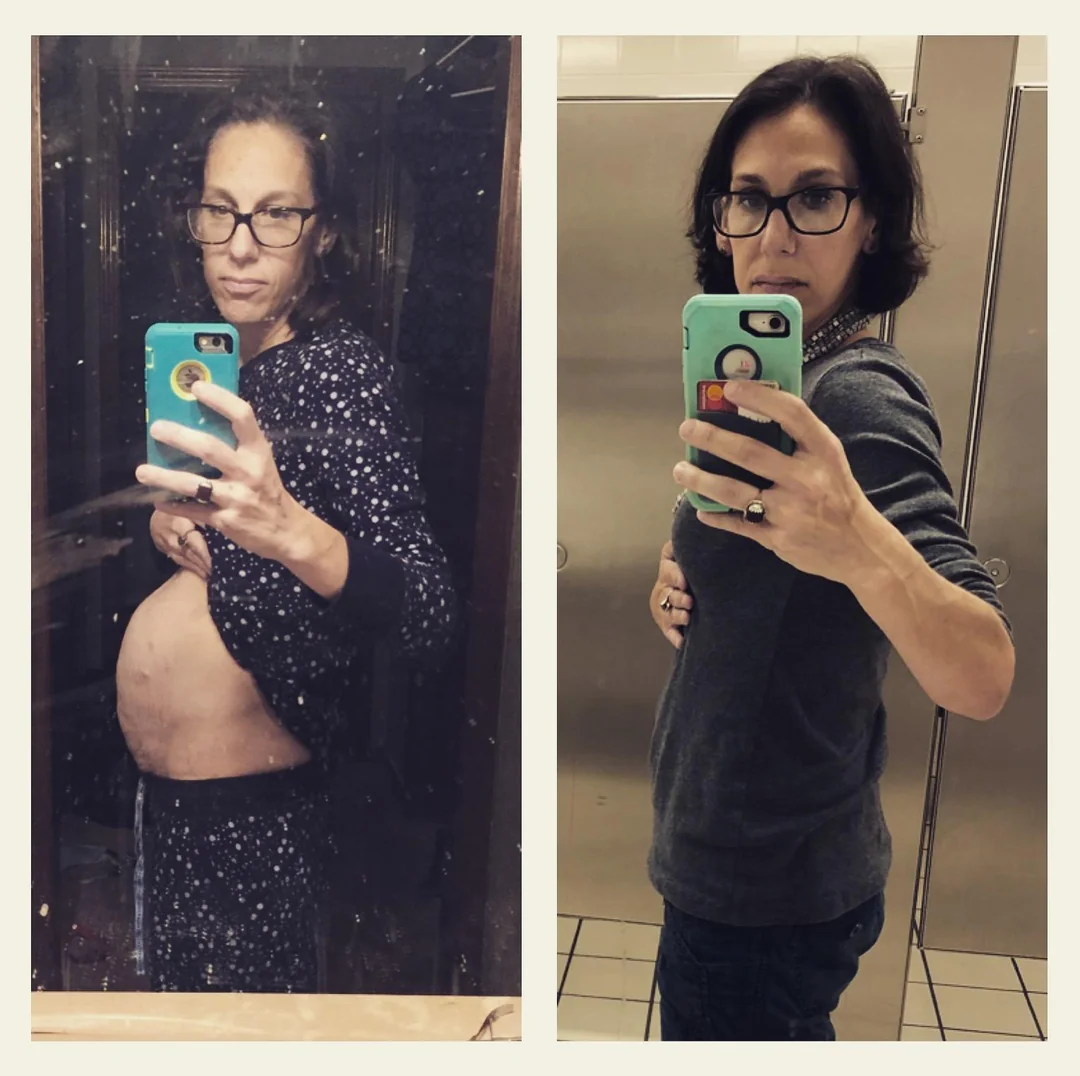
I had explosive diarrhea for 6 years after gallbladder surgery and almost gave up teaching because I couldn't trust my own body anymore. But I found a way to eat normally again in just 8 weeks. Hello. My name is Carol Bennett. I'm 58 years old and live in North Carolina. Today I want to share my story about chronic post-gallbladder diarrhea and how I finally got my dignity back. At age 52, I had my gallbladder removed. The surgeon said it was routine—"You'll be back to normal in two weeks." I'm a high school English teacher, so I scheduled it for spring break. I thought I'd recover over the ten days off and return to my classroom good as new. Three weeks after surgery, I ate a piece of salmon for dinner. Twenty minutes later, I was locked in the bathroom with explosive diarrhea so urgent I barely made it. At first, I thought it was just my body adjusting after surgery. "Give it time," I told myself. But it happened again. And again. Scrambled eggs with cheese? Bathroom emergency. Chicken with olive oil? Immediate diarrhea. Even a handful of almonds? Cramping and urgency within 15 minutes. I went back to my surgeon for the follow-up appointment. "Oh yeah, that's pretty common," he said. "Your body doesn't have a gallbladder anymore, so it can't process fats the same way. Just stick to a low-fat diet and you should be fine." That was it. That was the entire plan. "Eat low-fat and you'll be fine." Except I wasn't fine. Six months after surgery, I was eating plain chicken breast, white rice, and steamed vegetables. No oils. No butter. No fat of any kind. And I was STILL having diarrhea 2-3 times a day. I went to a gastroenterologist. He ran some tests and said I had "bile acid diarrhea"—bile was dumping into my intestines constantly without the coordination my gallbladder used to provide. He prescribed cholestyramine (a bile binder) and told me to take Imodium daily. "This should help manage the symptoms," he said. I took both religiously for three months. The diarrhea improved maybe 20%. I'd still have urgent bathroom trips. I'd still need to know where every toilet was. I was still planning my life around my digestion. I went back. "The medications aren't really working," I told him. He shrugged. "Some people just don't adjust well after gallbladder removal. Your body needs more time. Keep taking the Imodium. Maybe increase the dose." His indifference made me want to scream. I had already spent over $2,800 on medications, specialist visits, and tests—and I was still living in fear of my own body. Two years after surgery, I was wearing panty liners every day "just in case." I kept spare underwear and pants in my car. I stopped accepting dinner invitations from friends. I turned down a weekend trip to the mountains with my sister. I couldn't go to my nephew's outdoor wedding—too far from bathrooms. Every single day was scanning for exits. Calculating bathroom proximity. Living in constant fear that I'd have an accident in public. I felt like a prisoner in my own body. One morning, I had a bathroom emergency between classes. I was standing in front of 30 teenagers, and the cramping hit so hard I had to dismiss them early and run. I made it to the staff bathroom—barely. I sat there, humiliated and crying, thinking: "I can't live like this anymore. I'm 54 years old and I'm going to have to wear adult diapers to work." That night, I started researching desperately. I needed answers the medical system wasn't giving me. I found articles about post-cholecystectomy syndrome—the medical term for "your life is destroyed after gallbladder surgery but doctors act like it's no big deal." I learned that 47% of patients develop chronic digestive issues after gallbladder removal because three systems fail simultaneously: 1. Bile coordination - Bile drips constantly instead of surging when you eat fats 2. Enzyme production - Pancreatic enzymes aren't released properly without the gallbladder's signal 3. Digestive timing - Food isn't broken down completely before hitting your colon Without your gallbladder, your entire digestive system loses its coordination. And medications like Imodium and cholestyramine? They just mask symptoms. They don't restore function. That's why I was still sick after two years of "management." I was ready to give up hope when I talked to my friend Linda. She mentioned that her cousin—also a teacher—had gallbladder surgery four years ago and struggled with the same diarrhea for over a year. "But she's fine now," Linda said. "She eats normally again. I don't know what she did, but she said something about enzyme restoration." I called Linda's cousin that night. Her name was Beth. She was 49. And her story was identical to mine. Routine surgery. "You'll be fine in two weeks." Chronic diarrhea. Low-fat diet that didn't work. Cholestyramine and Imodium that barely helped. Two years of suffering. Bathroom fear. Social isolation. "I was about to go on medical leave," Beth told me. "I couldn't trust my body anymore. I was terrified I'd have an accident in front of my students." "So what happened?" I asked. "Linda said you're fine now?" "I found out about papaya enzyme support," she said. "Not generic digestive enzymes—specifically papaya seed extract. It has this enzyme called papain that breaks down proteins and fats BEFORE they hit your compromised bile system. It essentially does part of the work your gallbladder used to do." She explained that after gallbladder removal, your body can't coordinate bile release anymore. But if you give it enzymes that pre-digest fats in your stomach and upper intestine, you reduce the workload on your broken bile system by 50-60%. "Within three weeks, I was eating salmon again," Beth said. "Within two months, I stopped taking Imodium completely. I'm not managing symptoms anymore—I'm actually digesting normally." I was skeptical. I'd tried digestive enzymes before. They didn't help. "Those were generic enzymes," Beth said. "Protease, lipase, amylase—standard stuff. They don't have the specific proteolytic enzymes that break down the protein-fat complexes your gallbladder used to handle. You need papain. And you need it in therapeutic doses, not fairy dust amounts." She told me the product she used was called Elava. Papaya seed extract with synergistic botanicals for bile support, anti-inflammatory gut healing, and motility regulation. "It's the only thing that actually worked," she said. "Everything else was just masking symptoms." I went to the Elava website that night. I read about how papaya seed extract contains papain enzyme—a proteolytic enzyme that breaks down proteins AND helps emulsify fats. I read the research showing papain reduces fat digestion workload by 40-60% in people with compromised bile function. I read about the other ingredients: Apple pectin and seaweed extracts - Support bile production and quality (even without a gallbladder, you can optimize what your liver produces) Turmeric and ginger - Anti-inflammatory compounds that heal the gut damage caused by years of chronic diarrhea Pomegranate extract - Natural fat emulsifier that helps disperse large fat globules into smaller droplets your weak bile stream can handle Peppermint and fennel - Regulate motility so food moves through at the right pace (not too fast = diarrhea, not too slow = bloating) It was a complete formula addressing every aspect of post-gallbladder digestive dysfunction. Not just masking symptoms. Restoring function. The price was $40 for a 30-day supply. Less than $1.35 a day. After spending $2,800 on medications and specialists over two years, I thought: "If this doesn't work, I'm out forty bucks. If it DOES work, I get my life back." I ordered a bottle. It arrived five days later. I'll be honest—I didn't really believe it would work. I'd been let down too many times. But I started taking 2 capsules before my two biggest meals of the day. Day 1: I ate chicken with a little olive oil (something I'd been avoiding). No immediate cramping. No urgent bathroom run. Just... normal digestion. I thought it was a fluke. Day 3: I ate scrambled eggs with cheese. Waited for the familiar emergency. It didn't come. Slight fullness, but no diarrhea. Week 1: I realized I wasn't scanning for bathroom exits constantly anymore. The low-grade anxiety I'd been living with for two years was... fading. Week 2: I ate a piece of salmon. WITH lemon butter sauce. I sat at the table after dinner, tense, waiting for the consequences. They never came. I looked at my husband, shocked. "I think... I think I'm okay?" Week 3: I hadn't had a single bathroom emergency in 12 days. Not one. I stopped carrying spare clothes in my car. Week 4: I went out to dinner with friends for the first time in over a year. Ordered off the menu without modifications. Ate normally. Laughed. Enjoyed myself. No bathroom panic. No fear. No excuses to leave early. I drove home with tears in my eyes. Week 8: My digestion was completely normal. One bathroom trip in the morning. Formed. No urgency. No explosions. No accidents. I was eating everything I'd been told to avoid: salmon, avocado, nuts, olive oil, eggs with yolk, real butter. All the foods that sent me running for two years—I was eating them without consequences. I stopped taking Imodium completely. I didn't need it anymore. I went back to my gastroenterologist for a follow-up. "You're doing great," he said, looking at my symptom journal. "You must have finally adjusted to the diet." I said: "I didn't adjust. I found enzymatic support that nobody told me about. Now I eat normally." He looked confused. "What support?" I told him about papaya seed extract. About papain enzyme. About restoring digestive coordination instead of just masking symptoms. He said: "Huh. Interesting. If it's working for you, that's great." "If it's working." As if this was some lucky experiment. As if I hadn't spent two years suffering while he told me to "keep taking Imodium" with no other options. I left that appointment furious—but free. It's been seven months since I started Elava. I take 2 capsules before fatty meals. That's it. My digestion is completely normal. I can eat anything. I travel without fear. I accept dinner invitations. I go to weddings and events without bathroom anxiety. Last month, I went on a weekend camping trip with my family. We hiked. We ate campfire food. I slept in a tent with no bathroom nearby. No fear. No accidents. No planning. I'm living my life again. And here's what still makes me angry: I spent two years eating plain food, planning my life around toilets, missing out on everything—while the solution was available the entire time. Nobody told me. My surgeon didn't mention it. My gastroenterologist didn't know about it. I had to find it myself, through desperate research and a conversation with a friend's cousin. The medical system removed my organ and abandoned me with a pamphlet about low-fat eating. But Elava gave me my life back. After I shared my story in a post-gallbladder support group, other people reached out: Margaret, 61, suffered for 9 years: "I spent over $4,500 on treatments that didn't work. Nobody mentioned enzyme restoration. I tried Elava and stopped wearing Depends completely within five weeks. I'm furious it took this long—but I'm finally free." David, 56, struggled for 7 years: "My gastroenterologist kept saying 'your body will adjust' for SEVEN YEARS. I tried Elava and stopped taking Imodium within three weeks. Why didn't anyone tell me this existed?" Linda, 63, suffered for 12 years: "I was living in fear, missing family events, keeping spare clothes everywhere. My surgeon never warned me that removing my gallbladder would destroy my digestion. I tried Elava and got my life back in six weeks. I wish I'd known about this a decade ago." James, 49, struggled for 4 years: "I was about to quit my job as a delivery driver because I couldn't trust my body. Bathroom emergencies while driving were terrifying. Elava restored my digestion in eight weeks. I'm back to work full-time with zero issues." I learned that Elava offers a 90-day money-back guarantee. That makes sense now. When you actually restore digestive function instead of just masking symptoms, people don't return it. They get their lives back. At $40 for a 30-day supply—$1.33 per day—it costs 95% less than all the failed treatments I tried over two years. After spending $2,800 on Imodium dependency, cholestyramine, probiotics, and specialist visits that didn't work, a solution that costs less than a latte and actually restores function seems almost too good to be true. But it worked for me. It worked for Margaret, David, Linda, and James. It worked for Beth, who almost went on medical leave from teaching. It can work for you. If you're reading this and you've had your gallbladder removed—if you're still on strict low-fat months or years later, still having diarrhea, still planning your life around bathrooms... It's not because your body "didn't adjust." It's because nobody gave you the tools to restore your compromised digestive system. Restriction doesn't fix bile dysfunction. Imodium doesn't restore enzyme coordination. But enzymatic support can. Papaya seed extract with synergistic bile optimizers, anti-inflammatory compounds, and motility support—it addresses the root cause of why you can't digest fats anymore. Not masking symptoms. Restoring function. Then you can eat normally. Not "manage with medication." Actually eat normally. Every month you stay on Imodium and low-fat without enzyme support is another month of: Unnecessary restriction and medication dependency Bathroom fear and social anxiety Missing weddings, trips, dinners, life Believing "this is just how life is now" Here's where I got mine: https://tryelava.com/ Try one bottle. Give it 8 weeks—enough time for full digestive restoration. Track your bathroom trips. Notice which foods you can suddenly tolerate. See if your digestion responds the way mine did. Then start living again. Eating at restaurants. Traveling. Accepting invitations. Trusting your body. Because the medical system isn't coming back to help you. Your surgeon's job ended when your incisions healed. But you don't have to suffer forever. You can restore function. You can eat normally again. Go get it. And use the money you save on Imodium to celebrate at a real restaurant once your digestion is back. 👉 https://tryelava.com/
Where the ad sends people
tryelava.com
I wish I’d known sooner
Natural Ingredients
Learn more: tryelava.com(opens in a new tab)