
Inactive· since Feb 25, 2026
- 19
- days it ran
- 6
- relaunches
Ad copy
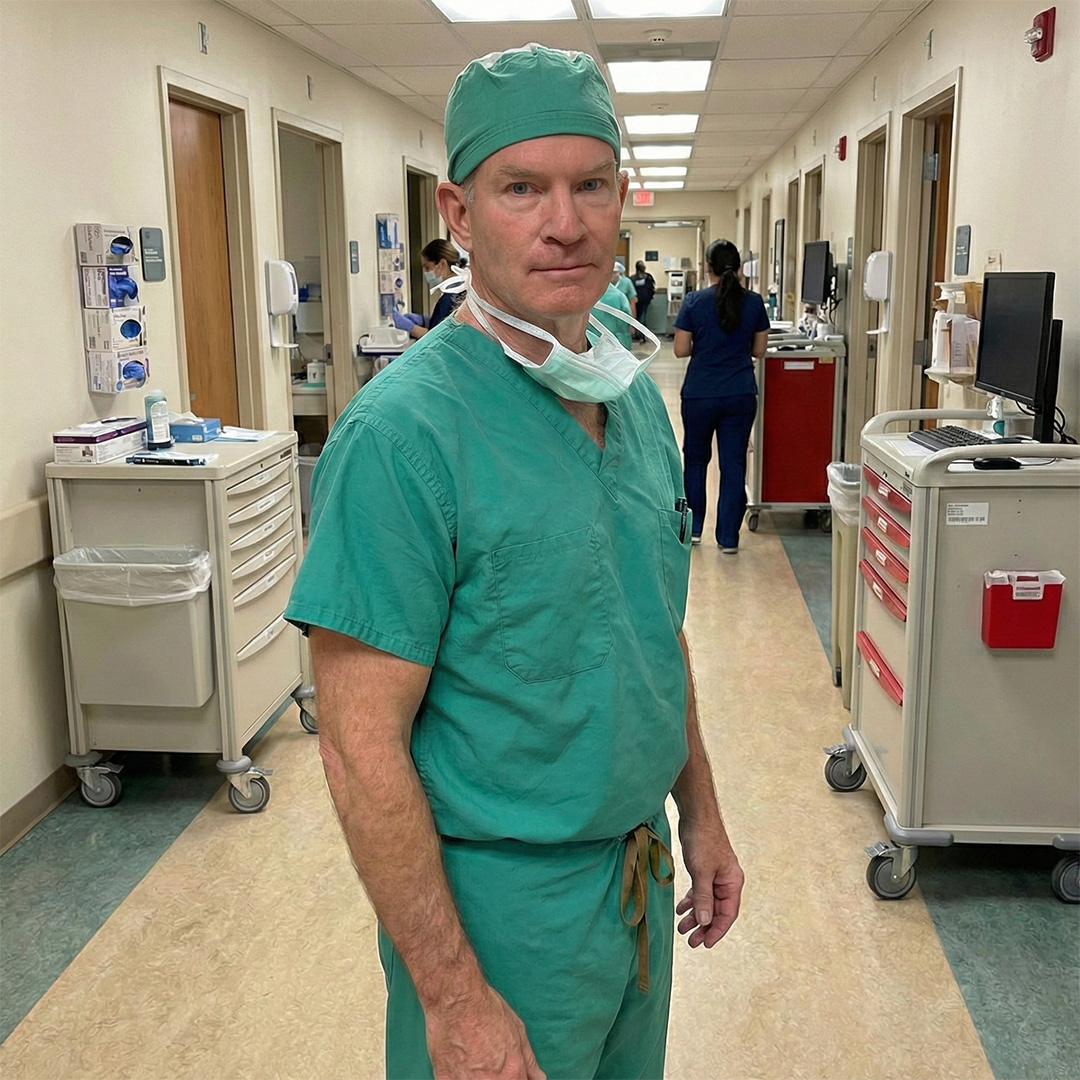
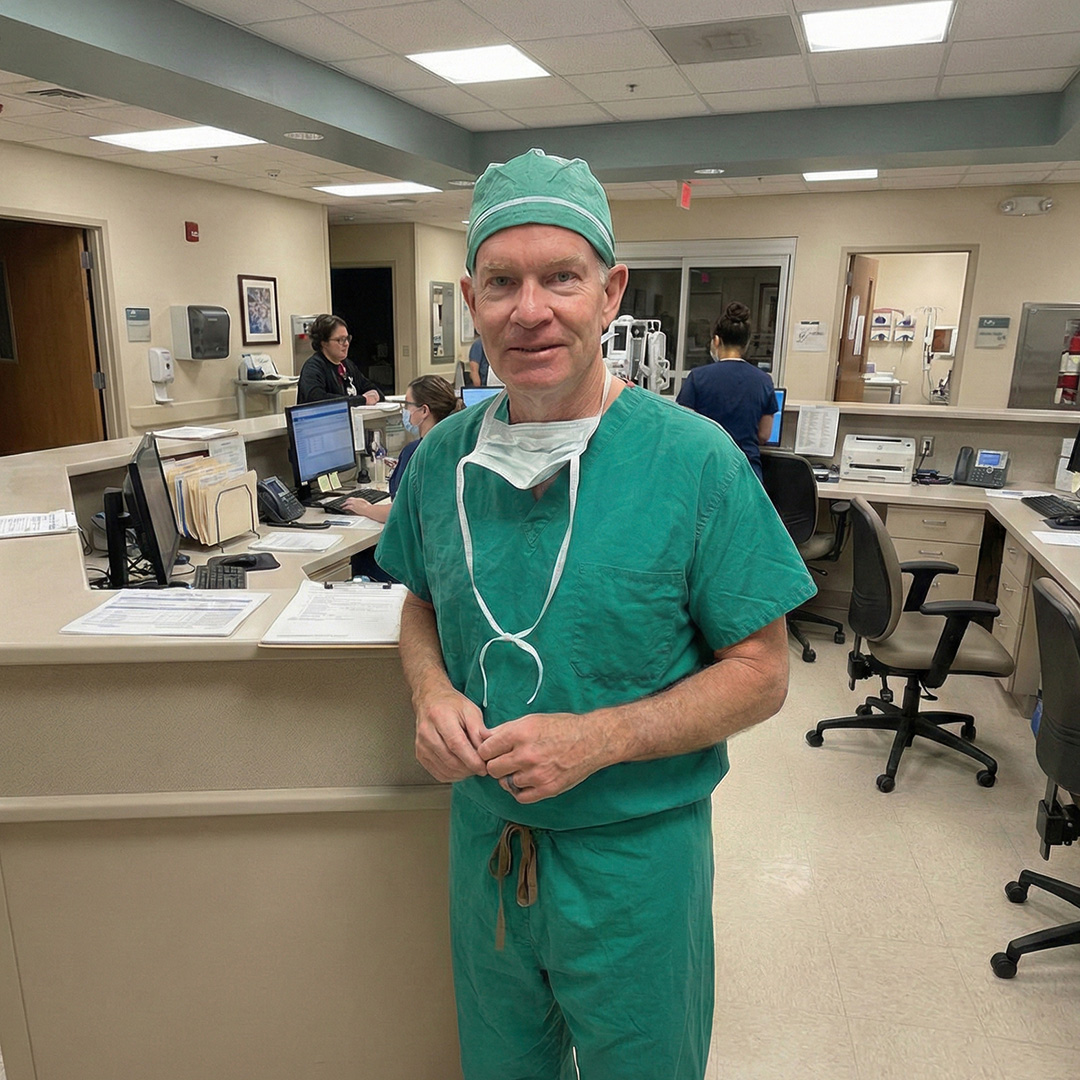
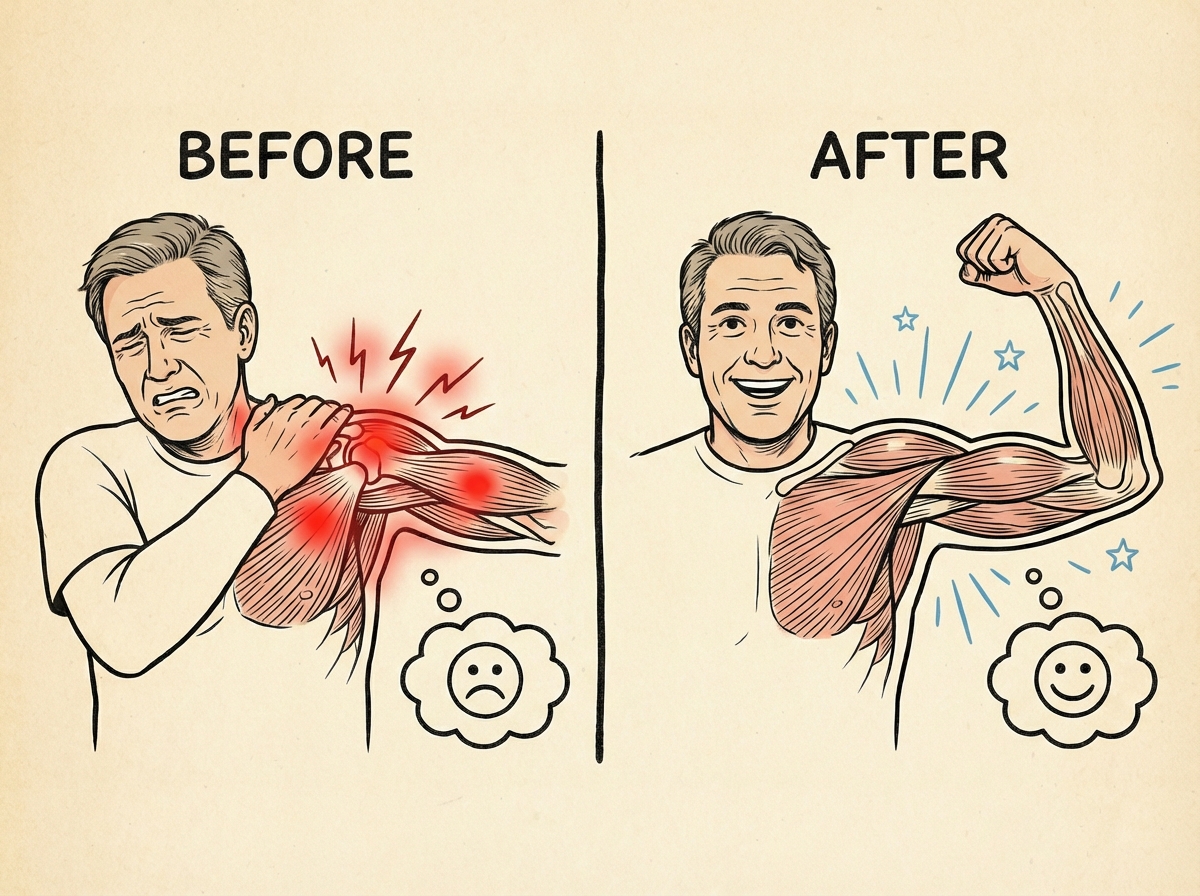
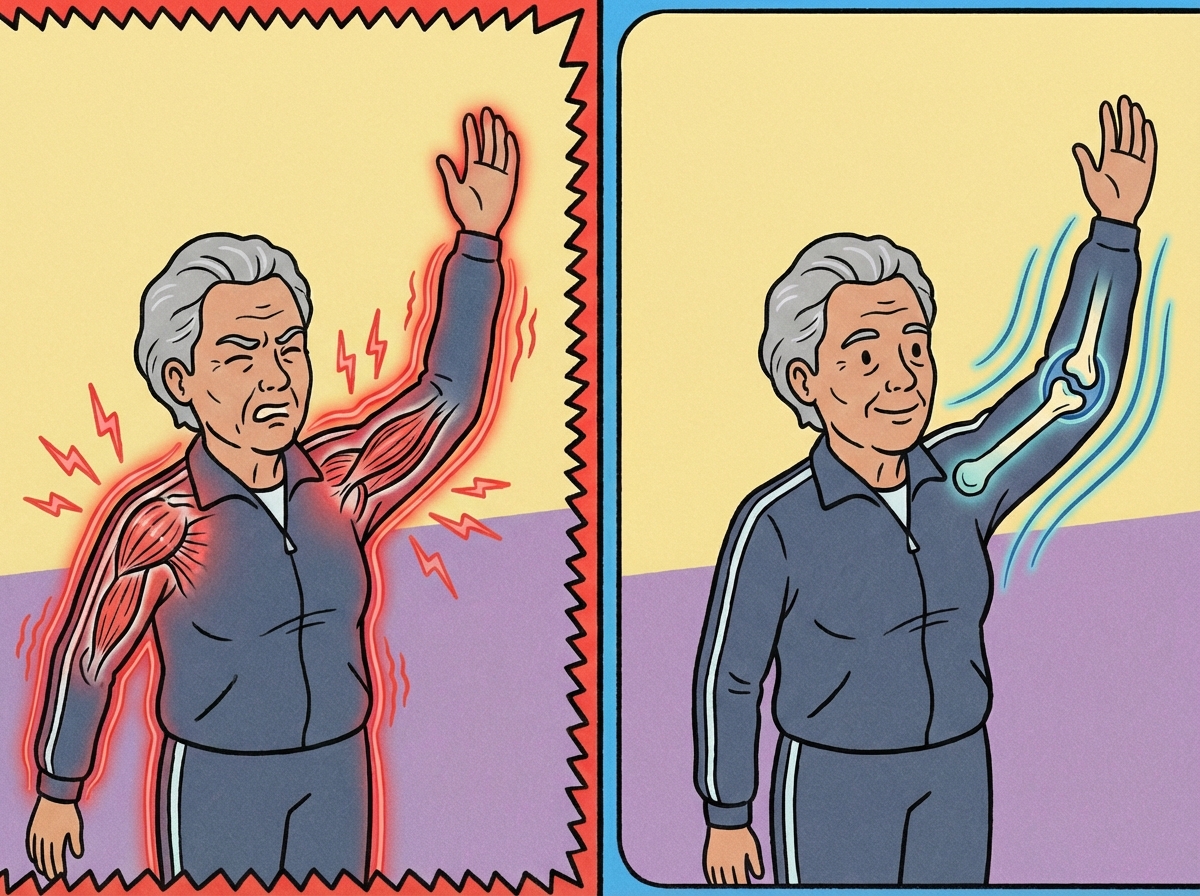
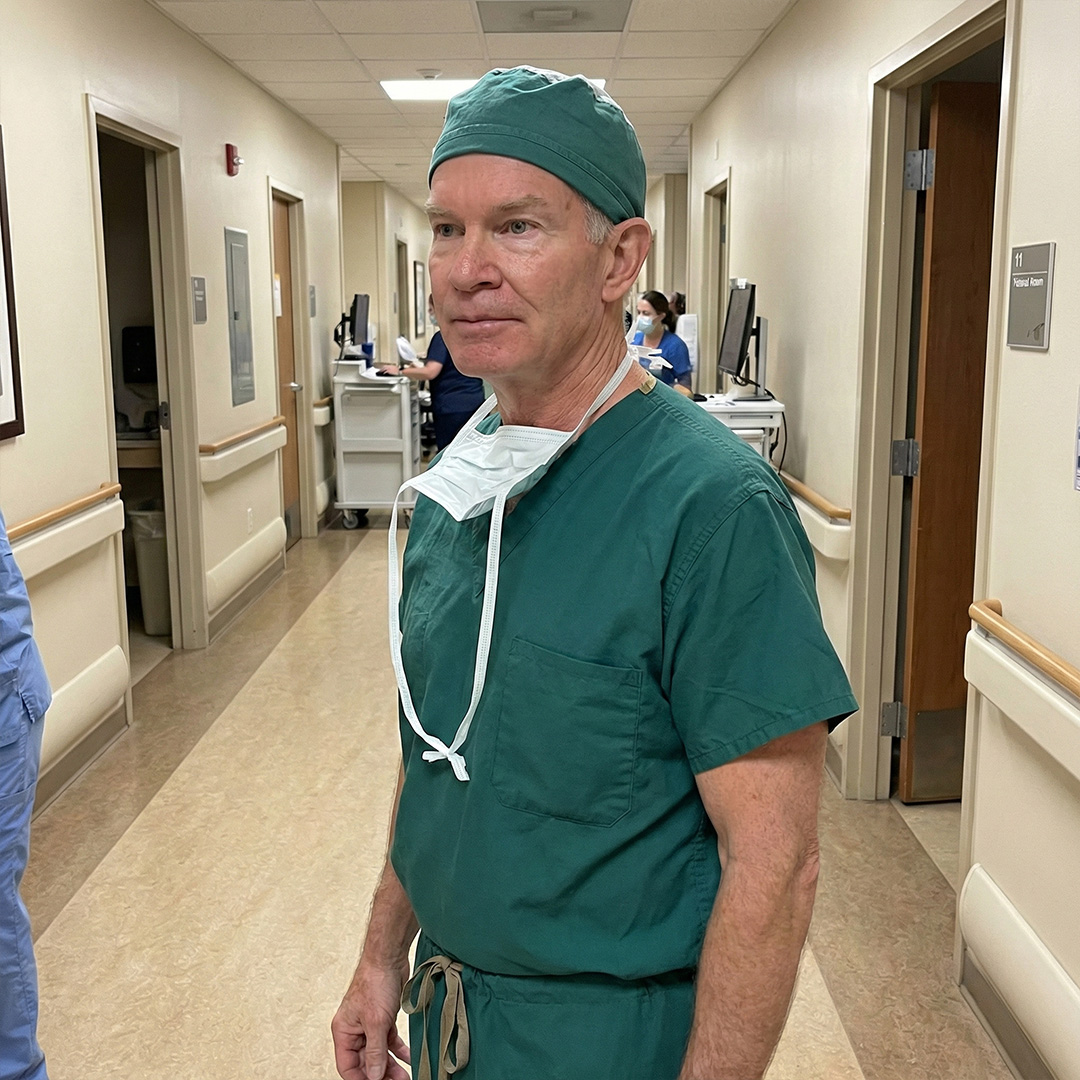
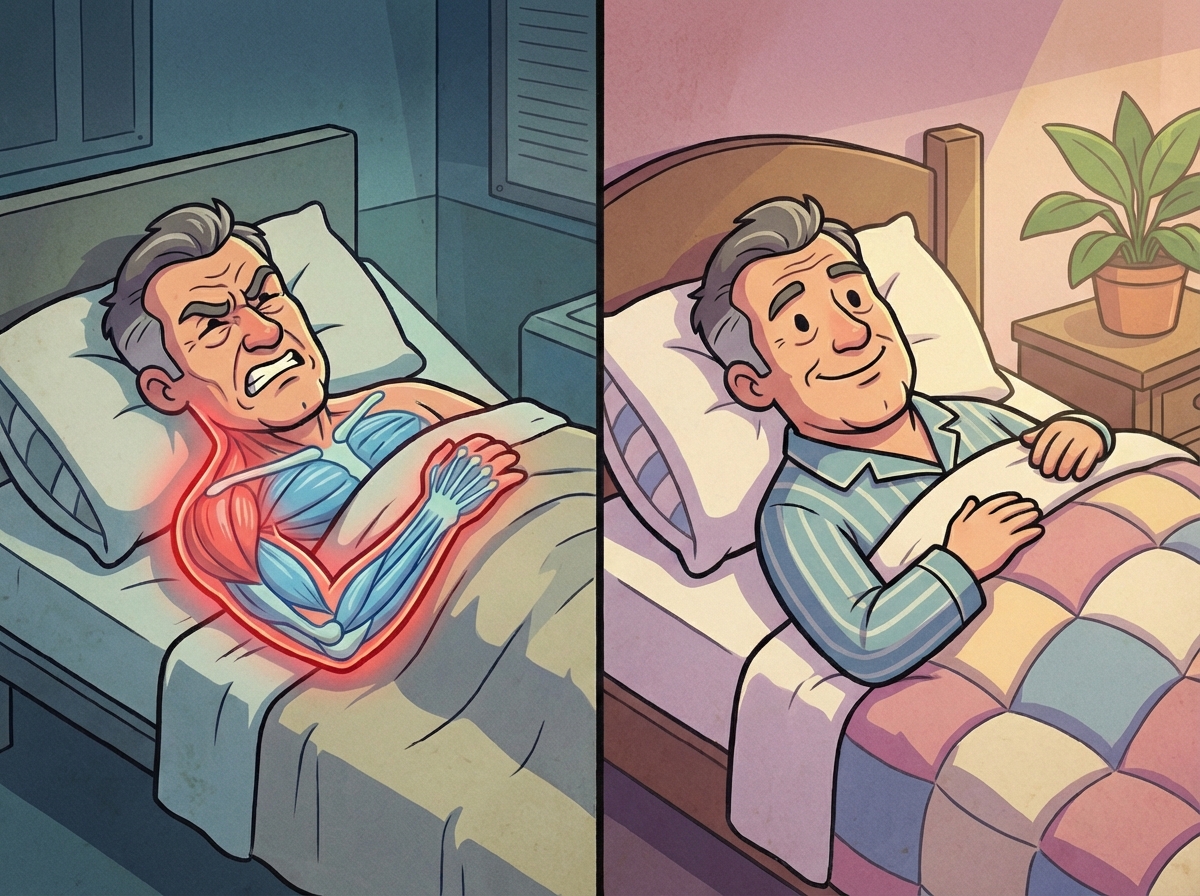
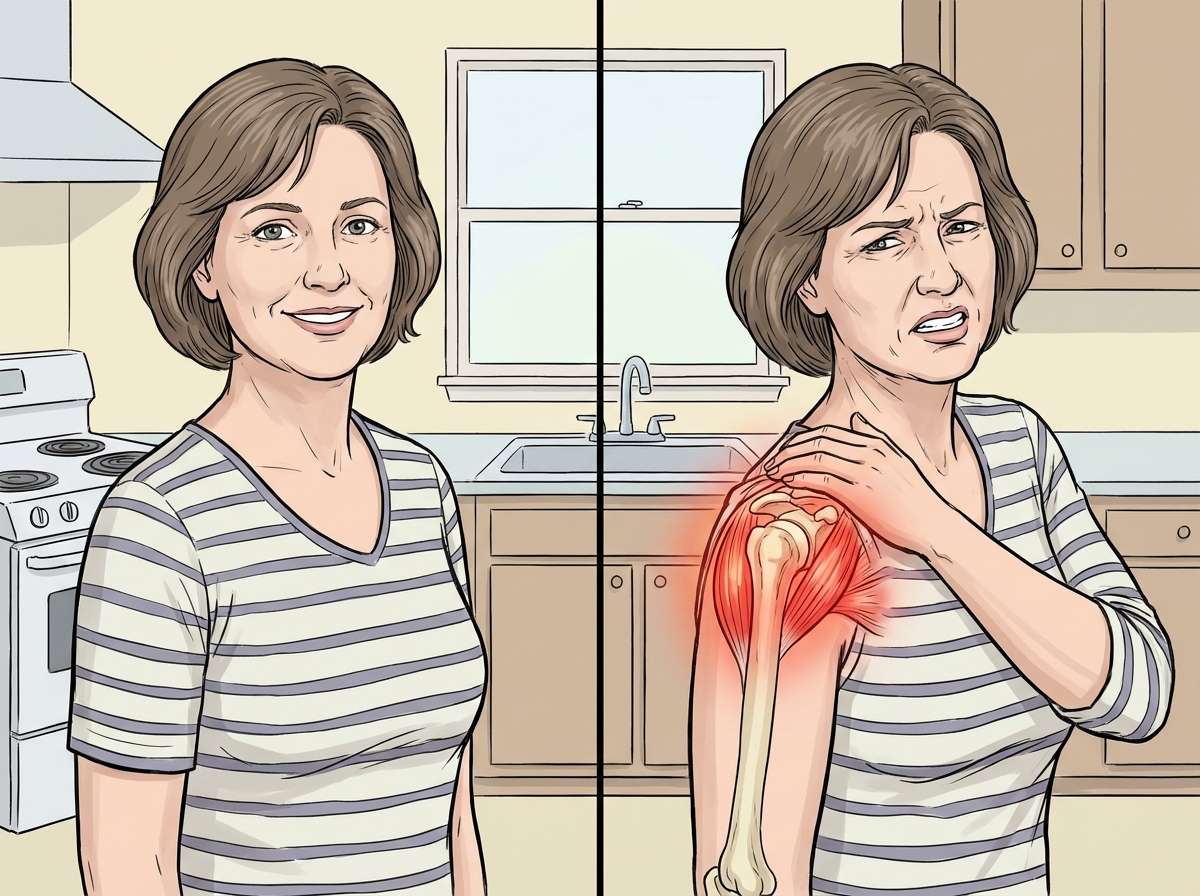
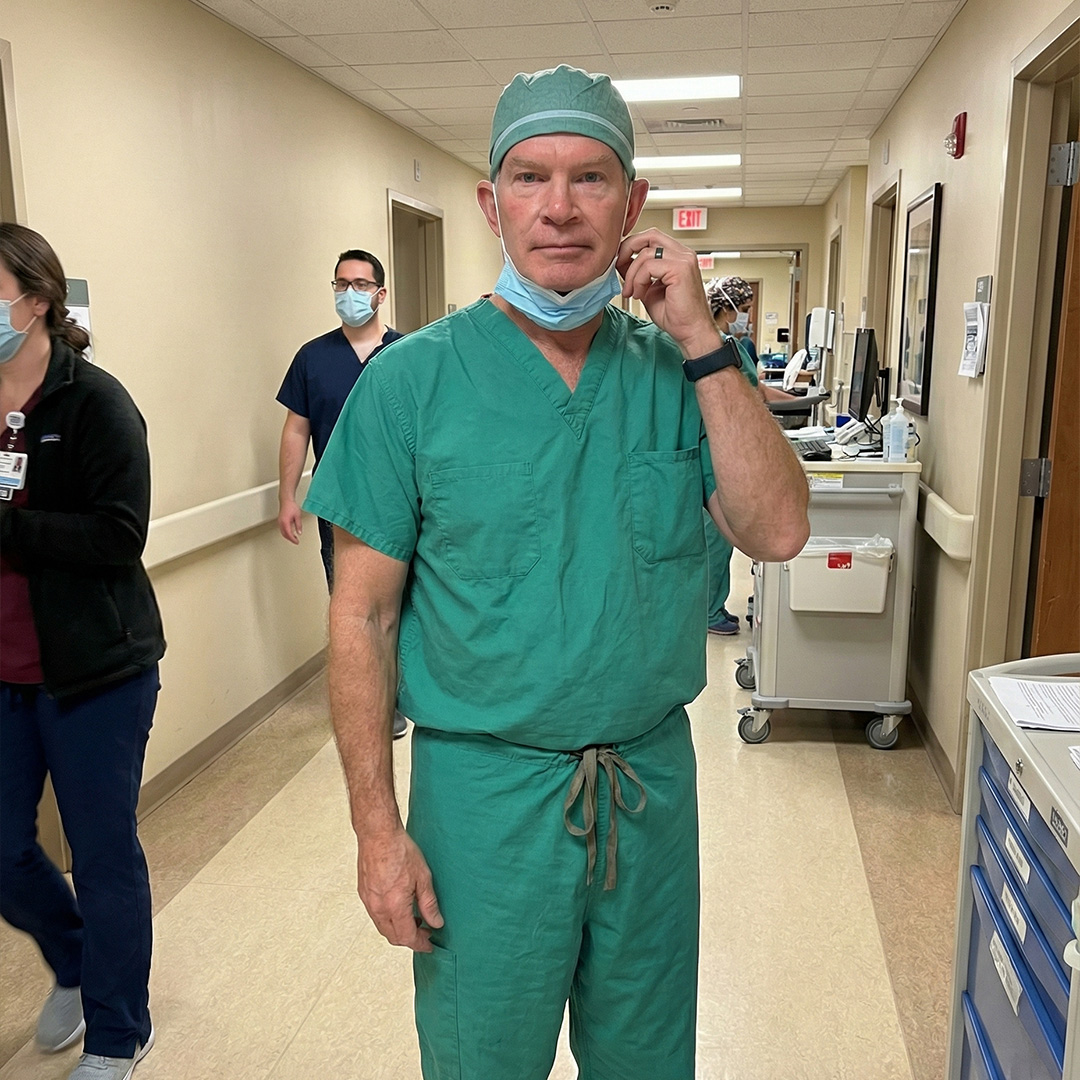
I've performed over three thousand rotator cuff surgeries in my career. And for years, I believed it was the right thing to do. Repair the torn tendon, clean up the inflammation, and the pain goes away. That's what every textbook says. But after enough years in practice, something started to bother me. Patients I operated on would come back months later still unable to reach overhead, still waking up at night, still struggling to get dressed. The incisions healed. The shoulders didn't. And no one could explain why. I remember one patient clearly. A 54-year-old ER nurse named Sarah. She'd spent nineteen years lifting patients, reaching for equipment, working twelve-hour shifts on her feet. She came to me unable to raise her arm past her chest. Classic rotator cuff degeneration. We did the surgery. It went smoothly. Six weeks later she came back and said, “I still can't sleep on my side. I thought this would fix it.” I told her to give it time. That tendons can take months to heal. Three months later, she said it still felt like grinding glass every time she moved her arm. That was the day I started questioning everything I thought I knew. If the torn tendon was the real cause, surgery should fix everyone. But it didn't. So why did so many people keep hurting even after we “repaired the damage”? That question kept me up at night. I started reading every new study I could find. Late nights at my desk. Cold coffee beside my notes. The same thought repeating in my head… What are we missing? Then I found it. It was a research paper from a Japanese orthopedic institute. It said, “Vascular insufficiency plays a greater role in rotator cuff degeneration than mechanical tear alone.” I read it three times. The real issue wasn't just the torn tendon. It was blood flow. Years of use slowly starve the rotator cuff of oxygen and nutrients. Like a plant that's been forgotten in a dark corner. The tissue doesn't just tear. It suffocates. So even if you repair the tendon surgically, the tissue is still starved. Still brittle. Still unable to heal properly. It finally made sense. We were stitching a wound while the patient was still bleeding. Once I understood that, I started searching for ways to restore blood flow safely. Something noninvasive that could help the shoulder heal naturally. That's when a colleague, a sports medicine doctor who worked with Olympic athletes, told me about something he'd been using in rehab. He said, “It's not a pill or an injection. It's a combination of three proven therapies.” At first I was skeptical. But then he showed me the research. Precision heat at 42°C. Proven to dilate blood vessels and increase circulation to starving tissue. Rhythmic compression. Proven to force fresh blood through areas that have been cut off for years. Targeted vibration. Proven to stimulate cellular regeneration and release protective muscle tension. He said, “The problem is, you need all three working together. Heat alone isn't enough. The tissue can't absorb it. Compression alone isn't enough. The vessels are still constricted. You need the combination.” That got my attention. I started reading every clinical study I could find on these three therapies. The results were consistent. Better tissue oxygenation. Faster recovery. Reduced pain. It was the exact opposite of surgery. Instead of cutting the body to repair damage, it helped the body restore what it had lost. But I ran into one problem. Clinical circulation therapy units cost $3,000 to $8,000. And they only work in a clinic setting. No home use. Until a few months later, when that same colleague sent me a link and said, “You'll want to see this.” That's how I found RejuvaCare. A health startup partnered with a group of orthopedic specialists and biomedical engineers who had lived this problem firsthand. They spent years developing a device that could deliver all three medical-grade therapies, safely, effectively, and at home. They called it the RejuvaCare Triple Method Shoulder Massager. For the first time, it wasn't just another cheap massage gadget. It was designed specifically for people with rotator cuff pain and chronic shoulder problems. And it was built to solve the same problem I'd been wrestling with for years — how to restore blood flow and tissue health without surgery. So I tried it myself. As a surgeon, I'm hunched over operating tables all day. Decades of this had started to leave my own shoulders stiff and aching. I strapped on the device, pressed the button, and felt the heat start to penetrate deep into my joint. Then the compression came on. Not squeezing like a brace. This was rhythmic. Pumping. Finally, the vibration started working through the muscle. Tension I didn't even know I was holding started releasing. Twelve minutes later, it shut off automatically. When I moved my arm, something felt different. I used it every evening for two weeks. By the end of that time, my morning stiffness was gone. My reach had returned. The ache that had been my constant companion for months had faded. I couldn't ignore that. So I started recommending it to a few of my patients who were trying to avoid surgery. One of them, a retired construction worker, came back after three weeks and said, “Doc, I can swing a hammer again for the first time in two years.” Another told me she could hug her grandchildren without bracing for pain. That's when I realized this wasn't a coincidence. When you give the shoulder what it needs — blood flow, oxygen, and muscle release — it knows how to heal. We just have to stop getting in the way. I still perform surgery when it's truly necessary. But I don't rush into it anymore. You can't cut your way to tissue health. You have to nourish it. That's why I recommend the RejuvaCare Triple Method. Not because it's flashy, but because it addresses what's actually happening inside the shoulder. It helps restore circulation to starving tissue, release the muscles that have been in spasm for years, and give the joint space to heal. And when you do that, the body remembers how to heal. I'm not sharing this as a sales pitch. I've just seen too many people go under the knife without ever hearing this explanation. If you're someone who's been told surgery is the only option, please, take a step back. Learn what's really going on inside your shoulder before you make that decision. For me, this discovery changed the way I practice medicine. For my patients, it changed their lives. And for you, it might be the thing that keeps you out of the operating room. Here's the link to check it out if you're curious. https://secure.rejuvacare.com/adv-rc-sm-ig-us-v6-geo?affId=F8380DA4 No pressure. Just information I wish every patient had before they let someone cut them open. Sometimes healing doesn't come from the scalpel. Sometimes, it comes from giving your shoulder the blood flow to breathe again.
After 3,000+ shoulder surgeries… I realized something wasn’t adding up.
LEARN MORELike this ad? Make it yours.
Crush rebuilds this exact creative around your product — your brand, your colors, your offer — in about a minute.