Sandra Castillo, RN
Sandra Castillo, RN Facebook ad: “Ceylon Cinnamon 7200mg Equivalent with MCT Oil”
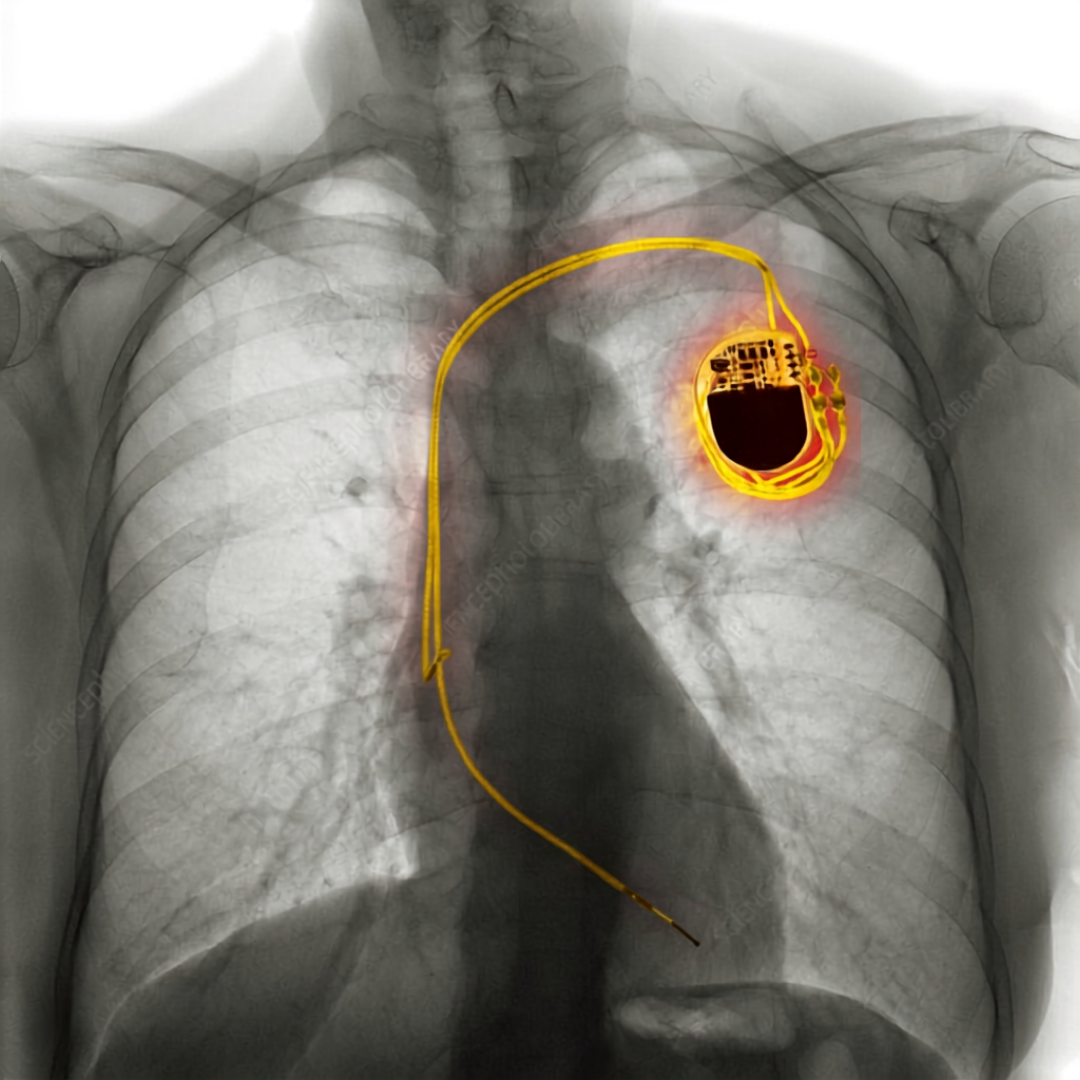
Ran for 17 days, from August 4 to August 21, 2026, the last day Crush saw it.
Run by Sandra Castillo, RN on Facebook. Crush is not the advertiser and does not verify its claims. See this ad in Meta's Ad Library(opens in a new tab)
Want an ad like this for your product?
Crush makes new ad images for your product from this ad: your logo, your product photo, your offer.
Trials from $19.95 USD, then $79.95 USD a month. Cancel anytime.
About this ad
- Meta Ad Library ID
- 1392141346185031
- Platforms
- Facebook, Instagram, Audience Network and Threads
- Relaunches
- 0
Ad text
I am in a hospital bed. If you are a type 2 diabetic and your doctor keeps telling you to just take m*tformin and manage your A1c, I am begging you to listen to me right now. I had a heart attack two weeks ago. I almost did not make it, and I am writing this because if I had seen something like it a year ago, I would not be here. I placed my 1,412th coronary stent on October 3rd, 2024. Sixteen days later, at 2:47 AM on October 19th, I was on the receiving end of one. I was 58 years old. I am a board-certified interventional cardiologist. Twenty-two years of practice. Two stents placed in my own left anterior descending artery by a fellow I had trained three years earlier. I coded on the table for eleven seconds. The hospital bill was $71,000. Cardiac rehab was another $9,200. They will let me operate again. My hospital privileges are intact. But I will never place a stent again without remembering that I was on that same table with someone I had trained running a wire into my own artery because everything I was taught to prescribe had not saved me. I am writing this because I know exactly what my colleagues will say when they see it. I do not care. If you are over 50 and you have Type 2 diabetes, or someone you love does, please read the entire thing. I know it is long. I know you are scrolling. I know you have things to do. Fifteen months ago I would have given anything for someone with my credential to sit me down and tell me what I am about to tell you. Nobody did. I was diagnosed with Type 2 diabetes six years ago at 52. Fasting glucose 141. A1C 6.9. The diagnosis surprised me and it did not. My father had died of a myocardial infarction at 64. He was a Type 2 diabetic managed on M*tformin and a blood pressure pill for eleven years. My mother's blood pressure had been creeping upward for a decade before she passed. I had watched the pattern in my own family and I had built my entire practice on treating cardiac events in patients who looked like my father. I did what any cardiologist would prescribe. I started M*tformin at diagnosis. My internist, a colleague at my own hospital, added Lisinopril the following year when my blood pressure crept to 138 over 84. She added a statin the year after that when my LDL climbed to 149. Three medications. Two of them medications I had personally prescribed to hundreds of my own patients to protect their hearts. I walked four miles a day. I stopped drinking. I lost 18 pounds in the first year of the diagnosis and kept it off. I ate the Mediterranean protocol I recommend to every patient after a stent placement. Lean protein. Olive oil. Leafy greens. Minimal refined carbohydrates. I ordered a coronary calcium scan on myself the year I was diagnosed. Score of 12. I checked every box on my own cardiac protocol. By last September, my A1C was 6.2. My blood pressure was 128 over 80. My LDL was 96. By the standard of the guidelines I had helped write for our hospital's cardiology group, I was managed. Managed. That word again. I ordered a second coronary calcium scan on myself last September, six years after the first one. I did it because a hunch would not leave me alone. The number came back at 847. For context, I have called patients over the phone with scores half that size and used the sentence, we need to talk today, not tomorrow. My coronary arteries had been calcifying for six straight years behind every managed number on my chart. No drug I was taking had slowed it. No protocol I was following had interrupted it. The calcium was depositing inside arterial walls that were being destroyed from the inside while every measurement my colleagues were tracking said I was fine. I called my interventionalist partner and asked her to do a stress test on me. She did. It was equivocal. She recommended a CT angiogram to be safe. I scheduled it. And then I did not go. I want to tell you why. Because sitting in my office at 6 PM staring at my own calcium score on my own screen, I recognized something. I was doing exactly what my father had done. He had been managed for eleven years before the heart attack that killed him. He had been on Lisinopril and a statin. His blood pressure had been controlled. His LDL had been in range. His A1C had read fine. And he had died at 64 in the emergency room of the hospital where I did my cardiology fellowship. I did not go to my own CT angiogram because I already knew what it would show. I did not want to see it in writing. I told myself I had time. Twenty-four days later I woke my husband at 2 AM. The pain started in my chest at 1:52 AM. I remember the time because I looked at my bedside clock and thought, this is not indigestion. It was not. It was the pressure I had described to a thousand patients in follow-up appointments. Central. Substernal. Radiating into my left jaw. My husband, an oral surgeon, sat up before I could finish the sentence. He is not a cardiac clinician but he has heard me describe this exact presentation at our dinner table for twenty years. He drove me. We went to a competing hospital, not my own. Because I did not want the fellows I had trained to see me on that gurney. They saw me anyway. The interventionalist on call was a woman I had trained through her fellowship in 2021. She walked into the room, saw me on the gurney, and her face did the thing. She said my name. — I need a cath, I told her. LAD occlusion. Ninety-five percent or better. Get me in the lab. — Yes, ma'am, she said. They wheeled me down the corridor I had walked down thousands of times going the other direction. I looked at the ceiling tiles and counted them because I did not want to look at the fellow who was about to run a wire into my heart. I coded on the table forty seconds after they got me on it. My fellow later told me my rhythm went ventricular fibrillation, then flatlined for eleven seconds before they shocked me back. Two stents in the left anterior descending. Both in the same twenty-minute window I had done for other patients four hundred times. I was in the ICU for three days. Cardiac step-down for four. I came home on October 26th with my husband, a cane, two stents in my chest, and a shopping bag of prescriptions I had personally recommended to hundreds of patients over twenty-two years. The full metabolic workup my colleagues ran before discharge showed what I already suspected. My nephrology colleague pulled my last four creatinine readings up on her screen. They had been climbing quietly for three years. My eGFR was 71 and had been 89 four years earlier. She used the phrase, early stage 2 diabetic nephropathy. Nobody had flagged it because my A1C had read managed. The retinal specialist found small hemorrhages in both my eyes. Early background retinopathy. I had been squinting to read echocardiogram reports for eight months. I had blamed my reading glasses. The hepatologist found grade 2 hepatic steatosis. My ALT had been 47 for two years. Nobody kept an eye on it. The podiatry consult found measurable peripheral neuropathy in both feet, right worse than left. I had been dropping surgical instruments occasionally for six months. I had blamed a wrist strain. Every one of my organs was showing the same pattern I had watched in hundreds of my own cardiac patients after a first event. Same disease. Same trapped sugar. Damage in my feet. Damage in my kidneys. Damage in my eyes. Damage in my liver. And the event that finally made the pattern loud enough to hear — the damage in my heart. I sat in my office on November 8th with all five reports in front of me and I understood something I had never let myself understand before. Every drug in my medication cascade had been treating a downstream measurement. M*tformin was treating my glucose output. Lisinopril was managing the force pushing blood through arteries that were stiffening from the inside. The statin was managing cholesterol overproduction driven by a liver that was overproducing because of the same upstream failure nobody was addressing. Not one of them had touched what was actually destroying my arterial walls. Not one of them had stopped the sugar from grinding through the endothelium of every blood vessel in my body, year after year, heartbeat after heartbeat, for six years while every number on my chart read fine. I am a cardiologist. I am supposed to be the person who prevents this. I had prescribed the exact three-drug protocol I was on to a thousand patients who looked like my father. Every one of those prescriptions had passed peer review. Every one had followed the guidelines. And it had failed me at 58. Your arteries are not rigid pipes. They are living tissue. Three layers of cells with a smooth inner lining called the endothelium that regulates everything from blood pressure to clotting to how easily your blood flows. When glucose cannot clear the bloodstream because the cellular doors that are supposed to pull it out — GLUT4 transporters — have stopped responding to insulin, that sugar-saturated blood moves through your arteries continuously. Every heartbeat pushes it through. Every hour. Every year. Glucose inflames the endothelial cells that line the inside walls. It triggers oxidative stress. It activates NF-kB — the body's master inflammation switch — which sends inflammatory proteins into the arterial wall. The wall thickens. It stiffens. It loses the flexibility that normally allows it to expand and contract with each heartbeat. Your heart has to push harder against a vessel that no longer gives way the way it should. That is where elevated blood pressure comes from in metabolic patients. Not salt. Not stress. Not genetics alone. The arterial wall is being stiffened from the inside by sustained glucose exposure, and your heart is compensating by generating more force to push blood through vessels that stopped cooperating. Your blood pressure medication manages the force. It does not repair the wall. At the same time, insulin resistance is telling your liver to overproduce VLDL — the precursor to LDL cholesterol. Your cholesterol climbs for the same reason your blood pressure climbs. Same upstream failure. Two downstream measurements. Two separate prescriptions. One root that neither drug touches. The calcium deposits on that scan — the ones that went from 12 to 847 in six years — are the arterial wall's attempt to stabilize tissue that has been inflamed and damaged for so long that the body starts patching it with calcium the way it patches a broken bone. That calcium is evidence that the damage had been running continuously for six years behind every managed number on my chart. I sat at my desk that night at 11 PM after my husband had gone to bed and I did something I had not done since medical school. I opened PubMed and I searched for the actual mechanism. Not the management guidelines. Not the drug metabolism papers. The mechanism. None of it was hidden. It sat in journals I had had access to for twenty-two years. Diabetes Care. Circulation. The New England Journal. I had read those journals every month for the interventional trials. I had never read them for the mechanism papers because my training had told me the mechanism was managed and the treatment was to manage the downstream measurements. My training was wrong. Two weeks later I saw a patient in follow-up who should not have been in the numbers she was in. Her name was Priyanka. Type 2 diabetic. Twelve years post-diagnosis. She had been my patient for three years after transferring to me following a stent placement. Her A1C at intake three years earlier had been 7.8. She had been on M*tformin, Lisinopril, and a statin. I pulled her chart before she came in expecting to add another medication. Her A1C was 5.6. Her LDL was 82. Her blood pressure was 118 over 74. She had come off Lisinopril twenty months earlier at her own insistence and her numbers had not moved back up. I looked at her across the exam room and asked her what she was doing. She was quiet for a moment. Then she said, — Doctor, my aunt Kumari runs a small community in central New Jersey. She has been telling all of us for years. I did not bring it up because I did not think you would take it seriously. I asked her what her aunt had told her. She wrote a name and an address on the back of my prescription pad. Kumari Perera. A town I had never heard of in central New Jersey. A house with a garden of Sri Lankan medicinal plants she had transplanted from her grandmother's village. I drove there the following Saturday. I did not tell my husband where I was going. I did not tell my practice partner. I did not tell anyone in my institution that a board-certified interventional cardiologist was driving three hours to meet a 79-year-old Sri Lankan grandmother because everything I had been taught in twenty-two years of practice had not saved my own heart. I pulled into the driveway of a small ranch house at 11:40 AM. The garden along the front walkway was unlike anything I had seen. Curry leaf. Gotu kola. A small cinnamon tree by the front door. Plants I recognized from the botanical section of pharmacology journals I had not thought about since medical school. She was on the porch sorting bark into a wooden bowl. Small woman. Thin. Late seventies. Dark hair pulled back with gray streaks running through it. No swollen knuckles. No brace on her wrist. Just easy, steady work. I introduced myself. Not as a cardiologist. As Sandra. She looked up with sharp clear eyes and asked me why I had come. I told her. I told her I was a cardiologist. Twenty-two years in practice. That I had my own heart attack five weeks earlier. That my three medications had not saved my arteries. That five organs in my body were showing the same pattern I had watched in hundreds of my own cardiac patients. That one of my patients had told me about her. She listened. She did not interrupt. When I finished she set the bowl down and said, — Come inside, doctor. Her kitchen smelled like cardamom and cinnamon. She poured me tea without asking. She sat across from me and said, — Your medications are fighting the wrong battle. You know this. That is why you are sitting at my kitchen table. I did know it. She said, — Every drug you prescribed for yourself. Every drug you prescribed for your patients. All of them work on the numbers on the chart. The Lisinopril works on the blood pressure number. The statin works on the cholesterol number. The M*tformin works on the glucose number. Three numbers. Three drugs. But the trapped sugar underneath — the sugar that has been grinding through the walls of your arteries every heartbeat, every meal, every year — none of them touch it. I said, — I understand the mechanism. I read the papers last week. She smiled. — Then you understand it clinically. You do not yet understand it in your own body. She picked up two pieces of cinnamon bark from her bowl. Then a third. Then a fourth. Then a fifth. She set them on the table in front of me. — This one is your feet. This one is your kidneys. This one is your eyes. This one is your liver. This one is your heart. She tapped the fifth piece. — This one almost killed you. The stents your fellow placed did not repair the arterial wall. They opened a channel through a wall that is still failing. If the trapped sugar is not addressed, you will be back in that cath lab within four years for another vessel. This is not opinion. This is the mechanism you already understand. I said, — I know. She said, — Now here is what nobody taught you in medical school. For over a thousand years the women in my grandmother's village have been using one thing for this. My grandmother grew it. Her grandmother before her. I am seventy-nine. I have never been on a medication. My blood pressure has never been elevated. My daughters do not have heart disease. She stood. She walked to a shelf. She pulled down a dark glass jar. Inside were curled pieces of deep red-brown bark, layered like rolled paper. — True Ceylon cinnamon, she said. Cinnamomum verum. Not what your patients are buying on Amazon. What is sold as cinnamon at the drugstore is cassia. A different plant entirely. Cheaper. From China and Vietnam. It contains almost none of the active compounds. It contains up to two hundred and fifty times more coumarin, which strains the liver at daily supplement doses. She set the jar down. — Real Ceylon has two compounds your arteries need. The first one is called MHCP. This is what opens the cellular doors your training tells you are managed by insulin. Once the doors open, the trapped sugar finally moves out of your bloodstream and into your cells where it becomes energy. The grinding through your arteries stops. The endothelium can begin to heal. She held up the jar. — The second is called cinnamaldehyde. The compound that gives cinnamon its smell. It repairs the endothelial lining of the vessels the trapped sugar has been damaging for years. The inner wall of the arteries feeding your heart. The ones your fellow placed stents in. The vessels feeding your kidneys. Your eyes. Your feet. It repairs the lining that your blood pressure medication was never designed to touch. She looked at me. — Two compounds. From one plant. One opens the doors so the grinding stops. The other heals the arterial wall the grinding damaged while the doors were closed. That is why the women in my grandmother's village do not have heart attacks like yours. I asked her if the form mattered. She nodded. — Real Ceylon has to be the right species, at the clinical dose, suspended in the right oil. Cassia does nothing. Ceylon at the drugstore is in dry capsule form. The active compounds are fat-soluble. Without an oil to carry them into the bloodstream, most of what you swallow passes through the body and never absorbs. In Sri Lanka we eat cinnamon with coconut. In every dish. My grandmother did not know the biochemistry. She knew that in our kitchen, coconut and cinnamon go together in every meal. That is why our women live into their nineties without heart disease. She paused. — There is a company my niece in Boston told me about. They source the real species. DNA-verified from Sri Lanka. They concentrate it twelve to one to match the dose in the published research. They suspend it in MCT oil, which is coconut-derived. The same oil my grandmother used. Just concentrated into a softgel so it actually absorbs. Third-party tested. Made in the USA. She wrote a name on the back of a receipt and slid it across the table. Metabolae. I ordered three bags from her kitchen table before I left New Jersey. I drove three hours home. The bags arrived the following Wednesday. I took 1 softgel with my breakfast the next morning. Week one. My afternoon energy returned. I had been napping in my office between afternoon consults since the heart attack. On day five, I read the medical journals I had let stack up for six weeks. I read all four in one sitting without dozing off. I recognized that I felt awake for the first time in five weeks. Week two. The tingling in both feet that my podiatry consult had flagged began to quiet. I had been sleeping with my feet outside the covers since August because the burning would wake me at 3 AM. That week I pulled the covers up for the first time. Week three. I ran a home BP cuff twice a day. My readings had been sitting at 132 over 82 since discharge. That week they moved to 122 over 76. I had not changed a single medication. The arterial stiffness I had been reading on my own chart for six years was easing without any pharmaceutical adjustment. Week four. I ordered my own lipid panel through my hospital's outpatient lab. LDL 84. Triglycerides down 62 points from my discharge labs. I ran the panel twice because I did not believe it. Both runs matched. The liver had stopped overproducing lipids because the insulin environment driving the overproduction had changed. Week six. Fasting glucose 94. Down from 138 at discharge. Blood pressure holding steady at 118 over 74. I ordered a follow-up A1C two weeks later. Week eight. A1C 5.7. Down from 6.6 at discharge. Blood pressure 116 over 72. I had not reduced a single medication. Week twelve. Full metabolic panel plus lipids plus renal plus cardiac markers. A1C 5.4. Fasting glucose 87. LDL 71. Triglycerides down 84 points from discharge. Blood pressure sitting at 116 over 72 without any change to my medication. Creatinine back to 0.9. eGFR climbed from 71 to 83. Liver enzymes back in normal range. I called my nephrologist colleague back and asked her to repeat the renal panel. She did. Same numbers. I sat in my office at 6 PM staring at my own labs on my screen and I understood that I was looking at a cardiovascular reversal I had not seen in a cardiology chart in twenty-two years. Every marker that tracks arterial health, metabolic load, and cardiac risk had moved in the same direction at the same time. Not because I had added another drug. Because the trapped sugar that had been grinding through my arterial walls for six years had finally started clearing. I brought the labs to my practice partner. Another interventional cardiologist. Fifteen years of practice. Someone I had trained. I put the discharge panel next to the twelve-week panel on her desk and I did not say anything. She read them. She looked at me. — Sandra. What did you do. I told her. The Sri Lankan grandmother. The kitchen table. The two compounds. The trapped sugar. The arterial wall. All of it. She listened for forty minutes without interrupting. When I finished she was quiet for a long time. Then she said, — I have not been trained on this. But I want to see this in my own patients. Tell me the name of the product. I gave it to her. She has been running it with fourteen of her post-stent patients for the last three months. She called me last week. Nine of them have moved out of pre-diabetic range. Three have come off Lisinopril at their internists' recommendation. Two have had follow-up calcium scores that showed no progression for the first time in years. I am still on the two stents. I am still on Lisinopril at a reduced dose. My statin was discontinued at week fourteen by my internist. I ate rice with my husband last week for the first time in six years. One bowl at a small Thai restaurant near our house. My glucose the following morning was 91. My last A1C two weeks ago was 5.3. My last blood pressure reading was 114 over 70. I came within eleven seconds on the table of dying at 58. I am writing this because I still have my practice. I still have my husband. And I have watched every cardiovascular marker in my body reverse. I have watched a colleague I trained look at my labs and say the word I had waited eleven months to hear. Improving. Not managed. Improving. I am also writing this because I know the truth about what my profession is doing. I did not sit at that grandmother's kitchen table because I wanted to. I sat there because everything my medical school and my board certification and my twenty-two years of practice had taught me about how to protect the heart had failed me. I placed 1,412 stents before I placed one in myself. Every one of those stents was in a person walking the same trajectory I was walking. Every one of them left my cath lab with the same three-drug protocol I was on. Every one of them was told they were managed. I do not know how many of them are already back. I do not know how many of them are already gone. I know that the standard of care my hospital taught me was built on the assumption that managing three downstream numbers — blood pressure, cholesterol, blood sugar — with three separate medications was equivalent to addressing the mechanism destroying the arterial wall behind all three. It is not. I have five organs' worth of scan reports in my own body that prove it is not. And my father's autopsy report from thirty-four years ago proves it was not for him either. If your husband, your father, your brother, your mother, or you are a Type 2 diabetic and you have been told your blood pressure is managed and your cholesterol is controlled while your body is quietly falling apart, please listen to what I am telling you. The trapped sugar is what is destroying your arteries. Not the number on the chart. The Lisinopril manages the force. It does not repair the wall. The statin manages the cholesterol. It does not stop the insulin resistance driving your liver to overproduce it. The M*tformin lowers the glucose number. It does not open the cellular doors. None of them stop the sugar from grinding through your endothelium with every heartbeat. Cutting the bread does not save your arteries. I did that for six years and my calcium score went from 12 to 847. Oz*mpic does not save your arteries. Same idea. Different lever. Neither one opens the doors. Neither one repairs the arterial wall. There is one thing I know of that opens the doors and repairs the damage. The two compounds in real Ceylon cinnamon. MHCP opens the doors. Cinnamaldehyde repairs the endothelial lining. Together, at the right dose, in the right delivery form, they address what my three prescriptions did not touch. Metabolae. DNA-verified true Ceylon from Sri Lanka. Concentrated twelve to one to match the dose in the clinical research. Suspended in organic MCT oil so the active compounds actually absorb. Third-party tested. Made in the USA. 1 softgel every morning with breakfast. That is the whole protocol. 90-day money-back guarantee. If your numbers do not move, you pay nothing. The system that trained me did not give this to me when I needed it. It is reaching you now. P.S. My father was a Type 2 diabetic managed on Lisinopril and a statin for eleven years before he died of a heart attack in the emergency room at 64. My mother's blood pressure had been creeping upward for a decade before she passed. I built my entire cardiology practice on the assumption that I would prevent for my patients what I could not prevent for my father. Instead I have watched myself walk the same trajectory in my own body. The difference is that I got the eleven-second warning my father did not get. Please do not let your family's warning be shorter than mine was. P.P.S. I do not work for Metabolae. I do not receive a penny from this. I am writing this at 11:20 PM on a Sunday, alone in my office, because a patient came in Friday whose blood pressure had dropped 22 points in six weeks without any change to her medication and I recognized my own numbers on her chart. She had found Metabolae on her own after reading a post from a woman named Carolyn about her husband Robert. She told me the post had been circulating among the Type 2 diabetics in her book club. I read it that night. It was the second time in six months I had recognized my own patient in a story written by a stranger. Please share this with anyone you love who has Type 2 diabetes. Even a little. Even borderline. Even if they think they are managed. I promise you they are not.
Where the ad sends people
metabolae.com
Ceylon Cinnamon 7200mg Equivalent with MCT Oil
Metabolae
Learn more: metabolae.com(opens in a new tab)