Anna C.
Anna C. Facebook ad: “31 Years Of Cleaning Wisdom in 1 Post.”
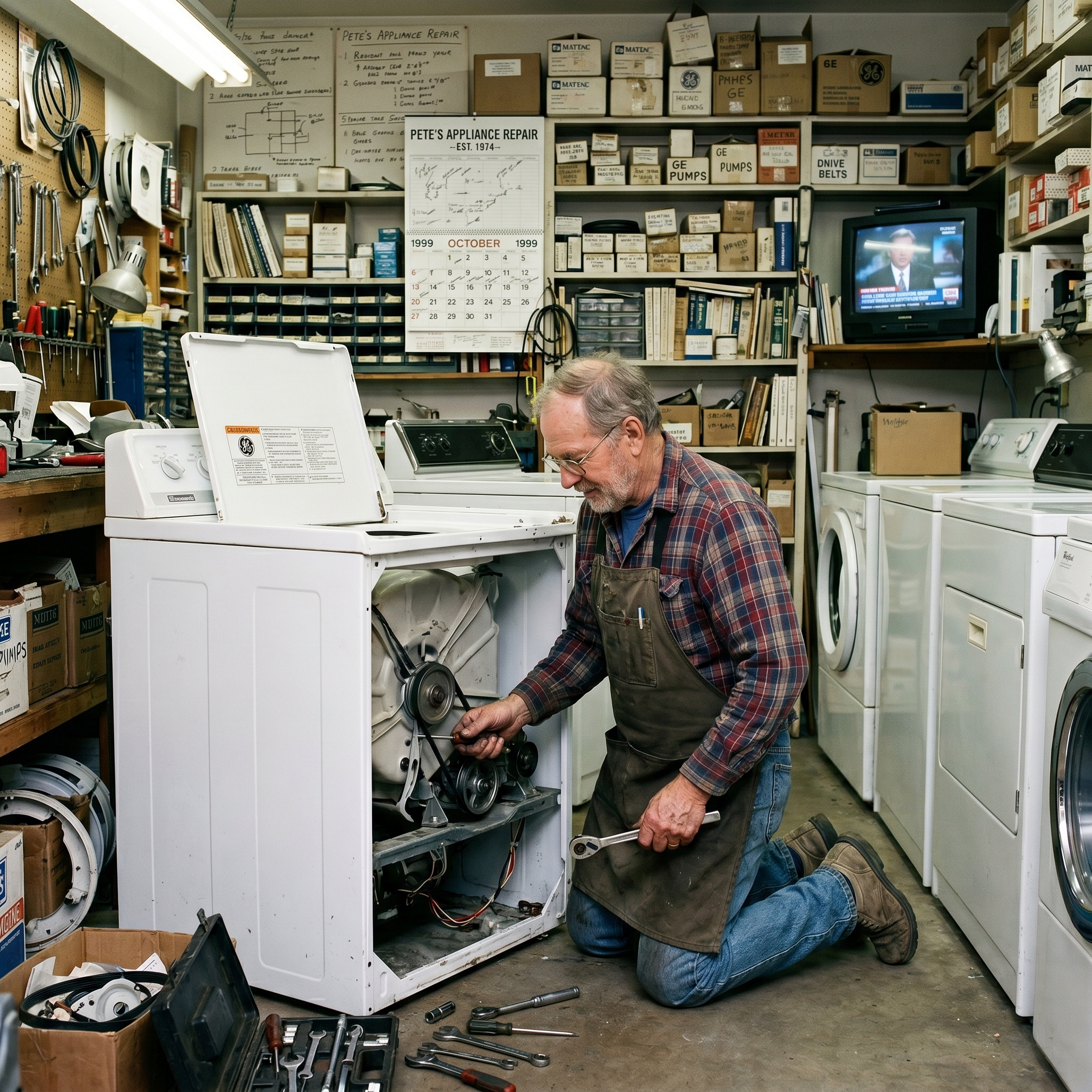
Ran for 14 days, from June 9 to June 23, 2026, the last day Crush saw it.
Run by Anna C. on Facebook. Crush is not the advertiser and does not verify its claims. See this ad in Meta's Ad Library(opens in a new tab)
Want an ad like this for your product?
Crush makes new ad images for your product from this ad: your logo, your product photo, your offer.
Trials from $19.95 USD, then $79.95 USD a month. Cancel anytime.
About this ad
- Meta Ad Library ID
- 1392932842660627
- Platforms
- Facebook, Instagram and Messenger
- Relaunches
- 2
- Niche
- Pets
Ad text
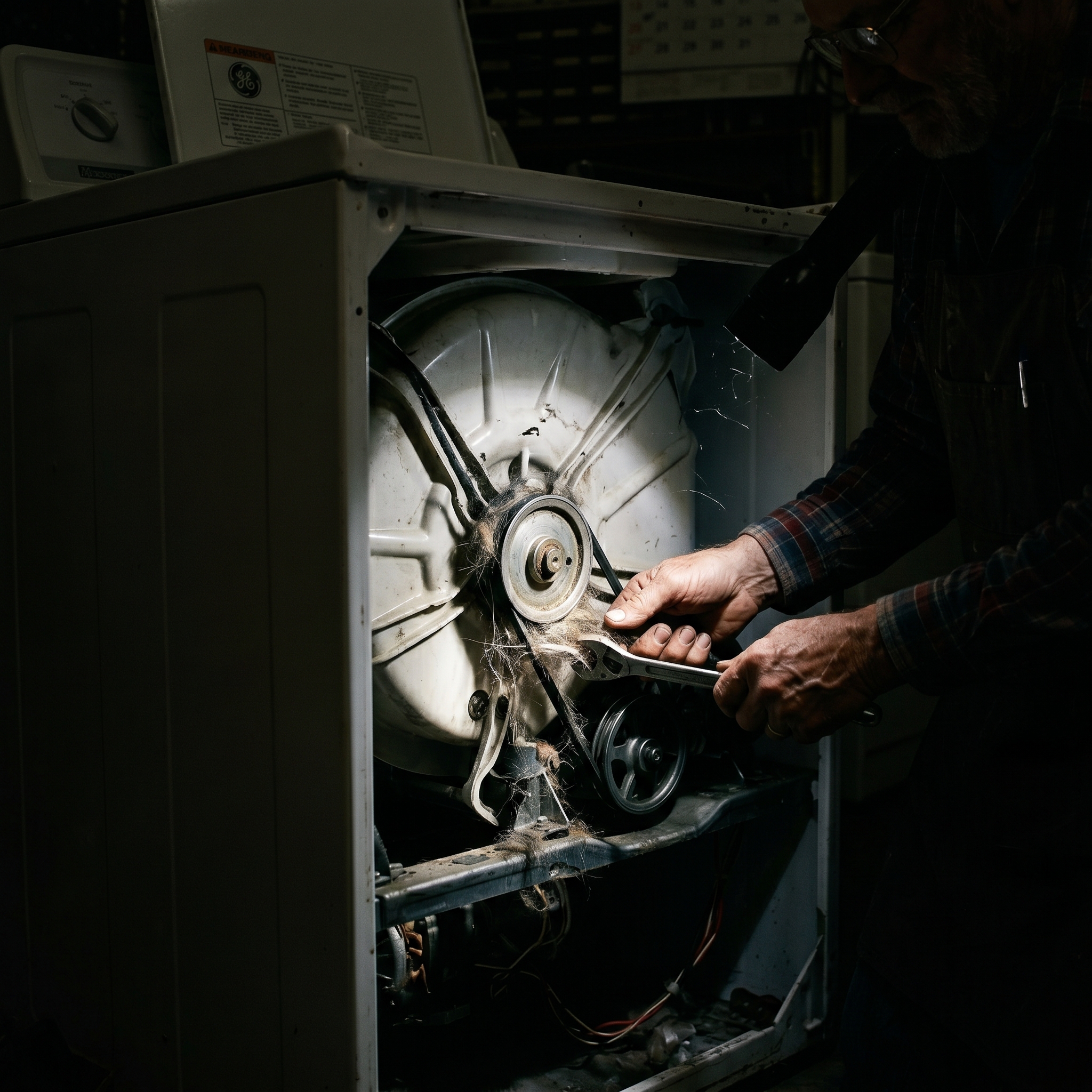
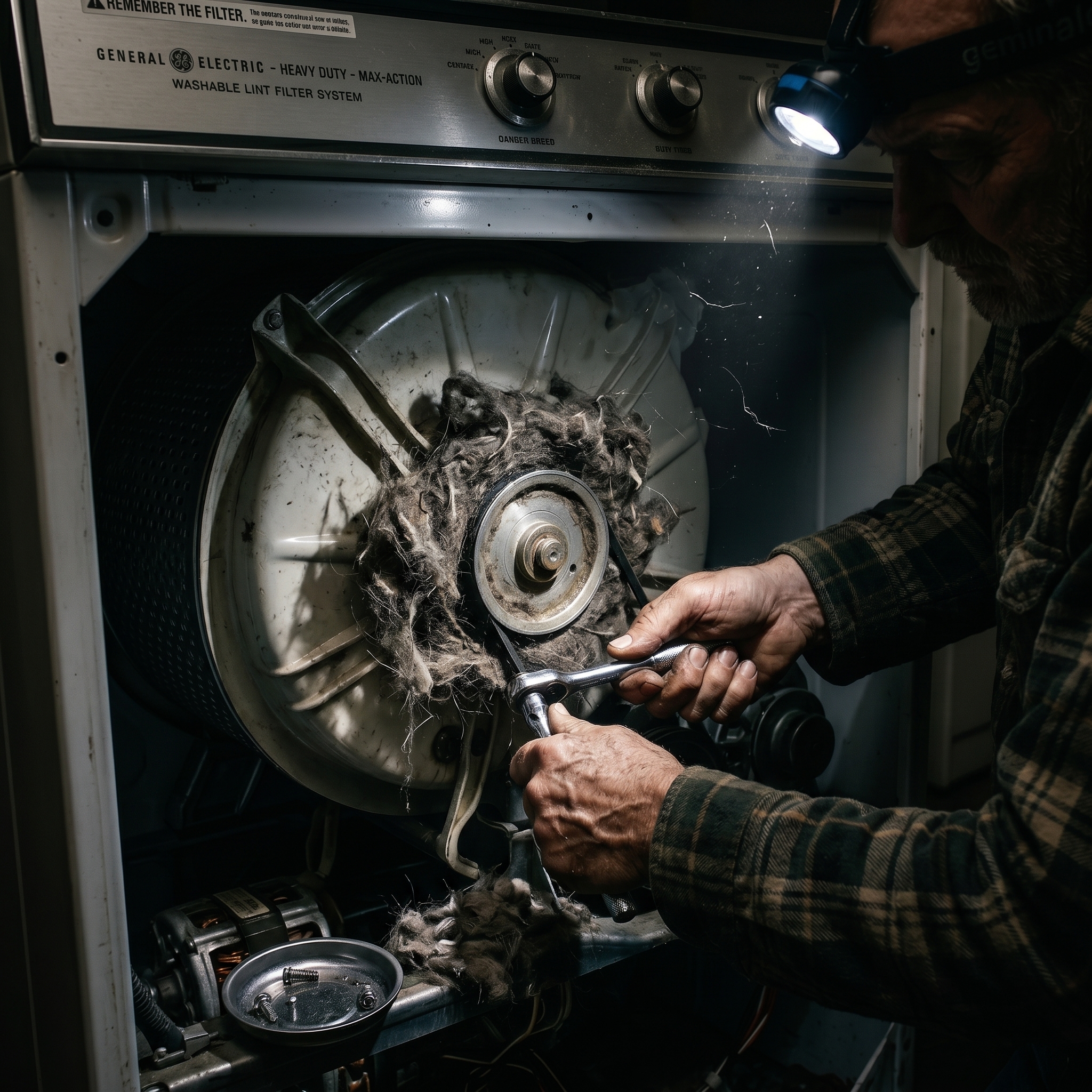
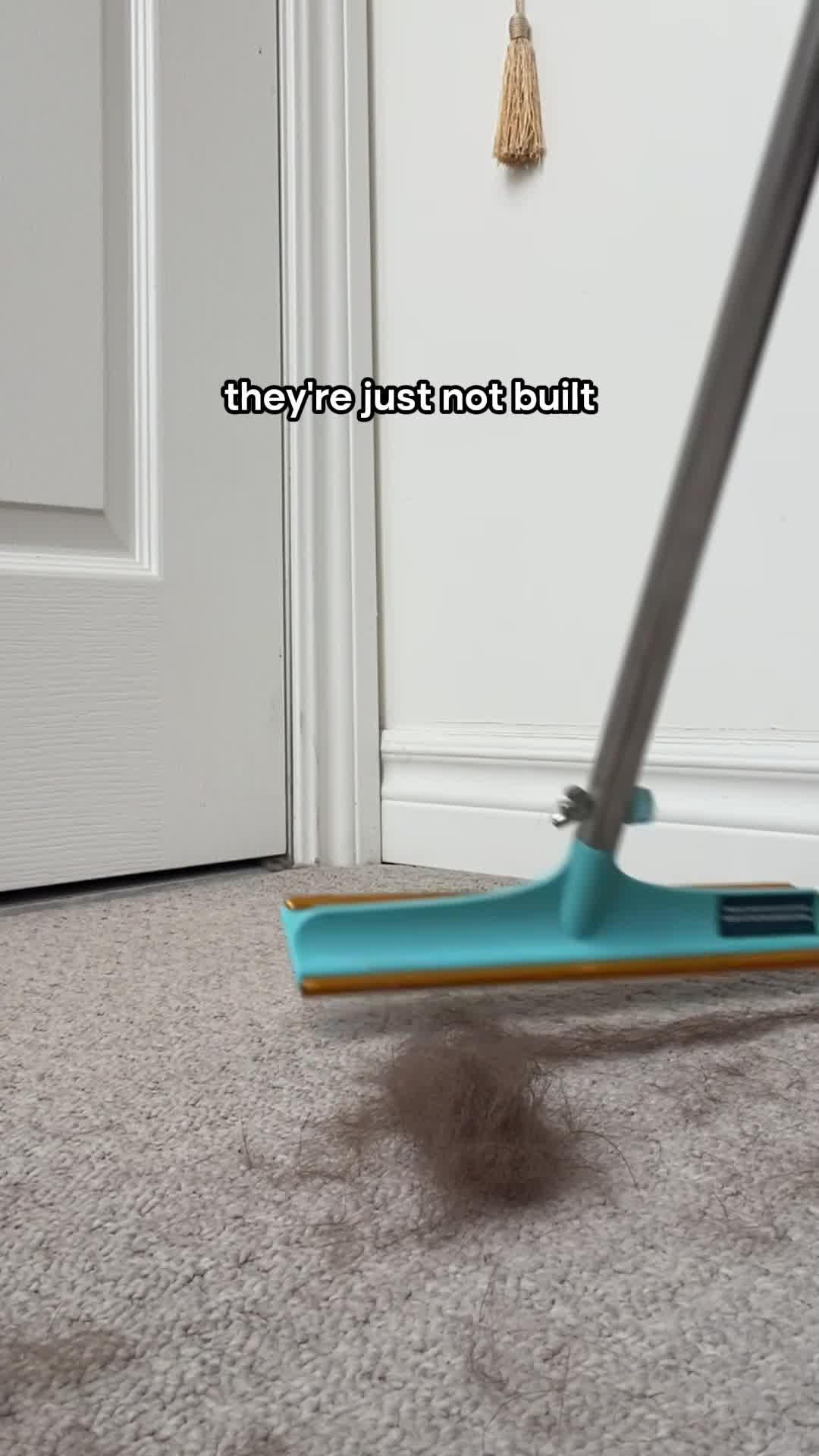
My grandfather has a weird habit. Every time he visits someone’s house, he checks their washing machine. Last month, my grandpa looked inside mine and asked: “How long have you been washing your clothes in mold?” I laughed. He didn’t. My name's Anna. I'm 36, I have a husband, an eight-year-old daughter named Maya, and a golden retriever named Beans who is quite possibly the biggest shedder on earth. I do most of the laundry in our house. I have done laundry since I was seven years old. That's because my grandfather, Pete, ran his shop two blocks from my elementary school, and after class my mom would drop me there until she got off work. The shop was an oil-stained garage with three washing machines pulled apart on the floor at any given time and a sign on the door that said BACK IN A MINUTE in his handwriting. I'd sit on a stool by the slop sink and watch him work. When he was done with a job, he'd run a quick wash through the customer's machine to make sure it ran clean. And every single time, when the cycle finished, he'd hand me a warm towel out of the dryer and say, "Smell that. That's what clean is." I can still tell you exactly what that smell was. It wasn't fabric softener. It wasn't lavender. It wasn't a thing - it was the absence of a thing. It was the smell of a towel that had nothing on it but water and a little heat. I learned what clean was supposed to smell like sitting on that stool, and I have been trying to make my own laundry smell like it ever since. For most of my adult life I did. Then somewhere in the last year and a half I lost it, and I couldn't get it back. It started with the towels. I'd shake them out and there it was, that sour, damp, musty smell, like a sponge that had been left in a sink overnight. I'd press it to my face just to be sure I wasn't imagining it. I wasn't. So I'd wash them again. Hotter. Extra detergent, one of those scent boosters in the little plastic bottle. And for about a day they smelled like flowers. Then the flowers faded and the smell was right back underneath, exactly where it had been. It wasn't just the towels. The loads in general were coming out off. Maya's white school sweater was a duller white than it had been six months ago. Beans's blanket - the one we keep on the couch, which is more accurately Maya's blanket that Beans has annexed - came out gray and a little greasy at the corners no matter how hot I ran it. I kept telling myself I was imagining it. Then one Sunday I pulled back the rubber seal around the door to wipe it down and almost gagged. Worked into the folds was a black, greasy ring of gunk. Slimy. The smell hit me before my eyes adjusted to what I was looking at. I scrubbed it with a Magic Eraser and bleach. It came back in three days. The detergent drawer had its own thing going on - a film along the back that wouldn't rinse off, a layer of pink-gray sludge in the corner where the softener went in. I started pulling the drawer all the way out after every wash. It didn't help. And then one morning I walked past the machine with the door shut and I could smell it sitting there. Not the laundry. The machine itself. Like an old wet basement breathing out. For about six months I'd been telling myself it was the detergent. Then I told myself it was Beans. Then I told myself it was the house. Then I quietly stopped inviting people over on weekends because I couldn't smell our house anymore the way other people would and I didn't trust myself to know. That's when it stopped being about laundry. That was about hiding. Maya came home from school on a Tuesday in March and asked if we could get a dog. I said, "Honey, we have a dog." She said, "I know. But my teacher asked me today if we got a new one because she could smell one on my sweater. I told her we just have Beans and he isn't new. And she said, oh, okay. But she made a face." She wasn't upset. That's the part that destroyed me. She was just reporting it the way she'd report what they had for lunch. She didn't know yet that this was the kind of thing kids start to remember about each other. I told her her sweater was fine. I went into the laundry room. I closed the door. I sat down on the dryer. Then I called my grandfather. Pete is 78 now. He retired from full-time repair work eight years ago but he still gets calls from old customers and he still drives out, mostly because he likes the excuse and partly because my grandmother has been gone for 6 years and the house is too quiet on weekends. He has opinions about every washing machine made after 1998 and he will tell you all of them if you give him an opening. When I called him and told him what was going on, he was quiet for a second on his end and then he said, "Honey, I'll come Saturday. Don't run any more loads." He showed up at ten in the morning with the same canvas tool bag I remember from when I was seven. He walked past me without taking his shoes off, went straight to the laundry room, and opened the washer door. He didn't look inside. He just leaned over the opening and breathed in. Then he straightened up and said the line I'm not going to forget for the rest of my life. "Anna. You're not washing your clothes. You're slow-cooking them in mold." I laughed. He didn't. He pulled back the rubber gasket the way I had, but he kept pulling. He worked his fingers down into the folds and turned the rubber inside out the way I didn't know you were supposed to. Underneath the part I'd been scrubbing was a second layer of gunk, thicker than the first, packed in so deep it had started to discolor the rubber itself. He said, calmly, like he was naming a bird, "That's biofilm." Then he sat down on the laundry room floor with his back against the dryer, and he told me about a machine he condemned twelve years ago. A guy across town with a husky. Front-loader, four years old, died mid-cycle one morning and wouldn't restart. Pete drove out, opened it up, and the sealed gap behind the drum was packed solid. Years of pet hair, detergent film, dander oil, all of it caked around the rear bearing and the seal. That packed gunk had been holding water against metal that's not meant to stay wet. The bearing seized. The machine was done. Pete told the guy he could replace the bearing for about eight hundred dollars, but on a machine worth twelve hundred new, it didn't make sense. The guy bought a new washer that afternoon. "He'd had it four years," Pete said. "It smelled musty for the last year of its life and he never put it together. He thought he just had a smelly washer. He had a dying one." He looked at me. "You and Maya and Beans are about eighteen months in on yours, near as I can tell. That gunk in your gasket isn't on a different schedule. It's just earlier." Then he explained what was actually happening, and the thing that gets me is that I should have known. Anyone who'd watched him pull a machine apart at seven years old should have known. Between the drum you load your clothes into and the outer tub that holds the water, there is a sealed space. Every cycle, water floods it. You can't see it with the door open. You can't reach it with your hand. Most people don't know it exists. Every wash, water pours through that space carrying everything you dissolved in it - detergent, softener, whatever. Most of it drains back out. But every single load leaves a microscopic film behind, coating the surfaces in there. Detergent residue. Softener film. A thin sticky layer. And that film, Pete said, is glue. Pet hair breaks apart in the wash water and the pieces get pulled into that gap and stick to the film. Coat oils from Beans's fur - that waxy stuff that comes off a dog's skin - separate out in the water and settle in there too. Load after load it stacks: hair, oil, dander, detergent scum, packed into a greasy layer in a space neither of us can open and I can't reach. Then bacteria move in. Warm, damp, dark, sealed off. Pete said it was the best apartment any bacteria could ask for. And what those bacteria give off, while they live there eating that grease, is the exact musty, sour smell that had been on every load I'd run for the last year. Every time I ran a wash, clean water flooded that gap, washed back over all of it, and carried the smell right out onto Maya's sweater. "You're not washing it out," Pete said. "You're rubbing it in." I told him about the bleach on the gasket. the vinegar cycles, the Affresh from Target I'd been running every month like the box said, the scent boosters, the extra rinses, and also the two detergent switches. He listened, and when I was done he said, "Anna. None of that was ever going to do anything." Then he walked me through it like I was seven years old again. The store-bought tablets - Affresh, Tide, the rest of them - are built on oxygen bleach. Oxygen bleach is fine for what it does, which is break down mineral scale and soap scum. It is not built to break down pet hair, which is a protein, or skin oil, which is a fat. It washes over the greasy living layer and leaves it sitting there. Vinegar is even worse according to him. It's a weak acid. By the time it mixes with the water in a full cycle it's so diluted it can't break through anything. It rinses the surface, masks the smell for a day, and underneath, the layer doesn't move. And running acid through your machine month after month quietly degrades the rubber gasket and the seals - so the most-recommended fix on the internet is actively aging the most expensive parts of your washer while doing nothing to the smell. Baking soda - same story. Mild alkaline, dissolves in the water, rides through the same channels, hits the gunk, does nothing. The self-clean cycle is, in Pete's words, "a way to charge you extra for hot water." The buildup is alive, and it is built to thrive in hot wet conditions. Running hotter water at it is feeding it. Every single thing I'd tried, Pete said, got carried to the exact right place in the machine. None of it was built to break down what was actually there. He said over the years he'd built a list in his head of what a real solution would have to do. He held up his hand and ticked them off on four fingers. 1. It has to get into that sealed gap behind the drum without him pulling a panel off. Whatever it is has to ride in on the water. 2. It has to break down a greasy, living, protein-and-fat layer. Not mineral scale. Not soap scum. The actual gunk. That rules out every acid and alkaline on the shelf. 3. It has to do it in a regular wash a regular person would already be running. If the only way to fix it is to take the machine apart, it might as well not exist. 4. It can't destroy the seals on the way through. No acid eating the rubber. No bleach rotting the gasket. Or you've traded a smell for a thousand-dollar repair. "For most of my career," he said, "I figured nothing hit all four. Then about a year ago I started seeing something." He reached into his canvas bag and pulled out a small blue tablet. "This is what you're going to use. I started carrying a box in the truck about ten months ago because the guys in my old repair group online wouldn't stop talking about it." He set it on top of the washer, and started to tell me all about how it works. I had never seen him this excited to talk about chemistry before. He went on, the active ingredients in this tablet are a specific class of enzymes that NASA originally developed to clean parts of the International Space Station. The problem they were solving was a version of mine: a sealed system, full of organic gunk - hair, skin oil, food residue - that nobody could physically open up to scrub. They needed something that could be flushed through and break the gunk down chemically. The same chemistry then got picked up by commercial laundry - hotel chains, hospital linen operations, places that run hundreds of cycles a day and absolutely cannot have machines breaking down from the kind of buildup Pete spent thirty-one years scraping out by hand. It's lived on the commercial side of the industry for years. It just didn't make it to the consumer aisle. The reason it finally did is almost stupid. A small company in Florida had made a pet hair remover - one of those rolling devices that pulls dog hair off furniture. It sold millions of units. And their customers kept writing in to ask whether they made anything for the washing machine, because they were finding hair stuck in the gasket. The company went looking, found out what the commercial laundry industry had been using, licensed the chemistry, and put it into a household tablet. "That's the part I love," Pete said. "It's not a marketing tablet. It's the actual thing the industrial places use, in a box, for less than a dollar per tablet." The tablet has three enzymes. They work in order. Each one sets up the next. The first is alpha-amylase, tt dissolves the detergent and softener film - the sticky layer Pete had been calling glue. That film is what's been holding everything else against the drum and the seal. Strip the film, and everything stuck to it is suddenly exposed. The second is protease. Protease goes after protein. And, Pete said the thing I had never thought about in my life: dog hair made out of keratin, which is a protein. That's the whole reason it doesn't rinse out the way lint does. Nothing in vinegar or Affresh or any oxygen bleach tablet on the Target shelf can touch a protein. Protease can. It actually breaks down the hair so it flushes out of the machine instead of sitting in that sealed gap forever. The third is lipase. Lipase strips the greasy layer off the dander and skin oils - that waxy stuff. And this is the one that kills the smell for good, because that grease is what the bacteria have been eating. The smell isn't the grease. The smell is what the bacteria make out of it. Take the grease away and the bacteria starve. "That's why it doesn't come back in two weeks the way everything else does," Pete said. "You're not covering it. You're starving it." He laid it out for me one more time so I'd remember it. Affresh and the tablets like it are deodorizers and surface descalers. They smell-mask and they break down mineral scale. That's what they're for. They are not formulated to break down the problem at its source. They never claimed to be one. Most people, including me, assumed they were because the box has a picture of a washing machine on it. Vinegar is a weak acid. It's for scale - on a good day. The self-clean cycle is heat. Heat is what the gunk grew up in. This is the only thing in any of those rows - and the only thing Pete had carried in his truck in thirty-one years - that was actually designed to break down a protein-and-fat layer in a sealed space the user can't reach. So here's what he had me do, and what I'm going to tell you to do. He had me put one tablet in the empty drum. That's it. No scrubbing. No vinegar pre-soak. No towel through the rinse. One tablet, one cycle, empty drum. And here's why I'm telling you instead of just nodding and getting on with my life. I spent eighteen months thinking I was bad at laundry. I shrank my social life around a smell I thought I was the only one who could fix. And the fix turned out to be a tablet that a retired repair guy keeps in the door of his truck. If you have a dog and your laundry smells the way mine smelled, you should know that exists. That's all. I ran the tablet that Saturday afternoon while Pete was still there. Dropped it in the drum, shut the door, hit normal warm wash. Pete made coffee. We sat at my kitchen table for an hour while it ran. When the cycle finished I opened the door and the smell of the machine - the wet basement smell that had been sitting in there for months - was just gone. Not covered. Not perfumed. Gone. The drum smelled like nothing. The water that drained out was a darker gray than any wash water I have ever seen come out of that machine. That night I ran a load of Maya's school sweaters and Beans's blanket together on warm. When the dryer buzzed I pulled the blanket out first and pressed my face into it the way I used to press my face into the towels in Pete's shop when I was seven. It smelled like a clean blanket. I sat on the laundry room floor and cried for about four minutes. Here's the pattern Pete told me to expect, and here's what actually happened. Same order, both times. First cycle: the smell on the laundry is gone. Not flowery - gone. That's the easiest fix and the first to go. Don't expect a spotless machine in one cycle. The smell is the canary. It tells you the formula reached the place nothing else could. First week: the loads themselves change. The stiffness in the towels softens. The dullness in Maya's white sweater started lifting by the third wash. First month: the machine itself stopped smelling when the door was shut. The black gunk in the gasket - the stuff Pete had pulled out to show me - had broken down and was flushing out in pieces, not as a layer anymore. By week five there was nothing in there to peel back. I told a friend of mine about it a few weeks later. She's got a German shepherd and a seven-year-old in a uniform school. She'd been washing the school uniform two and three times every Sunday night and still sending her kid in smelling like the dog. She ordered a box. After one cycle she texted me on a Monday morning that she had done one wash on Sunday for the first time in a year. A few weeks later her kid asked why the uniform smelled different, and she didn't know how to answer because the answer was, it doesn't smell like anything. That kid had never known a school uniform that didn't smell like a dog. About six weeks after Pete's Saturday visit, Maya did her own laundry for the first time. She is eight. It was four shirts and three pairs of socks and she got the detergent everywhere. But she ran the machine herself, transferred it to the dryer herself, and pulled the load out when the buzzer went. I was making dinner. She walked into the kitchen with one of her own shirts in her hands and she said, "Mom. Smell this." I stopped what I was doing and bent down and pressed my nose into the shirt my eight-year-old had just washed. It smelled like a clean shirt. Just a clean shirt. Nothing on it but water and a little heat. "That's good, right?" she said. I told her yes. That was good. That was what clean was supposed to smell like. I didn't tell her that's what my grandfather had been handing me out of a dryer in a Pennsylvania garage thirty years ago, or that I had been chasing it on every load I had ever run for my own family since the day Maya was born, or that for the last eighteen months I had been convinced I had lost the ability to deliver it. I told Pete that night. He said, "Good. Now teach her how to do it." I started this by telling you my grandfather stood in my laundry room and told me I was slow-cooking my family's clothes in mold. Here is what he was actually telling me, and what took me six weeks of clean towels to understand. Clean isn't what your machine looks like from the outside. Clean isn't what the box of detergent says. Clean isn't the smell of the scent booster you bought to cover the other smell. Clean is what's happening in the one place inside the machine you can't see. You either fix that, or you keep rinsing. If you've got a dog in the house and your laundry smells like mine smelled - the smell that survives a hot wash and a second wash and a detergent switch and the whole checklist you've already run - I want to be very direct with you. Your towels are musty or stiff because there is a film on every fiber. Your white sweaters are gray because the same film is settling onto them every cycle. Your gasket has a black ring you've been scrubbing for months. Your laundry smells good for a day and then smells musty. Your machine looks squeaky clean but the smell is still there. That's the five-item list Pete walked me through, in order, on a Saturday morning in March. If even two or three of those are true in your laundry room, you're where I was. If five of those are true, you're closer to that husky owner's machine than you think. And every cycle you wait, that layer gets thicker and harder to break down. The smell is the cheap warning. The expensive version is the bearing. That tablet is called the Uproot Washing Machine Cleaner Pro. It is the only thing Pete has carried in his truck in the last year for this exact problem. It hits the four things he had been waiting thirty years for a product to hit. It rides into the sealed space. It breaks down the protein and the grease, not just the mineral scale. It works in a normal cycle. It does not eat the seals on the way through. You drop one tablet in the empty drum. You run a normal warm wash. You wash your worst towels in the next load. You smell them out of the dryer. That is the entire process. Here's what Pete told me to order, and why. I called him that Sunday night to tell him the towels smelled like nothing. He was happy for me for about ten seconds, then he said, "get the 4-pack." One box is good to start, he said, but this isn't a problem you solve once and walk away from. Every load you run, more pet hair comes off your dog's coat, more oil, more dander. All of it wants to settle right back into that same gap. Skip a few weeks, the buildup comes back. Skip a few months, you're starting over. That's why I got the 4-pack, and have been telling people the same. Four boxes ensure you have enough to run it for a long time, and at that point you're not chasing the problem. You're staying ahead of it. The machine stays clean because you never let the layer build back up. That's the version of this that actually fixes the problem for good. And the company stands behind it. 60-day money-back guarantee. Run a tablet, smell your worst towels out of the dryer, and if it doesn't come out the way I've described, email them and you get your money back. The risk's on them, not on you. Shop here 👉 https://order.uprootclean.com/wmt008-l4v2-mustyclothes P.S. - If you're sitting there thinking, "I have spent money on this kind of thing before, why would this be different" - that is the right question, and it is the whole point. Everything you tried before wasn't built to break down a protein-and-fat layer in a sealed space. None of it. You weren't doing it wrong. You were handed the wrong tool, repeatedly, by a category that didn't know what your problem actually was. So don't take it on faith. Take Pete's test. One tablet, empty drum, normal warm cycle, then wash your worst-smelling towel and put your face in it out of the dryer. You'll know inside one wash whether I'm telling you the truth. P.P.S. - Uproot comes with a 60-day money-back guarantee. You run it, you give it a fair shot, and if your laundry doesn't come out the way I've described, you email them and you get your money back. The risk is on the company. It is not on you. That is the part Pete made me put in here. P.P.P.S. - One honest word on timing. This is still a small company. They've gone out of stock before and the last time they did, it was four months before they were back. That isn't pressure. The bigger reason not to sit on it is the one I keep coming back to: that buildup doesn't hold still while you decide. Every cycle you run between now and when you order, it stacks one more layer. The box is cheap. The machine it is quietly protecting is not. And the kid who is currently going to school smelling like a dog she loves doesn't know yet that the other kids are starting to remember. P.P.P.P.S. - Drop the tablet. Run the cycle. Smell the towel. If I am wrong, you get your money back. That is the whole offer. 👉 https://order.uprootclean.com/wmt008-l4v2-mustyclothes
Where the ad sends people
order.uprootclean.com
31 Years Of Cleaning Wisdom in 1 Post.
After reviewing university research, government sanitation reports, microbiology papers, and archived NASA data, one conclusion stood out:
Shop now: order.uprootclean.com(opens in a new tab)