American Health Support Community
 Facebook ad: “Natural Relief in Weeks”
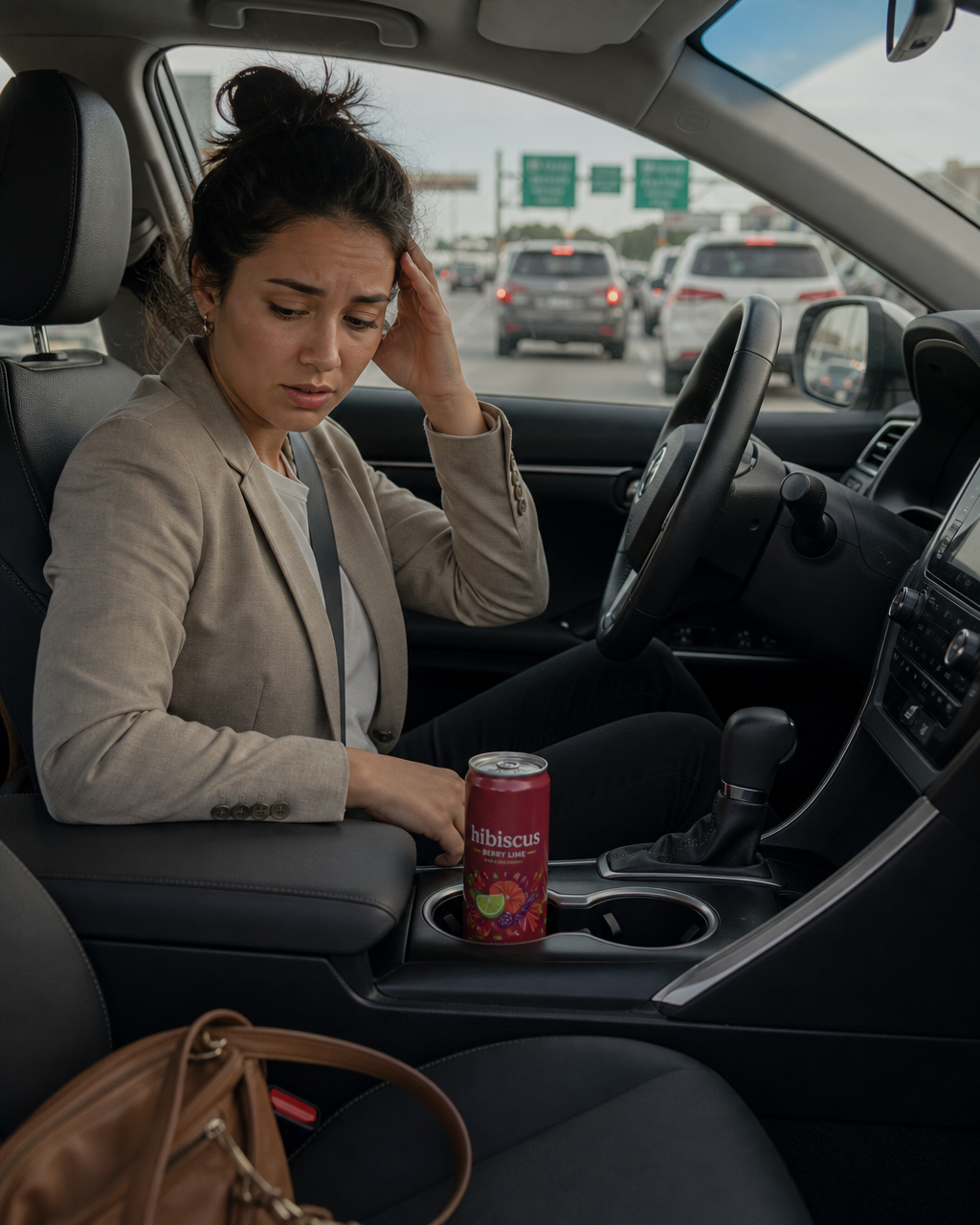
Ran for 4 days, from October 30 to November 3, 2026, the last day Crush saw it.
Run by American Health Support Community on Facebook. Crush is not the advertiser and does not verify its claims. See this ad in Meta's Ad Library(opens in a new tab)
Make your own version of this ad
Crush makes it, launches it in your own Meta ad account, scales the winners and pauses the losers.
About this ad
- Meta Ad Library ID
- 1402727948516674
- Platforms
- Facebook, Instagram, Audience Network, WhatsApp and Threads
- Relaunches
- 0
- EU reach
- 1,440
- Niche
- Fitness & Gyms
Ad text
My father cut out salt. Cut out coffee. Cut out red meat. Cut out everything his doctor told him to cut out. His blood pressure kept climbing anyway. His doctor put him on lisinopril. The number came down on paper. The vessels kept stiffening underneath. And not one doctor ever told him that his pressure was never really coming from the salt shaker, it was coming from vessels that had lost the ability to relax, and a lining inside them that had stopped sending the signal telling them to. Until I found the one thing four years of medication never addressed. For FOUR YEARS my father had been watching his blood pressure climb. He was told at 56 his reading was a little elevated. 138 over 86. His doctor told him to clean up his diet and come back in six months. So he did. Salt gone. Coffee gone. Deli meat gone. Anything in a can gone. Everything his doctor told him was driving the number, gone. He started cooking from scratch. He read every label. He tracked his sodium the way a man tracks his finances when he's in trouble. Six months later the number was higher. 146 over 92. His doctor looked at the chart and said what doctors say. "Probably just genetics. Let's start you on lisinopril." So he did that too. Took it every morning without missing a day. The number came down to 128 over 82. His doctor called it controlled. My father felt exactly the same as he had before. Then the cough started. Dry. Persistent. The kind that catches at the back of the throat halfway through a sentence. He brought it up at the next appointment. He was told it was probably the weather. By year two the morning headaches had become the thing he planned his day around. Awake at six with a band across the back of his skull, and two hours before he could face anyone. Some nights he was awake at 3am for no reason he could name, lying there until the light came. Used to be the man who ran the community garden plot for twelve years. Started showing up late. Started skipping. Started sitting in the car for ten minutes after he parked because he needed a moment before he could face the walk to the gate. The cold hands and feet were the thing nobody mentioned. Cold at the fingertips in a warm room. He bought thermal socks. Turned the heating up two degrees. Started running his hands under the hot tap before dinner. Ten minutes later they were cold again. And every evening there was a sock line pressed into his ankles that took until morning to fade. Sitting there like it belonged. Like it had no intention of changing regardless of what he ate or how far he walked. The brain fog had crept in so slowly he'd almost stopped noticing it. Words that used to come easily taking a half second longer. He'd stop halfway through a sentence at dinner and my mother would land it for him, and he let her, because it was easier than going back for the word. And every six months his doctor looked at the medicated number on the chart and told him the pressure was controlled. The damage was not controlled. The pill only pushes the number down on paper. It does nothing for the worn-out lining that has stopped telling the vessels to relax. So the stiffening keeps building, even when your readings come back fine. That is what was happening. The number looked controlled. The mechanism driving it had never been touched. And every single doctor told him the same thing. "Your pressure is controlled. The medication is working." "Stick with the low sodium." "Come back in six months." "We may want to look at increasing the dose if the number creeps back up." One of them — and this still makes me angry — suggested the morning headaches were just aging. He was 60 years old. He had run that garden plot every Saturday for twelve years. He had dug out and re-laid the entire back patio the summer before his diagnosis, by hand, in August. And a doctor with a chart in front of him told him the headaches were just aging. He went through three doctors in four years. Not one — NOT ONE — ever looked past the reading and asked why the vessels holding that pressure up had stopped relaxing on their own. So here is what they kept telling him to do. And I need you to pay attention because you've probably tried all of this too. The pill, taken every morning without fail. The number came down on paper. The lining kept failing. The vessels kept stiffening. The diet. No salt, no canned food, no deli meat, no takeout. Six months of eating like a man who had already had the stroke and was trying to recover. The number went up anyway. Because the number was never really coming from the salt. Beetroot powder every morning for the nitrates. CoQ10. Garlic capsules. Magnesium and potassium, because that's what the forums said. Every supplement the community recommended. Marginal movement on the number. The hands stayed cold. The headaches stayed. More walking. Then a gym membership. Then a personal trainer twice a week for four months. Lost seven pounds. The reading moved four points. The trainer told him to be patient. Between the appointments, the dietary overhaul, the supplements, the gym membership and the personal trainer, he'd spent over $3,760 in four years. Still climbing underneath the medication. Still waking with the headache. Still cold to the fingertips in July. Still sitting in the car before the garden. And the words "your kidney numbers" had started appearing in conversations with his doctor. At this point I'm not frustrated anymore. I'm scared. Because I'm watching my father, who is doing everything right, taking his pill every morning, stripping his diet to nothing, going to the gym twice a week, watch his doctor start talking about his kidney function while his chart says the pressure is controlled. Managing. The. Number. Not fixing it. Not asking why the vessels holding the pressure up had stopped relaxing on their own. Not asking why a man doing everything right was watching the number creep back up six months after every dose adjustment. Just increasing the dose. Suggesting more dietary restrictions. Checking the cuff. Calling it controlled. And that's when I started asking the questions nobody wants you to ask. Why does every blood pressure protocol focus on forcing the number down when forcing the number down does nothing to repair the vessels holding it up? Why does every recommendation focus on what he eats when your vessels open and close on a signal your own body is supposed to make? Why does the pill push the number down on paper but do nothing for the lining that stopped sending that signal? And why does NOBODY talk about what happens to that lining as men age, and what a worn-out lining is doing to every vessel in his body, every single day? So I went down a rabbit hole. A deep one. I started researching not how to force the pressure down, that had been tried four different ways, but why a man doing everything his doctor told him was still watching the stiffening build while the chart said he was fine. And every mainstream medical site gave me the same recycled answers. Take your medication. Eat less sodium. Exercise more. Lose weight. Manage stress. Be patient. Then I found a line in a research paper that stopped me cold. The inside of every blood vessel is lined with a living layer of cells. That layer makes nitric oxide, the signal that tells the vessel to relax. It does something else too. It holds back a second system, one that does the opposite: it clamps the vessel narrow and tells the kidneys to hold onto fluid instead of passing it. Nitric oxide is the brake on that system. When the lining wears down it makes less nitric oxide, so the brake weakens and the clamping runs unopposed. Tighter vessel. More fluid inside it. More strain on the wall. And that strain wears the lining down further, so it makes even less of the signal. I had to read that three times. It wasn't a decline. It was a circle. The pill that was supposed to be handling it was handling exactly one part of a two-part problem. It was pushing the number down while the thing driving the number kept feeding itself, every single day, for four years. And here's what I learned. The lining failure is three problems. And they feed each other. Problem one. The lining wears out over years of oxidative stress. Poor sleep. Chronic inflammation. Processed food. Long-term medication. Age. A worn lining makes less nitric oxide. That is the body's own instruction to open a blood vessel, and when the tissue that writes the instruction is damaged, the instruction gets quieter. The vessel that should relax on its own stays tight instead. All day. Every day. Problem two. Nitric oxide doesn't only tell the vessel to open. It holds back the system that does the opposite. There is a mechanism in your body whose entire job is to raise pressure. It squeezes the vessel narrow and it tells the kidneys to keep the fluid rather than release it. Nitric oxide is what restrains it. Less nitric oxide, weaker restraint. So the vessel is squeezed from one side and filled from the other at the same time. A narrower pipe with more in it. That is exactly what the pill is aimed at. Lisinopril blocks the enzyme that does the squeezing. The other common ones work on the vessel wall itself, forcing the muscle to stay slack. Both of them work from the outside. Neither of them repairs the lining that is supposed to do it from the inside. You can't force a vessel to relax. You can only let it heal. Problem three. And this is the part I had to sit with for a while. All of that extra pressure, the tighter vessel and the extra fluid and the wall working against both, that strain lands somewhere. It lands on the lining. The same lining that was already worn. So the lining degrades further. So it makes even less nitric oxide. So the squeezing runs freer still. So the pressure climbs. And the climb wears the lining down a little more. It's a circle. Every turn of it makes the next turn worse. That is why the dose creeps. Not because he was failing the treatment. Because a vessel that stiffens a little more each year needs a little more force each year to open the same amount. The pill was chasing a circle that never stopped turning. Three problems. One circle. All running from the same worn-out lining. And all of it invisible to standard blood pressure monitoring, because the monitoring measures the reading. Not lining function. Not vessel elasticity. Not how much fluid is being held. That's why the number kept climbing despite the diet doing everything it was supposed to do. The pressure was never really coming from the salt. It was coming from vessels that had lost the ability to relax and a body that had stopped letting go of fluid. That's why his hands and feet never warmed up, and why the sock line sat in his ankles every evening. The small vessels are the first to stop opening. The fluid goes where gravity puts it. He wasn't cold because he was thin and he wasn't swollen because of salt. His vessels weren't opening and his kidneys weren't releasing. That's why the morning headaches. The brain fog. The 3am waking. The dizziness when he stood up too fast. And that's why the cough. The one three doctors told him was unrelated. That's the pill blocking the enzyme, and the cough is what the blocking costs. The swelling. The dizziness. The cold hands. The fatigue. They call those side effects. They're not side effects. That's the price of prying open a vessel that is still dying underneath. He wasn't doing anything wrong. The pill was structurally incapable of breaking a circle it was never designed to touch. And every symptom he had was coming off that circle at once. And here's the part that made my blood boil. The role of the endothelial lining in blood pressure regulation is documented. The connection between oxidative damage and impaired nitric oxide production is in the research literature. The mechanism connecting a failing lining to fluid retention and arterial stiffness has been published and replicated for decades. The downstream effects on circulation, cognition and kidney function are understood. But the clinical protocol for blood pressure that doesn't fully respond to medication doesn't include an assessment of endothelial function. Doesn't measure the vessel's ability to relax on its own. Doesn't evaluate the oxidative damage degrading the lining. Doesn't ask whether the tissue that's supposed to open the vessel is the problem that no dose increase will ever touch. Because there's no pharmaceutical drug that repairs an endothelial lining. You can't patent a vessel that opens on its own. There's no money in telling someone their lining needs to recover for the pressure to come down. There IS money in increasing the dose when the number creeps back up. There IS money in adding a second blood pressure medication when the first stops fully working. There IS money in the appointment every six months checking the cuff while the circle keeps turning underneath. Manage the number. Never repair the vessel. Keep the patient returning indefinitely. So I kept digging. Looking specifically for what restores the lining. Not what forces the number down downstream, not what manages the symptoms after the fact. What actually repairs the tissue so the vessel can do the job it was always supposed to do. And I found one compound that kept appearing in peer-reviewed research as the specific solution. Anthocyanins. When I looked up which plants carry the most of them, the same name kept coming back. Hibiscus. The deep red flower. The tart tea they serve at Mexican restaurants. I almost closed the tab. Then I read what it does to an endothelial cell. Anthocyanins work directly on the lining, clearing the oxidative damage that has been wearing it down for years. When the lining recovers it starts making nitric oxide again, and the vessel relaxes on its own instead of being forced. And there is a second set of compounds in the same flower that does the other half of the job. They check the squeezing system directly, so the kidneys release the fluid they've been holding onto. Both sides of the circle at once. The vessel opens. The fluid clears. The strain comes off the lining. And the circle stops turning. But here is the problem. Basically every hibiscus tea on the shelf is dust. Broken petal fragments and stem, grown fast at low elevation, dried with heat, and sitting in a warehouse for a year. And anthocyanins are fragile. Heat destroys them. Breakage destroys them. Time destroys them. That's why if he had tried hibiscus tea before, and he had, it did nothing. The compound that needed to reach the lining wasn't in the cup. It has to be whole flower. It has to be grown slowly at high altitude, where the plant produces more of the compound to protect itself. And it has to be dried gently, not blasted with heat, or there is nothing left to brew. So I went looking for a tea that matched what the research described. First, the highest-rated hibiscus tea on Amazon. Five stars. Thousands of reviews. I ordered it for him. Eight weeks. Nothing moved. Same headache. Same cold hands. Same sock line. Same number creeping back toward where it was before the dose increase. Exactly the same pattern as everything else he'd tried. Second, a well-known wellness brand's hibiscus berry blend. Ten weeks. Colour looked better in the cup. Number unchanged. The lining still degrading. The circle still turning. So I went back to the papers and read the methodology properly. And I found the part I had skipped. Every one of those studies used hibiscus with a known amount of anthocyanins in it. Not "contains hibiscus." An actual measured quantity, confirmed by a laboratory that didn't work for the company selling it. That's the whole reason the results were repeatable. They knew what was in the cup. He pulled both boxes out of the cupboard and we read them side by side. The first had no origin, no elevation, no anthocyanin content anywhere on the box. He tore a bag open and tipped it out on the counter. Dust and stem fragments. Heat-dried. The compound that needed to reach the lining was destroyed before it was ever packaged. The second had whole petals, but blended with rosehip and orange peel, grown at low elevation. No stated amount of anything. No lab report. Nobody had ever measured it. It was a fruit tea with a wellness label on it. Eighteen weeks on products that couldn't reach the mechanism at any meaningful level. Between the pill, the appointments, the dietary overhaul, the supplements, the gym membership, the personal trainer and two rounds of the wrong hibiscus, he'd spent over $3,760 in four years. I was at his house one Sunday, because his next appointment was coming and his doctor had now mentioned an echocardiogram to look at the wall of his heart directly, and I mentioned to his neighbour what I'd been researching. His neighbour. Two doors down. Different age. Same story. Same medication that kept the number manageable on paper while the vessels kept stiffening. Same headache on waking. Same cold hands that wouldn't warm up. He'd found the endothelial mechanism. Tried PiPi Tea. Told me what happened. Fourteen points off the top number at ten weeks, on the same dose. Headaches gone by week three. Hands warm by week five. Next appointment, his doctor asked what had changed. "Organic whole flower hibiscus. Hand-picked, grown at high altitude, gently dried, and actually measured. 80 milligrams of anthocyanins in the cup, with a third-party lab report to prove it. The supermarket stuff is dust and stems dried with heat. The compound isn't in there at any level that matters, and what little is left is oxidised before you open the box. This one has it." I went to their site. Ready to be disappointed like I had been every other time. Organic whole flower hibiscus. Not fragments. Not stems. Hand-picked at high altitude. Gently dried, never heat-processed. 80 milligrams of anthocyanins per cup, third-party lab tested, certificate published. No fillers. No additives. No blend. Nothing in the bag but the flower. Not a blood pressure supplement forcing the number down downstream. A tea that clears the oxidative damage, lets the lining make its own signal again, takes the squeeze and the fluid off at the same time, and breaks the circle that four years of medication had never touched. My father started drinking PiPi Tea. Two cups a day. After two weeks? He called me on a Thursday evening. "Woke up without the headache." Not dramatic. Matter of fact. The way a man reports something he's been waiting four years to say without wanting to jinx it. His morning readings had been running 144 over 92. That week they averaged 138 over 89. Small. He didn't make anything of it. After three weeks? He was at the garden plot. Standing at the gate. Not sitting in the car. Not showing up late. Working the beds the way he used to. He texted me a photo of the first tomatoes. No caption. I knew what it meant. After four weeks? The brain fog. He was at dinner and told the whole story about the storm in '78 all the way through. Start to finish. Nobody landed it for him. My mother looked at him across the table afterward and didn't say anything. She just smiled. I knew what that meant too. After six weeks? His feet. He called me not because of a number but because he'd gone to bed without socks for the first time since March. "It doesn't feel like the room being warmer," he said. "It feels like something opened up." Because it had. Small vessels responding to a lining that was finally making its own signal again. Morning average that week: 133 over 85. After eight weeks? His wedding ring went back on. It had been in the dish on his dresser since the previous autumn because his fingers wouldn't let it past the knuckle. The sock line in his ankles was gone by nine in the evening instead of still there in the morning. Two-week morning average: 129 over 83. The number that had climbed through every diet, every gym session, every dose increase, moving for the first time in four years. He sent me a photo. His hand on the kitchen counter with the ring on it. He was smiling. I knew what that meant. After twelve weeks? He went back to his doctor. His doctor took the reading. Looked at him. Took it again. "126 over 80. Your top number is down eighteen points on the same dose of lisinopril. Your morning readings are the steadiest I've seen since we started. Your resting pulse has come down too. What changed?" My father explained it. The worn-out lining that had stopped telling his vessels to relax. The squeezing that ran unopposed once the signal went quiet. The fluid his kidneys had been holding onto. The pill forcing the vessel open from the outside while the circle kept turning underneath. And the anthocyanins clearing the damage so the lining could make its own signal again. His doctor typed notes slowly. "The role of endothelial function in blood pressure is well established. It's not part of the standard protocol because there's no pharmaceutical intervention that restores it. We typically address the reading directly." "There's not a pharmaceutical for it," my father said. "There's a botanical one. And it broke the circle." Long pause. "Your numbers have improved more in twelve weeks than they did in four years of medication alone. Keep taking your lisinopril. Every morning. Same dose. And whatever else you're doing — keep doing that too." He walked to his car. Got in. Then he called me. "126 over 80. Eighteen points. Steadiest readings since we started. She said keep doing it. Four years. Three doctors. $3,760. Pill every morning. Cutting out everything I liked. Every single one of them managing the number while the vessels kept failing underneath." He worked the plot for three hours the next Saturday. Didn't sit in the car once. Total improvement at five months: 122 over 78, holding, on the same dose. Morning headaches gone. Hands and feet warm. Ankles clear. Brain fog gone. Sleeping through to morning. Cough gone. Ring back on. Back at the garden. Back at the dinner table. Back. Not from a higher dose managing the number while the circle kept turning. From breaking the circle that was driving it in the first place. This is what they don't want you to know. Because the second the lining recovers and the vessel gets its own signal back, the circle stops. A number that was never just a force problem stops needing more force. A stiffening that no dose increase was ever going to slow starts slowing. And the appointment every six months stops being the only thing standing between you and the wall of your heart getting thicker. The lining recovers. The vessel relaxes. The fluid clears. The pressure comes down, actually comes down. And the strain that was wearing the lining down stops arriving. The way it would have four years ago, if someone had looked past the reading and asked why the vessels holding it up had stopped relaxing. Now here's what I need you to understand. The lining doesn't repair itself. Every month it stays damaged is another month of the circle turning. Another month of vessels that can't relax. Another month of fluid your kidneys won't release. Another month of the wall thickening to keep up. Another month of the headache on waking. Another month of the fog. Another month of hands that won't warm no matter how high you put the heating. Another month of sitting in the car before the garden because you don't have what it takes to walk to the gate. And every month your doctor gets closer to an echocardiogram conversation. Then a conversation about the thickening in the wall of your heart. Then a conversation that stops being about numbers and starts being about a stroke. So if you're dealing with ANY of this. A reading that keeps creeping despite cutting everything out. A medication that controls the number on paper while you still feel terrible. A headache that's there before you're properly awake. Hands and feet that stay cold in a warm room. A sock line in your ankles at the end of every day. A doctor who calls it controlled while the dose keeps going up. This is the time. Not next month when the number creeps back up. Not when your doctor mentions the echocardiogram. Not when you're sitting in a waiting room wondering how it got this far. Right now. P.S. PiPi Tea. Organic whole flower hibiscus, hand-picked at high altitude and gently dried, with 80 milligrams of anthocyanins in every cup. The compound that clears the oxidative damage, lets the lining make its own signal again, and takes the squeeze and the fluid off at the same time. Third-party lab tested. Certificate published. No fillers. No additives. No blend. Nothing in the bag but the flower. P.P.S. They have a 90 day money back guarantee. Drink every last cup. If the headaches don't lift, if the number doesn't move, if your hands don't warm up, if the mornings don't get steadier, full refund. No questions asked. https://shop.pipitea.com/hbt/sp-nm P.P.P.S. Because your doctor isn't coming to repair the lining inside your blood vessels. There's no protocol for it. There's no pharmaceutical for it. There's no revenue in it. You have to do it yourself. My father got four years back. Your family needs you around a lot longer than four years. https://shop.pipitea.com/hbt/sp-nm — Rachel Boyd
Where the ad sends people
shop.pipitea.com
Natural Relief in Weeks
Learn more: shop.pipitea.com(opens in a new tab)