
Inactive· since Dec 22, 2025
- 49
- days it ran
- 0
- relaunches
Ad copy
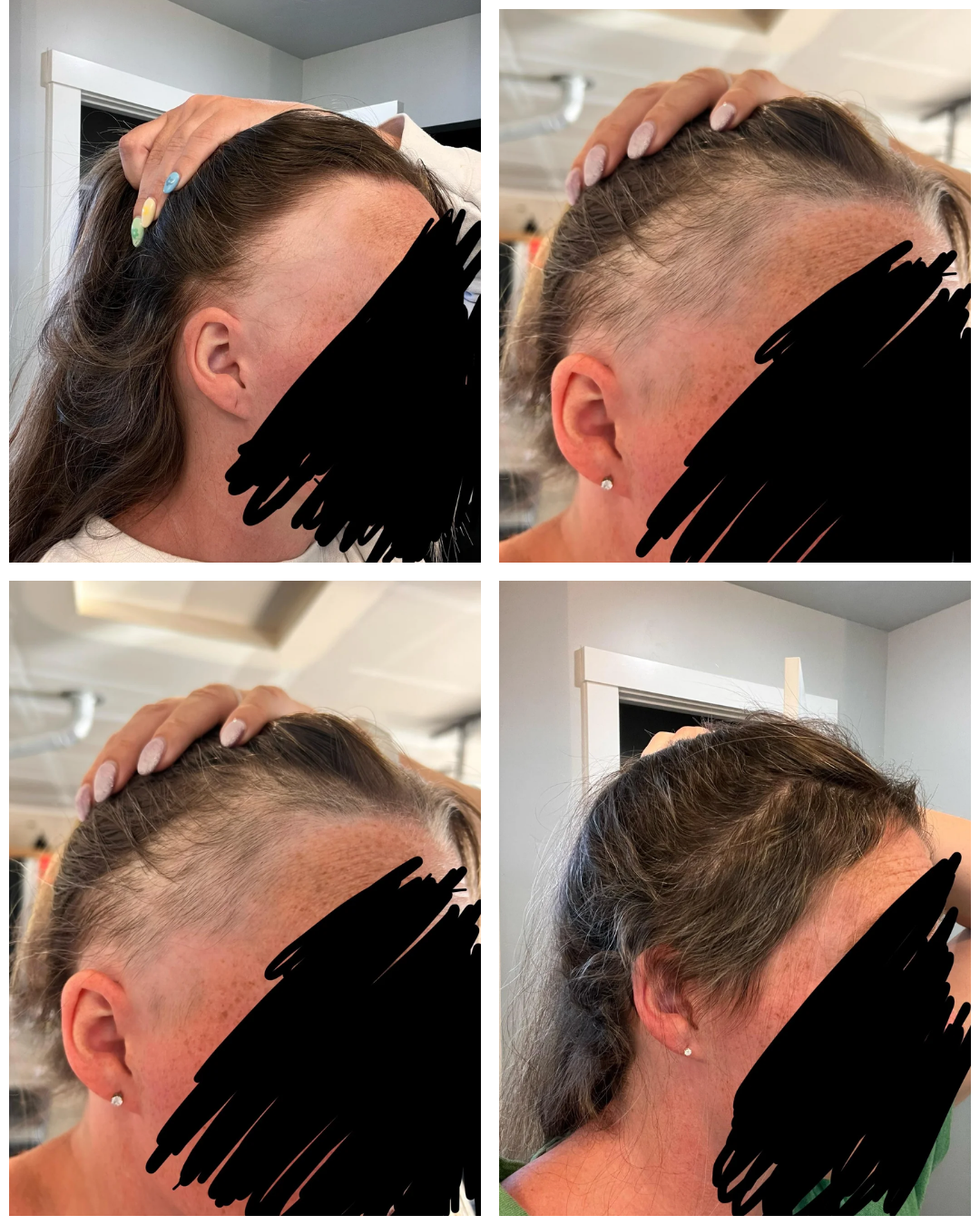
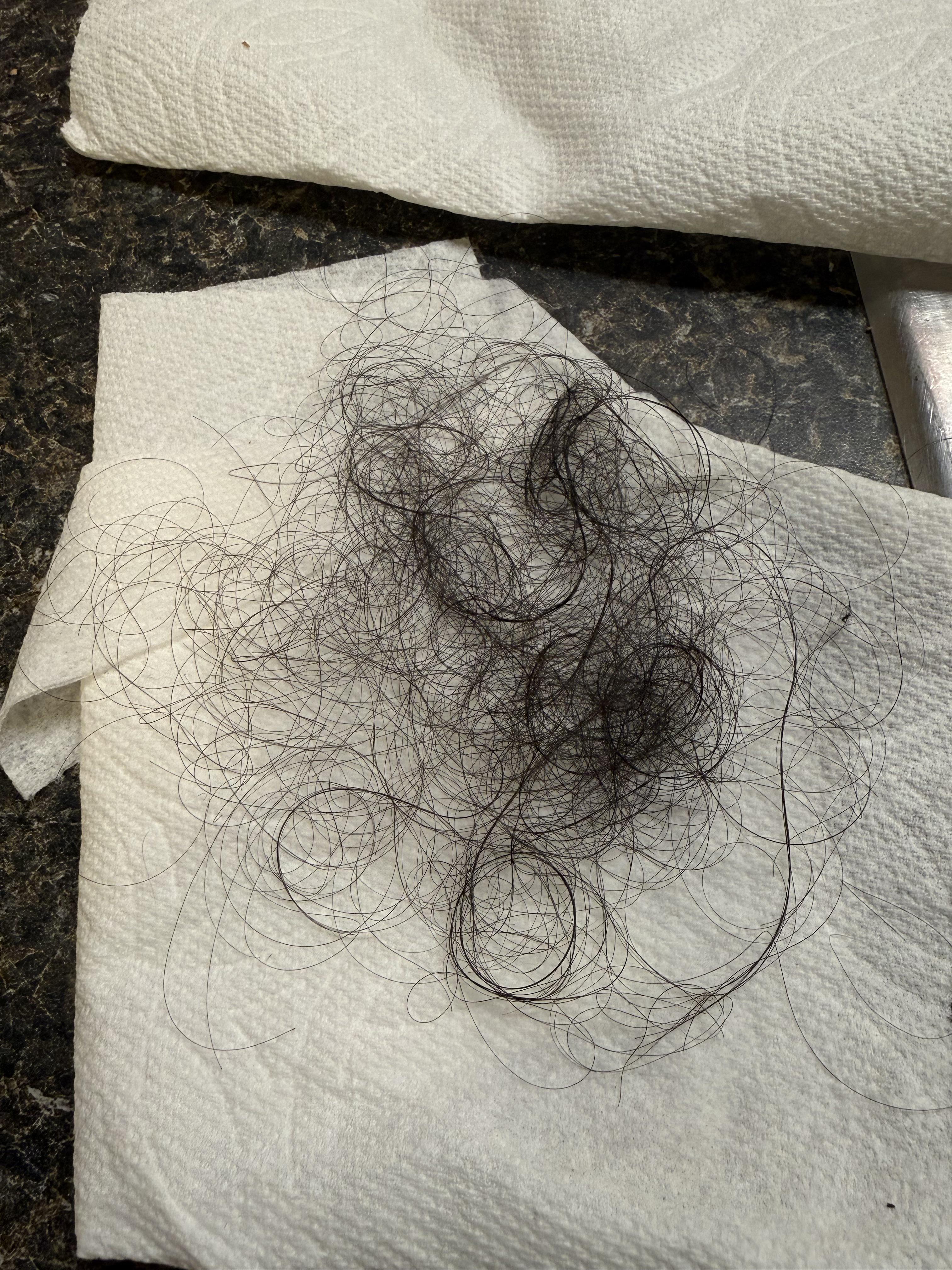
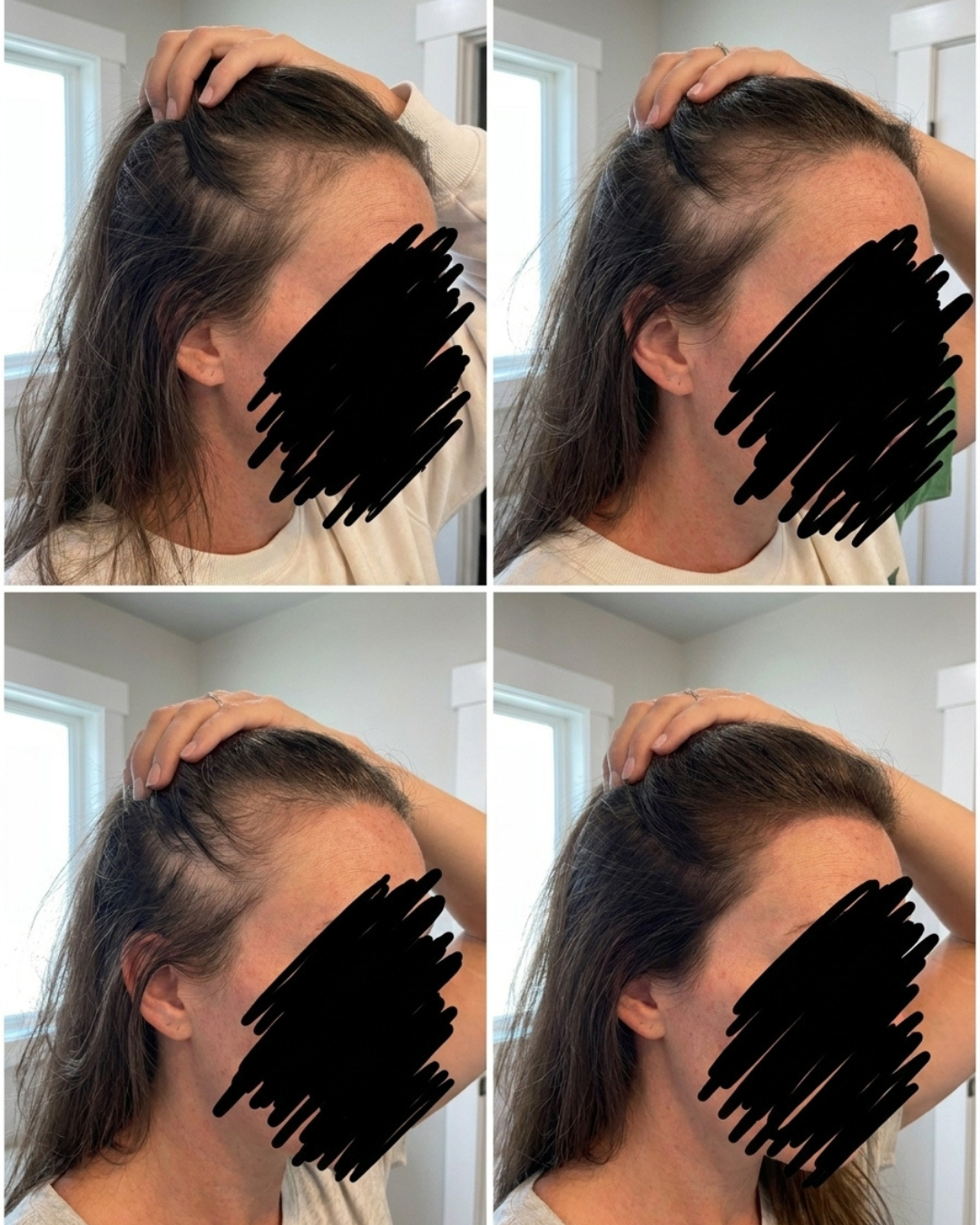
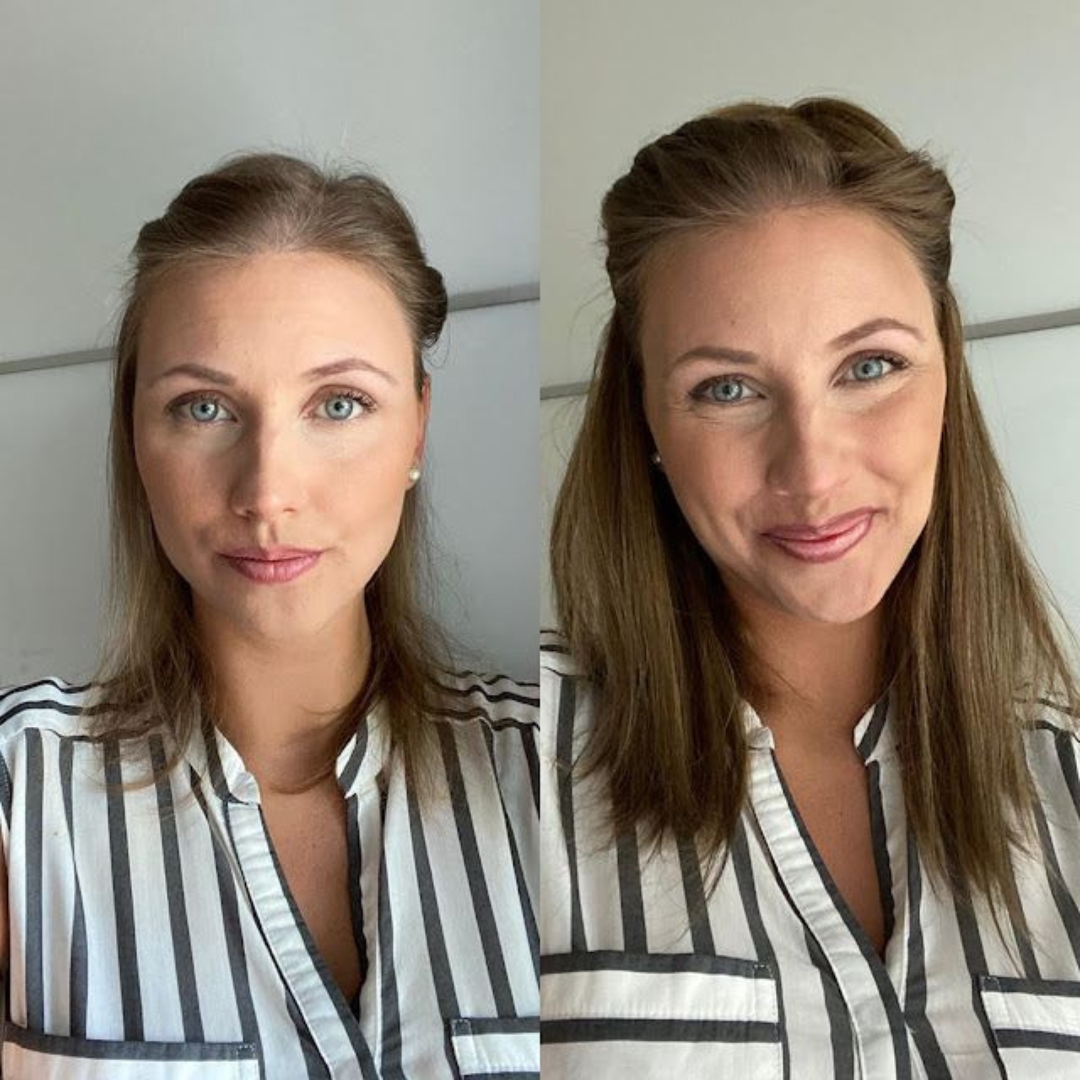
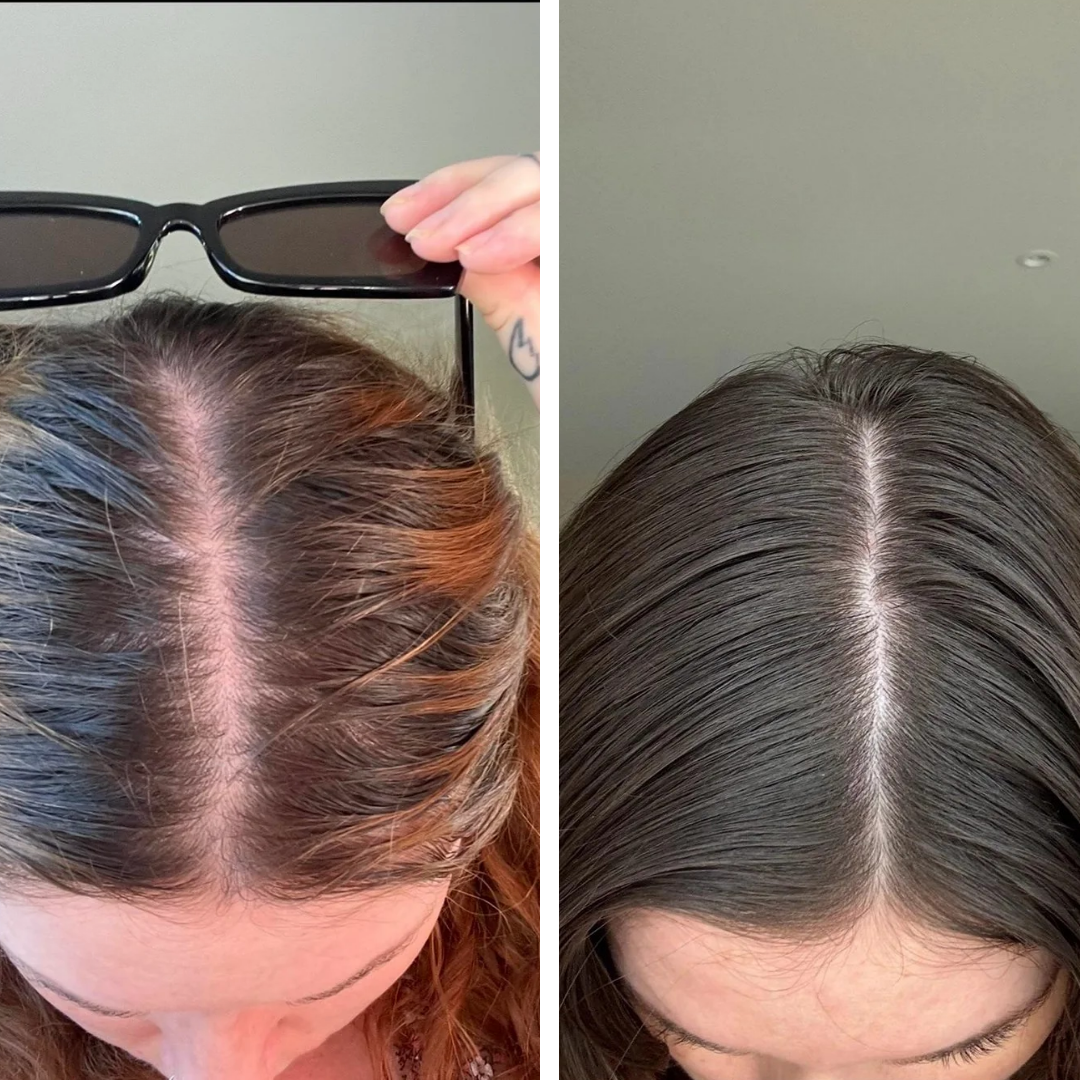
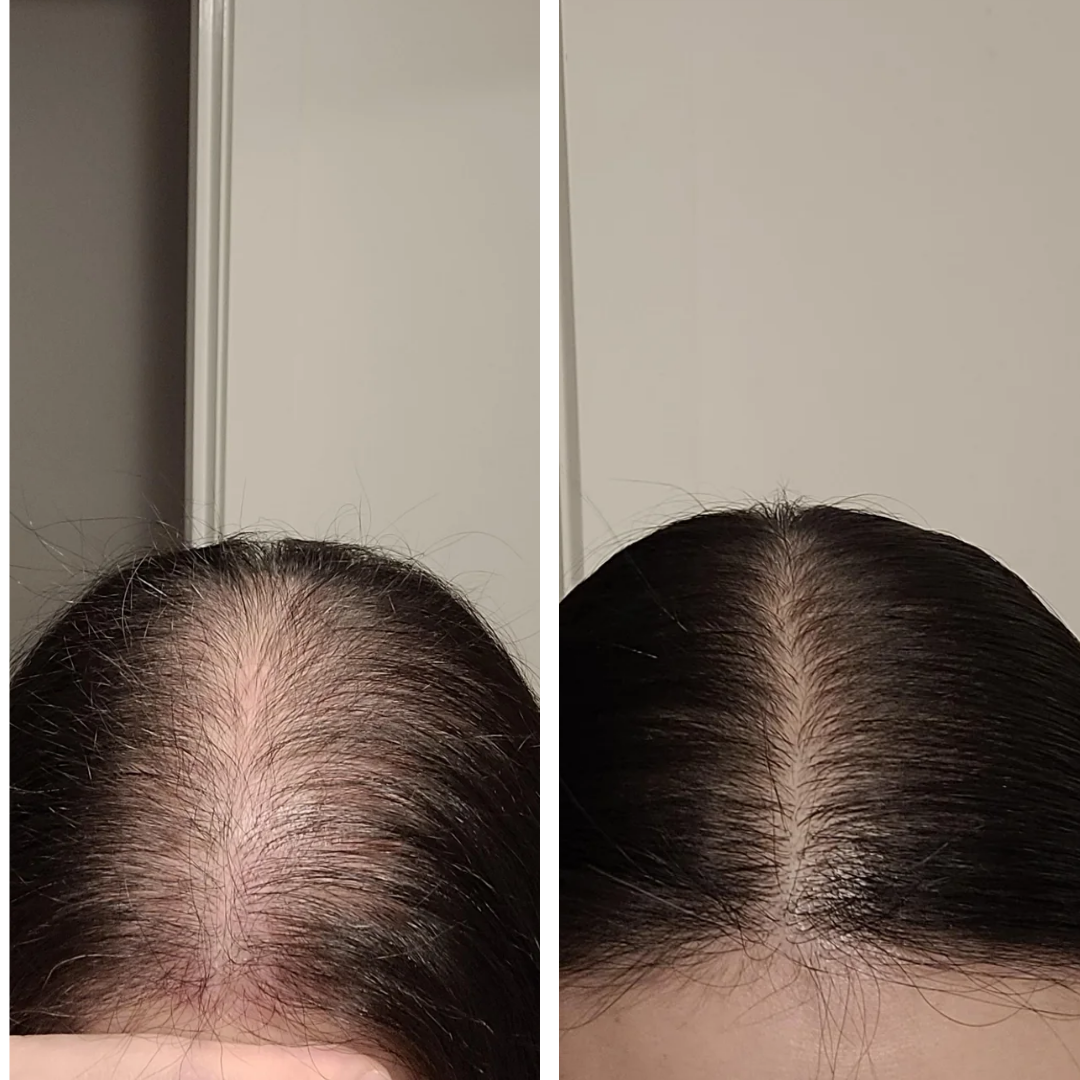
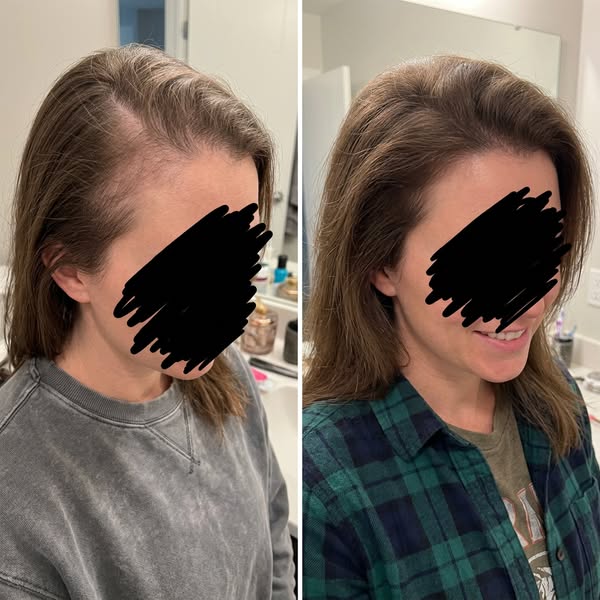
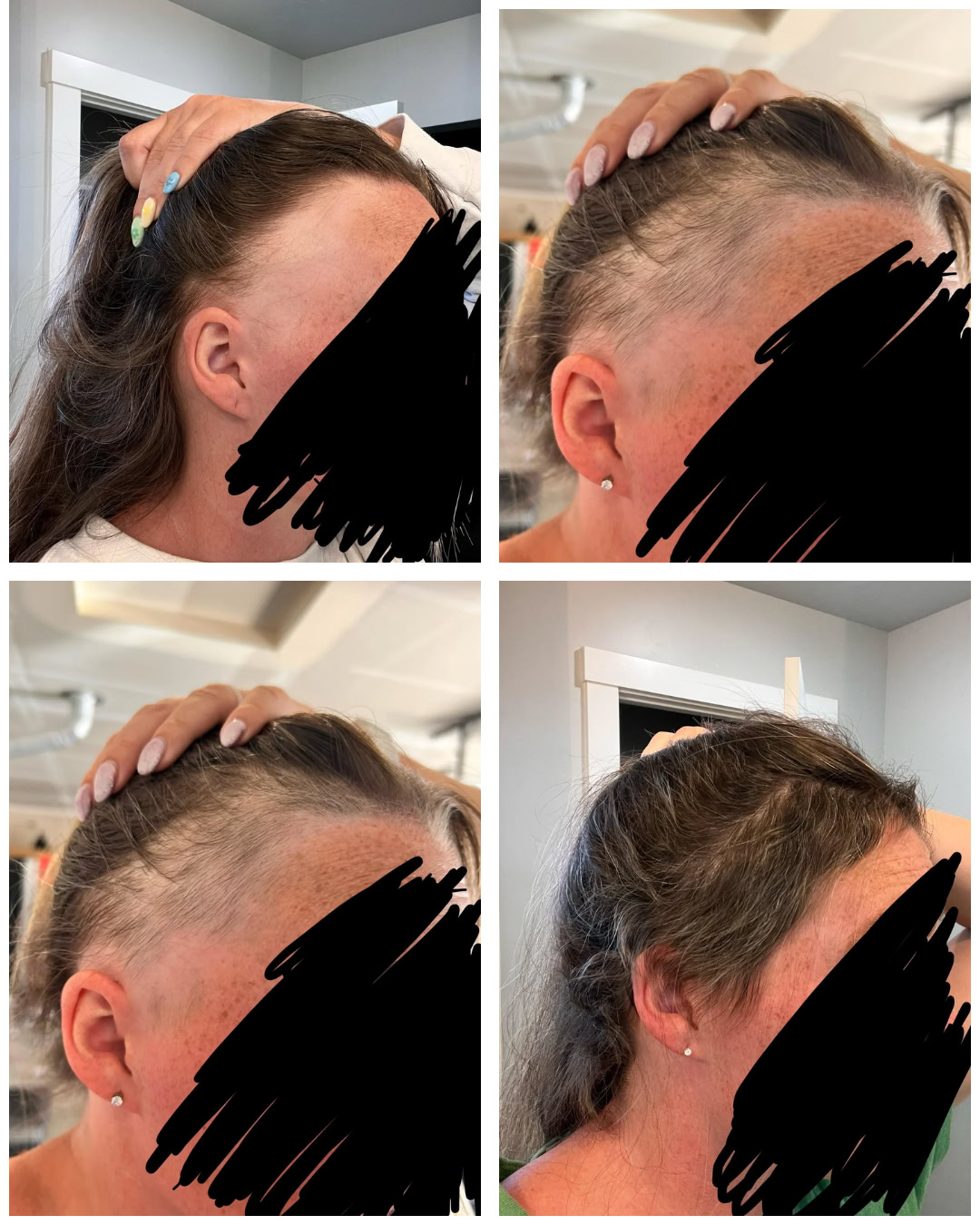
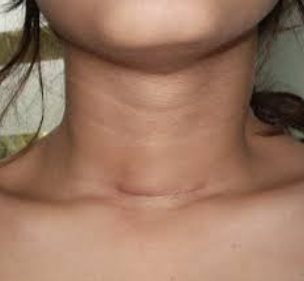
DO NOT get a thyroidectomy before reading this 👇 Women who've had thyroidectomies (or who are considering getting one) keep losing their hair even when their replacement therapy is working perfectly. Your TSH is fine. T4 is stable. Ferritin, vitamin D, B12—everything LOOKS good on paper. But you're losing handfuls in the shower every morning. Your ponytail is getting thinner every week. And nobody can explain why. You just went through surgery. You're taking medication every day for the rest of your life. You were told this would make you feel better. And instead, your hair is falling out worse than before. Of course you're stressed. Who wouldn't be? But here's what everyone's getting wrong. Most doctors think the hair loss after thyroidectomy is just telogen effluvium, right? That temporary shedding that happens after surgery or stress. It's supposed to stop after 3 to 6 months once your body adjusts. But for thyroidectomy patients, it doesn't stop like it's supposed to. I've watched women wait 6 months, 9 months, even a year. Their hair still doesn't come back. Some lose 60%, 70% of their hair. I know because I was one of them. I thought getting my thyroid removed would finally end my problems. That's what I told myself when my endocrinologist recommended a total thyroidectomy. I'd been dealing with Hashimoto's for three years—the fatigue, the brain fog, the constant weight fluctuations, the anxiety that came out of nowhere. But the hair loss? That's what was destroying me. My hair had been falling out in clumps for over a year. My ponytail went from thick and full to pathetic. I could see my scalp under any lighting. I looked sick even when I didn't feel sick. My doctor said removing my thyroid would stabilize everything. No more flares. No more antibody attacks. No more unpredictable symptoms. "Once we get your levels stable on medication, everything should improve. Including the hair loss." So I did it. Total thyroidectomy in March 2023. Recovery wasn't easy, but I pushed through. Started on Synthroid 125mcg. Went back for follow-up labs every six weeks. And you know what? Most of my symptoms DID improve. The crushing fatigue lifted. My brain fog cleared. My weight stabilized. I could function like a normal human being again. But my hair kept falling out. Not less. Not slowing down. If anything, it got worse. Three months post-surgery, I was still losing massive amounts every single day. Clumps in the shower. All over my pillow. On my clothes. Everywhere. I went back to my endocrinologist. "My hair is still falling out. It's been three months." She pulled up my labs. "Your TSH is 1.8, that's perfect. Your T4 is right where we want it. Give it more time. Post-surgical shedding can take 6-9 months to resolve." So I waited. Six months post-surgery. Hair still falling out. Nine months. Still shedding. A year. My hair was thinner than it had ever been, even before surgery. I'd lost over 60% of my hair density. My part looked like a highway. I had to wear hats constantly. I avoided photos. I felt like I'd traded one nightmare for another. I went back again. "It's been a year. My hair hasn't stopped falling out." She looked at my labs again. "Your thyroid levels are perfect. Maybe it's stress? Have you tried managing your stress better?" I wanted to scream. I just had my thyroid surgically removed and I'm losing my hair for a year straight. Of COURSE I'm stressed. That's when I started digging on my own. I spent hours reading medical journals, research studies, anything I could find about thyroidectomy and hair loss. That's when I found a study from the National Institute of Health that changed everything. Here's what it said: Thyroid replacement medications—Synthroid, Levothyroxine, Armour, NDT, all of them—can spike DHT levels in your scalp. DHT is the same hormone that causes male pattern baldness. And when DHT builds up in your scalp, it physically shrinks your hair follicles. Makes them weaker and smaller until they literally can't produce hair anymore. That's why post-thyroidectomy hair loss LOOKS like telogen effluvium—the shedding, the clumps, the timeline that never ends. But it's not temporary stress shedding. It's DHT actively shrinking your follicles. And if it's left untreated, it becomes permanent. Once DHT shrinks your follicles past a certain point, they can't recover on their own. They just stop producing hair. That's why waiting doesn't work. That's why "managing stress" doesn't work. That's why biotin and Nutrafol and all the supplements don't work. Because the problem isn't nutritional. It's hormonal. I sat there at 2 AM reading this study over and over, feeling this mixture of validation and rage. Validation because I finally understood what was happening. I wasn't crazy. There WAS a reason my hair wouldn't stop falling out despite "perfect" labs. Rage because my doctor never mentioned this. Never tested DHT. Never told me that the medication keeping me alive could also be destroying my hair. I kept reading. Found research on natural DHT blockers—adaptogens that can regulate DHT levels and reverse what it's doing to hair follicles. Saw palmetto, pumpkin seed oil, pearl powder, aloe vera, sea moss—all shown in research to block DHT and support hair regrowth. Plus they're rich in the minerals thyroid patients are often deficient in—iron, zinc, magnesium—along with vitamins that support scalp health. I started looking for supplements that actually had these ingredients at clinical doses. Most had one or two. None had all of them at the levels the research showed actually worked. Then I found Hair Revive by Balmbare. It was specifically formulated for thyroid patients dealing with hormone-driven hair loss. All the adaptogens at full clinical strength. No gluten, no dairy—clean ingredients that wouldn't trigger inflammation. And reviews from women post-thyroidectomy saying it actually worked when nothing else did. I ordered it that night. It arrived three days later. Little gummies that tasted like berries. Two every morning with my Synthroid. I told myself not to hope. I'd been disappointed too many times. The first three weeks, nothing changed. Same shedding. I thought here we go again, another thing that doesn't work. But week four, I noticed less hair in my shower drain. Not dramatically less. But noticeably less. Week five, the clumps on my brush were smaller. Week six, my hairdresser—who I'd been seeing for eight years—stopped mid-cut and said "Wait. Your hair feels different. Thicker. What are you doing?" I almost cried right there in her chair. By week eight, I could see baby hairs growing along my part. Little sprouts that hadn't been there in over a year. Week twelve, my ponytail felt thick when I pulled it back. Not like before surgery, but getting there. It's been six months now. My hair isn't back to what it was before Hashimoto's destroyed it, but it's close. The shedding is normal—30, 40 hairs a day, not handfuls. My part looks like a part again, not a highway. I don't avoid mirrors anymore. I'm still on Synthroid 125mcg. My TSH is still 1.8. Nothing changed with my medication. What changed was finally addressing the DHT that my medication was causing and nobody warned me about. I'm sharing this because I know you're where I was. Post-thyroidectomy, watching your hair fall out month after month, being told "your labs are fine, just give it time." But time doesn't fix DHT. Waiting doesn't reverse follicle shrinkage. And if you wait too long, the damage becomes permanent. If you've had your thyroid removed and your hair won't stop falling out even though your replacement therapy is working... If you're considering thyroidectomy and terrified you'll lose your hair afterward... If your doctor keeps saying your labs are fine but your hair says otherwise... You're not crazy. There's a reason this is happening. And it can be fixed. The gummies I use are Hair Revive by Balmbare. They're specifically formulated for people on thyroid replacement therapy dealing with DHT-driven hair loss. Saw palmetto and pumpkin seed oil to block DHT, adaptogens to rebalance hormones, minerals and vitamins to support regrowth. They have clinical testing showing 92% of thyroid patients saw shedding drop by 68% within four weeks. And they have a money-back guarantee. Click below to learn more about what worked when "perfect labs" and "just wait" didn't. You didn't go through thyroidectomy just to lose your hair for the rest of your life. Your thyroid is gone. Your medication is working. But your hair is still falling out because of a hormone nobody's addressing. That can be fixed. And you deserve that fix instead of being told to just manage your stress better.
Like this ad? Make it yours.
Crush rebuilds this exact creative around your product — your brand, your colors, your offer — in about a minute.