Rachel Miller
Rachel Miller Facebook ad: “Foot Pain? It's Trapped Fascia”
Ran for 4 days, from August 5 to August 9, 2026, the last day Crush saw it.
Run by Rachel Miller on Facebook. Crush is not the advertiser and does not verify its claims. See this ad in Meta's Ad Library(opens in a new tab)
Want an ad like this for your product?
Crush makes new ad images for your product from this ad: your logo, your product photo, your offer.
Trials from $19.95 USD, then $79.95 USD a month. Cancel anytime.
About this ad
- Meta Ad Library ID
- 1405610364823383
- Platforms
- Facebook, Instagram, Messenger and Threads
- Relaunches
- 0
Ad text
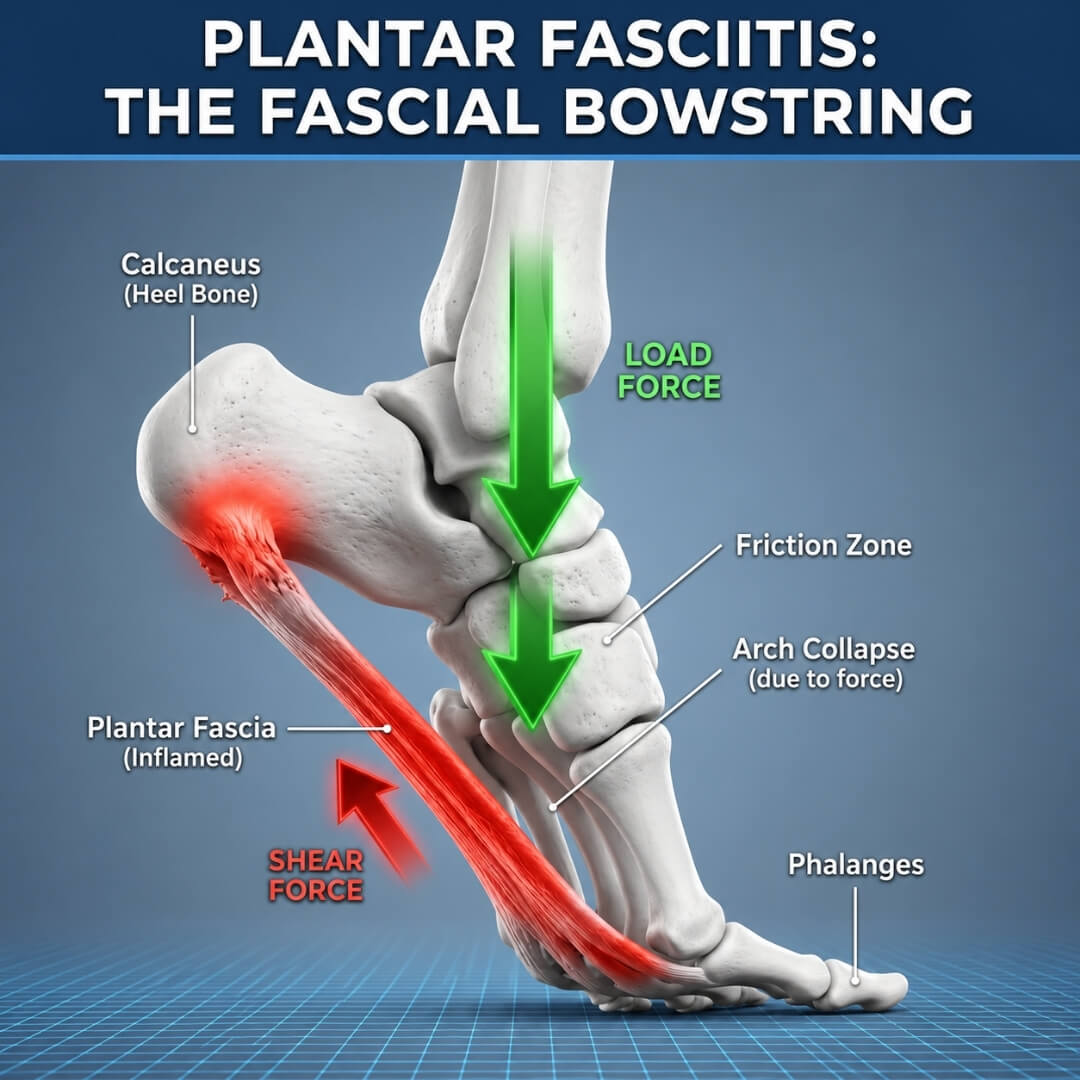
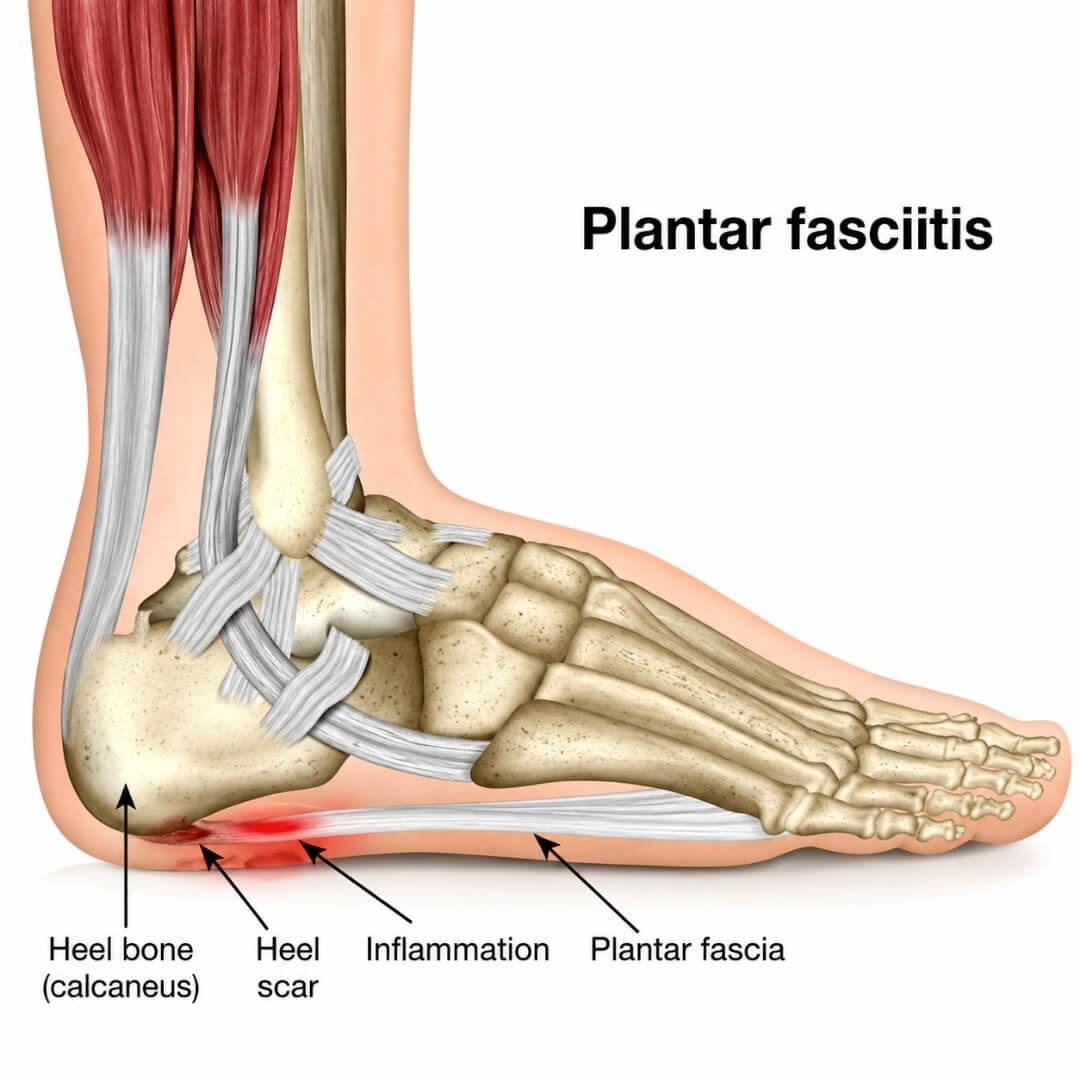
My daughter sat me down and told me she was putting me in a care home, and what happened next nearly killed me. Literally. Hello, my name is Linda. I'm a 62-year-old grandmother of three. And right here in this post, I'm going to share the most devastating conversation of my entire life... and what happened immediately after that almost ended it. So let me start from the beginning. I wasn't always like this. In my forties and early fifties, I was active. I walked the dog every morning. I did the garden at weekends. I kept up with my grandchildren. I wasn't running marathons - I was just living my life, moving through it the way you do. I'd wake up a bit achy some mornings, but I thought nothing of it. That's just what happens, isn't it? You get a little stiff, you stretch, you carry on. Then around 54, my feet started giving me trouble. Not badly at first. Just a twinge in my heel when I got out of bed. A bit of stiffness in my arch that took longer and longer to walk off. My doctor said it was plantar fasciitis and gave me a sheet of stretches. I stopped the morning walks because my feet would be screaming by the time I got home. Then it spread to both feet. Some mornings I couldn't walk to the bathroom without gripping the wall. I'd stand there at the bathroom sink, hunched over, waiting for the stabbing to ease enough to take another step. I stopped doing the garden. Being on my feet for more than twenty minutes was out of the question. Even standing at the stove long enough to cook dinner made my arches feel like they were tearing apart. I tried turmeric because my friend Janet swore by it. I tried glucosamine pills the size of horse tablets. I tried a foam roller, a frozen water bottle under my foot, topical creams that smelled like a pharmacy. Nothing made much difference. I went back to my doctor. He looked at my chart, looked at my age, and gave me the same answer: "Plantar fasciitis can be stubborn, Linda. Welcome to your sixties." He wrote me another prescription for ibuprofen and sent me on my way. By 57, I wasn't really doing much at all. Not by choice. Because everything I used to do now cost me two or three days of foot pain afterwards. I'd walk to the mailbox and spend the rest of the morning in my recliner with my feet up because the stabbing wouldn't stop. I'd try to help carry groceries from the car and pay for it with pain that lasted the rest of the week. I'd look in the mirror and see someone I didn't recognize. Not because of how I looked - because of how I moved. This careful, hobbling, guarded woman who calculated every step before she took it. She wasn't who I was. But she was who I'd become. I went to my doctor. Told him the pain was getting worse despite doing everything he'd told me to do. He looked at my chart, looked at my age, and said the words I'd hear a hundred times: "Keep stretching, Linda. Stay off your feet when it flares. Try better shoes." Stay off my feet. Keep stretching. With feet that punish me for walking, standing, cooking, shopping, and existing. Thanks. Very helpful. So I did what you do. I tried harder. I did physical therapy. Twice a week. Calf stretches. Towel scrunches. Resistance bands. $150 a session. My therapist kept saying "you need to be more consistent" like I wasn't trying. My feet flared after every session. I got custom orthotics. $450. Wore them every day for six months. Helped me stand a little longer. Didn't reduce the pain. I bought every shoe brand they recommended. Hokas. Brooks. Skechers. $600 worth. Each pair felt promising for a week. Then the same stabbing came back. I wore a night splint for three months. Uncomfortable, wrecked my sleep. Barely any difference. I tried PRP. $800 out of pocket. Weeks of limited mobility. No meaningful improvement. Every Monday was a fresh start with a new approach. Every Friday was the same pain. Every month, my world got smaller and my hope got quieter. Do you know what that does to you? When you're doing everything right, you're exhausted from the pain, and your body just refuses to respond? You start to think there's something fundamentally broken inside you. I had imaging done. X-rays showed nothing surgical. "Normal for your age." Everything was always "normal for my age." I wanted to scream. At 59, I gave up. I stopped starting new treatments. Stopped trying new shoes. Stopped taking the turmeric and the glucosamine - they weren't doing anything anyway. Started accepting that this was just my body now. That the woman I used to be was gone and this hobbling, careful, limited version was who I'd be for the rest of my life. My daughter Sarah said she didn't mind. "You're still you, Mom." Sweet girl. But I minded. Here's the thing about losing your body gradually - you don't notice the accumulation. First it was Sarah doing the grocery shopping for me. "I'm going to the store anyway, Mom. I'll drop yours off." Then she started driving me to appointments. "It's no trouble. I'm in the area." Then she was coming over to take the trash out because I couldn't walk the bins to the curb without my feet seizing up. Then she was cleaning my bathroom because I couldn't stand long enough to scrub the tub. Then she was cooking meals in batches and bringing them over because standing at the stove for more than ten minutes made my feet scream. Each thing was so small on its own. So reasonable. So gradual. I didn't see what was happening. I just thought my daughter was being kind. She was. But she was also watching her mother disappear. And then one Thursday afternoon - and this is the part that changed everything - Sarah came over with the groceries. She put the bags on the counter. Started the coffee maker the way she always did. Set out two mugs. But she didn't start unpacking the bags. She pulled out a chair at the kitchen table and sat down. Her face looked different. She looked nervous. She looked like she'd been rehearsing what she was about to say. She told me we needed to talk. The way she said it made my stomach drop. I sat down across from her, my heart already racing. She couldn't look me in the eye at first. She stared at the table. Then she took a breath. She said she'd been thinking about this for months. That she'd been worried about me. That she'd noticed things getting harder - I wasn't going anywhere anymore, wasn't cooking, wasn't walking. That she'd been coming over more and more, and she didn't mind, she really didn't, but she wasn't always going to be ten minutes away. Her husband David had been offered a job. In Denver. They were seriously considering it. And she said - and I can still hear every word - "Mom, I've been looking at places. Places where you'd have real support. Where you wouldn't have to struggle with everything on your own." I stared at her. A care home. My daughter, my Sarah, was telling me she was putting me in a care home. At 62 years old. Time stopped. I remember sitting there, gripping the edge of the kitchen table, trying to process what I'd just heard. My mind raced. Was I really that bad? Had it really come to this? I still made my own coffee. I still watched my shows. I still... what? What did I actually do anymore without help? The answer hit me like a wall. Almost nothing. And then, as that realization sank in, something happened. Something physical. I pushed back from the table and tried to stand - I don't know why, maybe to prove I could, maybe just to move, maybe to get away from what she'd just said. My heel hit the floor wrong. That stabbing, searing pain shot through my foot and my leg buckled. I reached for the counter to steady myself but my hand missed. And then I was falling. I hit the kitchen floor hard. My shoulder. My hip. The side of my face against cold tile. I lay there, winded, disoriented, the fluorescent light above me swimming in circles. I could hear Sarah screaming. "Mom! MOM! Oh God-" I tried to get up. I put my hands flat on the tile and pushed. My arms shook. My feet wouldn't take the weight. I couldn't lift myself. I was on my own kitchen floor and I could not get up. Sarah was on her knees beside me, one hand on my back, the other fumbling for her phone. "Don't move, Mom. Don't try to move. I'm calling an ambulance." I wanted to tell her I was fine. That I'd just lost my balance. That she didn't need to call anyone. But the room was going dark around the edges. Her voice sounded distant, like she was underwater. Then everything went black. The next thing I know, I'm waking up in a hospital bed. Bright lights. Beeping machines. That chemical smell. Wires attached to my chest. A clip on my finger. A brace around my left wrist. Sarah was in a chair beside me, her eyes red and swollen from crying. David was standing behind her with his hand on her shoulder. I had no idea how long I'd been there. Sarah saw my eyes open and grabbed my hand. "Mom, oh thank God. You've been out for hours." A few minutes later, a woman in a white coat walked in. She introduced herself as Dr. Vargas, a specialist in musculoskeletal pain and integrative medicine. I looked at her, confused and frightened, and asked what happened. Why was I in the hospital? I just fell. People fall. Dr. Vargas pulled up a chair next to my bed and spoke calmly but directly. She told me I'd fractured my left wrist in the fall and hit my head hard enough to lose consciousness. They'd run a CT scan to check for brain bleeding - thankfully clear - but in the process, they'd run additional imaging and tests. And what they found concerned her. She said the fall itself wasn't the main issue. The main issue was WHY I fell. She said my muscle mass - particularly in my legs, hips, and core - was severely depleted. My balance scores were poor. My bone density was lower than it should be for my age. But there was something else. She asked me how long I'd been dealing with foot pain. I told her years. Since my mid-fifties. She asked me when I'd stopped being physically active. I told her around the same time. Because of the feet. She nodded slowly, like she'd expected that exact answer. She looked at me and said: "Linda, I believe your foot pain is what started everything." I had no idea what she meant. Then she said something I'll never forget. She said: "Even if your daughter hadn't told you about the care home... even if you'd just been having a normal Thursday... that fall was coming." She said it could have happened getting out of my car. Stepping off a curb. Reaching for something on a high shelf. Standing up too quickly from the couch. "Your body has been losing the ability to support itself for years. What happened in your kitchen wasn't bad luck. It wasn't the shock of the conversation. It was inevitable. And the reason it was inevitable is something that started in your feet and spread to the rest of your body over the last eight years." At this point I was still confused. Because in my mind, I might be 62 years old and dealing with bad feet, but I'm not an invalid. I'm not someone who falls. I'm not frail. I still live on my own. Or so I thought. Because upon hearing me say that, Dr. Vargas nodded slowly - like she'd had this conversation a hundred times - and asked if she could explain what was actually happening inside my body. I nodded. Then she told me to bear with her, because what she was about to explain is something most doctors never tell their patients. She said: "Linda, every single week I see women in their 50s, 60s, and 70s get brought into this hospital after falls. Broken hips. Fractured wrists. Head injuries. Some of them never walk properly again. Some of them go from their own home to a care facility and never come back. And a surprising number of them have one thing in common: years of chronic foot pain that slowly shut down their entire body - because the real source of the pain was never addressed." I stared at her. My feet caused all of this? She could see my confusion. She said: "Bear with me. Let me walk you through what's been happening to you." She held up one finger. "It starts with your plantar fascia. You've been told you have plantar fasciitis - and you do. Your plantar fascia IS inflamed. But here's what nobody ever explained to you: plantar fasciitis is a description of WHAT is inflamed. It's not an explanation of WHY it's inflamed." She let that sink in. "Every treatment you've been given - the stretches, the orthotics, the cortisone, the shoes - all of them tried to calm down the inflammation. None of them addressed the thing that keeps producing it." I asked her what she meant. She said: "Your plantar fascia isn't a single band - it's a dense web of connective tissue fibers running along the bottom of your foot. When those fibers are healthy, they're supple and slide freely against each other. That's what lets you walk, stand, and push off the ground without pain." "But over time - through years of walking, standing on hard floors, working on your feet, or simply aging - those fibers dry out and stiffen. They stick together. They tangle. They trap." "Once they're trapped, every step you take pulls against fibers that refuse to give. And those trapped fibers produce inflammation - constantly. That's the stabbing pain in your heel. The ache in your arch. The morning hobble." I sat there stunned. She was describing my life. Exactly. She held up a second finger. "Here's what makes this so devastating, Linda. Every treatment you've been given targets the inflammation the trapped fibers produce. Not the trapped fibers themselves. Cortisone calms the inflammation - temporarily. Stretching pulls against tangled fibers - making the knots tighter. Orthotics cushion around them. Shoes cushion around them. But the fibers are still dried out, still tangled, still trapped underneath. That's why every treatment gave you a few days of relief and then the pain came right back." She said a 2024 review found that fascia education is "notably absent" from medical school curricula. Doctors can name your condition. They just weren't taught to fix it. "Your doctor diagnosed you correctly. Plantar fasciitis. But the diagnosis describes the alarm. It doesn't describe what's setting it off. And because nobody looks at the fibers, the alarm keeps ringing - for years." I asked her why nobody had ever told me this. She paused. Then she said something that made my blood run cold. "Because there's no billing code for it, Linda. There's no money in a thirty-second explanation of trapped fascia fibers. There IS money in custom orthotics at $450 a pair. There IS money in physical therapy at $150 a session. There IS money in cortisone injections that wear off in a week. There IS money in the four different pairs of $150 shoes you'll try. There IS money in the PRP injection at $800 that might not work. There IS money in keeping you coming back, month after month, for treatments that calm the alarm without ever fixing what's setting it off." She let that sink in. Then she walked me through the cycle that brought me to this hospital bed. And this is the part that made the whole thing click. She said: "When your feet started hurting, the natural response was to move less. You stopped the morning walks. You stopped the garden. You stopped standing at the stove long enough to cook. You weren't being lazy. You were protecting yourself from pain caused by trapped fascia fibers that nobody identified." "But here's what nobody tells you about what happens when you stop walking." She held up a third finger. "When your body stops moving, your muscles begin to atrophy. Muscles need to be used to maintain themselves. When you stop walking, your leg muscles, your hip muscles, your core muscles - they start breaking down." She held up a fourth finger. "At the same time, your bones start thinning. Bones need load-bearing movement to stay strong. Every time you walk, climb stairs, stand and move - microscopic stress signals travel through your bones and tell them to keep rebuilding. When you stop walking, those signals stop. And your bones quietly begin to thin." "You don't feel it," she said. "Bone loss is completely silent. You find out when you fall and something breaks that shouldn't have broken." She held up a fifth finger. "And your balance deteriorates. Balance isn't a fixed ability - it's a skill your body maintains through constant micro-adjustments. Tiny muscle activations, sensory signals from your feet, feedback loops between your inner ear and your brain. All of this requires regular movement to stay calibrated. When you stop walking for years, those systems degrade." She used an analogy that stopped me cold. "Think of it like a pilot who hasn't flown in five years. Technically they know how to fly. But their reflexes are gone. Their instrument readings are off. Their reaction time has doubled. Put them in turbulence and they can't respond fast enough." She looked me in the eye. "That's your body, Linda. Your muscles can't hold you. Your bones can't absorb a fall. Your balance can't save you from one. You stood up from that kitchen table and everything failed at once." She paused. "This isn't aging. This is a cycle. And the cycle started with trapped fascia fibers in your feet that nobody ever addressed. The trapped fibers produced inflammation. The inflammation produced pain. The pain stopped your movement. The inactivity wasted your muscles, thinned your bones, and destroyed your balance. And one day you stood up from a kitchen table and everything failed at once." She paused again. "But it won't be the last. Unless you release the trapped fibers at the root." I lay there, trying to process everything she'd just told me. And all I could think was: my mother. My mother had foot pain from her late fifties. She stopped going places by 63. She fell at 65. Broke her hip. She was in a care home by 66. She died there at 71. My grandmother. Same thing. Foot pain from her fifties. Stopped walking. Fall at 63. Home by 65. Everyone in our family said it was just what happens. Bad feet run in the family. It's genetic. I said this to Dr. Vargas. She shook her head. She said it wasn't genes. It was the cycle. The exact same cycle. "Your mother likely had the same trapped fascia fibers. The same pain no treatment could fix. She stopped walking. Her muscles wasted. Her bones thinned. Her balance failed. And she fell. Nobody ever looked at her fascia fibers. Nobody connected her foot pain to her inactivity to her muscle loss to her fall. They treated each piece as a separate problem. They're not separate. They're one cycle. And it starts with trapped fascia fibers that were never released." She said: "Your mother didn't end up in a care home because she was old. She ended up there because the cycle was never broken." After hearing all that, I lay there in that hospital bed, completely overwhelmed. Sarah squeezed my hand and I could feel her shaking. All I could think was: I'm 62 years old. My mother was 65 when she fell. My grandmother was 63. I'm already in the cycle. I might have even less time than they did. I asked Dr. Vargas what I needed to do. She pulled her chair closer and said there were two things that needed to happen simultaneously if I wanted to break the cycle and protect myself from what happened to my mother. She held up one finger. "First, you need to lubricate the fascia fibers that have dried out and tangled. The trapped fibers are what's producing your pain and making every step pull against tissue that won't give. You need to restore the flexibility that lets those fibers slide freely instead of catching with every step." Then she held up a second finger. "Second, you need to cool the specific inflammation that the trapped fibers are producing. Those fibers have been irritated and inflamed for years. They're sending out inflammatory signals that are amplifying your pain and stiffening the surrounding tissue. You need to quiet that inflammation at the source - not mask it with a painkiller, but actually reduce the inflammatory molecules the fibers are generating." Then she said the part that changed everything for me. "Linda, you need BOTH. One without the other doesn't work." I asked her what she meant. She explained it with an analogy I will never forget. "Imagine a rusty hinge on a gate. The hinge is seized - the gate won't open. There are two problems: the rust that's locking it in place, and the lack of lubrication that's keeping it from moving. If you oil the hinge but don't remove the rust - the oil can't penetrate. The hinge stays locked. If you dissolve the rust but don't oil the hinge - the metal grinds against itself. It seizes again within days. You need to dissolve the rust AND oil the hinge. At the same time." She said: "The rust is the inflammation your trapped fascia fibers are producing. It's locking everything tight and amplifying the pain. The dry hinge is the fibers themselves - tissue that's lost its ability to slide. Cool the inflammation but don't lubricate the fibers - the fibers are still tangled. You get temporary pain relief, but the trapped fibers are still there producing more inflammation. The pain comes back. That's why every cortisone injection and every round of ibuprofen wore off. Lubricate the fibers but don't cool the inflammation - the inflammatory molecules keep binding the fibers back together. You loosen them briefly, but they tangle again. That's why massage felt good for a day and then the pain returned." I understood immediately. She said both problems needed to be addressed at once. And she told me there are two specific compounds that do exactly that. I asked her what they were. She said: "MSM and Q-Actin." I'd never heard of either one. She told me she gets that reaction every time. But then she explained why, and it made complete sense. She said MSM - methylsulfonylmethane - is a sulfur-based compound that lubricates connective tissue from the inside. It restores the flexibility and hydration that fascia fibers need to slide freely instead of catching with every step. She cited a Japanese study that found MSM produced a 68% decrease in stiffness and a 52% improvement in everyday movement - walking, standing, pushing off the ground. The exact movements that had been torture for me for years. She said: "That's the HINGE being oiled." The second compound is Q-Actin. Q-Actin is a rare compound extracted from cucumbers that targets the specific inflammatory proteins that trapped fascia fibers produce. She explained that trapped fibers don't just cause pain through mechanical restriction. They produce specific inflammatory molecules that amplify the pain signal and stiffen the surrounding tissue. Q-Actin neutralizes those molecules at the source. She cited a 2023 UK study that found people taking Q-Actin nearly cut their chronic pain in half - with double the relief of a leading glucosamine-chondroitin supplement. She said: "That's the RUST being dissolved." She leaned back and said: "MSM lubricates the trapped fibers. Q-Actin cools the inflammation they're producing. Together, they release the fascia. From two compounds working in concert." She said: "When the fibers release, the pain stops at the source. When the pain stops, walking becomes possible again without punishment. When walking restarts, your muscles begin rebuilding. Your balance recalibrates. Your bones start receiving load signals again. The cycle that's been building for years starts to reverse." I asked her about the things I'd already tried. What about ibuprofen? I'd been taking that for years. Dr. Vargas nodded. She said NSAIDs like ibuprofen block pain signals and reduce general inflammation. And yes, the pain goes away. Temporarily. But NSAIDs cannot lubricate fascia fibers. They cannot untangle them. They cannot reach the deep tissue where the pain originates. "They silence the alarm," she said, "but the hinge stays locked." She said women are prescribed ibuprofen for their foot pain, and they feel better, so they think the problem is handled. Meanwhile, the fascia fibers are still trapped. The tangles are still there. The muscles are still wasting from inactivity. And the fall is still coming. What about stretching and physical therapy? Dr. Vargas said this is the one that breaks her heart. She said stretching is the first thing every doctor prescribes for plantar fasciitis. But fascia fibers are physically tangled. Stretching a knot doesn't loosen it. It pulls it tighter. "That's why you flared after every PT session. You were pulling against trapped fibers. The fibers resisted. The inflammation spiked. The pain got worse. And you were told to be more consistent." What about cortisone injections? She said cortisone calms the inflammation the trapped fibers produce. But it doesn't untangle the fibers producing it. When the cortisone wears off - and it always does - the trapped fibers are still there, still pulling, still inflaming. The pain comes right back. "Cortisone treats the rust," she said, "but the hinge stays locked." What about custom orthotics and shoes? She said orthotics and supportive shoes cushion around the trapped fibers. They don't untrap them. The fibers are still dried out and tangled underneath. "That's why every shoe felt good for a week and then stopped working. The cushioning was new. The trapped fibers were the same." What about PRP and shockwave? She said they try to kickstart the body's healing response. But dried-out, tangled fibers can't heal themselves. You're asking a knot to untie itself. What about glucosamine and chondroitin? She said those compounds support cartilage in joints. The plantar fascia isn't a joint. It isn't made of cartilage. Wrong tissue entirely. "They treat your knee," she said, "while the tissue destroying your feet goes untouched." What about turmeric? She said turmeric has legitimate general anti-inflammatory properties. But it can't reach the specific inflammatory proteins binding fascia fibers together. And it does nothing to lubricate the fibers themselves. "Turmeric can help with general inflammation. It can't release trapped fascia." She said: "None of them address both sides, Linda. You need something that lubricates the fibers AND cools the specific inflammation they're producing. You need both. MSM and Q-Actin together are the only combination I've found that does both." But then she held up a finger and said there's a problem. She said there are almost no supplements on the market designed for fascia. The foot pain aisle essentially doesn't exist. What you'll find are joint supplements - glucosamine, chondroitin, turmeric - none of which were designed for fascia tissue. And the few products that include MSM use token amounts - just enough to list on the label, nowhere near the clinical doses used in the research. She explained three issues. First: wrong target. Most supplements marketed for pain contain compounds designed for joints and cartilage. The plantar fascia isn't a joint. If the pain comes from trapped fascia fibers, a joint supplement is useless. You're treating the wrong tissue. Second: dosage. The clinical studies that showed real results with MSM used significant doses. Most over-the-counter products contain a fraction of that amount. She said: "It's like trying to oil a seized hinge with a single drop. Technically the right idea. Completely inadequate execution." Third: missing the second compound entirely. Almost no supplement on the market contains Q-Actin - because until recently, almost nobody in mainstream medicine was talking about trapped fascia or the specific inflammation it produces. Q-Actin is rare. It's not cheap. Most manufacturers don't even know it exists. I asked her what I should take. She told me there's one formula she's been recommending to her patients that gets all three things right. It was developed by Dr. Jaime Seeman - a board-certified M.D. with 13 years of clinical experience who'd spent years researching fascia-related pain and testing formulations on her own patients. Both MSM and Q-Actin at the actual clinical doses used in the research. Designed specifically for trapped fascia - not repurposed joint supplements with a "foot pain" label. No fillers. No token ingredients. The exact compounds at the exact amounts the studies show work. Dr. Vargas said she'd started recommending it after seeing the research Dr. Seeman had done, and because nothing else on the market was addressing both sides. Every other product was targeting joints, cartilage, or general inflammation - none of them were built for the tissue actually causing the pain. Then she wrote the name on a piece of paper and handed it to Sarah and told her to order it for me as soon as I was discharged. It's called Fascia Freedom. She said it's not something you'll find in a CVS or Walgreens. So Sarah would have to order it online. But she told me this is essential for any woman dealing with plantar fasciitis that hasn't responded to conventional treatment - because if the pain is coming from trapped fascia fibers, no amount of stretching, orthotics, or cortisone will release them. She could prescribe medications to manage symptoms, but unless I addressed the root cause - the trapped fibers driving the entire cycle - it would happen again. And next time, it might not be a wrist. Sarah ordered it for me the day I was discharged. It arrived three days later, with instructions to take it once daily with food. I started that evening. And here's what happened in the first eight weeks: Week 1: I took the first dose with dinner. Easy to take, no stomach issues - which I always got with ibuprofen. Nothing dramatic happened that first week, but I was committed. Dr. Vargas said to give it time. The MSM needs to build up in the fascia tissue, and the Q-Actin needs to start quieting the inflammation the trapped fibers are producing. So I took it religiously. Week 2: The morning hobble was shorter. Instead of gripping the wall for fifteen minutes, I was walking within five or six. The stabbing wasn't as sharp. I could get to the bathroom without stopping. I slept through the night for the first time in months - the dull, pulsing ache in my heels that used to keep me awake was quieter. Week 3: I noticed something I hadn't expected. I was in the grocery store and realized I'd been walking for twenty minutes without checking in with my feet. I didn't rush through the last four aisles. I just... shopped. I stood at the kitchen counter making dinner and didn't think about sitting down. Not once. That sounds pathetic, I know. But I hadn't stood through cooking a meal in months. Week 4: I went back to see Dr. Vargas for a follow-up. She tested my range of motion and watched me walk across the room. She smiled - genuinely smiled - and said the fascia fibers were beginning to release. I put on a pair of shoes that weren't my one "safe" sneakers. Regular shoes. And they felt fine. I walked to the mailbox at the end of the driveway without bracing myself or planning the trip. Week 6: Sarah came over on Saturday. I made her a cup of coffee. She looked at me strangely. I asked what was wrong. She said: "Mom, you just walked across the kitchen without limping." I hadn't noticed. I genuinely hadn't noticed. That afternoon, I took the dog for a walk around the block. A real walk. Not a careful shuffle to the corner and back. Week 8: I drove to the grocery store. Walked every aisle. Loaded the bags into the car myself. Carried them inside. Put everything away. My feet ached a tiny bit that evening - but it was manageable.I told Sarah on the phone that evening. She went quiet. Then she said something I'll never forget: "I'm so sorry I said what I said about the care home, Mom." She was crying. I was crying. It's been five months now. And here's what matters: I can get out of bed and walk to the bathroom without gripping the wall. I can walk through a store - any store, every aisle - without rushing to the car. I can stand at the stove and cook a full dinner. I can wear more than one pair of shoes. I take the dog for a real walk every morning. I do my garden again. On my feet. In the soil. Something I thought was gone forever. Last week, my granddaughter Lily - she's four - was playing on the living room floor. She held up her arms and said "Nana, come down here." I got down on the floor with her. And I got back up. Without grabbing the couch. Without asking for help. Without pain. I nearly cried. Because six months ago, I couldn't have done that. And I thought I'd never do it again. Sarah hasn't mentioned the care home since. Denver is still on the table for David's job. And when she brought it up last week, she said something that made me laugh and cry at the same time. "I think you'll be fine on your own, Mom. More than fine." The care home is off the table. I'm telling you this because I nearly lost everything. Not to a disease. Not to an accident. To trapped fascia fibers I couldn't see - in the bottom of my feet - that produced pain no treatment could fix, that stopped my walking, wasted my muscles, thinned my bones, destroyed my balance, and put me on my kitchen floor. And nobody told me. Not my doctor. Not the podiatrists. Not the physical therapists. Not any of the shoes or orthotics or injections I tried. Nobody looked at the right tissue. My mother wasn't told either. My grandmother wasn't told. And both of them ended up in care homes. I am not going to end up in a care home. So if you're a woman over 45 and you've been dealing with plantar fasciitis that won't go away - the morning hobble, the stabbing heel, the arch pain that builds with every step - and nothing you've tried has fixed it - you need to hear this. It might not be "stubborn inflammation." It might not be something you just need to "stretch more" for. It might be trapped fascia fibers - connective tissue in the bottom of your feet that has dried out, tangled together, and is producing pain that no stretch, orthotic, injection, or shoe can reach. Pain that every treatment you've tried has been trying to calm down without ever fixing what's causing it. The foot pain you can feel is not the most dangerous part. The muscle loss, the bone thinning, the balance deterioration that happens when you stop walking - the things you CAN'T feel - that's what puts you on the floor. Or in a walker. Or in a home. You might not feel the cycle yet. I didn't either. Until I was lying on my kitchen floor and my own legs wouldn't hold me. According to Dr. Vargas, the most effective way to break the cycle is to address both sides simultaneously - lubricate the trapped fascia fibers AND cool the specific inflammation they're producing. And the only formula she's found that does both - developed by Dr. Jaime Seeman, a board-certified M.D. with 13 years of clinical experience, at clinical doses, designed specifically for fascia - is Fascia Freedom. Now here's the thing. If you were to buy a separate MSM supplement, a separate anti-inflammatory, a quality turmeric, and a glucosamine-chondroitin complex - and still not address trapped fascia because none of those were designed for it - you'd be spending upwards of $120 a month. And you'd be swallowing a handful of pills every day, hoping they work together on a tissue they were never formulated to reach. Fascia Freedom puts the complete dual-mechanism solution into one daily dose. MSM and Q-Actin at clinical doses. Developed by a board-certified M.D. Tested on real patients. But right now, for women reading this post, Fascia Freedom is offering a special introductory price that makes it even more accessible. I'm not going to pretend I negotiated some deal. The truth is, after I shared my story with the Fascia Freedom team, they wanted to make it as easy as possible for women dealing with chronic foot pain to try it. So they've set up a special link where you can get Fascia Freedom at a significant discount from the regular price. And because they know that if you're dealing with plantar fasciitis, there's a good chance your mother, your sister, or a close friend is dealing with it too - they're including bundle pricing that lets you stock up and share. Click here to check the current pricing and availability: I know they sell out regularly - clinical-dose MSM and Q-Actin in a formula specifically designed for fascia isn't mass-produced - so I'd encourage you to check while it's still in stock. And here's what makes this a no-brainer. Fascia Freedom offers a full 90-day money-back guarantee. That means you can try it for 90 days. See if your morning hobble gets shorter. See if the stabbing fades. See if you can walk through a store without rushing. See if you can stand without counting the minutes. See if you can wear more than one pair of shoes. See if you wake up and just walk - the way you used to. And if for any reason you don't feel a difference, they'll refund every penny. No questions asked. 90 days. That's three full months to decide if it works for you. There is zero risk. So don't wait until you're the one on the kitchen floor. Don't wait until your children are having that conversation about you. Don't wait until the cycle puts you in a care home the way it did to my mother and my grandmother. The cycle doesn't stop on its own. It only builds. Every month you wait, the fibers dry out further, the tangles get tighter, and the pain gets harder to release. But it can be broken. I'm living proof. Take control of your health now. Click the link below to check if Fascia Freedom is still in stock: If it's in stock, grab a supply. You'll be glad you did. I wish I had found this before I ended up on my kitchen floor. I wish my mother had found it before she ended up in that care home. Don't wait until you're the one who can't get up. The cycle can be broken. But only if you break it.
Where the ad sends people
tryfasciafreedom.com
Foot Pain? It's Trapped Fascia
Learn more: tryfasciafreedom.com(opens in a new tab)