
Inactive· since Jan 26, 2026
- 27
- days it ran
- 0
- relaunches
Ad copy
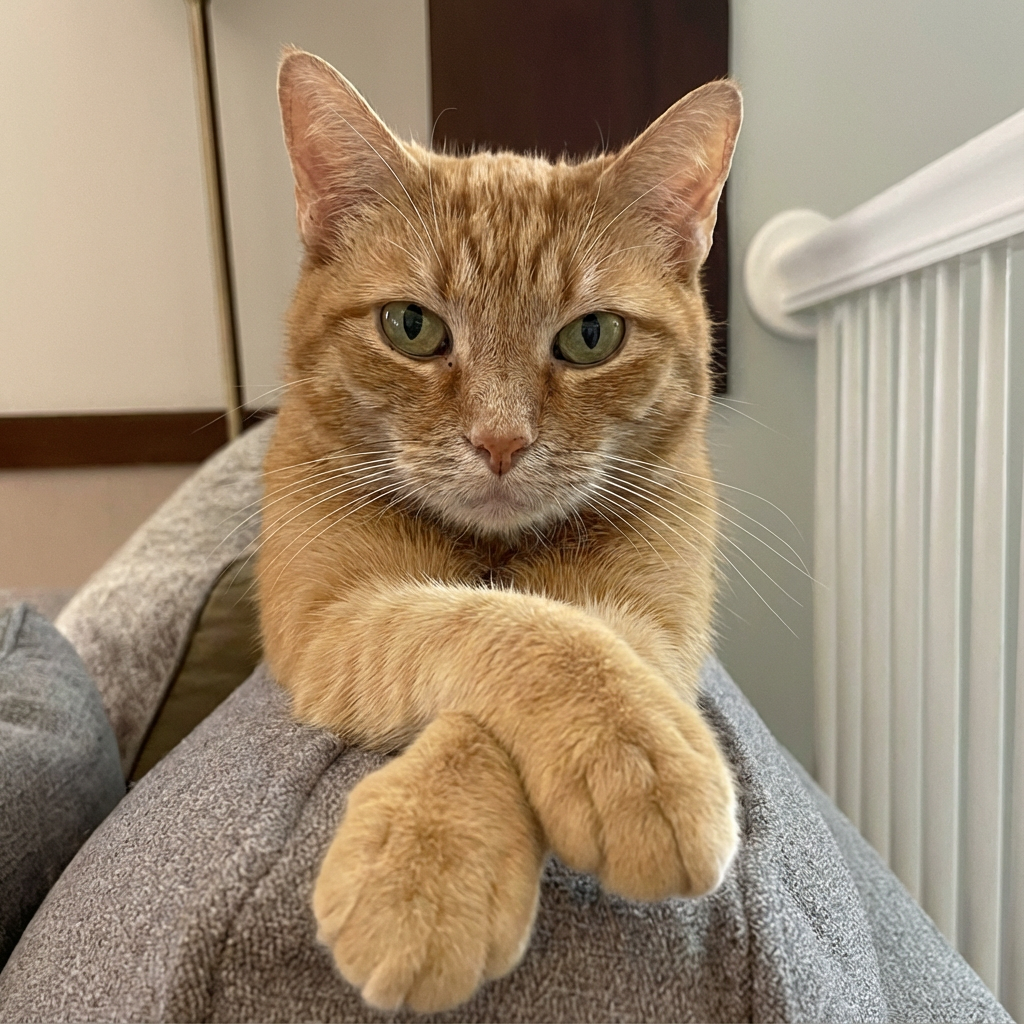
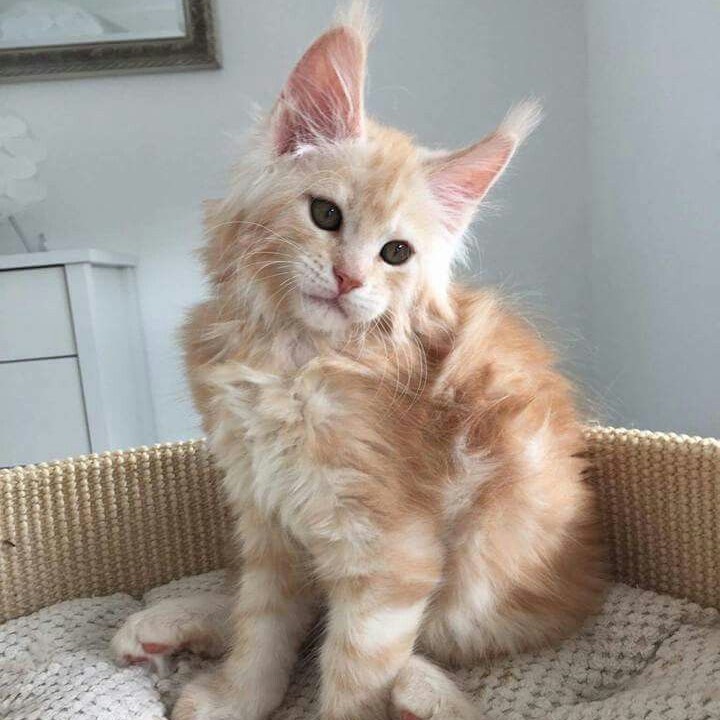
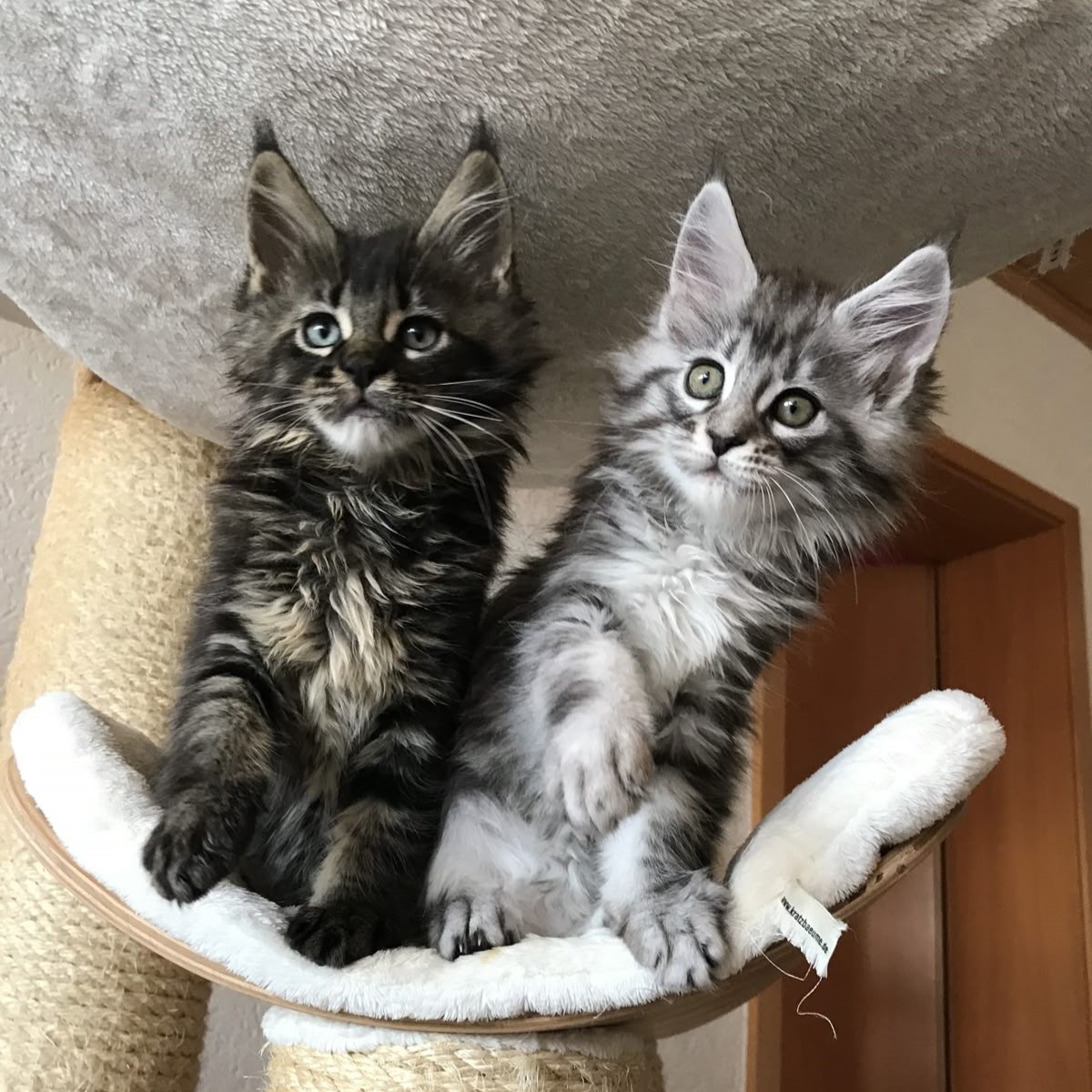
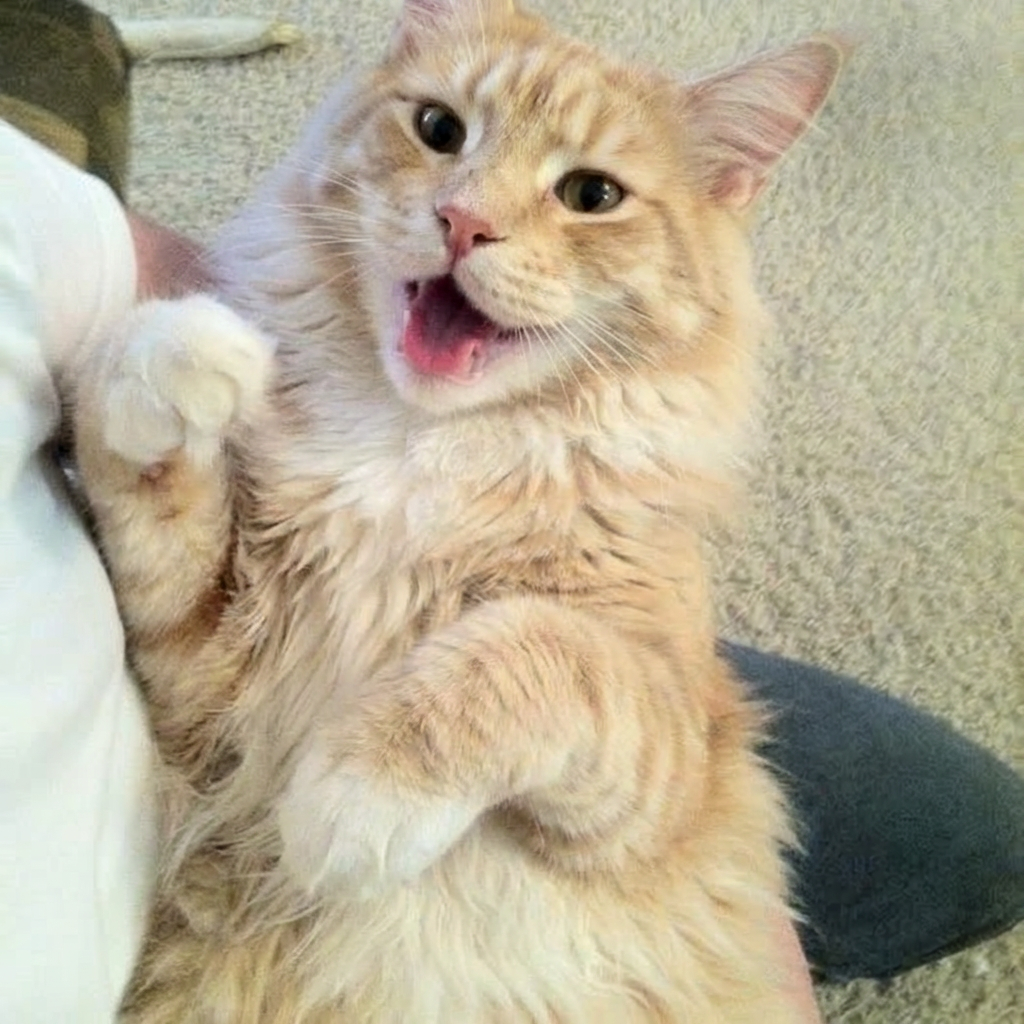
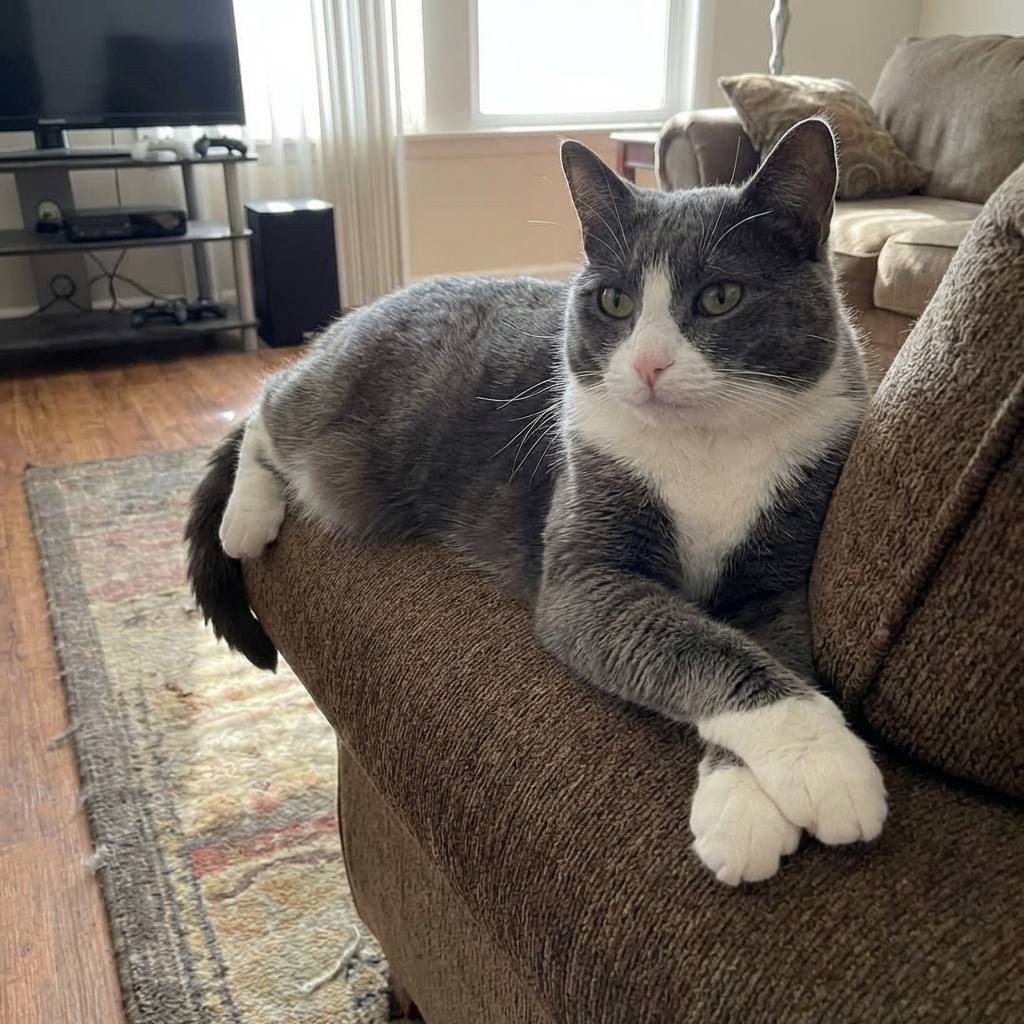
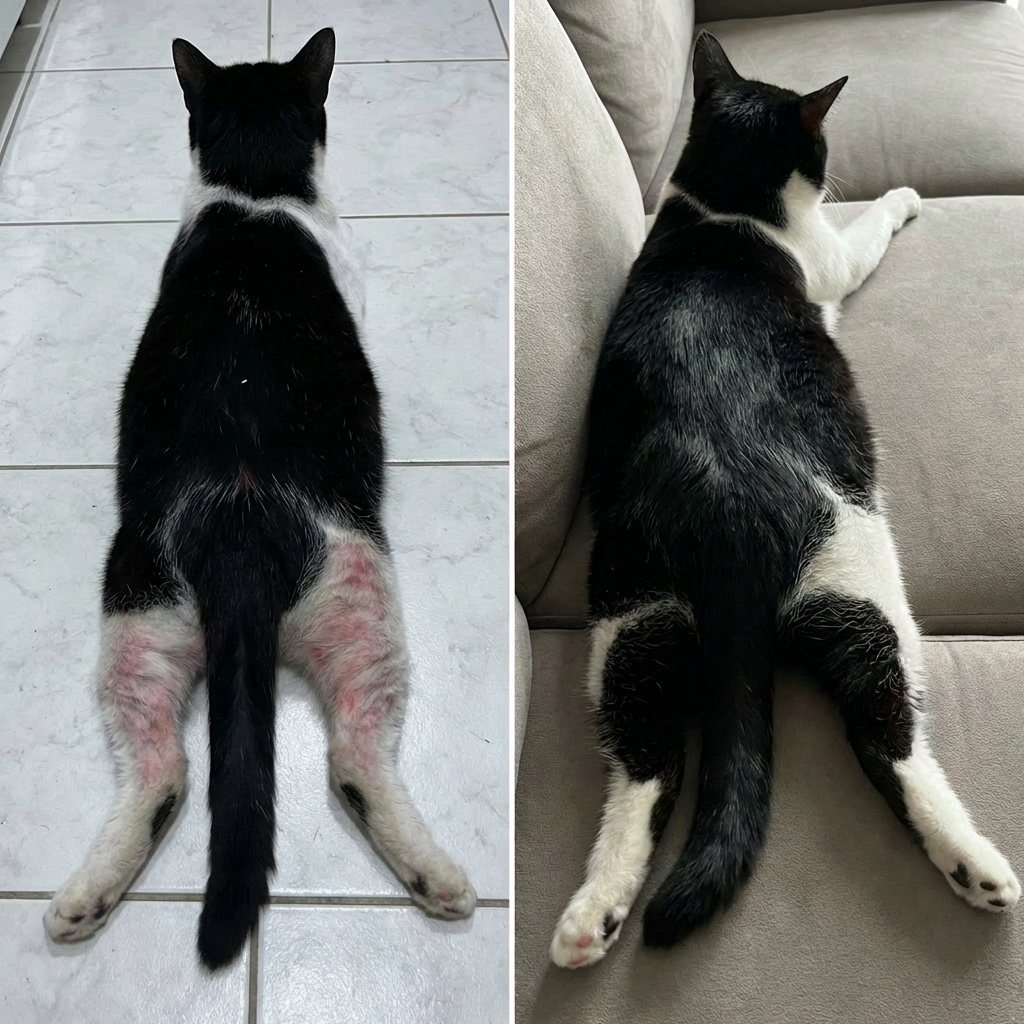
Your vet has never asked you this question about your cat's scratching. Not in five visits. Not in ten. Not once. And until someone asks it, nothing you try is going to work long-term. This is Penny today. Full fur. Calm. Sleeping through the night without clawing herself awake. Ten weeks ago, I didn't know the question existed. I thought I was asking the right things: "What's causing her allergies?" "Which food should we try next?" "Is there a stronger medication?" Those are the questions everyone asks. They're the questions vets are trained to answer. They're also the questions that kept Penny sick for sixteen months. Let me show you what that looked like. Penny started overgrooming in spring two years ago. Her belly first. Then her back legs. By summer, she had bald patches the size of my palm. I did what any responsible owner would do. Vet visit. Exam. Diagnosis: allergies. "Could be environmental. Could be food. Let's start treatment and see." That was visit one. Visit two: Steroid shot. Worked for a month. Then the scratching came back harder. Visit three: Prescription food. Hydrolyzed protein. "Gold standard for food allergies." Worked for three weeks. Visit four: Different prescription food. Limited ingredient. "Sometimes it takes a few tries." Worked for twelve days. Visit five: Apoquel. "Targets the itch signal directly." Worked until it didn't. Visits six through eleven: Combinations. Rotations. Add this, remove that, increase the dose, try this brand. Sixteen months. Eleven visits. Over $3,300. And here's what kills me: At every single appointment, I asked questions. "What's triggering this?" "Why did that stop working?" "What should we try next?" Good questions. Logical questions. Questions that made me feel like I was being proactive. But I was asking them inside a broken framework. I was asking which medication to try — not whether medications could ever fix this. I was asking which food to eliminate — not why eliminating foods kept failing. I was asking how to suppress the symptoms better — not why suppressing symptoms made the next flare-up worse. And no one redirected me. Because vets are trained to answer the questions you ask. Not to question the questions themselves. Month fourteen broke me. Penny had scratched her neck so raw it got infected. Second infection that year. Antibiotics, anti-inflammatories, a cone she had to wear for two weeks. I watched her stumble around the house, bumping into furniture, unable to groom herself, miserable. And I thought: we're losing. Not just not-winning. Actively losing. Every month she was worse than the month before. Every solution lasted a shorter time. Every vet visit cost more and delivered less. I was out of questions to ask. Out of treatments to try. Out of hope that this would ever end. That night I didn't search for medications or foods or supplements. I typed: "why does nothing work long-term for cat skin allergies" Halfway down the page, I found a forum post from someone who'd been where I was. She wrote: "I spent two years asking my vet what to TRY. No one ever asked what I was doing to REBUILD. Turns out that was the only question that mattered." I read it three times. Rebuild what? I kept reading. She linked to research from a veterinary dermatologist explaining something I'd never heard of in sixteen months of appointments: The skin barrier. Here's what I learned: Your cat's skin has a wall. A protective layer made of omega-3 fatty acids — EPA and DHA. When that wall is intact, allergens stay out. Pollen, dust, food proteins — they sit on the surface and cause no reaction. But inflammation destroys the wall. Every flare-up. Every allergic reaction. Every time your cat scratches or licks — the inflammation burns through the barrier. Studies show each major reaction destroys 6–8% of the barrier's structure. And here's the part that made me sick: The barrier doesn't rebuild on its own. Once it's damaged, it stays damaged. Unless you give it the specific raw materials it needs to repair. So what happens over sixteen months of flare-ups? The wall crumbles. More gaps form. More allergens get through. More inflammation. More destruction. A death spiral — happening underneath every treatment I tried. Now here's where the question finally made sense: Every medication I gave Penny — the steroids, the Apoquel, the immunosuppressants — they all suppress the immune response. They quiet the reaction. They stop the scratching. But they don't repair the wall. So while Penny seemed better on the surface, underneath, her barrier was still full of holes. Still letting allergens flood through. Still crumbling a little more each month. That's why the medications worked for shorter and shorter periods. That's why we needed stronger doses and more frequent injections. That's why we were losing. I wasn't doing anything to rebuild. I was only suppressing. And suppressing without rebuilding is just slow-motion collapse. The question no one ever asked me: "What are you doing to rebuild her barrier?" The answer, for sixteen months, was: nothing. Because I didn't know it existed. The research was specific about what repairs the barrier: Marine-sourced omega-3 fatty acids. EPA and DHA. The actual building blocks the wall is made of. Not plant-based omegas — cats convert less than 1% of those. Not the "skin and coat" treats from the pet store — mostly omega-6, which can increase inflammation. Not the fish oil capsules I'd tried once that made Penny vomit. It needed to be: Purified marine EPA and DHA. Cat-appropriate dose. Protected from rancidity. Something she'd actually eat. I found a liquid omega-3 formula made specifically for this. Ordered it that night. When it arrived, I made a decision that went against everything I'd been doing for sixteen months: I stopped suppressing. No more steroids. No more Apoquel. No more masking the collapse. Just the omega-3 drops in Penny's food every morning. One dropper. That's it. For the first time, I wasn't asking "what should I try next?" I was asking "what does her skin need to actually heal?" Week one was hard. Penny still scratched. Still overgroomed. I had to stop myself from calling the vet for an emergency shot. Rebuilding takes time. Sixteen months of damage doesn't reverse in seven days. Week two: The scratching slowed down at night. Not gone — but less frantic. I slept six hours straight for the first time in a year. Week three: The raw patch on her neck stopped weeping. The edges looked calmer. New skin forming underneath. Week four: Fur. Tiny soft hairs sprouting on her belly where there had been bare pink skin for over a year. I took photos every day. Compared them. Cried. Week five: Penny slept through the night. No scratching. No licking sounds at 3AM. I woke up anyway. Habit. Found her curled on the couch, completely peaceful. Week six: Her belly was half-covered in new fur. The bald patches on her legs were filling in. Week eight: The photos at the top of this post. I almost don't recognize her. Week ten, I tested what we'd built. Penny used to flare within 48 hours of any environmental change. New cleaning product? Flare. Window open? Flare. Guests with dogs? Flare. I invited my sister over. She has two golden retrievers. They spent three hours in my house. I watched Penny all night. All next day. Nothing. No scratching. No redness. No reaction. Because Penny was never allergic to dogs. Penny had a destroyed barrier that let dog dander — and dust, and pollen, and everything else — flood into skin that couldn't protect itself. Rebuild the barrier, and the "allergies" disappear. It's been ten weeks now. I haven't called the vet once. No medications. No injections. No $95 appointments every three weeks. Just one dropper every morning — and a cat who finally has a barrier that works. I think about the eleven vet visits. The $3,300. The sixteen months of watching Penny suffer. All because no one asked the right question. "What are you doing to rebuild her barrier?" If anyone had asked that in month one, I could have saved sixteen months of pain. Thousands of dollars. A year of Penny's life spent miserable. But no one did. So I'm asking you now. You've probably tried steroids. Prescription food. Maybe Apoquel or Cytopoint. Supplements. Elimination diets. All of those are suppressing. What are you doing to rebuild? If the answer is "nothing" — or "I didn't know that was a thing" — you're where I was. And there's a way out. The article that explained everything about barrier repair and how marine omega-3s work is here: getpurrvita.com/skin-1 One question changed everything for Penny. Maybe it can for your cat too. — Sharon M
Like this ad? Make it yours.
Crush rebuilds this exact creative around your product — your brand, your colors, your offer — in about a minute.