
Inactive· since Feb 9, 2026
- 19
- days it ran
- 0
- relaunches
Ad copy
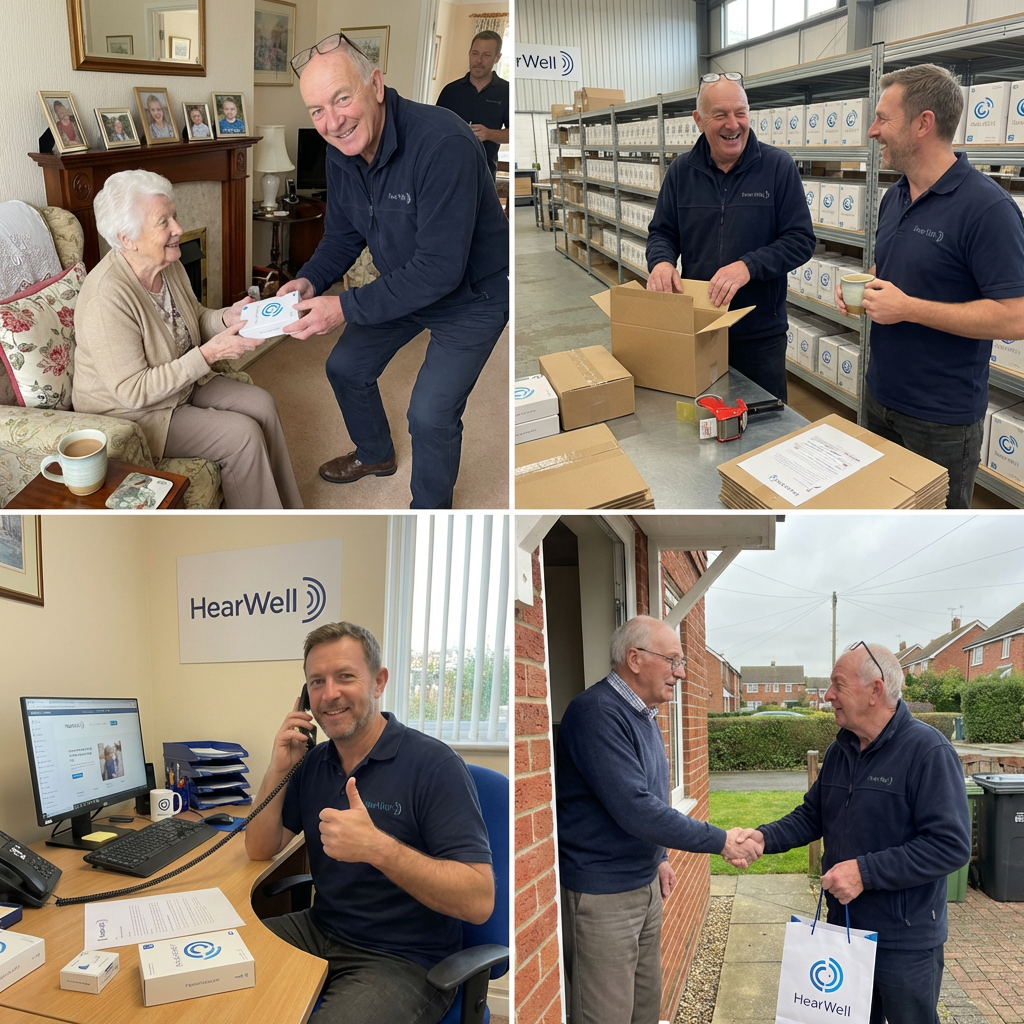
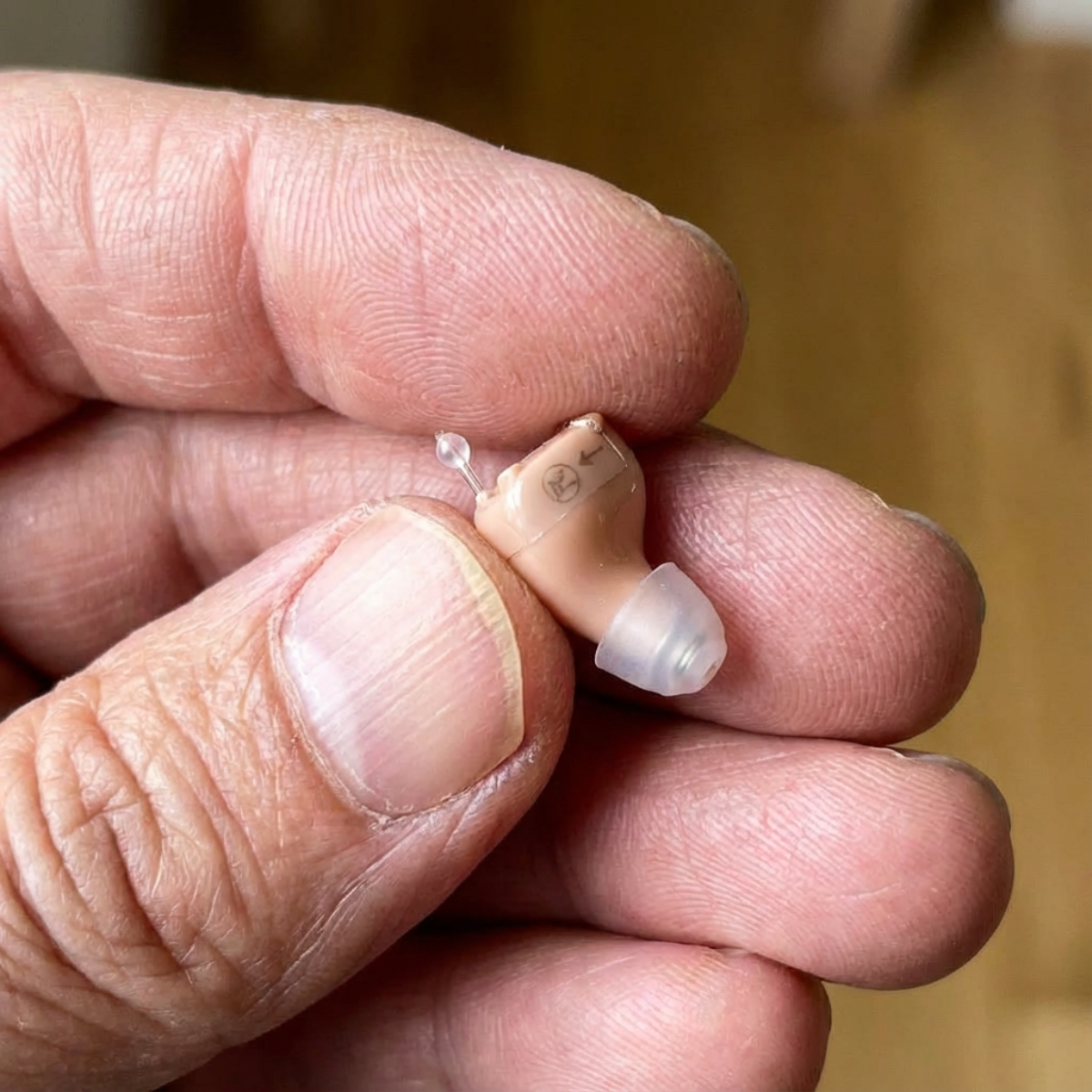
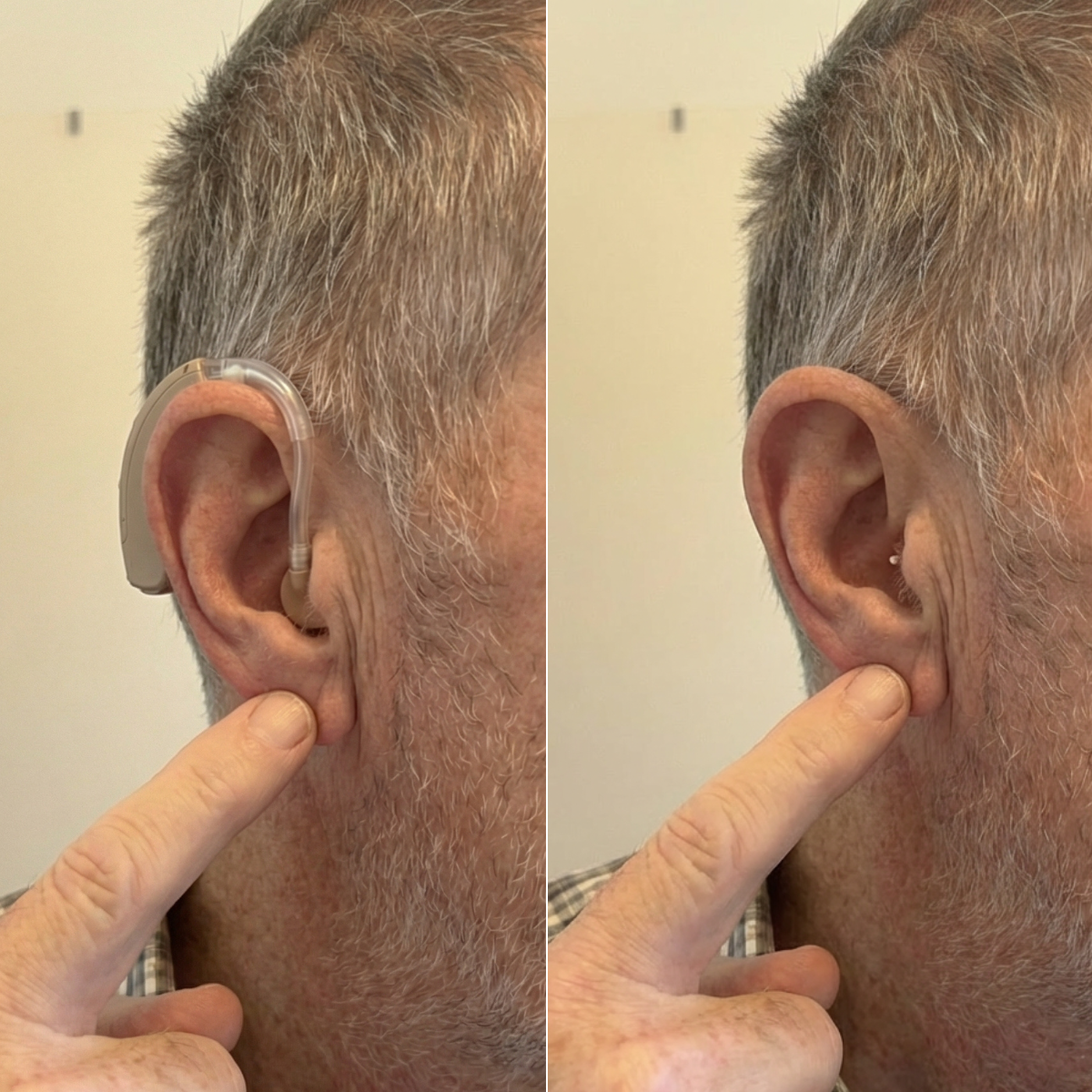
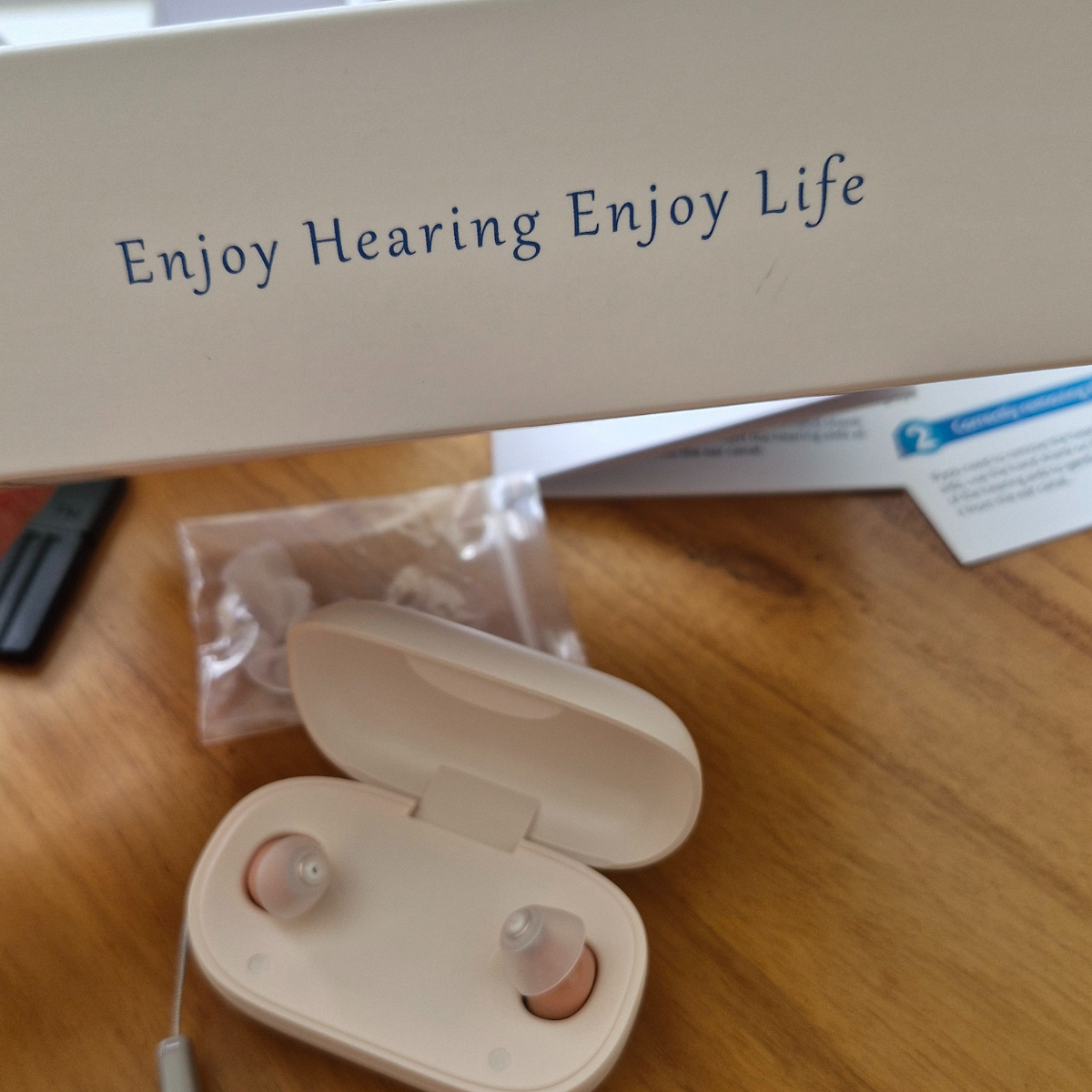
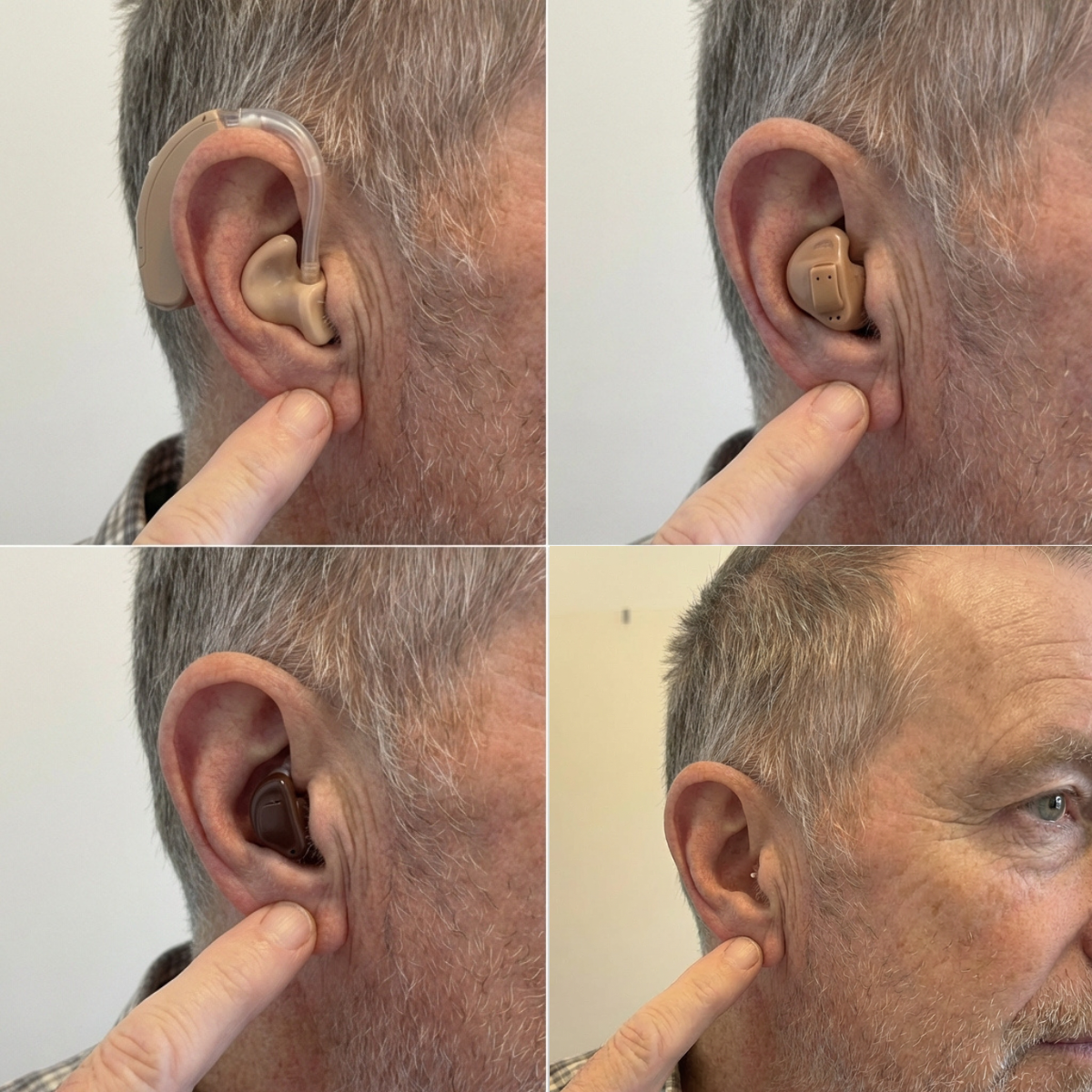
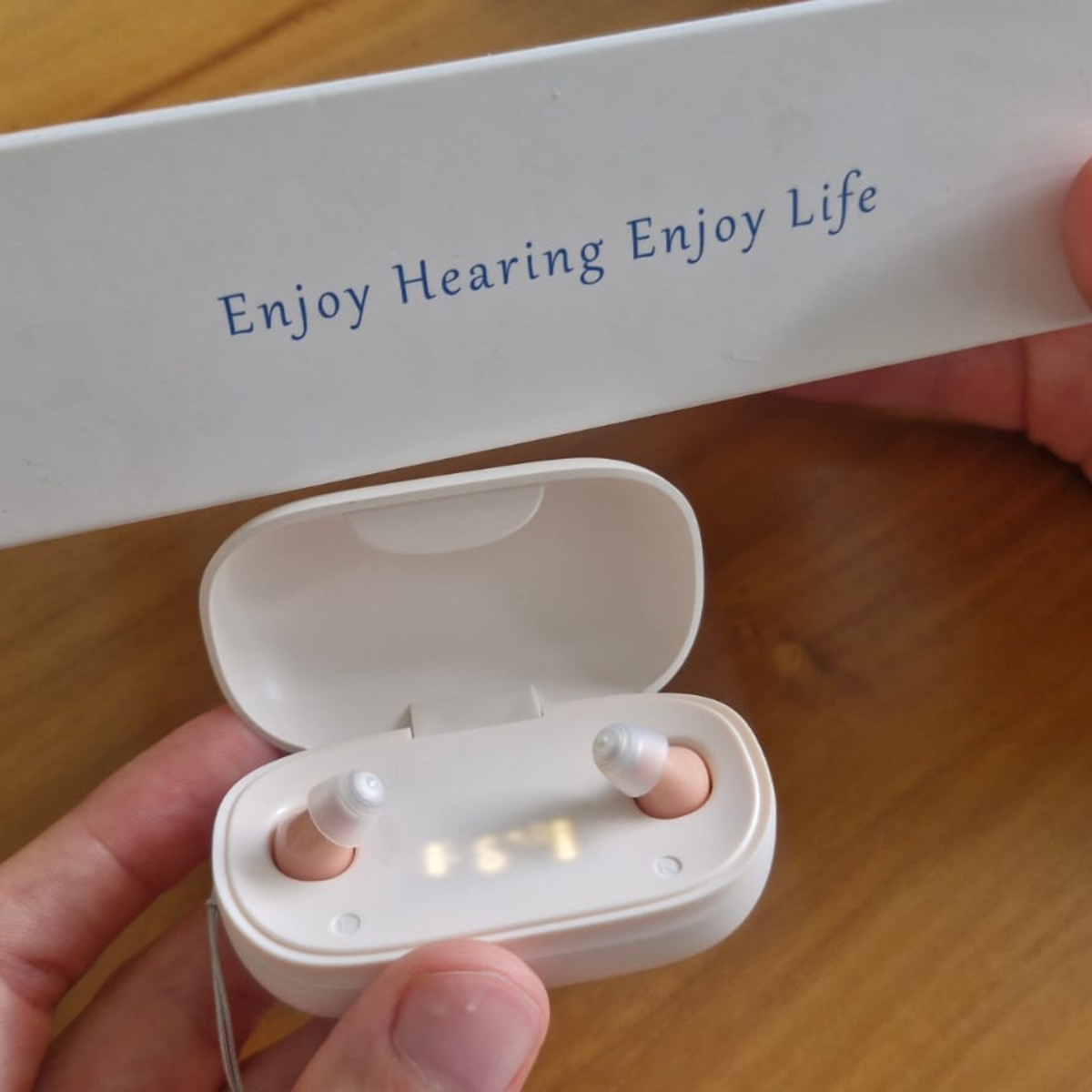
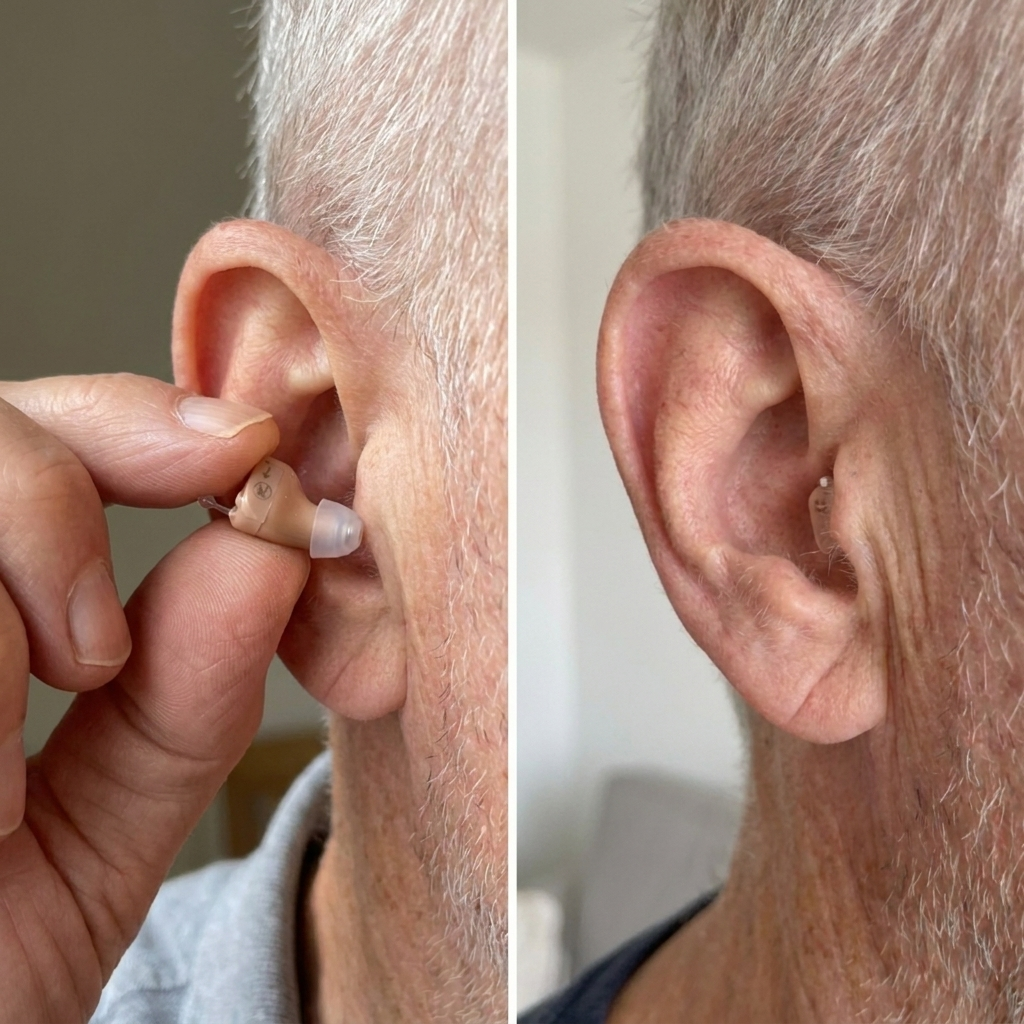
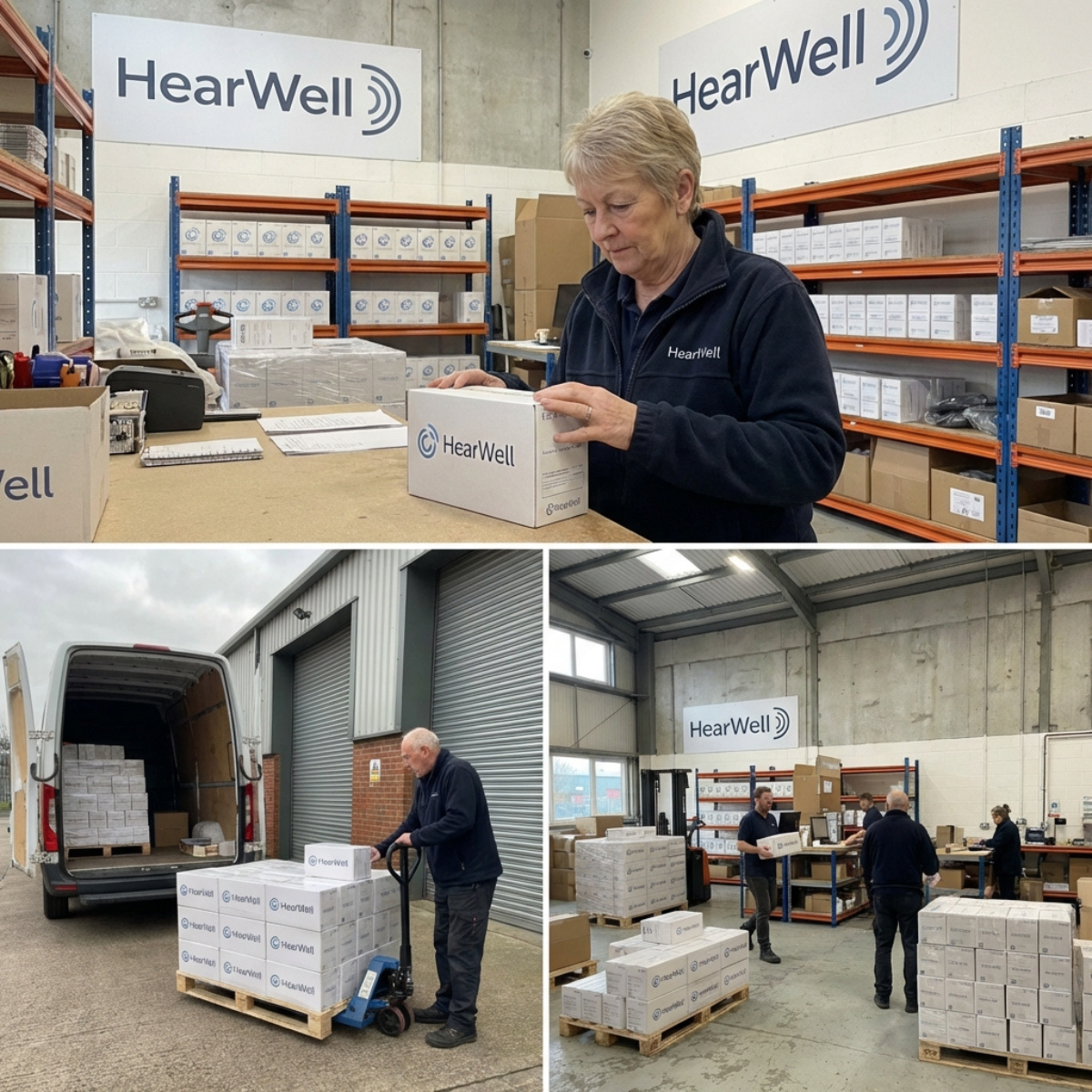
I was so sure £149 hearing aids were a scam that I asked to spend a day inside their warehouse. They said yes. That's when things got interesting. Not interesting in the way I expected. I was expecting to catch them out. Find the cracks. See some bloke in a garden shed repackaging Chinese imports with a British label. What I actually found was something else entirely. But I'll get to that. I'm Malcolm. 68. Retired quality inspector. Thirty years in manufacturing, automotive parts, mostly. My entire career was spent walking into factories, checking processes, and finding what's wrong. It's a hard habit to break. Especially when something smells off. And £149 hearing aids smelled off. I'd been struggling with my hearing for about three years. Started the usual way, television volume creeping up, missing words in conversation, that constant "sorry, what?" that drives everyone around you mad. My wife Linda had gone from patient to frustrated to something worse: quiet. She'd stopped repeating herself. If I didn't hear it the first time, she just carried on without me. That's the bit nobody warns you about. It's not that people get angry. They just stop trying. The moment I knew it was properly bad was my grandson's football match. Callum, he's ten, plays for his school team. Goalkeeper. I go to every match. Stand on the sideline with the other parents and grandparents. Last autumn, they lost 4-2. Callum took it hard. He always does. After the final whistle he came running over to me. Eyes red. Bottom lip going. He said something, fast, upset, the way kids do when they're trying not to cry. I caught "Grandad" and something that sounded like "my fault." "You played great, mate. Don't worry about it," I said. Ruffled his hair. He stared at me. Then walked off to Linda without saying another word. In the car afterwards, Linda told me what he'd actually said. "Grandad, the other boys said it's my fault we lost. They said I'm the worst keeper ever. Am I rubbish, Grandad?" He wasn't looking for a generic pat on the head. He was asking me, specifically me, his grandad, whether he was good enough. Whether he should keep going. And I'd said "don't worry about it" because I hadn't heard a single word. He barely spoke to me for the rest of the weekend. That night, I told Linda I'd sort it out. GP confirmed what I already knew. Moderate hearing loss, both ears. Referral to NHS audiology. "How long's the wait?" "About fourteen months at the moment." Fourteen months. Another full football season of standing on the sideline and not hearing what my grandson needs to tell me. "Private options?" Went to Boots. Nice clinic. Professional audiologist. Full test. "These would be ideal for your level of hearing loss, Mr. Thornton." "How much?" "£3,495." I stared at her. "That includes our complete aftercare package." Three and a half thousand pounds. For two tiny bits of plastic. "There are financing options" "I'll have a think." Specsavers quoted £2,495. Hidden Hearing quoted £3,200. Then I made the mistake that everyone makes. Amazon. Ordered a pair for £55. "Rechargeable Digital Hearing Amplifier, Nearly Invisible, 5-Star Rated." Arrived next day. Put them in. Every sound in the house got louder. The fridge. The clock. The pipes. Linda talking from the next room? Same muffled blur as before. Plus a constant whistling that made me think the smoke alarm battery was dying. Sent them back. Tried another pair at £90. Same story. Amplifies everything, clarifies nothing. That confirmed it for me: cheap hearing aids are rubbish. If they cost less than a thousand, they don't work. You either pay proper money or you put up with it. I put up with it. For another six months. Six months of Linda going quiet. Six months of nodding along at Sunday lunch with the family and hoping nobody asked me a direct question. Six months of pretending I could hear Callum from the sideline. Then one night I'm on Facebook and this advert pops up. HearWell. £149 hearing aids. "Same technology as brands charging £3,000+." Everything in me said: scam. I know what cheap looks like. I spent thirty years inspecting products. I know how companies cut corners, cheaper materials, thinner casings, components that pass testing but fail within months. £149 for hearing aids that claim to match £3,000 brands? One of two things is happening: either the product is junk, or there's something about the pricing I don't understand. I assumed it was the first. But I couldn't stop thinking about it. Professional curiosity, I suppose. When something doesn't make sense, I want to know why. So I started digging. First: the reviews. Not the five-star ones, I've seen enough fake reviews in my time to know they're meaningless. I read every negative review I could find. "Delivery took five days" — fine, not a quality issue. "Had to try a couple of different ear tips before finding the right fit" — fair enough, ears are different shapes. "Right earpiece had a fault. Called them, they sent a new one within two days" — so there's an actual customer service team. "Returned them, full refund within a week", no hassle returns. Interesting. I couldn't find the red flags I was looking for. No horror stories. No "company disappeared." No "website down, can't get my money back." Then I found the article. Written by a retired NHS audiologist. Dr. Margaret Ellis. Thirty years in the hearing aid industry. Left because she couldn't stomach watching clinics charge thousands for technology that costs a fraction of the price. She'd bought five different hearing aids with her own money. Tested them on real patients. Real conditions, noisy restaurants, living rooms, busy streets. Over six months. NHS hearing aids. Boots at £3,495. Specsavers at £2,495. A cheap Amazon amplifier. And HearWell at £149. The Amazon one was exactly what I'd experienced. Loud, uncomfortable, useless for actual speech clarity. She recommended against them for hearing loss. Said some could cause further damage. The expensive brands all performed well. Clear speech, decent noise reduction. But HearWell? Her patients couldn't reliably tell the difference between HearWell and the ones costing ten times more. Speech clarity within 3%. Noise reduction comparable. Comfort ratings slightly higher because of the lighter weight. That was surprising. But it's what came next that changed everything. She broke down the actual manufacturing cost. A hearing aid with the same specifications that Boots sells for £3,495? Costs approximately £280 to manufacture. £280. Same Knowles receivers, that's the speaker component. Same processing chips. Same core technology. So where does the other £3,215 go? Retail premises. High street locations don't come cheap. Every Boots hearing centre has rent, rates, utilities, maintenance, millions a year across the estate. Commissioned sales staff. The audiologist who tested me at Boots earns a percentage of what she sells. The pricier the hearing aid she recommends, the bigger her cut. That's not a healthcare consultation. That's a sales pitch. Marketing. Television adverts, newspaper campaigns, leaflets. Millions annually. Paid for by you. Management layers. Area managers, regional directors, head office staff. All drawing salaries funded by the markup on your hearing aids. Shareholders. These are major corporations. Investors expect returns. Those returns come from your £3,495. As a quality inspector, I've walked through hundreds of factories. I know what manufacturing costs look like. I know the difference between a product cost and a retail cost. And I know that in most industries, the customer pays far more for the business model than for the actual product. But I'd never seen a markup like this. £280 to make. £3,495 to buy. That's not a margin. That's an insult. HearWell strips all of that out. No shops. No commission. No middlemen. Direct from the manufacturer to your door. Same components, same technology, honest price. Now, most people would have ordered at this point. The reviews checked out. The article explained the pricing. The technology was equivalent. But I'm not most people. Thirty years of quality inspection doesn't just switch off. I wanted to see it for myself. So I did something that Linda said was "completely mad." I emailed HearWell and asked if I could visit their warehouse. I expected one of two responses: silence, or a polite "no." Instead, I got an email back within a day. "Happy to show you around. When works for you?" That surprised me. Companies with something to hide don't invite strangers in. Two weeks later, I drove to their warehouse. Linda thought I'd lost the plot. "You're driving three hours to look at a warehouse?" "I want to see it with my own eyes." "It's £149, Malcolm. Just order them." "I need to know." I arrived just after nine in the morning. Spent the whole day there. First thing: it's a proper warehouse. Not some lock-up on an industrial estate. Shelves full of stock, floor to ceiling. Packing stations running. Real people doing real work. Orders going out by the dozen. David met me at the door. Normal bloke. HearWell fleece. Had a cup of tea in my hand before I'd even sat down. "You must be Malcolm. The one who wanted to see everything." "Hope that's alright." "More than alright. Wish more people would." The first thing I noticed, and this is the inspector in me, was the quality testing area. They actually test units before they ship. Not every company does that. I've been in factories where products go from production line to box without anyone checking them. David walked me through the whole process. How the hearing aids come in from the manufacturer. How each unit gets tested. How they're packaged with the right ear tips, the right instructions, the right charging case. How the shipping labels are printed and the boxes go out. Mark was running the packing station that morning. Him and David laughing about something while they worked, some mix-up with a courier the day before. Mark with a tea in one hand, packing boxes with the other. It felt like walking into a normal workplace, not a sales operation. No corporate nonsense. Just two blokes getting on with it. I stood by the packing stations for a good while. Watched them work. Clean, organised, efficient. Reminded me of the best factories I'd inspected over the years. Not flashy. Just proper. I asked the question I'd been driving three hours to ask. "How are you selling these for £149 when Boots charges £3,495?" David didn't flinch. "No shops. No salespeople on commission. No massive marketing department. We sell direct. That's it." "But the technology —" "Same Knowles receivers as the big brands. Same processing chips. We just don't charge three grand for them." "How do you make money?" "Volume. Low overhead. We're not paying for a hundred shops on the high street." I spent the morning watching the operation. Chatting with the team. Asking questions. Nobody dodged anything. Nobody looked nervous. They just got on with it. Around lunchtime I was sat near Mark's desk when the phone rang. Customer call. Some chap having trouble with the fit on his left earpiece. Mark talked him through it. Patient, clear, no rush. Spent a good ten minutes on the phone, tried three different things. I could hear the bloke on the other end saying "oh, that's better, that's much better." Mark gave a thumbs up across the desk to David. No call centre. No "press 1 for sales, press 2 for returns." Just Mark, at his desk, in the warehouse, sorting it out. I thought about what happens when you ring Boots with a problem. The automated system. The hold music. The appointment two weeks from now. Then after lunch, David said he had a couple of deliveries to do. Local customers. "Want to come along?" So I did. Sat in the van. Felt like the most unlikely ride-along in history. First stop was Mrs. Davies. Lovely woman. She'd been having trouble with one of her hearing aids. Bit of crackling in the left ear. David went to her house. Sat down with her in her front room. Not in some clinical office — in her actual living room, cup of tea on the side table, photos of her grandkids on the wall. Checked the aid. Swapped a component. Tested it with her. Chatted to her about her grandkids while he worked. Whole thing took about fifteen minutes. "How much do I owe you, love?" "Nothing, Mrs. Davies. That's what we're here for." She patted his arm on the way out. "You're a good lad," she said. I thought about Boots. Their "aftercare package" that's built into the £3,495 price. Their appointment system. Their two-week wait for a slot. Their waiting room with the magazines from 2019. This woman had someone come to her house and fix her hearing aid in her front room for nothing. No appointment. No charge. No fuss. Second stop was a new customer. Older gentleman. First pair. David walked up to his front door, shook his hand, and handed him the HearWell bag personally. "Any problems at all, you ring us. Or I'll pop back round." The bloke looked stunned. "You deliver them yourself?" "Local ones, when I can. Beats sitting at a desk." I stood there watching this and thought: when was the last time the CEO of Boots Hearingcare drove to someone's house and handed them their hearing aids? Never. That's when. We drove back to the warehouse. I'd seen enough. I'd watched them pack orders all day. Seen Mark handle customer calls. Watched David fix Mrs. Davies' hearing aid in her front room and deliver a pair to a new customer at his door. Inspected the stock. Checked the packaging. Looked at the components. Everything was exactly what it claimed to be. No shortcuts. No repackaged junk. A proper operation, run by actual people, in an actual warehouse, in actual Stoke-on-Trent. With a bloke who still does his own deliveries. I drove home and ordered a pair before I'd even taken my coat off. Linda gave me the look. "So the warehouse convinced you?" "The warehouse confirmed what the numbers already told me. They're the real deal." "You could have just ordered them three weeks ago." "I could have. But now I know." They arrived two days later. Proper packaging. Charging case. Two small hearing aids — much smaller than I'd expected. Charged them overnight. Put them in the next morning. Stood in the kitchen. Waited. I could hear the washing machine. Not the spin cycle, the quiet bit at the beginning. The water filling up. I'd forgotten it made that sound. I could hear a bird outside the window. Specific. Clear. Not background noise, an actual bird with an actual song. Linda came in from the garden. "Any good?" Normal voice. Didn't shout. Wasn't even facing me. I heard every word. "Say something else." She looked at me. "I've been saying things for three years, Malcolm. Nice to know you're finally listening." That was four months ago. Callum had a match last Saturday. I stood in my usual spot on the sideline. They lost again. 3-1. Callum came running over afterwards. Same red eyes as last autumn. Same wobbly lip. "Grandad, the captain said I should've saved that last one. Do you think he's right?" I heard every word. Every single one. "I watched that goal, mate. It was a deflection. Changed direction two yards out. No keeper in the world saves that. You tell your captain I said so." He looked up at me. Properly looked. And the wobble stopped. "Really?" "Really. You were brilliant today. That save in the first half? Both hands, down low, perfect." He grinned. Wiped his eyes with his sleeve. Ran off to tell his mum what Grandad said. Last autumn I couldn't hear him when he needed me most. I gave him a pat on the head and a nothing answer because I had no idea what he was asking. This time I heard him. And I could give him exactly what he needed — not a guess, not a generic "well done," but an actual answer to an actual question from his actual grandad. That's what £149 buys you. Not a product. A connection. Television volume's gone from 50 to 18. Linda still mentions it every week. "It's so quiet now." Phone calls are clear. I ring my daughter on Sundays. Used to avoid it because I'd miss half of what she said. Went to a family meal last month. Eight of us around the table. Followed every conversation. Joined in. Laughed at the right moments. For the first time in three years. The maths. Because I always do the maths. £149. Minimum two-year lifespan, mine show no sign of slowing at four months. 730 days. 20p per day. I spend more than that on a bag of crisps at Callum's matches. I spend £3.40 on a Costa without thinking twice. Twenty pence a day to hear my grandson when he needs me. And I nearly didn't buy them because I thought they were a scam. Linda's brother got a pair after he came round and I told him the story. He'd been quoted £3,200 at Hidden Hearing. Still furious about it. My mate Ray from the pub got some. His wife ordered them for him after he told her what I'd said about the manufacturing costs. She was angrier about the markup than he was. Three of us now. All sceptics. All convinced we'd either pay thousands or go without. All hearing perfectly well for 20p a day. If you're where I was four months ago, certain that £149 hearing aids can't be real, remembering some terrible Amazon amplifier that whistled and screeched, thinking you've got no choice but to pay Boots three and a half grand or suffer — I understand. I was exactly there. But I've been inside their warehouse. I've spent a full day there. I've met the team. I've watched them pack orders and handle customer calls and fix an old lady's hearing aid in her front room for nothing. I've watched the owner deliver a pair to a new customer's door and shake his hand. It's real. The company's real. The product's real. The only thing that isn't real is the idea that hearing aids need to cost thousands. That's just a story the big retailers have been telling for decades because they need your money to pay for their shops, their salespeople, and their shareholders. Read the article that started my investigation. Written by a retired NHS audiologist, thirty years in the industry, no affiliation with anyone, nothing to sell: http://betterlivingdaily.co.uk/pages/former-nhs-tests-5-hearing-aid-brands And if you want to check out HearWell directly: https://gethearwell.co.uk/products/hearwell-comfort Still £149 last time I checked and still a 45-day return policy. UK company, UK warehouse, I've been inside it myself, UK customer service. Don't be like me and spend three weeks investigating what you could test for yourself in three days. Give them a try. If they're not right, send them back. You lose nothing. If they work, and they work for me, you'll wonder why you waited. Malcolm Thornton, 68, retired quality inspector P.S. Callum's team finally won last weekend. 2-0. Clean sheet. He ran straight to me after the whistle and shouted "Grandad, clean sheet! Not a single goal!" I heard every word. Picked him up, told him I was proud of him. He said "I know, Grandad. You always tell me." He's right. I do now.
what nobody tells you about hearing aids
Hear every conversation clearly without anyone knowing you're wearing them. Advanced AI technology automatically adjusts to any environment - restaurants, family dinners, phone calls
LEARN MORELike this ad? Make it yours.
Crush rebuilds this exact creative around your product — your brand, your colors, your offer — in about a minute.