Dr. Maya
Dr. Maya Facebook ad: “Read This If You Want Your Dog To Live Past 15”

Ran for 58 days, from February 28 to April 27, 2026, the last day Crush saw it.
Run by Dr. Maya on Facebook. Crush is not the advertiser and does not verify its claims. See this ad in Meta's Ad Library(opens in a new tab)
Want an ad like this for your product?
Crush makes new ad images for your product from this ad: your logo, your product photo, your offer.
Trials from $19.95 USD, then $79.95 USD a month. Cancel anytime.
About this ad
- Meta Ad Library ID
- 1408513417411886
- Platforms
- Facebook, Instagram, Audience Network, Messenger and Threads
- Relaunches
- 0
- Niche
- Business & Money
Ad text
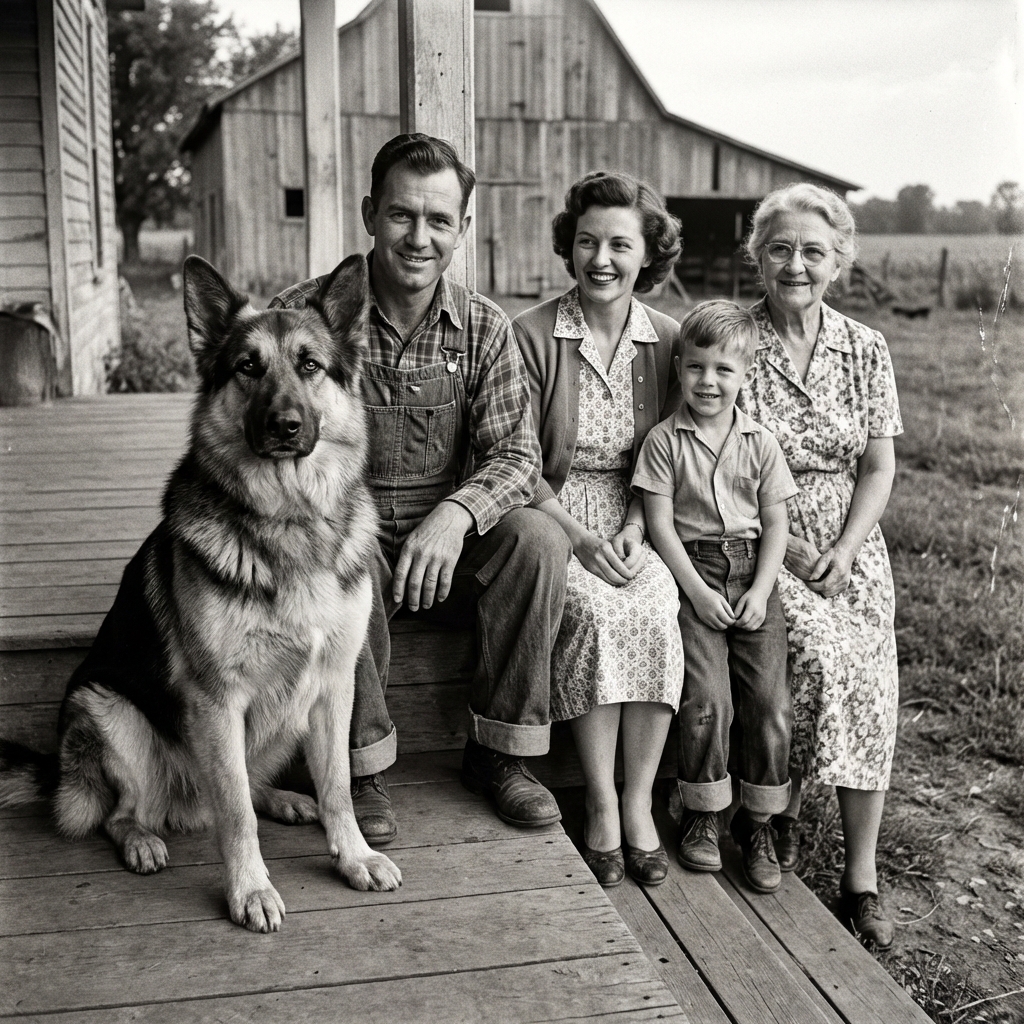
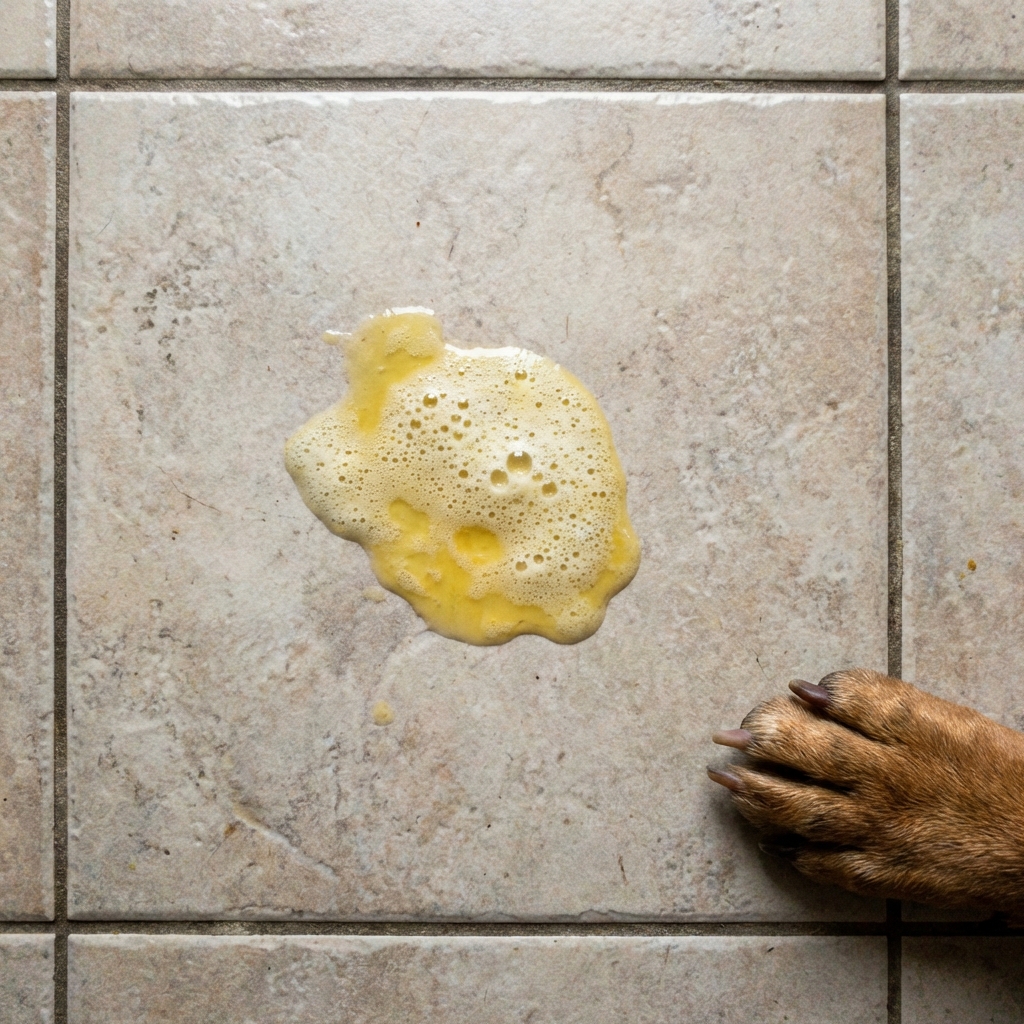
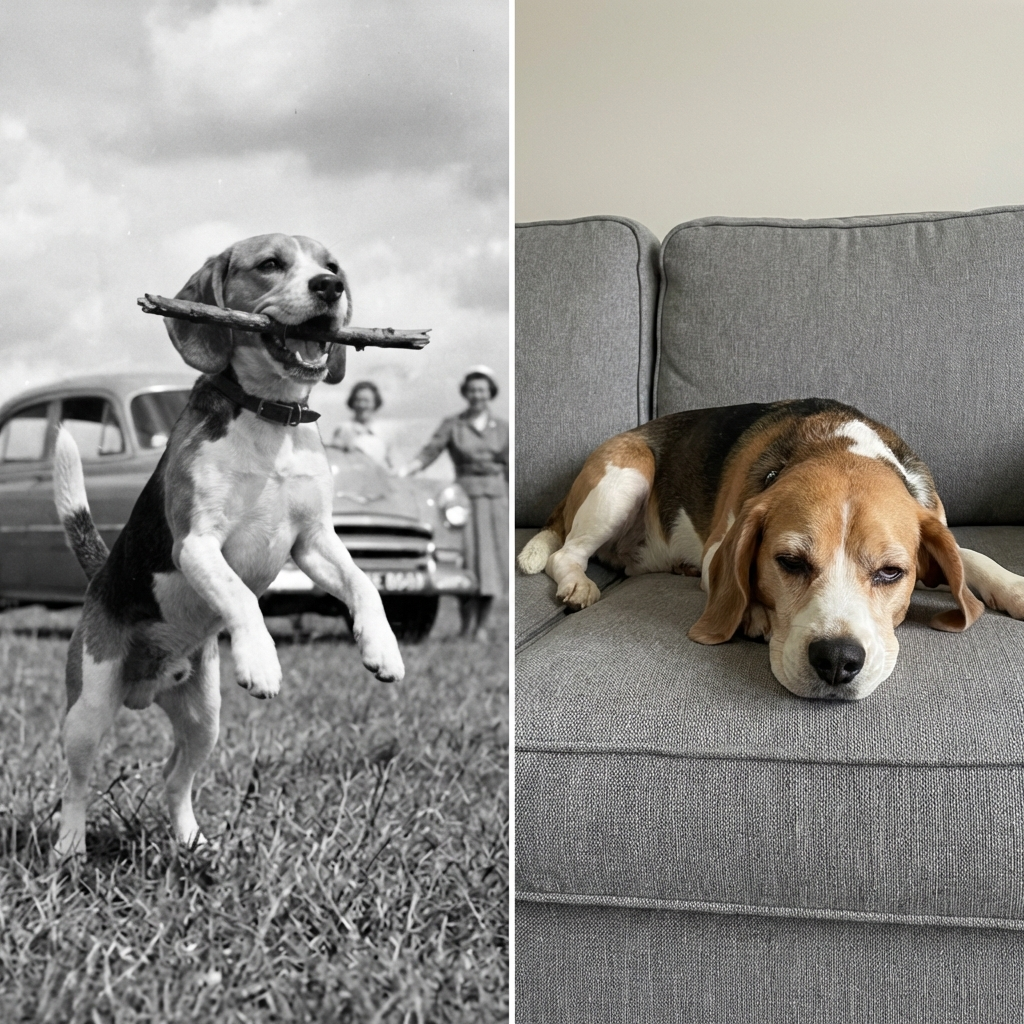
My last four dogs were 17, 16, 17 and 19. And no, that wasn't luck, genetics, or a fancy diet. It was because of one thing I did differently from almost every other dog owner I know. Something so simple I almost feel stupid saying it out loud. I'm 62. I've had dogs since I was 7 years old. Over five decades. Multiple breeds. Big dogs, small dogs, rescues, pedigrees. And all of them lived well into their late teens. My Labrador, Rosie, was still chasing tennis balls at 16. My Border Collie, Jed? Made it to 18. The vet couldn't believe it. My dogs were always healthy. Rarely at the vet beyond the annual checkup. Still bouncing around the garden at ages where most dogs can barely get off the bed. People noticed. Especially Karen. Karen and I have been walking our dogs together for over 12 years. She's one of the best dog owners I know. Loves her dogs like her own children. But in all the years I've known her, her dogs were always in and out the vet. And none of them ever made it past 8 or 9. With her Golden Retriever, Biscuit, I watched it happen up close. He started scratching constantly around 3 years old. The vet said allergies. Tried different foods. Special shampoos. Nothing fixed it. Then came the runny stools. Then the grass eating every single morning. Then the lethargy, this flat, heavy tiredness that never seemed to lift. Biscuit went from a bouncy, bright, happy dog to a dull, quiet version of himself. Karen would say "he's just getting older." He was only 5. She kept going to the vet. More tests. More prescriptions. More money out the door. Nothing worked. And through all of it, she'd look at my dogs and ask me the same question: "How are YOUR dogs always so healthy? What are you doing differently?" I'd say what I always said: fresh food, daily walks, keep them active. That was true. But it never felt like the full picture. Because Karen fed her dogs well too. Walked them 2-3 times a day. Did everything right. So why was Biscuit falling apart at 5… while my Rosie was thriving at 15? I didn't know. Not yet. Until last March, when Karen rang me in tears. Biscuit had been diagnosed with lymphoma. He was only 7. The vet gave him weeks. I drove straight over. She was on the kitchen floor with him, stroking his ears, saying the same thing over and over: "I'm so sorry buddy. I couldn't help you." Three weeks later, Biscuit passed. After she lost him, Karen didn't want to be alone at home. So most mornings, she'd come walk with me and Nell, my new rescue pup I'd brought home a few months earlier. Nell was nothing like any dog I'd had before. A proper little adventurer. Into every hedge. Every ditch. Every patch of long grass. If there was something to sniff or roll in, she found it. One afternoon we got back from a walk, and I was running my hands through Nell's coat when I felt them. Three ticks. One behind her ear. One on her belly. One tucked into the fold of her armpit. Karen saw me pulling them off and went white. "You need to get her on treatment before she gets Lyme or a flea infestation." I looked up and said something I'd never really thought about before. "I've never used treatments, Karen. Not on any of my dogs. Not in over 50 years." The silence that followed is something I'll never forget. I could see it happening behind her eyes. The maths being done. The years being counted. My dogs: Healthy into their final days. Never on a single treatment. Her dogs: On treatments from day one. Always in and out of the vet. None of them made it past 8. Neither of us said it out loud. We didn't need to. She put her hand over her mouth and her eyes filled up. We both felt it. This awful, creeping feeling that maybe, just maybe, the thing she'd been giving Biscuit every month to protect him was the thing that took him from her. I'd never used treatments because I'd never liked the idea of putting chemicals inside my dog. It was just a gut feeling I'd had my whole life. But standing there in my kitchen, pulling ticks off Nell while Karen cried at my table, the question I couldn't shake was: what if my gut feeling had been right all along? What if it wasn't luck that my dogs lived so long? What if it was the one thing I never gave them? That night I couldn't sleep. Not because of the ticks on Nell, but because I needed to know if what we were both thinking was true. So I started researching. And the deeper I dug, the worse it got. Here's what nobody tells you about those traditional flea and tick treatments. The active ingredients in all chews, spot-ons and collars are harsh chemical pesticides. It says so right on the packaging. There's a poison warning on every box. When you give it to your dog, the chemicals absorb into their bloodstream. The way it works is simple: a flea or tick bites your dog, drinks the blood, and dies because the blood is now toxic. Read that again. Your dog's blood is toxic. And here's what nobody warns you about: These chemicals don't just kill fleas and ticks. They wipe out the trillions of good bacteria that power your dog's immune system, digestion, and energy. Your dog's immune system fights to clear the chemicals after every dose. But right when it's almost recovered… you give another one. Month after month. Year after year. The toxins stack up faster than the body can flush them out. Vets call it Toxicosis. Slow, cumulative poisoning from the inside out. And the worst part? You'll probably never connect the dots. Because the symptoms don't look like poisoning. They look like everyday dog problems. The scratching that won't stop? That's not allergies. That's the immune system misfiring. The vomiting? The runny stools? The grass eating every morning? That's your dog's body desperately trying to flush out what's poisoning them. The loss of energy? That's not your dog getting old. That's their body slowly shutting down under the weight of years of chemicals it was never designed to handle. And here's the part that truly broke my heart when I learned it: Dogs are pack animals. In the wild, a sick or injured dog gets left behind by the pack. So over thousands of years, they've evolved to HIDE their pain. They push through. They don't whimper when their stomach is on fire. They don't limp until they physically cannot walk. By the time you SEE something is wrong, it's been wrong for a very long time. I know that's hard to hear. But the research backs it up. Studies show dogs on lifelong chemical treatments are expected to die 3.2 years earlier than dogs on natural alternatives. 3.2 years. That's 3 more birthdays. 3 more summers of morning walks. 3 more years of that look they give you when you walk through the door. Gone. I thought about Biscuit. Seven years old. Lymphoma. Every month of his life he battled chemicals that were supposed to protect him. And then I thought about my dogs. 17. 16. 17. 19. The only difference was the thing I never gave them. Now, before you feel a single drop of guilt, stop. This is not your fault. You gave the treatment because you love your dog and your vet told you it was the responsible thing to do. Nobody told you any of this. And there's a reason for that. The flea and tick treatment industry is worth billions. Big Pet Pharma manufacture these chemicals and fund the research. They sponsor the veterinary conferences. They shape what gets recommended and what doesn't. Your vet isn't the villain here. Most of them genuinely care about animals. But the system they work inside? That system is designed to sell monthly treatments to every dog owner, every month, for the entire life of the dog. That's the business model. That's where the billions come from. And there's no profit in telling you to stop. Think about it. The same companies that sell you the monthly chemicals… also make the medications to treat the side effects. The allergy drugs. The gut medications. The seizure meds. They make money when your dog gets the treatment. And they make money again when your dog gets sick from it. The FDA admitted 10 years ago that these products are neurotoxic and linked to seizures. But they're still on every shelf in every vet clinic and pet shop in the country. That should tell you everything you need to know about who this system is designed to protect, and it's not your dog. After that night, I knew two things. One: I was right to never give my dogs those treatments. Two: I now had Nell. And Nell was bringing home ticks. I needed to find something that actually worked against fleas and ticks, without a single drop of chemicals. So I tried the natural route. Essential oil sprays. Apple cider vinegar. Neem oil. Diatomaceous earth. None of it worked. The ticks didn't care. And every product washed off, wore off, or just did nothing at all. And I finally understood why people stay on chemicals even when they know it's hurting their dog. Because the fear of fleas and ticks and the diseases they carry is so real that it overpowers the guilt. You'd rather use chemicals on your dog than leave them unprotected and risk something worse. It's an impossible choice. And until there's a real alternative, it stays impossible. I was close to accepting that. Then a friend suggested I see a holistic vet in the next town over. Said she'd helped her dog with skin issues after years of conventional treatment getting nowhere. I booked an appointment. Told her everything. The ticks on Nell. The research I'd done. The chemical treatments I refused to use. The natural products that failed. She nodded the whole time like she'd heard this story a hundred times before. Then she said something I wasn't expecting. "The reason those natural products failed isn't because natural doesn't work. It's because the plants they're made from are weak." She explained it simply. Most essential oils come from commercially farmed plants. But plants grown in volcanic soil are a completely different thing. Volcanic ash floods the earth with minerals and forces plants to compete harder to survive. The result? Plants that produce defensive compounds 5x stronger than anything grown in normal conditions. "That's why the cheap sprays and oils didn't work on your dog. They were never strong enough." She told me that volcanic botanicals are so potent they overwhelm the scent receptors fleas and ticks use to hunt. They don't just repel insects, they make your dog become invisible to them. Insects never even come close. Then she handed me a card for a product called FurSure. A small pendant that clips onto your dog's collar. Inside is a blend of six volcanic botanicals sourced from the most potent growing regions on the planet: 🌿 Javanese Citronella 🍃 Tasmanian Eucalyptus 🌿 Mountain Peppermint 🌼 Alpine Chamomile 🌲 Himalayan Cedarwood 🌺 Maluku Clove The pendant releases these oils continuously, creating an invisible shield around your dog that fleas, ticks, and mosquitoes simply cannot get through. No chemicals. No side effects. Clip it on and your dog is protected. Rain or shine. Garden or hiking trail. For up to 12 months. I clipped the first one onto Nell's collar the day it arrived. That first week, I'll be honest, I was nervous. Every walk through the fields, every romp through the long grass, I'd bring her home and check. Hands through every inch of her coat. Behind the ears. Between the toes. The belly folds. Nothing. Not one tick. Not one flea. The same walks. The same hedgerows. The same fields where she'd brought home three ticks in a single afternoon just weeks before. Nothing. By week three I stopped checking obsessively. She'd come back from walks with her tail wagging, and not a nasty bug in sight. The first person I told was Karen. She got a pendant for Sunny, her new Golden pup. She was terrified. After Biscuit, the idea of not using chemical protection felt like standing on the edge of a cliff. But she trusted me. And she couldn't bring herself to start Sunny on the same monthly treatments that killed Biscuit. Three months later she called me. "Not a single flea. Not one tick. She's out in the garden every day, through the long grass, through the hedges. Nothing. And she's the healthiest puppy I've ever raised." I told three more friends. Two had dogs on monthly chews. One had been using a chemical collar for years. They all switched. And here's the thing none of us expected. It wasn't just about the fleas and ticks. Within 2 months of stopping the chemicals, one friend's dog stopped scratching. Something her dog had been doing for years. She rang me almost angry: "I thought it was allergies. But all I had to do was stop poisoning her with chemicals." Another friend's dog with a "sensitive stomach" firmed up completely within six weeks. But the one that really got me was Dave. Dave lives down the road. His Collie, Murphy, had been on monthly treatments for four years. He had become slow. Flat. Barely interested in walks. Dave thought that was just his personality. A quiet, low-energy dog. But three months after switching to FurSure, Dave sent me a video. Murphy was sprinting across a field. Ears flying. Tongue out. Tail going like a propeller. Skidding into turns and launching himself after a ball like a completely different animal. Dave's message underneath: "I didn't know how much I'd lost until I got him back." That one made me cry. And through all of it, not a single flea. Not a single tick. On any of their dogs. I've watched a lot of dogs come and go. My own and other people's. And I've seen the same pattern play out enough times to know it isn't coincidence. The dogs on monthly chemical treatments get sicker, slower, duller. And they leave us too soon. The dogs that stay off the chemicals? They live longer. They are healthier. Happier. Maybe you're reading this because something feels off with your dog and you can't figure out why. Or maybe your dog seems perfectly fine and you're wondering what the fuss is about. Either way, it's worth asking the question. Because Biscuit seemed fine too, for a long time. Karen had no idea anything was wrong. That's how Toxicosis works. Slow. Silent. Invisible. Until suddenly it isn't. I don't want that for your dog. And I know you don't either. My four dogs lived to 17, 16, 17 and 19. Not because of genes. Not because of luck. Because I never put poison in their blood. And now you don't have to either. Try FurSure risk-free today. If it doesn't work for your dog, you get your money back. No questions asked. 👉 https://try-fursure.com/pages/tp-ww1 Your dog can't tell you what's wrong. But they've been trying to show you. Maybe it's time to listen.
Where the ad sends people
try-fursure.com
Read This If You Want Your Dog To Live Past 15 👆
Keep your dog protected naturally with FurSure™ – the pendant that repels Fleas, Ticks & Mosquitos safely for up to 12 months.
Learn more: try-fursure.com(opens in a new tab)