Linda Brown
Linda Brown Facebook ad: “The Thyroid Dizziness”
Ran for 5 days, from August 4 to August 9, 2026, the last day Crush saw it.
Run by Linda Brown on Facebook. Crush is not the advertiser and does not verify its claims. See this ad in Meta's Ad Library(opens in a new tab)
Want an ad like this for your product?
Crush makes new ad images for your product from this ad: your logo, your product photo, your offer.
Trials from $19.95 USD, then $79.95 USD a month. Cancel anytime.
About this ad
- Meta Ad Library ID
- 1409707857887295
- Platforms
- Facebook, Instagram, Audience Network, Messenger, WhatsApp and Threads
- Relaunches
- 0
Ad text
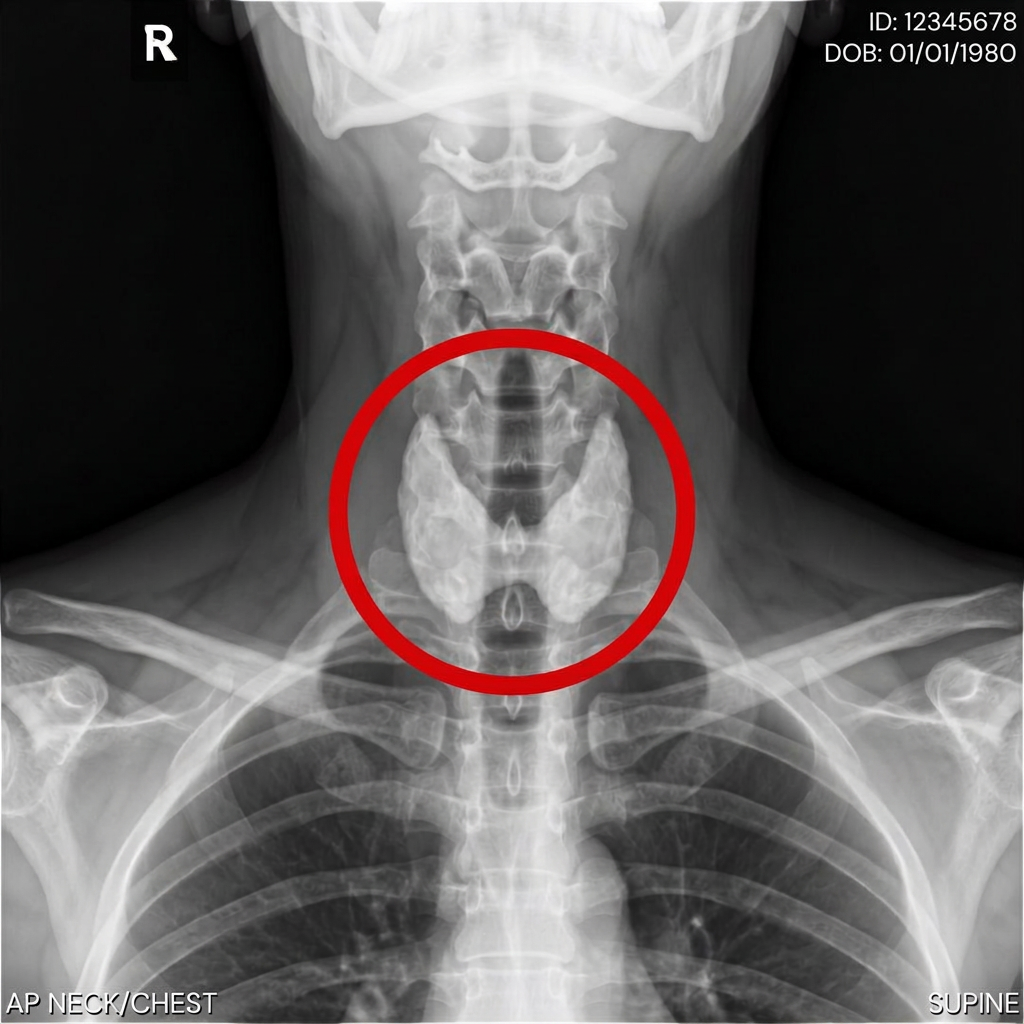
A study by the University of Glasgow reveals why thyroid medications often don’t work – and what really helps: I lost 22lbs and have more energy than ever before. And now I’ll tell you how I finally got my underactive thyroid under control after 12 years of symptoms – naturally and in just 10 weeks. “I was just a shadow of myself.” No matter how long I slept, I still woke up tired. All day I dragged myself through. I was constantly exhausted, unmotivated, and could hardly concentrate. In the afternoons, it felt as if someone had pulled the plug – I just couldn’t go on. My hands and feet were ice cold, even though others were warm. I had muscle and joint pains like I’d run a marathon. And then the weight. No matter how little I ate, the number on the scales wouldn’t go down. On the contrary – my body felt heavier and bloated. My legs were swollen with water retention, my rings no longer fit, and my face was puffy. If I was lucky, I could go to the toilet three times a week. My digestion was sluggish and bloated – as if everything inside was at a standstill. On top of that, hair loss. Hair everywhere – in the shower, on my pillow, in the brush. At night I lay awake, tossing and turning, waking up again and again. And when I finally woke in the morning, I often stayed in bed for another 20 minutes – because I had to mentally prepare myself to get up. Over time, this constant "I just don’t feel well" became my normal state. I didn’t even remember what real energy felt like. What it’s like to wake up in the morning and look forward to the day. To be honest, I could barely remember the last time I felt truly comfortable in my body. As absurd as it sounds, I had almost gotten used to feeling unwell. There was always something – never seriously ill, but never truly healthy either. And no one took me seriously. My doctor looked at my blood results and said: "Everything’s within normal range." But even though the blood tests were supposedly fine, I didn’t feel any better. In the following months and years, I tried various supplements and diet changes – unfortunately without improvement. In my desperation, I searched for new approaches. After months of research, I finally came across a product unlike anything I’d seen before. Honestly, I was sceptical at first. After all, so many products promise miracles – and deliver nothing. But this one had something that piqued my curiosity: It was based on the results of a University of Glasgow study – a globally recognised institution in thyroid and metabolic research. The study explained exactly what I had experienced for years. Because it revealed: … why thyroid medications don’t work for so many patients, … what steps are necessary for symptoms to finally disappear, … and which natural plant compounds help medications to start working again. And that was the lightbulb moment. Thanks to the University of Glasgow research, I finally understood why my condition never improved despite all the medication. To really manage the symptoms, you first have to understand why thyroid drugs often don’t work for many patients. T4 & T3 - Why thyroid medications often fail The body needs two thyroid hormones to function properly: T4 – the inactive hormone: initially ineffective on the body T3 – the active hormone: the one that makes you feel better and keeps your metabolism working Our thyroid produces about 80% T4 and 20% T3. In hypothyroidism, the thyroid doesn’t produce enough T4 and T3. As a result, thyroid tablets like L-Thyroxine are prescribed. These pills are meant to replace the missing hormones. But thyroid medications only contain T4 – the inactive hormone. The body mainly converts T4 into T3. This means: The energy production in cells only works if the conversion from T4 to T3 works. According to the study, T3 is the crucial key for noticeable improvement. Only if the body can convert enough T4 into T3 will the medication have any effect. Then fatigue, weight gain, and other symptoms improve noticeably and the body returns to balance. The interesting part: The thyroid itself is no longer involved in this hormone conversion. Up to 80% of the conversion takes place in the liver. The conversion disorder And here lies the real cause of your ongoing suffering – despite medication. Not in the thyroid, but at the site of critical conversion of T4 into T3: in the liver. The University of Glasgow study shows the liver is overloaded in many patients. The main reason is our modern lifestyle: diet, alcohol, pollution, plasticisers, electromagnetic smog, pesticides, environmental toxins, or heavy metals – all of these burden our liver daily. Because of this, converting thyroid tablets often takes a back seat. Ironically: Even taking the medications adds stress to the liver. Over time, the liver can barely cope. A vicious cycle. Because the liver is overloaded, it cannot properly convert the T4 into T3. For the body, it’s as if no thyroid medication is taken at all. And then what many patients experience happens: The drug simply doesn’t work – leaving you tired, gaining weight, and battling new symptoms. Although you take L-Thyroxine, it remains mostly in its inactive form (T4) in your body. Researchers call this phenomenon a conversion disorder. This disorder is now so widespread in hypothyroid patients that some doctors speak of a "silent conversion pandemic." This is what conversion disorder looks like: Why nothing has helped so far – and what really works The University of Glasgow study results showed symptoms only vanish when the root cause is addressed: the conversion in the liver. As long as the liver is overstressed, it can’t convert the inactive T4 from medication into active T3. That also explains why increasing L-Thyroxine dose and diet changes didn’t work. The problem wasn’t the thyroid or the medication – it was the liver. So, three steps are crucial for improvement: Step 1: Help the liver regenerate. Only when it’s relieved and strengthened can it work properly again. Step 2: Replenish nutrients needed for conversion. Certain trace elements are essential for the liver to convert T4 into active T3. Step 3: Protect the liver to keep it strong and resilient. Shield it from stressors like sugar, alcohol, and toxins. ➡️ A lasting good result only comes when the liver is regenerated, nourished, and protected. According to the study, each step can be achieved through a combination of very specific ingredients: Step 1: Milk thistle, artichoke leaf & dandelion These three plant compounds naturally support liver regeneration and efficiency. They help break down stored toxins, improve liver tissue circulation and stimulate formation of new, healthy liver cells. This allows the liver to work better, restores its detox function, and regains full capacity. Step 2: Selenium Now it gets interesting… The trace element selenium is directly involved in hormone conversion in the liver. So it’s the critical nutrient the liver needs to convert inactive T4 into active T3. But selenium only works if the liver is strong enough. Then energy, metabolism, and wellbeing return and symptoms disappear. What shocked me: The soils in the UK are selenium-deficient! This means our local food doesn’t contain enough selenium because it’s farmed on selenium-poor soils. Estimated 70% of the UK population consume too little selenium, with an average of only 40µg per day. It’s absolutely necessary to support selenium levels – through diet or supplements. Other independent studies confirm selenium’s absolute necessity in hypothyroidism. Especially in related conversion disorder, selenium plays a key role: A major Japanese study showed that if selenium is deficient, patients have very high T4 but very low T3 – a conversion disorder. That makes sense since the enzymes converting T4 to T3 require selenium. Selenium does much more. As a co-factor, it’s also involved in thyroid hormone production. Selenium is a must-have for anyone with hypothyroidism! Step 3: Glutathione & Choline After the liver works properly again and hormones convert, it must be protected – and this is where glutathione and choline help. They act like a natural shield for the liver. They protect it from toxins, stress, environmental poisons, helping it remain strong and resilient. This way, the liver stays healthy long term and keeps thyroid hormones converting correctly. Scientific findings highlight glutathione’s crucial role in liver protection: Glutathione is the most abundant and one of the most powerful antioxidants in the human body. It neutralises free radicals and protects cells from damage. If too many free radicals form, glutathione gets quickly used up – known as "oxidised" glutathione. When glutathione is depleted, it loses its protective effect. This makes cells, especially mitochondria (energy centres), more vulnerable. Studies show people with thyroid problems have less than half the serum glutathione (GSH) of healthy controls. Therefore, it’s vital for hypothyroid patients to maintain good glutathione levels. Based on University of Glasgow study results and other renowned research, UK thyroid start-up ThyroHerb developed the Converter. It’s a liver complex designed especially for people with hypothyroidism. It contains all the natural ingredients mentioned above that specifically support liver and hormone conversion. When I saw numerous impressive testimonials, I knew: I had to try it. Thousands of success stories confirm the Converter’s effectiveness – many report more energy, better wellbeing, and significantly improved thyroid levels. What did I have to lose? I thought: Even if it didn’t help my symptoms directly – it would definitely be good for my liver. Most people have an overloaded liver and selenium deficiency anyway. The nutrients in the Converter are perfect for anyone with hypothyroidism. The Converter is also produced in UK, contains 100% plant-based ingredients, and has no chemicals, artificial additives or hormones. As mentioned, it’s based on University of Glasgow study findings and contains exactly the nutrients identified as key: Milk thistle, artichoke, dandelion, selenium, glutathione, choline, and six more essential nutrients. I was truly hopeful I’d finally found the solution and my symptoms could finally disappear. And without spoiling the surprise: The very fact that I’m writing this text should be proof enough that it worked. You just need to take the Converter consistently – daily, for at least 3 months. Then you will feel the difference. After the first weeks on the Converter After just two to three weeks, I noticed the first changes. I had more energy again – getting up in the morning was easier, my mind clearer, and that heavy fatigue that followed me all day lessened day by day. After about two months I noticed: My body finally felt “light” again. The constant water retention decreased, my concentration improved, and even my digestion got back on track. After three months, the change was obvious: I could exercise again without feeling completely exhausted afterwards. My skin was no longer so dry, my hair felt stronger and I felt like myself again. It’s hard to put into words what a relief it was. For years I’d tried everything – meds, diets, supplements – but only now did I feel my body truly "switch on." The most incredible thing: My thyroid levels improved significantly – my T3 was finally within the target range and even my doctor was surprised how well my levels improved. That was the moment I knew: The Converter works. All the symptoms that had plagued me slowly weakened – until they almost vanished: Constant tiredness? Gone. Weight gain? Stopped and I lost 22lbs. Cold hands and feet? Disappeared. Digestive problems? Finally normal. Hair loss and water retention? Much better. I can honestly say: It was like someone flipped a switch in my body. And the best part – the Converter is 100% natural and a perfect complement to thyroid medication. It helps the body finally process hormones correctly – supports the liver, improves conversion, and relieves typical hypothyroid symptoms. So, summarising: ✓ Supports liver? Yes. ✓ Helps medication work better? Yes. ✓ Relieves hypothyroid symptoms? Yes. ✓ 100% natural and additive-free? Yes. I’m so grateful I ordered the Converter. Because today, a year later, I feel like myself again – full of energy, balanced, and finally free from all the symptoms that held me back for so long. But beware: Due to high demand, the ThyroHerb Converter often sells out. Currently there’s a special offer, so it’s likely the Converter will be out of stock again soon. Usually it takes 6 to 8 weeks until it’s available again. I recommend ordering the 3-month pack right away – so you don’t have to interrupt your intake. Several readers told me they initially ordered a single pack to try the Converter. After they were convinced by the effect, they wanted to reorder – but it was temporarily out of stock. If you interrupt taking it, the effect weakens and you have to start all over. So my advice: order enough for at least three months. Give your body the time it needs to fully regenerate. The purchase is risk-free. ThyroHerb offers a 30-day money-back guarantee. If you’re not 100% satisfied with the Converter’s effect, you get your money back. ThyroHerb can offer this confidently – because over 97% of customers report positive experiences and noticeable improvements within weeks. Here you can find out if the Converter is still available and if you can still secure the offer: https://healthbloguk.com/Thyroherb/an-underactive-thyroid-as-a-hidden-cause-of-hair-loss--even-if-your-blood-tests-seem-perfectly-fine
Where the ad sends people
https://healthbloguk.com/Thyroherb/an-underactive-...
The Thyroid Dizziness
From hair loss to a full head of hair in just 5 months: How I finally got thick, healthy hair again after 5 years of despair
Learn more: healthbloguk.com(opens in a new tab)