
Inactive· since Jan 19, 2026
- 81
- days it ran
- 0
- relaunches
Ad copy
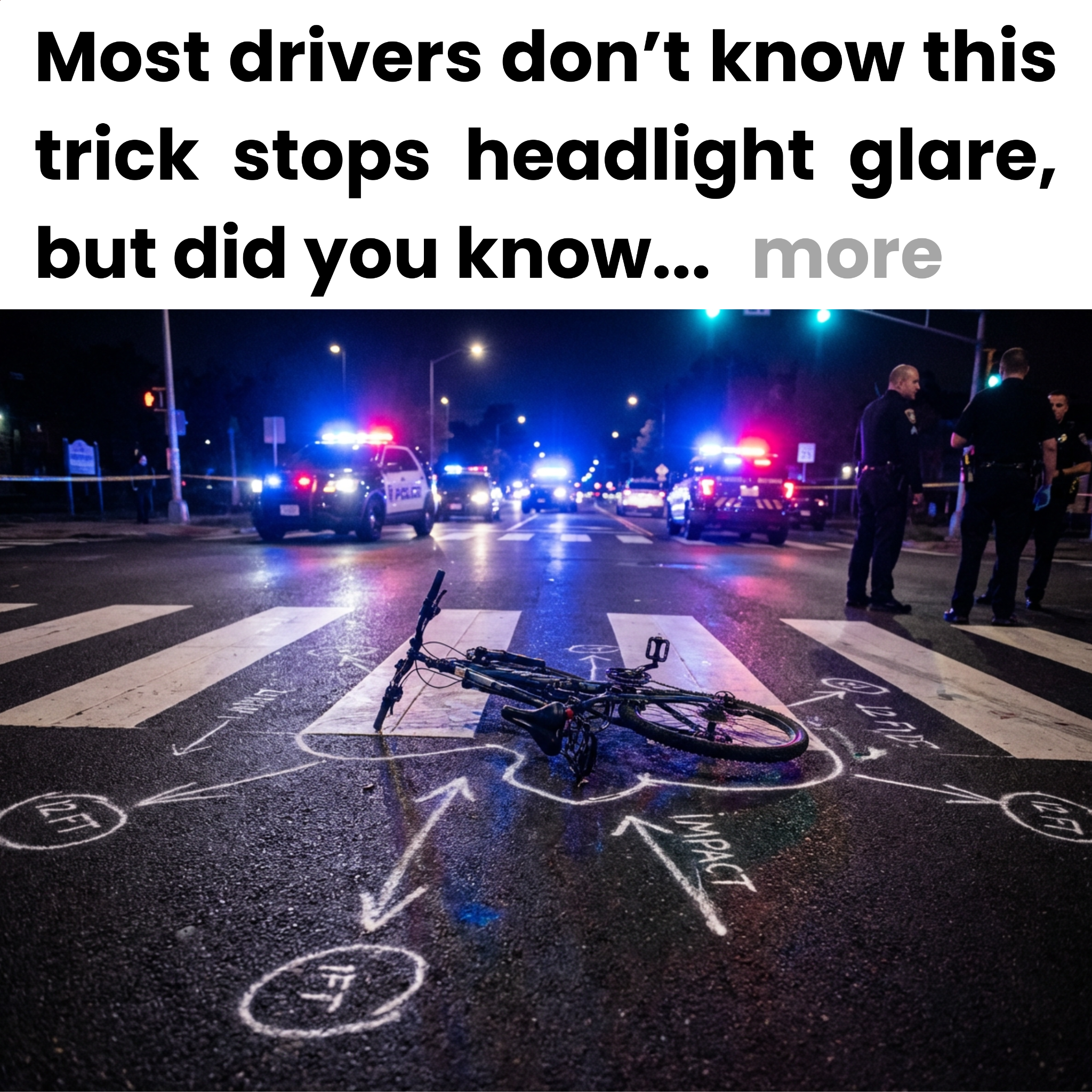
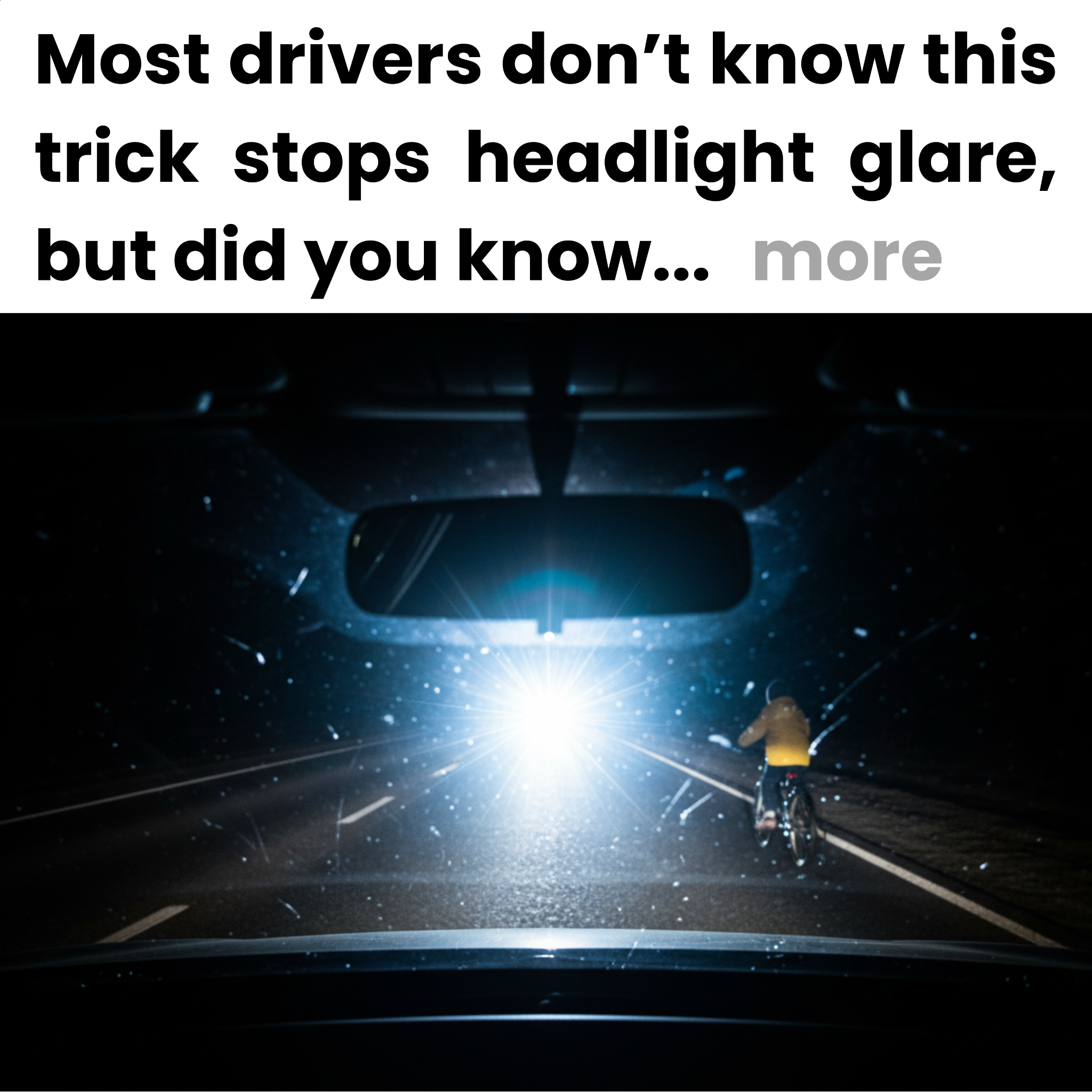
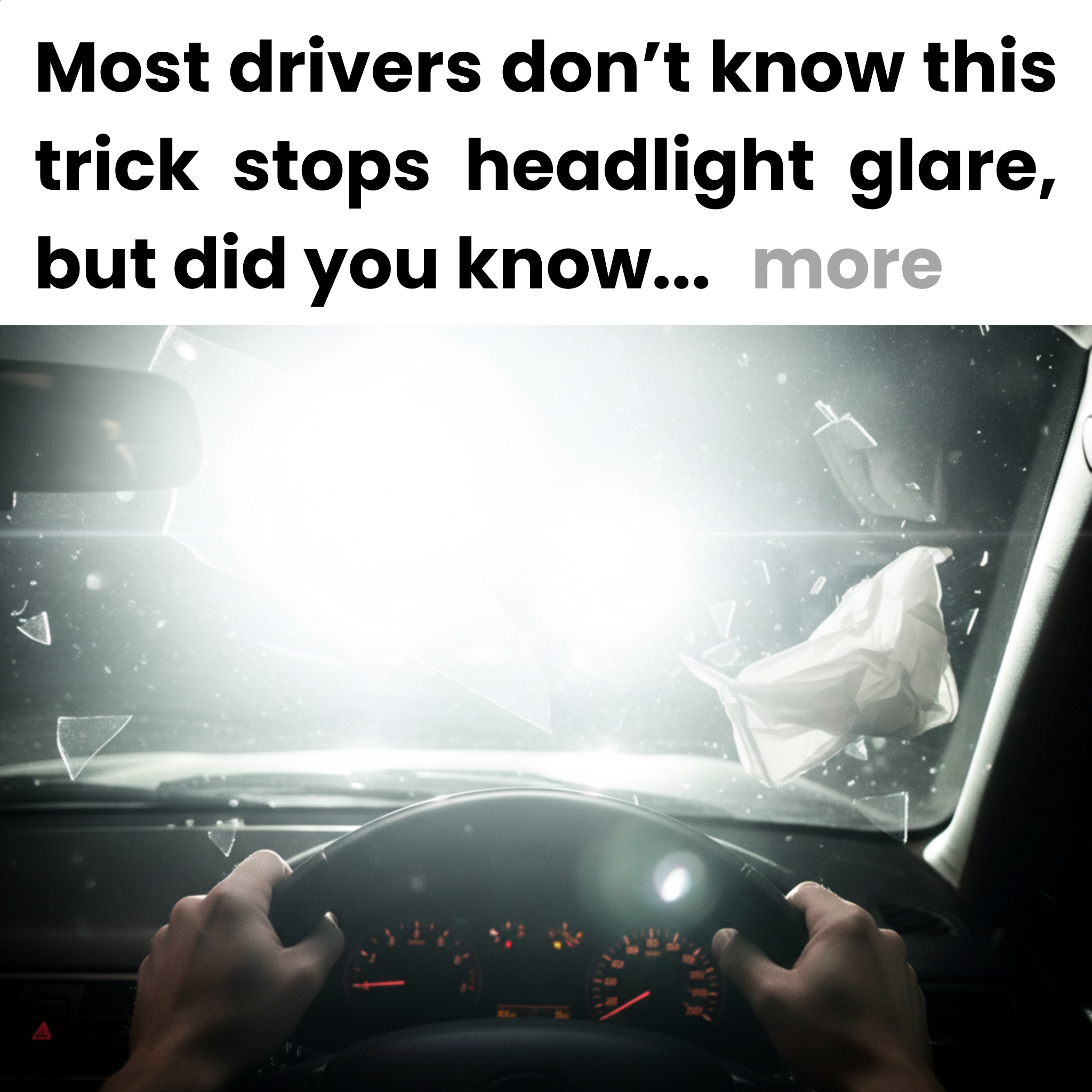
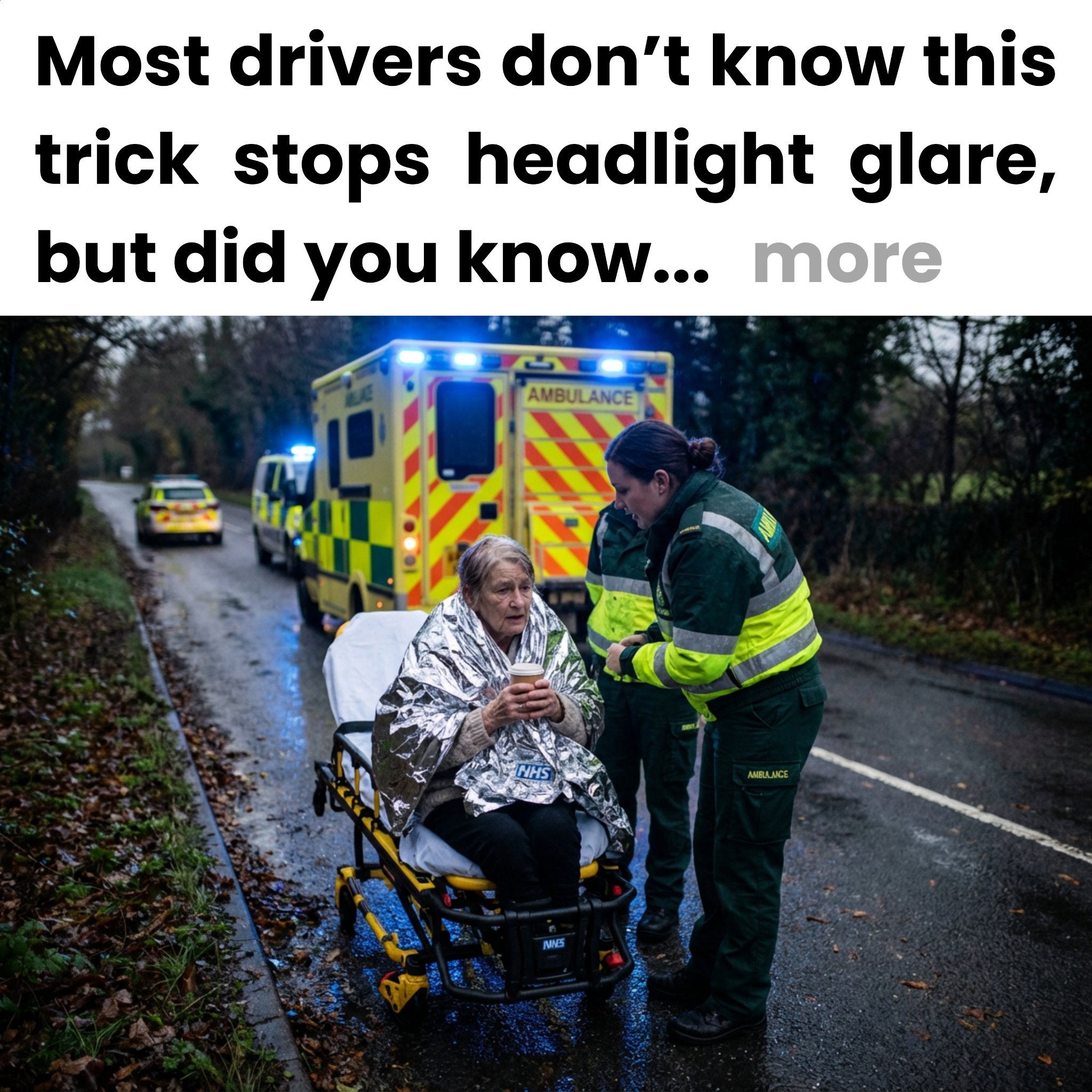
I got the call about my mother's accident at 11:47 PM on a Tuesday. She was okay. Minor injuries. But when I arrived at the scene, she was shaking so badly she could barely stand. "David, I couldn't see. Those headlights hit me and everything just... disappeared." I'm a highway patrol officer. I've been on the force for 22 years. I've heard that exact sentence at least fifty times. Always from drivers over 55. Always at night. Always involving LED headlights. But this time it was my mum. And that changed everything. She'd been driving home from her book club. A perfectly straight road she'd driven a thousand times. An oncoming car came over a rise with LED headlights and she was blinded so completely she veered off into the barrier. The other driver didn't even stop. Probably didn't realize what happened. My mum sat in the ambulance with a blanket around her shoulders and kept saying: "It was like staring into the sun. I couldn't see the road. I couldn't see anything." I drove her home that night. Stayed with her until she fell asleep. Then I sat in her kitchen at 2 AM and something clicked. Eighteen months earlier, I'd responded to a crash on the M1. Elderly woman. Same story. Veered off the motorway into a barrier after being blinded by LED headlights. Before that, a man in his sixties. Hit a parked car. Said the oncoming headlights made the world disappear. Before that, a grandmother who'd driven for forty years without incident. Drifted into the opposite lane. Head-on collision. Didn't survive. Every single time: "The headlights blinded me." Every single time, I'd written it in my report. Chalked it up to aging eyes. Poor night vision. Just part of getting older. But my mum's eyes were fine. She'd just had them checked. Perfect vision for her age. So what was really happening? The next morning, I started pulling data. Accident reports from the past decade. Specifically nighttime crashes involving drivers over 55. The pattern was undeniable. In 2011, there were 2,340 nighttime accidents in our region involving drivers over 55. In 2012, that number jumped to 3,890. By 2015, it was 6,200. By 2023, over 15,000. A 550% increase in just over a decade. I looked at what else changed in that timeframe. Road conditions? Roughly the same. Number of older drivers? Increased by about 12%. Nothing that would explain a 550% spike in accidents. Then I found it. In 2012, major car manufacturers started rapidly switching from halogen headlights to LED headlights. Not for safety. Not for better visibility for the driver. To cut production costs by 40%. LEDs are cheaper to manufacture. More energy efficient. Better for the bottom line. But nobody had tested what they'd do to oncoming drivers. I started researching the difference between halogen and LED headlights. That's when I found the studies about blue light wavelengths. LED headlights emit an intense blue spike at 400 to 500 nanometers. That specific frequency overwhelms the photoreceptors in human eyes—especially in older eyes where the lens has yellowed slightly with age. When that blue light hits you, your retinal cells can't process it. For 3 to 7 seconds, you experience complete vision loss. Not glare. Not discomfort. Temporary blindness. Seven seconds. That's enough time to travel 200 meters at motorway speed. Completely blind. I took my findings to my supervisors. Showed them the data. The accident reports. The research on blue light. They thanked me for my diligence and did nothing. I contacted the automotive safety board. Sent them everything I had. They sent back a form letter. "Thank you for your concern. Current headlight regulations meet all safety standards." I tried going to the press. One journalist was interested. Then his editor killed the story. "Too many automotive advertisers. Can't risk it." The industry had too much money at stake. And nobody wanted to admit that the headlights they'd been installing for over a decade were causing crashes. So I decided to fix it myself. I contacted optical engineers. Explained the problem. Asked if there was a way to filter out that dangerous 400-500 nanometer blue spike without compromising vision. They told me about NASA. When astronauts are in space, they're exposed to intense solar radiation including harmful blue light wavelengths. NASA developed specialized lens coatings for helmet visors that filter out specific frequencies while letting in all the light needed for clear vision. Same principle could work for driving glasses. We spent six months developing the prototype. Testing different coatings. Different tint levels. Making sure we blocked the dangerous blue spike at 400-500 nanometers while letting all other light pass through normally. I tested them myself. Drove at night with the glasses on. Had cars with LED headlights shine directly at me. For the first time in years, I could see clearly through the glare. The headlights were still bright, but they didn't create that blinding white-out. The road stayed visible. Everything stayed visible. We ran controlled tests with volunteer drivers over 55. 96% reported the glasses eliminated dangerous LED headlight glare. Made night driving significantly safer. I showed my mum. Put the glasses on her and had her sit in the passenger seat while I drove at night. When an LED headlight hit us, she didn't flinch. Didn't gasp. Just sat there calmly. "David, I can see. I can actually see through them." She cried. I cried. I mortgaged my house. My brother-in-law invested his savings. We got a small business loan. All together, we raised £3.2 million to bring this to market. We called them Headlight Glasses. Not regular night driving glasses. Not the yellow-tinted ones designed thirty years ago for warm halogen bulbs. These were specifically engineered to combat modern LED headlights. To filter that exact 400-500 nanometer blue spike that's been causing crashes since 2012. We made sure they'd fit over prescription glasses. Made them lightweight. Comfortable for long drives. We launched them eighteen months ago. Over 50,000 drivers use them now. I get emails every week. People telling me they can drive again. They're not scared anymore. They're not missing family events. They're not being told by their doctors to just accept that they're too old. Last week, I got an email from a woman in Manchester. She'd stopped driving at night two years ago after her doctor told her it was just part of aging. She'd missed her grandson's school play. Her daughter's birthday dinner. Countless moments with her family. She tried Headlight Glasses and drove to her granddaughter's concert last Tuesday. First nighttime drive in two years. "I cried the whole way home," she wrote. "Not from fear. From relief. I got my life back." That's why I did this. Because my mum shouldn't have crashed. That grandmother on the M1 shouldn't have died. Thousands of people shouldn't have been told they're too old to drive when their eyes are perfectly fine. The auto industry made a choice in 2012 to save 40% on production costs. They knew LED headlights would be brighter. They just didn't care what it would do to oncoming drivers. And when the accidents started piling up, nobody wanted to admit the problem. So they blamed aging. Blamed poor night vision. Blamed the drivers. But it was never the drivers. It was the headlights. If you've been struggling with LED headlight glare at night—if you've been told to just stop driving after dark—you're not too old. Your eyes aren't failing. You're being blinded by technology that was never tested for safety on oncoming drivers. Headlight Glasses filter out that dangerous 400-500 nanometer blue spike using NASA-derived technology. They don't make everything darker. They remove the specific wavelength that's blinding you. Right now they're 50% off with a 180-day money-back guarantee. Six full months to try them risk-free. I'm sharing this because what happened to my mum happens to someone every single day. And most of them never find out the truth about what's really causing it. The problem isn't you. It's them. And there's finally a solution.
Like this ad? Make it yours.
Crush rebuilds this exact creative around your product — your brand, your colors, your offer — in about a minute.