Natural Heart Magazine
Natural Heart Magazine Facebook ad: “Your Retrograde Ejaculation Is The Warning. Your Heart Is…”
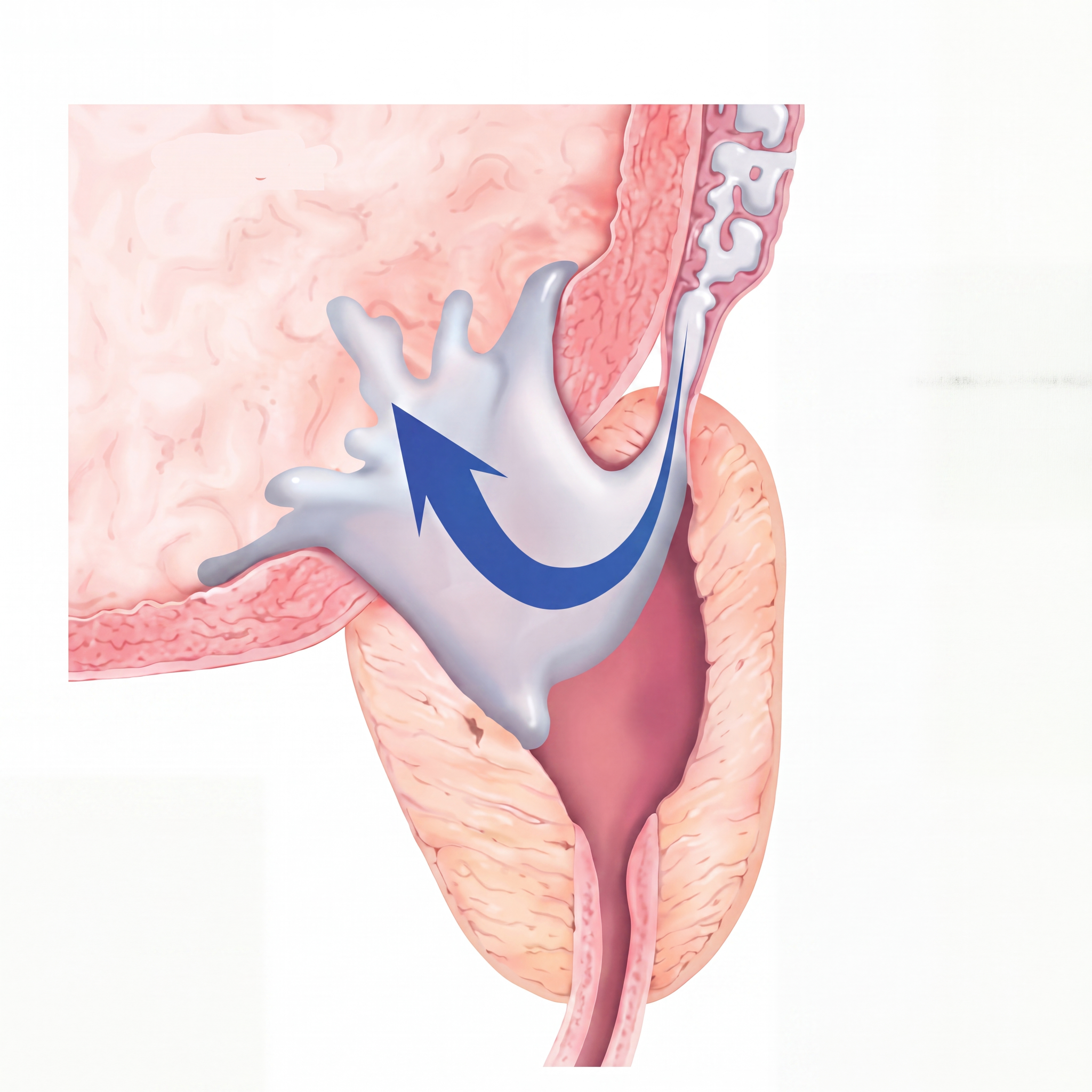
Ran for 14 days, from July 24 to August 7, 2026, the last day Crush saw it.
Run by Natural Heart Magazine on Facebook. Crush is not the advertiser and does not verify its claims. See this ad in Meta's Ad Library(opens in a new tab)
Want an ad like this for your product?
Crush makes new ad images for your product from this ad: your logo, your product photo, your offer.
Trials from $19.95 USD, then $79.95 USD a month. Cancel anytime.
About this ad
- Meta Ad Library ID
- 1418794470147622
- Platforms
- Facebook, Instagram, Audience Network, Messenger and Threads
- Relaunches
- 2
Ad text
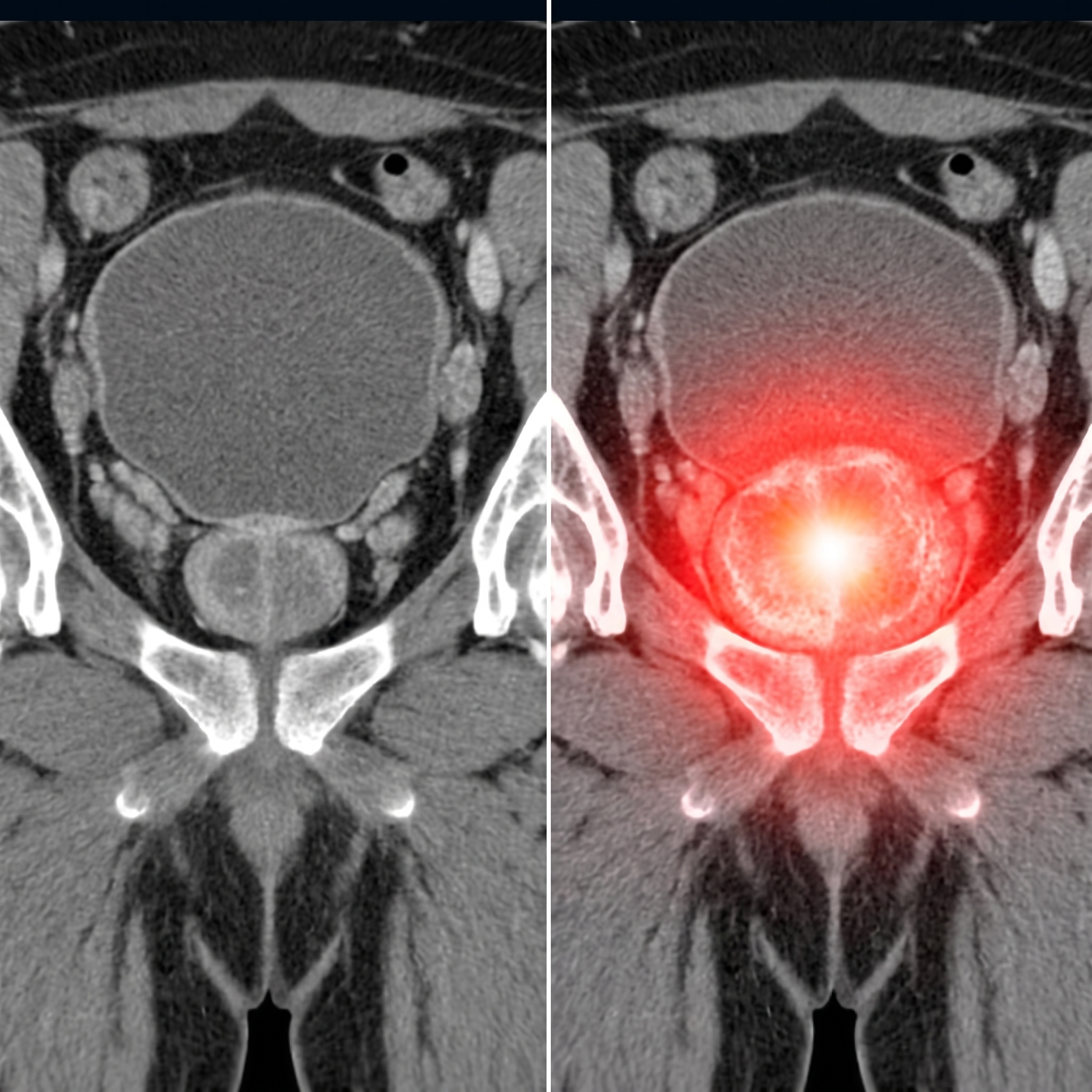
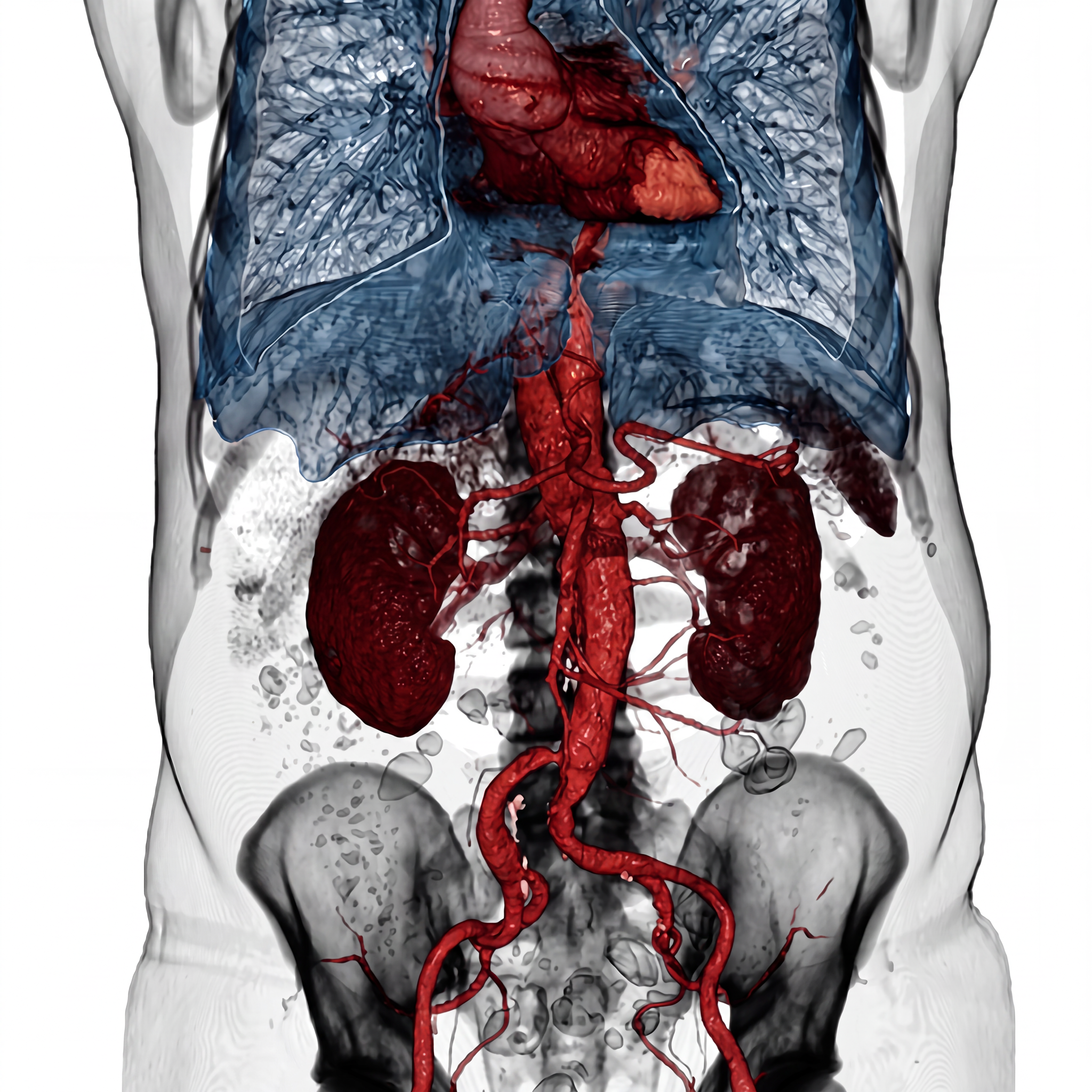
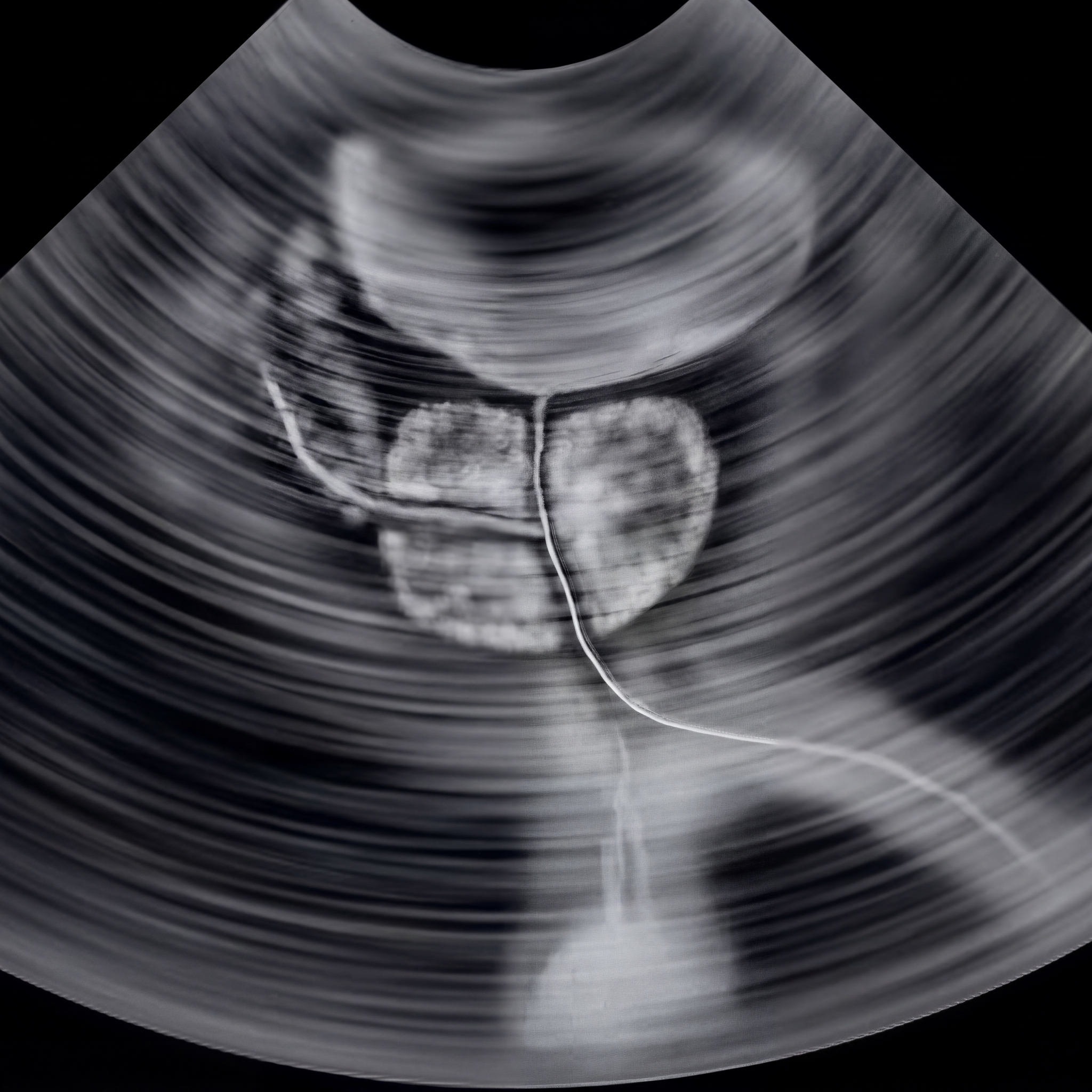
If you are a man on Lisinopril, Amlodipine, or similar blood pressure medication and your ejaculate has disappeared, weakened, or started going backwards, you have somewhere between three and five years before the same vascular failure could reach your heart. I am a urologist with 19 years of practice. I have spent the last decade watching this exact timeline unfold in men on long-term antihypertensives while telling none of them what was actually coming. I am writing this letter to break that silence. Men on long-term Lisinopril, Amlodipine, Losartan, Atenolol, and Metoprolol experience retrograde ejaculation, ejaculatory volume reduction, and erectile dysfunction at rates that almost no primary care visit tracks because the BP number on the cuff is the only outcome the appointment is measuring. Almost none of these men are told that the same antihypertensive that is "managing" their blood pressure is also interfering with the vascular signaling their body uses to maintain its own function. They are told the medication is "protecting their heart." That phrase, in isolation, is one of the most expensive half-truths in modern medicine. I'm Dr. Daniel Westbrook. I'm a board-certified urologist who spent fifteen years writing eight-minute prescriptions to men on antihypertensives without telling them what was about to happen to them next. When my own urinary and vascular symptoms started at 52, I knew something I had never explained to a single BP medication patient. The prostate isn't the disease. The er*ction isn't the disease. The retrograde ejaculation isn't the disease. They are all symptoms of one underlying problem — the progressive buildup of fibrin inside every artery in the body that drove your BP up in the first place and that your antihypertensive is masking on paper while doing nothing to clear the underlying obstruction. Almost every standard urological treatment added to a BP medication protocol masks the next downstream symptom while the underlying vascular damage continues to progress. I have treated thousands of men on long-term BP medications in my career. I have seen what happens at year three on Lisinopril. Year five. Year eight. Year eleven. And I have seen what almost no urologist documents properly because the appointments are too short and nobody is asking about the symptoms that men do not volunteer. The 58-year-old. On Lisinopril for seven years. BP cuff readings "managed" at 132 over 84 every visit. His primary care doctor was satisfied. The chronic dry cough had been there for seven years — a known side effect of ACE inhibitors — and he had been told to live with it. His PSA crept past 4 in year seven. His urologist added tamsulosin. Within four months he called the office quietly asking why nothing came out anymore. He had been on three separate prescriptions for three separate symptoms — Lisinopril, baby aspirin, tamsulosin — and not one of his doctors had stopped to ask whether the antihypertensive that was lowering his cuff number was also allowing the fibrin accumulation inside his arteries to continue unchecked. Two years after that he had his first cardiac event. His BP on admission was 134 over 86. "Managed." His arteries had been silently filling with fibrin the whole time. The 53-year-old. Diagnosed with hypertension at 45. On Amlodipine for the last decade. Cuff reading "perfect." Ankle swelling — a documented side effect of calcium channel blockers — had been there for seven years and his primary care doctor had told him to elevate his legs at night. Started noticing retrograde ejaculation around year seven. His urologist told him it was a known complication of aging and added a tadalafil prescription for the ED that was already starting. Then his doctor wrote Viagra on top of his Amlodipine — a medication that creates the very vascular dysfunction Viagra is being prescribed to compensate for. Three years later he was in his cardiologist's office with chest discomfort. BP still "managed." Coronary calcium score 287. His urinary symptoms had been the warning at year five. The retrograde ejaculation had been the warning at year seven. The ED had been the warning at year eight. By the time the cath showed plaque, his vascular system had been screaming for years and his medical team had answered each scream with a different prescription. I see these men in follow-up appointments. They do not complain. They are grateful their BP cuff reading looks good and that I am "managing" the prostate. But I know what they lost. They had years to address the fibrin accumulation that drove their BP up in the first place. Years to clear the arterial obstruction that their antihypertensive was bypassing. Years to save themselves from a cardiac event their BP medication could not prevent because the disease was not a chemistry problem the medication was designed to fix. Their symptoms had been screaming the warning the entire time. The prescriptions just turned down the volume one organ at a time while the underlying fibrin buildup compounded. What almost no doctor explains to a man on a BP medication with retrograde ejaculation is this. The blood pressure on your cuff is the downstream result of how narrowed and obstructed your arteries have become from decades of fibrin accumulation. Fibrin is the sticky protein mesh your body produces in response to inflammation, micro-damage, stress, and the ordinary wear of decades. In a young man, the body produces enough fibrinolytic enzymes to dissolve the fibrin after the repair is done. The mesh is cleared. The artery stays open. Blood flows freely. Pressure stays in range. Past 40, those cleanup enzymes slow. Past 50, they slow further. The fibrin stops being temporary. It becomes permanent. Layer after layer, year after year, narrowing every artery from the inside. The blood itself thickens — viscosity increases as fibrin fragments circulate in the bloodstream. The combination — narrower passages and thicker blood — means the heart has to pump harder. Your BP climbs. Your doctor's response to the climbing number is to prescribe an antihypertensive. Each class works differently. ACE inhibitors like Lisinopril and Enalapril block the enzyme that produces angiotensin II — a vasoconstrictor. Less vasoconstriction, the cuff number drops. But ACE inhibitors do not dissolve a single molecule of the fibrin lining your arterial walls. The cuff number improves while the obstruction remains intact. The chronic cough most men on Lisinopril develop is bradykinin accumulation in the airway — the medication interfering with signaling pathways it was never designed to address selectively. Calcium channel blockers like Amlodipine and Nifedipine block calcium entry into vascular smooth muscle cells. Less calcium, less smooth muscle contraction, the cuff number drops. But calcium channel blockers also directly suppress smooth muscle tone in the bladder neck and the corpora cavernosa — meaning the very tissue that needs to function correctly for normal ejaculation and er*ction is being pharmacologically suppressed. The ankle swelling most men on Amlodipine develop is venous smooth muscle relaxation in the lower extremities. The same mechanism affects every smooth muscle bed in the body. And not one milligram of the fibrin inside the arteries is touched. Beta blockers like Metoprolol and Atenolol blunt sympathetic nervous system activation. Heart rate drops. Cardiac output drops. Cuff number drops. But beta blockade also dampens the autonomic nervous system signaling that the bladder neck and the penile arteries depend on for normal function. The fibrin stays. Each class moves the cuff number. None of them clear the fibrin. All of them have downstream urologic costs that show up in the bladder, the prostate, and the corpora cavernosa within a few years of starting. The retrograde ejaculation you have been quietly living with is not the warning. The fading er*ctions are the warning. The urinary symptoms that came before them are the warning before the warning. The continued fibrin accumulation in your coronary arteries that your antihypertensive cannot prevent — because the disease is structural, not just hemodynamic — is the disease. A 2006 study in European Urology documented this timeline. Erectile dysfunction precedes the first cardiovascular event by an average of three to five years. In men on long-term BP medications, the cardiovascular event arrives despite a "well-managed" cuff number. Men with ED on long-term BP medication carry a higher cardiovascular risk profile than men without ED at the same cuff reading — because ED is the more honest signal. The cuff reading is what the medication moves. The fibrin accumulation is what determines whether plaque progresses and arterial events occur. Your prostate symptoms are not embarrassing. Your retrograde ejaculation is not just "part of aging." They are your 10-year early warning system. And the warning is louder than your cuff reading. I was not going to start the cascade I had been writing for thousands of BP medication patients. And I needed to find a path that actually addressed the mechanism rather than masking another downstream symptom. I tried what BP medication patients try. Lifestyle changes. Mediterranean diet. Exercise. Weight loss. Helped marginally but the urinary symptoms persisted. Standard supplements. Saw palmetto. Pumpkin seed oil. Beta-sitosterol. L-arginine. The standard list. Did not move the needle. My PSA was stable. My cuff reading was managed by Lisinopril. But my arteries were still narrowing. My flow rate stayed weak. My morning er*ctions stayed inconsistent. The antihypertensive had moved the number while the fibrin kept accumulating. But I kept thinking about something that made no sense in standard practice. Fibrin accumulation can be reversed even on long-term BP medication if the right enzyme is introduced. Arterial flow can be restored. The vascular research had been showing this for years. Almost no one in primary care or urology was applying it. So why was I not applying it to myself? November 14th. 10:23 PM. I was reviewing journals after a long clinic day. Couldn't sleep. The urinary symptoms were worse. The morning er*ctions were almost completely gone. I was scrolling through research on vascular interventions for arterial narrowing. Not looking for anything specific. Just exhausted. I found a paper on nattokinase and fibrinolytic activity in atherosclerotic arterial walls. Nattokinase is an enzyme derived from natto — a traditional Japanese fermented soybean food consumed for thousands of years. It directly dissolves fibrin, the sticky protein mesh that builds up inside arterial walls year after year. It reduces blood viscosity so blood flows more freely through narrowed passages. And it does this systemically, in every artery in the body — penile, prostatic, femoral, coronary — because fibrin buildup is system-wide and so is the enzyme's activity. The mechanism didn't just support symptom relief. It supported actual clearing of the obstruction — on a pathway that operates independently of the bradykinin signaling ACE inhibitors interfere with and the calcium channel signaling Amlodipine suppresses. The enzyme dissolves the structural problem the medications were never designed to touch. Sustained nattokinase supplementation had been shown in multiple studies to reduce fibrin deposits, improve arterial flow, lower inflammatory markers, and support healthy blood pressure. I sat there at 10:23 PM staring at the diagram. Lisinopril was managing my BP number while the fibrin lining my arterial walls continued to accumulate undisturbed. Tamsulosin would have forced smooth muscle relaxation without clearing a single molecule of fibrin. Two medications, both addressing surface biomarkers, neither addressing the underlying structural obstruction. Nattokinase dissolves the fibrin directly. The enzyme operates independently of the bradykinin cascade and the calcium channel cascade. It clears the physical narrowing that drove the pressure up in the first place. The arteries open because the obstruction is removed, not because the smooth muscle is being chemically forced to relax around it. The vascular dysfunction causing your urinary symptoms, your retrograde ejaculation, your fading er*ctions, and your continuing plaque progression despite a managed cuff number — actually improves. I have been a urologist for 19 years. And I had never connected therapeutic nattokinase to BPH symptoms in men on antihypertensives. The shared mechanism was never part of any urology or cardiology curriculum. At 11:11 PM I went looking for a properly formulated nattokinase supplement. What I learned during that search is something every man on BP medication who tries nattokinase needs to know. Nattokinase is a fragile enzyme. When you swallow a standard dry-powder nattokinase capsule, your stomach acid destroys most of the enzyme before it ever reaches your bloodstream. The compound that is supposed to dissolve fibrin gets dissolved by your own gut first. For nattokinase to actually reach the arterial walls where fibrin lives, two things must happen. The softgel must be enteric-coated — surviving stomach acid intact and releasing the enzyme further down where it can actually be absorbed. And the enzyme must be suspended in a carrier oil that enhances absorption. MCT oil is the carrier the research supports. Almost no nattokinase supplement on the market does both. Most use standard capsules with dry powder. No enteric coating. No oil suspension. The enzyme is destroyed before it reaches the bloodstream. Men take it for months, feel nothing, and conclude nattokinase doesn't work. The nattokinase was fine. The delivery was the failure. I found one brand that was different. Vitalyn. 4,000 fibrinolytic units of nattokinase per serving — the full clinical dose in a single softgel. Enteric-coated so the enzyme survives stomach acid. Suspended in MCT oil so the body actually absorbs it. With CoQ10 for heart muscle energy. With bromelain for secondary fibrin breakdown. With turmeric and ginger for the arterial inflammation that causes fibrin to deposit on the walls in the first place. With olive leaf for vascular protection. With white willow bark for natural anti-platelet support. I ordered a pouch that night. One softgel in the morning with breakfast. I started November 15th. November 22nd. One week in. Morning er*ctions returning. Not consistent yet. But present for the first time in over a year. November 29th. Two weeks in. Did not wake up to urinate the previous night for the first time in two years. December 13th. Four weeks in. Morning er*ctions every day. Full stream returning. My wife asked what I had changed. "Different approach," I told her. "Whatever it is, keep doing it." January 10th. Eight weeks in. Repeat bloodwork. Blood pressure down from 144 over 88 to 126 over 78 at the same medication dose. My primary care doctor reduced one of my BP medications. Inflammatory markers down across the panel. I went back to my urologist colleague for a flow study and a digital exam. He looked at my flow rate. Looked at his notes from six months ago. "Dan, what did you do?" I explained the fibrinolytic mechanism. The enzyme dissolving the fibrin scaffolding lining the arterial walls. The reduction in blood viscosity. The way it operates independently of the bradykinin and calcium channel pathways the antihypertensives were affecting. The turmeric and olive leaf working upstream to slow the inflammation driving new fibrin deposits, while the nattokinase and bromelain worked downstream to dissolve the buildup already there. He was quiet for a long moment. "I have hundreds of patients on Lisinopril and Amlodipine who I have also written tamsulosin for. If what you are describing is reproducible..." "The mechanism is real." He started ordering it for his BP medication patients with retrograde ejaculation and weak flow. I am not writing this letter because I am against antihypertensives. These medications save lives. They prevent catastrophic stroke and acute hypertensive emergencies. If your doctor has prescribed one, please do not stop it without that conversation. But antihypertensives do not dissolve the fibrin lining your arterial walls. They move the cuff number while the structural obstruction that drove the pressure up in the first place remains intact. They do not lower your accumulated cardiovascular risk to zero — because plaque progression is driven by chronic fibrin accumulation and arterial inflammation, not solely by cuff readings. They move the number while the disease continues to progress in a quieter form, expressed first through the smaller vessels — the bladder neck, the prostate, the penile arteries. Your prostate symptoms are not failing you. Your retrograde ejaculation is not failing you. They are warning you. I think about what I almost did. I almost added tamsulosin on top of my Lisinopril. I almost accepted retrograde ejaculation as the cost of "managing" my BP while my urinary symptoms got worse and my morning er*ctions kept fading. Eight weeks. That is how long it took my blood pressure to drop further, my urinary symptoms to ease, my morning er*ctions to return, and my flow rate to recover to where it had been at 45 — while staying on my antihypertensive at first, then with my primary care doctor reducing the dose. Vitalyn. 4,000 fibrinolytic units of nattokinase. Enteric-coated. MCT oil suspension. Seven-in-one cardiovascular formula. One softgel a day. 90-day money-back guarantee. Send back the pouch, even empty, if your symptoms have not measurably improved. — Dr. Daniel Westbrook, MD Board-Certified Urologist, 19 years Practicing physician P.S. — Give it 60 to 90 days. Track your cuff reading. Track your urinary symptoms. Track your morning er*ctions. If the trend lines do not improve, send the pouch back. The upside is the version of yourself that does not end up adding two more prescriptions to manage downstream effects your BP medication created. P.P.S. — You are not too late yet. Your antihypertensive is doing what it was designed to do for your cuff reading. The fibrin inside your arteries is not being addressed. Please clear it now, before the cascade your primary care doctor is missing reaches the organ they finally pay attention to.
Where the ad sends people
thevitalynlab.com
Your Retrograde Ejaculation Is The Warning. Your Heart Is The Target.
Support your cardiovascular health with our nattokinase softgels, a premium supplement meticulously formulated for those who prioritize long-term heart vitality.
Learn more: thevitalynlab.com(opens in a new tab)