Linda Miller, RN
 Facebook ad: “Ceylon Cinnamon 7200mg Equivalent with MCT Oil”
Ran for 22 days, from September 27 to October 19, 2026, the last day Crush saw it.
Run by Linda Miller, RN on Facebook. Crush is not the advertiser and does not verify its claims. See this ad in Meta's Ad Library(opens in a new tab)
Make your own version of this ad
Crush makes it, launches it in your own Meta ad account, scales the winners and pauses the losers.
About this ad
- Meta Ad Library ID
- 1419514026810307
- Platforms
- Facebook, Instagram, Audience Network and Threads
- Relaunches
- 0
Ad text
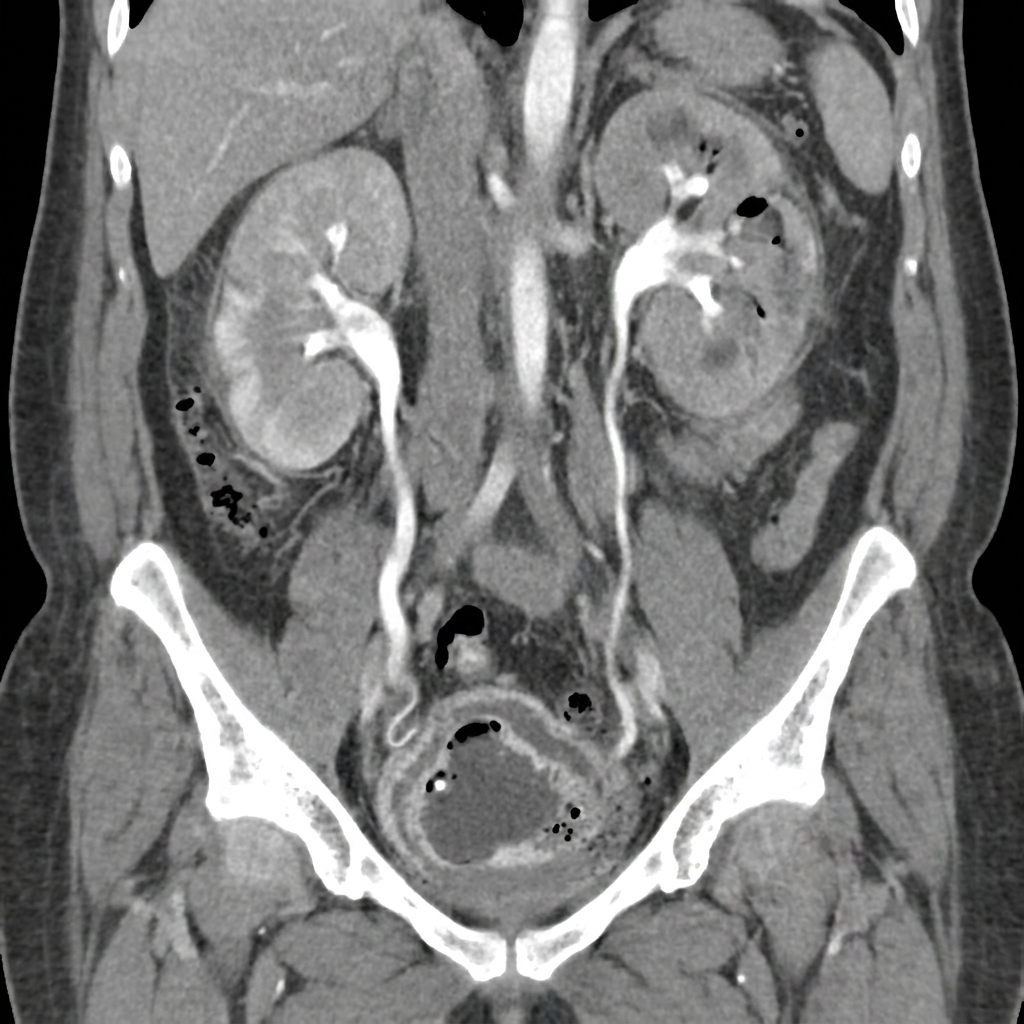
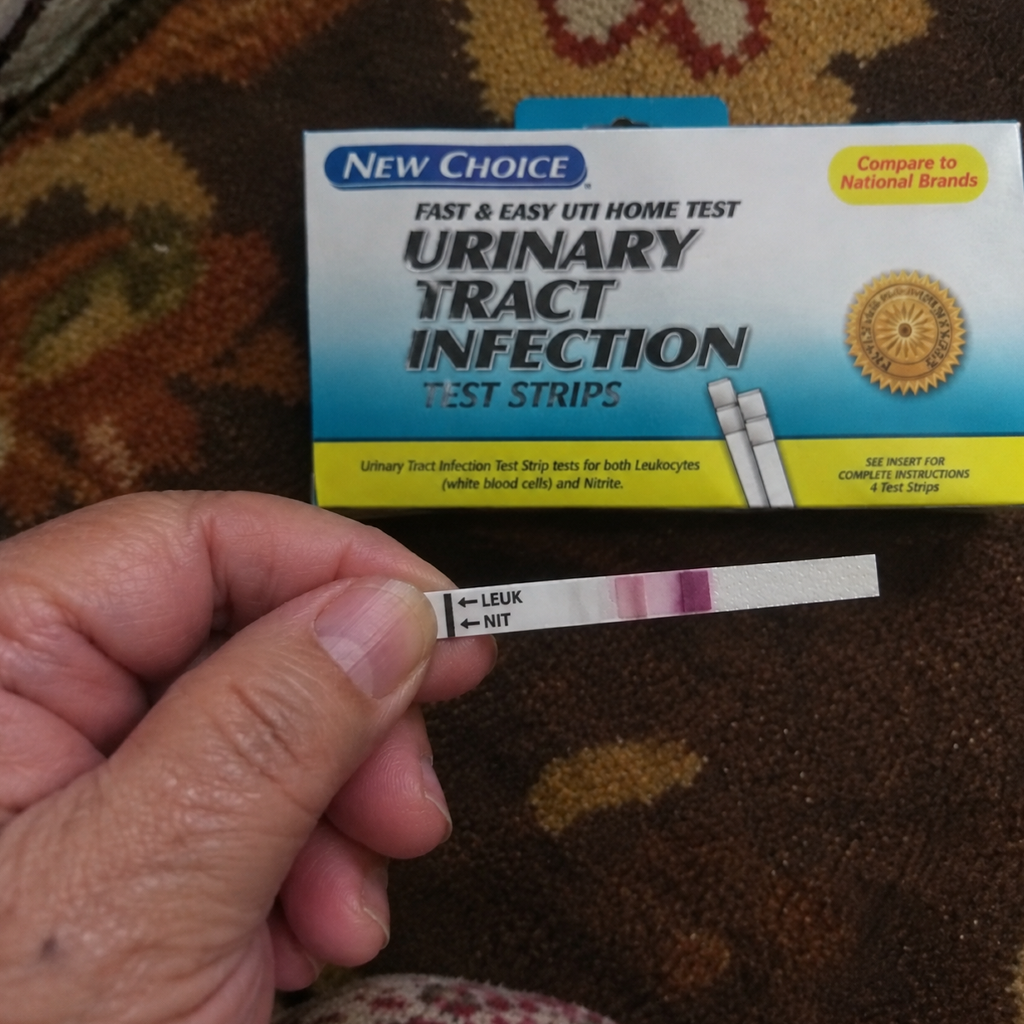
I'm a Type 2 diabetic and a nurse. I kept getting UTIs. I tried everything. Here's what finally changed the pattern. I'm Linda. I've been an urology nurse for 38 years. I've held the hands of patients fighting severe infections. I've watched recurring UTIs turn into kidney infections. I've seen the trajectory. And I've seen something else — the thing nobody talks about. I've watched women come back again and again with the same infection. The burning. The urgency to pee. The urine tests. The antibiotics. The relief. Then another UTI weeks or months later. So when my own UTIs started coming back, I knew exactly what my doctor would say before she said it. “We'll treat it when it comes back.” I smiled. Nodded. Took the prescription. And threw it away three days later. Not because I was reckless. Not because I was ignoring my doctor. But because I'd spent 38 years watching this cycle repeat. The antibiotic would clear the infection. The symptoms would disappear. And then, sooner or later, another one would show up. I knew antibiotics were important. I knew they treated the bacterial infection. But I also knew they weren't designed to explain why the same patient kept ending up back in the same chair. I was trying to find a third option. Not instead of antibiotics. Not instead of medical treatment. Something that addressed. For three years, I tried everything else. More water. Stopped holding my urine. Cut back on coffee. Drank cranberry juice, even made it myself because I thought, “If it's natural, it has to be better”. Changed my bathroom habits. Took every antibiotic exactly as prescribed. And every time, the same thing happened. The infection would clear. The burning would disappear. The urgency to pee would settle down. Then weeks or months later... Another UTI. My fasting glucose was still running higher than I wanted, too. My A1C was sitting around 7. Better than where I'd started. But the infections kept coming back. And the cost? I was exhausted. I'd wake up at 3 AM needing to use the bathroom, check my glucose out of habit, then lie there wondering whether that familiar burning was going to start again. I was doing everything right and still losing. My husband found me crying in the bathroom one night at 11 PM, staring at another positive urine test. “Just take the antibiotics,” he said. “I know,” I whispered. “I just don't understand why it keeps coming back.” But I was running out of answers. Then something happened that changed everything. I was discharging a patient — a 61-year-old woman with Type 2 diabetes who had been admitted three months earlier after another complicated urinary infection. She'd already had several UTIs that year. Another urine test. Another antibiotic. Another few weeks of relief. But this time, something was different. She looked lighter. Not just physically. She wasn't constantly asking where the nearest bathroom was. She wasn't worried about every change in sensation. She was laughing with the nurse before she left. I pulled up her chart. Her fasting glucose that morning: 104. Three months earlier: 176. And beside it was something I hadn't expected to see. No new documented UTI. I walked back into her room. “Mrs. Patterson. Your glucose. Your urinary symptoms. What changed?” She grinned. “You're not going to believe me.” “Try me.” “I started taking this Ceylon cinnamon supplement my daughter found.” “Metabolae.” I looked at her. “You're telling me a cinnamon supplement changed your UTI pattern?” “I'm telling you I haven't had another infection since I started. I'm sleeping better. I'm not planning my whole day around bathrooms anymore. And my glucose readings have been moving in the direction I've been trying to get them to move.” I stared at her. I'd heard plenty of supplement testimonials before. But this was different. Because I wasn't just hearing a story. I was looking at her chart. Three months. No new documented UTI. And glucose readings that were lower than before. I went home that night and couldn't sleep. Not because of my own symptoms. Because of what she'd said. I've been a nurse for 38 years. I don't believe in magic pills. I don't trust testimonials. I trust mechanisms and evidence. So at 2:47 AM, still awake, I started researching.Ceylon cinnamon. The true cinnamon — Cinnamomum verum — grown in Sri Lanka. Not the generic Cassia variety that fills so many supplement shelves. The real thing. A plant that has been studied for centuries and is now being studied in clinical trials for glucose metabolism and insulin signaling. The first study I found was from Japan. Type 2 diabetics given clinical-dose Ceylon cinnamon extract showed significant improvements in insulin sensitivity and fasting glucose after 12 weeks. The second study was from India. Patients with metabolic syndrome showed reduced oxidative stress markers and improved blood sugar metabolism. The third was from Italy. Ceylon cinnamon's active compound—cinnamaldehyde—reduced inflammatory cytokines and protected pancreatic beta cells from oxidative damage. But then I found something that made me sit up in bed. A study from Germany on diabetic UTIs—urinary tract infections (UTIs) because high blood sugar. They gave type 2 diabetics with recurring UTIs a concentrated Ceylon cinnamon extract. After 12 weeks, their urinary symptoms were becoming less disruptive. Their fasting glucose was moving in the right direction. And the time between confirmed infections was getting longer. The burning was easing. The recurrence pattern was changing. The mechanism started to make sense. Type 2 diabetes isn't just a number on a glucose meter. When insulin resistance develops, your cells become less responsive to insulin. Glucose remains elevated in the bloodstream for longer than it should. And that matters when you're someone who keeps getting urinary infections. Metformin works through specific pathways to help lower blood glucose. It's an important diabetes medication. But it isn't an antibiotic. And it isn't designed to address every factor that contributing to why someone remains vulnerable to recurring infections. Ceylon cinnamon works differently. Cinnamaldehyde—its primary active compound—activates the same metabolic pathways that exercise activates. It moves glucose into cells without relying on insulin. It shuts down the NLRP3 inflammasome—the master switch behind chronic metabolic inflammation. It reduces the oxidative stress that's blocking your insulin receptors and damaging your blood vessels. It's not forcing anything. It's removing the interference. And that matters for recurring UTIs. Because when blood glucose stays elevated, some excess glucose can spill into the urine. At the same time, diabetes can affect the body's normal defenses against infection. I ordered a bag that morning. Generic cinnamon capsules from Amazon. $14.99. I took two with breakfast on a Monday. Didn't expect anything.But here's what I need you to understand. I tried cheap cinnamon first. Generic capsules from Amazon. After two weeks my blood sugar had dropped maybe 10 points. Better than nothing, but not life-changing. Most cinnamon supplements fail for the same reasons: They're not real Ceylon. What's sold as cinnamon in most supplements—and most grocery stores—is Cassia, a completely different species grown in China. Cassia contains up to 250 times more coumarin, a compound linked to liver damage with daily use. Your body processes it differently. The clinical benefits found in studies were for true Ceylon cinnamon—Cinnamomum verum—not Cassia. Most brands won't even tell you which one they're using. They're underdosed. Clinical studies showing meaningful blood sugar and kidney function benefits used concentrated Ceylon extract equivalent to 6,000–7,200mg of whole cinnamon daily. Most capsules contain 500–1,500mg of powder. A fraction of what actually moves the numbers. They use the wrong delivery format. Cinnamon's active compounds—cinnamaldehyde and the polyphenols—are fat-soluble. They need fat to absorb properly. Dry powder capsules have poor bioavailability. The right carrier is MCT oil from coconuts, which increases absorption dramatically and adds its own independent blood sugar benefits. MCT oil also crosses the blood-brain barrier, which is why people report the brain fog lifting so quickly. They're not tested. Most supplements aren't third-party tested. You have no idea if you're getting real Ceylon or mislabeled Cassia. No way to verify the dose. No certificate of analysis. The Ceylon cinnamon that actually worked for me—the one Mrs. Patterson told me about, the one I switched to after the generic barely moved the needle—is Metabolae. It's true Ceylon cinnamon. Cinnamomum verum, sourced from Sri Lanka. DNA-verified, not just labeled. It's dosed at 7,200mg equivalent per softgel. A 12:1 concentrated extract. The amount that corresponds to clinical benefit—not a token dose buried in a capsule. It's suspended in MCT oil from coconuts. The bioavailability is dramatically higher than dry cinnamon powder. And MCT oil independently improves insulin sensitivity through its own pathway while crossing the blood-brain barrier, which is why the brain fog clears so fast. It's third-party tested. GMP-certified. Every batch verified for purity, potency, and—critically—coumarin levels. Confirmed safe for daily long-term use in a way Cassia never could be. It's not cheap. But after trying the cheap version and watching it barely work, I understand why. You're either getting real Ceylon cinnamon at a clinical dose with proper absorption, or you're taking ground Cassia from China that could stress your liver and won't move your numbers. The difference between the generic I tried first and Metabolae was the difference between my fasting glucose dropping 10 points and dropping 87 points. Between my urinary urgency staying the same and becoming less disruptive. Between another UTI showing up within weeks and going months without another confirmed infection. Same ingredient category. Completely different product. Completely different results.That afternoon at work, something was different. My usual 2 PM crash — the one where my brain would shut down and I'd start counting the minutes until I could get home — didn't happen. I was just... steady. Clear. Functional. I figured it was probably placebo. That night, I went to bed at 10:30 PM. I woke up at 6:45 AM. I hadn't woken up once. Not to use the bathroom. Not because of urgency to pee. Not lying there wondering whether another infection was starting. I slept through the night. For the first time in months, I woke up without immediately thinking about my bladder. I checked my fasting glucose. 142. Lower than my usual 187. I checked it again. Same number. I called my husband into the bathroom. “Look at this.” “That's... good, right?” “That's the lowest fasting glucose I've had in two years.” Day three: 134. Day five: The brain fog was lifting. I could focus during rounds. I wasn't constantly thinking about when I'd need the bathroom next. And there was still no burning. Day seven: I was sleeping through the night. My fasting glucose was consistently trending lower. Week two: 98. I checked it three times because I didn't believe it. I hadn't seen a fasting glucose below 100 in over two years. The afternoon crashes were easing. The constant thirst was less noticeable. And those 3 AM bathroom trips weren't happening the way they used to. I felt like myself again. But then I realized something. The number I cared about most wasn't just my glucose. It was my UTI tracker. Because the calendar was moving. And there still hadn't been another infection. Three months later, I walked into my doctor's office for my follow-up with a printout of my glucose log and my urinary symptom tracker. She stared at it for a long time. “Your fasting glucose has been consistently lower.” “Yes.” “And you haven't had another documented UTI?” “No.” She looked up at me. “What did you do?” “I didn't take any antibiotics.” Her expression changed. “Linda...” “I know.I took Ceylon cinnamon. Concentrated extract, 7,200mg equivalent, suspended in MCT oil. There are studies. I brought them.” I handed her the papers I'd collected on the product and the research I'd been reading. She went through them. Then she closed the folder. “Recurring UTIs don't just stop happening. Once you've had this many, the goal is usually to manage the next infection when it appears. But your pattern has changed,” she said. I nodded. “The burning isn't coming back like it used to. Your urinary symptoms are less disruptive. And you've gone months without another confirmed infection.” Then she pointed to my glucose log. “Your numbers are improving too.” I nodded again. Keep doing whatever you're doing. That was seven months ago. My fasting glucose has remained more consistent. My urinary symptoms are far less disruptive. I'm sleeping through the night more often. And most importantly... I haven't had another UTI since I started. Not one. I've recommended Ceylon cinnamon to six patients now who were dealing with recurring UTIs alongside elevated blood sugar. All six came back with the same story. The burning became less disruptive within the first few weeks. The nighttime bathroom trips started easing. And their glucose numbers were moving in the direction they had been trying to get them to move. Their doctors started asking what had changed. One patient cried when she told me she'd gone through her granddaughter's birthday dinner without thinking about the nearest bathroom once. She hadn't felt that normal in years. Another patient had been dealing with six UTIs in twelve months. Three months later, she still hadn't had another confirmed infection. Her doctor reviewed her glucose log and infection history and told her to keep doing whatever she was doing differently.I'm not anti-medication. If your diabetes medication is working for you and you're doing well on it, keep taking it as prescribed. And if you have an active UTI, get tested and take the treatment your doctor recommends. But if you're like me — if the infections keep coming back, if the burning and urgency to pee keep disrupting your life, if your blood sugar is still harder to manage than you'd like, and you're desperate to understand what might be contributing to the cycle — this is worth trying. My patient told me about it. I researched it. I tried it. I told six patients. It worked for all six. That's not a coincidence. That's a pattern. I'm sharing this because I hope it can help someone else the way it helped me. I just ordered three more bags last week because they run promotions periodically. And after spending years waking up at 3 AM wondering if another UTI was starting, planning my day around the nearest bathroom, and waiting for the next antibiotic prescription... I'm not going back to living that way if I can help it. P.S. A few things I wish I'd known before ordering: 1. They offer a 90-days money-back guarantee. No questions asked. If your fasting glucose doesn't drop, if your sleep doesn't improve, if you see no difference, if your urinary symptoms don't improve, if your blood sugar doesn't move in the direction you're trying to achieve, and if your recurring UTI pattern doesn't change, you pay nothing. 2. Take one softgel daily with breakfast. Each softgel delivers 7,200mg equivalent of concentrated Ceylon extract in MCT oil. Don't substitute with generic cinnamon capsules—the dose and absorption are not comparable. 3. Timeline: Most people who notice changes start with the symptoms they feel every day. The burning and urgency to pee may become less disruptive within the first couple of weeks. Nighttime bathroom trips can start feeling easier around week two. By weeks 2–4, some people may also notice their blood sugar readings moving in the direction they're trying to achieve. But the biggest thing to watch takes longer. Give it 8–12 weeks to track whether the weeks between confirmed UTIs are getting longer, whether urinary symptoms are becoming less disruptive, and whether your glucose numbers are actually changing over time.. 4. They sell out. It's a small company. They're getting more popular. If you click the link and see Out of Stock, sign up for the notification. If it's in stock, I'd order now before it's gone. 5. There's a promotion running right now. I got three bags at a significant discount. If you're going to try it, now's the time. If you're dealing with: Burning that keeps coming back Urgency to pee that makes you constantly look for the nearest bathroom. Nighttime trips that keep interrupting your sleep. Repeated UTIs even after finishing your antibiotics. Blood sugar that stays higher than you'd like. Planning your entire day around your bladder. Wondering every time you feel a slight change: Is it starting again? And especially if antibiotic and metformin are making your life miserable, or you're refusing to take it because of the side effects like I did... Try this. Give it 90 days. See what happens to your fasting blood sugar. See what happens to your sleep. See what happens to your energy and mental clarity. See what happens to the burning and urgency to pee. See how often you're waking up at night to use the bathroom. And most importantly... see how long you can go before another confirmed UTI. . If it doesn't work, you get your money back. But if it works like it did for me, for Mrs. Patterson, for the six patients I've recommended it to... You'll wonder why you didn't try it sooner. I went from six UTIs in twelve months to six months without another confirmed infection. From burning every time I urinated to barely thinking about it. From waking up multiple times every night to finally sleeping through. From constantly searching for the nearest bathroom to getting through my day without planning around my bladder. From watching my blood sugar stay stubbornly high to seeing my fasting readings move in the direction I had been trying to get them to move. From wondering, “When is the next UTI coming?”... to finally feeling like I wasn't living from one infection to the next. If there's even a chance this could work for you, it's worth trying. ~ Linda M., RN, Urology Nurse, 38 years P.P.S. My patient who originally told me about this had to try three different brands before she found Metabolae. She wasted money on cheap capsules that barely moved his numbers. Most weren't even real Ceylon—they were Cassia, a different species with up to 250 times more coumarin, linked to liver damage. And even the real Ceylon ones came in dry powder form that barely absorbs without a fat carrier. Wrong species, wrong format, wrong results. Don't make the same mistake. If you're going to try Ceylon cinnamon, get the version that actually works: true Ceylon source, 7,200mg clinical dose, MCT oil suspension, third-party tested, DNA-verified for species. That's Metabolae. That's the only one worth taking.
Where the ad sends people
metabolae.com
Ceylon Cinnamon 7200mg Equivalent with MCT Oil
Supports healthy blood sugar levels and metabolism with premium Ceylon cinnamon. Shop Metabolae's science-backed supplements. Free shipping available.
Learn more: metabolae.com(opens in a new tab)