
Inactive· since Mar 31, 2026
- 3
- days it ran
- 0
- relaunches
Ad copy
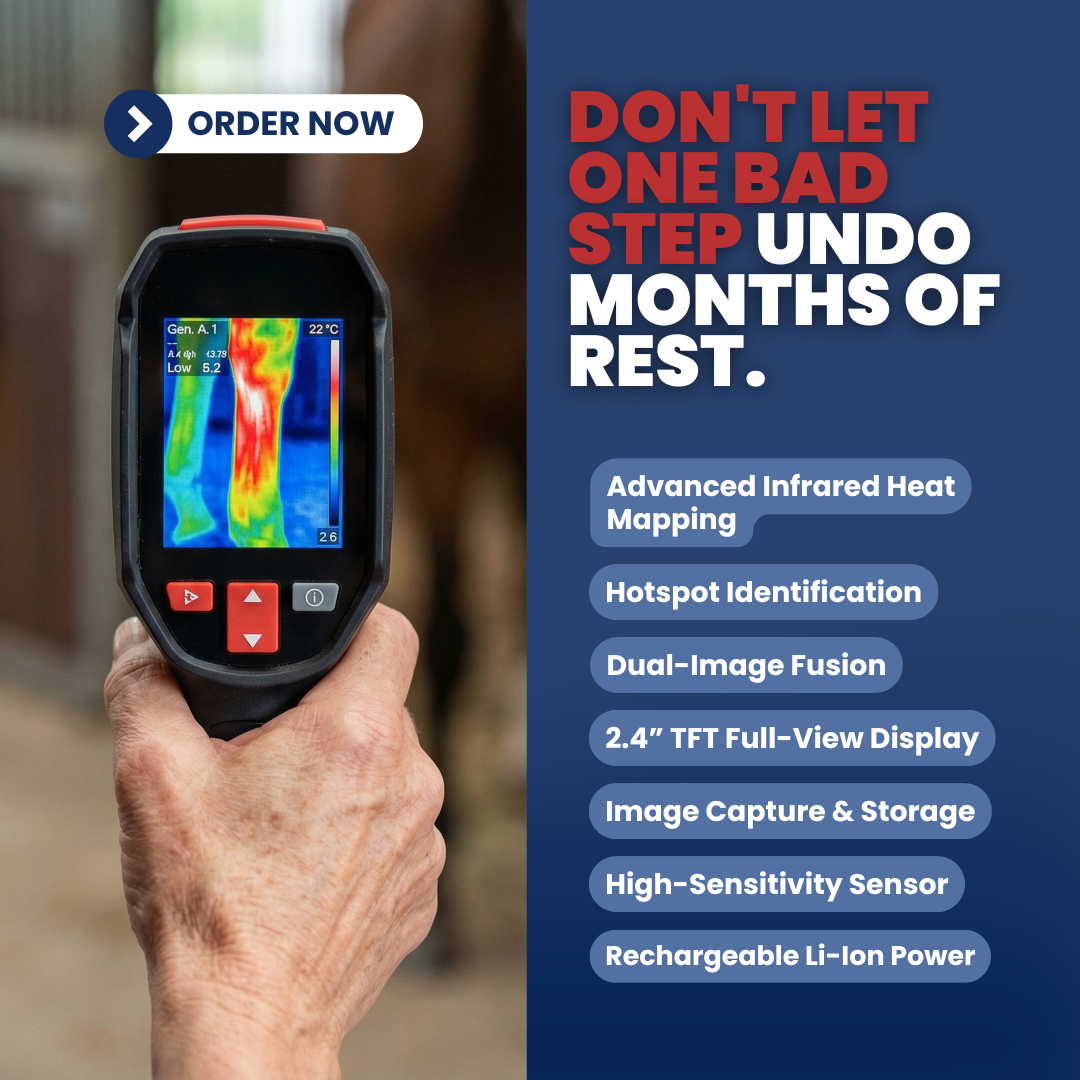
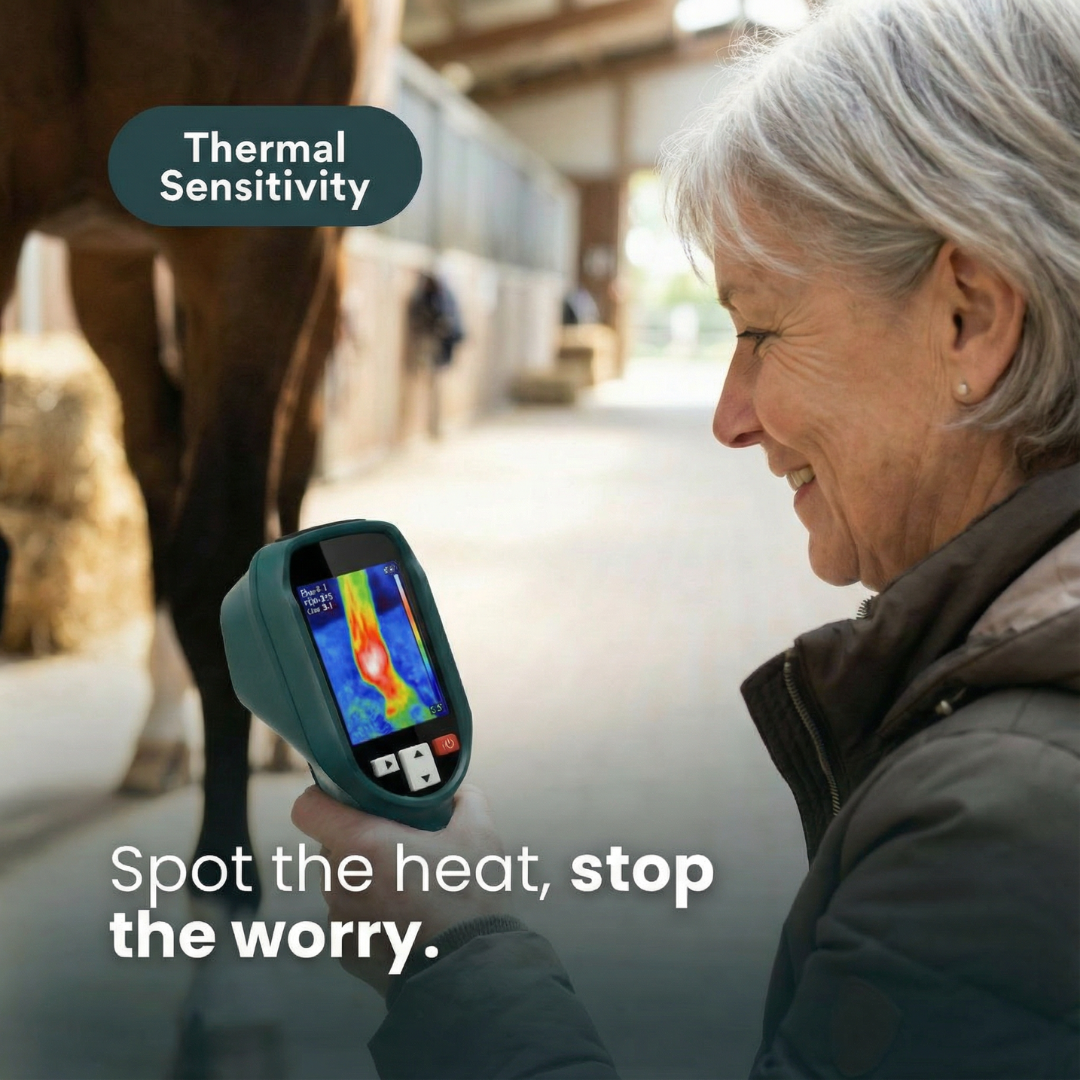
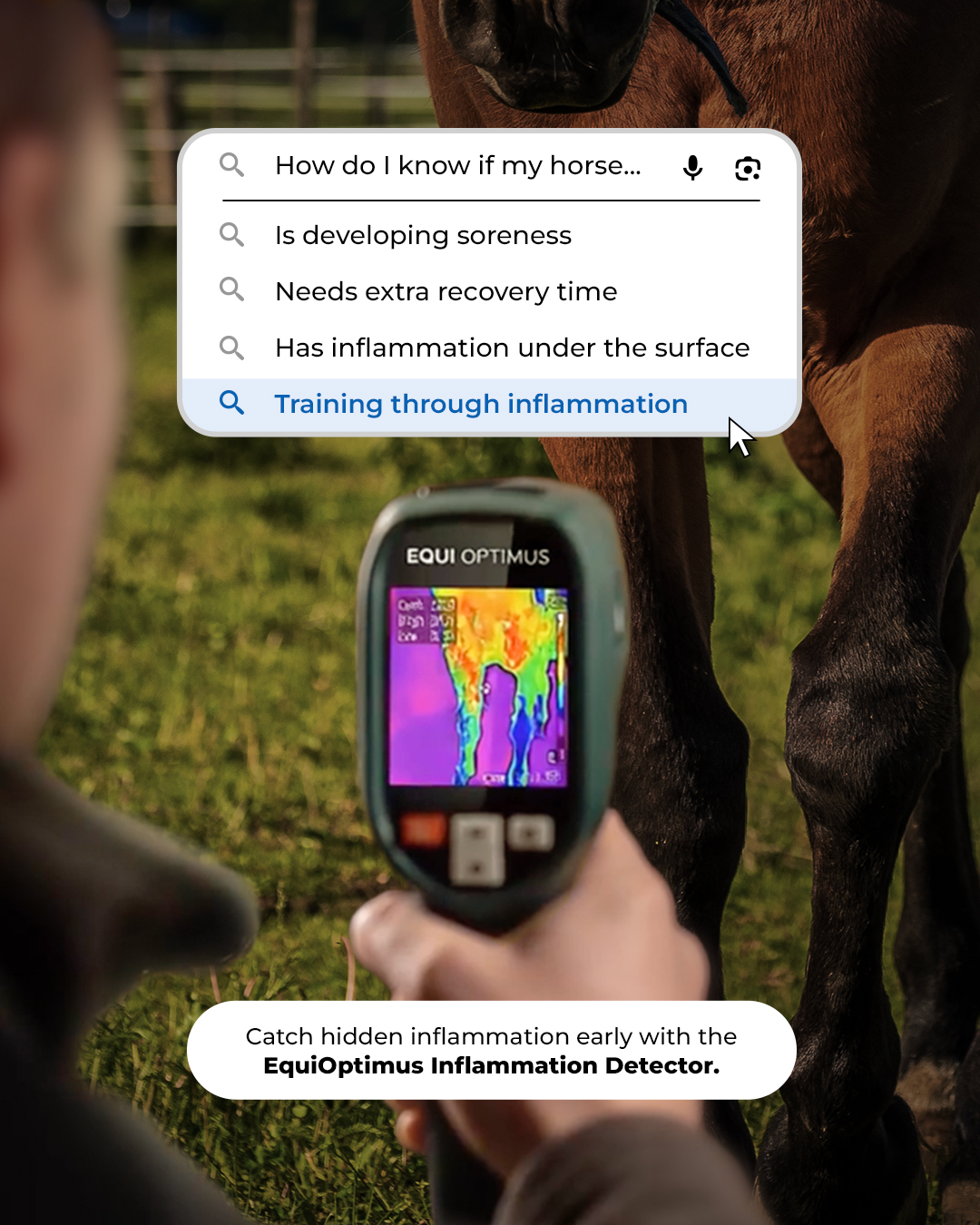
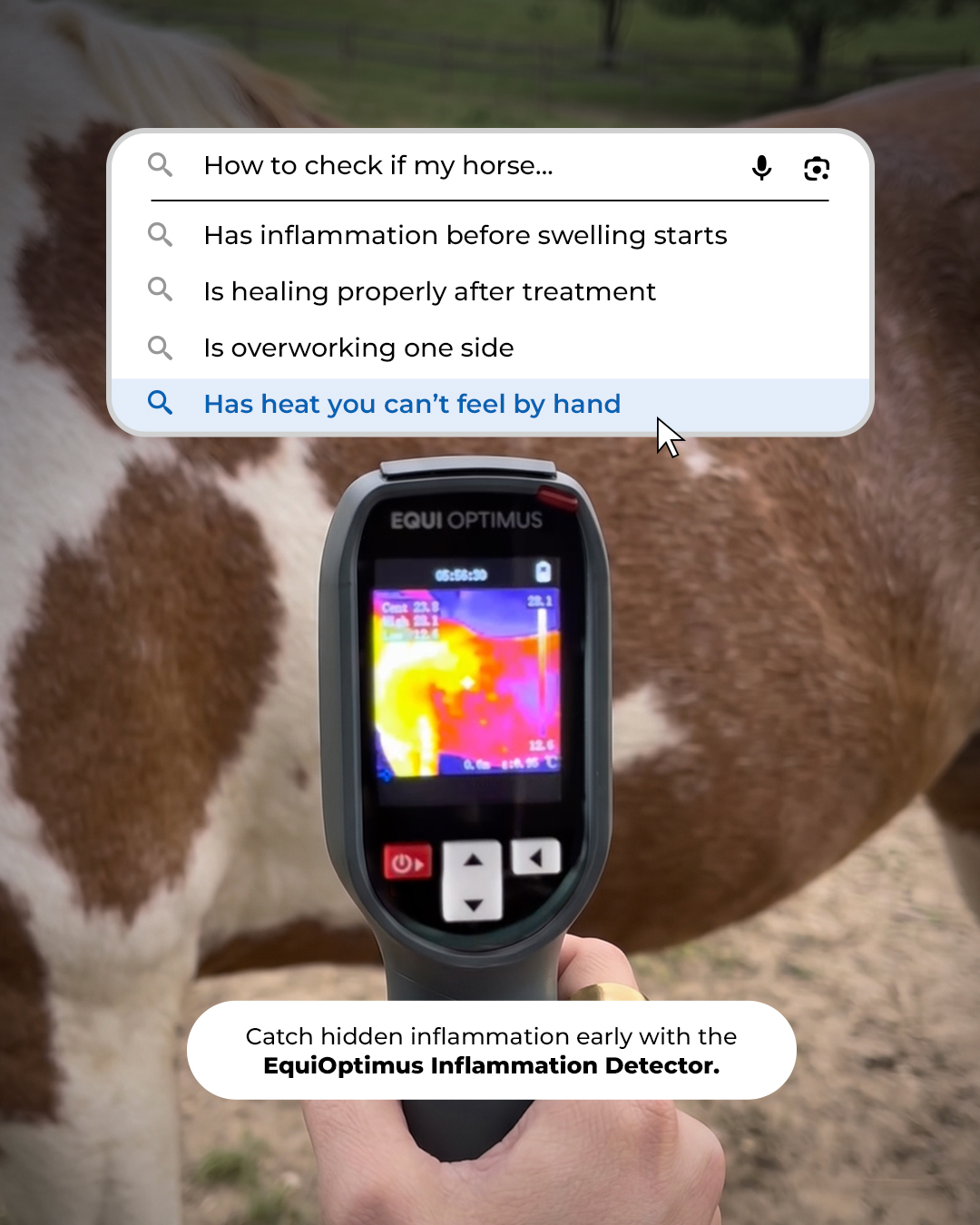
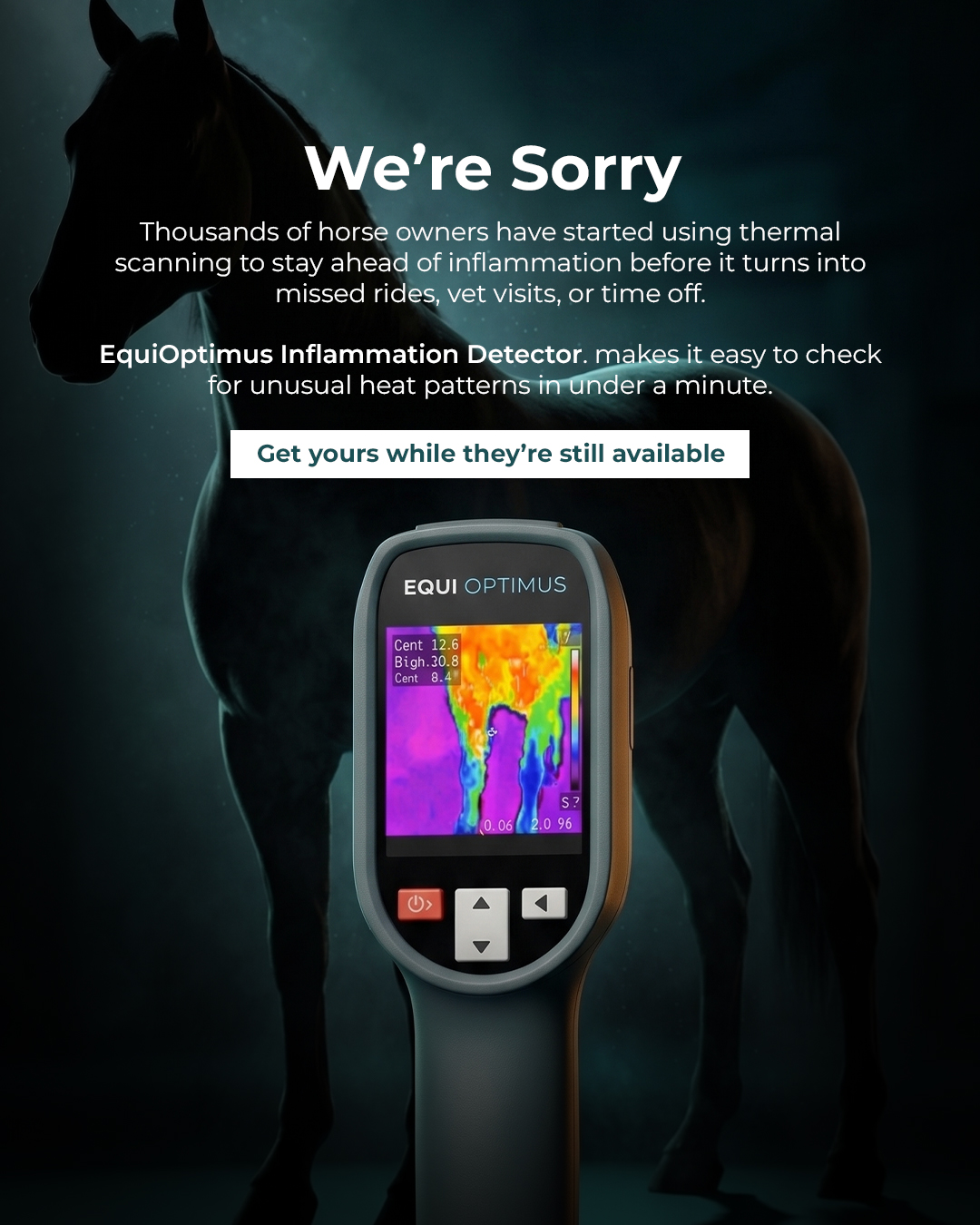
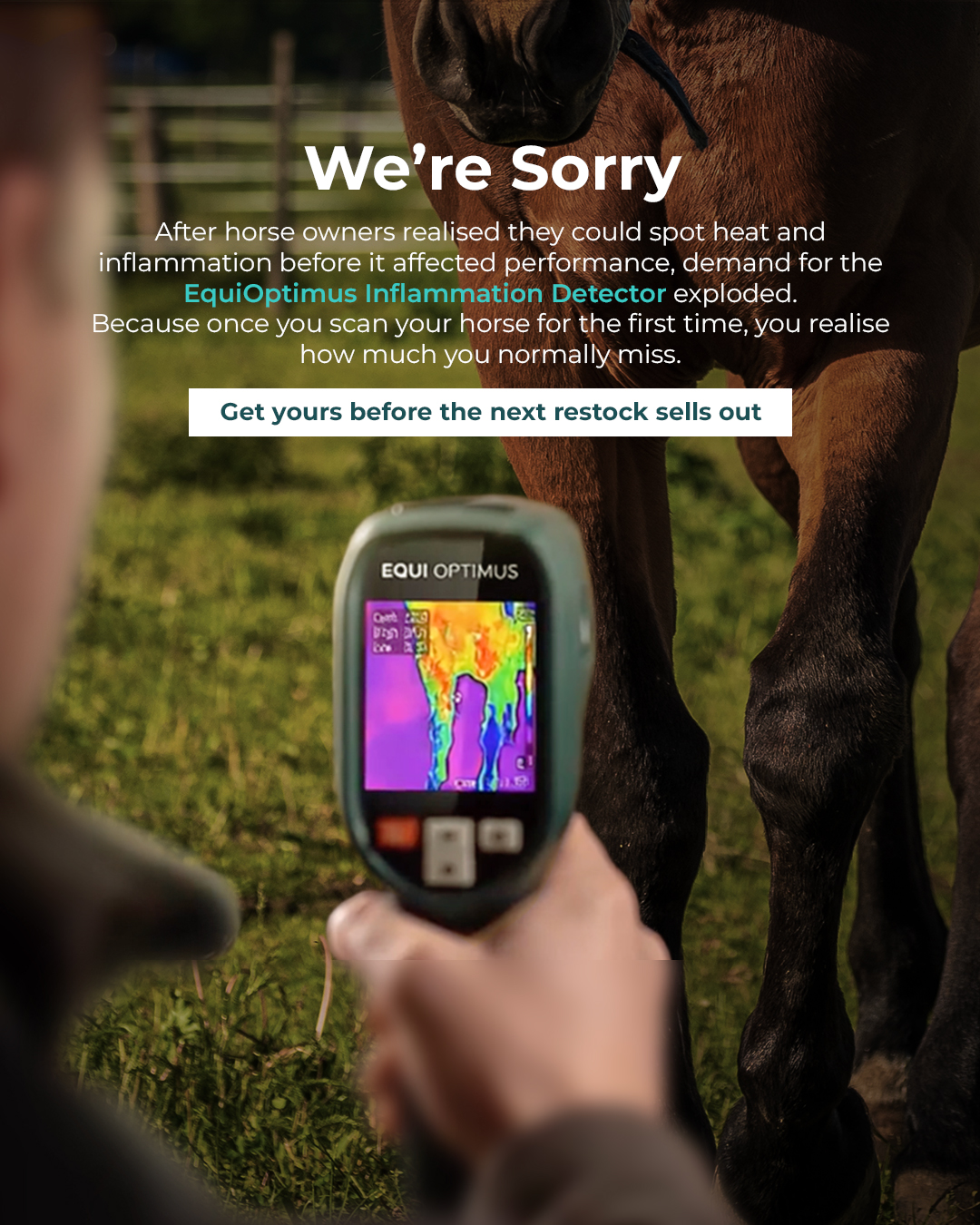
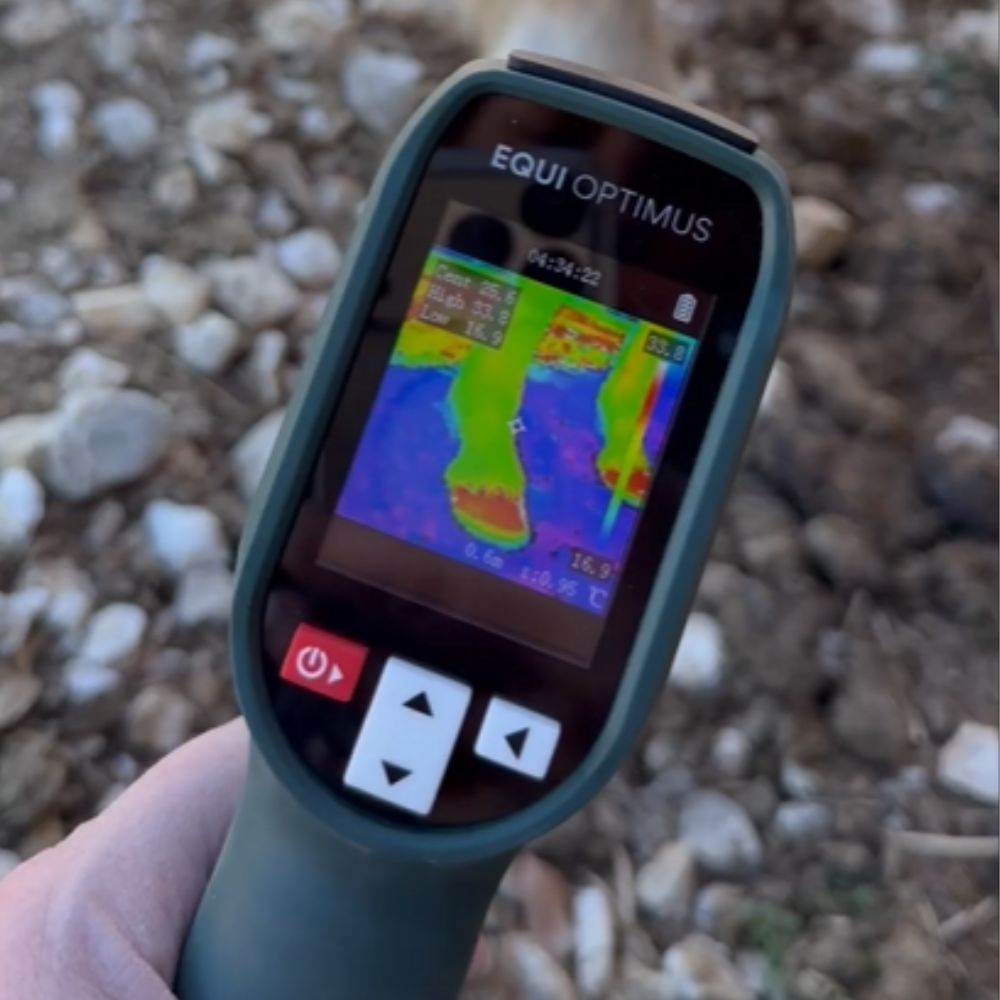
I had absolutely no clue. I had been checking Bella’s legs every single morning for 6 years. Every. Single. Morning. I’d run my hands down her tendons, feel for heat, feel for swelling. I knew that horse’s legs better than I knew my own hands. I thought I was on top of it. I really did. Then one Tuesday, she came out of the paddock lame. Not a little off. Lame. The vet came out that afternoon. Did her exam. Ran the ultrasound. She looked at me and said: “This tendon inflammation has been developing for at least two to three weeks.” Two. To. Three. Weeks. I stood there in the barn aisle and I just… couldn’t breathe. Because I had checked her legs every single morning for three weeks. I hadn’t missed a day. I had been out there, hands on her legs, telling myself she was fine. She wasn’t fine. She had been hurting for three weeks and I had no idea. I cried in my truck on the way home. Not just a little cry—the ugly kind. The kind where you can’t drive and you have to pull over. Because how? HOW had I missed it? I’m not a beginner. I’ve had horses my whole life. I thought I knew what I was doing. My vet called me the next morning and said something that changed everything for me: “It’s not your fault. Your hands literally can’t feel what was happening.” She explained it to me. Human hands—even experienced, trained hands—can only feel about a 1°C temperature difference. That’s just how human biology works. But inflammation doesn’t start at 1 degree. It starts at 0.2… maybe 0.3. That’s it. That tiny. That invisible. So for two to three weeks, while I was running my hands down Bella’s legs every morning and telling myself “feels fine”… The inflammation was already there. Already working. Already breaking down tissue. I just couldn’t feel it. Not because I wasn’t paying attention— but because my hands are not physically capable of detecting it. No human hands are. My vet told me there’s a name for it: **the “invisible window.”** That 2–3 week period where damage is happening, but the heat is still below what any human can feel. By the time you *can* feel heat with your hands? You’re not catching it early. You missed early by two weeks. That hit me like a truck. I spent the next two months researching everything I could find about thermal imaging for horses. I’d heard of it—big barns use it, racetrack vets use it. But I thought it was one of those expensive, out-of-reach things. Turns out, there are handheld devices made for everyday horse owners. Simple. Color-coded. No special training needed. I got one. The first week I used it, I found something on Bella’s left front leg. She felt completely normal to my hands. I would have said she was 100% fine. The screen showed orange. Right there on the digital flexor— a small patch of orange where there should have been green. I called my vet. She came out and caught it at what she called a **“stage 1”**—the very beginning. Five days of cold therapy and reduced work. That’s it. Because we caught it in week one instead of week three. I think about what would have happened if I hadn’t scanned her that day. I would have kept working her. The inflammation would have kept building. By week three, she would have been lame again—probably worse. Instead, she was back to full work in less than two weeks. I don’t even know how to explain what it feels like to catch something that early. To know your horse is hurting *before* they take a bad step. To actually be able to do something about it while it’s still small. I sobbed when I saw that orange patch. But this time, it was different. This time, the tears were relief. For six years, I thought I was doing everything right. And I wasn’t. Not because I didn’t care. Not because I wasn’t paying attention. Because I was using the wrong tool. My hands are for loving my horse. This device is for seeing what my hands never could. If you check your horse’s legs every day and tell yourself “feels fine”… please know this: **“Feels fine” and “actually fine” are not the same thing.** There is a 2–3 week window where your horse can be hurting… and you will feel nothing. I learned that the hard way. You don’t have to.
I've had horses my whole life. I still missed the signs.
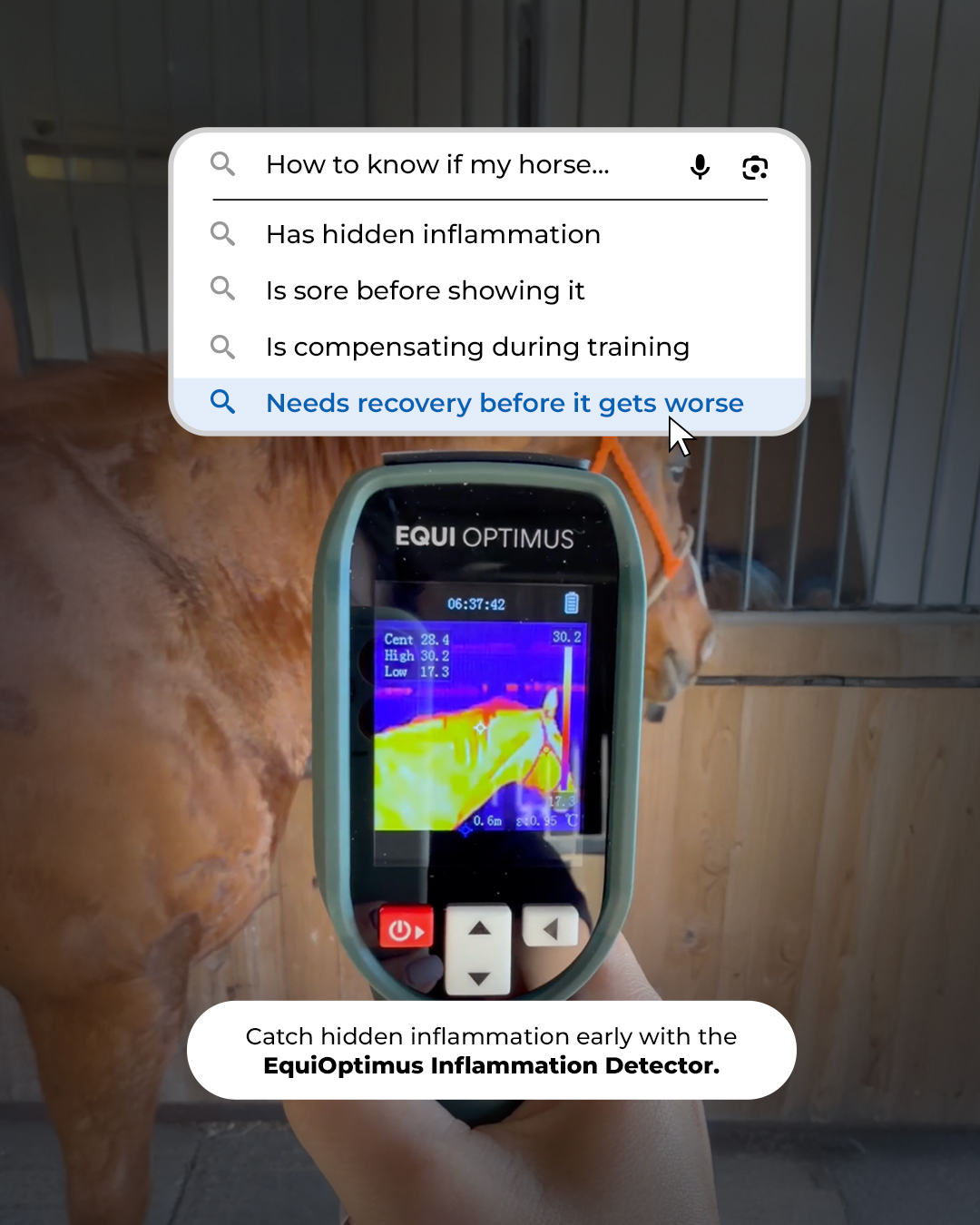
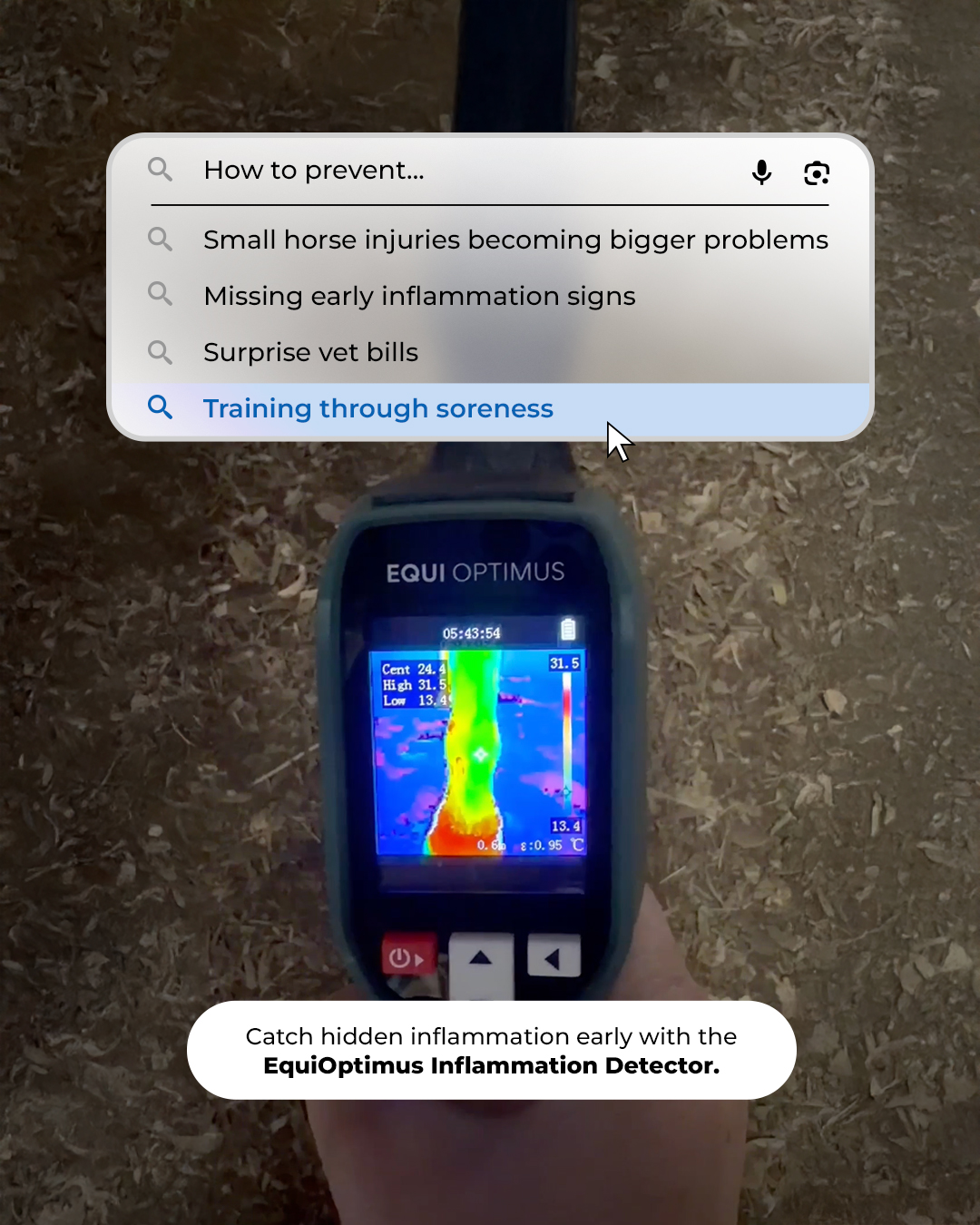
See What Your Horse Can’t Tell You, AI-Powered Inflammation Detection The EquiOptimus Horse Inflammation Detector is a handheld thermal imaging tool built around artificial intelligence as its core principle, using AI to analyze infrared data in real time and detect subtle temperature differences ...
ORDER NOWLike this ad? Make it yours.
Crush rebuilds this exact creative around your product — your brand, your colors, your offer — in about a minute.