
Inactive· since May 15, 2026
- 114
- days it ran
- 0
- relaunches
Ad copy
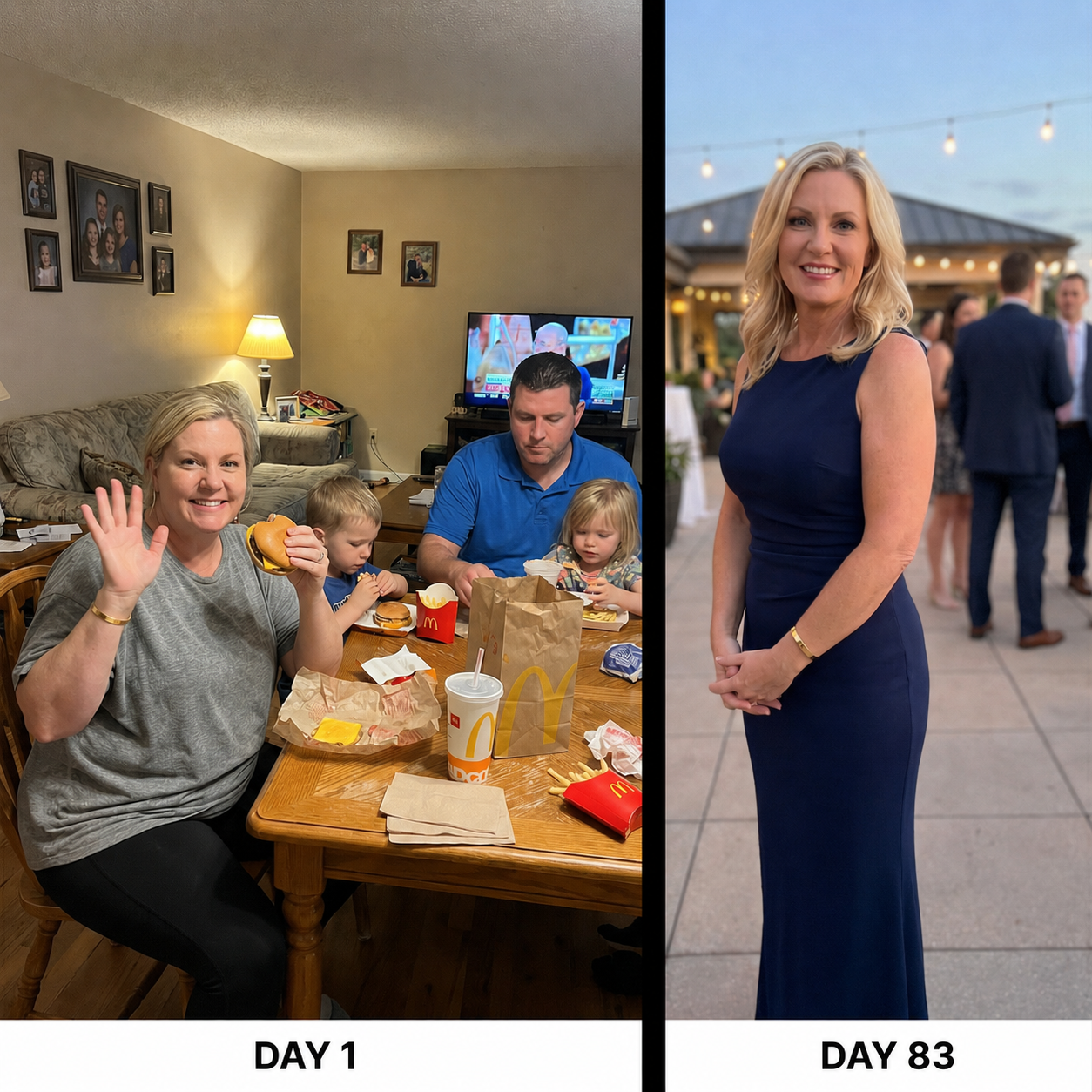
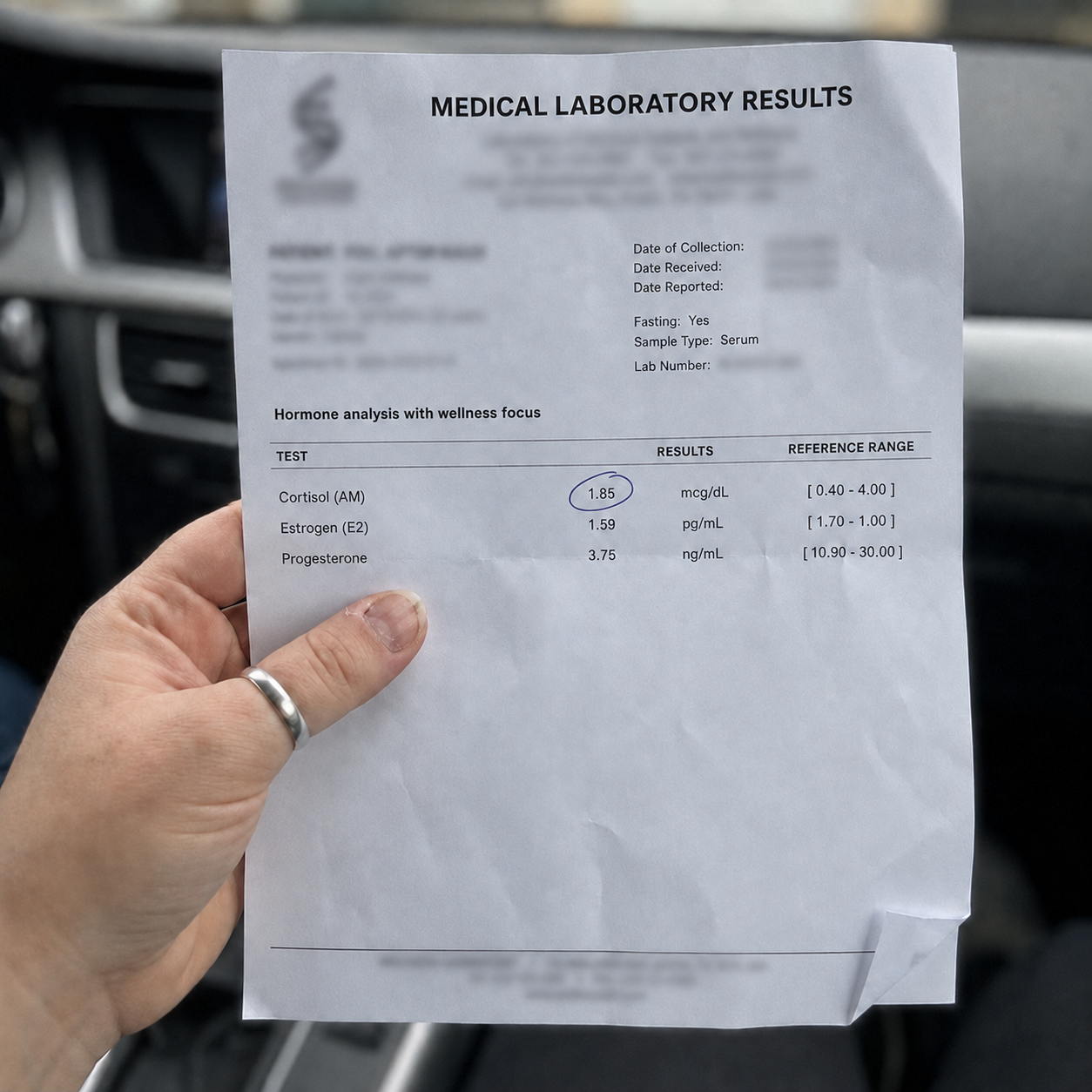
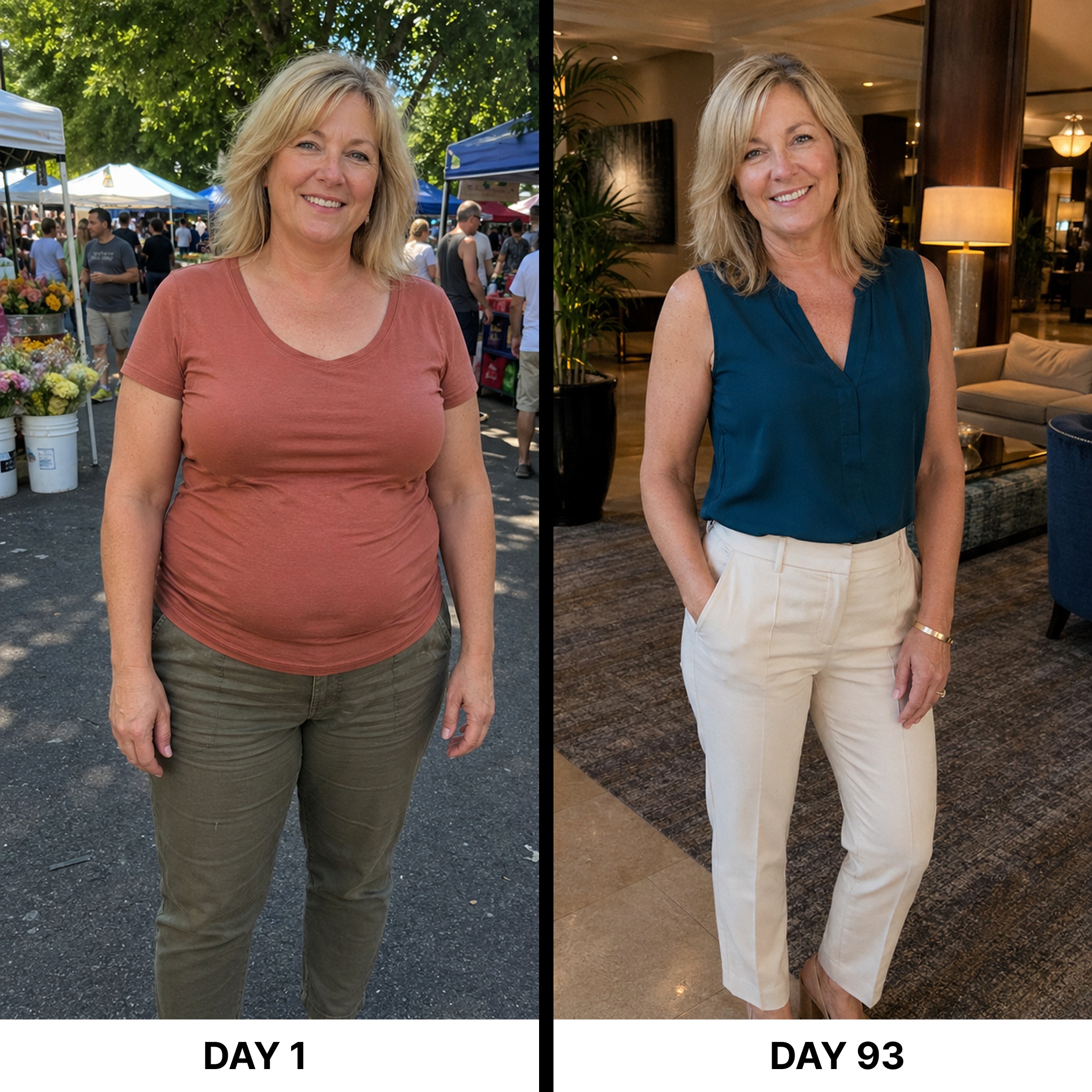
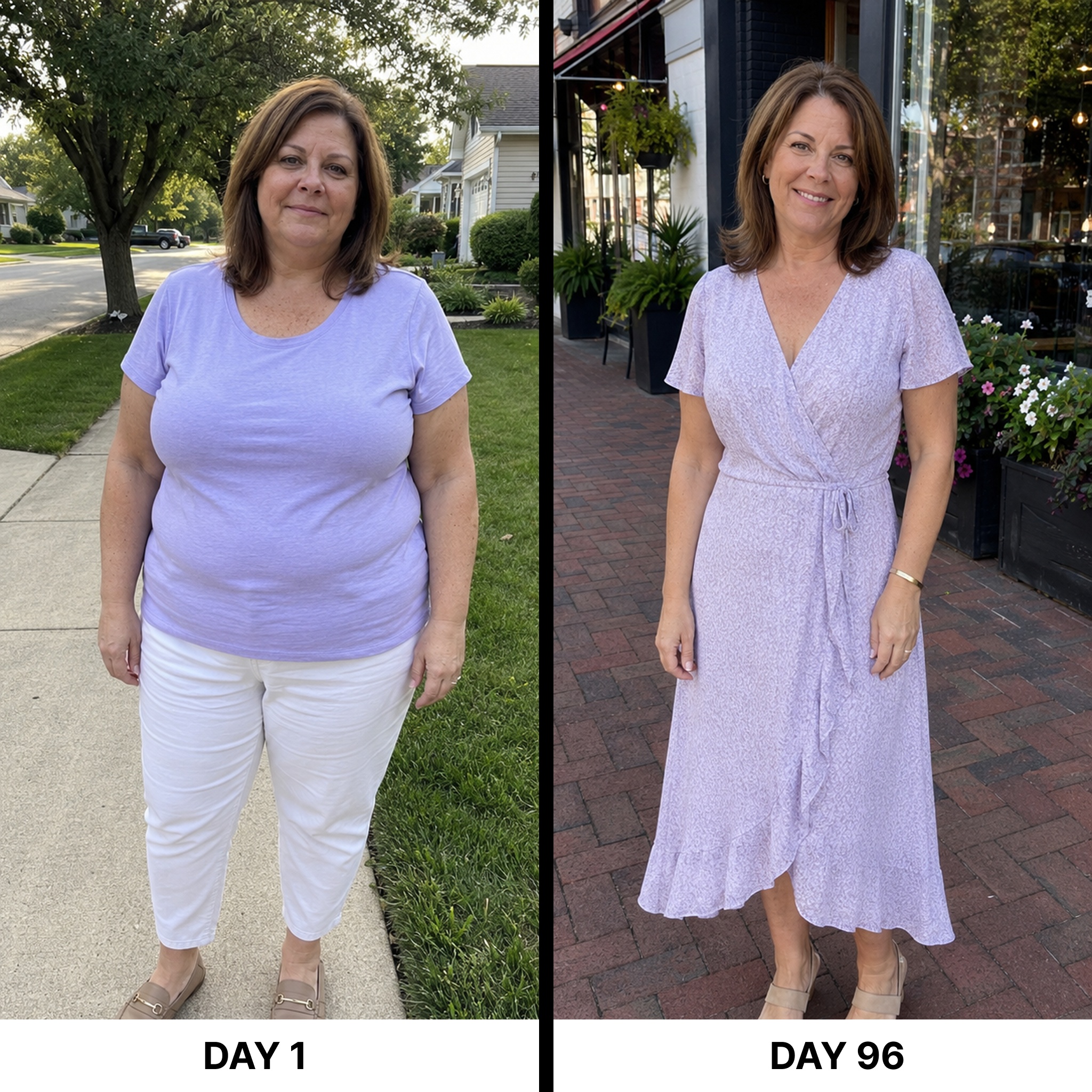
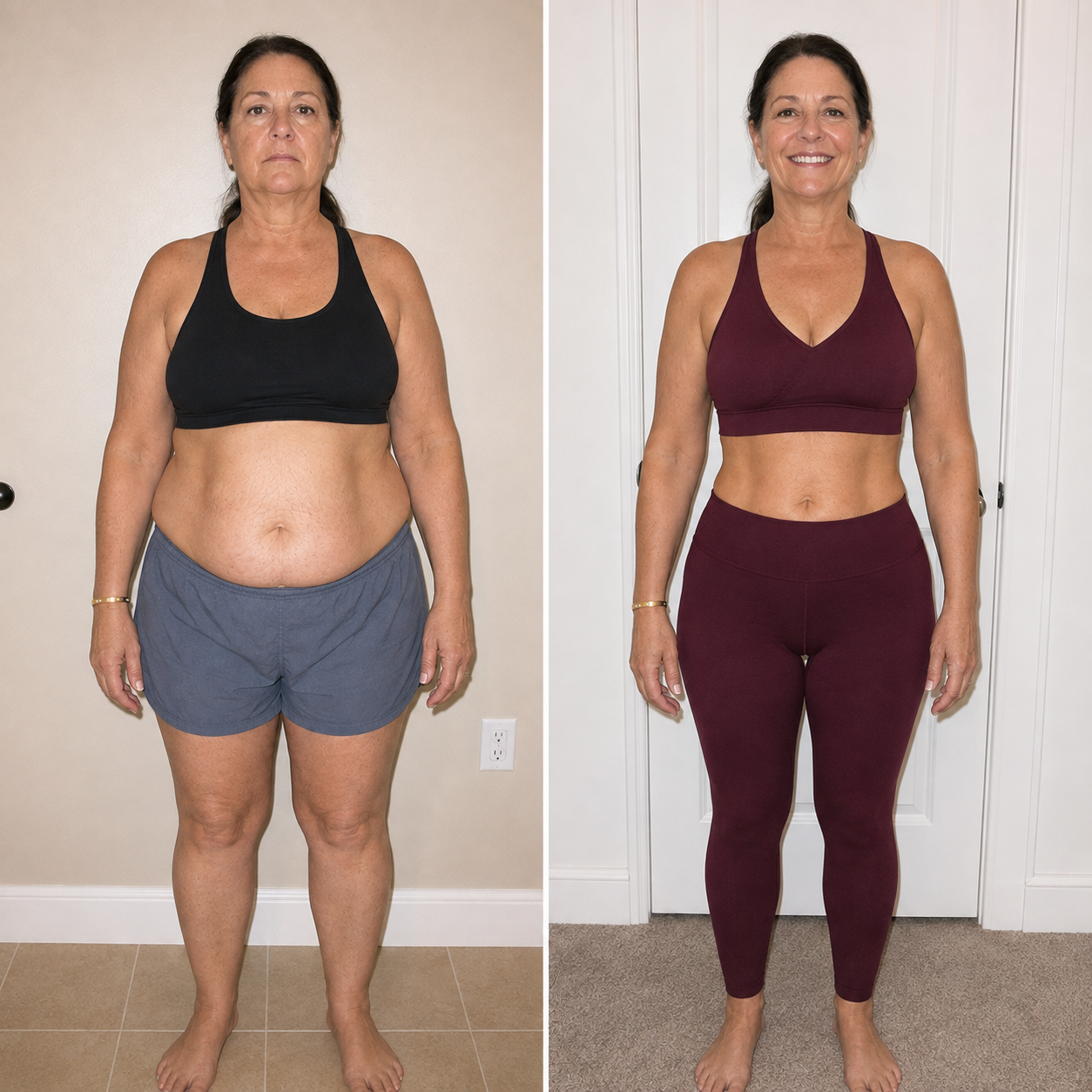
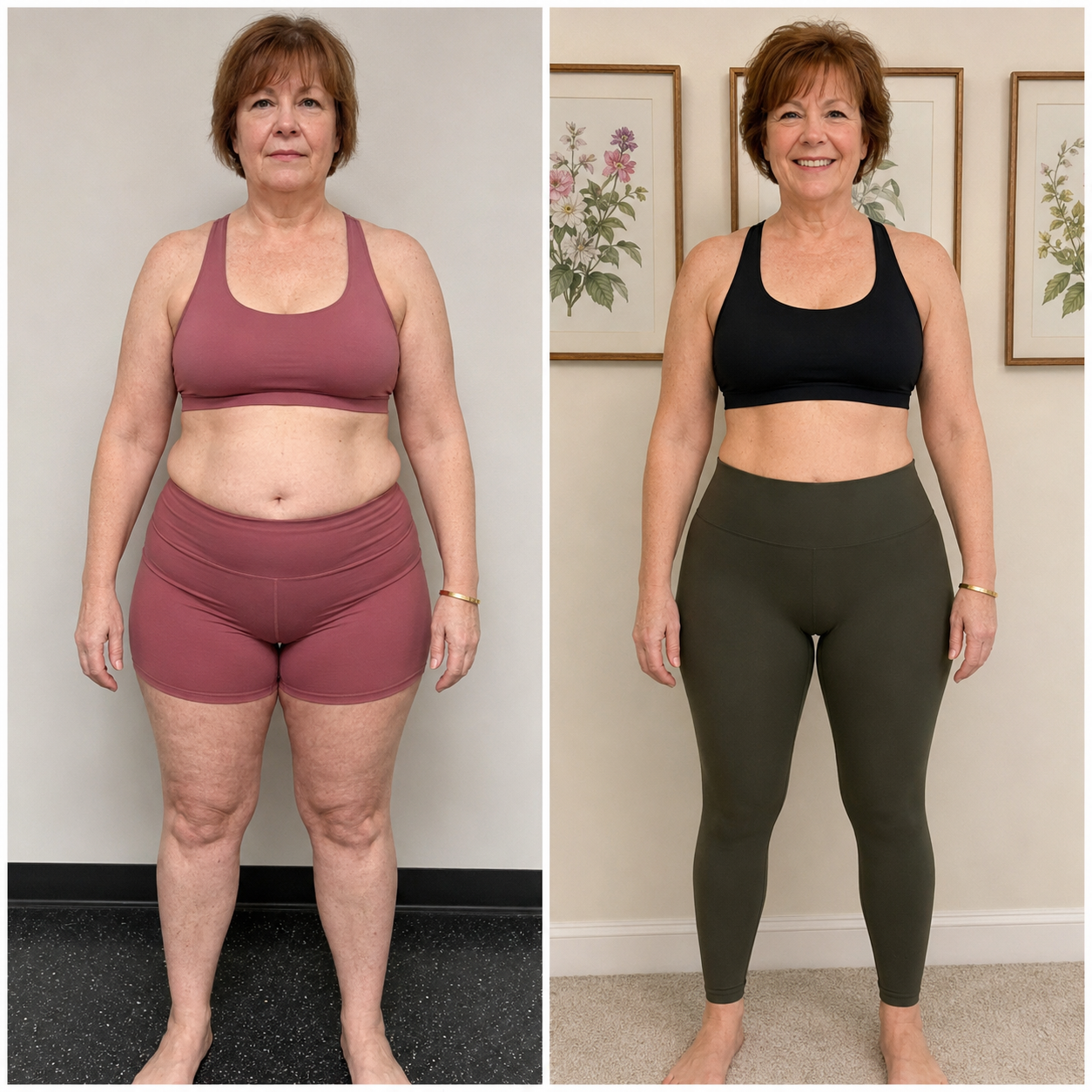
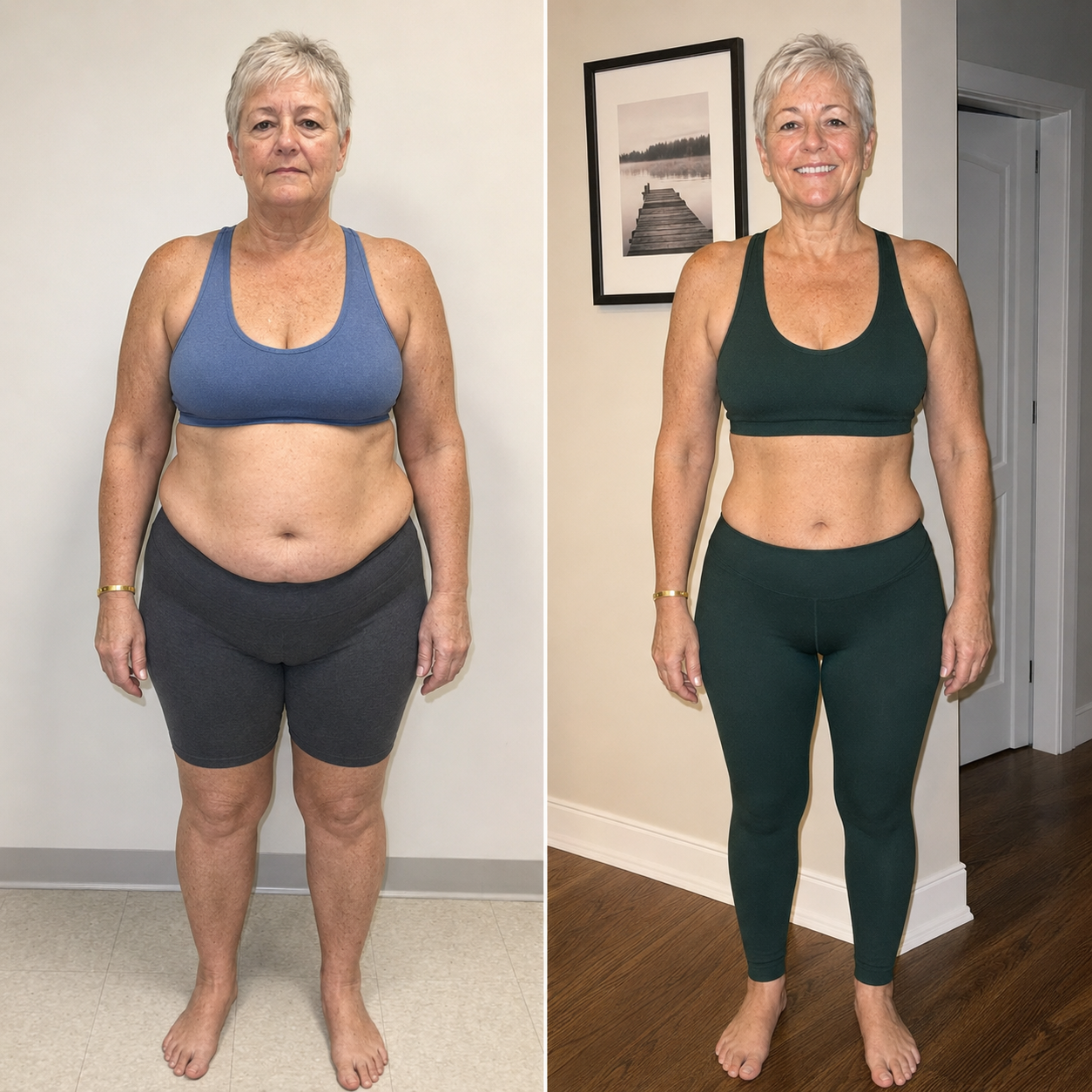
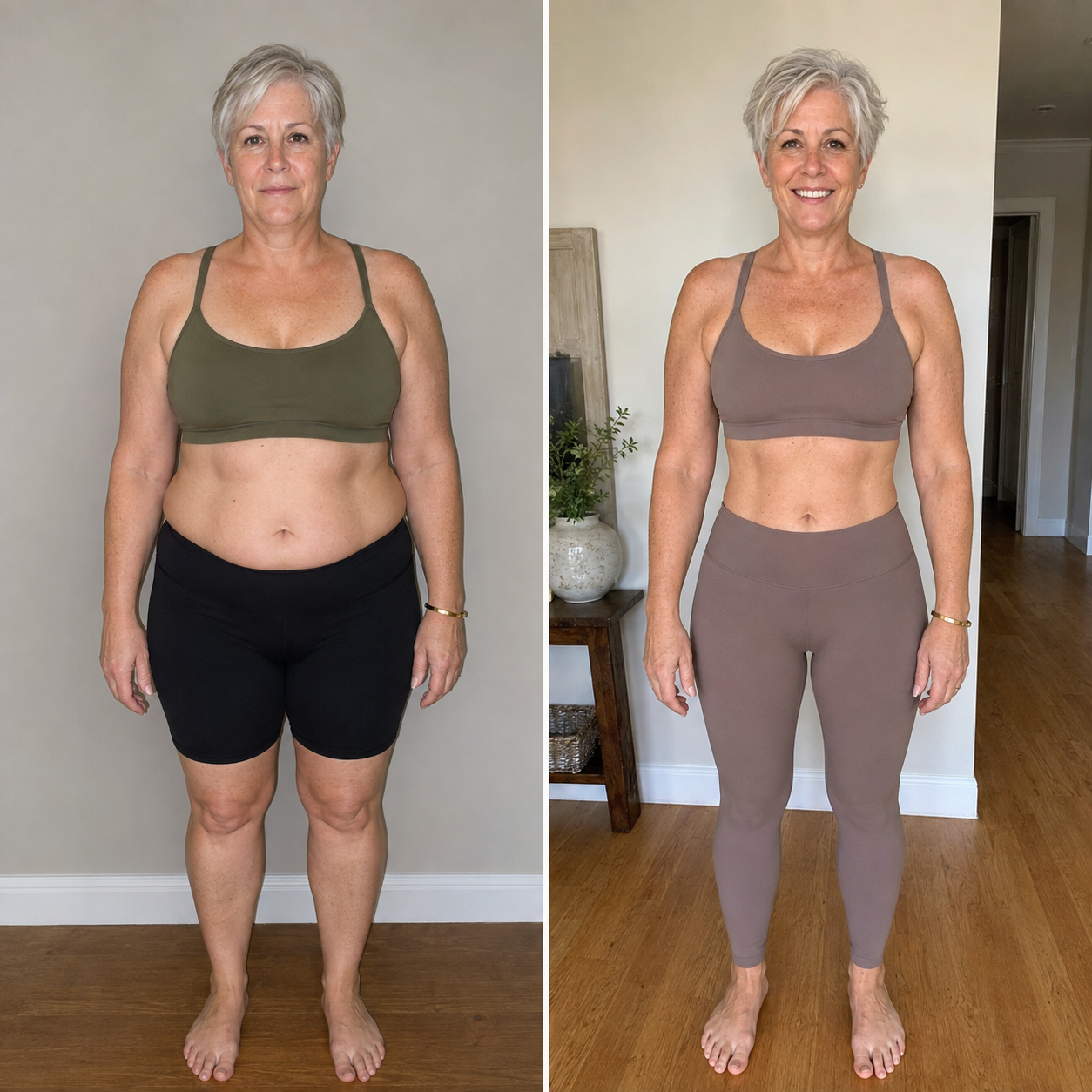
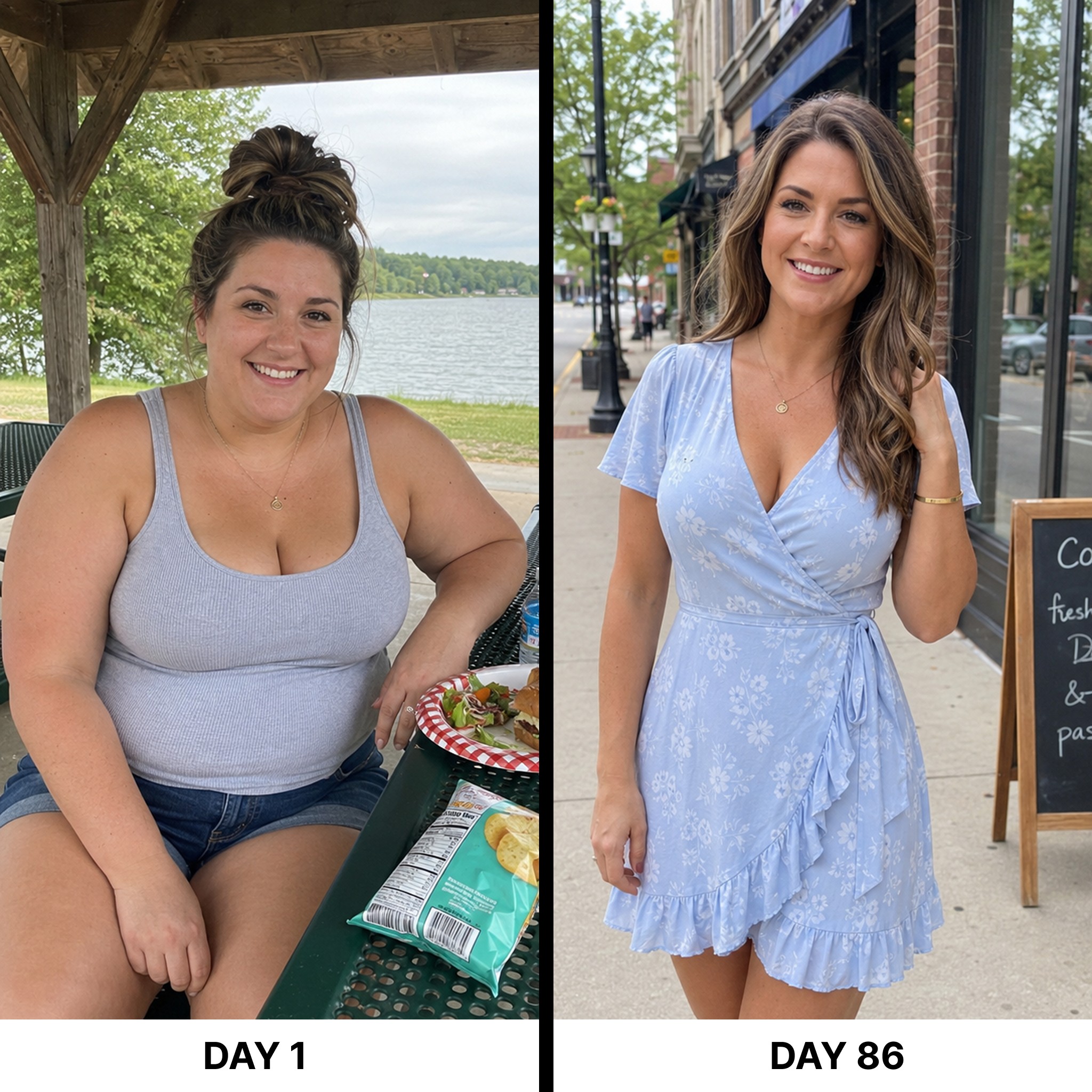
"My endocrinologist put a note in my chart that read 'Patient denies medication use. Results inconsistent with reported lifestyle. Recommend repeat labs.' I'm 29. I repeated the labs. Same results. My HOMA-IR went from 7.1 to 1.5 in fifteen weeks." I'm an occupational therapist. I've worked in rehabilitation for seven years. Dr William Foster has been my endocrinologist since my PCOS diagnosis at 21. He's methodical. Evidence-based. He doesn't believe results he can't explain. At my follow-up, he read my labs and started typing. I could see his screen. "What are you writing?" He turned the monitor slightly. "Patient denies medication use. Results inconsistent with reported lifestyle. Recommend repeat labs and expanded pharmaceutical screen." "You're putting in my chart that you think I'm lying?" "I'm documenting that your HOMA-IR went from 7.1 to 1.5 in fifteen weeks without documented intervention. That doesn't happen. I want repeat labs to confirm." The PCOS Belly That Undermined My Credibility : Here's what they don't tell you about being an OT with PCOS: You teach patients how to dress themselves after a stroke. You help them relearn how to button a shirt, zip a jacket, tie their shoes. And you can't zip your own pants. I was diagnosed at 21. By 26, I'd gained 30 pounds. My waist went from 27 inches to 36 inches. My belly became the part of my body I was most aware of during every patient interaction. I'd lean over a patient to help with a dressing task and feel my stomach press into them. I'd demonstrate a reaching exercise and see my belly in my peripheral vision. One patient, an elderly man recovering from a hip replacement, pointed at my stomach and said: "You should do some of these exercises yourself, honey." He meant it kindly. It didn't land kindly. The Rehab Floor Where Bodies Tell Stories : In rehabilitation, every patient's body tells a story: The stroke patient whose left side doesn't work anymore. The amputee learning to use a prosthetic. The spinal cord injury patient relearning everything. My body told a story too. It said: this woman has a metabolic condition she can't control. My endocrinologist wanted me on metformin. My insurance required a diabetes diagnosis code, not a prediabetes code. I was 0.2 percentage points away from qualifying. Not diabetic enough for coverage. Too insulin resistant to fix it alone. I spent my days helping patients adapt to bodies that had changed. I couldn't adapt to my own. The $3,400 I Spent Trying to Rehabilitate My Own Body : I tried everything: Inositol at high dose ($680 over eight months). My insulin went from 25 to 23. My period became marginally more regular. My belly didn't change. Whole30 followed by anti-inflammatory protocol ($780 over five months). The first month felt amazing. Then the restrictions became unsustainable. Lost 4 pounds. Gained 6 back. PCOS-specific online fitness program ($1,040 for six months). Strength and metabolic conditioning. I got fitter. My fasting glucose went from 116 to 114. Berberine, NAC, and omega-3 stack ($900 over nine months). The "natural metformin" approach. A1C went from 6.1 to 6.0. One tenth of a point. $3,400. My waist went from 36 to 35.5 inches. What a Patient's Recovery Taught Me : Then Mrs. Franklin changed everything. She was my patient for six weeks of outpatient rehab after a knee replacement. 40 years old. She mentioned PCOS during our first session. Over six weeks, I watched her change. Her face thinned. Her belly shrank. Her functional scores improved faster than expected because her body was getting lighter. At her last session, I asked. "Mrs. Franklin, you've lost significant weight during your rehab. Most patients gain weight during recovery because they're less active. What are you doing?" She raised her wrist. A bracelet. "My sister is an acupuncturist. She said my PCOS insulin resistance was being made worse by the stress of surgery and recovery. Cortisol was blocking my insulin receptors. This calms the nervous system. When cortisol dropped, my insulin started working. The weight came off even though I was less active than before surgery." She'd lost 32 pounds during six weeks of rehab. Her surgeon was as confused as I was. "How much?" "$65." I ordered it that evening. My 15-Week Transformation : I tracked everything like a rehab outcome measure: Week 1-4: Sleep improved immediately. The food noise I'd lived with for eight years went quiet. Morning bloating decreased. I stopped eating out of stress between patients. Week 5-8: Cravings eliminated. Energy lasting through full rehab days. No more afternoon fatigue. Lost 11 pounds. Waist: 33 inches. Week 9-12: Belly visibly smaller. My work pants fit without the belly band I'd been wearing for three years. Lost 10 more pounds. Waist: 30 inches. Week 13-15: Belly flat. Wore a fitted top at work. Demonstrated exercises without being aware of my stomach for the first time in years. Lost 9 more pounds. Waist: 27 inches. Total: 30 pounds. 9 inches off my waist. Weight: 138. What I weighed when I started OT school. That's when Dr Foster put the note in my chart. The Repeat Labs That Proved Him Wrong : I went back two weeks later. Same lab. Same draw. Same fasting protocol. Fasting insulin: 25 to 6. Fasting glucose: 116 to 82. A1C: 6.1 to 5.0. HOMA-IR: 7.1 to 1.5. Waist: 36 to 27 inches. Dr Foster compared both sets. Identical. "The results are confirmed. Walk me through what you did." "PCOS creates insulin resistance. Chronic stress amplifies it. Cortisol blocks insulin receptors. The bracelet regulates the nervous system. When cortisol normalized, my receptors started responding. Insulin dropped. The belly released." He deleted the note from my chart. Replaced it with: "Insulin resistance resolved. Non-pharmaceutical intervention. Patient reports stress regulation device." "In twelve years, I've never written that note in a PCOS patient's chart." Eight Weeks Later : Dr Foster now orders cortisol alongside insulin for his PCOS patients. Mrs. Franklin completed rehab and maintained her weight loss. Her knee surgeon said her recovery was in the top 10% for her age. I've told three OT colleagues with PCOS. Two are wearing it. The Occupational Therapist Truth : Here's what seven years of rehabilitation taught me: I help people adapt to changed bodies every day. Stroke. Amputation. Injury. I teach them that their body is different now, and that's okay, and here's how we work with it. I couldn't accept that for myself. My body wasn't changed by injury. It was changed by PCOS. And unlike my patients, I was supposed to be able to fix it. I couldn't. Not with supplements. Not with diets. Not with exercise. Because stress was amplifying the insulin resistance and nothing I tried touched the stress. I broke that cycle with a $65 bracelet. My endocrinologist didn't believe my labs were real. He made me repeat them. They were. 👉 If your PCOS belly won't respond to anything you've tried, if your insulin numbers keep climbing despite doing everything right... Click below to discover the Kalm Bracelet. Just $65 at the official store. Wear it consistently and measure your waist every 2 weeks for 15 weeks. https://mykalm.co/products/bracelet-weight-loss-solution
Reduces PCOS symptoms naturally
Don't miss out! Get TWO original Kalm Bracelet for the price of ONE. These are our largest discounts of the year. and supplies are running low. Secure yours now while they last!
LEARN MORELike this ad? Make it yours.
Crush rebuilds this exact creative around your product — your brand, your colors, your offer — in about a minute.