Amy Wilson
Amy Wilson Facebook ad: “Read this if you bake bread”
Ran for 42 days, from January 30 to March 13, 2026, the last day Crush saw it.
Run by Amy Wilson on Facebook. Crush is not the advertiser and does not verify its claims. See this ad in Meta's Ad Library(opens in a new tab)
Want an ad like this for your product?
Crush makes new ad images for your product from this ad: your logo, your product photo, your offer.
Trials from $19.95 USD, then $79.95 USD a month. Cancel anytime.
About this ad
- Meta Ad Library ID
- 1422595792851806
- Platforms
- Facebook, Instagram, Audience Network, Messenger and Threads
- Relaunches
- 0
Ad text
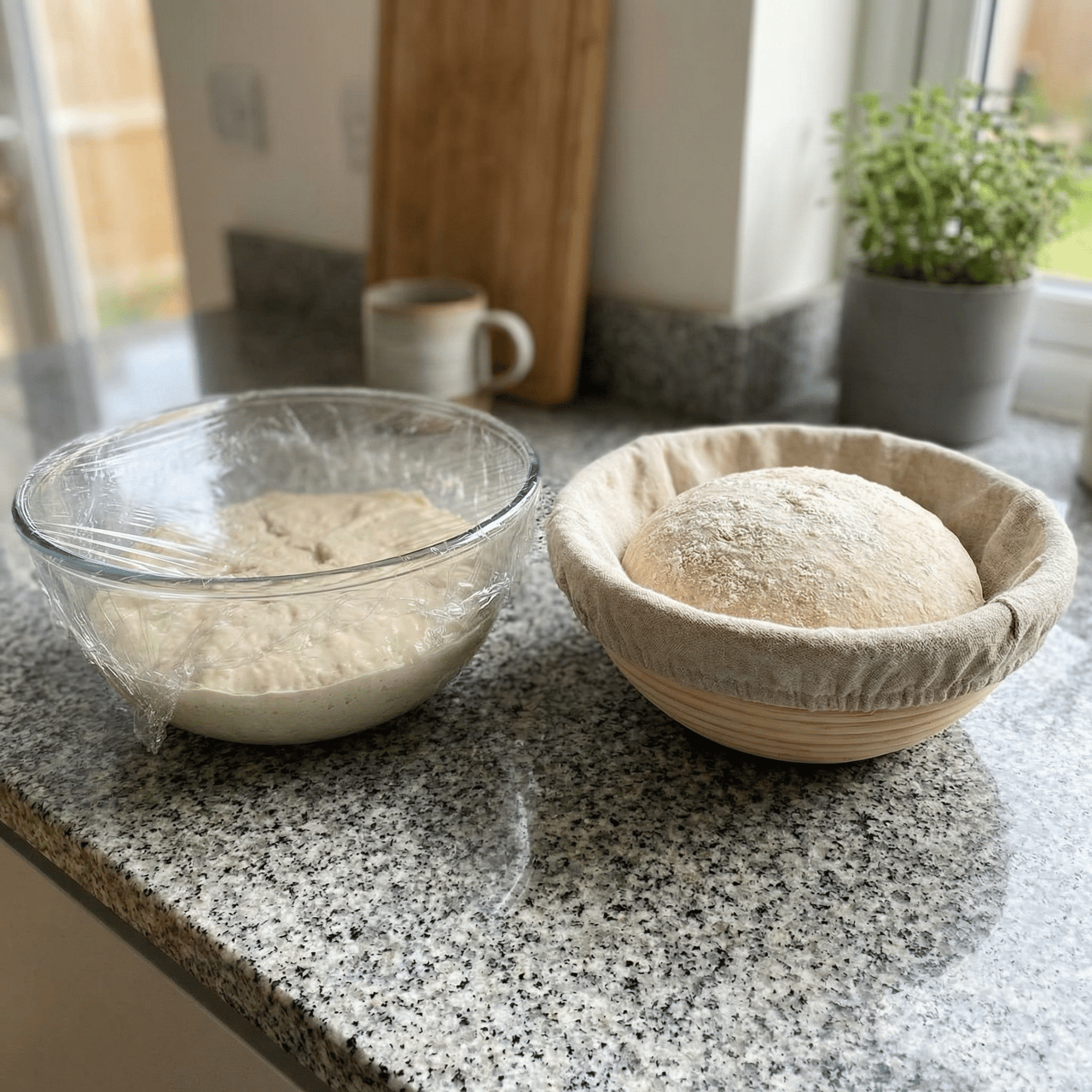
I'd accepted that sourdough was just a gamble until a retired bakery owner told me the one variable I'd never thought to control, and why it determines everything. I met her at an estate sale last fall. She was selling off equipment from a bakery her family had run for three generations in a small town outside of Bordeaux. They'd closed it five years ago when she turned seventy and none of her children wanted to take over. I was there looking for a stand mixer. Ended up buying a few odds and ends. A bench scraper. Some canvas cloths. A wooden peel that was older than me. We started talking while she wrapped everything up. I mentioned I'd been trying to bake sourdough at home for about two years. She asked how it was going. I told her the truth. Some loaves came out beautiful. Most came out flat. A few came out like actual bricks. I never knew which version I was going to get. She nodded like she'd heard this a thousand times before. Then she asked me a question that stopped me cold. She asked what I was proofing my dough in. I didn't understand why that mattered. I told her I used a glass bowl with a towel draped over it. Sometimes a plastic container if I was doing an overnight proof in the fridge. She made a face like I'd told her I was baking bread in a microwave. Let me back up and explain why this conversation meant so much to me. I'd been baking sourdough for almost two years by that point. Not casually. Seriously. I had a starter I'd maintained for eighteen months. I'd bought a kitchen scale that measured to the tenth of a gram. I tracked hydration percentages in a notebook. I'd read three books on fermentation and watched more YouTube tutorials than I could count. I did everything right. Or at least everything I thought was right. And my results were completely random. Some Saturdays I'd pull a loaf out of the oven and it would be perfect. Tall, golden, with a crackling crust and an open crumb. I'd slice into it feeling like a genius. Post a photo. Get compliments. The next Saturday, same recipe, same flour, same process, I'd open the oven to find a flat, dense disc. A frisbee. A brick. Whatever you want to call it. The kind of loaf that thuds when you tap it instead of singing. I'd stand there trying to figure out what went wrong. Was the kitchen too cold? Did I overproof? Underproof? Was my starter not active enough? Did I not build enough gluten during the folds? I never knew. I'd change one variable, try again, and get a different random result. It felt like gambling. Putting in thirty hours of work over two days and then just hoping the bread gods would smile on me this time. My husband was supportive but I could tell he was getting tired of eating dense, gummy bread. My kids would politely take a slice and then quietly make sandwiches with store bought bread when they thought I wasn't looking. The worst part wasn't even the bad loaves. It was the unpredictability. The not knowing. I'd invite people over for dinner and tell them I was making fresh bread, then spend the whole day anxious about whether it would actually turn out. Sometimes I'd bake two loaves just to have a backup in case one failed. Sometimes they both failed. I started to believe that some people just had the touch for bread and I didn't. That maybe my kitchen was wrong, or my oven was wrong, or my hands were wrong. The retired bakery owner listened to all of this. Then she explained something that made the last two years suddenly make sense. She said the final proof is where most home bakers lose control of the dough. Everything before that, the mixing, the folding, the bulk fermentation, those steps are forgiving. You can adjust. Recover. Fix mistakes. But the final proof is where the structure gets locked in. It's where the dough either holds its shape or doesn't. And most home bakers proof their dough in containers that actively work against them. Glass bowls don't breathe, she said. The moisture from the dough has nowhere to go. It sits on the surface and keeps the skin wet and slack. When you turn the dough out, it hasn't developed any structure. It just spreads. Plastic is worse. It traps humidity completely. The dough sweats. The surface stays sticky instead of developing tension. She said European bakers have been using woven proofing baskets for hundreds of years. Bannetons, she called them. The woven cane does something that glass and plastic can't. It wicks moisture away from the surface of the dough while still letting it breathe. That moisture transfer is what creates the skin. The structure. The tension that holds the loaf together when it hits the oven. Her grandmother used the same banneton for forty years. Her mother used it after that. The baskets in her bakery were older than most of her equipment. She said the reason my loaves were unpredictable wasn't because of my recipe or my technique. It was because the dough was never developing the surface structure it needed. Sometimes I got lucky. Most times I didn't. The gamble wasn't in the baking. It was in the proofing. I went home that night and immediately started researching bannetons. I figured I'd just order one off Amazon and be done with it. That's when I discovered how complicated this simple thing actually is. There are hundreds of bannetons for sale online. Most of them look identical in the photos. Woven baskets, some with liners, some without. Prices ranging from eight dollars to sixty dollars. A lot of them come bundled in those sourdough starter kits with a lame and a scraper and a bunch of other stuff. But when I started reading reviews and digging through baking forums, a pattern emerged. The cheap ones don't actually work. They look like bannetons. They're shaped like bannetons. But they're made from low quality materials that don't wick moisture properly. The weave is too tight or too loose. The cane splinters after a few uses. Some of them are coated with something that makes them basically as impermeable as plastic. One person described how the banneton that came with their starter kit made their dough stick so badly they had to scrape it out with a spatula. Someone else said the basket warped after one use and started growing mold in the crevices within a month. The cheap baskets look the part but don't do the thing that actually matters. They're decorative. Not functional. I almost gave up at that point. I didn't want to spend hours becoming an expert on rattan weaving just to buy a basket. But then I noticed something. Across multiple forums and review threads, people kept mentioning one French company. A small operation that still makes bannetons the traditional way. Hand coiled rattan. Proper weave density. The kind of baskets that European bakeries have been using for generations. The reviews weren't just positive. They were almost evangelical. People who'd struggled for years suddenly getting consistent results. People who'd been through three or four cheap bannetons finally finding one that actually worked. The price was higher than the Amazon options. About forty dollars. But that's less than I'd spent on specialty flour in the past two months alone. Less than I'd wasted on ingredients for loaves that ended up in the trash. I ordered one. It arrived a week later in simple packaging. The weight of it surprised me. You could feel the density of the cane, the tightness of the weave. It didn't look like the flimsy baskets in the Amazon photos. That weekend I made my usual recipe. Same starter, same flour, same hydration, same folding schedule. The only thing I changed was the final proof. I dusted the banneton with rice flour and set the shaped dough inside. Left it overnight in the fridge. The next morning I went to turn it out, bracing myself for the usual anxiety. That moment where you flip the dough and find out whether you're having a good bread day or a bad one. The dough released like it was nothing. Clean. No sticking. No tearing. It held its shape on the peel, round and taut. Not spreading. Not sagging. I scored it and slid it into the oven, still half expecting something to go wrong. Thirty five minutes later I pulled out the best loaf I'd ever made. Tall. Domed. A real ear on the score. The kind of bread I used to see on Instagram and assume required professional equipment or years of practice. I've baked maybe thirty loaves since then. Not all of them perfect. I still make mistakes. But I haven't pulled a brick out of my oven once. The randomness is gone. The retired baker was right. Her grandmother knew something that got lost when everyone started using glass bowls and plastic containers. The proof determines everything, but only if the basket actually does what it's supposed to do. If you've been getting random results and blaming yourself, it might not be you. It might not even be your technique. It might be that you've been fighting against your equipment without knowing it. I left a link below to the banneton I found. The French company. Might be worth looking into if you're tired of the guessing game.
Where the ad sends people
elerae.com
Read this if you bake bread👆
Designed for home bakers who want consistency without overcomplicating the process, the Elerae Banneton creates the ideal environment for the final proof—where structure, surface tension, and shape are set.
Shop now: elerae.com(opens in a new tab)