Active· since Aug 7, 2026
- 40
- days running
- 0
- relaunches
Ad copy
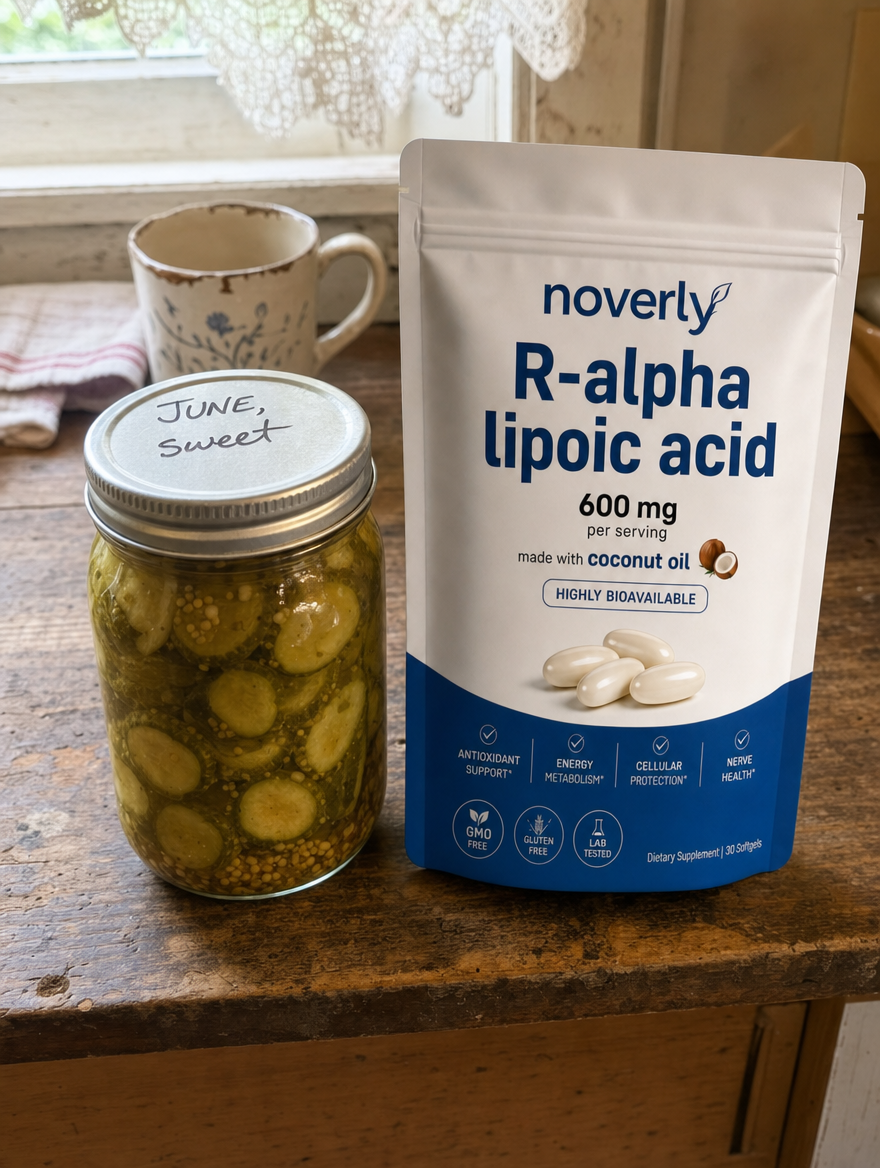
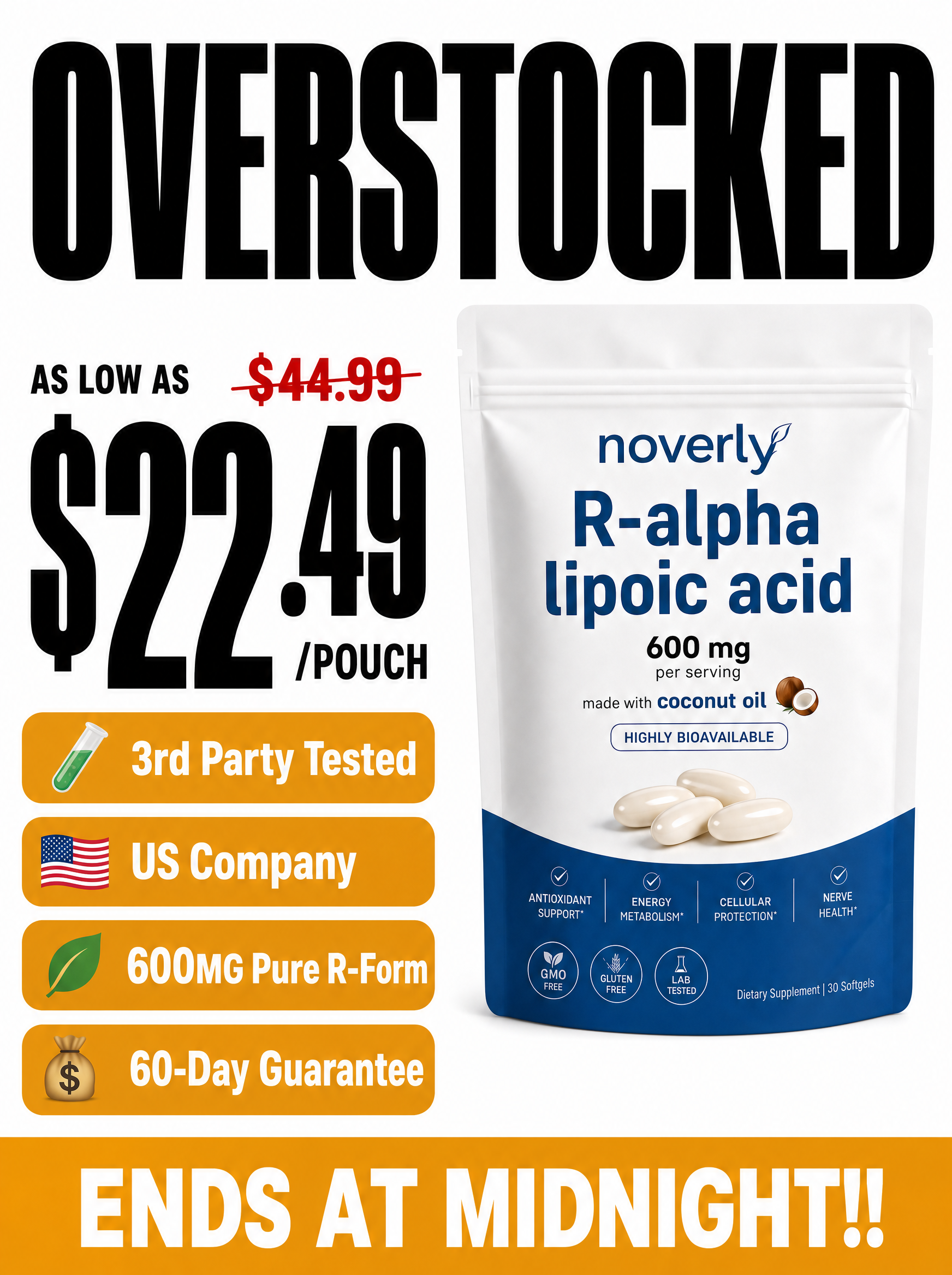
If your feet still burn at night — even though your blood sugar is better than it's been in years, even though you take the nerve pill every single night, even though you've already tried the B-vitamin bottles and the creams and the copper socks — it's not because your case is unusually stubborn. It's because you've been treating the wrong half of the problem. Here's what most American doctors were never taught about why diabetic nerve pain is so hard to move. Your burning feet are not a pain problem. They're a damage problem that produces pain. And those are two different things, controlled by two different systems — which is why you can get one of them completely under control and feel no better at all. Think of it this way. There's an alarm, and there's a fire. The alarm is the signal. Your damaged nerve fibres misfire and send pain up the line — the burning, the pins and needles, the electric jolt at 2 a.m. that wakes you up. The fire is what's causing the misfiring in the first place: after years of high blood sugar, the nerve fibre is burning through its own antioxidant defences faster than it can rebuild them, and the mitochondria that power the fibre are starving. That's happening behind something called the blood-nerve barrier — a wall your nerves live behind. Every single thing you have been given works on the alarm. Gabapentin works on the alarm. Lyrica works on the alarm. The lidocaine patch, the capsaicin cream, the amitriptyline — all alarm. They turn the volume down on the signal leaving the nerve. Not one of them crosses that wall. Not one of them goes anywhere near the fire. That's why the fog came and the burning stayed. And here's the part that should genuinely bother you. In 1999, a neurologist named Kenneth Gorson published a placebo-controlled trial on gabapentin in diabetics with nerve pain. Forty patients, in a real journal you can pull up tonight. His conclusion, verbatim, was that gabapentin is "probably ineffective or only minimally effective" for diabetic nerve pain. That study had ties to the drug maker's own people. On May 13, 2004, that maker pleaded guilty to two criminal counts and paid $430 million to settle claims about how they promoted the drug for conditions it was never approved for. They had the data in 1999. It kept getting written for burning feet anyway. Your doctor isn't lying to you. They're reaching for the tool they were trained to reach for, and no one ever came to their office to train them on anything else. But that tool was built for a different problem than the one you actually have. So what works on the fire? In Germany, doctors have been prescribing alpha-lipoic acid for diabetic nerve damage since the 1960s. Not as a supplement — as an approved treatment, covered by German health insurance, considered first-line. Four major clinical trials across three decades. In the 1995 trial published in Diabetologia, 328 patients: symptom scores in the feet fell 63.5% on 600mg versus 38.4% on placebo. In 2006, an oral trial in Diabetes Care with 181 patients found 600mg once daily gave the best risk-to-benefit ratio — higher doses were no better, just worse tolerated. Sixty years. And nobody in your doctor's office has ever said the words out loud. Why not? Because you cannot patent a naturally occurring molecule. Alpha-lipoic acid is something your own mitochondria already make. Under US law nobody can own it, so no pharmaceutical company will spend a billion dollars taking it through FDA approval for a compound they can't exclusively sell. No patent means no sales rep, no conference booth, no continuing-education module. Meanwhile gabapentin had all three. In Germany, it's a prescription. In America, it's on a shelf between the fish oil and the melatonin, and your doctor reaches for the prescription pad. Now — if you've already tried alpha-lipoic acid and it did nothing for you, I understand the skepticism completely. But there's a specific, physical reason it didn't work. Alpha-lipoic acid has two mirror-image forms, R and S, like a left hand and a right hand. Only the R form occurs in nature. Only the R form binds the mitochondrial enzymes. The S form is a synthetic byproduct of cheap manufacturing — and it may actively compete with the R form for the same absorption pathway on the way in. Almost every bottle on Amazon for $15 to $25 is racemic: a 50/50 blend. Half of what you swallowed was the molecule that works. The other half was the one fighting it for absorption. And here's the detail that reframes those German trials entirely. They used the racemic form too. So when a patient in one of those studies was handed 600mg, they were actually getting about 300mg of the R form doing the work. Ours is 600mg of pure R. No S-isomer padding the label, nothing competing for absorption, suspended in coconut oil so it survives digestion instead of degrading on the way. One ingredient — not a kitchen-sink label hiding a token dose at the bottom. Third-party tested every batch. Backed for 90 days: take it, track your nights, and if nothing changes you pay nothing. There's a moment you've probably already pictured. It's late. You get into bed. And you pull the covers over your feet — all the way over, like you did when you were forty — and you leave them there, and you go to sleep, and you don't wake up at two. No fan. No foot hanging off the edge of the mattress. German doctors have been handing their patients that moment since the 1960s. Now you know what they know. 👉 https://noverly.shop/products/r-alpha-lipoic-acid-600mg-pure-r-form-softgels
Like this ad? Make it yours.
Crush rebuilds this exact creative around your product — your brand, your colors, your offer — in about a minute.