Tours From Marrakech
Tours From Marrakech Facebook ad: “The difference between what is called a riad…”
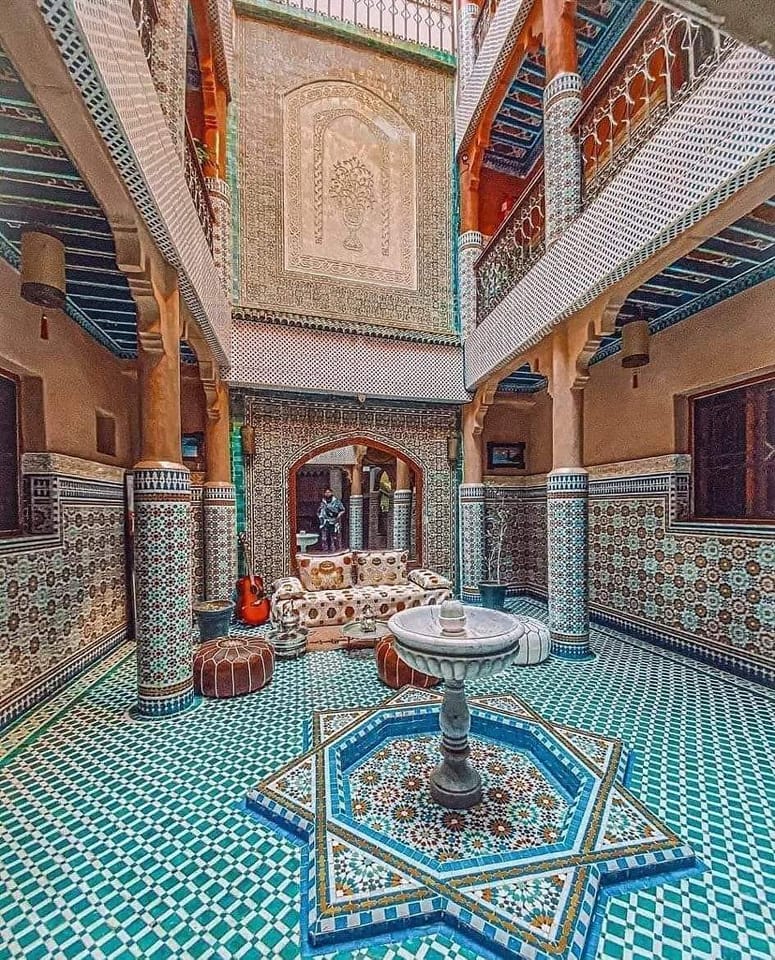
Ran for 125 days, from March 26 to July 29, 2026, the last day Crush saw it.
Run by Tours From Marrakech on Facebook. Crush is not the advertiser and does not verify its claims. See this ad in Meta's Ad Library(opens in a new tab)
Want an ad like this for your product?
Crush makes new ad images for your product from this ad: your logo, your product photo, your offer.
Trials from $19.95 USD, then $79.95 USD a month. Cancel anytime.
About this ad
- Meta Ad Library ID
- 1427909089116681
- Platforms
- Facebook, Instagram, Audience Network and Messenger
- Relaunches
- 0
Ad text
The difference between what is called a riad and a hotel is profoundnot only in form, but in meaning. A four or five-star hotel offers comfort, efficiency, and a familiar standard that can be found almost anywhere in the world. It is designed to meet expectations, to feel known before it is even experienced. In that sense, a hotel belongs to a global language of hospitality refined, reliable, but often detached from the soul of the place in which it stands. A riad, however, speaks a different language one that is intimate, rooted, and deeply cultural. It is not merely a place to stay, but a way of inhabiting Morocco itself. Hidden behind modest doors in the heart of the medina, a riad opens inward, revealing a world of silence, light, and intricate beauty. It carries within its walls the memory of generations, the rhythm of daily life, and the subtle art of Moroccan living. And perhaps one of the most meaningful aspects of this experience lies in the food. In a riad, meals are often prepared by local hands, following recipes passed down through generationsdishes that are not just cooked, but lived. The flavors are authentic, slow-crafted, and deeply connected to the culture, offering something far more genuine than what is typically found in restaurants designed for a broader, faster experience. To stay in a riad, even for a single night, is not simply accommodation it is an encounter. An encounter with architecture that breathes, with hospitality that feels personal rather than procedural, and with a cuisine that tells its own story of place and tradition. Hotels may offer luxury, but riads offer presence. And sometimes, what we remember most from a journey is not the perfection of service, but the feeling of having truly touched the spirit of a place.