
Ashley
Active· since Sep 15, 2026
- 2
- days running
- 2
- relaunches
Ad copy
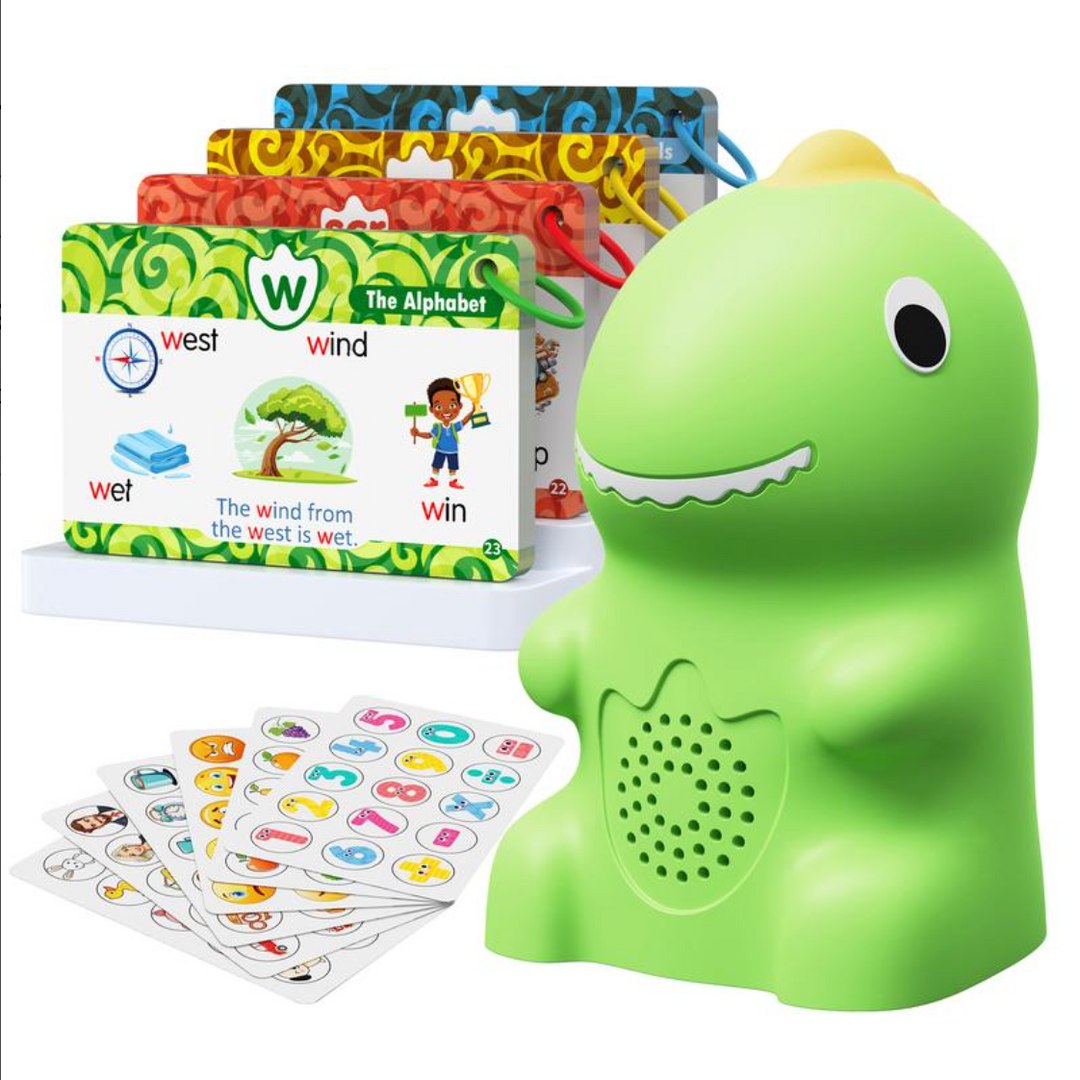
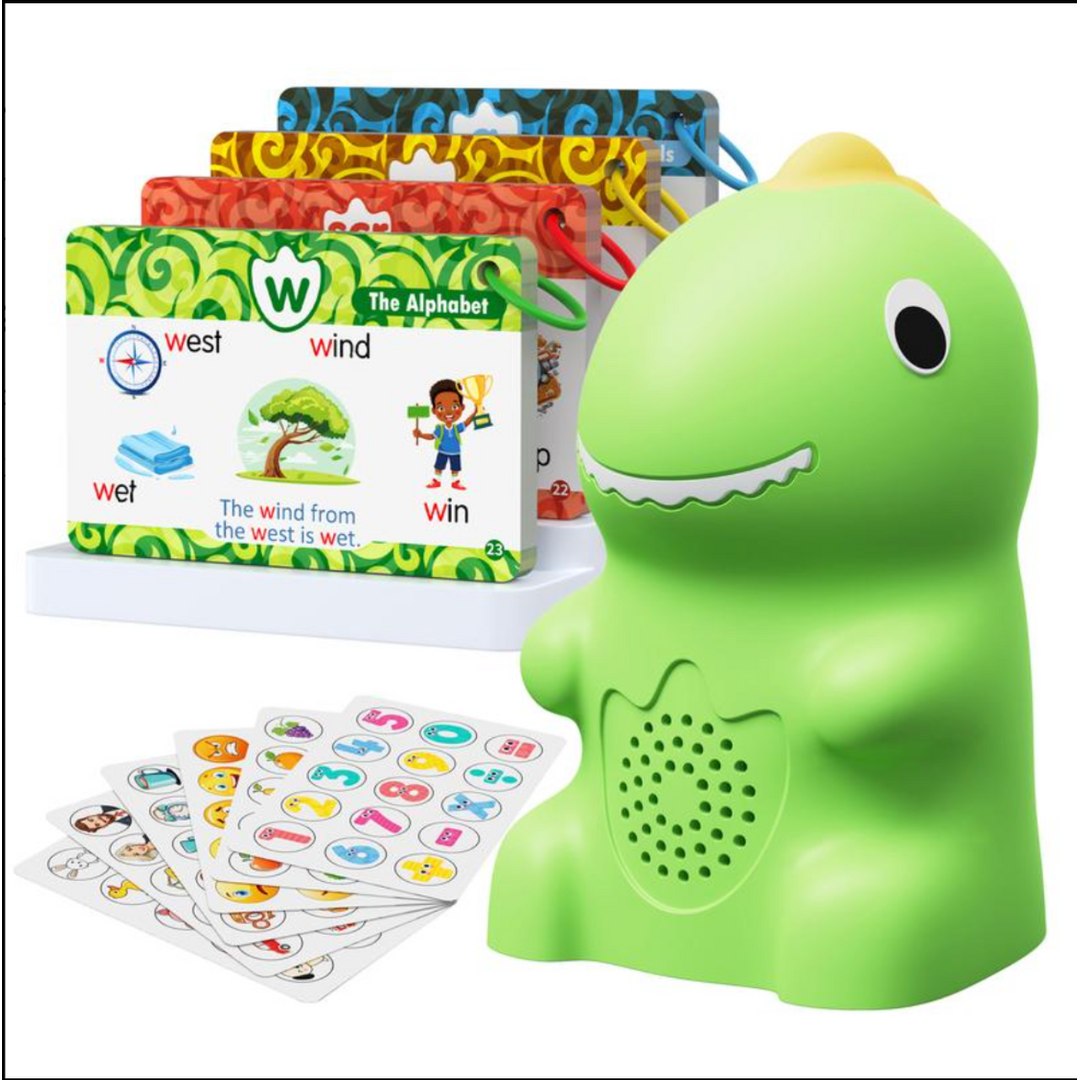
I was at a BABY SHOWER and a woman I barely know put her hand on my arm and said "you are such a warrior." A warrior. At a baby shower. While eating a cucumber sandwich. I did not fight a war. I drove my son to therapy and I bought groceries online and I cried on a pantry floor. She called me a warrior because my son is autistic and surviving my own child's existence is apparently combat. I do not want to be a warrior. I want to be a MOM at a baby shower eating a sandwich without someone touching my arm and giving me a title I did not ask for. I heard something last week that made me feel like the floor was falling. A kid at the park. Seven years old. Walked up to me at the swings. Looked at Eli. Looked at me. Said: "What is wrong with your kid's brain." Seven years old. Looking right at me. "What is wrong with your kid's brain." He learned that sentence from somewhere. From a parent. From a dinner table. From a car ride home after a playdate where someone said "something is wrong with that boy" and a seven-year-old absorbed it like a sponge absorbs water and carried it to a park and squeezed it out onto me at a swing set. My son's diagnosis traveled through a family I have never met and came out of a child's mouth at a park. That is what the world does with my son. It categorizes him. It titles me. It blesses his heart through drive-through windows. It calls me a warrior at baby showers. It teaches children sentences about what is wrong with other children's brains. My mother-in-law Patricia watched this same thing happen to another family for nine years. And what she told me at a fish fry two weeks later changed everything. But first you need to understand how the categorizing works. Because it is not random. It follows a pattern. And the pattern is getting worse. My name is Ashley. I am 34. My son Eli is four. Autistic. Level 2. Nonverbal. Has not said a word in four years. The categorizing started small. Month one of the diagnosis. A woman at the pediatrician's waiting room moved her purse to create a buffer chair between her child and mine. Small. Almost invisible. The first brick in a wall I did not know was being built. Month three. Speech therapy started. Every Wednesday. $175 a session. A woman in a building saying "say ball" while Eli sat rigid and the fluorescent lights buzzed. Month four. A neighbor saw Eli flapping in the front yard and her face did the thing. The tilt. The "oh." I saw it through the kitchen window. She did not know I was watching. The face happened when she thought nobody was looking. That is how I know it is real. The face is what they do when they think the mother is not watching. Month six. The baby shower. The "warrior." The hand on my arm. The cucumber sandwich I could not finish because the word "warrior" turned a party into a battlefield and the battlefield was my son's existence and I did not sign up for combat. Month eight. The park. The seven-year-old. "What is wrong with your kid's brain." The sentence that traveled through a family and landed on me from the mouth of a child who does not know what autism is but knows something is wrong because his parents said so at dinner. Month ten. The birthday party invitations. Every cubby got an envelope except Eli's. The teacher looked away. Month twelve. My mother-in-law. "Maybe he should not come to Thanksgiving." Her grandson. Her table. Easier for everyone. Fourteen months. The categorizing gets worse every month. The titles get louder. The exclusions get bolder. The sentences from children's mouths get more specific. And every month the behavior that produces the categorizing gets worse too. The meltdowns in public. The rigidity. The screaming. The flapping that makes neighbors' faces do the thing. Every month louder. Every month harder. Every month another brick in the wall between my son and the world. And every time I asked why the behavior was getting worse, they said the same things. "The meltdowns are behavioral." "Exposure builds tolerance." "He needs more sessions." "Some children just take longer." Not once in 14 months did anyone connect the therapy schedule to the worsening behavior. Not once did anyone say: the sessions are making the public behavior worse. My mother-in-law Patricia is the one who connected it. Patricia is 63. Her best friend Lorraine's grandson is autistic. He is six now. He goes to birthday parties. He went to Thanksgiving. Nobody calls his mother a warrior anymore because the word warrior is only used for women whose children are at war and Lorraine's grandson is not at war anymore. We were at a family fish fry. I was sitting in a lawn chair with a plate I was not eating. Patricia sat down next to me. "Ashley. Tell me what is happening." I told her about the seven-year-old at the park. "What is wrong with your kid's brain." The sentence that came from a dinner table I have never sat at. Patricia was quiet for a long time. "Lorraine's daughter heard the same thing. Different park. Different kid. Same sentence. A child walked up and asked what was wrong with her son." "What did she do?" "She went home and she sat on her kitchen floor and she cried. And then she asked a question nobody had asked in three years of therapy. She asked: why is the behavior getting WORSE?" Patricia looked at me. "The answer is the pressure. Every session puts pressure on the child. A stranger with a clipboard. Eyes watching. A face waiting for the word. The expectation filling the room like humidity. The child feels the pressure and his body FREEZES. Not because he cannot speak. Because the pressure locks him up." "And the freeze does not end when the session ends. The pressure stays in his body. He comes home wound tight. Rigid. The spring loaded. And the next day at a park or a store or a birthday party, a balloon pops or a kid runs past or a horn honks and the spring snaps because the pressure from yesterday's session is still loaded in his body." "The seven-year-old at the park did not create what he saw. The Monday session created it. The session wound the spring. The park released it. The meltdown happened. A parent at the park saw it. Told their child at dinner. The child absorbed it. Repeated it to you at a swing set." "The sentence 'what is wrong with your kid's brain' started in a therapy building on Monday. It just took five days to reach your ears through a seven-year-old's mouth." I sat there with my plate in my lap and the fish getting cold. "The warrior title," I said. "The 'bless his heart.' The empty cubby. All of it." "All of it is downstream from the pressure. The pressure produces the behavior. The behavior produces the categorizing. The categorizing produces the titles and the exclusions and the sentences from children's mouths. Remove the pressure. The behavior changes. The categorizing stops. The titles drop. The sentences stop being taught at dinner tables." "How did Lorraine's daughter remove the pressure?" "She stopped sending her son to the building. She stopped putting him in a chair across from a stranger with eyes and a clipboard and an expectation. She found something that lets him learn with zero pressure." Patricia put her plate down. "Her son has a spot. The closet floor in his bedroom. The place he goes when the world is too much. His nervous system is only calm there. His brain is only open there." "She put a toy in the spot. A small green dinosaur. 148 flash cards. It says the word when the child puts the card on it. Same voice every time. No face. No eyes. No clipboard. No one watching. He presses when HE is ready. In his spot. Zero pressure. The spring never winds. The freeze never comes." "The words came because the brain was open. The schedule stopped because the words were coming at home. The pressure stopped because the stranger was gone. The spring stopped being wound. The behavior in public changed because the spring was not loaded when he got to the park." "And the seven-year-old?" "The seven-year-old does not have a sentence to repeat. Because the dinner table does not have a story to tell. Because the park does not have a meltdown to witness. Because the spring is not loaded. The sentence dies at the source." I almost did not listen. A dinosaur. For a son whose diagnosis travels through families and comes out of children's mouths at parks. But Patricia does not waste my time. And Lorraine's grandson goes to birthday parties. And his cubby gets envelopes. And his mother is called "mom" at baby showers, not "warrior." And the 60-day guarantee meant the worst thing that happens is I get my money back. I ordered DinoLearn that night. $34.99. Pantry floor. 12:41 AM. It arrived four days later. 148 cards. Same voice. Same pitch. Same speed. Every time. No face. No clipboard. No pressure. I put it on the bathroom tile near the cabinet where Eli sits every afternoon with a rubber ball from the toy bin. He squeezes it in his palm. Over and over. A rhythm. His back against the cabinet. His jaw slack. His spot. The one place in the house where nobody expects anything from him. Set the dinosaur next to his ball and walked out. Day one he looked at it. Squeezed his ball next to it. Day three he picked it up. Ball still in his left hand. Pressed it. Same word. Same voice. Five times. His body did not change. No freeze. No winding. Zero pressure. His spot stayed safe. I tracked every week. Week one. The therapy schedule stopped. No sessions. No stranger. No clipboard. No pressure. The spring stopped being wound. Monday passed without the loading. Tuesday passed without the tightness at dinner. Wednesday passed without the meltdown. Week two. We went to the park. Same park where the seven-year-old asked the question. I held Eli's hand and walked to the swings. A kid ran past us. Close. Fast. Eli flinched. But he did not scream. He did not go rigid. He flinched and then he kept walking. Because the spring was not loaded. Monday's session had not wound it. The kid running past was just a kid running past. Not the trigger that releases a spring wound tight from three days of pressure. We stayed at the park for 40 minutes. Eli sat in the sandbox. He squeezed his ball with one hand and pushed sand with the other. A girl sat next to him. He did not flinch. She did not move away. They sat in the same sandbox. Side by side. Not talking. Not fighting. Just two children in sand. No face from the other mothers. No pull. No yank. No "don't stare." Just two kids in a sandbox. Week three. The baby shower. A different one. Marcus's cousin. I went. With Eli. A woman I barely know walked up to me. She looked at Eli sitting on the floor playing with a gift bag ribbon. "How old is he?" Not "you are such a warrior." How old is he. The question you ask any mother about any child at any party. "Four." "He is so calm." He is so calm. Four words that landed on me like the first sun after a year of clouds. He is so calm. The description of a child. Not a warrior's son. Not a heart that needs blessing. Not a brain that has something wrong with it. A calm child at a party. The pressure was gone. The spring was not wound. The behavior was different because the loading was different. The categorizing stopped because the behavior stopped giving the world a reason to categorize. Week four. Eli said "ball" on the bathroom tile. Because the rubber ball squeezes in his hand every afternoon and the word matched the thing his body already knows. His first word. No pressure. No freeze. No clipboard. Just a boy on a tile with a dinosaur and a ball and a word that came out because nobody was watching when it happened. Week six. The park again. Same park. The seven-year-old was there. He walked past Eli. Looked at him. Eli was sitting on a bench squeezing his ball. The boy looked. Then kept walking. He did not say anything. No "what is wrong with your kid's brain." No sentence. No question. Because the last time the boy saw Eli, Eli was screaming and rigid and the boy went home and his parents said something at dinner. This time Eli was sitting on a bench squeezing a ball and there was nothing to say at dinner. The sentence died because the scene changed because the spring was not loaded because the pressure was gone. The seven-year-old walked past my son and kept walking because my son was just a boy on a bench and a boy on a bench is not a dinner table conversation. I stood at the edge of the playground and I watched the boy walk past and I watched the nothing happen and the nothing was the most beautiful thing I have seen at a park in over a year. Patricia called me that evening. I told her about the park. The boy. The nothing. She was quiet. Then she said: "Lorraine told me the same thing. The sentences stop when the scenes stop. The scenes stop when the pressure stops. The pressure stops when the stranger leaves the room." If you are reading this with the titles sitting on your shoulders. If a woman called you a warrior at a party. If a child asked what is wrong with your son's brain. If your son's diagnosis travels through families you have never met and comes out of mouths you have never seen. The behavior is not your son. The behavior is the pressure. The therapy schedule winds the spring. The spring releases in public. The public witnesses it. The witnessing becomes a dinner table story. The story becomes a sentence. The sentence comes out of a seven-year-old's mouth at a park. Remove the pressure. The spring stays unwound. The behavior changes. The story does not get told. The sentence does not get learned. The seven-year-old walks past your son and keeps walking because there is nothing to say. DinoLearn. 148 cards. 592 words. Same voice every time. No face. No pressure. His safe spot. His floor. $34.99. 60-day money-back guarantee. Put it in his spot. Walk away. The words come when his brain is ready. The pressure stops when the schedule stops. The behavior changes when the pressure stops. The titles drop when the behavior changes. The sentences stop when the stories stop. You will feel it before the world does. The nothing at the park. The boy who walks past without speaking. The woman who says "how old is he" instead of "you are such a warrior." The crossing guard who says his name instead of the tight smile. That nothing is what the right mechanism feels like. I wish I had felt it 14 months and one seven-year-old ago. https://www.dinolearn.us/pages/adv-5 P.S. The sentence "what is wrong with your kid's brain" started in a therapy building on Monday and reached my ears through a seven-year-old's mouth on Saturday. The pressure from the session wound the spring. The park released it. The meltdown became a story. The story became a sentence. Four weeks of removing the pressure did what 14 months of the wrong mechanism could not. The spring unwound. The behavior changed. The story stopped being told. The sentence stopped being learned. Nobody told me because the pressure is the business model. $175 a session. The spring winds. The public fires. The mother gets a title. The system profits. P.P.S. If the titles just started. If "warrior" has only been said once. If the seven-year-old has not walked up yet. If the dinner tables have not started telling stories about your son yet. You are in the best position you will ever be in. The spring has not been wound for years. The stories are not thick yet. Start the right mechanism now. Before the sentences get specific. Before the titles get permanent. Before the dinner table stories become the way your neighborhood knows your son. Four weeks. $34.99. The nothing at the park is still possible. The pressure is the only thing between your son and a boy who walks past without speaking. https://www.dinolearn.us/pages/adv-5
Ashley
LEARN MORELike this ad? Make it yours.
Crush rebuilds this exact creative around your product — your brand, your colors, your offer — in about a minute.