
Active· since Jul 11, 2026
- 71
- days running
- 0
- relaunches
Ad copy
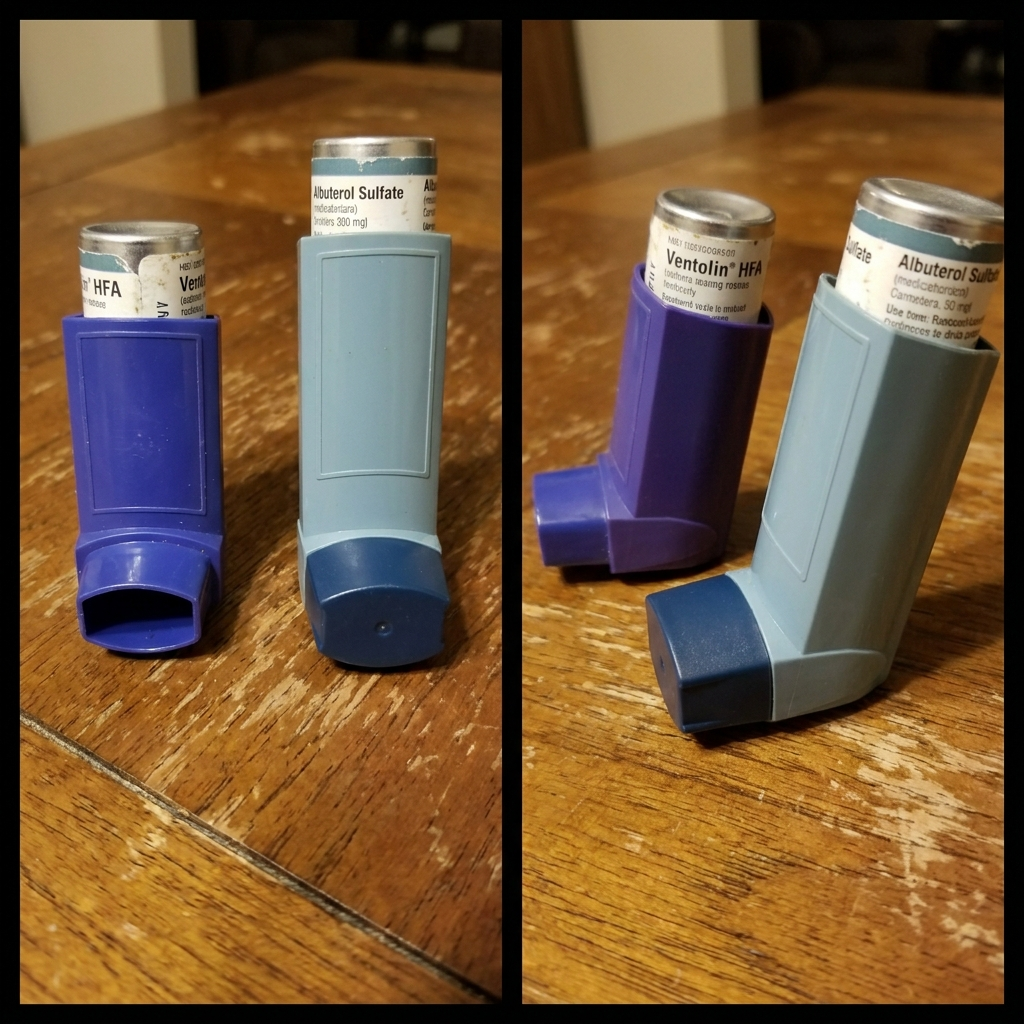
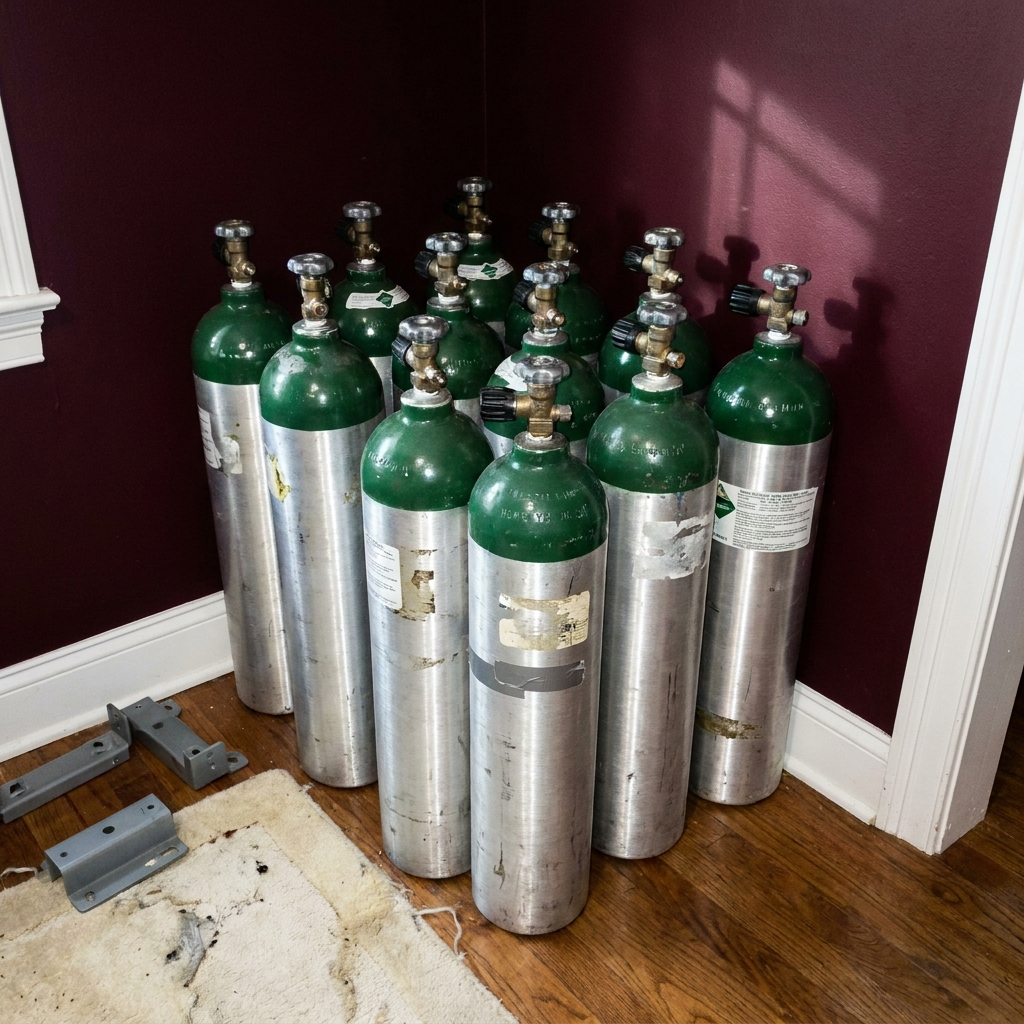
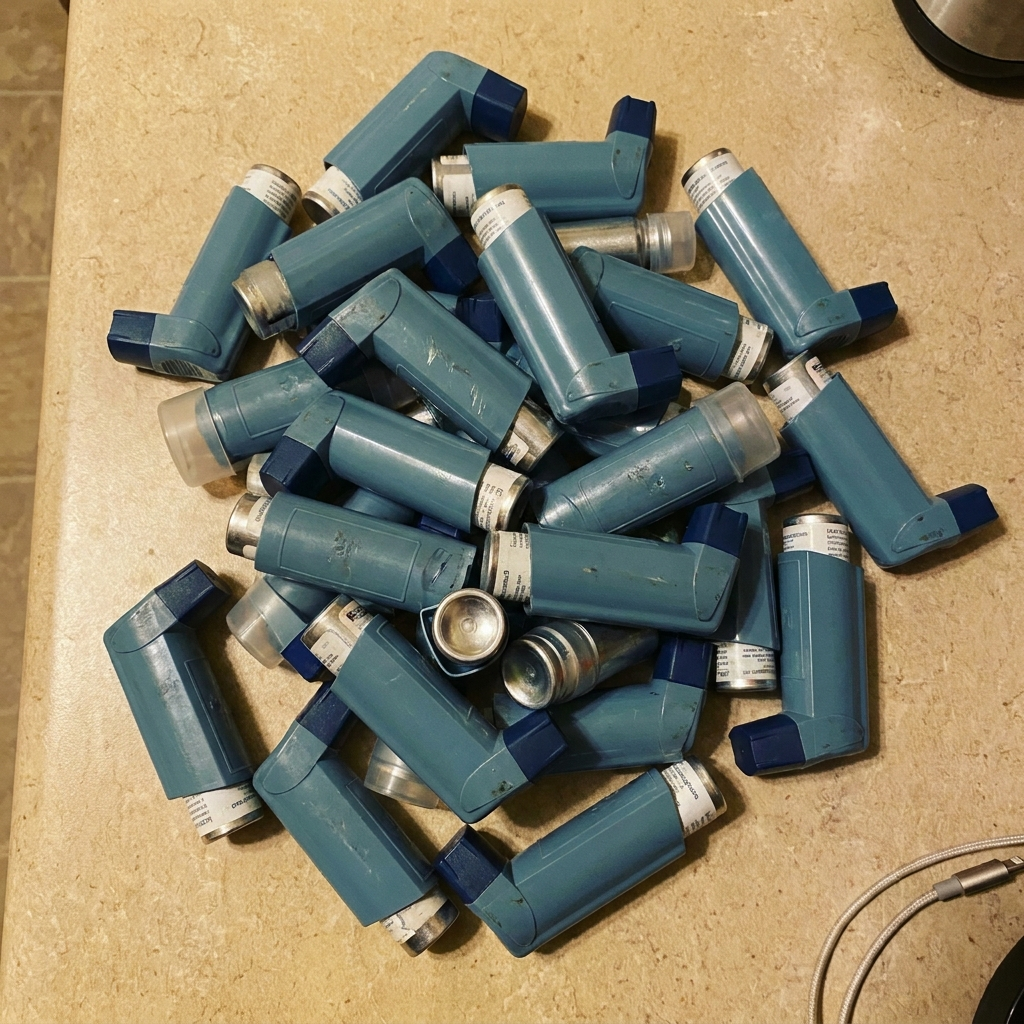
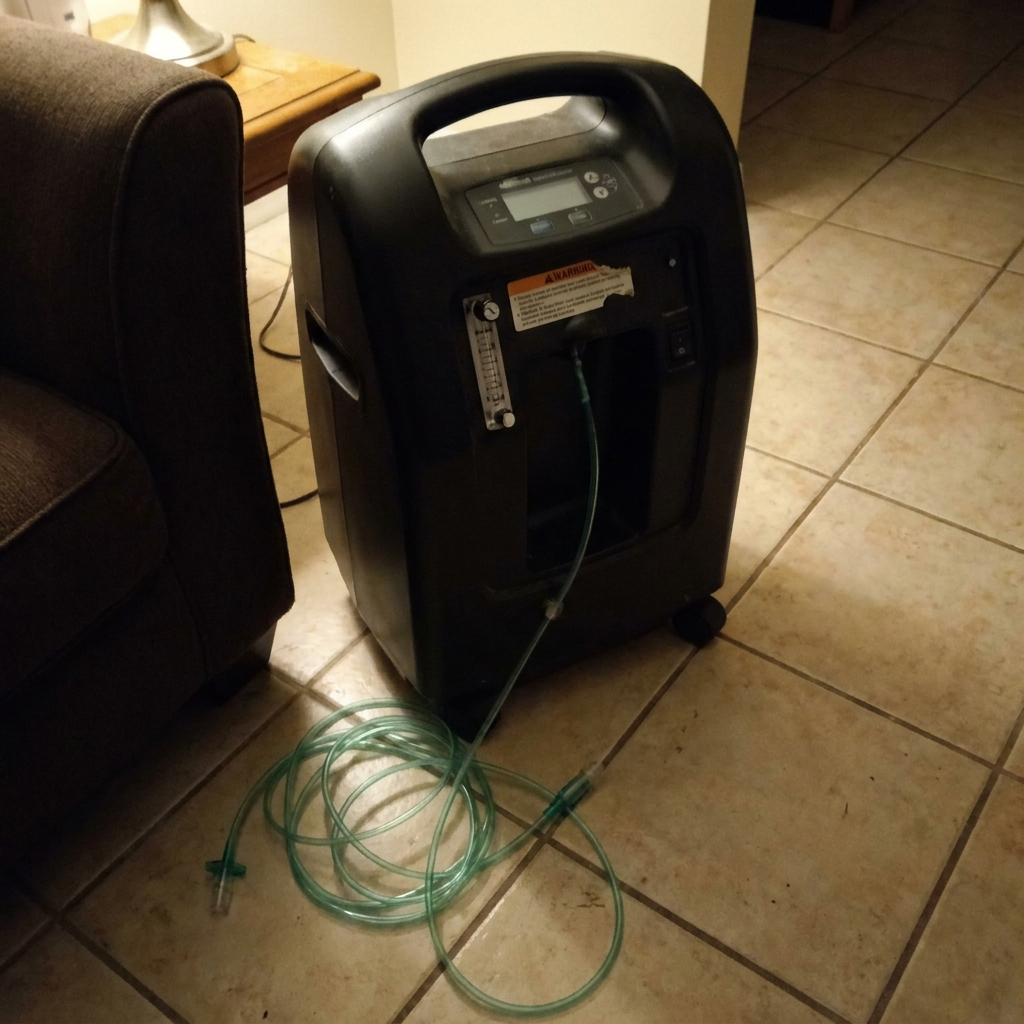
I'm about to say something that no one dealing with COPD wants to hear and I honestly don't give a f*ck if it pisses you off. Switching to another inhaler is not going to clean out your lungs. Not Spiriva. Not Symbicort. Not Trelegy. Not the Mucinex you're doubling up on every day. Not the mullein tea half your Facebook group can't stop recommending. NONE OF IT WILL FIX THIS. I know because I tried EVERY SINGLE THING. Every inhaler on the market. Every supplement anyone recommended. Every "natural remedy" people in the forums were pushing. For three years straight. And my FEV1 still fell 8 points. Down to 60%. Headed straight for an oxygen tank. Because for three years I was trying to treat a thinning problem that was never a thinning problem to begin with. And the worst part of it? Seven months ago my pulmonologist sat across from me and started casually discussing "getting ahead of" supplemental oxygen. I'm finished being polite about this. If you have COPD and you're spending your time in support groups asking which inhaler to bring up at your next visit, you are burning through time your lungs don't have to spare. Read this whole thing. Every line. Because the answer is right here and it is NOT another prescription. My name is Denise Wagner. I'm 63. I live outside Cleveland. I got my COPD diagnosis a little over three years ago. Stage two. My pulmonologist delivered the news with about as much compassion as a bank teller telling you your account is overdrawn. "There's obstruction. We'll get you started on Spiriva. See me in six months." He handed me a script, a glossy pamphlet, and gestured toward the door. I followed the plan exactly. Spiriva to start. When that stopped holding, they layered in Symbicort. Eventually Trelegy, the triple therapy inhaler they bring out when the rest of the arsenal isn't cutting it. Rescue inhalers stashed in every room of my house. For a while, things were "stable." That was his word of choice. Stable. As if I was supposed to feel grateful I wasn't declining faster. But I was declining. The morning cough that would drag on for twenty-five minutes without bringing much of anything up. The extra pillow I'd quietly wedged behind me because lying flat made my chest feel like it was clamped shut. I'd walk into Target and I was already spent. Winded. Coughing. Draped over the shopping cart before I'd made it to housewares. I started keeping a chair in the shower because I couldn't stay on my feet long enough to rinse the shampoo out of my hair. Getting up my own stairs meant stopping at the landing and holding onto the banister until my chest opened back up. I brought it up at my next visit. Sat right there in his exam room and asked him straight out. "I haven't skipped one dose in three years. Why do I keep getting worse? What else can we try?" He didn't even look up from the chart in his hand. "This is a progressive condition. Your medications are doing their job. We're managing it." Managing it. That word has been rattling around in my head ever since. Because apparently "managing" was code for watching me slide a little further downhill each season while calling it treatment. Then seven months ago he said the word that broke me. Oxygen. "Might be time to start thinking ahead. Maybe overnight to start." I sat in my car in that parking lot for close to thirty minutes with my hands wrapped around the steering wheel. Because I'd just heard the exact speech they give every COPD patient right before the slide. Just at night. Then more. Then all day. I was NOT going to spend whatever years I have left dragging a tank around with me. I stopped sleeping properly after that visit. Started searching online at 2am with the screen dimmed all the way. That's when mullein started popping up everywhere I looked. Every COPD forum. Every Facebook group. People talking about it like it was some kind of miracle. "Mullein cleared my lungs out in a week." "Mullein tea gave me my life back." The same testimonials on repeat until I could have written them from memory. So I bought the tea. Two cups a day for a month and a half. Not a single change. Same twenty-five minute morning cough. Same tightness across my chest. Same shower chair. I figured the tea just wasn't strong enough. Bought the tincture. The pricey drops everyone was recommending. Ten more weeks. Same nothing. Then NAC. 600mg twice a day. The forums were calling it the strongest mucolytic you could get without a prescription. Another two months. Still gripping that banister at the top of my stairs. Mucinex was in the mix the whole time. Max strength, 1200mg, twice a day. Didn't touch the heavy stuff sitting deep in my chest. $462 across everything I tried. Plus some "respiratory detox" powder off Amazon I'm too embarrassed to talk about. I raised it at my next appointment. Told him about the mullein. The NAC. The whole list. He shut me down before I got to the end. "There's no evidence behind any of that. Stay focused on your inhalers." He made me feel like an idiot for even bringing it up. I drove home and sat in my driveway for another twenty minutes. Because the inhalers weren't stopping my decline. The supplements weren't doing anything. And the person I was paying to keep me off oxygen had just told me to keep doing the exact thing that wasn't working. That night I got back on the laptop. But this time I stopped scrolling supplement reviews and started reading actual respiratory medicine. PubMed. Pulmonary rehab textbooks. Respiratory therapy journals. That's where I came across an article by a respiratory therapist named Maureen Delgado. RRT. 24 years in the field. Pulmonary recovery specialist. It was so straightforward that it made me angry no one had told me sooner. She wrote that the reason oral supplements almost never work for COPD patients is because they don't reach what's actually obstructing the lungs. Bioavailability of 1 to 3 percent for lung tissue. Stomach acid breaks down most of what you swallow. The liver clears out most of what makes it past. Less than 1% of what's in a Mucinex tablet ever gets anywhere near your airways. And even if more of it made it there, most COPD patients aren't dealing with regular mucus anyway. There are two layers of mucus in COPD lungs. The top layer is thin. New. Wet. That's the mucus Mucinex was formulated to thin. That's the stuff that clears easily when it's loose. But underneath, packed up against the airway walls, sits a second layer. Old. Compacted. Hardened over years the way cement hardens inside a pipe. That was the stuff I could feel sitting in my chest every single morning. The stuff that refused to budge no matter how long I coughed at it. And nothing you can swallow will ever reach it. Mucinex is water-based. It glides right over the hardened layer. Mullein tea gets torn apart by stomach acid before it comes anywhere close to your airways. NAC gets metabolized before it makes it anywhere near the compacted layer. Swallowing anything for a deep lung problem is basically like swallowing eye drops and expecting your vision to clear up. It can't. It was never designed to. Every cup of tea, every tincture, every capsule. All working on the top layer while the actual blockage sat underneath, completely untouched. And the inhalers? Spiriva. Symbicort. Trelegy. They open the passage around the cemented layer. They never make contact with the cement itself. That's the reason my FEV1 kept sliding at every visit no matter how many inhalers he stacked on. The inhalers were routing air AROUND the blockage. They were never going to touch it. Maureen wrote that the only way to actually break the cemented layer apart is to deliver the compounds directly into the airways. Not swallowed. Not absorbed through the digestive tract. Sprayed straight to the tissue where the cement is stuck. That's when it clicked for me. Every COPD exacerbation. Every ER visit. Every rough night that landed a COPD patient in the hospital. What did they do? Nebulizer. Direct inhalation. Straight into the lungs. Skip the stomach entirely. That's how hospitals handle lung problems. That's how they've always handled them. So why on earth were we swallowing everything? Maureen's article laid out four botanical compounds that actually dissolve the cemented layer when they're delivered properly. Eucalyptus to break apart the hardened bonds holding the cemented layer in place. Licorice root to bring down the inflammation keeping the layer swollen. Peppermint to open the airways so the spray can reach further in. Calendula to reawaken the cilia trapped underneath the cement. Then she named a product called Larelle. A direct airway spray formulated around the same four botanicals her article had just walked through in detail. I won't lie and pretend I trusted it. I'd already spent $462 on capsules and teas that did nothing. But this was different in one way. The same kinds of ingredients I'd already been swallowing, delivered the only way that actually reaches the layer that was suffocating me. Sprayed right into the airways instead of down my throat. The exact delivery method hospitals already use. The same principle behind every nebulizer sitting in every ER around the country. And they were offering a 90-day money-back guarantee. Use the whole bottle. Send it back if nothing shifts. That's the only reason I placed the order. Worst-case scenario, I return it and get every dollar back. The first several days, nothing dramatic happened. Cool going in. A little bit of a mint taste. Zero burning. Day nine, I was standing at the kitchen sink in the morning when I coughed up something I had never seen come out of me in my life. Dark brown. Nearly black. Dense enough that it sank straight to the bottom of the glass. I knew immediately what it was. Maureen's article had said that when the cemented layer finally starts breaking apart, it comes up dark. The darker it looks, the longer it's been packed in there. That wasn't me getting sicker. That was decades of buried tar finally coming out of my body. It kept coming up for about two weeks straight. Then things started shifting. Week three, what I was bringing up looked lighter. There was less of it. The morning cough dropped from twenty-five minutes down to about six. Week four, I got rid of the extra pillow. Slept flat all night long. Woke up and realized what I'd just done. Week five, I took an entire shower on my feet. No chair. Just standing there under the water noticing that I wasn't struggling for breath. Week six, I went up my own staircase in one go. No pause. No holding the banister. Just walked up them the way I would have ten years ago. Three months in, I went back in to see my pulmonologist. The same one who'd told me to stay focused on my inhalers. The same one who'd first mentioned oxygen. He ran a new spirometry test. Sat there looking at the screen. "Your FEV1 has come up by 10%. That's not a result we see often." "Have you been doing something differently?" I told him about the spray. The one you breathe in instead of swallowing. He got quiet. I could tell he wasn't going to give me the satisfaction of admitting I'd been onto something. But the numbers on his screen didn't leave much room for argument. "Well… whatever it is you're doing, keep doing it. Let's push the oxygen conversation off for now." Push the oxygen conversation off. Seven months earlier he'd been prepping me to start arranging for a tank. Now he was telling me to keep doing what I was doing. I sat in my car afterward just letting it sink in. How close I came. How I nearly spent whatever time I have left dragging an oxygen tank behind me everywhere I went. And it makes me angry. That I had to find this in a 3am article. That in three years of appointments, not a single doctor ever told me there were two layers of mucus and that everything I was taking only touched the top one. That there are thousands of people right now drinking mullein tea wondering why it's not doing much of anything, when the whole reason takes about thirty seconds to explain. Your lungs need the compounds in your lungs. Not sitting in your stomach. That's it. I'm writing this because I keep seeing so many of you posting the exact things I was posting a year ago. "Started Trelegy. Still coughing every morning. Doctor says I'm stable." "Tried mullein tea for two months. Nothing happened." "Dropped $500 on supplements. My FEV1 keeps going down anyway." "There's something heavy in my chest that nothing seems to move." "My doctor mentioned oxygen and I don't know what to do next." You aren't doing anything wrong. Your inhalers aren't the issue. They just aren't built to reach what's actually blocking you. The cemented layer in your airways is the real obstruction. It doesn't show up on a standard chest X-ray. It DOES pull your FEV1 down. It narrows your airways a little more every year. And if you don't address it, the same thing that almost happened to me will happen to you. The morning cough will drag on longer. The recliner will take over from the bed. The walk out to the mailbox will get shorter. Your FEV1 will drop another point or two at every check-in. And sooner or later they'll be having the oxygen conversation with you, the same way they had it with me. "Just at night" turns into an all-day tank inside of a year for most patients. Check out Larelle. They offer a 90-day money-back guarantee. The worst thing that happens is you return it. The best thing that happens is you turn this around before they ever hook you up to that tank. I almost ended up on that oxygen. That's the only reason I'm writing this. You can find it here: https://trylarelle.shop/pages/listicle P.S. The dark stuff that will come up during the first couple of weeks is going to look concerning. Nearly black. Thick. Sinks to the bottom of the glass. It isn't an infection. It isn't a flare. It's the cemented layer finally breaking loose after however many years it's been packed in there. The darker it looks, the longer it was stuck. Mine came up almost pitch black. Yours might too. P.P.S. The thing I wish somebody had underlined for me three years ago was the morning cough. Everybody hears the wheezing and the shortness of breath and worries about those. What nobody focuses on is the long dry cough that goes on for twenty-plus minutes every single morning and barely brings anything up. That's your body trying to break apart something it can't get to. If that cough is part of your morning, you don't have years to figure this out. I didn't either. https://trylarelle.shop/pages/listicle
Like this ad? Make it yours.
Crush rebuilds this exact creative around your product — your brand, your colors, your offer — in about a minute.