Christopher King-Hall
Christopher King-Hall Facebook ad: “What is your X-Factor to live beyond 125…”
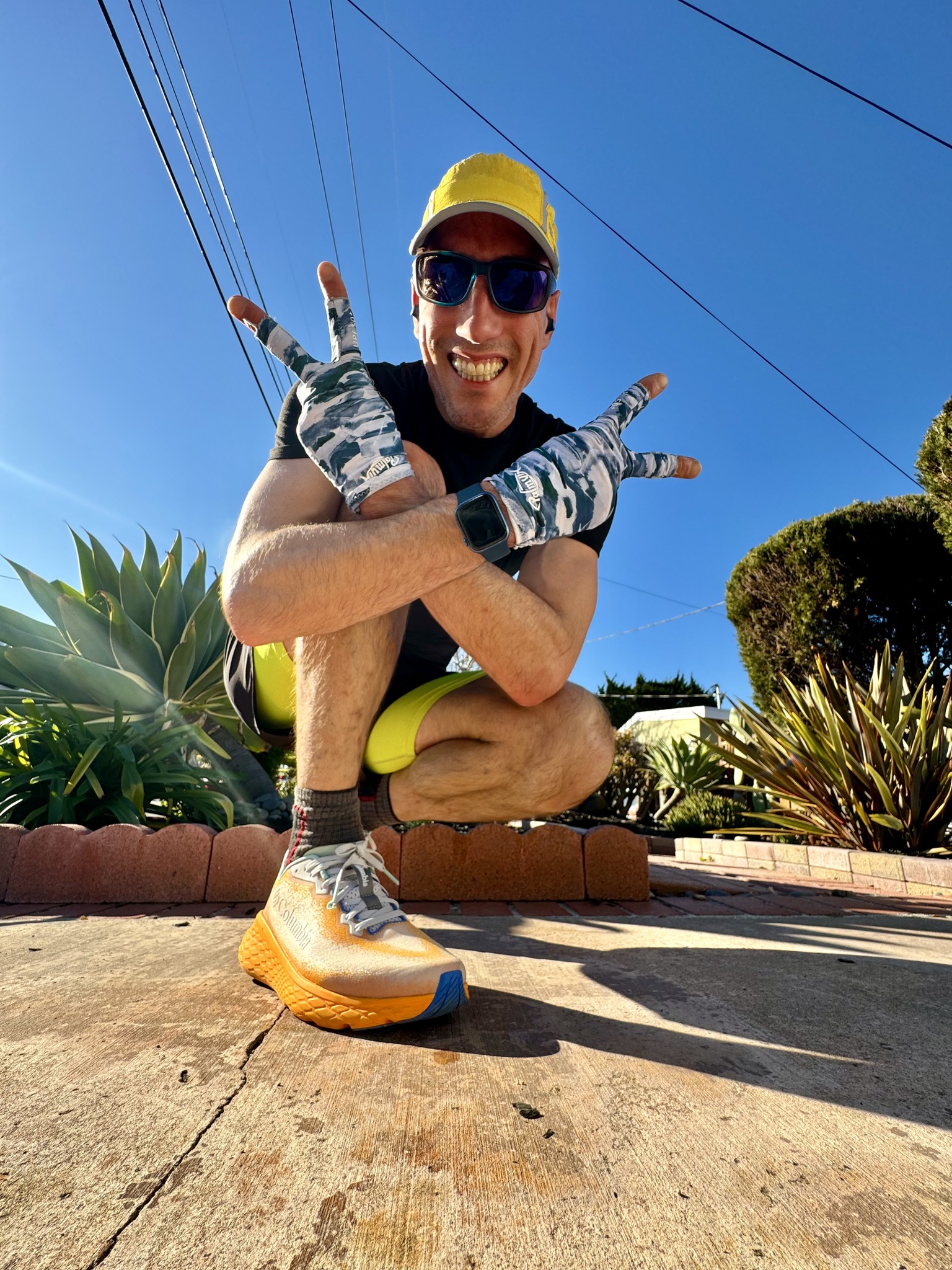
Ran for 44 days, from January 17 to March 2, 2026, the last day Crush saw it.
Run by Christopher King-Hall on Facebook. Crush is not the advertiser and does not verify its claims. See this ad in Meta's Ad Library(opens in a new tab)
Want an ad like this for your product?
Crush makes new ad images for your product from this ad: your logo, your product photo, your offer.
Trials from $19.95 USD, then $79.95 USD a month. Cancel anytime.
About this ad
- Meta Ad Library ID
- 1435262234872282
- Platforms
- Relaunches
- 0
- EU reach
- 170
Ad text
What is your X-Factor to live beyond 125 years old? ADD LIFE TO YOUR YEARS!! Want to live beyond your current expiration date with a better quality of life? Here are 5 steps to get you from 90 to 120 You must leverage all 5! Living to 90 vs. Living to 120: Five Real-Life Nutrition & Exercise Steps That Decide the Difference Living longer isn’t just about more years — it’s about more capable, energized, independent years. The gap between dying at 90 and thriving into your 110s or 120s isn’t luck or genetics alone. It’s built slowly, daily, through repeatable habits. Here are five real-life, evidence-aligned steps that meaningfully influence whether your later decades are strong—or spent declining. STEP 1: Build & Protect Muscle Like It’s a Vital Organ Because it is. What this looks like: Resistance training 3–4x per week Prioritize compound movements (push, pull, hinge, squat, carry) Train strength, not just “exercise” Why it matters: Muscle controls glucose, hormones, metabolism, posture, and fall risk Muscle loss is one of the strongest predictors of early death 90-year outcome: Frailty, falls, insulin resistance, loss of independence 120-year outcome: Walking unassisted, lifting groceries, resilient metabolism 🔹 Men: Naturally lose muscle faster with inactivity → must train heavy enough 🔹 Women: Lose muscle and bone post-menopause → resistance training is protective medicine STEP 2: Eat to Nourish Cells, Not Just Fill Calories What this looks like: Whole foods as the base (plants, clean proteins, healthy fats) Adequate protein every day (especially after 40) Minerals, not just macros (soil depletion matters) Why it matters: Cells require micronutrients to repair DNA, mitochondria, and tissue Undernourished cells age faster—even in “thin” bodies 90-year outcome: Sarcopenia, immune decline, chronic disease accumulation 120-year outcome: Cellular repair capacity preserved, inflammation managed 🔹 Men: Often under-consume micronutrients despite calories 🔹 Women: Often under-eat protein → muscle loss despite “healthy” diets STEP 3: Master Metabolic Flexibility (Not Extreme Dieting) What this looks like: Gentle intermittent fasting (12–14 hours most days) Avoid constant snacking Match fueling to training intensity Why it matters: Supports insulin sensitivity Reduces visceral fat Allows cellular repair without chronic stress 90-year outcome: Metabolic syndrome, diabetes, vascular decline 120-year outcome: Lean mass retention, efficient fat use, metabolic resilience 🔹 Men: Typically tolerate longer fasts better 🔹 Women: Do better with shorter fasts + adequate recovery (stress matters more) STEP 4: Move Daily — Even When You Don’t “Work Out” What this looks like: 7,000–10,000 steps daily Mobility, balance, and joint care Sitting less, moving more Why it matters: Circulation, lymphatic flow, brain health Movement signals the body that survival is required 90-year outcome: Stiffness, poor balance, cognitive decline 120-year outcome: Fluid movement, intact coordination, mental sharpness 🔹 Men: Often rely only on workouts → daily movement still essential 🔹 Women: Movement protects joints, mood, and bone density STEP 5: Reduce Chronic Stress & Support Recovery What this looks like: Prioritizing sleep (non-negotiable) Managing inflammation (nutrition + movement) Emotional regulation, purpose, community Why it matters: Chronic cortisol accelerates aging Stress shortens cellular lifespan faster than calories do 90-year outcome: Exhaustion, hormonal burnout, immune collapse 120-year outcome: Nervous system resilience, hormonal balance, adaptability 🔹 Men: Often ignore recovery signals 🔹 Women: More stress-sensitive → recovery is longevity fuel The Real Difference Between 90 and 120 At 90, many people are alive but limited. At 120, the goal isn’t immortality — it’s capacity. Longevity isn’t about extreme biohacks. It’s about doing the basics extraordinarily well for decades. Strength preserved. Cells nourished. Stress managed. Purpose intact. That’s how you don’t just add years to life — you add life to years. Reach out to me, and I will share my personal routine and habits for success! For the Best Super Foods on the Planet, visit my store: https://thebestversionofyourself.thegoodinside.com/ Ask me about how Touchstone Essentials' new one-of-a-kind Telomere support product, "Telo-Vital ", can actually help you anti-age!! https://thebestversionofyourself.thegoodinside.com/ Look deeper into the science (based on BBill Andrewslife's work) on Telomeres and how they affect aging. https://sierrasci.com/ Article References: https://www.homage.com.my/resources/habits-to-live-longer/?utm_source=chatgpt.com https://www.silversneakers.com/blog/strength-training-for-seniors-2/?utm_source=chatgpt.com https://nourishingmeals.com/2025/01/eat-whole-foods-diet-longevity-and-improved-quality-life?utm_source=chatgpt.com