
Active· since Feb 16, 2026
- 212
- days running
- 2
- relaunches
Ad copy
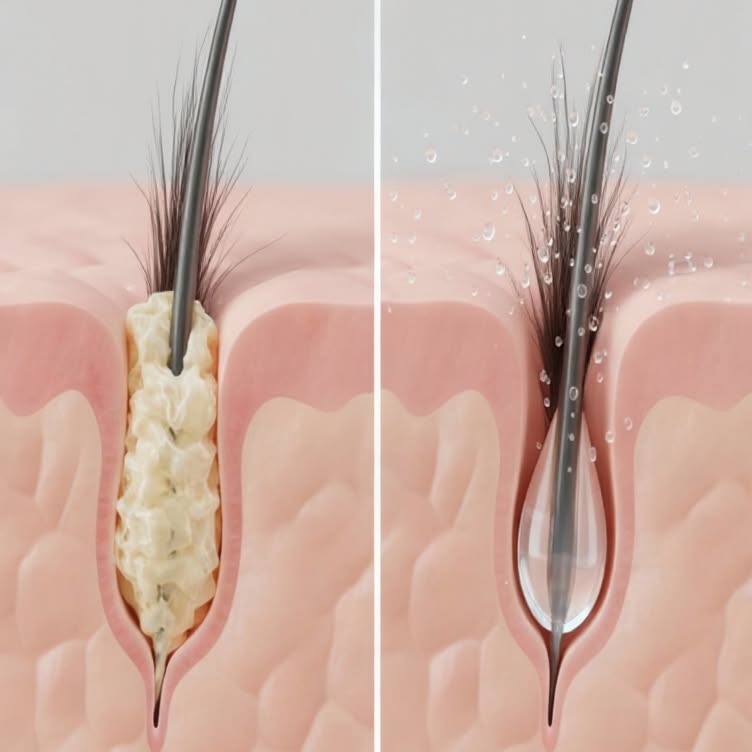
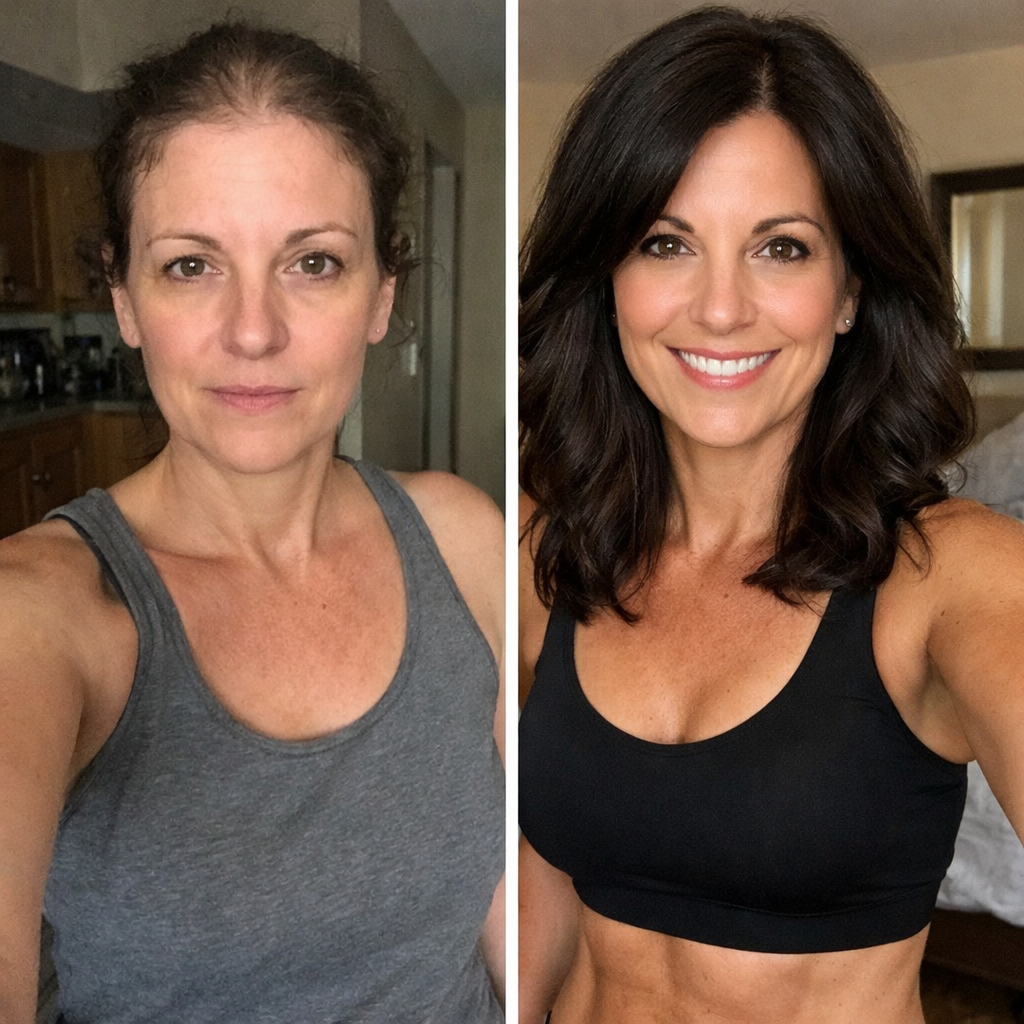
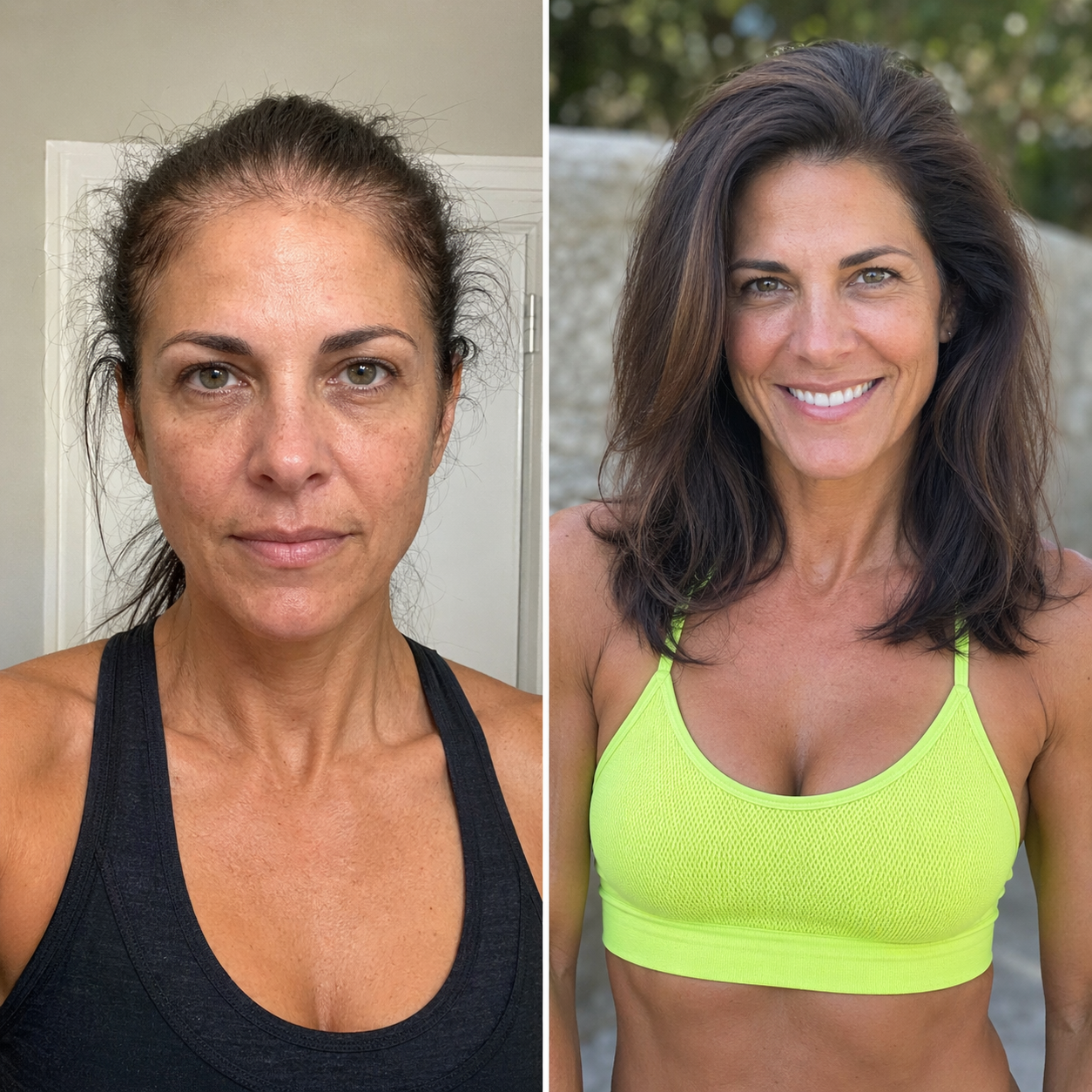
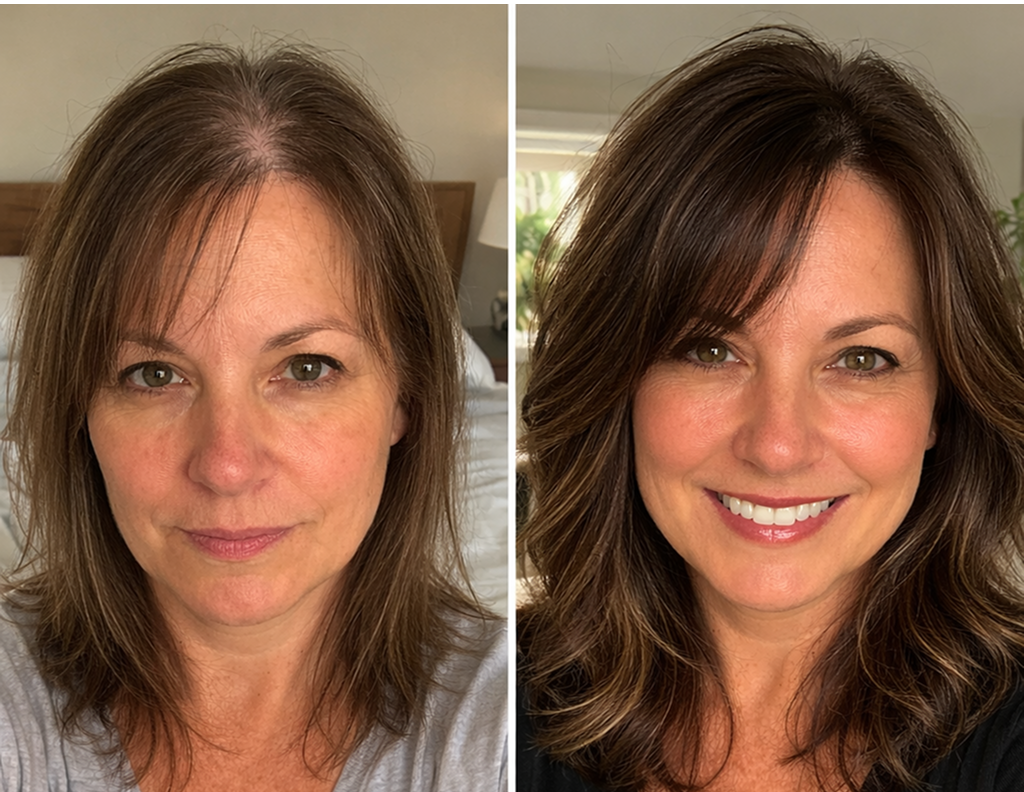
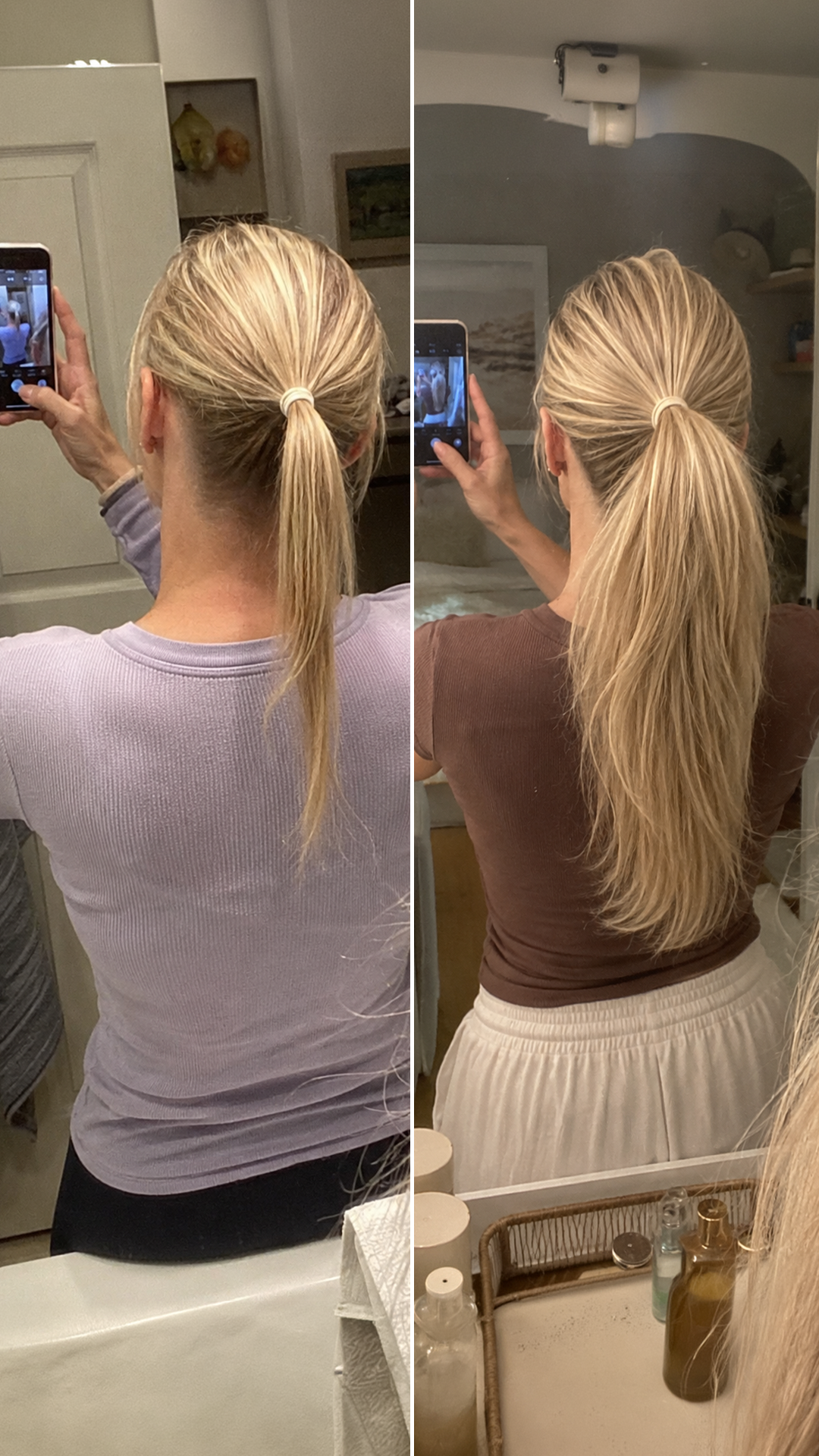
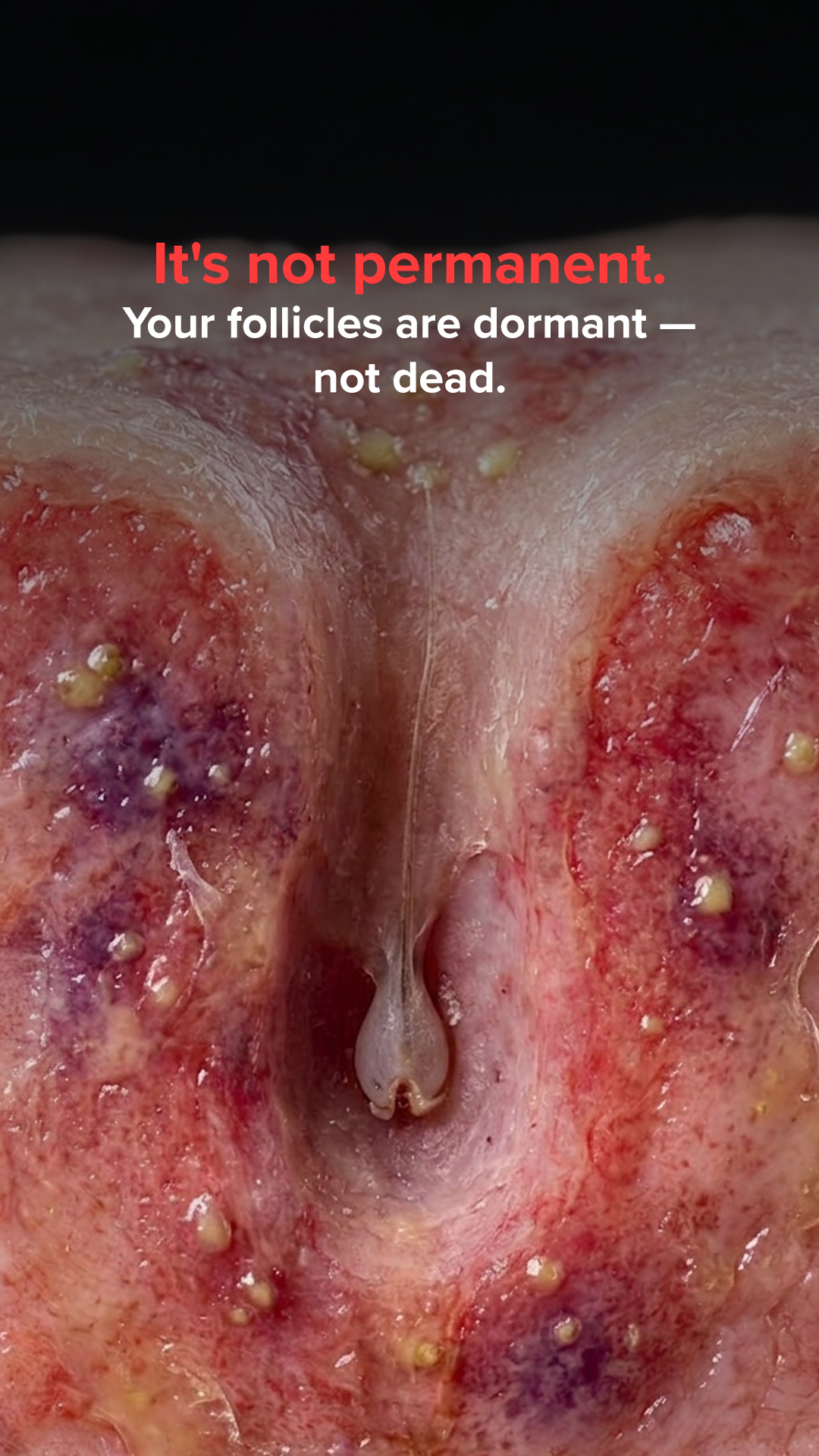
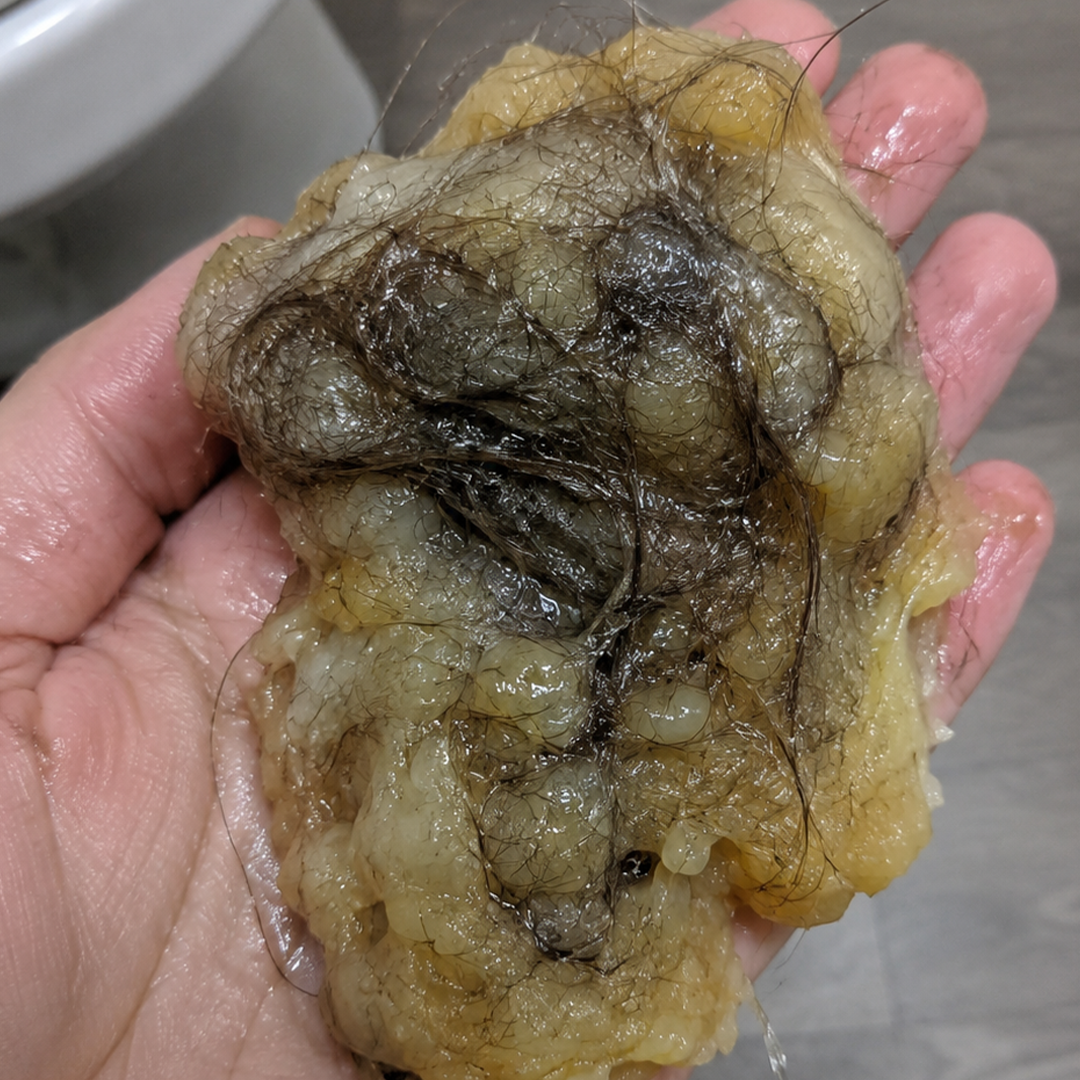
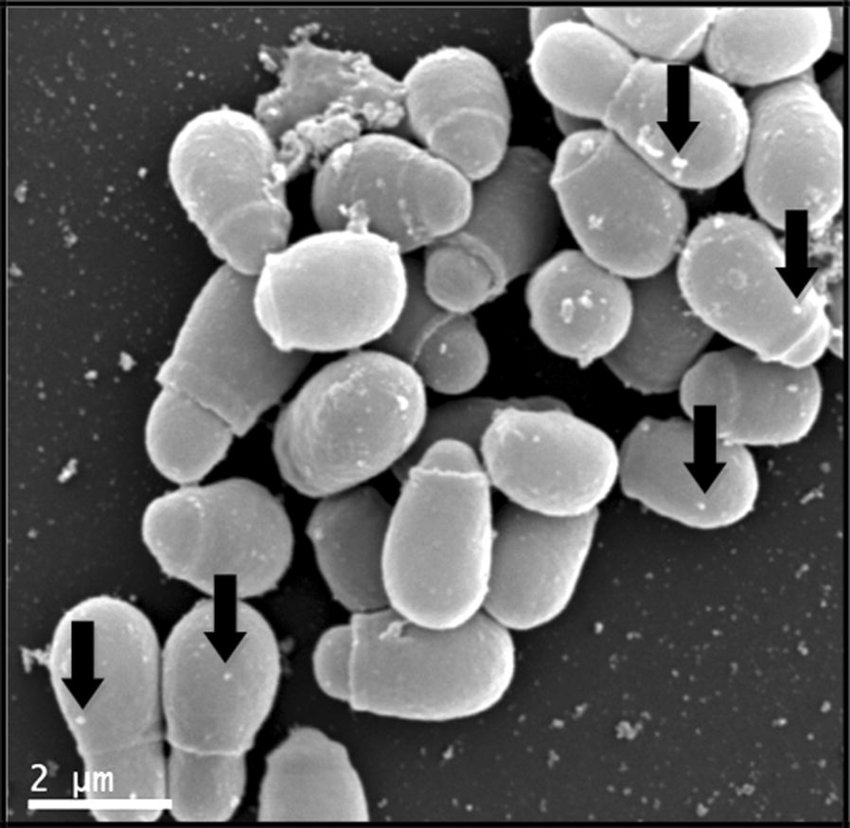
I don't know how to stop looking sick because of my hair. People think something's wrong with me. I can see it in their faces. The quick glance at my head. The concern in their eyes. The questions they're too polite to ask. I'm not sick. I'm not going through chemo. I'm not dying. I'm 61 and my hair is falling out. And three doctors told me it's "just menopause" and to accept it. I couldn't accept it. So I spent $4,200 on every treatment I could find. None of them worked. And people kept looking at me like I was dying. Here's what I finally found out was actually happening — and how I fixed it. ======== Let me tell you who I was before menopause. I was confident. Put-together. The woman with great hair. Not in a vain way. It was just part of who I was. For 58 years, I never thought about my hair. It was thick, healthy, easy to style. I'd wash it, dry it, go. Never gave it a second thought. Then menopause hit. And within a year, she was gone. Month 1: Extra hair in the brush. Didn't think much of it. Month 3: Shower drain clogging. Clumps. Real clumps. I remember standing there staring at my hand full of hair thinking — that can't all be mine. But it was. Month 6: I could see scalp where I'd never seen it before. Under the bathroom lights. A stripe of pink running down my part. Month 9: Bought my first hat. Started avoiding photos. Started checking every room for overhead lights before I sat down. Year 1: Lost about half my volume. The woman in the mirror wasn't me anymore. Year 2: Thin, see-through hair. I'd become a hermit. Withdrawn. Avoiding everything. Thirty-five minutes every morning engineering a hairstyle designed to hide what was happening. Year 3: People started thinking I was sick. ======== That was the worst part. Not the hair loss itself. The way people looked at me. My husband's colleague at a dinner party: "How are you feeling? You doing okay?" She wasn't asking about my mood. She was asking about my health. Because my hair made me look like I was fighting something serious. A woman at church: "We've been praying for you." I didn't know what she meant until I realized — she thought I was ill. She thought I had cancer. My own mother: "Honey, have you been to the doctor? You look... thin." She meant my hair. But she said it the way you say it when you're worried someone is dying. A cashier at the grocery store gave me a look of such deep sympathy that I almost cried in the checkout line. She thought I was going through chemo. I wasn't dying. I was disappearing. And everyone around me thought it was something worse. I felt less feminine. Less like a woman. I didn't feel like myself anymore — and I didn't know if I ever would again. ======== I went to three doctors hoping someone could explain why I looked like this. Doctor #1: "You're in menopause. Hair thinning is completely normal." Normal? People think I have cancer. Does that sound normal to you? Doctor #2 ran bloodwork. Everything "fine." Iron, thyroid, vitamin D — all normal. "It's hormonal. Give it time." Give it time. While strangers wonder if I'm dying. While the woman at church prays for me. While I can't even look at the shower drain without crying. Doctor #3: "Some women just have thin hair after menopause." Some women just have thin hair. Like I'd always been this way. Like I hadn't had thick, full hair for 58 years before this started. Like people weren't praying for me at church because of how I looked. Three doctors. Three versions of "accept it." Not one of them put a camera on my scalp. Not one checked what was actually happening at the follicle level. ======== I spent $4,200 trying to stop looking sick. Nutrafol: $840 over eight months. Swallowed capsules every day. Nothing changed. People still stared. Rogaine: $560. Made my scalp burn. Red, flaky, irritated. When I stopped, my hair fell out worse than before. Rebound shedding. Laser cap: $920. Five months on the couch. Nothing. PRP: $1,200 for two rounds. "Amazing," my dermatologist said. I couldn't tell any difference. Biotin: $180. Six months. Acne. No hair. Supplements: $500. Collagen, evening primrose, saw palmetto, vitamin D. A shelf of bottles. All useless. $4,200 and people still thought I was sick. $4,200 and the woman at church was still praying for me. ======== My breaking point came at my 40th wedding anniversary. My husband planned a beautiful dinner. Family. Friends. Photos. I spent two hours trying to style what was left. Volumizing mousse. Root spray. Strategic parting. Headband as backup. It still looked thin. I almost didn't go. To my own anniversary dinner. My husband found me crying in the bathroom. "What's wrong?" "I don't look like me anymore. I don't want everyone to see what I've become." He held me. "You're still you," he said. But I wasn't. Not really. The woman he married had thick, beautiful hair. Confidence. Life in her face. The woman in the mirror had visible scalp and shame and people whispering about whether she was okay. I went. Smiled through it. Hugged people. Posed for photos. But when the photos came back, I cried. Because the woman in them looked sick. Not old. Not tired. Sick. And I thought: maybe this is just who I am now. Maybe I can't fix this. Maybe I'M the problem. I felt so guilty — like I caused this by not taking care of my hair properly. Like I should have done something earlier. ======== That night at 2 AM, I searched "why do I look sick from hair loss." Found a forum. Hundreds of women saying the same thing. Not just losing hair. Looking ill. Being asked if they're okay. Being prayed for. Being pitied. Being treated like they were dying when they weren't. Then one comment changed everything: "You look sick because your hair is being suffocated by a parasite nobody tested for. It's called Malassezia. Lives on everyone's scalp. Harmless in small amounts. But after menopause, when estrogen drops, your scalp makes up to 40% more oil. This invader feeds on it and multiplies — by 300% or more. Wraps around your follicles and chokes them. 89% of menopausal women with hair shedding have it. Doctors never check." A parasite. On my scalp. Making me look sick by suffocating my hair from the outside. While I kept swallowing pills that went through my stomach and never reached my scalp. ======== I found an article about Dr. Kylie Clyne — a trichologist who'd spent 22 years studying this. She explained what the parasite does. She called it the Scalp Suffocation Cycle: STAGE 1 — The Parasitic Overgrowth. Malassezia feeds on your scalp oils and multiplies rapidly. When estrogen drops during menopause, your scalp produces up to 40% more oil. That oil is fuel for the parasite. It can multiply by 300% or more. It's like pouring gasoline on a fire nobody knows is burning. STAGE 2 — The Inflammatory Wildfire. The overgrowth releases compounds that trigger chronic inflammation around every single follicle. Your scalp is on fire — that tenderness, the itching, the redness. Hair cannot grow in inflamed tissue. It's like trying to plant seeds in scorched earth. STAGE 3 — The Circulation Collapse. The inflammation constricts blood vessels. Your follicles are starving for oxygen and nutrients — like trying to grow a garden when someone cut off the water supply. Without blood flow, even healthy follicles can't function. STAGE 4 — The Suffocation. Your follicles can't breathe. Can't get nutrients. Can't function. They shrink. They enter a resting phase prematurely. Shedding accelerates. New growth stalls. The hair falls out. And the cycle repeats — faster and faster, month after month. Four stages. All at once. Getting worse every month. That's why I looked sick. My follicles were being strangled. And everything I'd tried missed the actual problem. When you step back, the answer is simple: The Malassezia is causing everything. It triggers the inflammation. The inflammation kills blood flow. And without blood flow, your follicles suffocate and shut down. One root cause. One chain reaction. Clear the Malassezia, and the rest finally heals. The inflammation calms because nothing is triggering it anymore. Blood flow returns. Your follicles can function again. That's why I looked sick. And that's why nothing I tried could fix it — every product was fighting the symptoms while the cause kept growing on my scalp. ======== Then I read why nothing worked: Supplements go through your stomach. Maybe 10% reaches your scalp. Can't kill a parasitic overgrowth. I was swallowing vitamins for a problem sitting right on the surface of my head. Untouched. DHT blockers — Propecia, Finasteride, saw palmetto. Made for men. Male pattern baldness. A completely different type of hair loss. Women's menopausal shedding isn't a DHT problem. It's a parasitic overgrowth problem. DHT blockers can't touch it. Most weren't even designed for women's hair loss. Rogaine forces growth in follicles being suffocated. Like stepping on the gas with the parking brake on. No wonder my scalp got worse. And the rebound shedding when I stopped? Proof nothing it did was real. Laser cap increased blood flow to a scalp crawling with a parasite. Feeding the fire. PRP injected growth factors into inflamed, invaded tissue. Expensive gardening in poisoned soil. I wasn't the problem. My products were blind to what was actually growing on my scalp. For three years, my products were fighting the wrong enemy. ======== Dr. Clyne developed a serum to break the Scalp Suffocation Cycle. All four stages at once. Eight compounds: Rosemary extract to clear the overgrowth. Ginger root and licorice root to calm the inflammation. Vitamins C and E to restore blood flow. Densidyl — a compound from algae — to restore the scalp's balance. Snow mushroom to repair the moisture barrier. A topical serum applied directly to your scalp before bed. Within hours, the compounds start breaking down the parasitic overgrowth — right where it lives, right where the damage is happening. While you sleep, it calms the inflammation, restores circulation, and rebuilds the scalp environment your follicles need. Nuvara Root Revival. I almost didn't order it. I'd tried topical treatments before. Rogaine left my scalp raw and burning. Another serum made my pillow greasy. Every topical product I'd used felt like punishment — itchy, oily, chemical-smelling. But the reviews kept describing MY life. Women who looked sick. Women who'd been prayed for. Women whose husbands found them crying before events. And then describing what happened after. I ordered it that night. Not with hope. I was out of hope. Just with anger and stubbornness. When it arrived, I braced for the burn. The grease. The smell. Instead: a light, clean scent. Absorbed in minutes. No oily residue. No stain on my pillowcase. No itching. No burning. I went to bed and forgot I was wearing it. After years of Rogaine's burning and flaking, that alone made me cry. ======== Week 2: The itching stopped. I didn't know my scalp was irritated until it wasn't. That constant low-grade hum I'd gotten so used to — gone. Week 4: Less hair in the drain. The clumps were gone. My brush wasn't full every morning. I stopped counting because there wasn't enough to count. Week 6: Baby hairs. Along my part. Along my temples. Little wisps standing straight up. I touched them and cried. I hadn't seen new growth in three years. Week 8: My hairdresser noticed. "Something's different. I don't know what you're doing but keep doing it." Week 10: I ran my fingers through my hair and nothing fell out. First time in years. I did it again just to make sure. Still nothing. Week 12: Real thickness. Real density. I looked in the mirror and saw HER again. Not the sick version. Not the thin version. Her. Month 4: Styled my hair without hiding anything. No spray. No concealer. No strategic parting. Twelve minutes. Done. Month 6: Nobody asked if I was okay. Nobody looked at me with concern. Nobody prayed for me. Because I didn't look sick anymore. I just looked like me. ======== But here's what really proved it. I stopped all other products. No biotin. No supplements. No treatments. Just the serum. I expected everything to fall apart. That's what happened every other time. Instead, my hair kept improving. Because I wasn't forcing growth anymore. I was clearing the thing that was killing it. Healthy scalp, healthy follicles, hair that grows on its own. That's the difference between healing and forcing. ======== Last month, my husband and I renewed our vows. Small ceremony. Close family. Photos. I didn't hide. Didn't spend two hours disguising thin spots. Didn't cry in the bathroom. Just showed up. As myself. When the photos came back, I cried. But happy tears this time. Because the woman in them wasn't sick. Wasn't diminished. Wasn't someone to worry about. She was just me. At my vow renewal. With my husband. Looking like myself. He looked at the photos and said: "You look like the woman I married." Not because I look 30 again. Because I look like me. Healthy. Present. Not hiding. That's all I ever wanted. ======== If people have been looking at you with concern... If someone has asked "are you okay?" and you knew they meant your hair... If you look in the mirror and see someone who looks sick even though you're not... You're not sick. A hidden parasite is suffocating your hair. And no doctor tested for it. But you can clear it. You can break the Scalp Suffocation Cycle. And you can stop looking sick. ======== 👉 Try Nuvara Root Revival Hair Growth Serum Risk-Free 💝 150-Day Money-Back Guarantee 🌿 Developed by Dr. Kylie Clyne — 22 Years of Scalp Research 🧬 The ONLY Serum That Breaks the Scalp Suffocation Cycle 🌙 Works Overnight While You Sleep ======== P.S. — Last week at church, the same woman who'd been praying for me stopped me in the parking lot. "You look wonderful," she said. "So healthy." She didn't know what had changed. She just knew I didn't look sick anymore. That one sentence was worth more than the $4,200 I wasted on products that never touched the real problem.
Like this ad? Make it yours.
Crush rebuilds this exact creative around your product — your brand, your colors, your offer — in about a minute.