

Inactive· since Mar 23, 2026
- 48
- days it ran
- 0
- relaunches
Ad copy
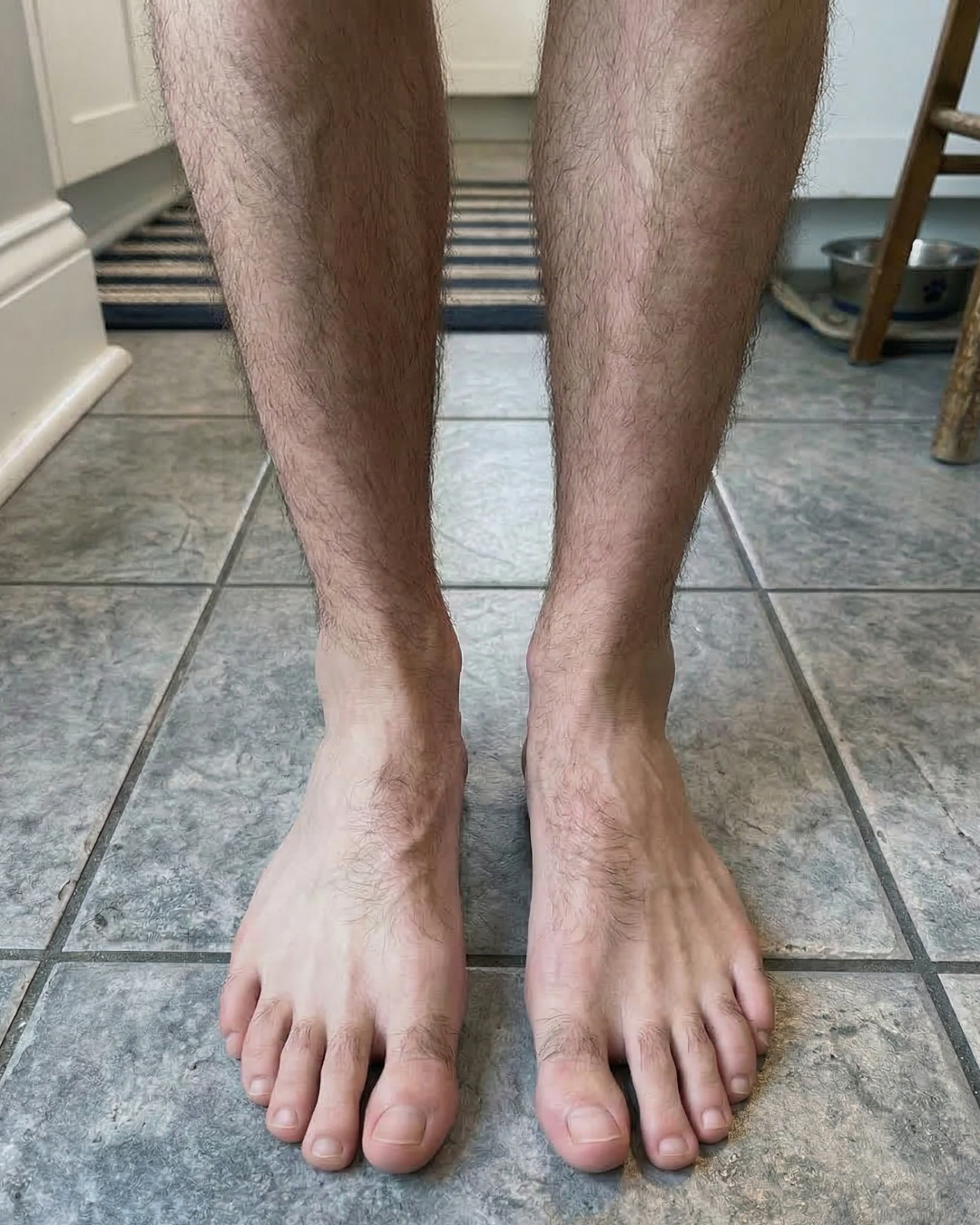
For 6 years, my neurologist couldn't explain why my neuropathy kept getting worse even though my diabetes was under control. Turns out, it was never about my diabetes at all. I was diagnosed with Type 2 diabetes at 54. Within a year, the tingling started. First in my toes. Then the soles of my feet. Then it crept up past my ankles. My doctor said it was diabetic neuropathy. "Common complication," she said. "We'll manage it." So I managed it. I got my A1C down to 5.8. Lost 30 pounds. Exercised 4 times a week. Did everything they told me to do. My blood sugar was textbook perfect. My feet were getting worse. The tingling turned into burning. The burning turned into numbness. Some nights I couldn't tell if I had socks on or not. I'd lie in bed and feel like my feet were wrapped in sandpaper. Other nights I felt nothing at all. My neurologist ran nerve conduction tests. Said the results showed "moderate peripheral neuropathy consistent with diabetic origin." He increased my Gabapentin from 300mg to 900mg. Added Lyrica on top. Then Cymbalta. 3 medications. Brain fog so thick I forgot my granddaughter's birthday. And my feet still burned every single night. I went back every 6 months for 6 years. Same tests. Same conversation. "Your diabetes is well controlled, but nerve damage is progressive. We're managing symptoms at this point." Managing symptoms. That phrase haunted me. I wasn't getting better. I was being "managed." Like a condition, not a person. Then last year, I threw my back out moving a couch. Nothing dramatic. Just a sharp pain in my lower back that wouldn't go away. My wife dragged me to her chiropractor. I didn't want to go. But 3 days on the couch convinced me. While he was examining me, I mentioned the neuropathy. Offhand. Almost as a joke. "Good luck with these feet too," I said. He stopped what he was doing. "How long have you had the feet symptoms?" he asked. "6 years. Diabetic neuropathy." "Has anyone ever imaged your lumbar spine?" I stared at him. "It's neuropathy. From diabetes. What does my back have to do with my feet?" What he explained next made me question every appointment I'd had in 6 years. He said the nerves that control sensation in your feet don't start in your feet. They start in your lower back. In your lumbar spine. Specifically at the L4, L5, and S1 vertebrae. Those nerve roots exit your spine through small openings between the vertebrae. When everything is healthy and properly spaced, the nerves pass through freely. No compression. No distorted signals. Your feet feel exactly what they're supposed to feel. But here's what happens as you get older. The discs between your vertebrae — the soft, fluid-filled cushions that keep everything spaced apart — start to dry out. They lose fluid. They flatten. They shrink. It happens to everyone after 40 or 50. Slowly. Silently. You don't feel the discs thinning. There's no warning sign. But as those discs thin out, the vertebrae above and below them settle closer together. And as they settle, the openings where the nerves exit get smaller. Millimeter by millimeter, the space shrinks. And the nerve roots that run down to your feet get squeezed. Not damaged. Not destroyed by blood sugar. Squeezed. A compressed nerve doesn't work properly. It sends garbled signals. It misfires. It creates sensations that aren't real — burning when nothing is hot, tingling when nothing is touching you, numbness when the nerve is actually screaming. Burning. Tingling. Numbness. Pins and needles. That "walking on gravel" feeling. The sandpaper sensation at night. Every single symptom of neuropathy. He said he'd seen it dozens of times. Patients diagnosed with peripheral neuropathy who actually had nerve root compression in their lumbar spine. Some were diabetic. Some weren't. But the pattern was always the same. The symptoms show up in the feet. So everyone looks at the feet. They test the feet. They medicate for the feet. And nobody looks at the spine. Nobody checks whether the discs have thinned. Nobody asks whether the nerve roots are being physically compressed at the point where they exit the vertebrae. They just see "diabetic" on the chart and "neuropathy" in the symptoms and connect the 2 without ever investigating what else could be causing it. He sent me an article that night about spinal disc dehydration and how it creates symptoms identical to neuropathy. The article explained it even more clearly than he did — how the discs lose fluid over time, how the vertebrae compress, how the nerve roots get pinched, and why medications never work when compression is the real cause. Because no amount of Gabapentin can un-squeeze a nerve. No amount of Lyrica can create space between collapsed vertebrae. No amount of Cymbalta can rehydrate a dried-out disc. The drugs were numbing my brain. But the nerve was still being crushed in my back. I read the article 3 times. Then I sat at my kitchen table and cried. 6 years. Thousands of dollars in medications. 3 drugs with side effects that made me feel like a zombie. All treating symptoms in my feet while the real problem was sitting in my lower back the entire time. Not nerve damage. Nerve compression. And the only way to fix nerve compression is to fix the spine that's doing the compressing. I followed the article's recommendations for 30 days. No medications. No injections. Just what it said to do. Week 1: the burning dialed down from a 7 to about a 4. First time in years it had improved instead of getting worse. Week 2: I realized I'd gone 3 nights without the sandpaper feeling. I actually slept until 6 AM. I don't remember the last time that happened. Week 3: I was walking barefoot on my kitchen floor and stopped dead. I could feel the cold tile. Not a vague pressure. Actual cold. Actual texture. I called my wife into the room and couldn't explain why I was crying. Day 30: I skipped my Gabapentin for the 4th straight day. Not on purpose at first. I just forgot. Because there was nothing to remind me to take it. The burning was gone. I went back to my neurologist last month. Told him I'd stopped all 3 medications. Told him about the article. Told him my feet felt normal for the first time in 6 years. He ran the nerve conduction test again. The results had improved. Not "stabilized." Improved. He didn't know what to say. 6 years of being told nerve damage is progressive and irreversible. 6 years of "managing symptoms." 6 years of drugs that fogged my brain and did nothing for my feet. And it turns out the nerves weren't damaged. They were being squeezed. In my lower back. Where nobody thought to look. If you've been diagnosed with neuropathy — diabetic or otherwise… If your blood sugar is controlled but your feet are still getting worse… If you're stacking medications that fog your brain without fixing your feet… If you've been told nerve damage is permanent and the best they can do is "manage" it… Read this article before you accept another prescription. Your nerves might not be damaged. They might be compressed. And that changes everything. Here's the link that showed me the truth 👉
My ‘Diabetic Neuropathy’ Wasn’t Diabetes
And if you're reading this with burning feet, popping Gabapentin like candy, or sleeping with your legs hanging off the bed because it's the only position that helps...
LEARN MORELike this ad? Make it yours.
Crush rebuilds this exact creative around your product — your brand, your colors, your offer — in about a minute.


