Recovery Trauma
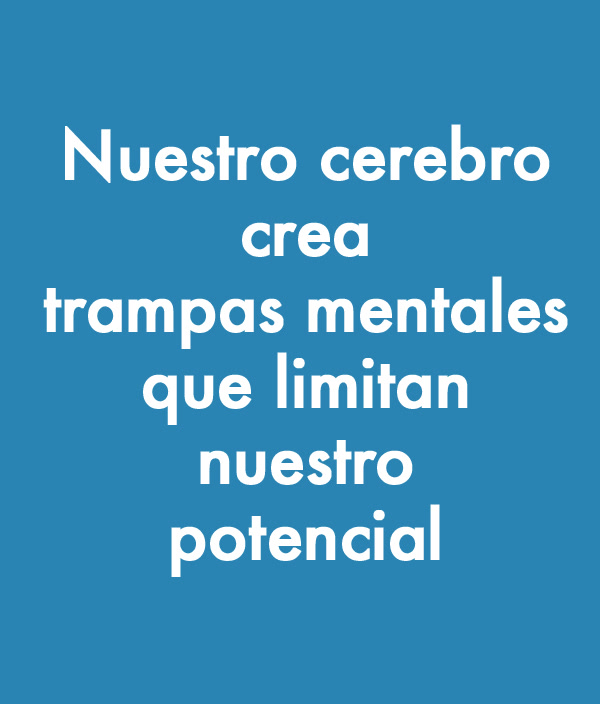
Recovery Trauma Facebook ad: “BREAKING TRAUMABONDS”

Ran for 72 days, from March 5 to May 16, 2026, the last day Crush saw it.
Run by Recovery Trauma on Facebook. Crush is not the advertiser and does not verify its claims. See this ad in Meta's Ad Library(opens in a new tab)
Want an ad like this for your product?
Crush makes new ad images for your product from this ad: your logo, your product photo, your offer.
Trials from $19.95 USD, then $79.95 USD a month. Cancel anytime.
About this ad
- Meta Ad Library ID
- 1440327527588162
- Platforms
- Facebook, Instagram, Audience Network and Messenger
- Relaunches
- 0
Ad text
Breaking a trauma bond can feel almost impossible because the attachment isn’t just emotional — it’s neurological and psychological. A trauma bond forms through something called intermittent reinforcement, where affection and pain are mixed together in cycles. For example: 💔 Devaluation or emotional harm 💬 Apologies or temporary affection 🌪 Conflict or withdrawal ❤️ Moments of closeness again Your brain starts associating the relief after the pain with love. Over time, this creates something similar to an addiction cycle. So when you try to leave, your nervous system experiences something similar to withdrawal. You’re not weak. Your brain has been conditioned. Signs you may be in a trauma bond 🔁 You keep returning after being hurt 💭 You constantly think about the person 😔 You blame yourself for their behaviour ⚖️ The relationship has extreme highs and lows 🚪 Leaving feels painful rather than relieving Understanding this pattern is the first step toward breaking it. Steps that help break trauma bonds 🧠 1. Understand the psychological pattern Learning about trauma bonds, attachment styles, and emotional manipulation removes the illusion that the relationship was “special” or fated. Knowledge reduces emotional confusion. 🧘♀️ 2. Regulate the nervous system Trauma bonds live in the body. Helpful practices include: • breathwork • grounding exercises • trauma-informed yoga • somatic regulation These help calm the stress-reward cycle. 🧒 3. Heal the attachment wound Many trauma bonds come from early attachment wounds such as abandonment trauma or anxious attachment. Working with inner child patterns and protector parts can help you understand why the bond formed in the first place. 🎨 4. Process grief and triggers Breaking a trauma bond often involves grief, identity shifts, and emotional triggers. Creative practices like journaling, art therapy, and trigger mapping can help process these emotions safely. If you want deeper guidance I’m currently hosting a 4-week live workshop series on breaking trauma bonds inside the Recovery Trauma membership. The program includes: 🔎 Understanding trauma bonds & intermittent reinforcement 🧘 Trauma-informed body regulation practices 🧒 Attachment & inner child healing 🎨 Trigger mapping and creative processing tools ✨ Live sessions with trauma-informed facilitators ✨ Additional trauma education materials and audiobooks ✨ Includes the book How to Break the Trauma Bond You can learn more here: 👉 🌿Recovery Trauma Healing Circle Live 4-Week Guided Nervous System Healing Container https://gumroad.com/products/bjutuy
Where the ad sends people
recoverytraumaltd.gumroad.com
BREAKING TRAUMABONDS
🌿 Recovery Trauma Healing CircleA live, structured, trauma-informed healing container designed to help you regulate your nervous system and heal safely — step by step.This is not a passive course library.This is not surface-level advice.This is a guided, live healing space.Each month, we focus ...
Sign up: gumroad.com(opens in a new tab)