
Inactive· since May 17, 2026
- 4
- days it ran
- 0
- relaunches
- 6
- EU reach
Ad copy
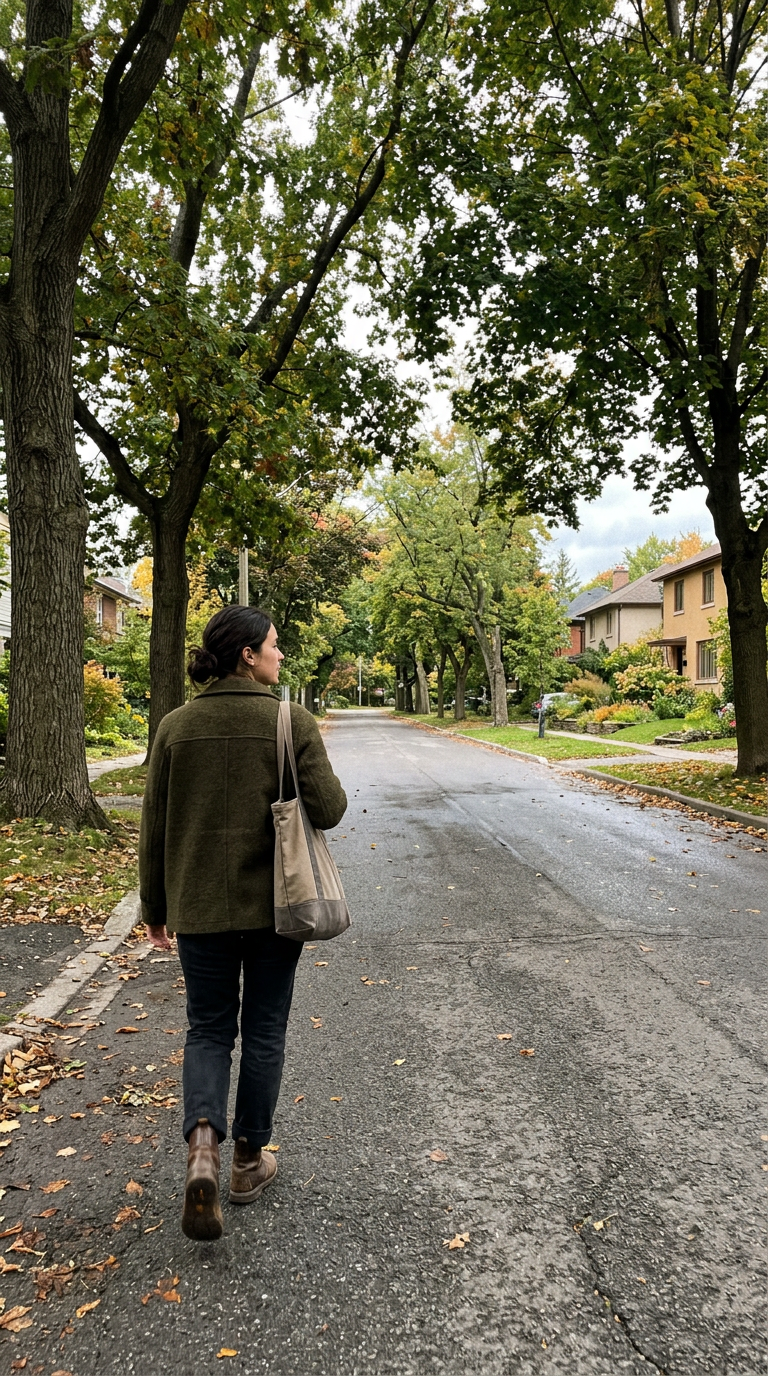
I thought I'd grieved. I'd done everything grief was supposed to look like. My nervous system had other plans. I went back to work on Thursday. The funeral was Monday. I want to be clear that this wasn't denial — or maybe it was, but not the dramatic kind. It was just what I knew how to do. My father had been sick for two years. I'd had time to prepare. I'd said what needed saying. I flew home, I stood at the front of the room, I thanked people for coming. I was present for all of it. Then I came back and I went to work and I was present for that too. People said: you're so strong. People said: your father would be proud. My manager pulled me aside and said take whatever time you need, and I said I'm okay, and I believed it. I wasn't performing okay. I genuinely felt functional. Sad, yes — but a clean sad, a sad with edges. The kind you can carry. I thought I knew what grief looked like because I'd watched my mother do it. She stopped eating for a month. She didn't leave the house. She cried at the kitchen table at 6am. I did none of those things, so I concluded I was doing it differently. Healthier, maybe. More integrated. The first sign came six months later. Not anything dramatic — just a Tuesday in October when I was driving to a client meeting and a song came on the radio, something my father used to play on Sunday mornings, and I had to pull over. I sat in a parking lot for eleven minutes. Then I drove to the meeting. I told no one. I filed it under: that happens sometimes. Grief has waves. I'd read that. The second sign came at Christmas. My wife had set a place for him at the table — a small thing, a candle, a photograph — and I looked at it and felt nothing. Not peace. Not sadness. Nothing. A flatness where something should have been. I thought: maybe I've processed it. I thought: maybe this is what the other side feels like. The third sign came in February, fourteen months after the funeral. A Tuesday morning meeting, nothing unusual, a quarterly review I'd run a dozen times. My hands started shaking. Not badly — just a tremor, the kind you notice when you're holding a pen. My chest went tight. I excused myself, stood in the bathroom for four minutes, came back. That night I sat on the edge of the bed and thought: something is wrong. Not with the meeting. Not with work. Something had been accumulating in my body that my mind had been too busy — too competent, too functional — to process. I didn't connect it to my father immediately. I thought it was stress, overwork, the usual candidates. I started reading about the nervous system — I do that, go looking for mechanisms when something doesn't make sense. I found something about how the body responds to loss. How grief isn't just emotion — it's a physiological event. How a system under sustained pressure sometimes defers the full response until it calculates that it's safe. Until the funeral is done and the thank-you notes are sent and the work is caught up and there's finally nothing left to hold together. My body had been waiting fourteen months for a gap in my schedule. A colleague had mentioned Liven a few weeks earlier — something about nervous system regulation, about retraining the baseline after a period of chronic stress. I'd noted it and moved on. I went back to it that February night. The quiz asked whether I felt a low hum even in quiet moments. Whether my sleep had changed in the past year. Whether I felt most like myself before anything was required of me — early morning, late night, the edges of days when no one needed anything. Early morning. Before anyone else was up. Before I had to be the one who was handling it. Yes. I'm telling this from about eight months out from that February. The tremor hasn't come back. The flatness has slowly filled in with something more textured — not grief exactly, more like the actual memory of him, which is different from the managed version I'd been carrying. Last month I was cooking on a Sunday and put on the music he used to play and just let it run. I didn't pull over. I didn't file it anywhere. I just stood there and let it be what it was. That was new. That was the thing I'd been waiting to be able to do. Liven's quiz asks about the body's state — not how you're coping, but what your nervous system has been carrying and for how long. If you've handled something well and kept going and somewhere in the past year your body started asking questions your mind hadn't gotten to yet, it's worth a few minutes. Link is below. 💙
THIS IS what you need to do
LEARN MORELike this ad? Make it yours.
Crush rebuilds this exact creative around your product — your brand, your colors, your offer — in about a minute.