Inactive· since Mar 18, 2026
- 18
- days it ran
- 0
- relaunches
Ad copy
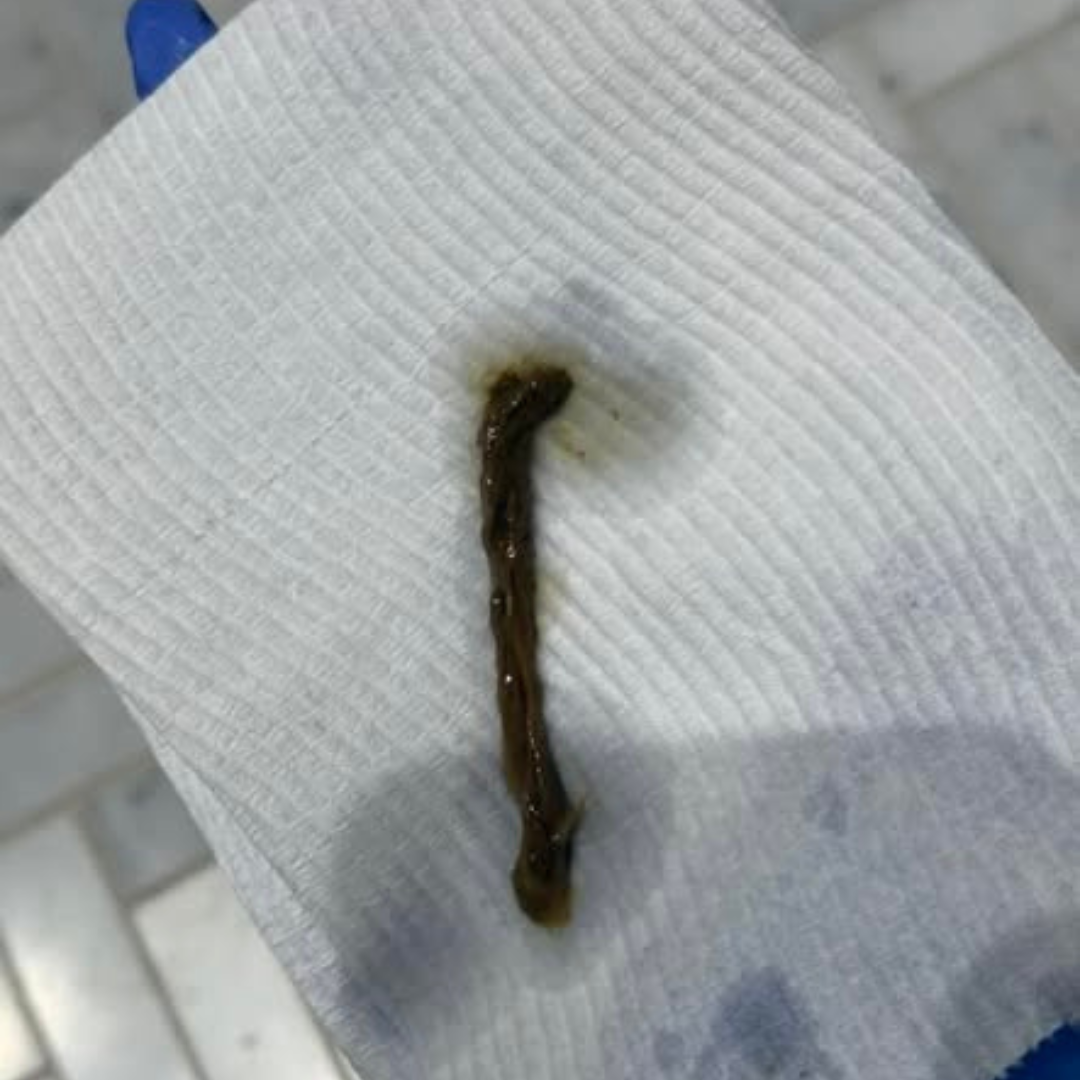
In 1953, tobacco companies discovered botanical compounds that could dissolve the mucus suffocating smokers' lungs. In 1985, they bought the pharmaceutical company that was about to bring them to market. You've never heard of Ridgeway Pharmaceuticals. That's exactly how tobacco wanted it. In 1982, Ridgeway was a small respiratory drug company based in North Carolina. Their research division had spent six years developing botanical inhalation therapy for chronic mucus congestion. Their lead compound combined eucalyptus, licorice root, calendula, and peppermint—delivered directly to the airways via a portable inhaler device. Clinical trials were extraordinary. Ridgeway's researchers understood exactly what happened in congested lungs. It wasn't just about thin mucus versus thick mucus. It was about layers. Smoking paralyzes the cilia—the tiny hairs that sweep debris out of your airways. Without functioning cilia, mucus accumulates. Hardens. Cements to the bronchial walls. Ridgeway's internal research called it "the mucus trap." And their botanical inhaler could dissolve it. Eucalyptus to penetrate the hardened layer. Licorice root to break the cement bonds. Calendula to revive the paralyzed cilia underneath. Phase II trials showed patients expelling dark, dense mucus they'd never been able to cough up before. Breathing improved. Lung function stabilized. Most patients completed treatment within eight weeks and required no further intervention. Ridgeway filed for FDA approval in January 1984. The pharmaceutical industry noticed. So did tobacco. Exposed documents from a 2003 antitrust investigation revealed what happened next. Philip Morris had been quietly acquiring stakes in respiratory pharmaceutical companies since 1979. Their strategy was simple: control the treatment pipeline for the lung damage their cigarettes caused. But Ridgeway's botanical inhaler threatened everything. A treatment that actually dissolved the mucus trap—that eliminated the need for lifetime symptom management—would collapse the entire respiratory drug market tobacco was investing in. Exposed internal memo, dated March 1984: "Ridgeway botanical inhaler presents existential threat to respiratory pharmaceutical portfolio. Acquisition recommended. Post-acquisition strategy: discontinue botanical research division, redirect R&D toward symptom management compounds, absorb inhaler device patents." By December 1985, Philip Morris had acquired Ridgeway Pharmaceuticals through a subsidiary. Within six months, Ridgeway's botanical research division was shut down. Every scientist was reassigned or terminated. The clinical trial data was classified as proprietary. The FDA application was withdrawn. The inhaler device patents? Those were kept. Today, those same patents form the foundation of rescue inhalers prescribed to COPD patients worldwide—devices that deliver symptom-managing drugs instead of mucus-dissolving botanicals. Tobacco didn't just bury the research. They bought the company, killed the product, and kept the delivery technology to profit from treatments that would never actually fix you. Here's the part that should enrage you. You blamed yourself for smoking. You thought the damage was your fault. Your choice. Your consequence to live with. But a pharmaceutical company was eight months away from bringing a botanical treatment to market—a treatment that could have dissolved your mucus trap decades ago. Tobacco bought them specifically to stop it. They acquired Ridgeway not because the botanicals didn't work—but because they worked too well. A dissolved mucus trap meant no more inhalers. No more nebulizers. No more oxygen therapy. No more lifetime customers. So they buried the treatment and kept you dependent on the devices. For 40 years, they've watched COPD patients cycle through increasingly expensive symptom management while the solution sat locked in acquisition archives. Not because the science didn't exist. Because the science threatened their investment strategy. First they sold you cigarettes that created the damage. Then they bought the company that could fix it—and shut it down. Now they profit from the inhalers that manage what they made sure would never be cured. Today, the respiratory drug market generates over $65 billion annually. Exposed financial filings show tobacco-linked investments control substantial positions in inhaler device patents, nebulizer manufacturers, and respiratory pharmaceutical development. The same corporations. The same patents. The same customers they created with cigarettes. Your doctor prescribes Mucinex. It thins the fresh mucus on top. The mobile layer. The mucus you could already cough up anyway. When that stops working, you get a rescue inhaler. Built on patents tobacco acquired when they bought Ridgeway. Delivering drugs that manage symptoms instead of the botanicals that could have dissolved them. Then a stronger inhaler. Then nebulizer treatments. Then oxygen therapy. Each step more invasive. More expensive. More profitable for companies with tobacco money behind them. But underneath all that fresh mucus sits the cemented layer. The mucus trap Ridgeway Pharmaceuticals was eight months away from treating—before tobacco made sure they never would. Mucinex doesn't dissolve it. Inhalers don't dissolve it. Nebulizers don't dissolve it. None of the treatments in tobacco's pharmaceutical portfolio dissolve it. Because dissolving it was never the business model. Your pulmonologist has never learned what actually clears the mucus trap. Because tobacco buried the research when they acquired the company developing it. And they've profited from your symptoms ever since. Here's what Ridgeway Pharmaceuticals documented before their acquisition: Eucalyptus—penetrates deep into bronchial tissue to dissolve hardened mucus plugs created by cilia paralysis. Calendula—breaks down thick, cemented phlegm while reactivating dormant cilia underneath. Licorice root—loosens stubborn mucus bonded to airway walls from years of accumulation. Peppermint—stimulates your lungs' natural mucus clearance mechanism. This was documented in Phase II clinical trials. Exposed in FDA application materials. Eight months from reaching pharmacies. Until tobacco decided their investment portfolio was worth more than your ability to breathe. Ridgeway was acquired. The botanical division was gutted. The treatment was buried. The device patents were absorbed into tobacco's pharmaceutical holdings. Your pulmonologist today has never seen this research. Not because the science wasn't rigorous. But because the company that developed it was purchased specifically to prevent it from reaching you. Eight years of medical school. Zero hours learning that the mucus trap can be dissolved—or that a treatment was eight months from market before tobacco killed it. So when you walk in struggling to breathe—a mucus problem that Ridgeway solved 40 years ago—they reach for the only tools they were taught: inhalers built on patents tobacco acquired when they buried the cure. But here's what they couldn't erase from biology: Your airways are lined with tiny hair-like structures called cilia. Cilia constantly sweep mucus up and out of your lungs. This is your body's natural clearance system. When it functions, your airways stay clear. Smoking paralyzed your cilia. Without them working, mucus accumulated. Hardened. Cemented to your bronchial walls. Created the trap that fresh mucus builds on top of. This is exactly what Ridgeway researchers documented before tobacco acquired and silenced them. But your doctor treats it as a "management problem" requiring lifetime devices, when it's actually a dissolution problem that needs compounds capable of breaking apart cemented mucus and reviving dormant cilia. The botanical compounds that dissolve the mucus trap and reactivate your cilia? Tobacco bought the company developing them and made sure they'd never reach the market. For 40 years, COPD patients have blamed themselves while tobacco collected from the inhalers that replaced the cure they buried. But modern peer-reviewed research keeps confirming what Ridgeway documented in 1984. Studies in Respiratory Research show calendula compounds break down hardened mucus structures. Research in pulmonary pharmacology journals demonstrates licorice root dissolves cemented phlegm while reducing airway inflammation. Clinical studies confirm eucalyptus penetrates deep bronchial tissue to liquify stuck mucus—and reactivate dormant cilia. This isn't fringe medicine. It's published, peer-reviewed science. But your doctor will never prescribe it. Because tobacco acquired and killed the company that was bringing it to market. And now profits from the devices that replaced it. Now you might be thinking: "If these botanicals work, I'll just buy them at the vitamin store." There's one final reason why Ridgeway's trials worked—and why store-bought supplements fail today. The delivery method. When you swallow a capsule or drink a tea, it travels through your stomach. Your stomach acid destroys 40–60% of the active compounds immediately. Your liver filters out another 30–50%. Only 5–10% reaches your bloodstream. And that small amount gets distributed throughout your entire body. Your lungs receive less than 1% of what you swallowed. That's why capsules and teas don't dissolve the mucus trap. They never reach it in therapeutic concentrations. Ridgeway's breakthrough was direct airway delivery. Bypassing digestion. Delivering botanical compounds exactly where the cemented layer sits. That's why hospitals use nebulizers and inhalers for acute respiratory emergencies—never pills. Direct airway delivery achieves 60–80% bioavailability to lung tissue. Swallowing supplements achieves less than 1%. Naturva developed a pharmaceutical-grade spray designed specifically for dissolving the mucus trap. Concentrated eucalyptus to penetrate and liquify cemented phlegm. Calendula extract to break down hardened mucus and revive dormant cilia. Licorice root to dissolve stubborn mucus from bronchial walls. Peppermint to activate your lungs' natural clearance mechanism. All delivered as a fine mist that bypasses your stomach and goes straight to your airways—exactly where the trapped mucus is. Every compound Ridgeway was bringing to market before tobacco stopped them. Reformulated with modern extraction standards. Outside tobacco's pharmaceutical portfolio. You spray it daily. The mucus trap dissolves over 4–8 weeks. Day 3: Something shifts. Not dramatic. Just slightly looser. Like you can draw a little more air. Day 7: The mucus starts moving. Not cemented in place anymore. You feel it shift when you cough. Day 11: A deep coughing fit that brings something up. Not the usual thin stuff. Thicker. Darker. Day 14: You wake up coughing hard. A massive chunk comes up. Dark brown. Almost black. Denser than anything you've ever expelled. You stare at it in the sink. Week 3: Breathing feels deeper. That constant suffocating tightness begins to lift as the mucus trap keeps dissolving. Month 2: Many find they need their inhalers less frequently—or not at all—as their lungs clear naturally. Not because you're temporarily managing symptoms with devices tobacco profits from. Because your cilia are finally waking back up. Thousands of people with COPD are now using the botanical compounds that were eight months from market before Big Tobacco killed them. One patient was on maximum-dose Mucinex. 1200mg daily. Using a rescue inhaler five times a day. His pulmonologist was recommending nebulizer treatments next. Started Naturva. Week 2, began coughing up thick, dark phlegm—the trapped layer finally loosening. Week 5, could breathe deeply without wheezing for the first time in years. Month 3, his rescue inhaler sat unused in his medicine cabinet because his lungs were clearing naturally. These aren't miracles. They're the predictable result of dissolving the mucus trap and reviving cilia function—exactly what Ridgeway proved 40 years ago before tobacco made sure you'd never benefit from it. Your lungs weren't permanently destroyed by smoking. They were trapped by mucus that a pharmaceutical company knew how to dissolve—until tobacco bought them and buried the treatment to protect their investment portfolio. You've blamed yourself long enough. The damage you thought was permanent? It's a mucus trap that botanical compounds can break apart. Tobacco bought the cure to kill it. Then kept you dependent on the devices they absorbed in the acquisition. But they couldn't patent biology. Eucalyptus still dissolves hardened mucus. Calendula still breaks down cemented phlegm. Licorice root still liquifies stuck mucus. And your body still responds exactly the way it did in Ridgeway's Phase II trials—the ones tobacco buried 40 years ago. Click below to learn about Naturva and join thousands dissolving their mucus trap using what Big Tobacco bought a company to bury. Your lungs don't need more devices from tobacco's portfolio. They need the treatment that was eight months from saving you—before they made sure it never would. And now you know exactly what they never wanted you to find out.
Like this ad? Make it yours.
Crush rebuilds this exact creative around your product — your brand, your colors, your offer — in about a minute.