Faith Times
 Facebook ad: “If you have a child, read this”
Running for 1 day since November 3, 2026. Crush last saw it on November 4, 2026.
Run by Faith Times on Facebook. Crush is not the advertiser and does not verify its claims. See this ad in Meta's Ad Library(opens in a new tab)
Make your own version of this ad
Crush makes it, launches it in your own Meta ad account, scales the winners and pauses the losers.
About this ad
- Meta Ad Library ID
- 1445128994255549
- Platforms
- Facebook, Instagram, Audience Network, WhatsApp and Threads
- Relaunches
- 0
- Niche
- Education & Courses
Ad text
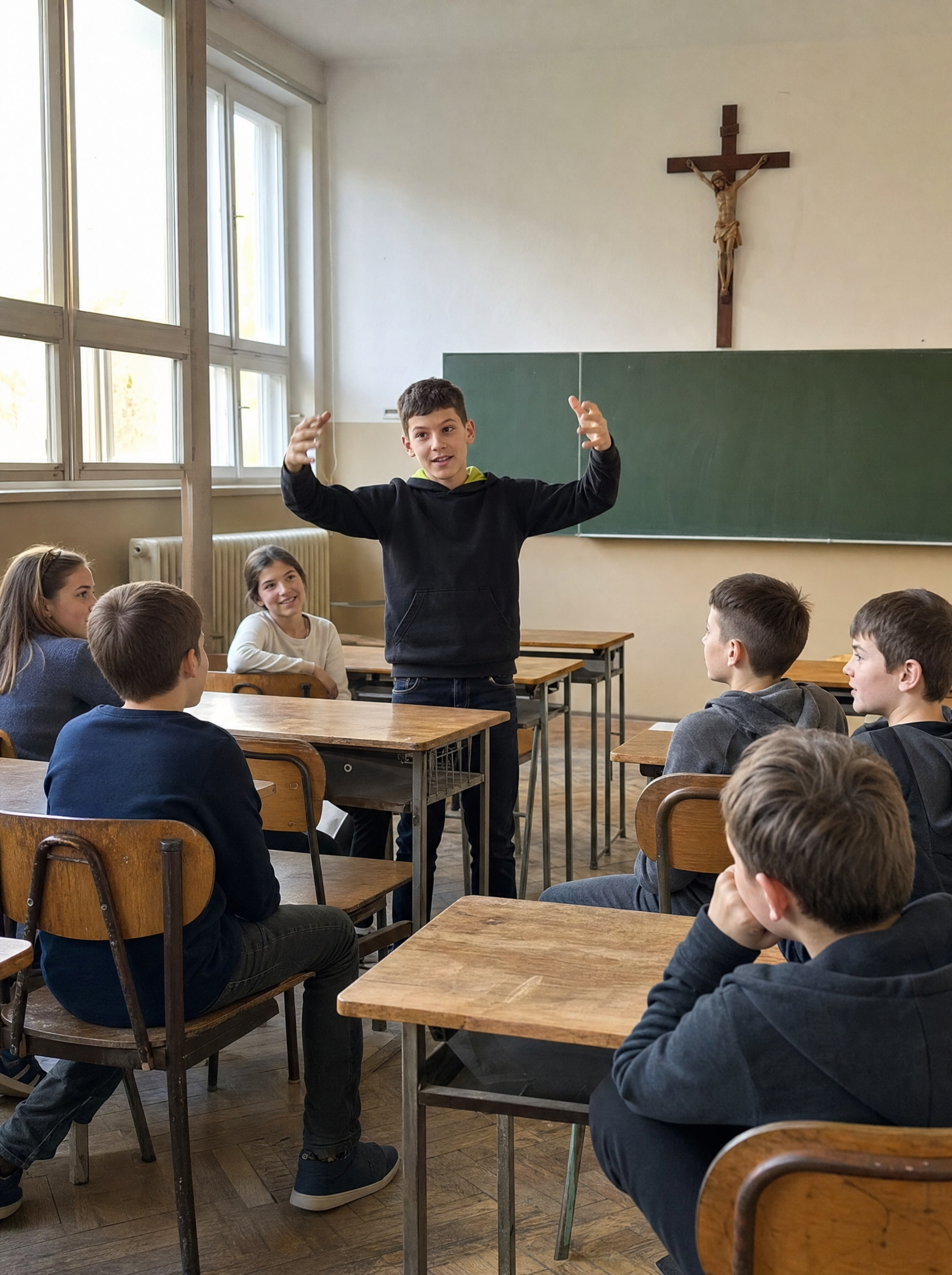
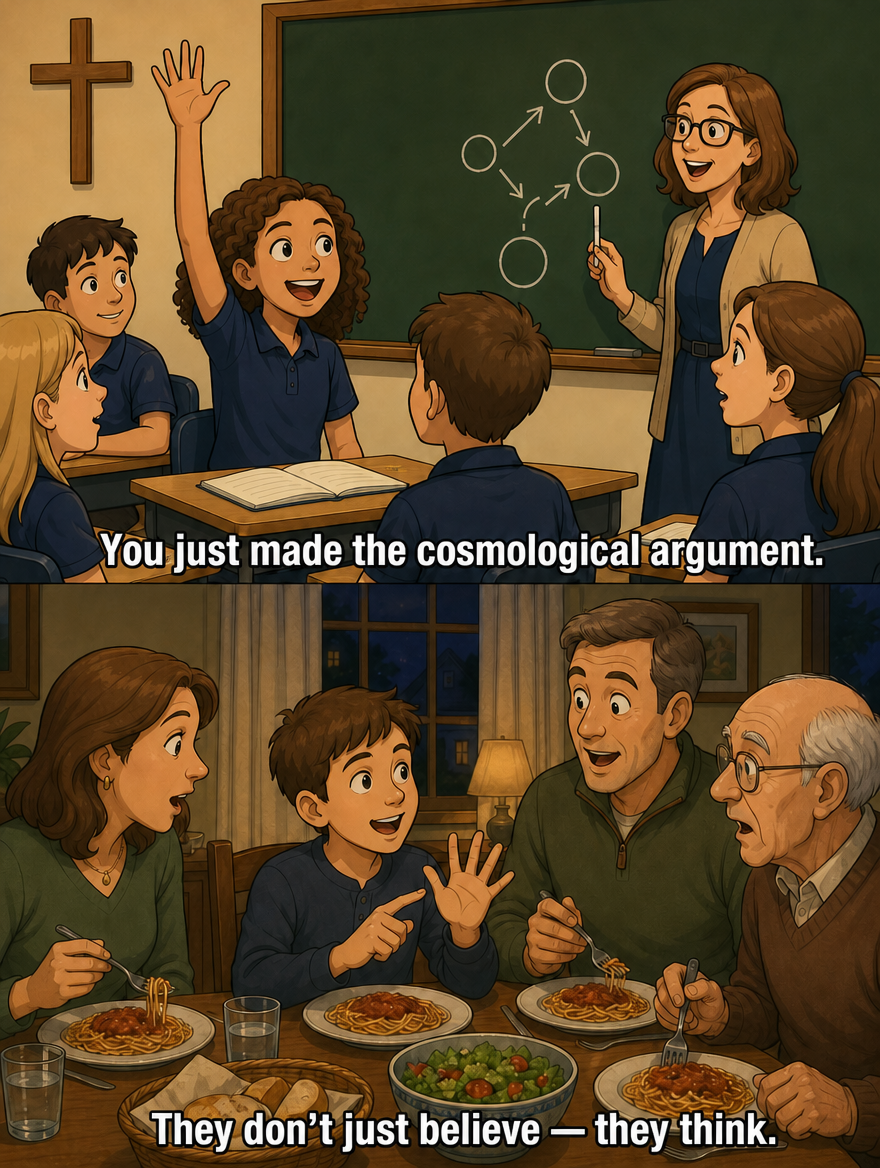
There's something I'm not allowed to say at any parent-teacher night. I've taught 6th grade at a Christian school for 15 years. Last week I asked my class why they believe in God. 23 students. Not one of them could give me an answer that didn't go in a circle. And I no longer believe that's their fault. Or yours. My name is Janet Mills. It was a Tuesday morning. Parents pay tuition every year to send their kids here. They trust us to build their children's faith. I accepted that trust for 15 years. That Tuesday was the first time I tested whether we deserve it. A pop quiz. Just 1 question. "Write down why you believe Christianity is true. Not what you believe — why you believe it." I watched 23 sixth graders stare at their papers. A few started writing right away. Most froze. 10 minutes later I collected the papers. "Because the Bible says so." "Because my parents taught me." "Because I feel God in my heart." "Because it's true." "Because I was raised in a Christian home." 23 students. Every single answer was circular or a feeling. Not one piece of evidence. Not one logical argument. Not one reason that would survive 5 minutes with a skeptical professor. At lunch I sat at my desk and felt sick. These parents pay for a private school. They think their kids are getting something the public school doesn't offer. They think we're equipping their kids to believe for a lifetime. We're not. That's the part nobody says out loud at parent-teacher night. We teach Bible stories, hymns and memorized prayers — exactly what Sunday school does. Just in a building with a cross on the front. That night I tested my own daughter. She's 12. She's been at this school since kindergarten. "Olivia, why do you believe in God?" "Because He's real, Mom." "How do you know He's real?" "Because… I feel Him?" "And if someone told you feelings aren't evidence?" Silence. My daughter — 7 years of Christian school — couldn't defend her faith for 30 seconds. That weekend I did something else I had never done. I looked up former students from our school on social media. Kids I had taught years ago. The pattern was devastating. Post after post about "deconstruction." About "finally thinking for myself." About the faith they had been "indoctrinated" into. One former student — I had her in class in 2015 — had posted: "Christian school taught me what to believe. College taught me how to think. Turns out those are very different things." 73% of kids raised in the faith walk away from it by age 23. I assumed kids from Christian schools beat that statistic. They don't. Because we're doing the same thing everyone else does — except we charge for it. Do the math on that. Years of tuition. Years of Sundays. Years of Bible verses memorized and forgotten. And at the end of it all, a 19-year-old sits in his first college class with no answer to the first hard question. That Monday I talked to our Bible teacher. "Do we teach apologetics? Evidence for Christianity?" He looked lost. "We teach the Bible." "But do we teach them WHY the Bible is reliable? How to defend their faith?" "That's more of a college-level thing." "By college, 73% of them are gone." He didn't have an answer. 2 weeks later I was at a Christian educators conference. I sat in a session on "Passing on the Faith to Gen Z." A lot of talk about making the Church "relevant" and "relatable." Nothing about actually equipping kids to think. At the break I vented to another teacher. "I tested my class. 23 students. Not one could explain why Christianity is true. Not one." She nodded. "Same at my school. But I found something that's changing that." "What?" "Systematic theology for kids. 52 weeks. Real arguments, not just stories. I've been using it in my class for 6 months." "Theology for sixth graders?" "Real theology. Evidence for God's existence. Why the Bible is historically reliable. How to answer the hard questions. My students aren't the same anymore. They don't just believe — they think." "Did the principal approve that?" She smiled. "I didn't ask. I just started, during my Bible class periods. Nobody complained. The parents are thrilled." She sent me the link that same night. I ordered it for myself first. Lesson 1: "How do we know God exists?" Not "because the Bible tells us so." The cosmological argument. The moral argument. The teleological argument. Clear explanations. Logic exercises. Discussion questions. I studied at a Christian college. Took theology courses. This workbook explained those arguments more clearly than my professors did. The next Monday I started using it in my class. "We're going to try something different. Instead of only learning Bible stories, we're going to learn why Christianity is true." I saw confusion. Curiosity. A few kids leaned in. We opened Lesson 1. "Everything that begins to exist has a cause. Did the universe have a beginning?" "The Big Bang," one student said. "Right. Scientists agree: the universe had a beginning. So what caused it?" A girl named Sophia raised her hand. "Something that doesn't need a cause? Something that always existed?" "Like what?" "God?" "You just made the cosmological argument. Without using the Bible." Her eyes lit up. "We can prove God exists with logic?" For the first time in 15 years of teaching, I watched students treat faith like a puzzle to solve, not a lesson to recite. Week 4: Why trust the Bible? I had always taught: "The Bible is the Word of God." The workbook taught: 5,800 Greek manuscripts. Written within decades of the events. More documentation than any other ancient text. A boy named Nathan looked up. "Wait, we have more evidence for the Bible than for Julius Caesar? Why does nobody tell us that?" "Because I didn't know it well enough to teach it. Until now." This is my confession. For 15 years I taught WHAT we believe. Not WHY it's true. Not because I didn't want to. Because I had never learned it myself. Week 7: Evidence for the resurrection. We covered the minimal facts approach. 5 facts even skeptical historians accept. The students went through every alternative explanation. Every one of them failed. Sophia raised her hand. "So the resurrection isn't just faith. It's the best explanation of the historical evidence?" "Yes." "Then why do people say Christianity is believing without evidence?" "Because that's how we've always taught it. And that's what we're changing." Week 10, something unexpected happened. A pastor from a local church came to speak to the students. Kind man, but not very deep. He said something like "you just have to trust God, even when it doesn't make sense." At the end, during questions, Sophia raised her hand. "Pastor, with all due respect, I disagree. It does make sense. There's historical evidence for the resurrection, philosophical arguments for God's existence, and manuscript evidence for the reliability of the Bible. We don't believe blindly — we believe because there are good reasons." The pastor just stared at her. So did the principal. Afterward, the principal pulled me aside. "What are you teaching these kids?" My heart sank. I thought I was in trouble. "Systematic theology. Apologetics. How to defend their faith with evidence." He was quiet for a moment. "I've run this school for 20 years. I've never seen a student answer like that. Can you train the other teachers to do what you're doing?" Week 14, parents started calling. "What is going on in your class? My son explained the cosmological argument at the dinner table. He's 11." "My daughter is asking questions I can't answer. But in a good way." "Nathan explained to his grandfather — who's been doubting a lot lately — why the Bible is reliable. My father-in-law cried." Week 20, I gave the test again. Same question: "Why do you believe Christianity is true?" 23 papers. Not one circular answer. The cosmological argument. The moral argument. Manuscript evidence. Evidence for the resurrection. The fine-tuning of the universe. These weren't theology students. These were 11- and 12-year-olds. Last month my daughter Olivia came home from youth group. "Mom, the leader said something about 'just having faith.' I raised my hand and explained the difference between blind faith and reasoned faith. I don't think she loved it." I laughed. "Did you explain it respectfully?" "Yes. I even gave her the link to the workbook." 3 months later, our school officially adopted the program. Every Bible class. Every grade. The principal told the parents: "We're no longer just teaching your children what to believe. We're teaching them why it's true." Enrollment inquiries jumped 40% the next semester. Those parents paying private school tuition? They're finally getting what they pay for. So why am I writing this publicly? Because for 15 years I was part of the problem without knowing it. And because most parents don't find out until their child is 19 and stops coming to church with them. If you're a parent counting on Christian school to build your child's faith… If you're a teacher watching students pass every Bible test but fail the simplest apologetics question… If you think the Christian school bubble is enough to protect them… You need to know this: it isn't. Christian school doesn't automatically mean equipped faith. Bible stories don't automatically mean convictions they can defend. Paying private school tuition doesn't automatically protect them from doubt. You have to give them the why, not just the what. Before graduation. Before the first philosophy class in college. Before they become one more "deconstruction" story on social media. 52 weeks of systematic theology that do what 15 years of Christian school couldn't. I wish I had found it sooner. Don't make the same mistake. The link is below this post. -Janet Mills P.S. I kept one of the 23 papers from Week 20. On it is the cosmological argument, in the handwriting of an 11-year-old. I look at it whenever I doubt that teaching can change anything. P.P.S. If you think your child is too young for this: my class is 11 and 12 years old. Sophia built the cosmological argument herself on a completely ordinary Monday morning. Kids can understand the why. We just never gave it to them.
Where the ad sends people
discover.faith-path.co
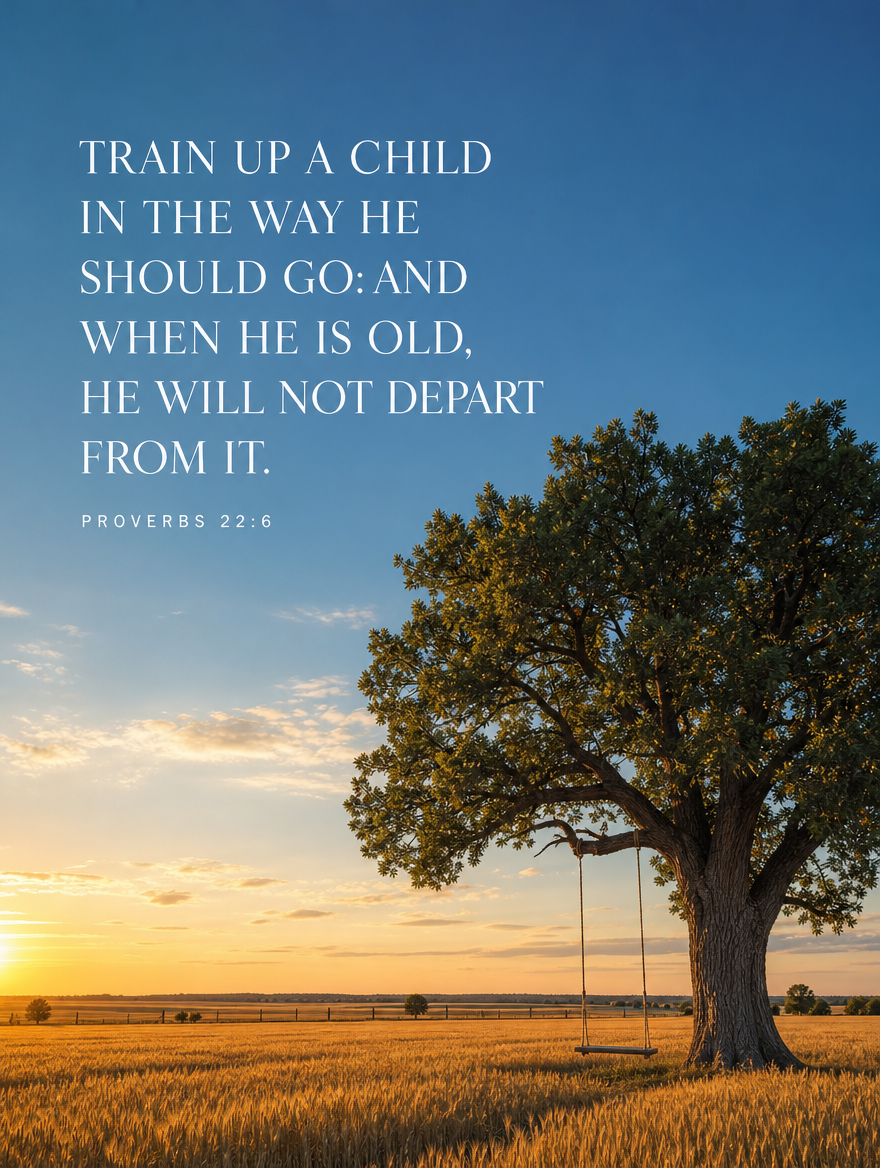
If you have a child, read this ☝️
52 weeks. Real arguments, not just stories.
Learn more: discover.faith-path.co(opens in a new tab)