Susan Davis
Susan Davis Facebook ad: “How I got scammed from berberine.”
Ran for 2 days, from March 5 to March 7, 2026, the last day Crush saw it.
Run by Susan Davis on Facebook. Crush is not the advertiser and does not verify its claims. See this ad in Meta's Ad Library(opens in a new tab)
Want an ad like this for your product?
Crush makes new ad images for your product from this ad: your logo, your product photo, your offer.
Trials from $19.95 USD, then $79.95 USD a month. Cancel anytime.
About this ad
- Meta Ad Library ID
- 1451043866466869
- Platforms
- Facebook, Instagram, Audience Network, Messenger and Threads
- Relaunches
- 1
Ad text
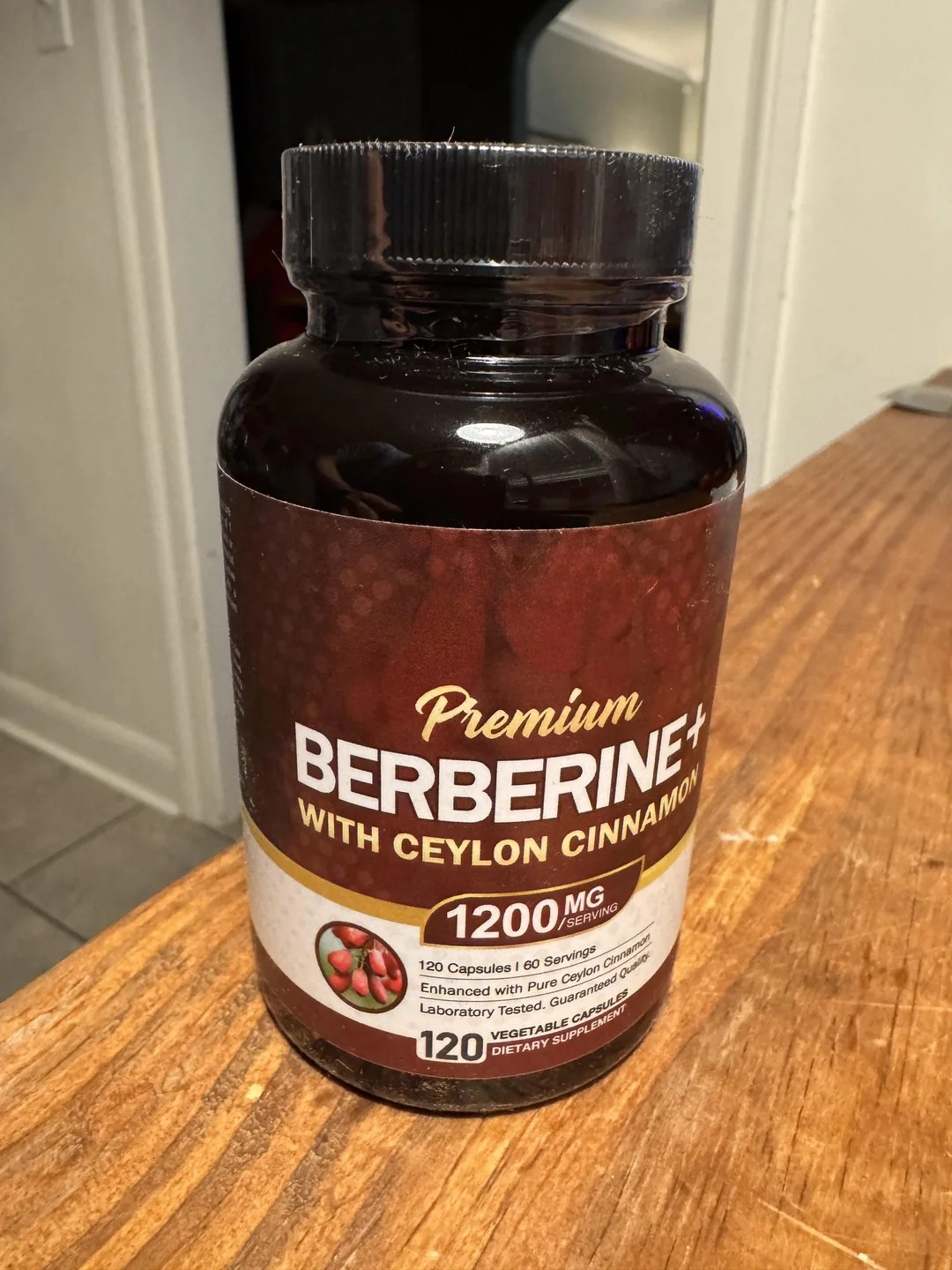
Berberine didn't fail you. You were never actually taking berberine. Here's what an independent lab analysis of the top-selling blood sugar supplements reveals — and why it explains everything about your A1C number. I need to tell you something I found out at 2:14 AM on a Tuesday. My husband was asleep. I was in the kitchen, phone face-up on the counter, glucometer sitting next to it like an accusation. I'd just tested at 178 — two hours after a dinner that was basically chicken and broccoli. Chicken. And. Broccoli. I'd been doing "everything right" for four months. The low-carb. The walking after meals. The apple cider vinegar before breakfast that I choked down every single morning even though it made my eyes water. I was tracking every meal in my app like a scientist. And my numbers were still... this. My doctor's appointment was in three weeks. I already knew what he was going to say. I'd been dreading it since the last appointment when he said — quietly, in that measured way that somehow made it worse — "if we don't see meaningful improvement, we're going to have to talk about escalating your medication." I didn't want that. I didn't want what came next. So I was googling again. Same thing I'd been doing for weeks. "Why isn't berberine working." "Berberine A1C no results." "How long does berberine take." I'd been taking the berberine I found on Amazon for six weeks. The bottle said 1200mg per day. I was faithful about it — alarms set, never missed a dose. Nothing. And I kept reading forum after forum of people saying it changed their life. Their fasting glucose dropped 30 points. Their A1C went from 7.2 to 6.1 in three months. And I thought: what is wrong with me that this isn't working? That night I fell into a rabbit hole I didn't expect. I found a ConsumerLab analysis — this is an independent lab that physically tests supplements, not just takes the company's word for it. They'd bought 13 of the most popular berberine supplements off Amazon and Walmart and sent them to a certified lab for potency testing. Seven of them — seven out of thirteen — contained "little to no berberine." I sat with that for a minute. Not "slightly less than advertised." Not "90% of the stated dose." Little. To. No. Berberine. Some capsules were essentially filled with filler. Paying for berberine. Getting sawdust. I kept reading. A separate analysis — this one by NOW Foods, testing 33 brands sold on Amazon — found that 18 of them contained less than 40% of the berberine amount printed on the label. An NIH study of 15 products showed 60% failed basic potency standards, averaging only 75% of what they claimed. Sixty percent. I thought about my six weeks of faithful dosing. My alarms. My missed glasses of wine because "I'm trying to be serious about this." The $38 bottle I'd already ordered twice. And I started thinking: what if I wasn't failing berberine? What if I was just... not taking berberine? That's the thing nobody says out loud. The supplement industry — at least the bottom-market corner of it — operates almost entirely on trust. You see "1200mg Berberine HCl" on the label. You assume that's what's in the capsule. There is no pharmacist checking. There is no FDA verification before it goes on the shelf. There's just a manufacturer, a label printer, and your trust. And the research shows that trust is being violated constantly. The TikTok trend didn't help. When berberine went viral as "nature's Ozempic" in 2022 and 2023, hundreds of new brands flooded Amazon almost overnight. Most had no third-party testing. No independent verification. No accountability. Just a label and a Prime listing. The market was overwhelmed with products that had no business calling themselves berberine supplements. So people took them. And nothing happened. And they concluded: berberine doesn't work. But that's not what happened. They just weren't taking berberine. I went back and looked at the bottle I had. No NSF certification. No ConsumerLab verification seal. No certificate of analysis. Just a nice label with a leaf on it and some asterisk-heavy claims. I ordered a different brand that night. One that publishes its third-party lab results — not just a badge on the website, but the actual certificate of analysis from an independent testing facility, showing the exact potency of every batch. The kind of verification that means someone outside the company actually tested what's inside the capsule. Three weeks later, my fasting numbers started moving. By week six, they'd dropped more than I'd seen in months of everything else combined. My doctor's appointment came. He looked at my numbers, looked up at me, and said: "What changed?" I didn't say "I found out my last supplement was probably sawdust." But I thought it. Here's what I want you to understand, because I wish someone had told me this earlier: The research on berberine is real. The clinical trials are legitimate. The studies showing A1C reductions of 0.8 to 1.5 points — those aren't exaggerated. Berberine that actually *is* berberine, at the dose on the label, does what the research says it does. But "berberine" that's 20% berberine — or 1% berberine, or essentially none — doesn't do anything. Because it isn't berberine. It's a capsule with a word on the outside and a lie on the inside. Before you assume berberine doesn't work for you — Before you blame your metabolism, your compliance, your discipline — Ask yourself one question: Has anyone actually verified what's in your supplement? Not the company that profits from selling it to you. Not the Amazon listing. An independent, third-party lab with no financial stake in the result. If the answer is no — and for most bottles on the market, it is — you may not have tried berberine at all. You may have just tried the label. If you've tried berberine before with no results, or you're just starting and want to make sure you're not throwing money away, look for brands that publish their actual certificate of analysis from a third-party lab — not just a generic "tested for purity" badge. The difference between a product that works and one that doesn't is almost never about the ingredient. It's almost always about whether the ingredient is actually there. The brand that worked for me is linked below, read my full story also below, Thank you. https://neurovia.com.co/a/gempages?version=v7&shop_id=581731748132422504&theme_page_id=608645057439859255&page_type=GP_ARTICLE
Where the ad sends people
neurovia.com.co
How I got scammed from berberine.
TrueRoot
Learn more: neurovia.com.co(opens in a new tab)