Sleep Apnea Journal
Sleep Apnea Journal Facebook ad: “If You Snore, Read This”
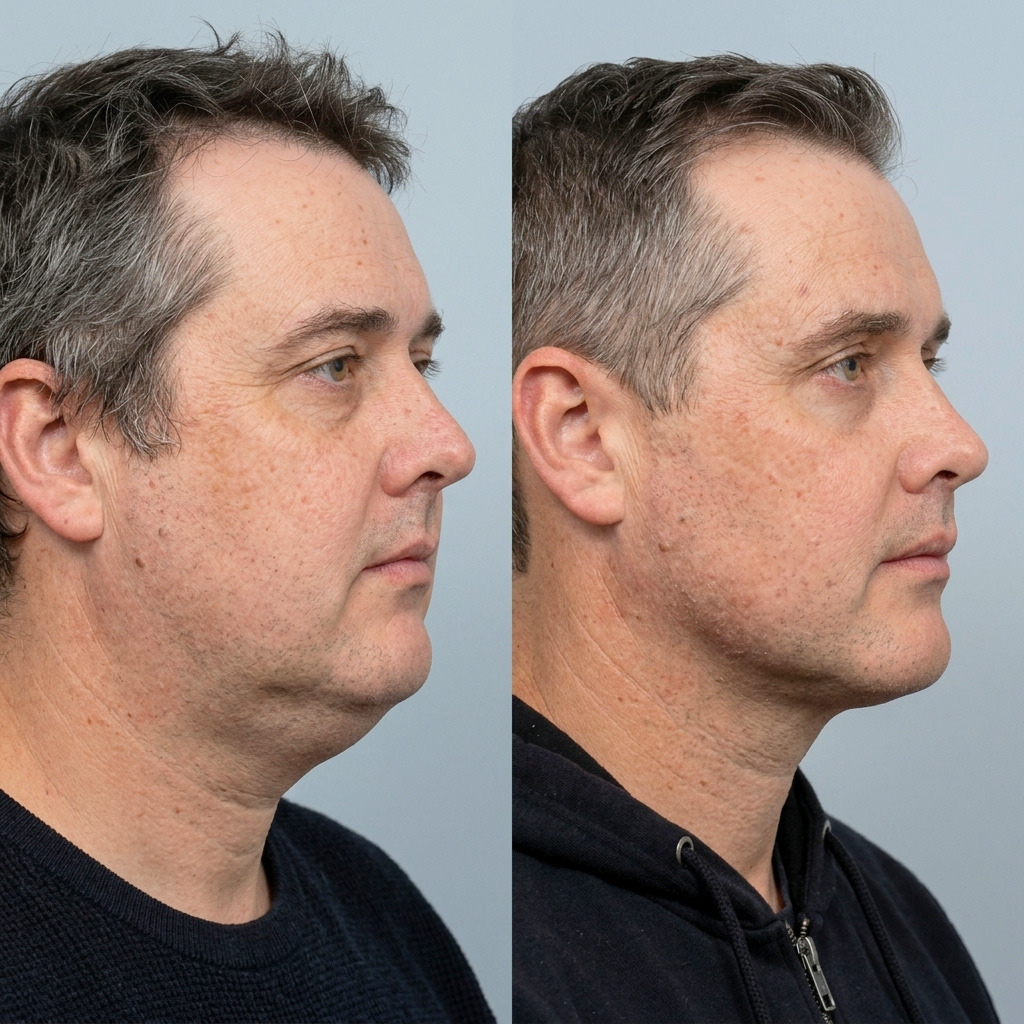
Ran for 70 days, from March 30 to June 8, 2026, the last day Crush saw it.
Run by Sleep Apnea Journal on Facebook. Crush is not the advertiser and does not verify its claims. See this ad in Meta's Ad Library(opens in a new tab)
Want an ad like this for your product?
Crush makes new ad images for your product from this ad: your logo, your product photo, your offer.
Trials from $19.95 USD, then $79.95 USD a month. Cancel anytime.
About this ad
- Meta Ad Library ID
- 1451609266979699
- Platforms
- Facebook, Instagram, Audience Network, Messenger and Threads
- Relaunches
- 1
Ad text
I keep a CPAP machine on my bedside table that I got four years ago. I wear it every night. I maintain it perfectly. My sleep clinic says it's working. My body says otherwise. I'm not someone who gave up on CPAP after two weeks. I'm not someone who "couldn't get used to the mask." I've used it every night for six years. I clean it. I replace the filters. I bring it when we visit the grandchildren. I've spent probably $1,200 on replacement masks, hoses, humidifier chambers, and cushions that insurance doesn't cover after the first year. I did everything right. And I feel terrible. I'm 69. Retired at 62. Married for 36 years. I was diagnosed at 63. Moderate to severe. AHI of 27. The sleep clinic put me on a ResMed AirSense that same month and I won't lie to you, the first year was something else. I slept through the night for the first time in God knows how long. Woke up feeling like an actual human being. Had energy past 3 PM. My wife said I was more like myself than I'd been in years. Year one I was a walking advertisement for CPAP. I told my buddies at the golf club. Told my brother. Told anyone who mentioned being tired. "Get the referral. Get the sleep study. Get the machine. It'll change your life." And I meant it. Year two still good. Not the miracle of year one but solid. I was sleeping, I had energy, the machine was doing its job. Somewhere around year three it started slipping. Nothing dramatic. Just this feeling in the afternoon like someone turned the dimmer switch down. I'd be fine in the morning, fine through lunch, and then around 2 PM this fog would roll in and I couldn't shake it. I'd sit down to watch TV and wake up at half past four with the remote on my chest. Mentioned it to my doctor. "Your sleep clinic data looks excellent. Compliance is 93%. AHI on the machine is under 4. You're right where we want you." "Right, but I'm falling asleep at 2 PM." "Are you getting enough exercise?" I play golf three times a week and walk the course. I walk the dog every morning. Yes, I'm getting exercise. "Try cutting back on carbs at lunch." I cut back on carbs at lunch. Still crashing at 2 PM. Year four. It got worse. The morning fog showed up. I used to wake up sharp. Clear. Ready to go. Now I'd wake up after eight hours with the CPAP running all night and it felt like I was swimming through mud for the first two hours. Two cups of coffee just to feel normal. Three on bad days. My golf game went to pieces. Not because of my swing. Because I couldn't focus. Standing over the ball on the 14th thinking about absolutely nothing. Blank. Like my brain just checked out. My buddy Dave started beating me regularly. Dave hasn't beaten me regularly in fifteen years. "You alright?" he asked after I four-putted the 16th. "Just tired." "You're always tired lately." Yeah. I know. Year five. I stopped playing 18. Switched to 9 because I didn't have the energy for a full round. I'd finish 9 holes and feel like I'd run a marathon. My wife wanted to take a weekend trip upstate. Hour and a half drive. I used to love those drives. We'd walk around town, have lunch, browse the shops. "I don't think I'm up for it," I said. "It's an hour and a half. We drive up, we walk around, we have dinner." "I know. I'm just tired." She looked at me for a long time. "You're 68. Not 88. Your dad played golf until he was 80. What is going on with you?" "I don't know." That was the honest answer. I didn't know. The machine was on every night. The data was perfect. My sleep clinic said I was being treated effectively. And every month I felt a little bit worse than the month before. Year six. This year. I'll just tell you what a normal day looked like. Wake up at 6:30. Tired. Remove CPAP mask. Clean it. Two cups of coffee. Feel semi-functional by 9. Maybe play 9 holes if I had the energy. Home by noon. Lunch. Sit down. Fall asleep by 1:30. Wake up at 3. Groggy. Watch TV. Dinner. Fall asleep in my chair by 8 PM. That's it. That was my life. I was sleeping 8 hours a night with a machine strapped to my face and I was living like I was in a nursing home. My wife wasn't angry. She was frightened. "I think something is really wrong," she said. "This isn't normal. You were fine three years ago. How does someone go from fine to this while doing everything the doctors tell them?" She made me get bloodwork done. Everything normal. She made me see a cardiologist. Heart was fine. She made me get my thyroid checked. Normal. Everything was normal. Everything was fine. Every test came back clean. The only thing that wasn't fine was me. My wife started looking online. She's more patient with research than I am. She'll sit with her laptop for three hours reading things I'd skim past in ten seconds. One evening she came into the living room and sat next to me. "I want to read you something." It was from a medical discussion board. A retired ENT specialist. He'd used CPAP for twelve years. Same trajectory as me. Brilliant at first. Slow decline. Doctors said his data was perfect. He wrote something that I haven't been able to get out of my head since. He said CPAP is designed to treat oxygen deprivation. It forces pressurized air through your airway when it collapses during sleep. And it does that extremely well. Your oxygen stays stable. Your AHI numbers look great. But CPAP does not prevent the airway from collapsing. Every time you fall asleep, your jaw falls back, your tongue drops, your airway closes. 30 times an hour. 40 times. All night. CPAP just pushes air through each collapse. Each one of those collapses is a mechanical event. Your tissues get compressed. Blood flow gets briefly interrupted. Your body has to respond to each event even though CPAP pushes enough air through to keep your oxygen stable. In year one, the oxygen benefit is so massive that the mechanical stress doesn't matter. You feel incredible because you went from severe oxygen deprivation to stable oxygen. The gain overwhelms the cost. By year three, four, five, the mechanical stress starts accumulating. Thousands of collapses per night. Millions over years. Your body is spending more and more energy managing these events. The oxygen is still stable but the mechanical toll is adding up underneath. The energy that came back in year one starts draining away. Slowly. Year by year. Not because the machine stopped working. Because the machine was only ever fixing half the problem. It fixed the oxygen. It never fixed the collapse. And eventually the cumulative damage from the collapses catches up to the oxygen benefit and overtakes it. That's the fadeout. That's why year one feels like a miracle and year five feels like you're back to square one. That's why your doctor looks at perfect data and says you're fine while your body says you're not. The data measures oxygen. The collapses aren't in the data. I sat there for a minute after she finished reading. Six years. Six years of collapses that CPAP pushed through but never prevented. "That's what's happening to me," I said. "I think so," she said. "The machine is keeping me breathing but my airway is still collapsing 30 times an hour. Every night. For six years. And my body is worn down from it." "And the sleep clinic is looking at the oxygen numbers and saying everything is fine because by those numbers it is." "But the oxygen isn't the whole picture." "No. It's not." The ENT mentioned mandibular advancement devices. Mouthpieces that hold the jaw forward during sleep. Different approach entirely. Instead of letting the airway collapse and forcing air through, they prevent the collapse from happening. Jaw stays forward. Tongue stays forward. Airway stays open. No collapse means no mechanical stress. No cumulative damage. Same oxygen levels but achieved by keeping the airway open instead of forcing air through a closed one. My wife found Zenouv that same night. Their device uses a custom thermal molding system that forms directly to your teeth, creating a fit specific to your mouth structure. Medical-grade BPA-free material. And the critical feature — an adjustable graduated advancement system so you can micro-adjust the jaw position until you find the exact setting that opens your airway without discomfort. Plus ventilation holes built in for mouth breathers. That mattered to me because of my congestion issues. We ordered it. It arrived three days later. Small mouthpiece. Fits in your hand. No machine. No hose. No mask. No humidifier. No power cord. You heat it, mold it to your teeth in about ninety seconds, adjust the advancement setting, and put it in. It holds your jaw forward. That's all it does. First night I was nervous. Six years of sleeping attached to a machine. Turning that off felt like taking off a seatbelt on the highway. I put on my pulse oximeter. I'd had one for a while. Little finger clip. Records your oxygen all night. If anything went wrong I'd see it immediately and put the CPAP right back on. Mouthpiece in. Strange for about thirty seconds. Slight forward pull on my jaw. Then I stopped noticing. Lay down next to my wife. No humming. That got me. Six years of the CPAP humming on my bedside table. I'd stopped hearing it. But when it was gone the silence was startling. Just quiet. Just us. "This is nice," she said. I fell asleep. Woke up at 6:20 AM. Checked the oximeter. 95 to 97% all night. Flat line. Not a single dip. For comparison, my CPAP data always showed micro-fluctuations. Little dips to 93, recovery to 96, dip to 92, recovery to 95. All night. Normal for CPAP because each dip is a collapse event that the machine pushes through. The mouthpiece data was flat. Because there were no collapses to push through. And I felt different. Nothing dramatic. I didn't leap out of bed. But when I opened my eyes I didn't immediately think about how tired I was. That was new. I tracked every night for two weeks. Same numbers. 95 to 97. Flat. Every night. Week one. The 2 PM crash came later. I made it to 4 without feeling like I needed to lie down. Small thing. But after three years of hitting the wall at 2, pushing it to 4 felt significant. Week two. I played 18 holes. I hadn't played 18 in eight months. I wasn't great. Shot a 94. But I finished. Walked the whole course. Didn't think about quitting at the turn. Dave noticed. "You played 18." "I played 18." "You haven't played 18 since last summer." "I know." "What changed?" "I got rid of my CPAP." He looked at me like I'd lost my mind. "My doctor would lose it if I did that." "Mine said the same thing. Then I showed him my oxygen data." Week three. This is when it really hit me. I woke up on a Tuesday at quarter past six and I felt good. Not okay. Not functional. Good. I stood in the kitchen drinking my coffee and realized I was only having one cup. One. I'd been having three cups every morning for three years just to feel human. I wasn't dragging. I wasn't foggy. I wasn't counting the hours until I could sit down again. I drove upstate. By myself. Just because I wanted to. Hour and a half each way. Walked around town. Had lunch. Drove home. My wife was surprised when I walked in the door. "You drove upstate?" "Felt like getting out of the house." "You haven't felt like getting out of the house in two years." Month two. The change was obvious to everyone. I was playing 18 three times a week. Walking the course. Finishing strong. Beat Dave twice in one week and he accused me of taking something. "I stopped taking something," I told him. "That's the point." My wife and I started walking in the evenings again. We'd stopped a year ago because I was always too tired after dinner. Now we were doing a couple of miles every night. The fog was gone. Not lifting. Gone. I'd wake up clear. Stay clear through the day. Make it to 9 PM without falling asleep in my chair. For the first time in three years I was living a normal day. A full day. Not a shortened, dimmed-down, energy-rationed version of a day. A real one. Month three. Regular check-up. "I stopped using CPAP," I told my doctor. He started to object. I handed him three months of pulse oximeter data. Every night. 95 to 97. Flat. He compared it to my CPAP records. "Your oxygen is actually more consistent without the machine," he said. "Because the machine was pushing through collapses. The mouthpiece prevents the collapses. No collapses, no fluctuations." "And how do you feel?" "Like I felt in year one. Maybe better. I'm playing 18 again. I'm driving upstate for fun. I'm not falling asleep at 2 PM. My wife says I'm a different person." He sat back. "Your CPAP data always looked good. I want you to know I wasn't dismissing you. By the metrics I was trained to monitor, your treatment was working." "I know. The metrics just didn't measure the thing that was actually making me worse." "The ongoing mechanical collapse events." "Thirty times an hour. Every hour. Every night. For six years. While you told me everything was perfect." He didn't argue. "Keep tracking the oximeter," he said. "But if this is working, it's working." That was five months ago. The CPAP is in the closet. Years of masks, hoses, filters, humidifier chambers, replacement parts. All the hassle of cleaning it, maintaining it, packing it every time we went anywhere. All replaced by a mouthpiece I molded to my teeth in ninety seconds and keep in a case on my bedside table. No machine. No humming. No hose tangled around my arm at 3 AM. No dry mouth. No mask lines on my face every morning. No lugging a carry-on bag full of equipment every time we visit the kids. I played 18 holes yesterday. Walked the course. Shot an 88. Best round I've had in three years. I drove three hours round trip last weekend to see my daughter and her family. No big deal. A year ago I would have said I wasn't up for it. I wake up at quarter past six every morning and I feel like I slept. Not like I survived the night. Like I actually slept. There's a difference. If you've been on CPAP for a few years you know exactly what I mean. That first year you know the difference because you remember what bad sleep felt like. By year five you've forgotten what good sleep felt like because the decline was so gradual. You think this is just what 69 feels like. It's not. It's what six years of unaddressed airway collapse feels like. Even with CPAP running perfectly all night. The machine keeps you breathing. It doesn't stop the collapse. And the collapse is doing the damage. I'm not a doctor. I'm a retired guy who played golf and fell asleep in his chair for three years while his doctor said his numbers looked perfect. All I can tell you is what happened to me. I replaced a machine that treats the symptom with a device that prevents the cause. And the energy came back. All of it. If you've been on CPAP for a few years and you're not feeling the way you felt in year one... If the fog crept back and you can't explain why... If your doctor keeps telling you everything looks great but your body disagrees... It might not be aging. It might be the collapses. The device I use is called Zenouv. My wife found it. They have a 60-day money-back guarantee so you can try it and send it back if it doesn't work. If you want to be safe about it, buy a pulse oximeter from Amazon and wear it the first night. You'll see the numbers yourself. That's what I did. zenouv.com Dennis, 69 Scottsdale, AZ
Where the ad sends people
try.zenouv.com
If You Snore, Read This ☝️
Discover why thousands are abandoning their CPAP machines and choosing the COMFORTABLE ALTERNATIVE their sleep doctors never told them about. Every week, exhausted snorers are leaving behind their masks, hoses, and nightly struggles for a solution that actually gets used, not avoided.
Shop now: try.zenouv.com(opens in a new tab)