Wellness Daily UK
Wellness Daily UK Facebook ad: “Read this if you feel puffy every evening”
Ran for 5 days, from April 12 to April 17, 2026, the last day Crush saw it.
Run by Wellness Daily UK on Facebook. Crush is not the advertiser and does not verify its claims. See this ad in Meta's Ad Library(opens in a new tab)
Want an ad like this for your product?
Crush makes new ad images for your product from this ad: your logo, your product photo, your offer.
Trials from $19.95 USD, then $79.95 USD a month. Cancel anytime.
About this ad
- Meta Ad Library ID
- 1452044512584401
- Platforms
- Facebook, Instagram, Audience Network, Messenger and Threads
- Relaunches
- 0
- Niche
- Clinics & Medical
Ad text
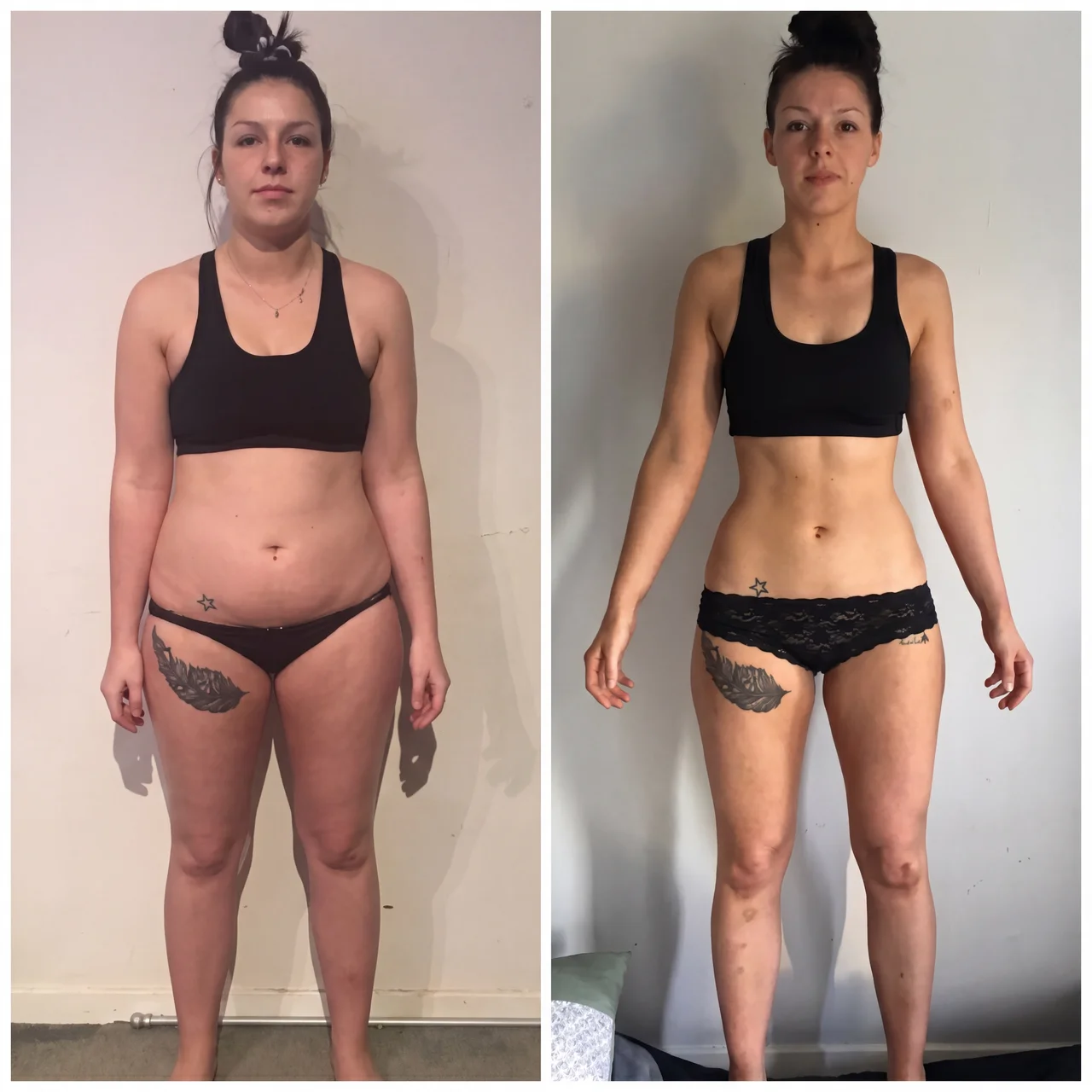
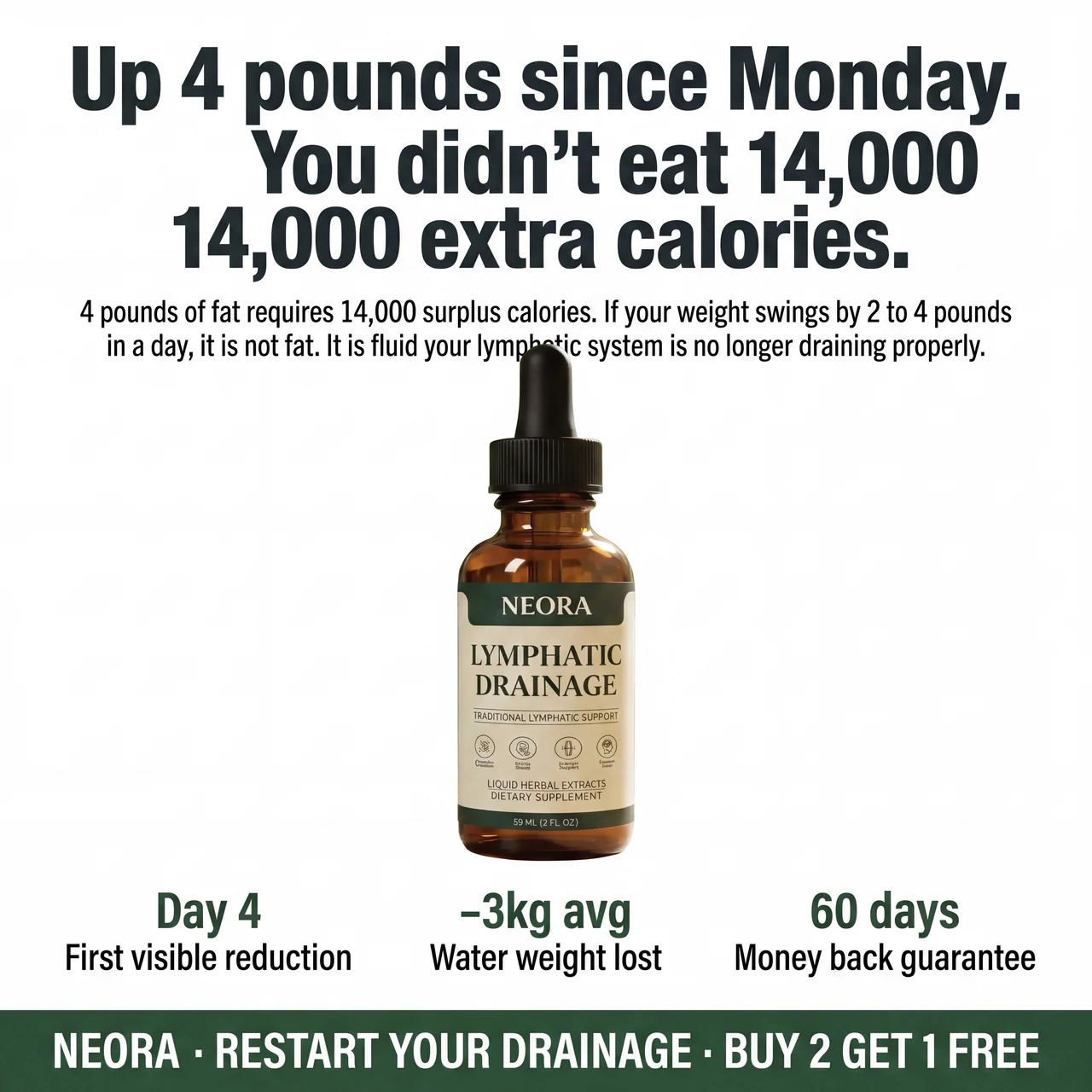
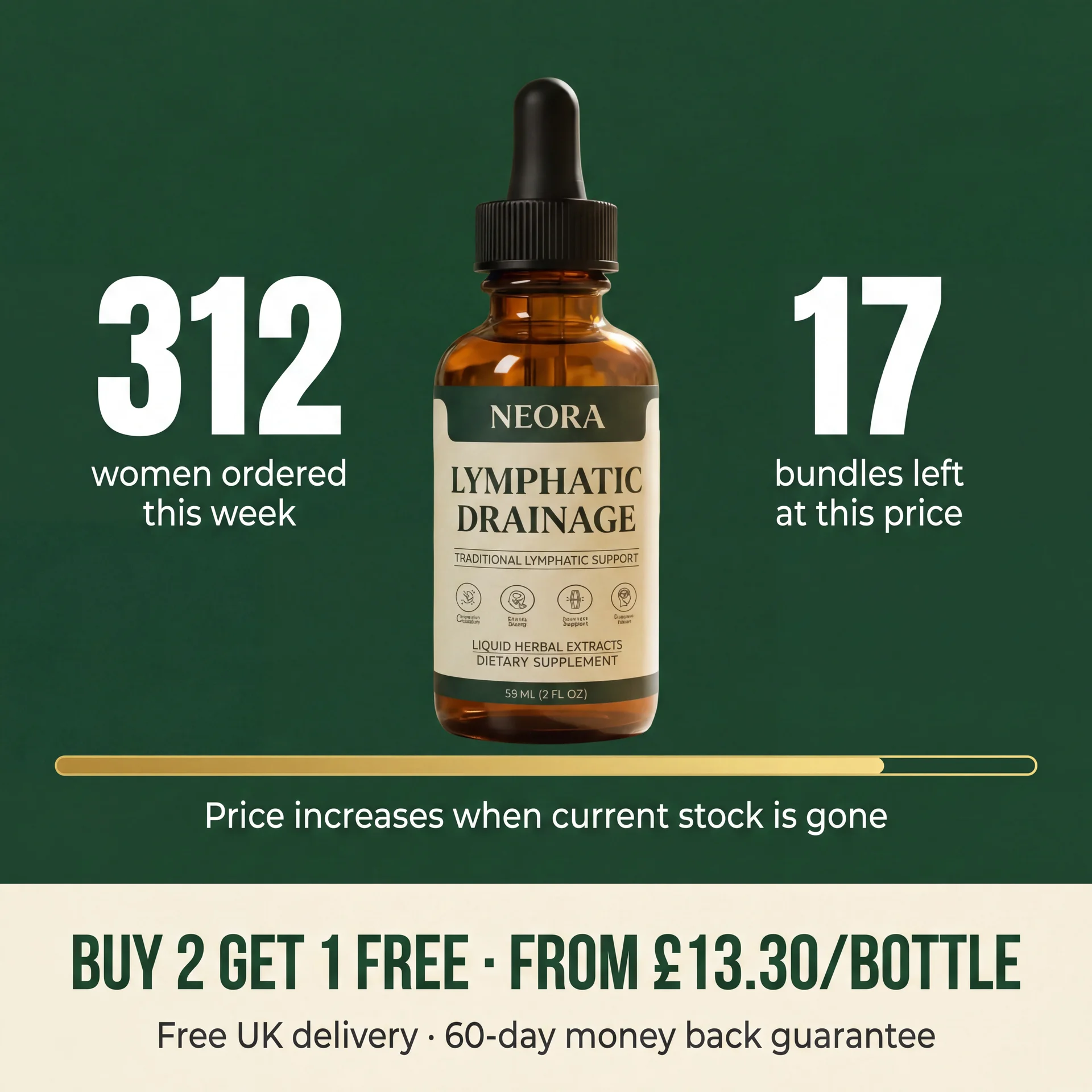
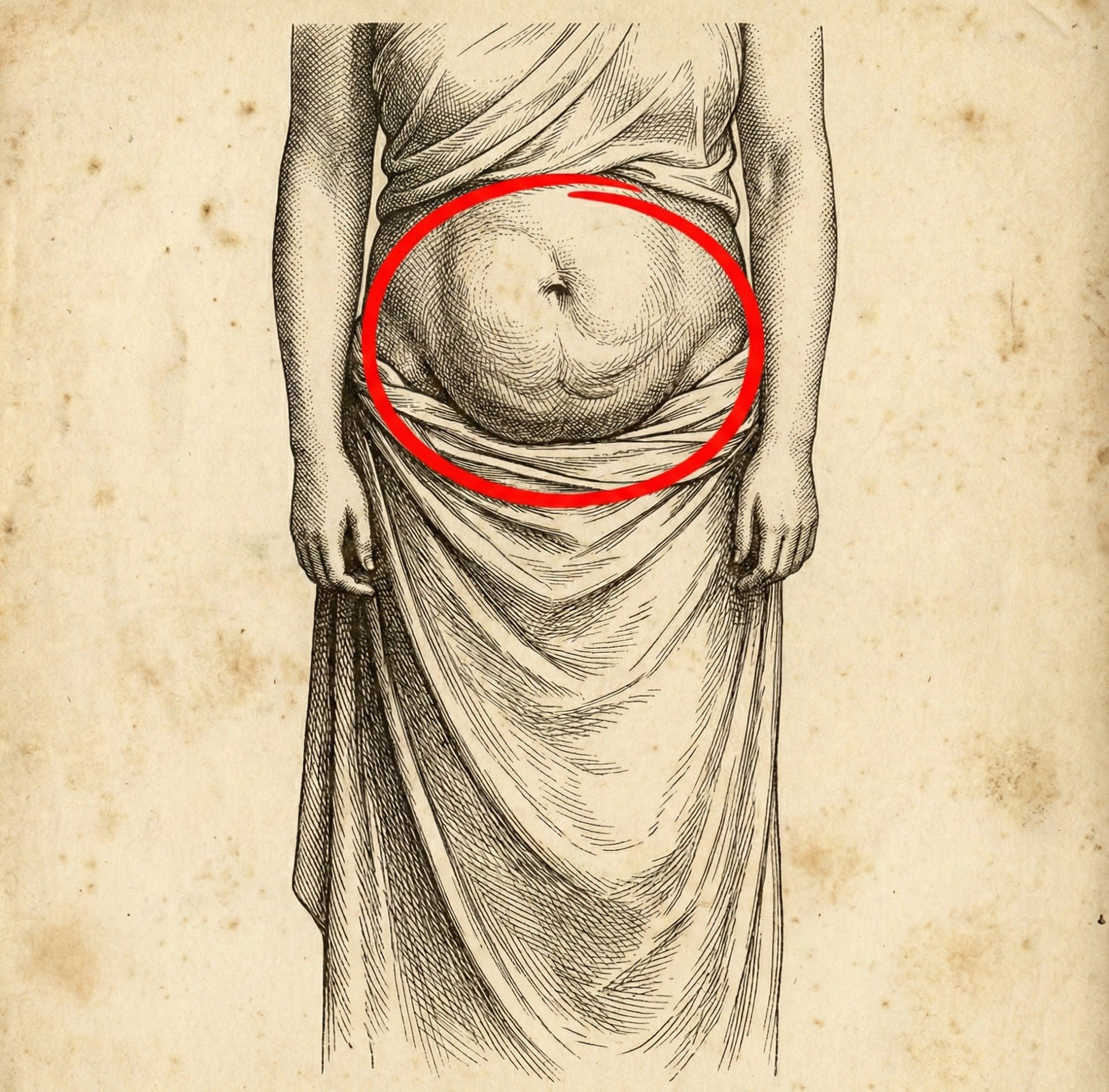
The PCOS belly. Is it actually fat ? I have had PCOS since I was twenty-six. Diagnosed at twenty-nine. Five years of living with it. And during those five years, there was one thing that made me more frustrated than anything else. More than the acne. More than the irregular periods. More than the sugar cravings at four in the afternoon. My stomach. In the morning it is flat. Or nearly. I look in the mirror at half seven and think — alright, today is a good day. By eleven it is starting to come out. Just slightly. By two in the afternoon, after lunch — even a light lunch, even a salad — it has swollen. Visibly. My trousers are pressing into me. By five o'clock it is done. My stomach is round, hard, tense. As if I had swallowed a balloon. I unbutton my jeans in the car on the way home. And the next morning? Flat. As if nothing happened. Every single day. For five years. I did what every woman with PCOS does when her stomach behaves like this. I attacked the fat. Anti-inflammatory diet. Zero sugar. No gluten for three months. Low carb for four months. Intermittent fasting for six months. A structured calorie-controlled plan for eight weeks with a nutritionist. The result over five years? I lost a few pounds. Gained them back and then some. And my stomach still swelled the same. I exercised. Core work every day for two months. Pilates. HIIT cardio three times a week. My personal trainer kept telling me abs are made in the kitchen. I wanted to show him my kitchen. My meal-prepped containers. My proteins. My steamed vegetables. My kitchen was impeccable. And my stomach still ballooned at five in the afternoon. I took inositol. Berberine. Probiotics. Digestive enzymes. Because I became convinced it was a digestive problem. I saw a gastroenterologist. Colonoscopy. Nothing. No SIBO. No intolerance. No inflammatory condition. My gut was fine. But my stomach still swelled. It became something I monitored constantly. Morning in the mirror. Lunchtime in the office bathroom. Evening when I got changed. I took photos to compare. Seven in the morning: flat. Midday: a little. Five o'clock: looked pregnant. Seven the next morning: flat again. I eventually accepted it. This is the PCOS belly. It is hormonal. It is abdominal fat linked to insulin resistance. It is the most stubborn fat to shift. You just have to live with it. Except that was wrong. It was a physiotherapist specialising in lymphatic drainage who helped me understand. I had gone to see her for heavy legs — something I had had for a while but had never connected to the PCOS. She asked me to lie down. She examined my legs. Then she pressed on my ankle. Her thumb left an indentation. "You are retaining water. Your stomach is not just fat." I looked at her. "It is. It is the PCOS. It is hormonal. It is abdominal fat." She shook her head. "If it were fat, it would be there in the morning too. Fat does not disappear overnight and come back at five o'clock. Fat is constant. What fluctuates over a few hours is water." That landed like a revelation. Fat is constant. Water fluctuates. My flat stomach at eight in the morning and swollen at five in the afternoon — that is not fat appearing over nine hours. It is water accumulating in the abdominal tissues throughout the day. The weight that varies by two or three pounds between morning and evening — that is not fat. You do not manufacture three pounds of fat in twelve hours. That is water. The stomach that deflates overnight — that is water redistributing when I am lying down. Not fat dissolving. She explained it. PCOS creates low-grade chronic inflammation. This inflammation makes blood vessel walls more permeable. Water leaks into the tissues. At the same time, the hormonal imbalance and insulin resistance slow the lymphatic system — the network that is supposed to drain this water away. The result: water accumulates. Throughout the day. Particularly in the stomach because that is where PCOS inflammation is most concentrated. And that is why dietary changes had no effect on the swelling. You cannot burn water with a calorie deficit. You cannot drain water with core exercises. You cannot deflate water with intermittent fasting. Water has to be drained. Through the lymph. She told me about a lymphatic drainage supplement. Not herbal teas that make you urinate all day without changing the swelling — I had already tried those and they did nothing. Not a diuretic that exhausts the kidneys. A proper drainage supplement. Four plants. That restarts the lymph from the inside. During the night. I was sceptical. After five years of PCOS and a bathroom cabinet full of supplements, I had stopped believing. But that sentence stayed in my head. Fat is constant. Water fluctuates. And my stomach fluctuated. Every single day. For five years. The first three days: nothing. Day four: I woke up. Stomach flat. Normal — it is always flat in the morning. Except that day at noon: flat. At two o'clock after lunch: flat. A small amount of swelling at four. Light. Not the usual balloon. In the evening when I got changed: my stomach was almost as flat as it had been at eight in the morning. First time in five years. End of week one: the scales showed just over three pounds down. But it was not the number that struck me. It was that all week my stomach had not swollen at five in the afternoon. Not once. The thing that had happened every single day for five years — the afternoon balloon — had gone. Week two: over seven pounds down in total. The work trousers I used to unbutton in the car every evening — I wore them all day. Buttoned. From eight in the morning until eight at night. Comfortable. My fingers stayed slim every day. My rings never felt tight. My face in the mornings looked clear and deflated. Week three: over nine pounds down. I took a photo of my stomach at eight in the morning and one at six in the evening. Side by side. Identical. Flat in the morning. Flat in the evening. I cried. Not from sadness. Because for five years I had believed it was impossible hormonal fat. And it was water my body was holding because my lymph was too slow. Week five: over twelve pounds down. My stomach is flat. All day. Every day. And the actual PCOS belly — the fat that was hidden under the water — is much smaller than I thought. Because the water was making it look enormous. Without the water, it is a small, normal stomach that I can now address with exercise — now that water is no longer masking the results. Today it has been four months. My stomach no longer swells in the afternoon. My weight no longer varies by three pounds across the day. I still take my PCOS treatments. The medication. The inositol. The diet. The exercise. All of that targets the fat and the hormones. And the drainage supplement targets the water. Both together — this is the first time in five years that my stomach is flat at six in the evening. My friend Rachel, thirty-one, PCOS for four years: "I was taking photos of my stomach morning and evening to show my gynaecologist that something wasn't normal. She kept telling me it was bloating. It wasn't bloating. It was water. Seven pounds in three weeks and my stomach no longer swells at all after meals." My cousin Amy, twenty-seven, diagnosed with PCOS at twenty-three: "I was so self-conscious about my stomach that I cancelled plans to go to the pool. I only wore loose clothing. My PCOS belly was my nightmare. It turned out it was partly water. Eight pounds in four weeks and I went back to the pool." If you have PCOS. If your stomach is flat in the morning and swollen in the evening. If your weight varies by two or three pounds across the day. If you have tried everything to lose the PCOS belly and nothing has worked. Ask yourself this question. If it were fat, it would be there in the morning too. Fat does not disappear overnight. Water does. Press on your ankle. If it leaves an indentation, part of what you are carrying is probably not fat. The supplement I use is called Neora. Four natural plants. That work gently while you sleep. Not a diuretic. A real lymphatic drainage supplement. 30-day guarantee. If it does not work, you get your money back. I wish I had known five years ago that my PCOS belly was not only fat. It would have saved me from fighting an enemy that only half existed. 👉https://www.neoraskin.com/products/lymphatic-drainage-drops
Where the ad sends people
neoraskin.com
👆 Read this if you feel puffy every evening
Wake up lighter, less puffy and finally yourself from day 7
Shop now: neoraskin.com(opens in a new tab)