
Inactive· since May 9, 2026
- 125
- days it ran
- 0
- relaunches
Ad copy
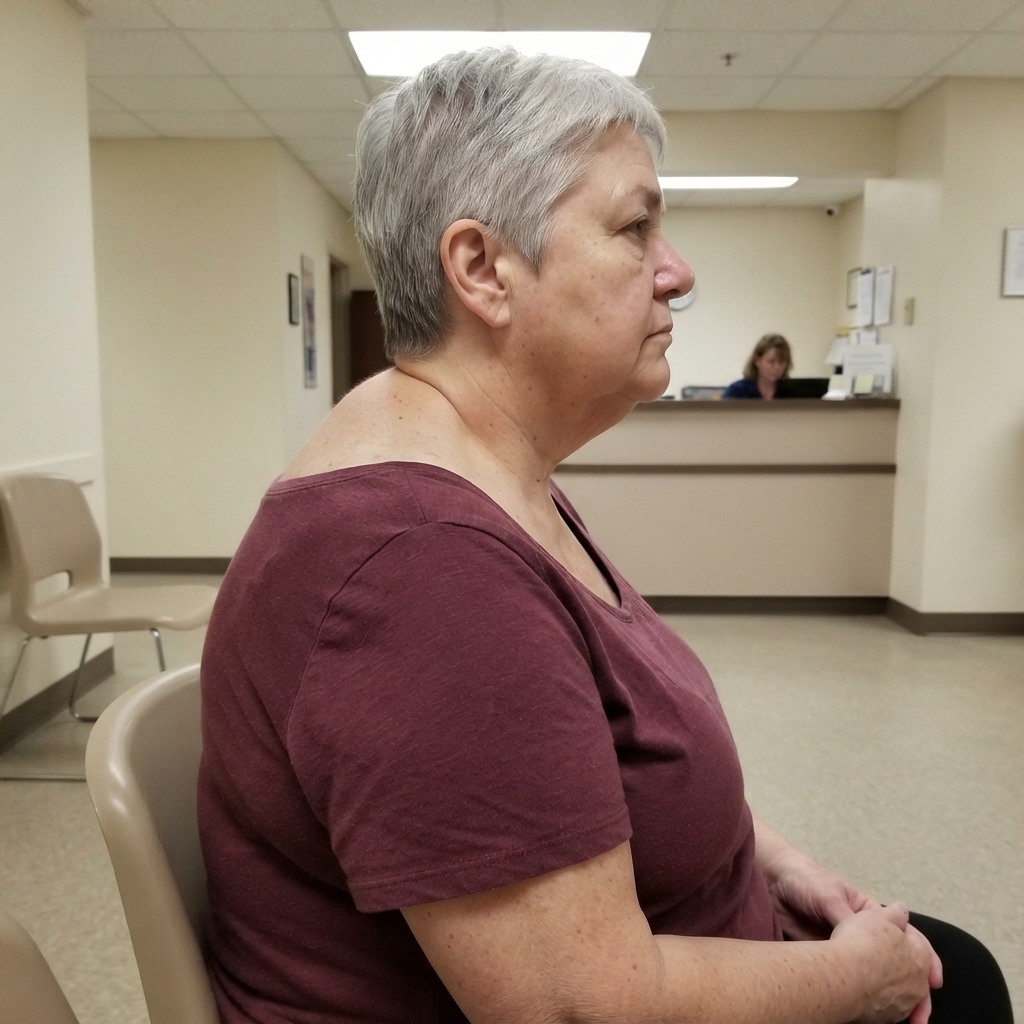
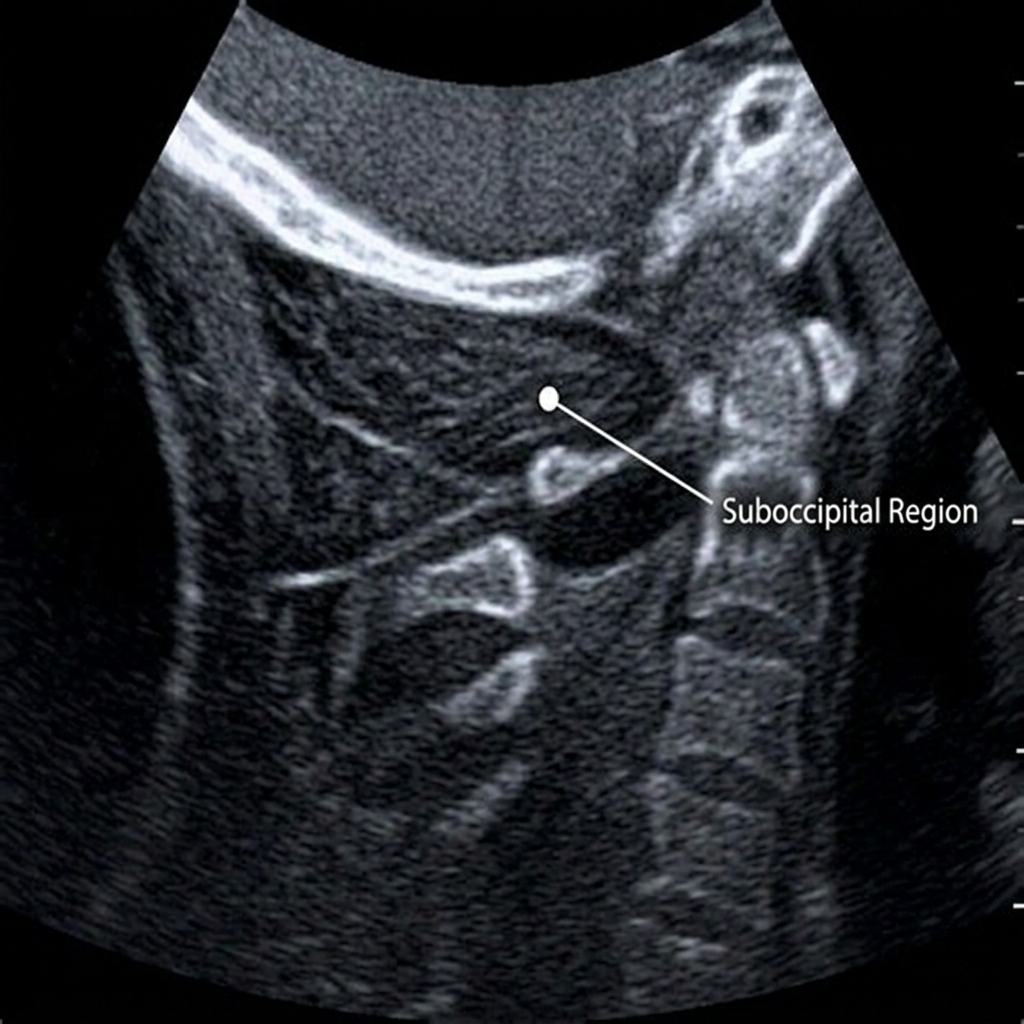
I saw a statistic that made me sick. Women who accept their neck hump as permanent lose an average of 73% of the necklines they used to wear within three years. Not 20%. Not 40%. 73%. I didn't believe it when I read it. I'd had my neck hump for almost three years and not one practitioner had ever explained what was actually driving it. But here's the truth. Your chiropractor adjusts your joints. Your posture specialist recommends exercises. The problem sits between them — at the exact suboccipital pressure points where the neurological lock lives — and nobody is paid to reach there. That's why most of us never heard this. That's why my mother never heard it either. My mother was part of that pattern. Four years of twice-weekly chiropractic. The tissue kept building anyway. I watched her quietly reorganize her entire visible life around a problem nobody ever directly addressed. I'm 61. Last month my specialist told me to increase my session frequency and add a brace protocol. I refused. And what I found instead… at a manual therapy conference three hours from home… took me from stepping back from every family photo to standing in the middle of my granddaughter's birthday party without a single calculation. No escalated protocol. No ongoing schedule. But to understand why I was desperate enough to drive three hours to a conference at 7 AM, you have to know what I watched that treatment do to my mother. And what I didn't know it was quietly doing to me too. For 4 YEARS… over a full thousand days… my mother was trapped on the adjustment protocol. Started with twice-weekly chiropractic. Her practitioner called it "the standard approach." Said she'd need to continue, but her measurements would stay managed. Her measurements did stay managed. Everything else kept building. Within the first six months she'd rebuilt her wardrobe entirely. Five blouses. All high-collared. Doctor said it was just adaptation to her changing posture. By year two she was stepping back from every photo without deciding to. Her presence at family events? Quietly reduced. This was a woman who had been in every family photo for thirty years. By year three she was always the one offering to take the pictures. Her silhouette changed. Her neckline changed. Her confidence changed. Everything we associated with how she moved through the world shifted to accommodate the same problem that never moved. And every time we brought it up, her practitioner said the same thing. "Her measurements are stable, Margaret. The tissue is a normal compensation. She needs to keep attending and doing her exercises." She was attending twice a week. Doing her exercises every morning. More wasn't the problem. My dad said it was like watching her disappear one neckline at a time. They had her on that protocol for FOUR YEARS. Four years of the tissue building. Four years of the wardrobe shrinking. Four years of appointments where they'd adjust the frequency or add a tool… but never once, not ONE TIME, did anyone say "Maybe something is wrong that this protocol isn't fixing." And the progression continued anyway. Four years of it. At a family reunion my dad grabbed my hand and said something I'll never forget. "For four years they told her her compliance was excellent, Linda. It was. But nothing changed. They were treating the wrong thing the whole time." So fast forward to three months ago. I'm 61. First noticed the rounding at 58. I've been a good patient. Attend every appointment. Wear the brace every day. Do my exercises before coffee. I've tried foam rollers. Cervical wedges. A $150 specialist. AIP posture protocols for nine months. Specific pillow for three years. I'm still progressing. I go to my quarterly assessment. My specialist pulls up my chart. Looks at me. "Linda, your attendance is excellent. But your forward head translation is up again. We should increase your session frequency. And I'd like to add a cervical traction protocol." My chest tightened. More sessions. Four years of watching my mother shuffle through family events in the same five blouses because she was managing a problem that never reversed. Four years of her stepping to the side in every photo. And the progression continued anyway. "No," I said. She blinked. "Excuse me?" "I'm not doing it. My mother was on this protocol for four years. I watched what it did to her. And I watched the progression continue anyway." She gave me that look. "Linda, we need to keep managing this. The escalation…" "What's the point of more appointments if they didn't reverse it for her?" She didn't have an answer. I told her to give me three months. She wasn't happy. Wrote something in my chart. I didn't care. For three months I did everything right. Cut all forward screen time in half. Added a different exercise program. Changed my workstation three times. Three months later I went back. Forward head translation up another 2mm. Tissue the same. Specialist pulled out her protocol pad again. "Linda, it's time." "Give me three more months." "Linda—" "Three more months." She sighed. I didn't care what she wrote. That night I couldn't sleep. I kept thinking about my mother. Same symptoms. Same compliance. Same measurements climbing despite faithful attendance. At 2 AM I gave up. Went downstairs. Opened my laptop. I started searching. What actually causes the suboccipital contracture to keep pulling. Why the adjustment never touches it. Why some women keep progressing even when their attendance is perfect. Every site said the same thing. Keep attending. Do your exercises. Stay consistent. I'd done all of it. So I kept digging. Looking for people who'd actually solved this. Not managed it. Solved it. That's when I found the thread. A manual therapy forum post with over 2,000 comments. The title: "Why don't German women accept neck humps?" I almost scrolled past. But something made me click. Bavaria, Southern Germany. Cervical hyperkyphosis rates 61% lower than comparable European populations. Not a little lower. Sixty-one percent. Person after person in the comments. Stories. Studies. Descriptions of elderly German women in their 70s and 80s maintaining natural head position while their American counterparts were in management protocols. Someone posted a link to a manual therapy conference being held that weekend. Three hours from me. I looked at the clock. 2:32 AM. By 7 AM I was in my car. By 10 AM I was there. I didn't know who to look for. Just walked through the conference until I found someone who looked like they'd been practicing for fifty years. First session I attended, there was a woman presenting at the front. Had to be past 70. Small. Precise. Silver hair pulled back neatly. She was demonstrating a manual technique and her hands moved like she'd been doing it for decades. No reading glasses. No hesitation. Just easy, deliberate work. I waited until her session ended. Walked up. "Excuse me," I said. "I don't want to bother you. But I've been managing a neck hump for three years. My mother managed one for four years. Nothing reversed it. My specialist wants me to escalate. I don't know what else to try." She stopped organizing her materials. Looked at me for a long moment. "You drove here for a reason," she said. "Sit down. I want to show you something." Her demonstration table was still set up. She gestured for me to lie back. "Your adjustment," she said. "It's mobilizing the wrong structure." I didn't fully understand. "There are two things happening in your neck. The joint. And above the joint, the suboccipital contracture at C1 and C2. Your adjustment addresses the joint." She placed two fingers at the exact base of my skull. "But the contracture that's been pulling your head forward and building tissue at C7 lives here. At these exact pressure points. Not at the joint. Here." "Your adjustment never reaches this location. It mobilizes what's above the contracture. Within 48 hours the contracted muscles re-tighten. The head drifts forward again. The tissue keeps building." I stared at the ceiling. "But the contracture… the lock… it needs a completely different input. Direct sustained compression at this exact location. Held for at least 8 to 10 minutes. With your own head weight providing the sustained downward force." She tapped the pressure points again. "That's the threshold at which the proprioceptive receptors activate. The neurological release signal fires. The muscles finally receive what they've been waiting for. And they let go." She leaned back. "That's why your compliance is perfect and your measurements keep climbing. You've been mobilizing the joint above the lock for three years. The lock has never been touched." My eyes started to burn. "That's why the brace doesn't hold. It supports the posture around the contracture. The moment you take it off the lock re-engages. That's why the foam roller doesn't work. It targets the thoracic spine. It never reaches C1-C2." She folded her hands. "None of those things touch the contracture. And the contracture is the only thing that matters." I asked her how she knew. She smiled. "I've been practicing manual therapy for 42 years. The first 30 in Munich. When the Heidelberg research came out documenting the suboccipital contracture mechanism, we changed everything. Every approach. Every protocol. We stopped managing around the lock and started releasing it directly." She looked at me. "American chiropractic training didn't cover this research. Most American practitioners still don't know it exists. So they keep mobilizing the joint above the contracture and charging for sessions that can't release what they're trying to address." I asked her what I should actually do. She walked to her bag. Pulled out a small tool. Two foam nodes. "This delivers what I just described. Exact C1-C2 placement. Gravity-assisted through your own head weight. Ten minutes before bed. Every evening." "That's it?" "That's all of it." I asked her if it actually worked. "It's been standard in German manual therapy for over a decade. Your mother didn't have access to it. You do." I ordered it from the conference room. Bottle — tool — arrived two days later. I used it the first evening. Lay back. Settled my head weight onto the two nodes. Felt the sustained pressure at the exact base of my skull. About 12 minutes in I felt something I hadn't felt in three years. A specific releasing at the base of my skull. The locked, dense quality that had been the first sensation of every morning — different. I sat up. Touched the back of my neck. Felt my head sitting differently. Too early to be sure. Week one. The morning tightness was quieter every day. I went to dress and reached for something without doing the neckline calculation first. I noticed halfway through that I hadn't checked. Week two. My husband looked at me across the dinner table. "You're standing differently." Week three. I measured my forward head translation. Down from where it had been for two years. I measured three times. Week four. I went to my daughter's house for Sunday dinner. Someone took photos. I was in all of them. In the middle. My daughter looked at me the way you look at someone when something has changed that you can't quite name. "Mom. You look like yourself again." My follow-up was at the end of month two. The specialist wrapped the assessment. Did it. Frowned. Did it again. "Your forward head translation has reduced. Your C7 tissue is measurably softer. What did you change?" I told her. The conference. The German specialist. The suboccipital contracture mechanism. The exact C1-C2 placement. The gravity-assisted delivery. The ten minutes. She typed. Nodded slowly. "Let's reassess in four weeks. If your measurements continue to improve… no escalation. No new protocol." Four weeks later my forward head translation was down another 3mm. No escalation. No increased schedule. That was four months ago. My measurements this morning are the best they've been since I first noticed the rounding. Thirty-eight pounds of tissue management gone from my schedule. Without another appointment. Without another tool aimed at the wrong structure. My neckline calculation stopped. I sleep through the night without the morning lock to anticipate. My wardrobe has opened back up. Last Saturday I took my granddaughter to the farmers market. Walked the whole thing. She took photos the whole time. I was in every one. She said "Grandma, you're different now." I didn't tell her I was crying behind my sunglasses. I called my dad that night. Told him my measurements. Long silence. "Your mother would be proud, honey. You found another way." If you're reading this, you probably see yourself in my story. Your measurements are "stable" and you still feel the progression happening. Your wardrobe is shrinking and your practitioner has mentioned escalation or a new device or more frequency. You've tried the exercises. You've tried the brace. You've tried the foam roller. You've tried the contour pillow. Maybe two of them. Maybe all of them. They didn't work. But now you know why. You weren't reaching the suboccipital contracture. You were applying pressure to the joint above it. Your sessions kept your compliance record clean and your contracture completely untouched. And your tissue has been building this whole time… just like my mother's was… waiting for a release that never came. Cevera is different. Exact C1-C2 anatomical placement, not general cervical contact. Gravity-assisted delivery through your own head weight, not manual pressure that fades. 10-minute protocol, not a brief session that doesn't reach threshold. Engineered specifically for suboccipital contracture release, not general posture correction. One purchase. No subscription. No recurring schedule that costs thousands a year and produces management instead of release. Try Cevera for 90 days. Measure your forward head translation every Sunday morning. Check whether the morning tightness is quieter. Ask your specialist to reassess at day 60. If the tissue isn't softening, if your measurements haven't improved, if the neckline calculation is still happening automatically… full refund. No questions. You're at a crossroads. One path. Keep attending. Watch the measurements stay the same or climb. Add the escalated protocol when the progression continues. Add the next device when that doesn't hold. Spend the next several years paying for appointments that mobilize the joint above the contracture while the lock stays active. End up where my mother did. Another path. Try what I tried. Release the contracture directly. Let your head position return to where it belongs for the first time in years. Track your measurements. See what changes in 90 days. I chose the second path. It gave me my neckline back. And it may have changed everything. The posture treatment system isn't coming to save you. Your chiropractor isn't looking at your contracture. Your posture specialist isn't releasing it. Nobody is reaching C1-C2. Every year you wait is another year your contracture stays active. Another year your tissue consolidates. Another year closer to becoming the pattern I refuse to follow. My mother didn't have this information. You do. — Dorothy Callahan 👉 https://trycevera.com/pages/adv-womens-wellness-report P.S. The morning tightness was different within the first session. Forward head translation down measurably by week four. No escalation at month two. Measurements continuing to improve at month three. Your timeline might be different. But you won't know until you try. P.P.S. My older sister Carol started using Cevera eight weeks after I did. She's 64. Measurements improving. Wardrobe opening back up. Last Sunday she called me crying. "I'm not going to end up like Mom." Neither am I. Neither should you.
Like this ad? Make it yours.
Crush rebuilds this exact creative around your product — your brand, your colors, your offer — in about a minute.