Her Health Hub
Her Health Hub Facebook ad: “What Dermatologists WON'T Tell You About Underboob Rash”
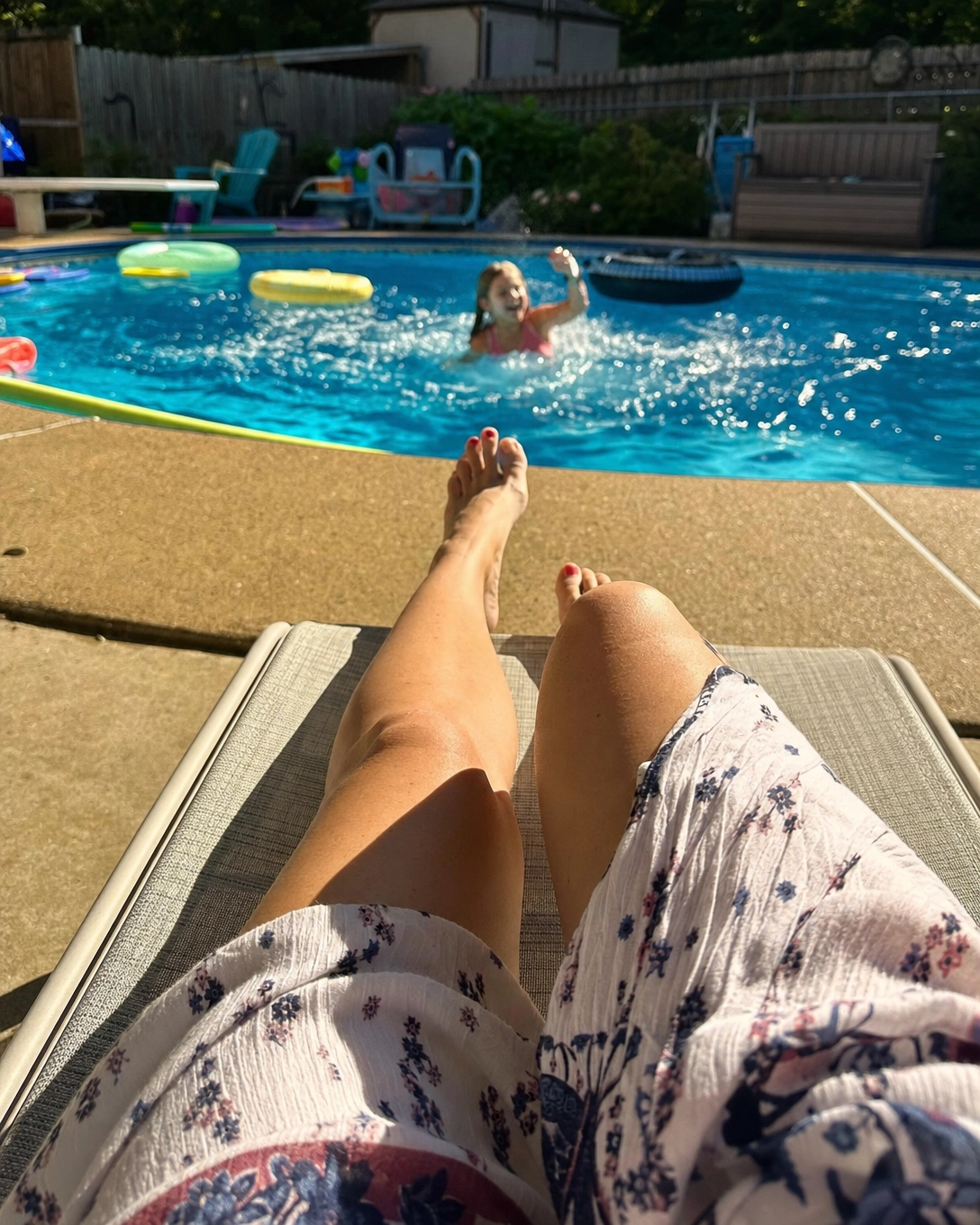
Ran for 30 days, from May 19 to June 17, 2026, the last day Crush saw it.
Run by Her Health Hub on Facebook. Crush is not the advertiser and does not verify its claims. See this ad in Meta's Ad Library(opens in a new tab)
Want an ad like this for your product?
Crush makes new ad images for your product from this ad: your logo, your product photo, your offer.
Trials from $19.95 USD, then $79.95 USD a month. Cancel anytime.
About this ad
- Meta Ad Library ID
- 1461127121928104
- Platforms
- Facebook, Instagram, Audience Network, Messenger and Threads
- Relaunches
- 1
Ad text
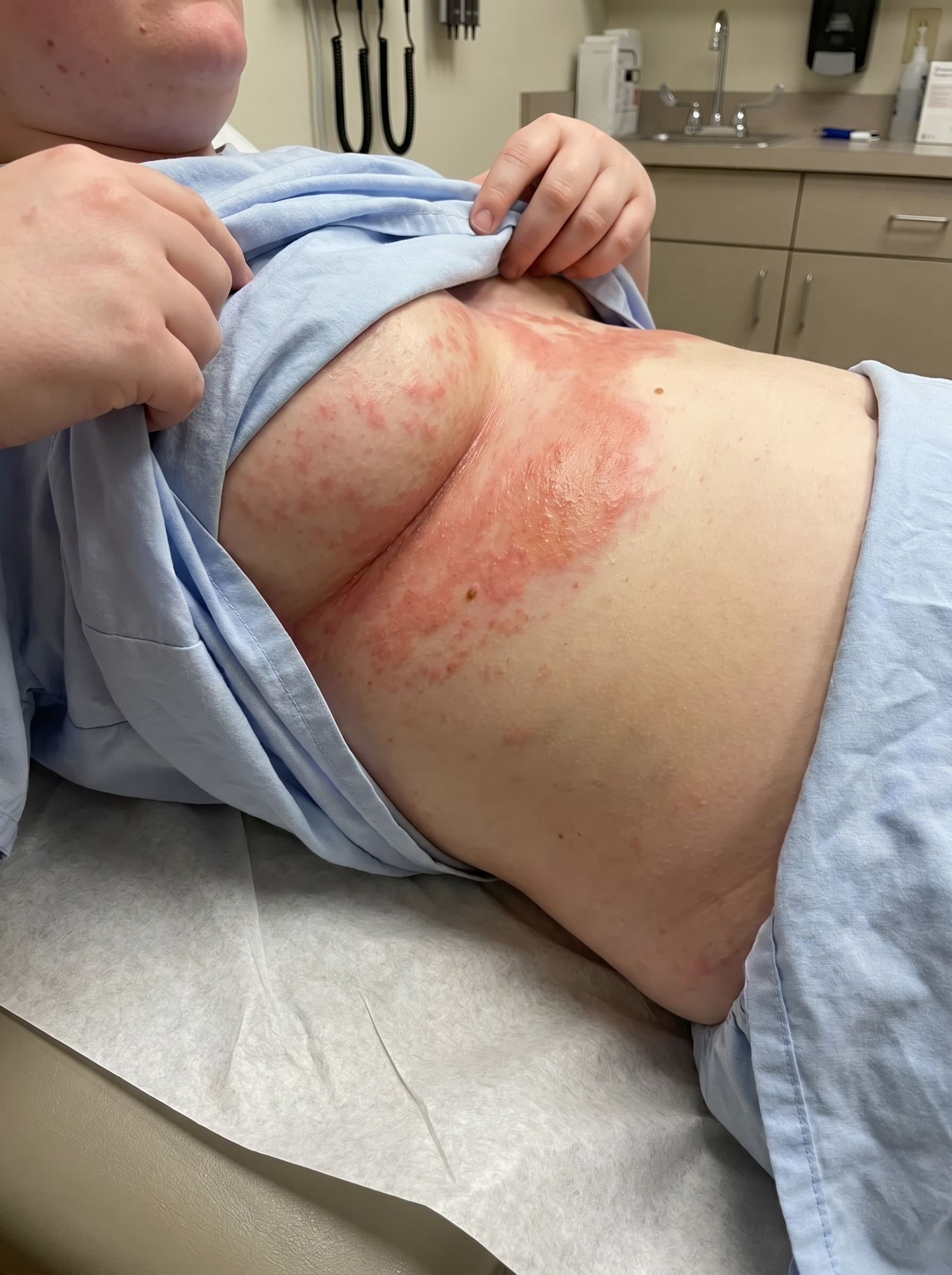
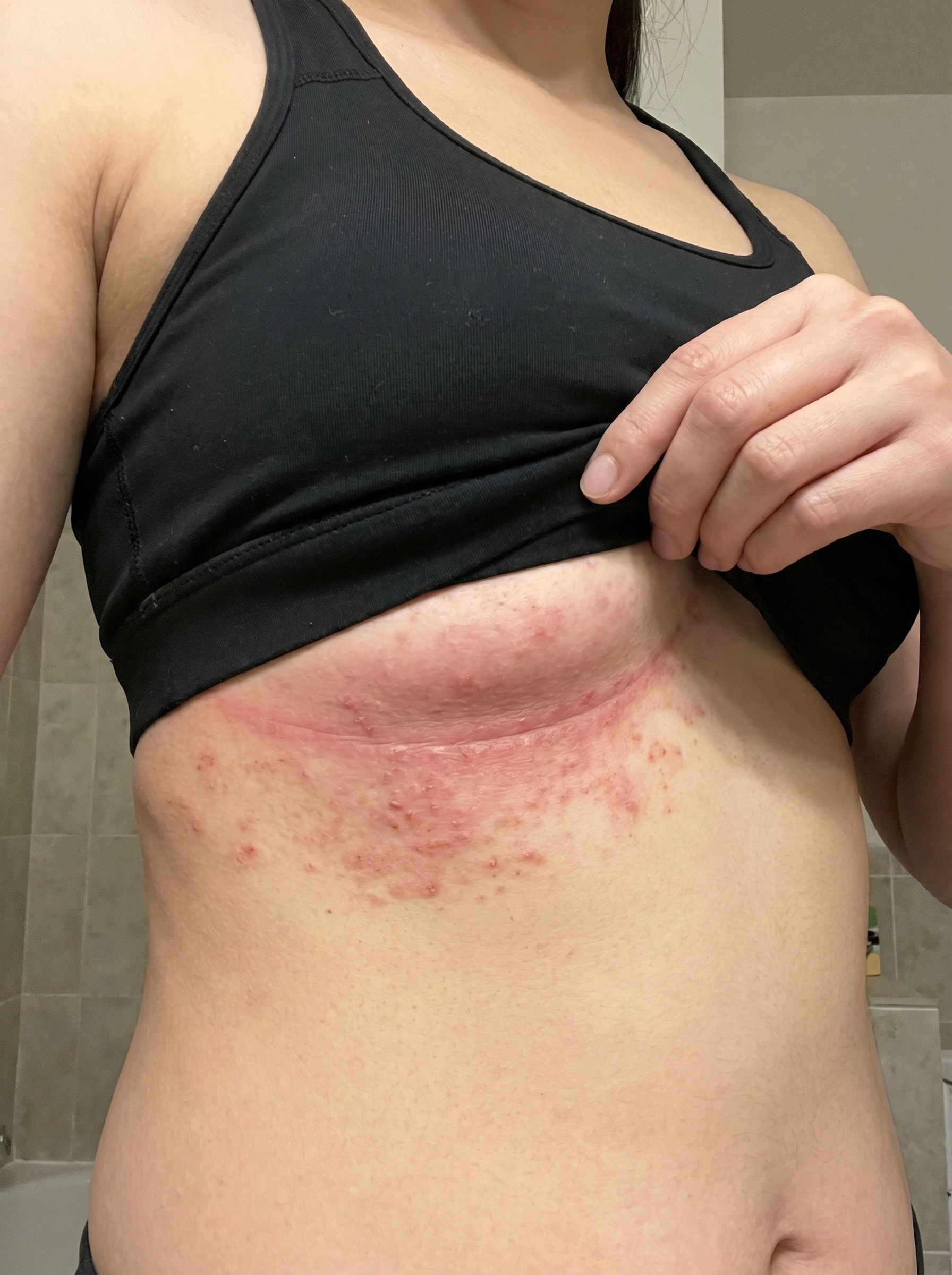
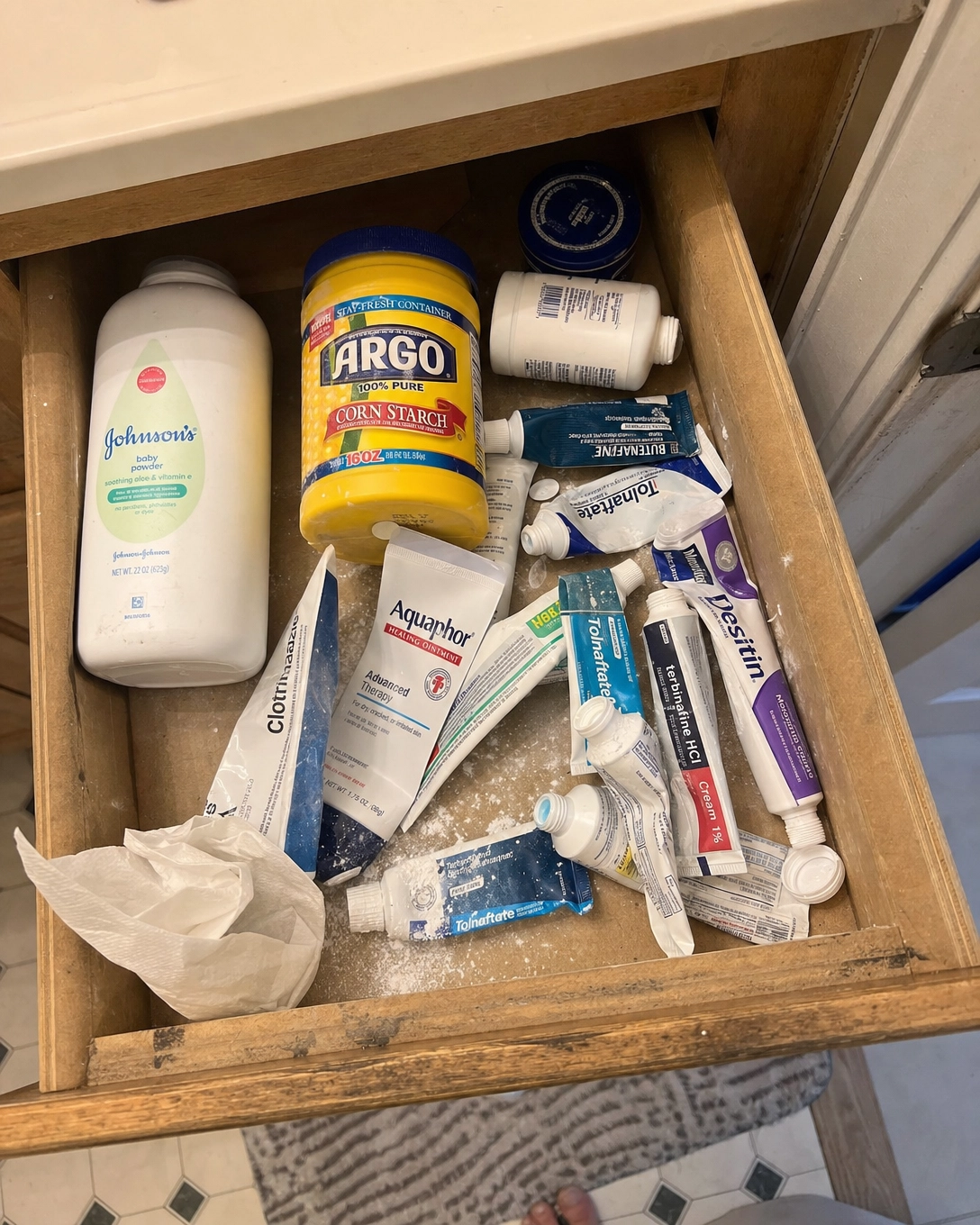
My Husband Of 22 Years Has Never Seen My Bare Chest In Daylight. He thinks I'm modest. I let him think that. The truth is I've been hiding something under my shirt for twelve years. And I have built my entire marriage around making sure he never sees it. Not at the beach. Not in our bedroom with the curtains open. Not in the shower. Not once in 22 years. I'm writing this because last Sunday something happened. And I can't stop thinking about it. And because I figured something out about my mother that I need every woman reading this to know. My mother died not knowing it. And I'm not going to let that happen to me. And I'm not going to let it happen to you. So I'll just say it. It's a rash. That's all. Sounds so stupid when you say it like that. A rash under my breasts. The kind every woman I've quietly asked about has had at some point. Red. Itchy. Sometimes it cracks open. Sometimes it smells like vinegar. And sometimes it just sits there. Pink and angry. Reminding me it's there every time I move my arms. I've had it on and off for twelve years. Mostly on. The "off" months I just call good months. And here's the part you already know if you have this. It's not the rash that ruins your life. It's everything you do to hide the rash. The way you stand in front of your closet every morning. And you reach for the loose shirt. Again. The way you sit at dinner. The way you angle yourself in photos. The way you don't get in the pool with your kid. The way you lock the bathroom door even when you're home alone. The way you check your shirt in every mirror you walk past. The way you smell yourself in elevators. The rash is two square inches of skin. The hiding is your whole life. And while you're doing all that hiding, three things are happening that nobody is telling you. One. Your body isn't broken. The rash isn't because you're dirty. It's not your weight. It's not your bra. Those are the lies they've been telling women for forty years. And they are still telling them today. Two. Your doctor is not going to fix this. Not because she doesn't want to. Because nobody has taught her what's actually going on under there. She'll look at it for ninety seconds. Write you the same prescription she wrote the last woman. And look at her watch. Three. There's a drugstore aisle full of creams and powders and gels that profits every single month this stays unsolved. Every tube you buy. Every powder you replace. Every prescription that works for three weeks and then stops. That is the business model. They don't want it fixed. They want it managed. And managed means you keep buying. So let me tell you what I figured out. Because the day I figured it out I sat on my bathroom floor and cried for forty-five minutes. And then I got angry. And I'm still angry. And I want you to be angry too. Because angry is the thing that gets you out of this. So let me tell you about my mother. Because she's the reason I'm writing this. And because if you have what I have, you probably had a mother who had it too. And you just didn't know. My mom died four years ago. Pancreatic. It was fast — eight weeks — and the whole time she was sick she never once mentioned the rash. I didn't even know she had a rash. Like I said, I just thought she was a private person. She slept in long nightgowns. She wore a swim shirt at the beach. She never changed in front of me. Not once. Not even when I was little. I figured that's just how some women are. But then last Sunday, when I was sitting on the edge of my bed in that dress, and my hand went to the drawer for the paper towels the way it has gone a thousand times before, something clicked. And I remembered the roll of Bounty in my mother's nightstand drawer. The one I asked her about when I was nine and she changed the subject. The one that was still there, half used, when we cleaned out her room after she died. My mom had what I have. She had it for forty years. And she never told her own daughter. I want you to sit with that for a second. Because I had to sit with it. My mother and I talked on the phone every Sunday for thirty years. We talked about everything. My marriage. Her marriage. Money. The kids. Politics. We talked about her diagnosis the day she got it. And she never, in forty years, told me about the thing under her shirt. That is how deep the shame on this runs. A woman will tell her daughter she has pancreatic cancer before she'll tell her she has a rash under her breasts. And I almost did the same thing to my daughter. That is the moment I got angry. Not frustrated. Not sad. Angry. Because somewhere along the way somebody decided this thing women have been quietly dealing with since the beginning of bras was too embarrassing to talk about. And so we don't talk about it. And so we hand it down. Mother to daughter. Generation to generation. Like a hair color. Like a recipe. Except nobody hands you the recipe out loud. You just figure it out yourself. In your own bathroom. At 6 in the morning. With a roll of paper towels in your hand. So I'm talking about it. Right now. Out loud. Because my mother didn't get to. And your mother probably didn't either. And somebody has to be the one who says it. Okay. So. The doctors. If you have this, you already know what I'm going to say. But I want you to hear it from another woman so you know you're not crazy. I have been to three dermatologists in twelve years. The first was a man. He didn't even look up from my chart. He said, "Have you considered losing some weight?" I'm a size 8. I have been a size 8 since college. I walked out. The second was a woman. I had hope. She wrote me a prescription that cost $340 out of pocket because my insurance wouldn't cover it. When it didn't work, she said, "Some women just have skin chemistry that runs warm. Try to air it out more." I had been sleeping in nothing but pajama pants for two summers. There was no more air to give it. The third was younger than me. I thought, finally. A woman my age. She'll get it. I described the smell. I used the word vinegar. Because that is the word every single woman I've ever talked to about this uses. She looked at her watch. Not in a mean way. In a tired way. The way you look at your watch when you have a real patient in the next room. She wrote me the same prescription I'd already failed three times. And she stood up. The appointment was over. I sat in my car in that parking lot for a long time. And I did the math. My mother probably saw eighty pharmacists in her lifetime. None of them helped her. I had been to three of the most expensive dermatologists in my city. None of them helped me. So I asked the question my mother never got to ask. Because Google didn't exist when she was forty. Why does it always come back? And before I tell you what I found, I want to walk you through the graveyard. Because I know you have one too. I have tried, in twelve years: Baby powder. Cornstarch. (Turned to paste under my bra inside an hour.) Lotrimin. Monistat, off-label, because a woman on Reddit said it worked. Boudreaux's Butt Paste, because a pediatric nurse told me in a parking lot. Aquaphor. Desitin. Tinactin. Selsun Blue, applied like a body wash, because a woman on Quora swore by it. Head and Shoulders, same idea. Anti Monkey Butt powder. Which worked beautifully for three weeks every summer. And then just stopped. I have tried Lume. Which gave me a chemical burn so bad I cried in the shower at midnight and slept on a towel. I have tried the $340 prescription cream that made the skin under my left breast go a shade darker that has never come back. I have tried cotton bra liners. Bamboo bra liners. Flour sack towels cut into strips. Paper towels. (Yes. Paper towels. Same as my mom.) I have tried a hair dryer on the cool setting after every shower. I have tried two showers a day. I have tried no bra. I have tried sleeping topless. I have tried sleeping on my back so the area can air out overnight. Total spent across twelve years: $4,200. I added it up before I sat down to write this. That doesn't include the bras I had to throw out because the smell got into the fabric and never washed out. Twelve years. Four thousand dollars. Three doctors. One drawer full of half-used tubes. Zero solutions. If you're reading this and your drawer looks like mine, I want you to know something. You did not fail at solving this. You were sold a category of products designed to make sure you never solve it. So I went looking for an answer that wasn't in the drugstore aisle. I spent six weeks reading actual research papers on my couch at midnight. The kind of papers with words I had to look up. And I found something I had never seen mentioned in any conversation about underboob rash. Ever. Not by a doctor. Not by a pharmacist. Not on any product label. A word. One word. Biofilm. Here's what it means. In language a tired woman can use at 11 at night. The fungus and yeast that grow in skin folds — the stuff causing your rash — does not just sit on your skin like dust waiting to be wiped off. It builds. It organizes. It secretes a kind of biological glue around itself, made out of proteins and DNA and sugars. And it forms what researchers call a biofilm. Which is a fancy word for a shield. A microscopic shield around the whole colony. A fortress. And here is the sentence that made me put the laptop down. Researchers have found that fungus inside a biofilm can be up to a thousand times harder to kill with regular antifungal creams than fungus that's exposed. A thousand times. Read it again. Because that one sentence explains your whole drawer. Every cream I had ever bought. The Lotrimin. The Monistat. The $340 prescription. The Boudreaux's. The Aquaphor. The Tinactin. Every single one of them was hitting the outside of a shield. They were not touching the actual fungus. They were killing maybe five percent of it. The exposed stragglers on the surface. And the protected colony underneath, behind its little fortress, was sitting there. Waiting. Two weeks. Sometimes three. And then it rebuilt. And the rash came back. And I blamed my hygiene. That is why it always comes back. Not because you stopped drying carefully. Because there is a fortified colony living in the exact same square inch of skin. Rebuilding the second you stop attacking it. The rash was never gone. It was hiding behind its shield. Waiting for you to stop attacking so it could put another wall up. My mother spent forty years being told to dry more carefully. The fungus had armor. Nobody told her. And there's a second thing I learned. And this is the one that made me actually furious. Not sad-furious. The real kind. Years of antifungal cream — especially the ones with steroids in them, which is most of the prescription ones — doesn't just fail to fix the rash. It actively damages the skin underneath it. The cream thins your outer layer of skin. The layer that's supposed to protect you from fungus in the first place. It strips out the lipids that hold that layer together. And here's the part that made me sit down on the bathroom floor. Damaged skin is easier for the fungus to move back into next time. Which means every cream I had been smearing on myself for twelve years had been quietly making my skin worse at fighting off the next infection. The treatment was part of the problem. I had been paying $340 a tube to make myself more vulnerable to the thing I was paying $340 a tube to fix. The medical literature already knows the fix for damaged skin. There's a compound called ceramide. It's the thing CeraVe built a billion-dollar brand on. Ceramide rebuilds the matrix that years of harsh creams strip out. Glycerin and gentle oils hold moisture without giving the fungus a swamp to live in. But nobody — nobody in the underboob aisle at any drugstore I have ever walked into — has ever put a biofilm-disruptor and a barrier-repair ingredient into the same product. Not one. The antifungal aisle is one place. The skincare aisle is another. They live on opposite sides of the store. And nobody had ever thought to put them together. Until somebody did. I was scrolling through a forum at 2 in the morning. One of those private ones where women talk about things they won't talk about in front of their husbands. And a woman about my age, in Phoenix, mentioned a small company called Veloma. She said it was a soap. I almost closed the tab. Because I'd tried medicated soaps. Selsun in the shower. Head and Shoulders on my chest. Hibiclens, which a friend's sister-in-law swore by. None of it had worked. But then she said two things that made me stop scrolling. First, the soap contains compounds studied for disrupting fungal biofilms. The shield. The actual armor I had just spent six weeks reading about. Not just killing surface fungus the way every other antifungal does. And second, it contains ceramide. Plus olive oil and glycerin. To rebuild the skin barrier that twelve years of harsh creams had stripped down to nothing. Those two things, in the same bar of soap. That is what made me try it. I bought it that night. I want to walk you through what happened, because I had to walk myself through it twice to believe it. Week one. The itch quieted. Not gone. Quieted. The way a dog stops barking when it realizes you're not the threat. Week two. The redness flattened on the left side first. The right side took longer. That's the side with the old damage from the $340 cream. Week three. Sunday morning. I got out of the shower. I dried off. And my hand reached for the drawer for the paper towels. The way it does every single morning of my life. The way my mother's hand reached for hers for forty years. And I stopped. Because I didn't need them. I want to tell you I cried. It would make a better story. What I actually did was stand there for a long time with my hand on the drawer, and I thought about my mother. And about the roll of Bounty in her nightstand. And about the forty years she spent not knowing the fungus had armor and the armor could be dissolved. That's the part I keep coming back to. Not that it worked for me. That it could have worked for her. Forty years earlier. Week six. I wore a fitted shirt to dinner. My husband noticed. He didn't say anything. He just put his hand on my back the way he used to before this whole thing started. Week eight. I got in the pool with my daughter for the first time in nine summers. She did not say anything either. She just looked at me for a second and then went back to splashing. I am crying right now writing that sentence. I'm sorry. I told you I would talk about this out loud. That includes the parts that still hurt. I want to be straight with you about a few things before I tell you where to find it. The first is this. I know what some of you are thinking right now. Because I thought it too. "It's a soap. If the $340 prescription cream didn't work, a bar of soap sure as hell isn't going to." I felt the exact same way. I almost didn't order it for that reason. But here is what I didn't understand until I read the research. The prescription creams aren't failing because they're not strong enough. They are some of the strongest antifungal compounds money can buy. They are failing because they are attacking the wrong target. They are trying to kill the fungus. But they are not dissolving the shield around it. So the strongest cream in the world bounces off the same shield the cheapest one does. Veloma doesn't work because it's "natural." It works because it's built around a different target. The shield. Not the fungus. That is the entire difference. The second thing. I know what some of you are thinking. Because women in the forum I found this in were saying it out loud. "Yeah but my rash is worse than yours. Mine is really bad. This probably works for mild cases. But mine is too far gone." I thought that too. I genuinely believed my left side was beyond fixing. Here is the thing. The mechanism doesn't care what your rash looks like. It cares what's causing it. And if what's causing it is a colony hiding behind a biofilm — which it almost always is, in any chronic case — then your severity just means that colony has been rebuilding longer. That's all it means. It doesn't mean you're unfixable. It means you've been attacking it wrong for longer than the woman next to you. The third thing. This isn't a magic bar of soap. If you've been hiding this for ten years like I had, the damage to your skin barrier didn't happen overnight, and it isn't going to fully repair overnight either. Veloma is not going to clear in three days what twelve years of cortisone did to your skin. What it does — and what the research on the mechanism predicts it should do for women like us — is two things in sequence. It goes after the biofilm so the colony loses its shield. And it puts ceramide back into a barrier your previous treatments stripped raw. So that takes a few weeks. If you've been at this for a decade, a few weeks is nothing. You've already given this rash a decade. You can give it three weeks. The fourth thing. The discoloration. I know some of you are looking at darker patches under your breasts right now and wondering if any of this even matters. Because the rash might go away but the skin won't. I had the same fear. The skin under my left breast still hasn't come all the way back. It's been seven months. It's still maybe a half-shade darker than the right side. And honestly? I don't care anymore. Because it's healing. It looks like skin again. It doesn't crack. It doesn't smell. And even if it never goes back to exactly what it was before I started using harsh creams on it, that's fine. The alternative was spending the next forty years hiding the way my mother did. That is not an option anymore. The fifth thing. The money. One bar lasts me about five weeks. So yes, if you keep using it the way I do, that works out to around $21 a month. I want you to do the same math I did. Because the math is the whole point. I added it up before I sat down to write this. Twelve years. Roughly $4,200. Between the powders and the creams and the prescriptions and the bras I had to throw out because the smell got into the fabric. Roughly $21 a month. For twelve years. And I still had the rash. So this isn't more expensive than what you're already spending. It's the same money. It's just the first thing that actually works. The sixth thing. Maintenance. Because I know you're wondering what happens when you stop using it. The first bar is about breaking the colony down. Dissolving the shield. Giving your skin barrier a chance to rebuild. After that I use it a few times a week. Not every day. Just to keep things in check. The colony doesn't rebuild because I'm not letting it. I don't care if I have to use a bar of soap a few times a week for the rest of my life. That isn't the same thing as hiding under paper towels every morning for forty years. That trade is the easiest trade I've ever made. And the last thing. The 30-day guarantee. Use the whole bar. Every day. If the rash isn't calming down, if the smell is still there, if you don't feel different by the time the bar runs out, you send back what's left and you get your money back. The $340 prescription cream that didn't work had a no-returns-on-opened-pharmaceutical-product sticker on the box. This one doesn't. I want to tell you one last thing. Because if you have what I have, you need to hear it. This thing doesn't hold steady while you figure it out. Every month you keep using the wrong creams is another month the colony rebuilds its shield thicker. Another month the steroids thin your skin a little more. Another month the damage compounds. Another month closer to the version of this my mother had at sixty-four. When the skin underneath her left breast had gone permanently dark and the rash never fully cleared between flares anymore. That is not where you want this to end up. I almost ended up there. My mother did end up there. The cascade doesn't wait while you decide. So if you recognize yourself in any of this… The drawer of half-empty creams. The bras you've thrown out. The husband who stopped touching your chest. And neither of you talks about why. The daughter who asks why you won't get in the pool. The mother you suspect had this too. But you'll never get to ask. Then I want you to do one thing. Stop attacking the rash on the surface. Start dissolving the armor it's been hiding behind. You can find Veloma at the link below. It's the version I used. If there's a code running this week, use it. The bar lasts about five weeks. I'll end where I started. My husband of 22 years has never seen my bare chest in daylight. By next summer, he will have. That's all I wanted. For twelve years. I hope you get there too. 👉 https://veloma.store/products/veloma%E2%84%A2-antifungal-soap-copy P.S. I know what you're thinking. Because I thought it too. Here are the things I would have asked before I clicked. P.P.S. "I have sensitive skin. Eczema. Rosacea. I can't try one more thing that's going to burn me." I have eczema. The first week I used it I was scared every single morning. It's a gentle bar. Olive oil. Glycerin. Ceramide. No sulfates. No fragrance the way you'd think of fragrance. The ceramide is the same compound dermatologists recommend for skin that's been stripped down. If anything it's gentler than the soap you're using on your face right now. P.P.P.S. "My doctor said it's just yeast / just intertrigo / just heat rash." So did mine. Three of them. The label they put on it matters less than the mechanism underneath. Yeast. Candida. Dermatophytes. They all build biofilms. They all hide. They all rebuild. The name of the organism isn't the lever. The shield is the lever. P.P.P.P.S. "It comes in discreet packaging, right? My husband doesn't know." Yes. Plain box. No labels on the outside that say what's inside. The first time it showed up, my husband asked what it was. I panicked for a second. I said "just a soap I'm trying." He said "cool" and walked away. That was it. Nobody cares about a bar of soap. The only person who's been thinking about this for twelve years is you. P.P.P.P.P.S. "What if it doesn't work for me?" 30-day guarantee. Use the whole bar. Send back what's left. You get your money back. The cream that cost $340 didn't offer that. This one does. P.P.P.P.P.P.S. "Will I smell like a medicine cabinet?" No. It smells like a clean, mild soap. The first night I used it I kept lifting my own shirt to check. Because for the first time in twelve years there was nothing to smell. 👉 https://veloma.store/products/veloma%E2%84%A2-antifungal-soap-copy
Where the ad sends people
veloma.store
What Dermatologists WON'T Tell You About Underboob Rash
Veloma
Shop now: veloma.store(opens in a new tab)