Holistic Wellness Report
Holistic Wellness Report Facebook ad: “The Preparation Step They Left Behind”
Ran for 8 days, from July 11 to July 19, 2026, the last day Crush saw it.
Run by Holistic Wellness Report on Facebook. Crush is not the advertiser and does not verify its claims. See this ad in Meta's Ad Library(opens in a new tab)
Want an ad like this for your product?
Crush makes new ad images for your product from this ad: your logo, your product photo, your offer.
Trials from $19.95 USD, then $79.95 USD a month. Cancel anytime.
About this ad
- Meta Ad Library ID
- 1463640479116282
- Platforms
- Facebook, Instagram, Audience Network, Messenger and Threads
- Relaunches
- 1
- EU reach
- 13
Ad text
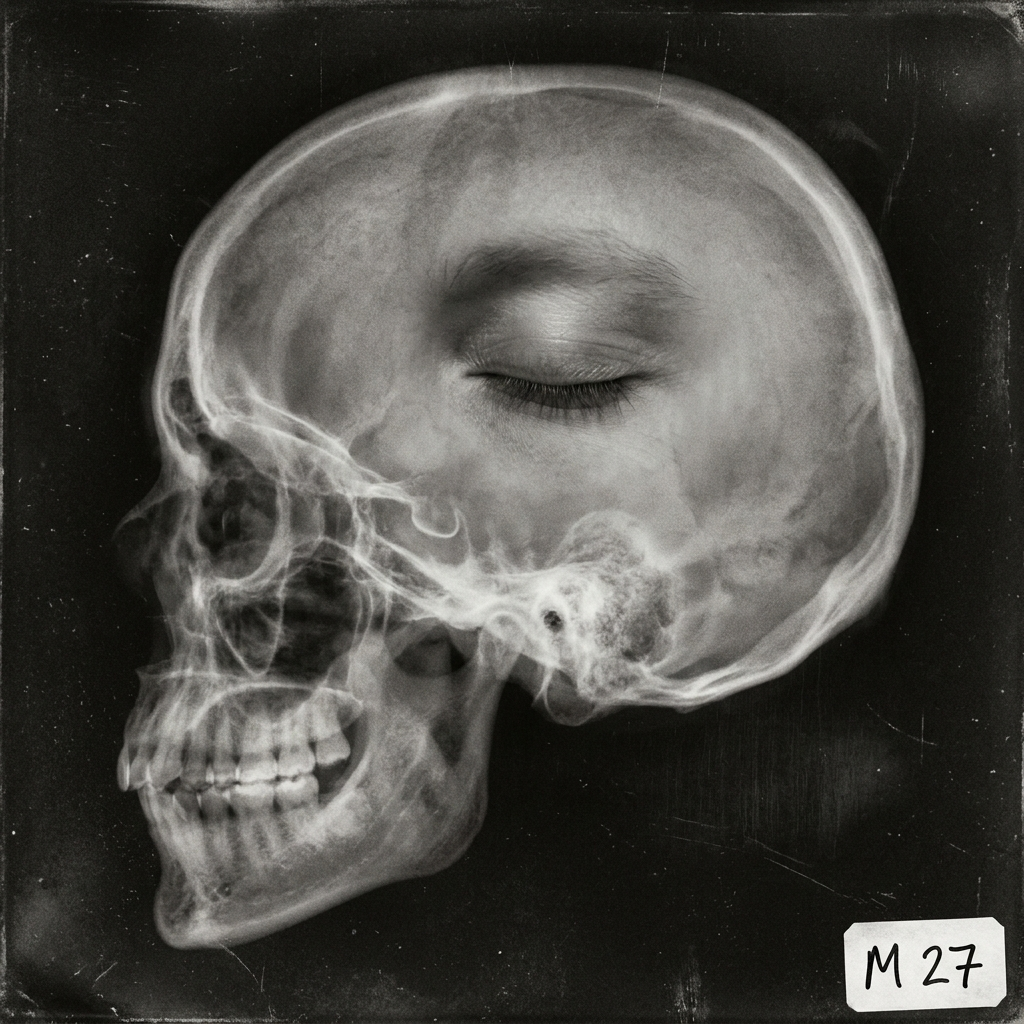
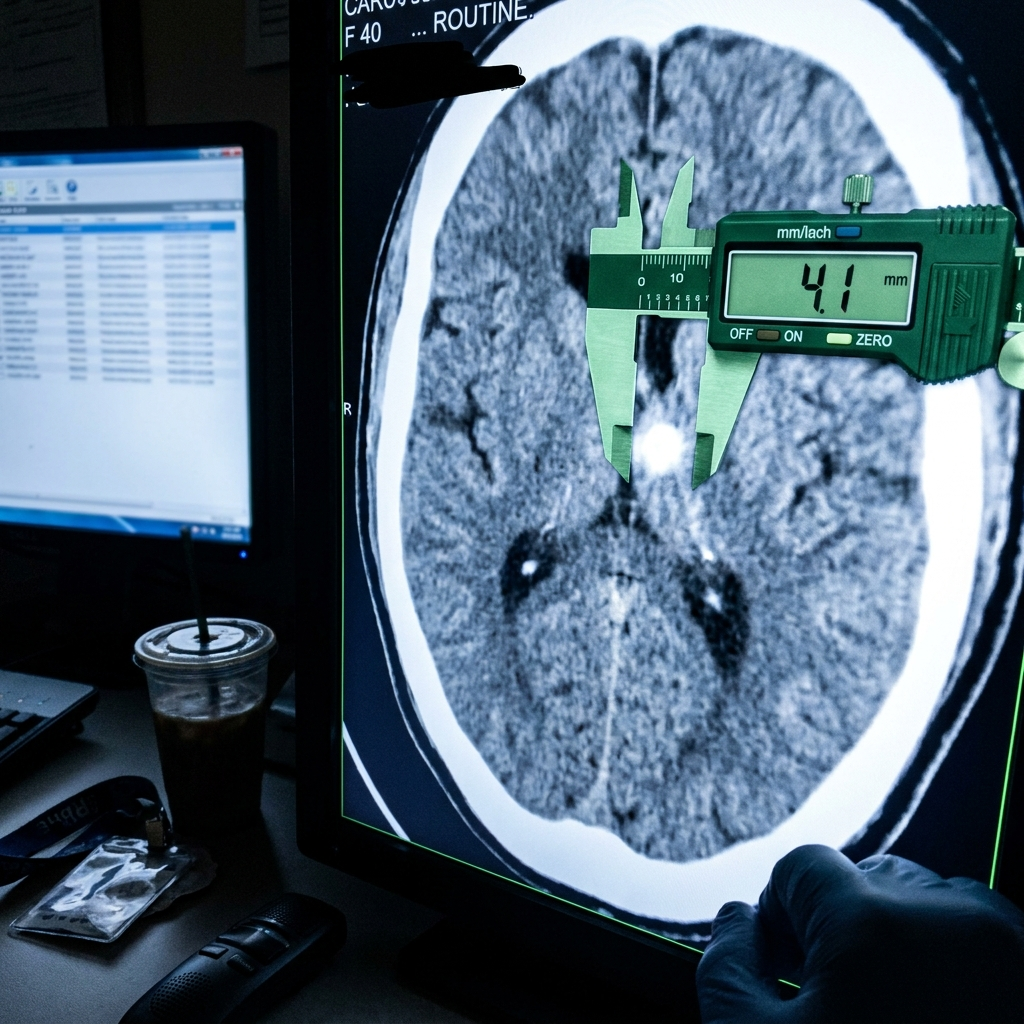
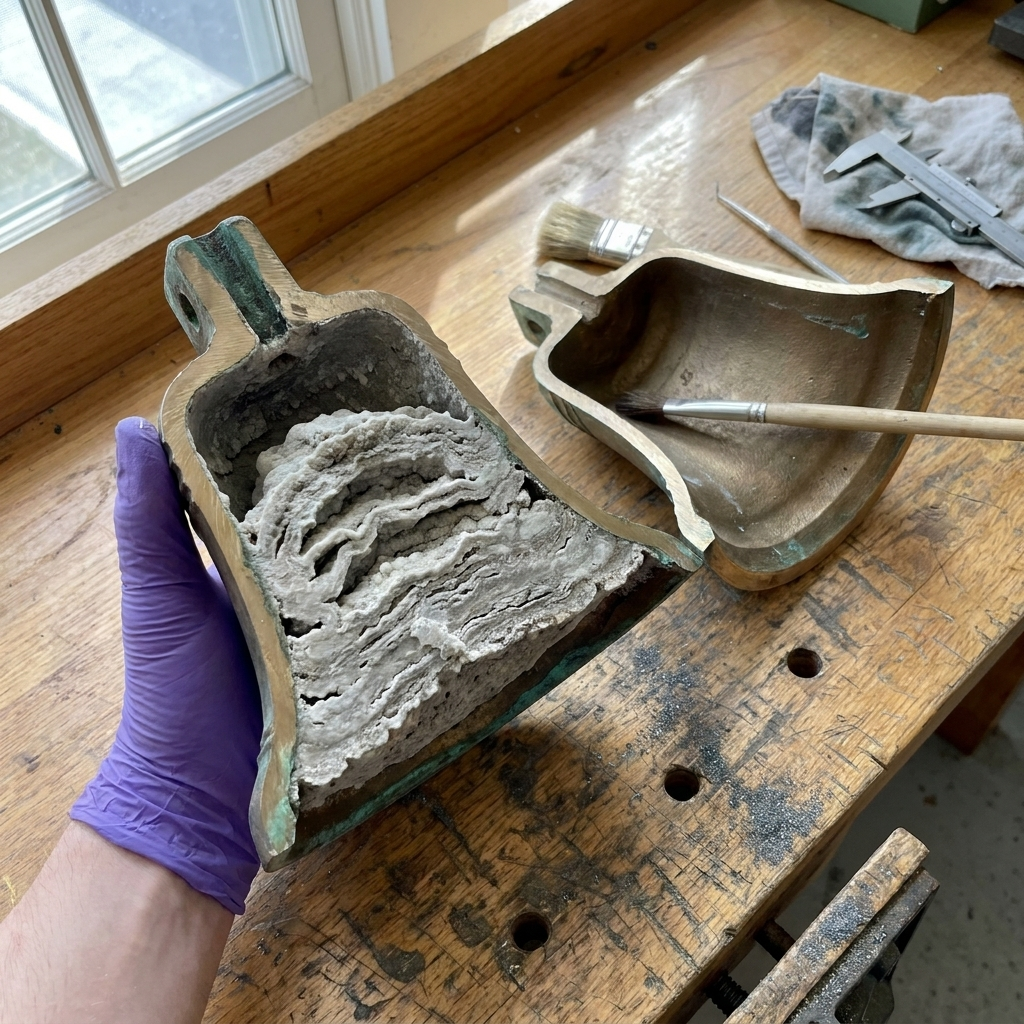
Every tradition that ever taught meditation also prescribed a substance to take before practicing it. Read that again. The monks who invented the practices you've been doing for years did not sit down on raw hardware. There was a preparation step — a physical one — written into the oldest medical texts on earth as mandatory. When the West imported meditation in the sixties, the practices made the trip. The preparation didn't. So an entire generation is running monk software on unprepared hardware, blaming themselves when the signal never comes. The apps don't mention it. The $200 courses don't mention it. The gurus telling you "it takes decades" definitely don't mention it — decades is their subscription model. I found the missing step at 2:47 in the morning, three years into my practice, and I've been angry about it ever since. I'm 27. I've been on this path for a little over three years — actually on it, not aesthetically on it. I know you're skeptical. Good. This space is full of grifters and I'm about to name some of them, so skeptical is exactly the right setting. Here's my resume. Over 1,000 logged meditation sits. Breathwork most mornings. Fluoride-free toothpaste since 2023, a water filter I saved two paychecks for, fasting, cold showers, a dream journal I bought specifically to record the lucid dreams everyone promised. That journal has 9 entries in it. Nine. In three years. And here's the moment I knew something was structurally wrong. I messaged a teacher I'd paid actual money to, and told him the truth: "Three years in. No dreams. Fog most days. Nothing is landing." His reply, word for word: "Trust the process. For some people it takes twenty years." Twenty years. I sat there staring at that message, doing the math on being 47 years old and still knocking on a door that never opens. That was the night I stopped trusting the process and started investigating the hardware. So let me tell you what the seeker economy actually sold us. I kept receipts. Here is what the courses don't do. They teach you to strike the signal harder — better technique, longer sits, new frequencies. They cannot remove a physical blockage from a physical gland, and not one of them tells you the blockage exists. Here is what the avoidance stack doesn't do. The toothpaste, the filtered water, the clean diet — I run all of it, and it matters. It stops NEW buildup. It dissolves nothing that's already there, and yours has been building since before you could walk. Here is what the DIY chemistry doesn't do: end well. A guy in one of my forums dosed himself with iodine every day to "decalcify" — gave himself hyperthyroidism. Real damage, real hospital. The target was right. The tool was a grenade. And here is what "trust the process" doesn't do: anything, by design. A door that never opens is a subscription that never ends. You know the arc because you're on it. Practice plateaus, so you buy the course. Course plateaus, so you question your discipline. Then your worthiness. Then one night you type the sentence into the search bar that I typed: "why is my third eye still blocked after years of practice." I've watched this arc eat people. A guy from my old group chat, 31, four years in, sold his cushion and now calls the whole thing "his phase" — you can hear the grief under the sarcasm. A woman on a forum, five years of daily practice: "My self-esteem is the same. My inhibitions are the same. Nothing changed." Hundreds of replies. Every single one blaming themselves. Not one of them was told about the cement. To be clear: I am not against the practices. They work exactly as designed — on prepared hardware. The monks proved that for two thousand years. But practice cannot do the preparation's job, and nobody in the industry gets paid to tell you that. Now the part you already half-know, with the receipts attached. The pineal gland. Pea-sized, dead center of your brain. It produces melatonin — your own, on your own rhythm, the kind that runs REM sleep: the dreaming state, where the brain processes emotion and where every lucid moment you've ever chased actually happens. It also produces trace amounts of DMT — the compound Dr. Rick Strassman at the University of New Mexico called "the spirit molecule." When every tradition on earth drew the third eye in the middle of the forehead, they were drawing this gland's street address. That part you knew. Here's the part with a lab coat on. In 1997, Dr. Jennifer Luke at the University of Surrey documented that fluoride accumulates in the pineal gland faster than in any other soft tissue in the body. Peer-reviewed. Replicated. Not a screenshot from a meme page — the actual radiology literature. The fluoride binds with calcium into hydroxyapatite. Hard crystal. The same mineral as your teeth, forming a shell around the gland — so predictably that radiologists use the calcified pineal as a landmark to orient brain scans. An antenna, poured in cement. One layer a year, every year, since childhood. The antenna still works — that's the cruel part. It's just broadcasting through concrete. Was it deliberate? I have my opinion, and you've probably got yours. Here's what I'll say in an ad that has to stay online: seventy years of water policy, a documented buildup in the exact gland every tradition called sacred, and total silence. Deliberate or negligent — the calcium doesn't care. It builds either way. The cement thickens in a sequence, which is why the losses have an order. Dreams go first — they're the antenna's clearest output. That's why your journal is blank; it's not a discipline problem. Intuition second. Flow third. The connection itself, fourth. By the time the practice feels like knocking on a sealed door, the dreams have been dark for years. Your hardware failed before your software ever got the chance. So the real question was never "am I practicing right." It was: does anything crack the shell. And this is where it gets interesting — because the answer was in the record the whole time, in the oldest medical text that survives. The Charaka Samhita, written around 300 BCE, prescribed one specific fruit to monks as MANDATORY preparation before intensive practice. They called it the King of Medicines. It cleared the channels that govern perception — their words, twenty-three centuries before anyone could scan a brain. Not optional. The prerequisite. Step zero of the entire path — and the step that never made it into a single Western meditation course. Modern chemistry explains what the monks knew by results. The fruit is dense in chebulic acid, chebulagic acid, and gallic acid — compounds that survive digestion, work through the gut, bind the garbage on the way, and cross the blood-brain barrier to attack the oxidative stress that drives the calcification. Plain English: it works on the cement. Not on your technique. The cement. And for anyone who needs it in Western credentials: the 2021 Nobel Prize in Medicine went to Dr. David Julius for the TRPV1 receptor — and chebulagic acid has demonstrated activity on that same Nobel-validated pathway. Twenty-three centuries of field use on one side. A Nobel-validated pathway on the other. That's not woo. That's a paper trail. November 2nd. 2:47 AM. Phone, dark room, dream journal on the floor where I'd stopped keeping it. I wasn't shopping. I was following the blockage question through forum threads, and someone linked a clip about the monk protocols — 1.2 million views. When I went back three days later to rewatch it, the account was gone. That did it. I pulled the actual sources — Luke's paper, the radiology literature, a translation of the Charaka Samhita — and read until sunrise. The mechanism first. Always the mechanism first. The fruit was called Haritaki. Finding a version of it worth swallowing took me two more weeks — because this part matters more than anything else I'll tell you. Most Haritaki on the market is exactly the grift you'd expect. The marketplace powders aren't standardized for chebulic acid — the active that does the work — and the compounds degrade with light and oxygen, so a lot of it arrives as expensive dust. In the "third eye" blends, Haritaki is ingredient seven of twelve, dosed for the label. And the sketchy "decalc protocols" pair it with chemistry that put that forum guy in an endocrinologist's office. I landed on Peptiques Haritaki, and here's the spec sheet, because that's all I trust. One ingredient — standardized Haritaki extract, the entire capsule. Third-party tested, results you can actually read. Vegan. Ships from the USA. One capsule a day. No 14-step protocol. No course upsell. No guru. The preparation the tradition demanded, without the industry that grew around withholding it. While vetting it I found a review from a verified customer named Monique, 71: "I thought it was age, but it wasn't. My dreams had gone completely dark. I would close my eyes and wake up to nothing. Haritaki brought them back, vivid and in color. I dream every single night again, at 71." Do the math with me. If the cement comes off at 71, at 27 it's barely set. And the guarantee — this is where I decided to call their bluff. Ninety days, 100% money back: if you don't get your dreams back fully, refund, even on empty bottles. Decades of buildup doesn't dissolve in a weekend; 90 days is what the biology needs, and they cover every day of it. A company only writes that check if the product works or they bleed out in refunds. Either way, you're covered and they're exposed. I like those terms. Here's my log, entry by honest entry. Week 1: nothing. Sleep felt marginally heavier. I logged "no change" — after three years of lying to myself about progress, I'm done counting noise as signal. Week 2, night 9: the first dream in eleven months. A staircase in a house I've never been in, and I could feel the grain of the railing. Not lucid. Not epic. But recorded — entry ten, in a journal that had nine entries in three years. Week 3: dreams three nights out of seven, detail surviving into the morning. And during the day: one clean gut read about a person in my life that turned out exactly right. The signal, faint but online. Week 4 is the one I need you to hear. My older brother — the guy who's called all of this "your monk phase" for three years — watched me across the rack at the gym and frowned. "You're different lately," he said. "Sharper. You look awake." Then, no idea what he was even confirming: "Whatever you changed — keep doing it." He doesn't know about the capsules. The biggest skeptic in my life read the change off my face before I said one word. Weeks 6 through 8: my sits broke the plateau — same twenty minutes, entirely different depth, like the door finally had a handle. And the one that can't be faked: night 44, I looked at my hands in a dream, counted six fingers, and KNEW. First lucid dream of my life. Forty seconds long. I've been chasing it for three years; the hardware delivered it in six weeks. Two futures. I stood at this fork in November, so I can describe both. Future A: you keep striking a cemented antenna. Another course, another guru, another decade of "trust the process" while the shell thickens a layer a year. Slowly, the fire becomes embarrassment. The cushion goes in the closet, the journal stays blank, and "my phase" becomes how you let people describe the realest thing you ever attempted. The dreams — the last proof the signal exists — go permanently dark, and you quietly rejoin the sleepwalk you swore you'd escaped. And one day you stop trying. Not dramatically. Just quietly, because you ran out of reasons to keep trying things that never worked. Future B: 90 days. The dreams come back first — texture, color, the grain of a railing. The shell keeps thinning after that. The intuition comes online as a signal you can act on. The practice starts paying like everyone always promised it would. And one day the biggest skeptic you know squints at you and says, "You look awake" — with no idea what he's confirming. Then the work you've already put in starts compounding. Not because you finally found discipline. Because the hardware was finally prepared. I think about what I almost accepted. Not quitting the path — that's not the point. I almost accepted a sealed door as a verdict on my worthiness when it was cement with a documented mechanism; I almost became the guy who gave up on the path because nobody told him the path required preparation. If you want to run it yourself, here it is, no funnel games. One bottle of Peptiques Haritaki is $42.95 — 52% off list. The bundles are the real math: Buy 2 Get 1 Free at $86.95 (68% off) or Buy 3 Get 2 Free at $130.95 (71% off), free shipping. I bought the 90-day supply, because the experiment is 90 days and I don't run half experiments. The guarantee, one more time, because it's the whole risk equation: dreams don't come back fully, you send back the bottles — empty ones included — full refund, no questions. Call their bluff. That's what I did. One ingredient. Vegan. Third-party tested. Ships from the USA. That's the entire label — the opposite of every proprietary-blend grift in this space. Small batches, and it sells out — my second order took nine days to ship. If the page shows stock, that's the window. Last night I stood inside a dream, looked at my hands, and knew exactly where I was — three years of work finally landing on hardware that could receive it. P.S. Run your own baseline tonight, free: journal your dreams for 14 nights, scoring each morning 1–10 for vividness and recall. Uncalcified sleepers score 7–9. If you're at zero after years of practice — that was never your discipline. That's the shell. Ninety days is what the biology needs; that's exactly what the guarantee covers. (And don't touch the iodine protocols. Seriously.) P.P.S. The shell can be cracked at 27. It can be cracked at 37. It gets harder at 47. Your teacher said twenty years. The monks said start with the fruit. The window is open right now — use it.
Where the ad sends people
trypeptiques.com
The Preparation Step They Left Behind
Peptiques®
Learn more: trypeptiques.com(opens in a new tab)