Uproot Clean
Uproot Clean Facebook ad: “What I Never Told Pet Owners Until Last Year”
Ran for 25 days, from April 10 to May 5, 2026, the last day Crush saw it.
Run by Uproot Clean on Facebook. Crush is not the advertiser and does not verify its claims. See this ad in Meta's Ad Library(opens in a new tab)
Make your own version of this ad
Crush makes it, launches it in your own Meta ad account, scales the winners and pauses the losers.
About this ad
- Meta Ad Library ID
- 1463881471260946
- Platforms
- Facebook, Instagram and Messenger
- Relaunches
- 2
- Niche
- Pets
Ad text
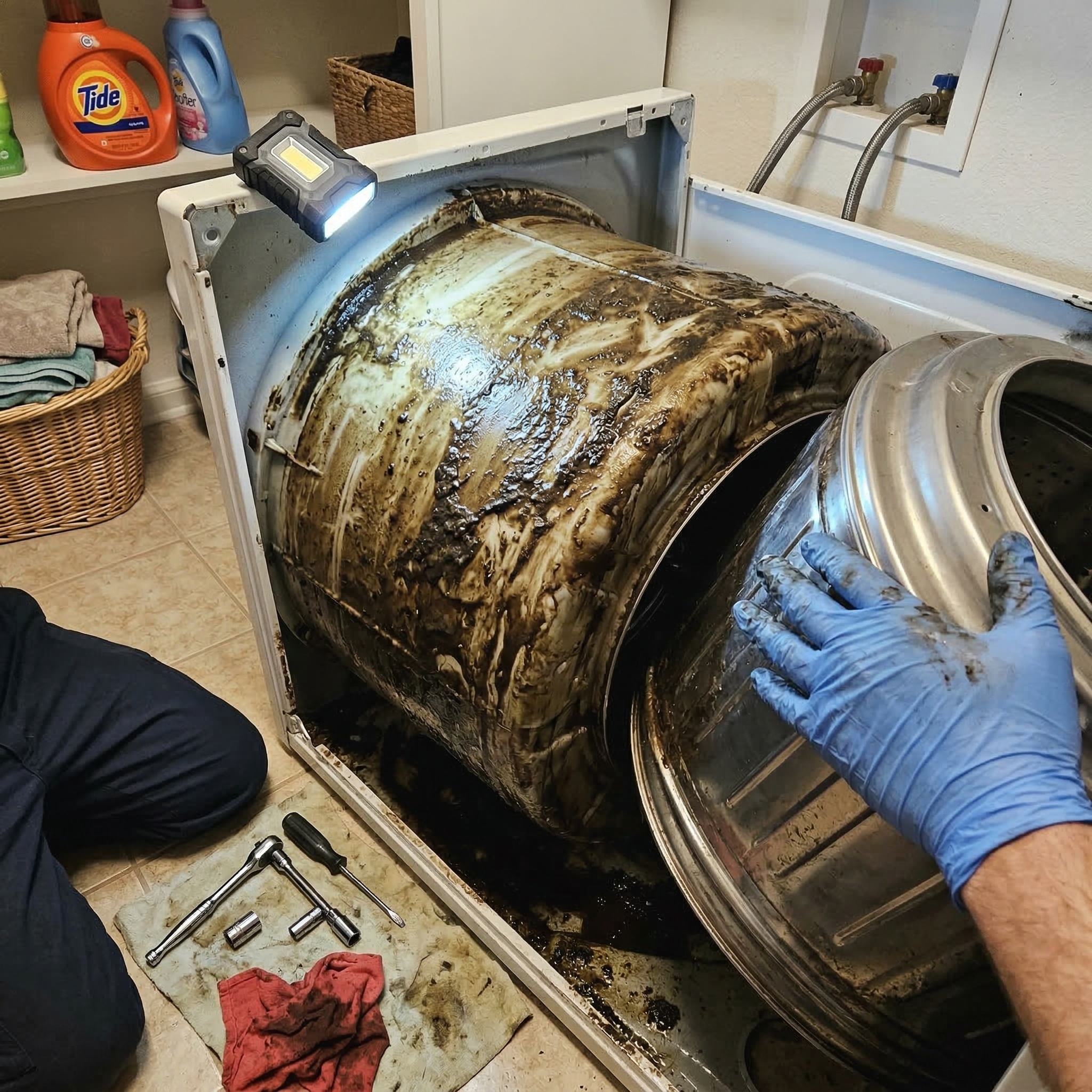
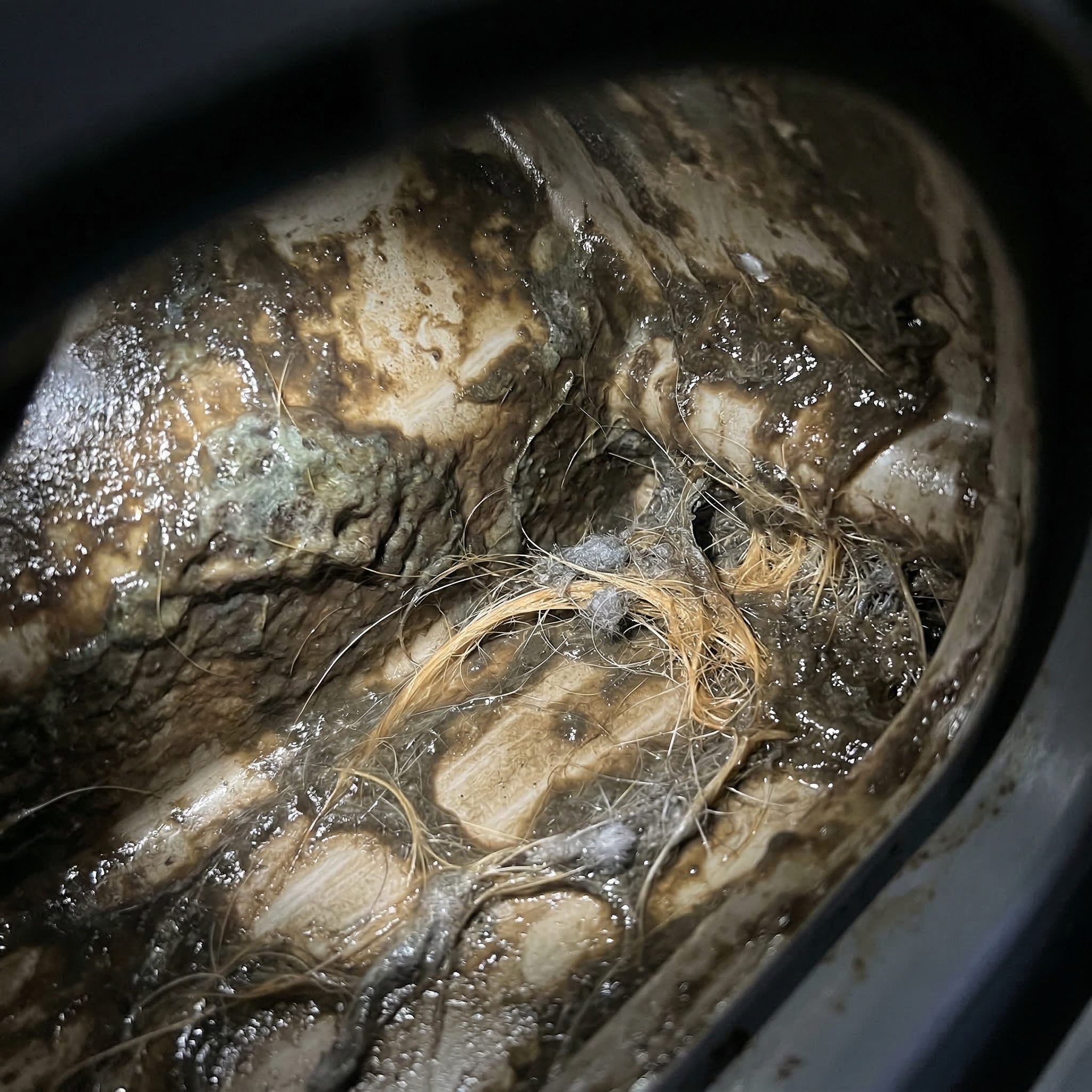
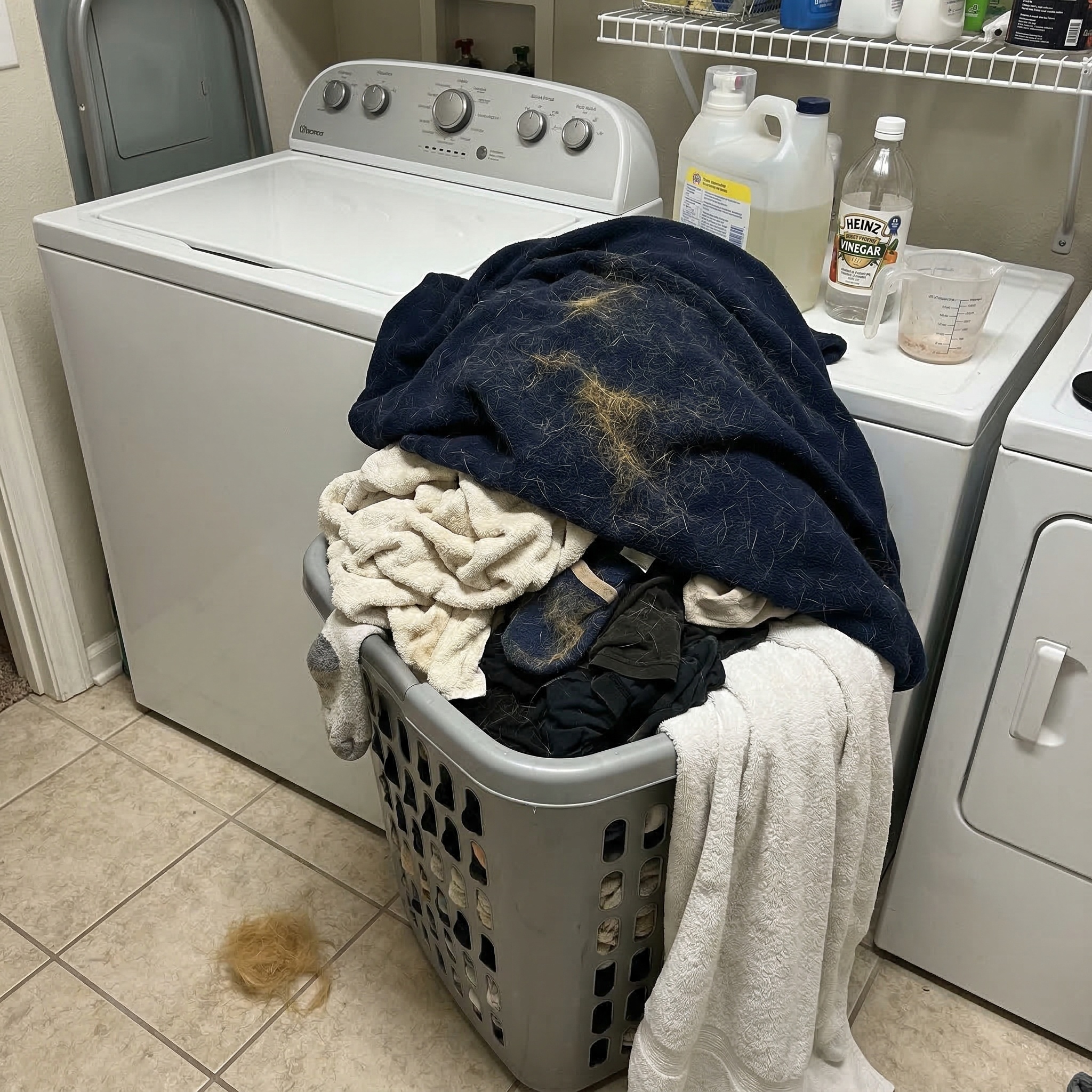
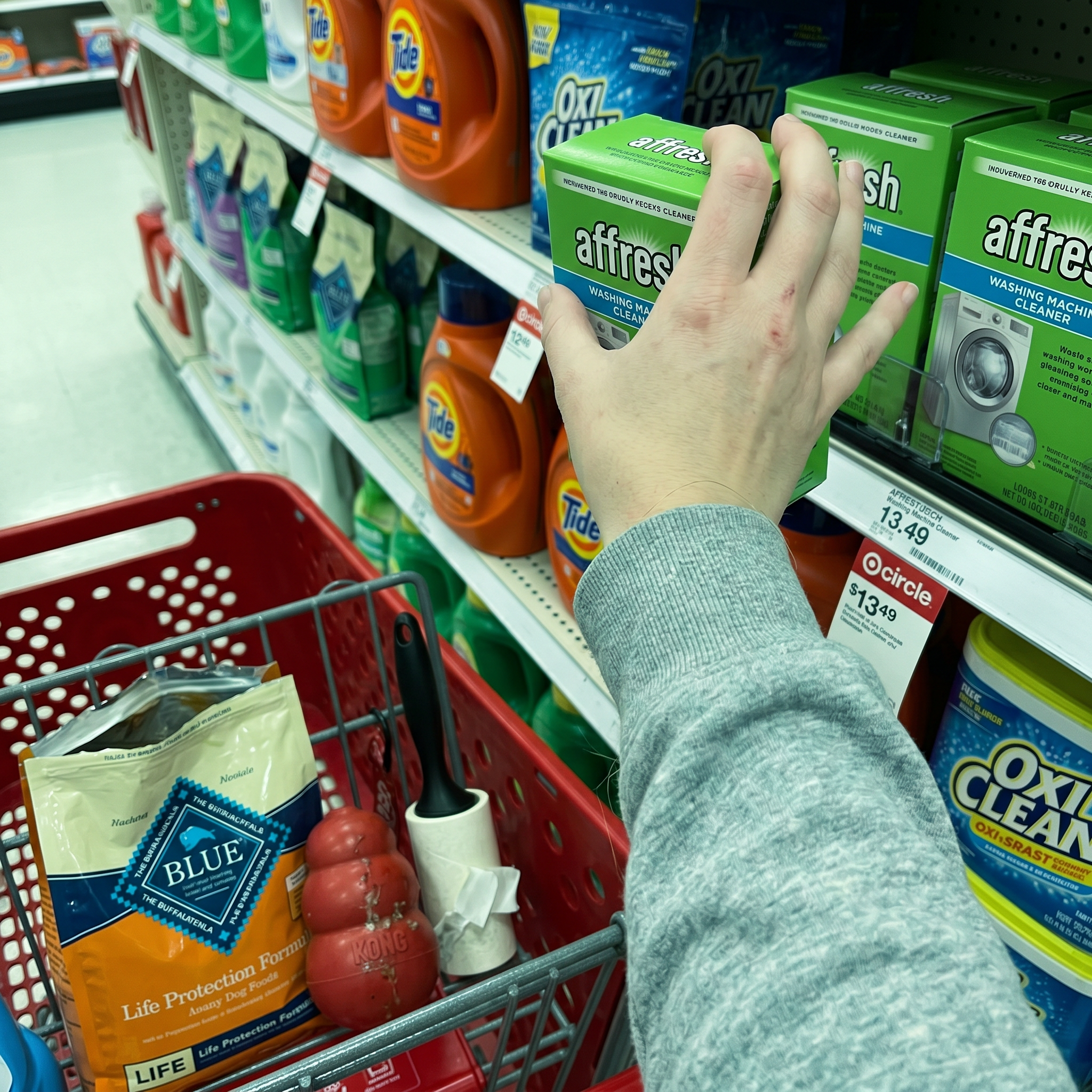
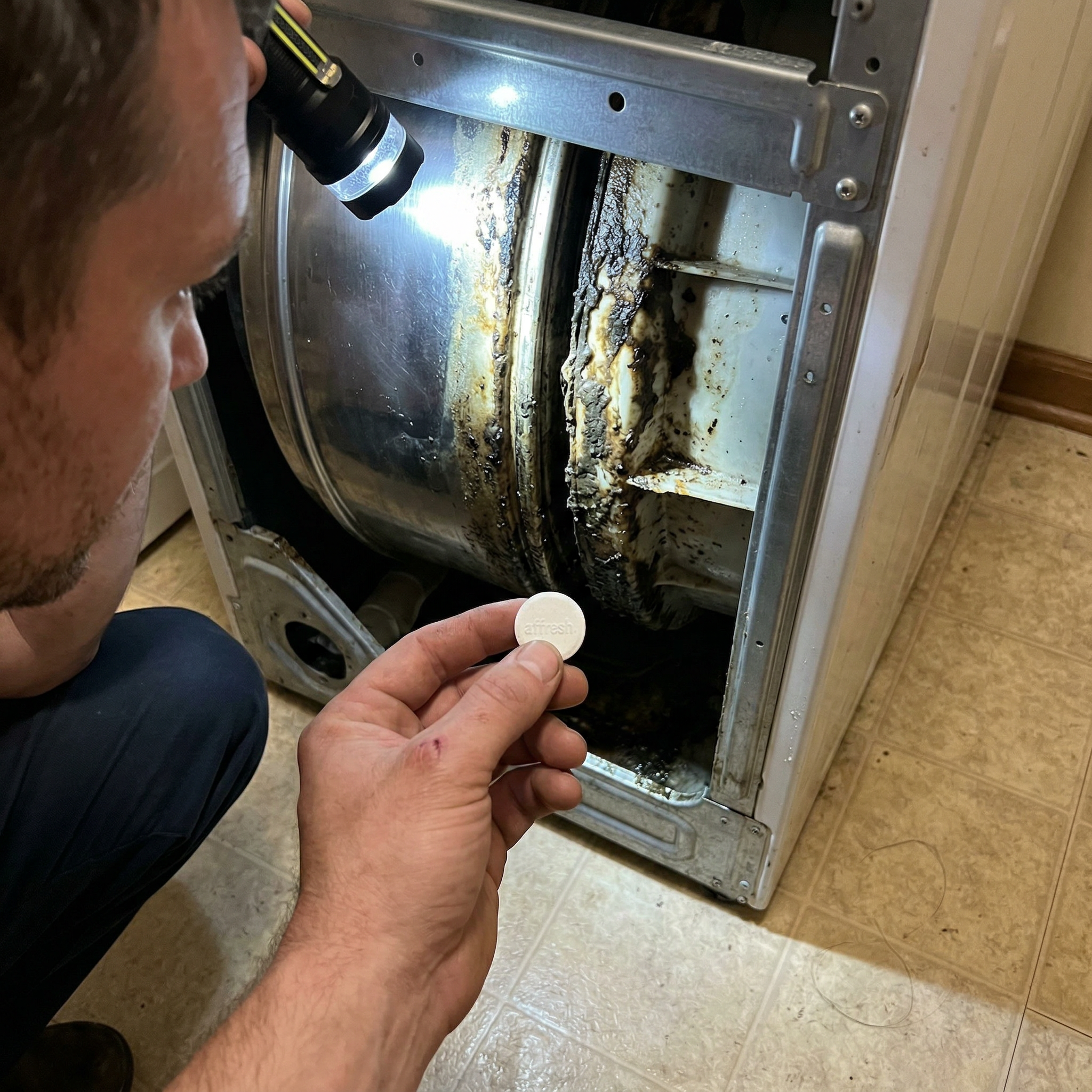
For most of my 19 years repairing washing machines, I didn't have a single product I could recommend to pet owners whose laundry smelled musty, no matter how often they cleaned their machine. Everything on the market was formulated for soap scum and mineral deposits, not the biological buildup that pet households create inside the sealed parts of the drum that no brush or cleaning cycle can break down. I’m Danny. I work out of a van near Jacksonville, Florida. I've been repairing washing machines for over 19 years, and I thought I'd seen every version of this problem until a woman in Ponte Vedra called me last October about a front-loader that was barely eleven months old. She told me on the phone she had two labs, that her towels and bedding smelled musty within an hour of coming out of the dryer, and that she'd already tried everything before calling me. And she meant everything. She ran a vinegar cycle every Sunday morning. Wiped the rubber gasket with diluted bleach after every single load. Left the door cracked open between washes. Ran the self-clean setting twice a month. Bought Affresh tablets from Target. Switched detergents three times. She even started pulling the lint trap and rinsing it under hot water after every use. That's more than 90% of the customers I visit have ever done. Most people try one or two things and give up. This woman had a full weekly routine, and she'd been doing it consistently for months - but it didn't matter. When I pulled the rear panel off her machine, the buildup between the inner drum and the outer housing was some of the heaviest I'd seen all year, and this machine wasn't even a year old. She bought it brand new specifically because her old machine had the same problem, and she thought a new one would fix it. Eleven months later, same smell, same frustration, same cycle of cleaning something that never actually gets clean. Here's what I showed her, and what I show almost every pet owner I visit. There's a sealed space inside your washing machine between the drum you load your clothes into and the outer housing that holds the water. You can't see it with the door open, can't reach it with a brush or a rag, and most people don't even know it exists. But water flows through that gap every single cycle. And when it does, it carries whatever's dissolved in the wash water right along with it, including the stuff that comes off your clothes, your pet's bedding, and anything else in the load. In a home without pets, that space still collects residue over time. It's a slow process, sometimes taking years before it gets bad enough to notice. But in a home with pets, it happens in months - sometimes weeks. Here's why. Dog hair doesn't just rinse off and go down the drain. It breaks apart in the wash water. The oils from the coat and skin, the dander, the microscopic fibers, all of it dissolves and separates into the water during the cycle. And because that water flows through the sealed gap behind the drum, all of that organic material ends up settling on surfaces you'll never see and can't physically reach. Load after load, it builds - and it becomes a living layer of biological residue that feeds on exactly the kind of material pet households produce in every wash. That's your smell. Not your detergent, not your water, not your dog. It's what's been building inside the parts of the machine that nothing you're using was ever designed to break down. And I mean nothing. Vinegar flows through those same channels with the water, but vinegar is a simple acid. It was made to dissolve mineral deposits and soap scum. It makes contact with the biological buildup but can't do anything to it, because that's not what it was formulated to break down Baking soda does the same thing. Dissolves, flows through, touches the residue, and does absolutely nothing to it because it's a mild alkaline that was never designed for living organic material. The self-clean cycle runs hot water through the system, but the buildup in there actually thrives in warm, wet environments. Running a hot cycle over it is like watering a weed and expecting it to die. And every store-bought tablet or pod I've ever tested? Formulated for soap scum and hard water residue. They dissolve in the drum, flow through the same water path, reach the same buildup, and can't break it down because they weren't built for what pet households create. That's the part that used to eat at me the most. I could open a machine, point directly at the problem, explain exactly what it was and exactly why nothing they'd tried could break it down, and then walk out the door without a single thing to hand them I started feeling so bad about it that I stopped charging for those calls entirely. I couldn't justify taking someone's money just to tell them their problem was real, and I didn't have a fix. But that changed about a year ago… I was at a regional training event, the kind where a bunch of repair techs get together, swap notes, and talk about what we're seeing in the field. Someone had brought a disassembled front-loader drum and was showing the group what the sealed gap looked like before and after using a specific cleaning tablet. The before looked like every pet household machine I'd ever opened. A thick, dark, biological layer caked onto every surface the water touches. The after didn't look like the same machine. I asked what the product was. He told me it was an enzyme-based tablet made by a small company out of Florida, specifically formulated to dissolve in the wash water, travel through the sealed internal channels where everything else flows through without affecting the buildup, and actually digest the biological layer at the source. Not mask it. Not rinse past it. Break it apart at a level that no amount of scrubbing, soaking, or vinegar cycling can match. I didn't fully understand the science behind it, and I still don't. I fix machines, I'm not a microbiologist. But I'd seen enough store-bought cleaners fail inside enough machines to know that what he was showing me didn't look like anything I'd seen before. I ordered a box that week and brought it to the woman in Ponte Vedra. The one with two labs and the weekly cleaning routine and the eleven-month-old machine that already had heavier buildup than units I'd seen running for three years. She ran one tablet through a hot cycle and sent me a photo of what collected in her drain filter afterward. Dark, chunky, biological debris, mixed with pet hair that had been living behind her drum and contaminating every single load she ran, including the ones she washed right after her Sunday morning vinegar ritual. She called me four days later and said something I've heard dozens of times since then but never get tired of hearing: "My towels just smell like towels." I started recommending it to every pet parent I visited after that. A guy with a German shepherd told me his wife had been rewashing their daughter's school uniforms two or three times every week, trying to get the sourness out. One tablet, and she went from three washes to one. Their daughter told them the uniform smelled different. It didn't smell like anything. It was just clean. A woman with two huskies and a five-year-old Samsung said she'd given up washing the dog beds in her machine entirely because the smell would transfer to everything in the next load. A week after running the tablet, she washed the dog beds and then immediately ran her guest towels in the same machine. No smell. No transfer. Nothing. Every single one of them had tried the same list first. Vinegar, baking soda, self-clean, detergent switch, gasket wipe, the full internet checklist. None of it worked because none of it was ever formulated to break down what was actually growing in there. The product is called Uproot Washing Machine Cleaner. Same company that makes those pet hair removal tools, but they followed the research on what's actually happening inside these machines and built something specifically to target it. I don't sell it. I don't have a code or a commission. I fix washing machines for a living, and that's all I do. But I stopped telling pet parents to run vinegar cycles. And I stopped feeling guilty about not having an answer, because now I do. If you've been dealing with musty laundry and you have pets in the house, I'd read this before you spend another dollar on something that was never built to break down what's actually growing inside your machine. https://uprootclean.com/products/uproot-washing-machine-cleaner-pro It explains exactly what's happening inside your machine, why pet households get hit harder and faster, and how this tablet breaks down what nothing else on the market can.
Where the ad sends people
uprootclean.com
What I Never Told Pet Owners Until Last Year
Uproot Washing Machine Cleaner Pro
Shop now: uprootclean.com(opens in a new tab)