
Inactive· since Feb 20, 2026
- 6
- days it ran
- 0
- relaunches
Ad copy
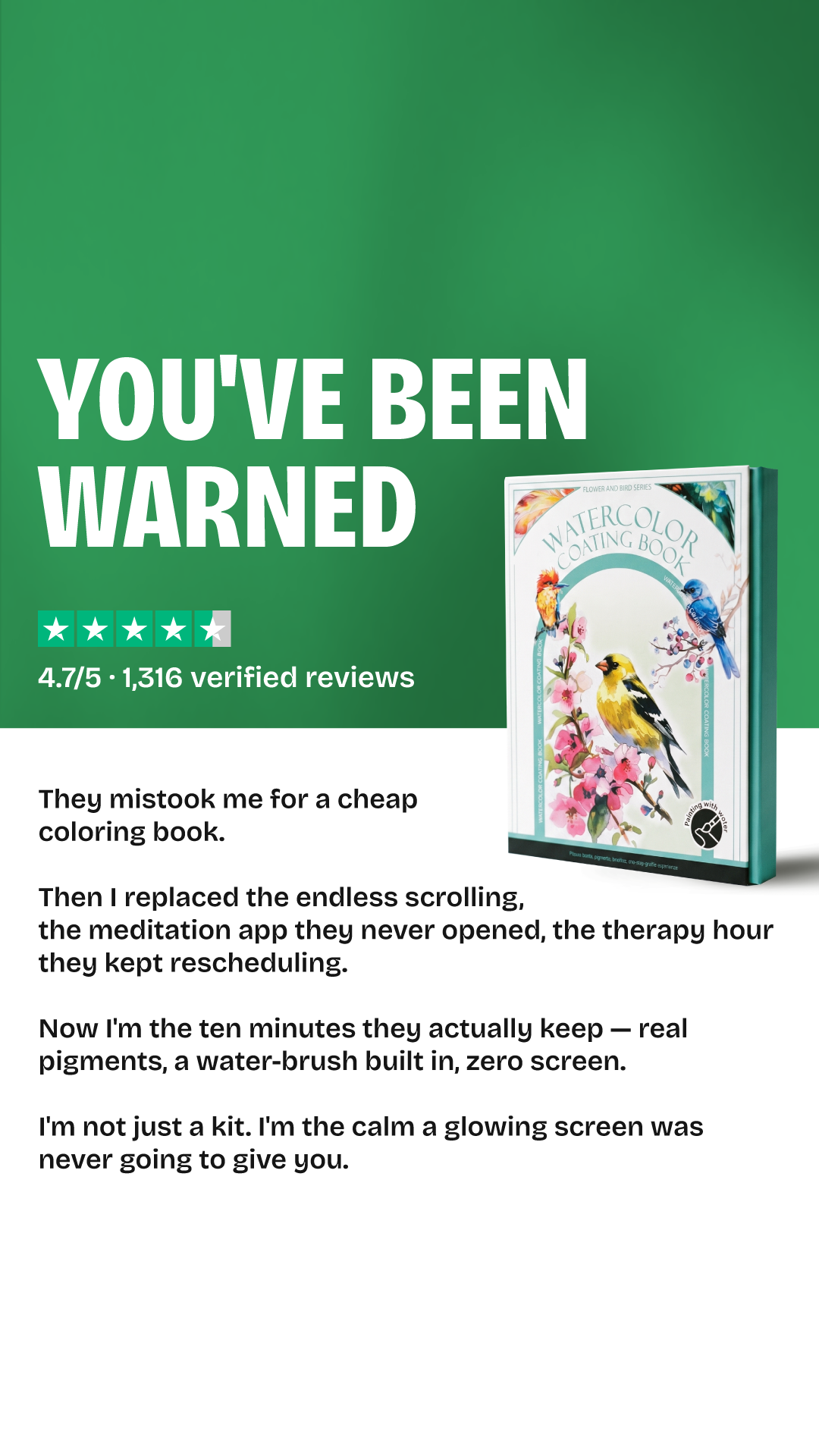
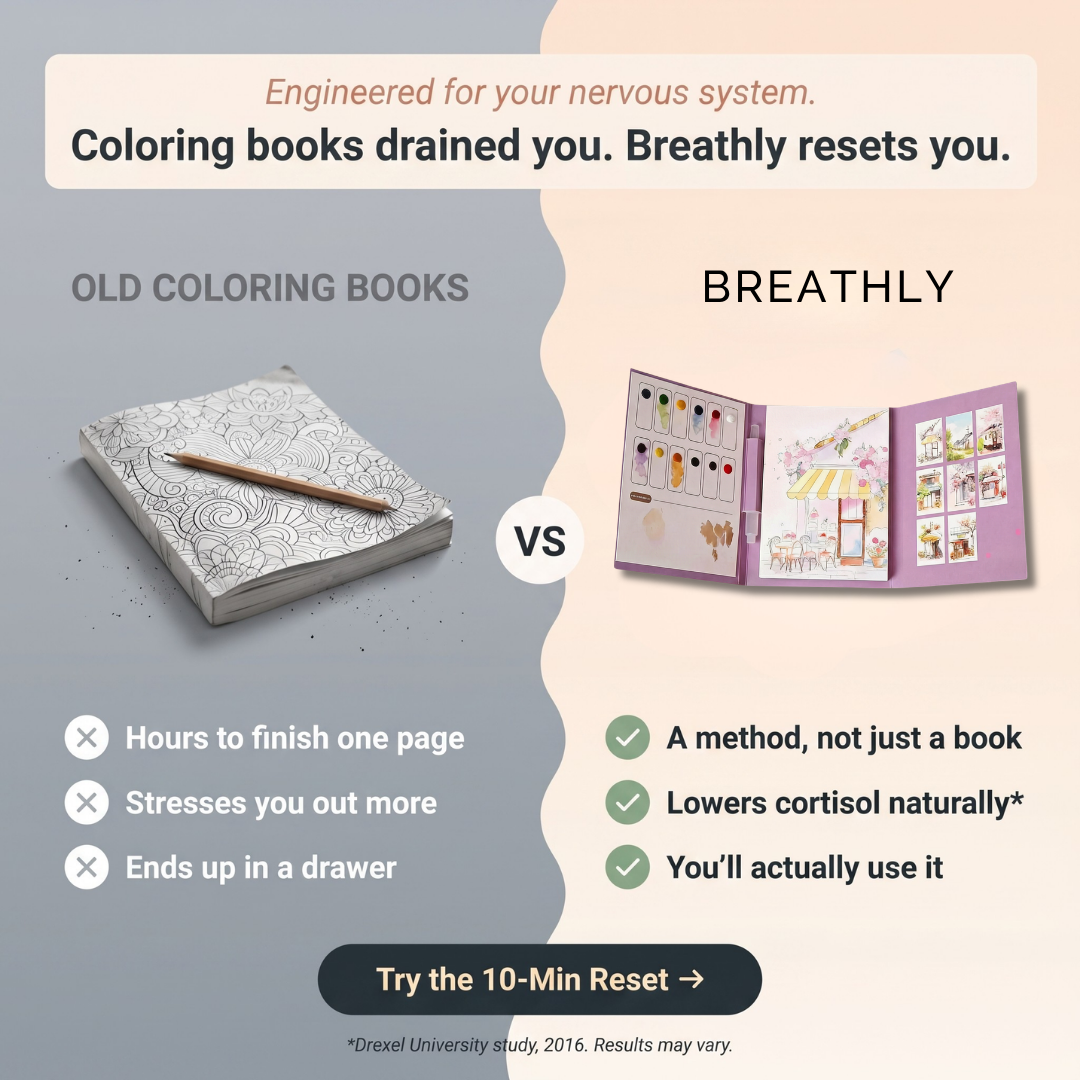
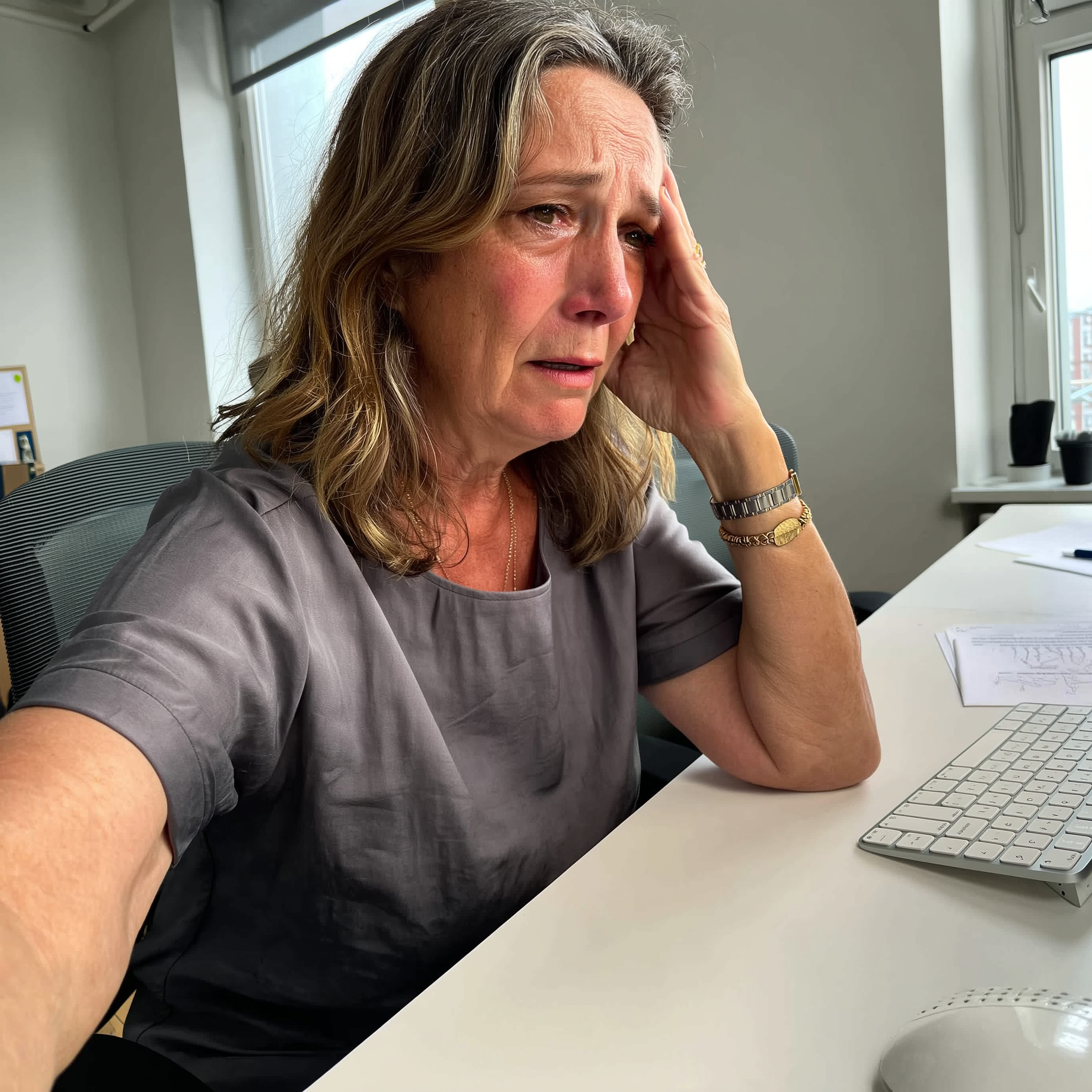
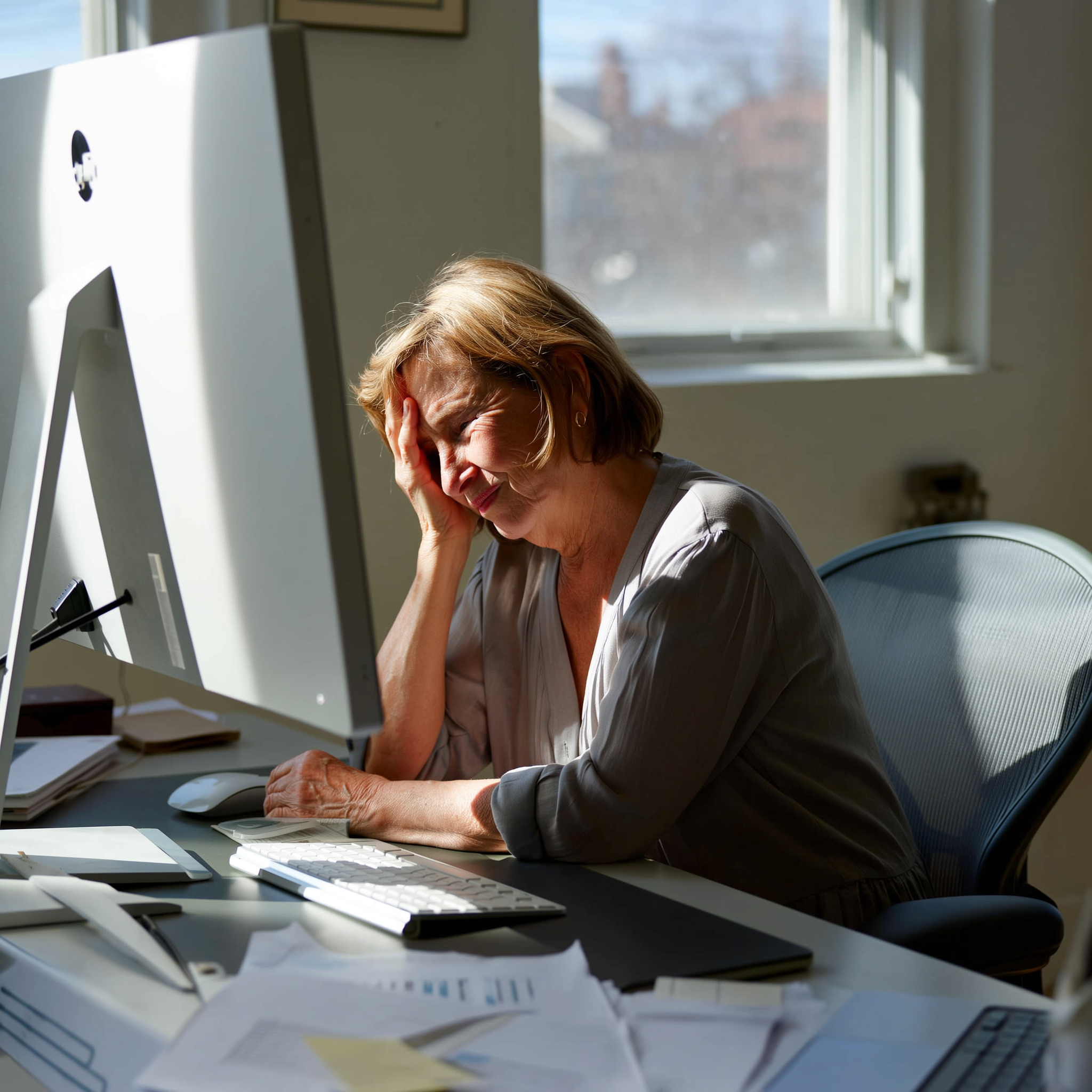
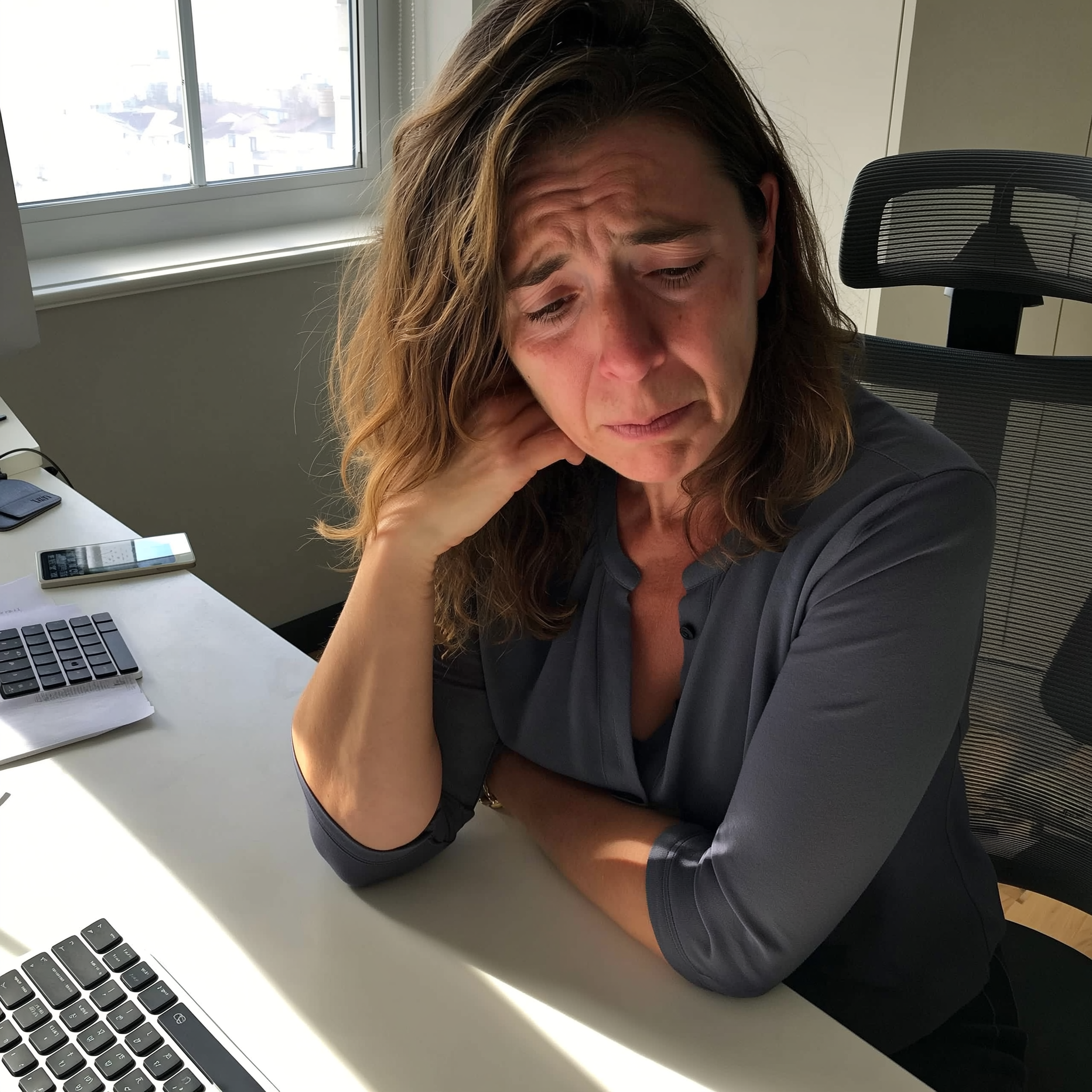
I realized I had a problem when I caught myself scrolling through LinkedIn at 11 PM not because I was networking — but because silence felt unbearable and I didn't know what else to do with it. That was a Tuesday. I had been "relaxing" for two hours. My name is Sarah. I'm a senior marketing manager at a mid-size tech company in Austin. I have a job I worked a decade for, an apartment I love, and a social life that looks great on Instagram. I also hadn't slept past 5 AM in four months. Not because of an alarm. Because my brain simply refused to stay off. I'd lie there running through the deck I needed to finish, the email I forgot to send, the comment my VP made in Thursday's meeting that I still wasn't sure how to interpret. By 6 AM I'd give up, make coffee, and open my laptop. By 8 AM I was in back-to-back calls. By 7 PM I was home, ordering food I wouldn't really taste, telling myself tonight would be different. It never was. The thing nobody tells you about high-functioning burnout is that it's invisible. You're still hitting your numbers. You're still showing up. You're still the person everyone CC's because they know you'll have an answer. You just feel like you're doing it from inside a glass box. Present. Performing. Completely disconnected. I downloaded every sleep app. I tried the 4-7-8 breathing thing. I bought a journal and wrote in it twice. I even did a weekend "digital detox" that lasted until Saturday afternoon when the silence got so loud I felt genuinely panicked. That was the word that scared me. Panicked. By quiet. I mentioned it offhandedly to my doctor during a routine checkup in March. I wasn't even sure why I brought it up — I was there for something else entirely. She didn't flinch. She asked me one question that I've thought about almost every day since. "When is the last time you did something with your hands that had no outcome attached to it?" I stared at her. I genuinely could not answer. Everything I did in a day was attached to a result. Every task had a metric. Every hour had an agenda. Even my "self-care" — the gym, the therapy app, the meditation timer — had a goal baked into it. Calories burned. Sessions completed. Streaks maintained. My nervous system had been in output mode for so long it had forgotten how to receive. She told me that what I was experiencing wasn't just stress. It was something researchers were now calling cognitive saturation — the point at which the prefrontal cortex has been in decision-making mode for so long that it loses the ability to genuinely downshift. It can't tell the difference between 11 PM and 11 AM anymore. The scrolling, she explained, wasn't laziness. It was my brain desperately looking for stimulation low enough in stakes that it wouldn't trigger another stress response — while still being stimulated enough to avoid the discomfort of actual stillness. LinkedIn at 11 PM wasn't rest. It was my brain's harm reduction strategy. I drove home that day and sat in my car for a while. I thought about the last real vacation I took — two years ago, Portugal — and how I'd spent the first three days unable to fully exhale. How it took until day four to stop checking Slack. How I came home and was "back to normal" within 48 hours, like those five days of actual rest had been erased completely. I thought about my friend Jenna, who had burned out so badly two winters ago that she had to take medical leave. She'd described the weeks leading up to it — still functional, still capable, but running on something that wasn't quite energy. More like momentum. I remembered nodding sympathetically when she told me. I hadn't connected it to myself until that moment in the parking lot. My doctor's suggestion wasn't pharmaceutical. It wasn't another app. She told me to find something tactile. Something with no right answer. Something that occupied my hands and just enough of my brain to quiet the rest of it — without requiring me to produce anything that mattered. She mentioned watercolor specifically. Not because she was an artist. Because she'd read a study — Drexel University, 2016 — showing that 75% of participants had measurably lower cortisol levels after just 45 minutes of making art. Any art. Regardless of skill level. The mechanism wasn't creativity. It was the act of putting attention somewhere low-stakes and physical. Repetitive, gentle motion. Color instead of language. Process instead of outcome. Her words: "Your brain has been sprinting. This is how you teach it to walk again." I want to be honest with you about what happened next, because it wasn't cinematic. I found a small watercolor kit — pre-sketched pages, a water brush, everything included. Ordered it mostly out of desperation and a vague sense that I had nothing left to lose. It sat on my kitchen counter for four days. I kept walking past it, telling myself I'd try it "when things slowed down." Classic. On a Thursday night — another 11 PM LinkedIn scroll session — I caught myself mid-thumb-swipe and felt something shift. Not dramatic. Just tired. Really, finally tired of the pattern. I put my phone face-down on the couch. I opened the kit. The first thing I noticed was the sound. The brush on the paper. Soft. Specific. My kitchen was quiet in a way it hadn't felt in months. I didn't make anything beautiful. The colors bled in directions I didn't intend. I couldn't tell you what the illustration was supposed to be. But at 11:43 PM I looked up and realized I had not thought about work once. Not once. I sat with that for a second. Then I went to bed. And I slept until 6:30. That was five months ago. I'm not going to tell you my life is transformed. My job is still demanding. My inbox is still a disaster on Monday mornings. I still have weeks where everything feels like too much. But I have something now I didn't have before. I have a 10 PM ritual that my nervous system actually responds to. Something that uses my hands instead of my eyes. Something with no metric attached, no outcome to optimize, no one waiting on a deliverable. The sleep is better. Not perfect. Better. The glass-box feeling — the one where I was present but not really there — that's mostly gone. My therapist noticed before I did. She asked what had changed. I told her I'd started painting at night. She laughed a little — not dismissively, just surprised — and said whatever it was, keep doing it. I'm sharing this because I know what it feels like to have tried everything that's supposed to help and found yourself still at 11 PM, phone in hand, running on empty and calling it rest. I'm not here to sell you anything. I'm here because I wish someone had told me earlier that the reason the apps and the breathing exercises and the weekend detoxes weren't working wasn't a willpower problem. It was a mechanics problem. My brain needed a different kind of input — something physical, something quiet, something that asked almost nothing of me. If you're reading this at a time of night when you should probably be asleep, I just want you to know that the scrolling isn't a character flaw. It's your brain doing the best it can with what it's been given. And you can give it something better. The kit I use is called Breathly. Pre-sketched pages, a water brush with the water already inside, 8 guided illustrations that make it impossible to start wrong. 8 blank pages to to give free rein to my inspiration, to free myself from my thoughts. No setup. No cleanup. No artistic skill required. I leave it on my nightstand now. Most nights I use it for 10 or 15 minutes. Sometimes more. Never less than enough. If any part of this story felt familiar, I'll leave the link below. No pressure. Just — you might sleep better tonight than you think.
She stopped scrolling at night. Here's what she does instead ☝️
Reduce anxiety & improve mental wellness with our therapeutic coloring kit. 5 soothing themes for relaxation & mindfulness. Shop now!
LEARN MORELike this ad? Make it yours.
Crush rebuilds this exact creative around your product — your brand, your colors, your offer — in about a minute.