
Inactive· since Apr 27, 2026
- 3
- days it ran
- 0
- relaunches
Ad copy
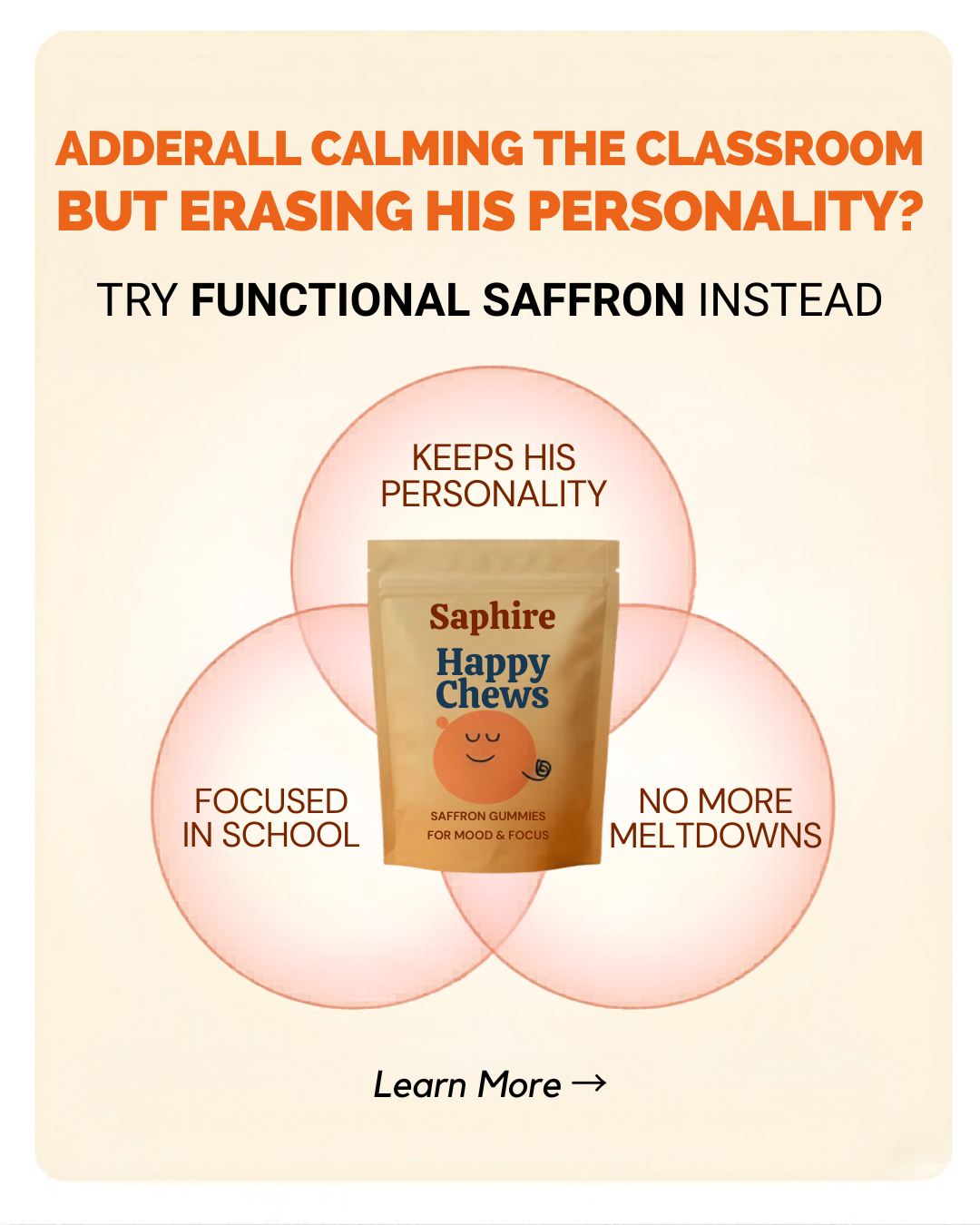
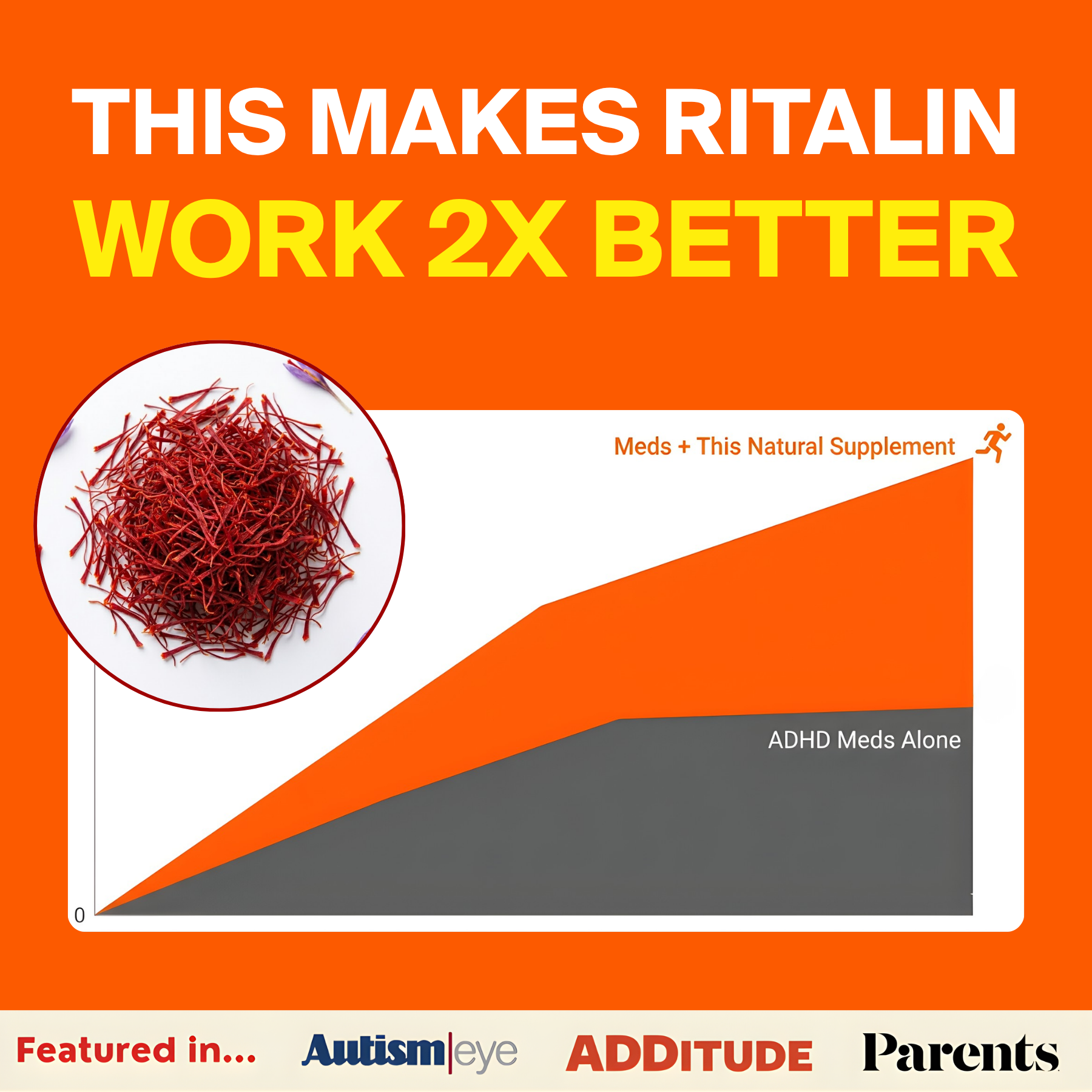
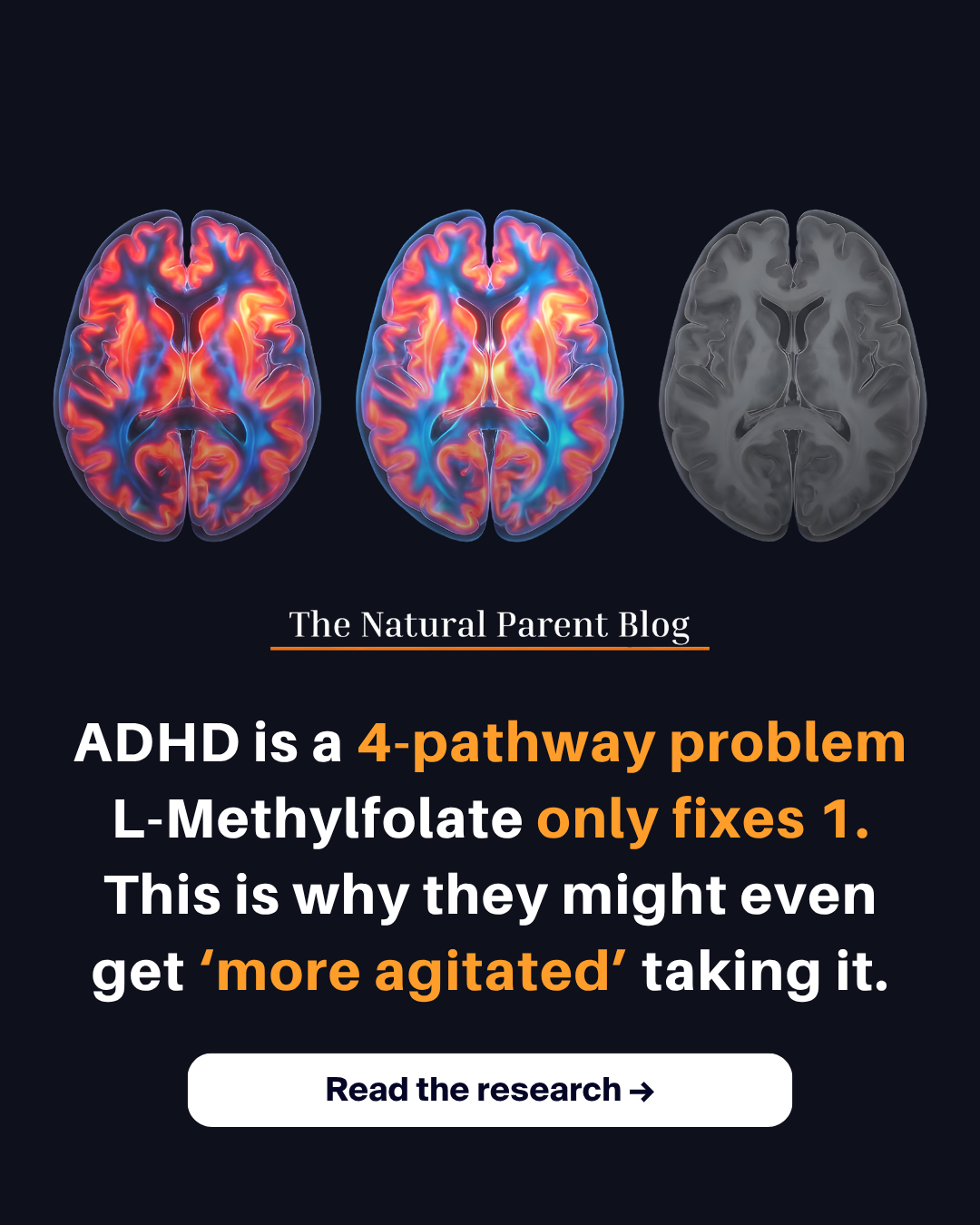
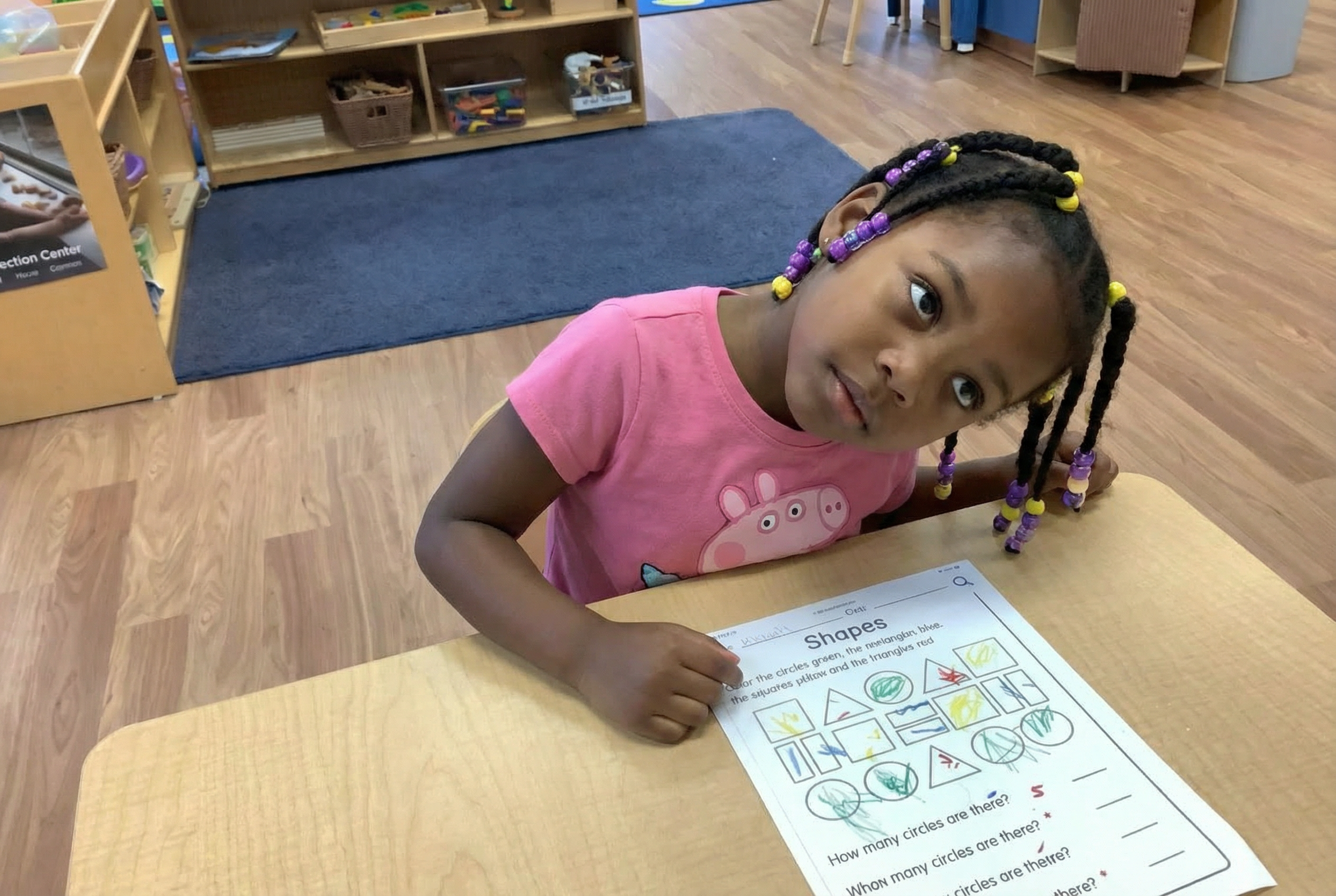
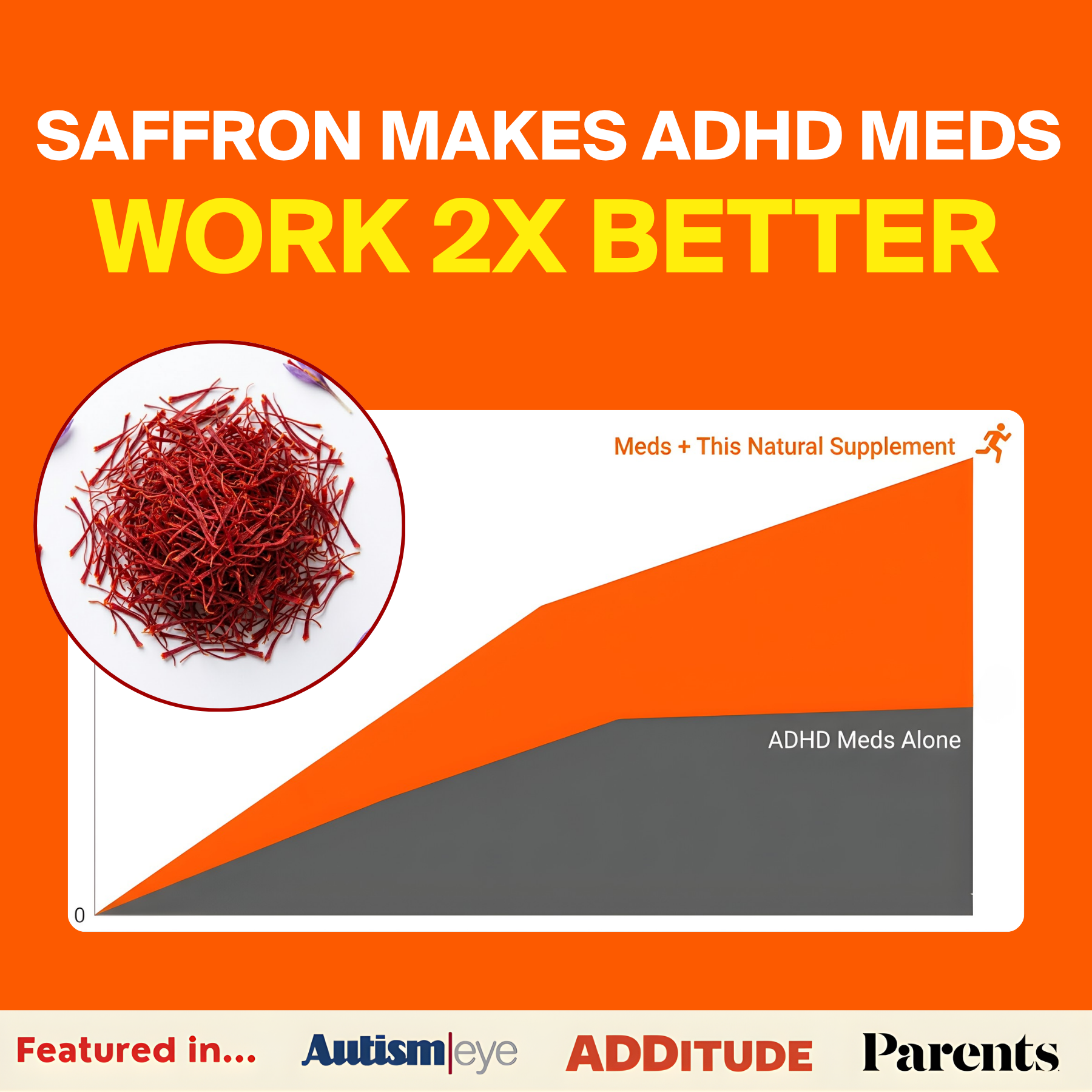
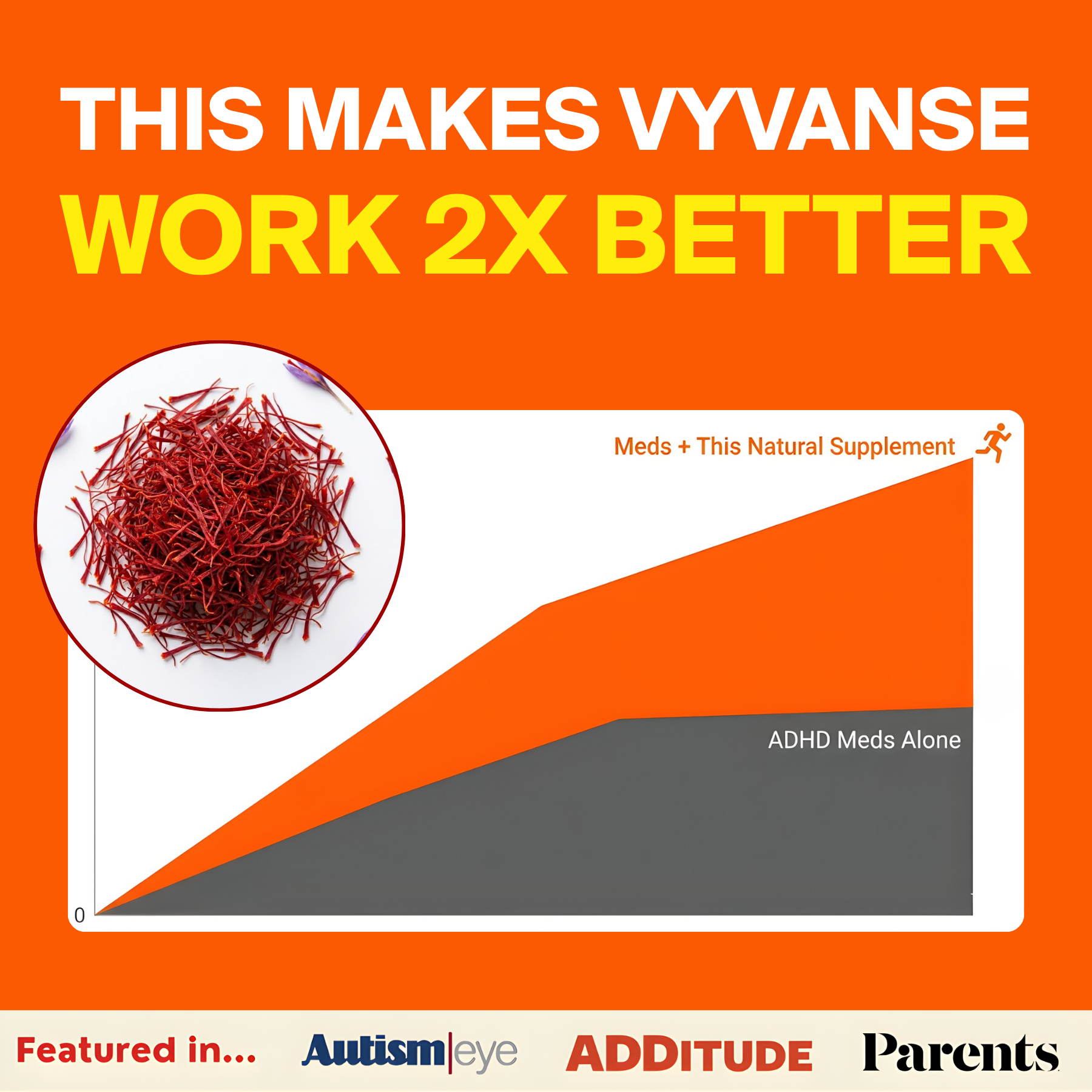
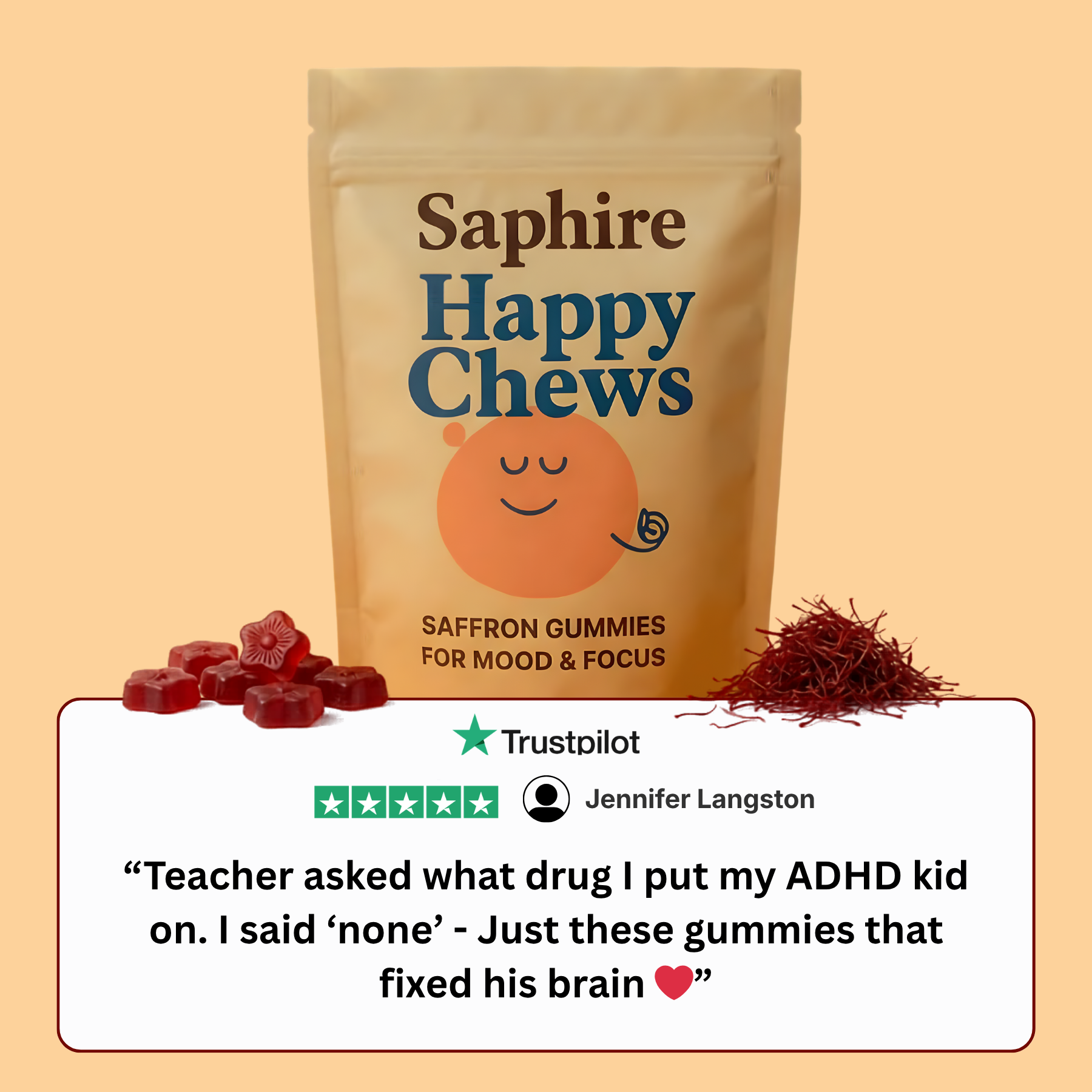
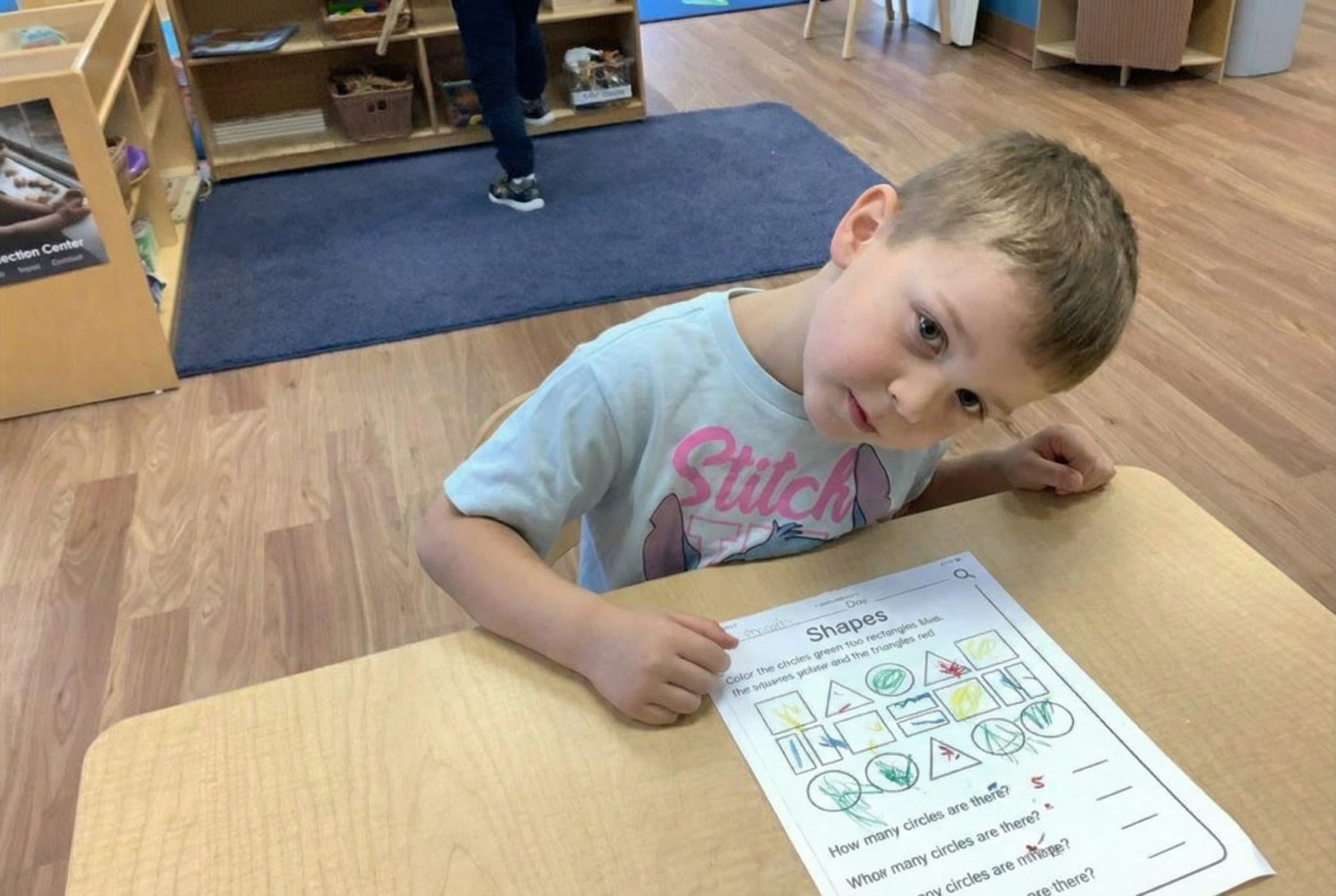
My 6 year old has been sent home twice this week. "Disruptive." "Can't keep hands to herself." "Distracting other students." She's SIX. She's doing a worksheet about shapes. And apparently that's enough to get a phone call and an early pickup. She came home Tuesday and said "mommy I'm the bad kid." I had to leave the room so she wouldn't see me cry. This is a child who can build Lego sets meant for 10 year olds. Who remembers every word to every song she's ever heard. Who will sit for an hour drawing if she's interested in what she's drawing. But put her in a classroom with 25 kids and a worksheet she doesn't care about and suddenly she's a "behavioral problem." The school suggested we "look into medication." She's six. I said no. And I could tell from the teacher's face that I became "that parent." The one who won't do what's necessary. The one making everyone's life harder. The one who's letting her child fail. But I wasn't going to medicate my daughter into being easier to manage in a system that was never built for how her brain works. So I did what every ADHD mum does. I went to the Facebook groups at 11pm and started reading. And the same thing kept coming up over and over. Mums saying their child was fine at home but falling apart at school. Mums saying the school pressured them into medication. Mums saying they tried meds and it fixed the sitting still but their child stopped laughing. One comment said "the school got the version of my son they wanted, and I lost mine." That one stayed with me for days. I started researching why ADHD kids specifically struggle in school. Not the obvious stuff. Not "they can't sit still." The actual brain science. And it's simpler than anyone ever explained to me. ADHD kids receive 27x more negative feedback than their peers. By first grade most of them already believe they're the problem. But the disruption, the fidgeting, the distracting other kids — that's not bad behavior. That's a brain that isn't getting enough stimulation internally so it goes looking for it externally. Their brain runs on four pathways. Dopamine. Serotonin. GABA. Norepinephrine. Focus. Mood. Calm. Impulse control. In ADHD kids, all four are underperforming. Not just one. All four. That's why she can focus on Legos for an hour but not a shapes worksheet. The Legos give her brain what it needs. The worksheet doesn't. So her brain starts hunting for stimulation — and that looks like disruption. She's not being bad. She's being under-resourced. When I understood that, everything shifted. I stopped being angry at the school. I stopped being angry at myself. I started looking for something that could actually support those pathways so her brain wasn't running on empty every day by 10am. I tried magnesium first. Nothing. Omega-3s for two months. Maybe a tiny difference. Probably placebo. OLLY focus gummies from Target. Waste of money. I was about to give up on the natural route entirely. Starting to wonder if the school was right and I was just being stubborn. Then I found a clinical study from 2019 that stopped me. Researchers put saffron extract head to head against Ritalin in ADHD children. Six weeks. Comparable results. No side effects. No appetite loss. No personality changes. Saffron. Not the cooking spice. A clinical-grade extract with specific compounds — crocin and safranal — that work across all four brain pathways at once. That's why the magnesium didn't work. It only hits one pathway. Same with the omega-3s. Same problem as medication honestly — just targeting one piece of a four-piece puzzle. Saffron was different because it supports all four simultaneously. I found a company called Saphire that uses the clinical-grade extraction in a gummy. My daughter actually likes taking them which was a miracle on its own after the omega-3 battles. First week I noticed nothing and thought here we go again. Second week she was slightly less reactive in the mornings. Getting ready for school without the usual meltdown. Small. But I noticed. Third week I didn't get a phone call from school. Not one. That hadn't happened in over a month. I didn't want to say anything. Didn't want to jinx it. Fourth week her teacher pulled me aside at pickup. Not the usual serious face. She was smiling. "I don't know what changed but she had an amazing week. She stayed in her seat for the whole reading block today. She even helped another student." I sat in my car in the school parking lot and cried. Not because everything was fixed. She still has hard days. She still has ADHD. She's still my wild, loud, intense little girl. But she's not getting sent home anymore. She's not calling herself the bad kid anymore. And I didn't have to medicate her to get here. Last week she came home from school and said "mommy my teacher said she was proud of me today." That sentence was worth every single 11pm research spiral. If your child is struggling at school right now. If you're getting the calls. If the school is pushing medication and you're not ready. If your child is starting to believe they're the problem. Look into what's actually happening in their brain. Four pathways. Not one. Most supplements only target one. Medication only targets one. That's why nothing's worked yet. Saffron targets all four. It changed my daughter's school year. It changed our mornings. It changed how she sees herself. Here's the link if you want to try it: https://trysaphire.com/products/saphire-saffron-gummies They have a 90-day money back guarantee so there's no risk if it doesn't work for your child. But if your kid is anything like mine — a bright, creative, incredible child trapped in a system that only sees the disruption — it might be the missing piece. Because "disruptive" is not who she is. It's just what a starving brain looks like in a classroom.
Like this ad? Make it yours.
Crush rebuilds this exact creative around your product — your brand, your colors, your offer — in about a minute.